Newer Novels Are Less Demure, For Sure

I’ve previously covered this topic here and there, but I wanted to return to some of the ways modern novels differ from older ones.

Several examples of this are cropping up as I read The Hallmarked Man (2025) — J.K. Rowling’s eighth excellent book, under her Robert Galbraith alias, starring private investigators Cormoran Strike and Robin Ellacott.

This long (897 pages) crime novel includes mentions of lots of digital technology that was of course not an element of long-ago books. Strike, Ellacott, and their employees frequently text each other while on stakeouts, pore through social media to seek information about possible suspects and witnesses, explore “the dark web” for clues, etc.

Rowling’s series also features plenty of cursing — taboo in older novels — as well as somewhat explicit sex scenes and somewhat graphic depictions of violence one doesn’t see as much in long-ago literature. (Although Rowling’s work is more reserved than some recent fiction in those respects.)

And, unlike many older novels, The Hallmarked Man and Rowling’s earlier Strike/Ellacott books feature various characters of different ethnicities, various characters who are LGBTQ+, etc. – with all that diversity depicted, like it should be, as an unremarkable part of life.

(Rowling’s unfortunate personal views about transgender people are fortunately not reflected in any of her novels.)

Getting back to the tech thing, one of the first 21st-century authors to strongly incorporate the digital world was Stieg Larsson in The Girl with the Dragon Tattoo and its two sequels — with the Lisabeth Salander character’s computer expertise germane to the plot in Larsson’s 2005-2007 trilogy. There was also Stephen King’s 2006 novel Cell (referring to the phone not a prison space), though it was sadly one of that author’s lesser books.

Of course, early sci-fi writers such as Jules Verne and E.T.A. Hoffmann imagined approximations of stuff in our digital age, but this post’s focus is mostly on authors more current to our time.

Other recent or relatively recent books with many four-letter words and/or frank sexual situations and/or queasy violence? Kristin Hannah’s The Women (2024), Barbara Kingsolver’s Demon Copperhead (2022), Gillian Flynn’s Gone Girl (2012), and Cormac McCarthy’s No Country for Old Men (2005), among many others. The cursing and violence in a war-set novel like The Women – which spotlights three American nurses dealing with horrific injury situations in Vietnam — is to be totally expected if the author wants to convey realism.

Other 21st-century books with all kinds of multiculturalism and diversity? Zadie Smith’s debut novel White Teeth (2000) and Chimamanda Ngozi Adichie’s Americanah (2013), to name just two.

As I alluded to earlier, there are always exceptions to the rule. For instance, some older novels, like Lady Chatterley’s Lover (1928) by D.H. Lawrence, contain fairly explicit sexual content — and some newer novels are written in the more prim way of decades or centuries ago. (This is also the case with formal and/or wordy prose.) And there are the rare older novels with diverse, non-stereotypical casts – Georges (1843) by Alexandre Dumas is one that comes to mind – while some newer novels have homogenous casts.

Your thoughts about, and examples of, this topic?

Misty the cat says: “Sheesh…I paid good money for a luxury automobile and get this?”

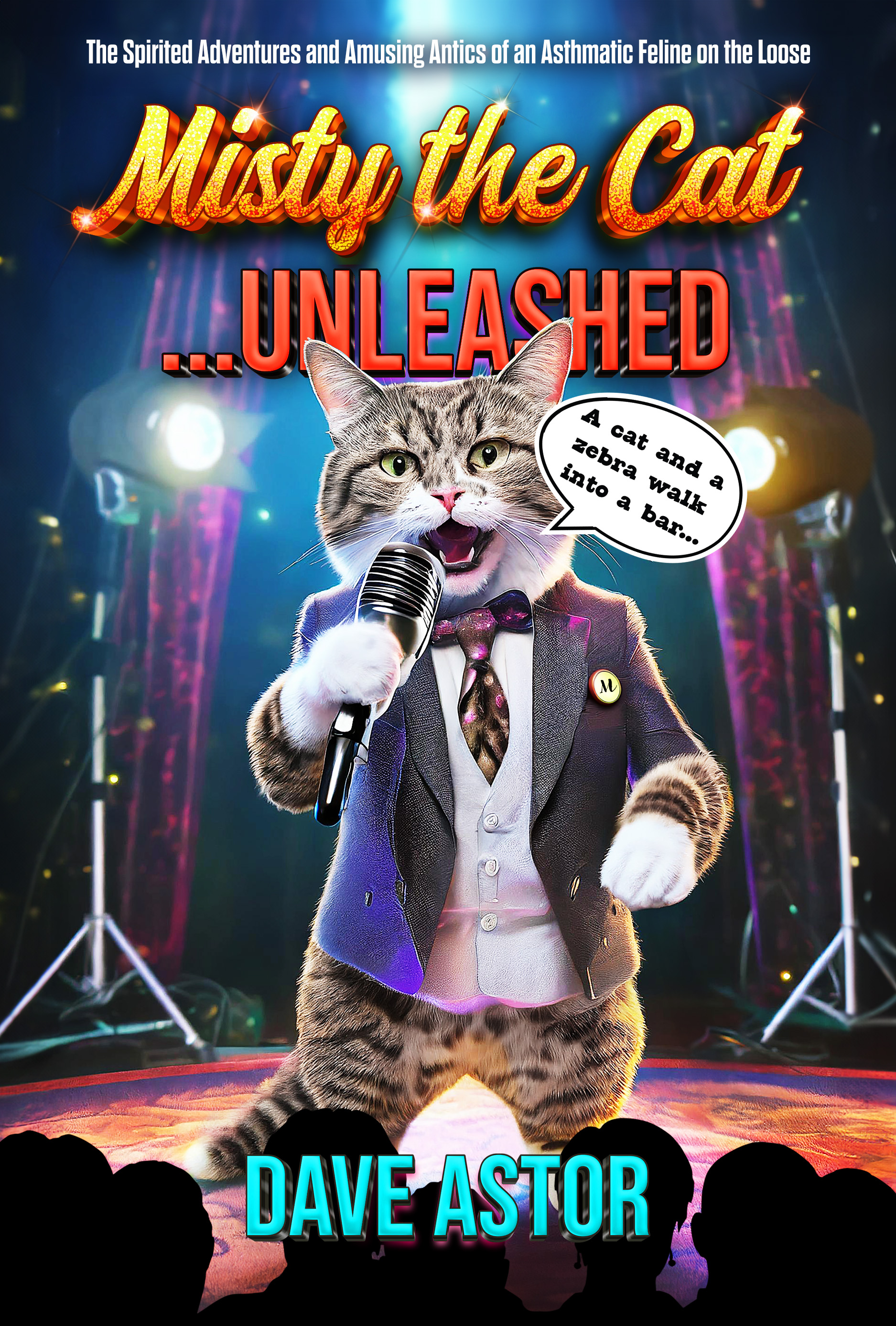
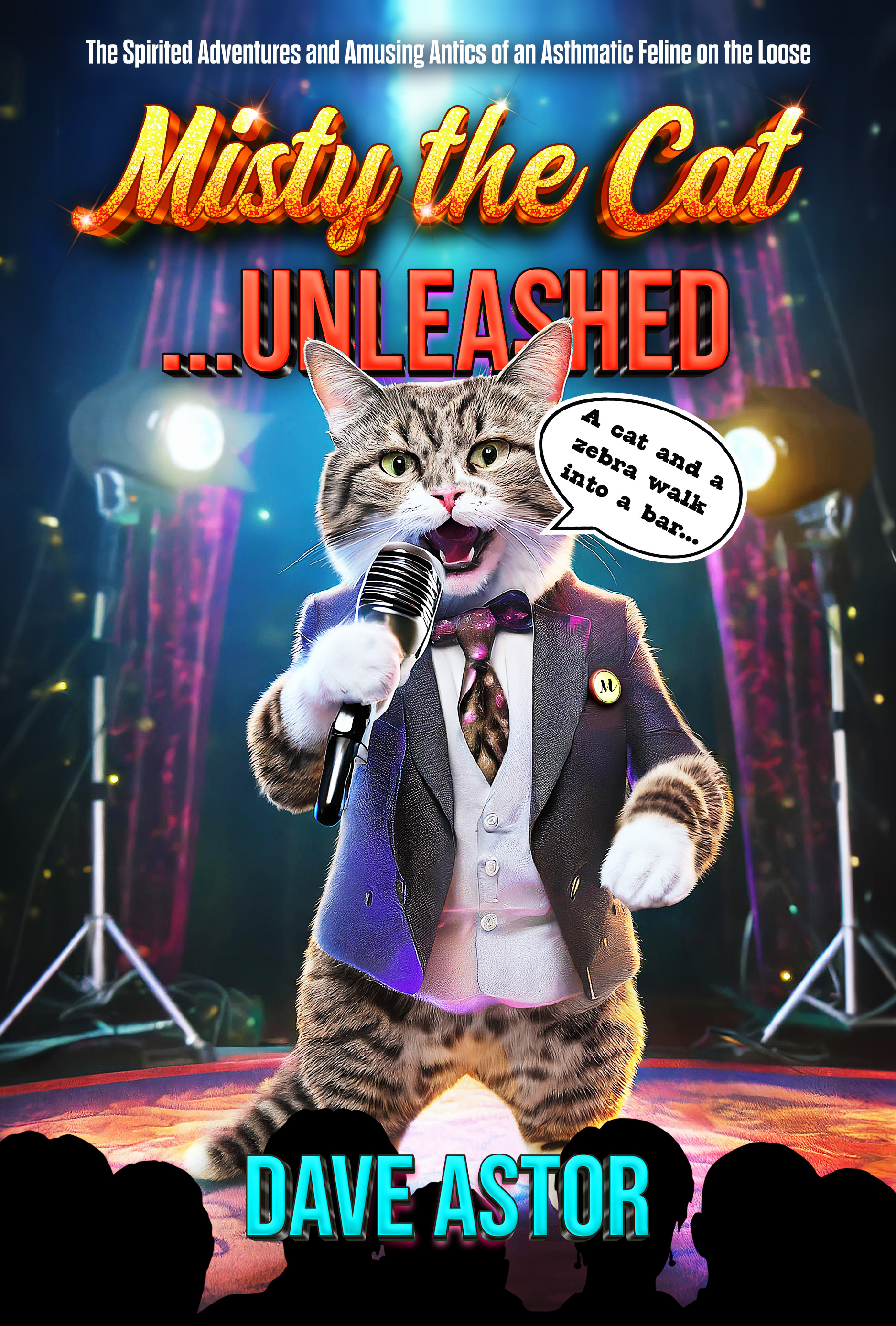
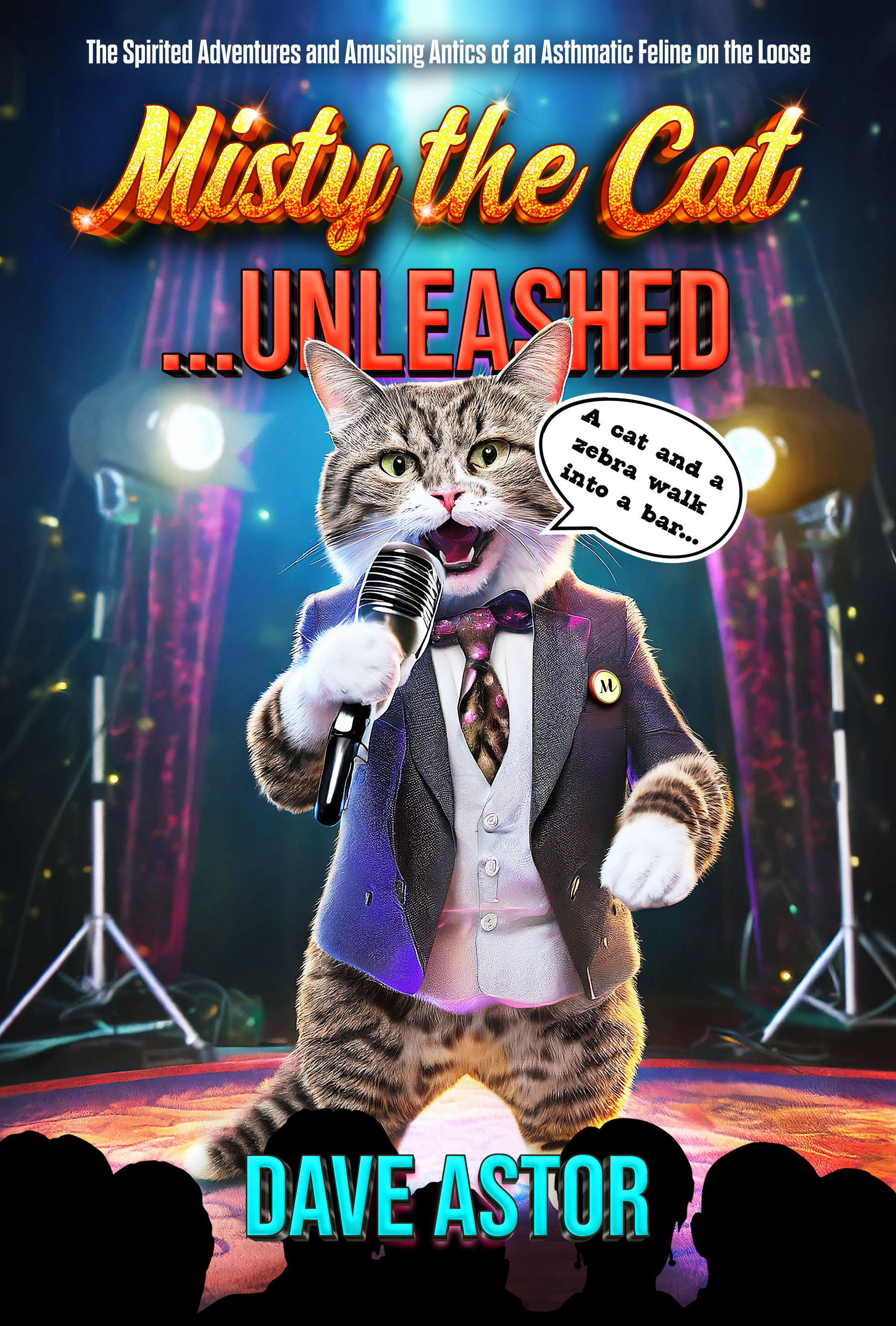
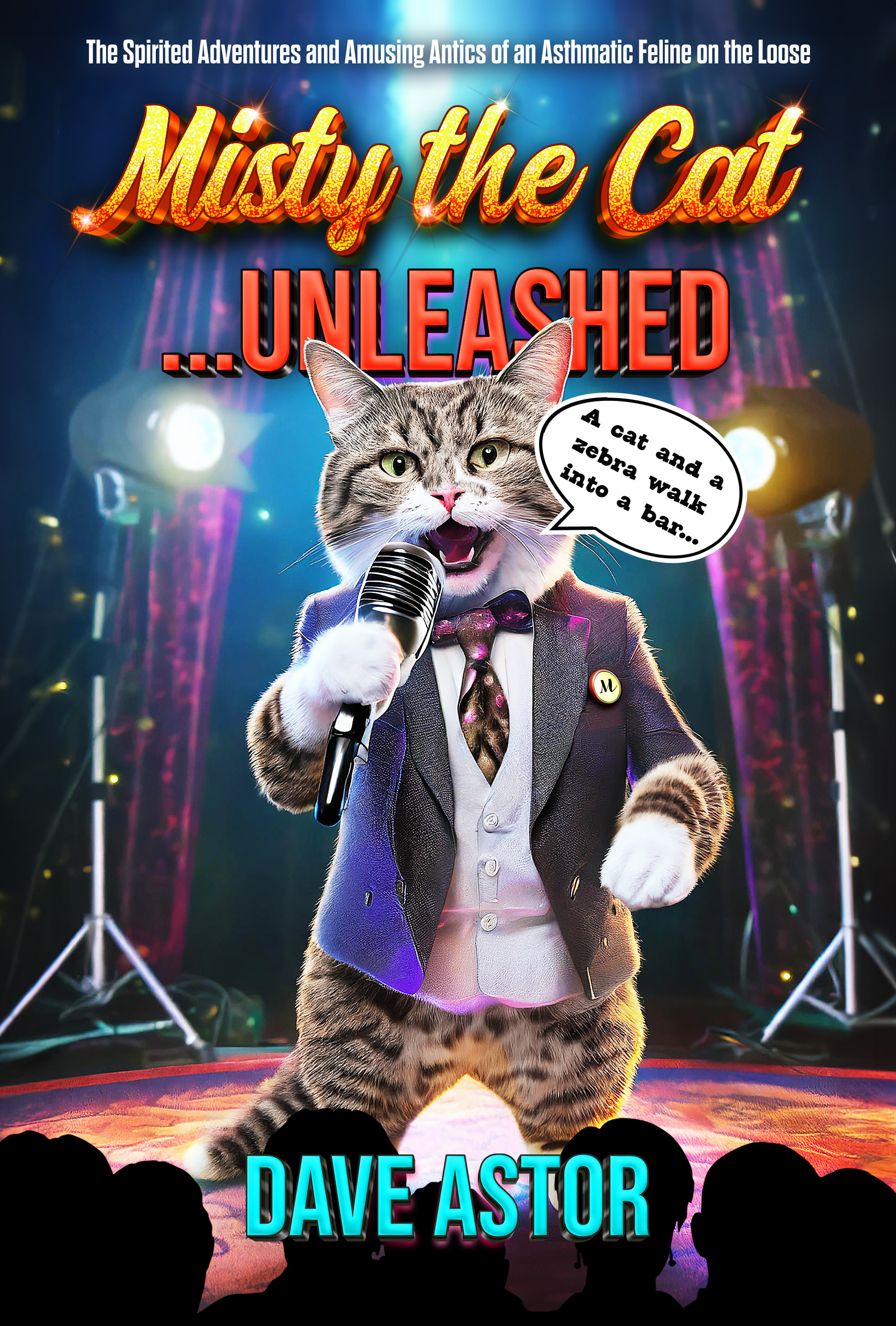
My comedic 2024 book — the part-factual/part-fictional/not-a-children’s-work Misty the Cat…Unleashed — is described and can be purchased on Amazon in paperback or on Kindle. It’s feline-narrated! (And Amazon reviews are welcome. 🙂 )
This 90-second promo video for the book features a talking cat: 🙂 (Not my voice. 🙂 )

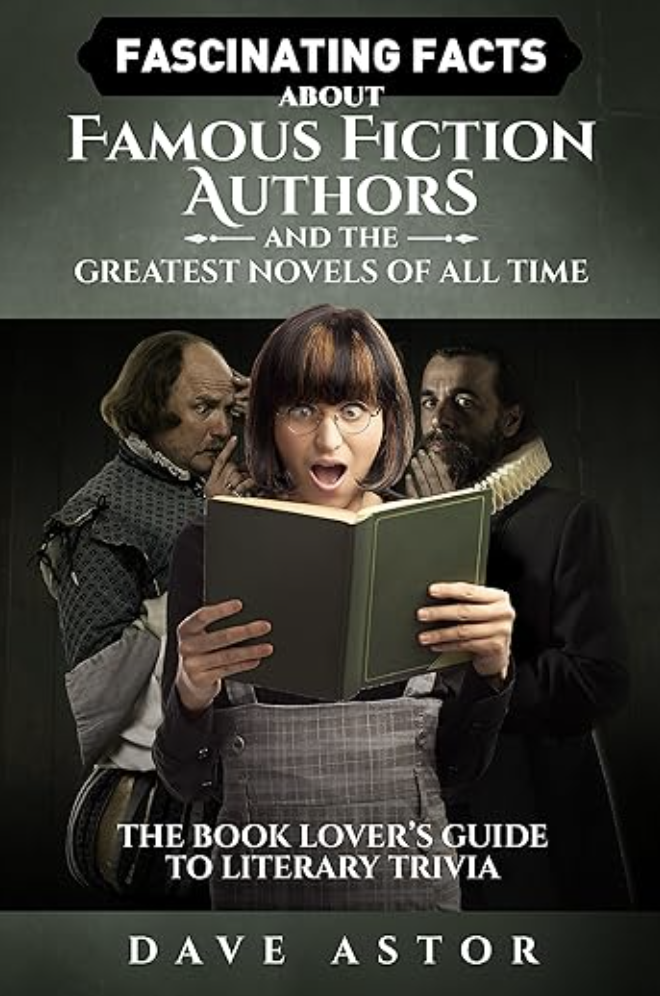
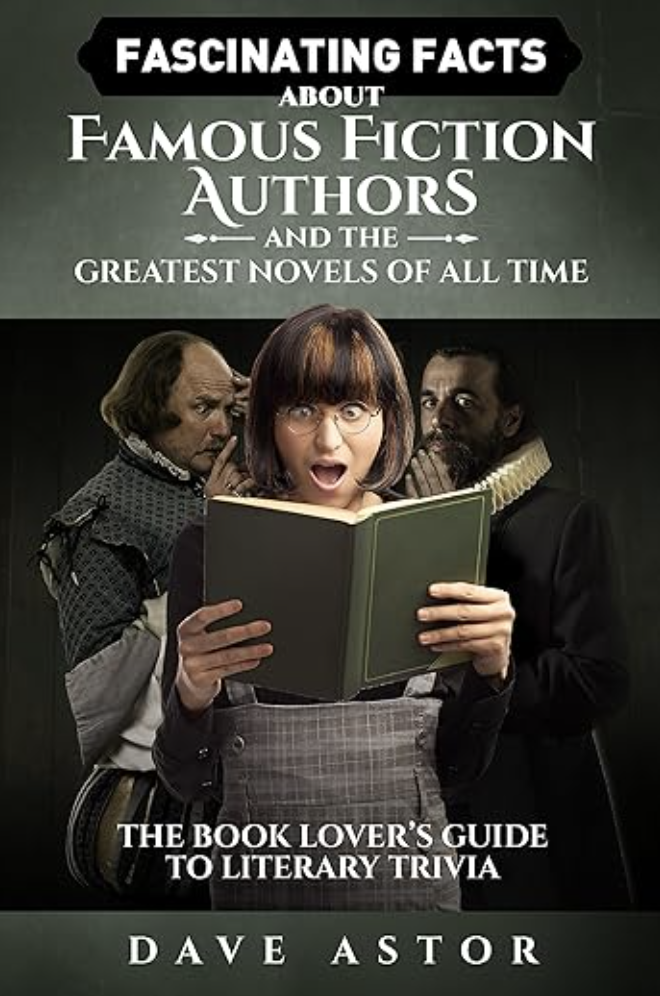
I’m also the author of a 2017 literary-trivia book

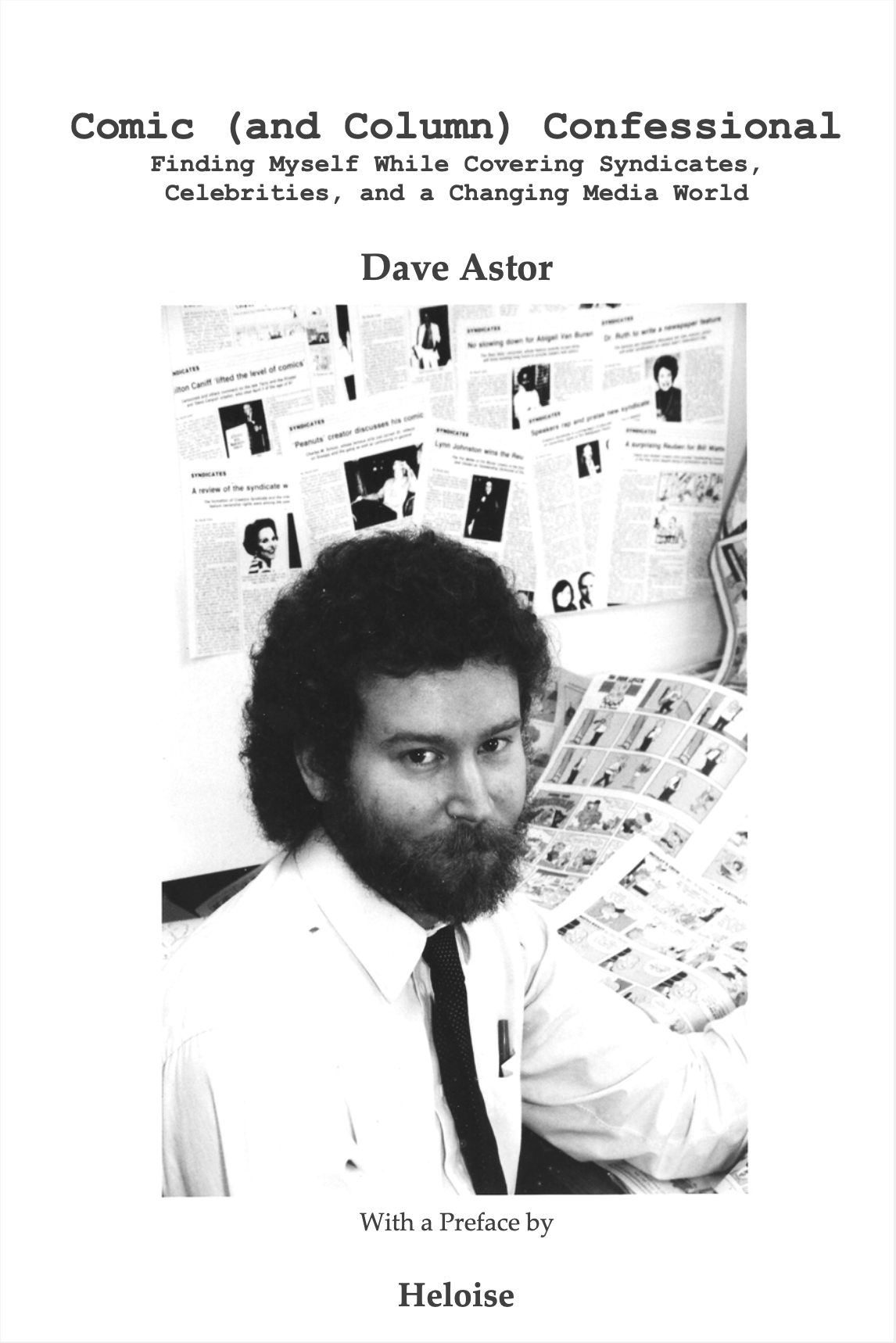
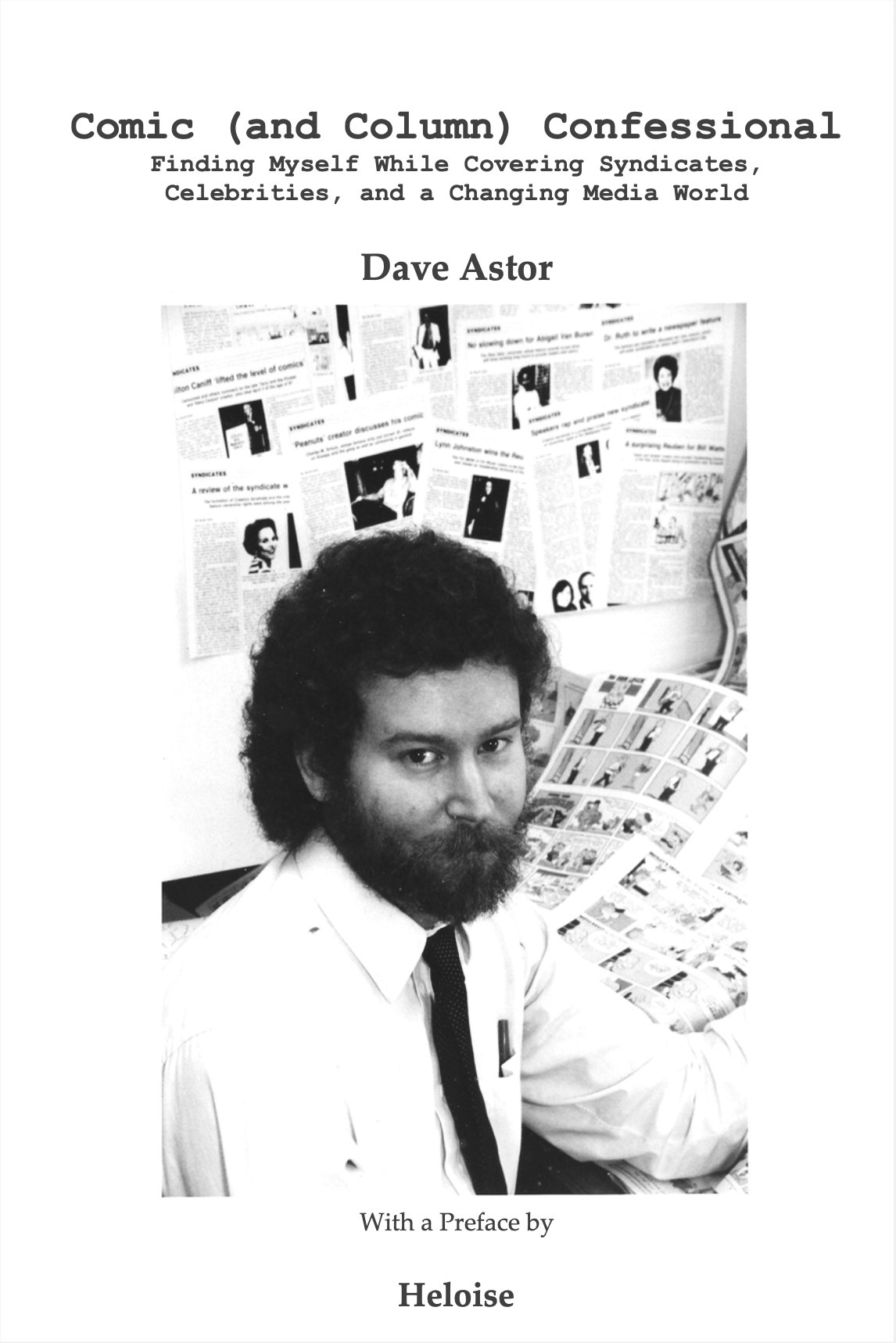
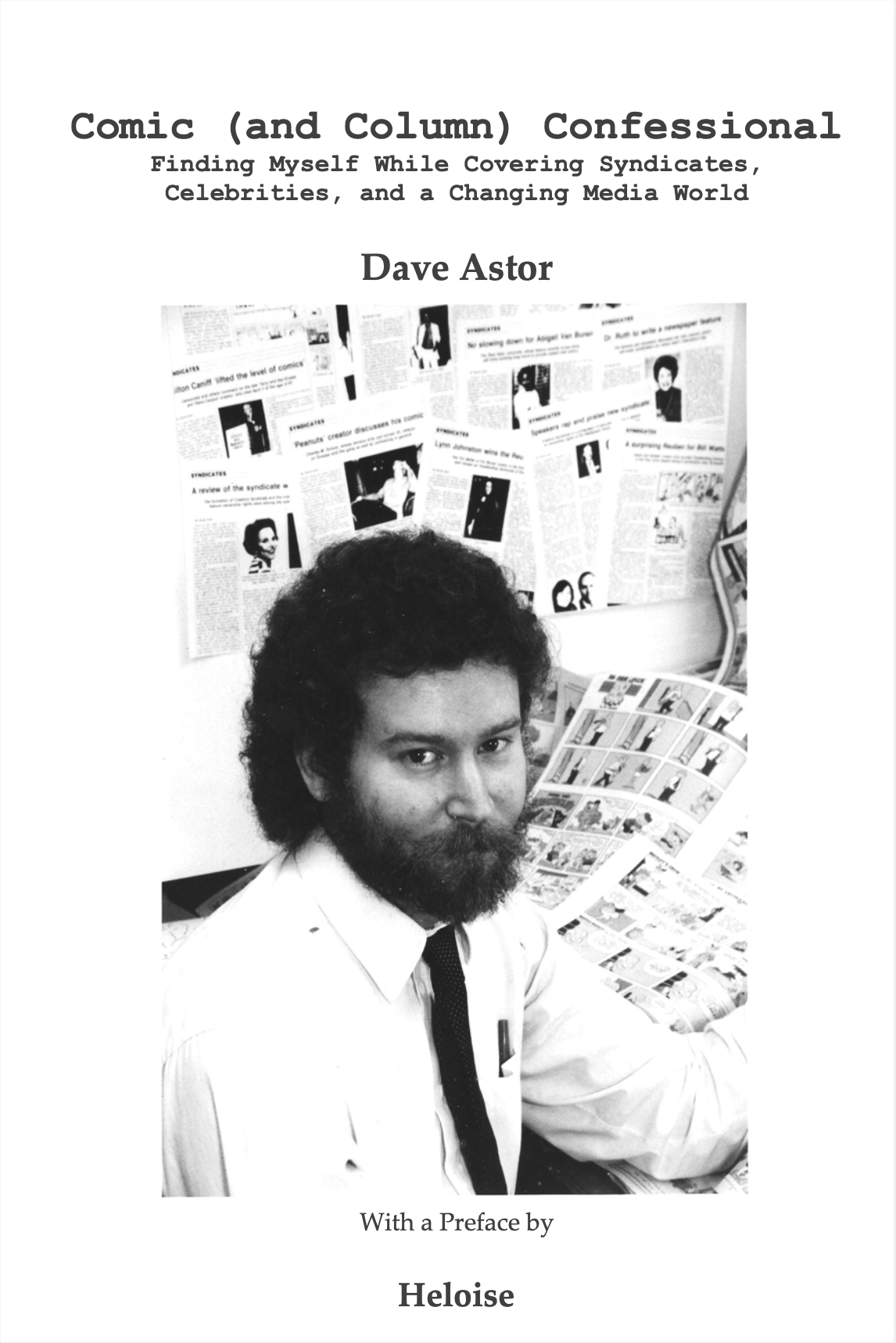
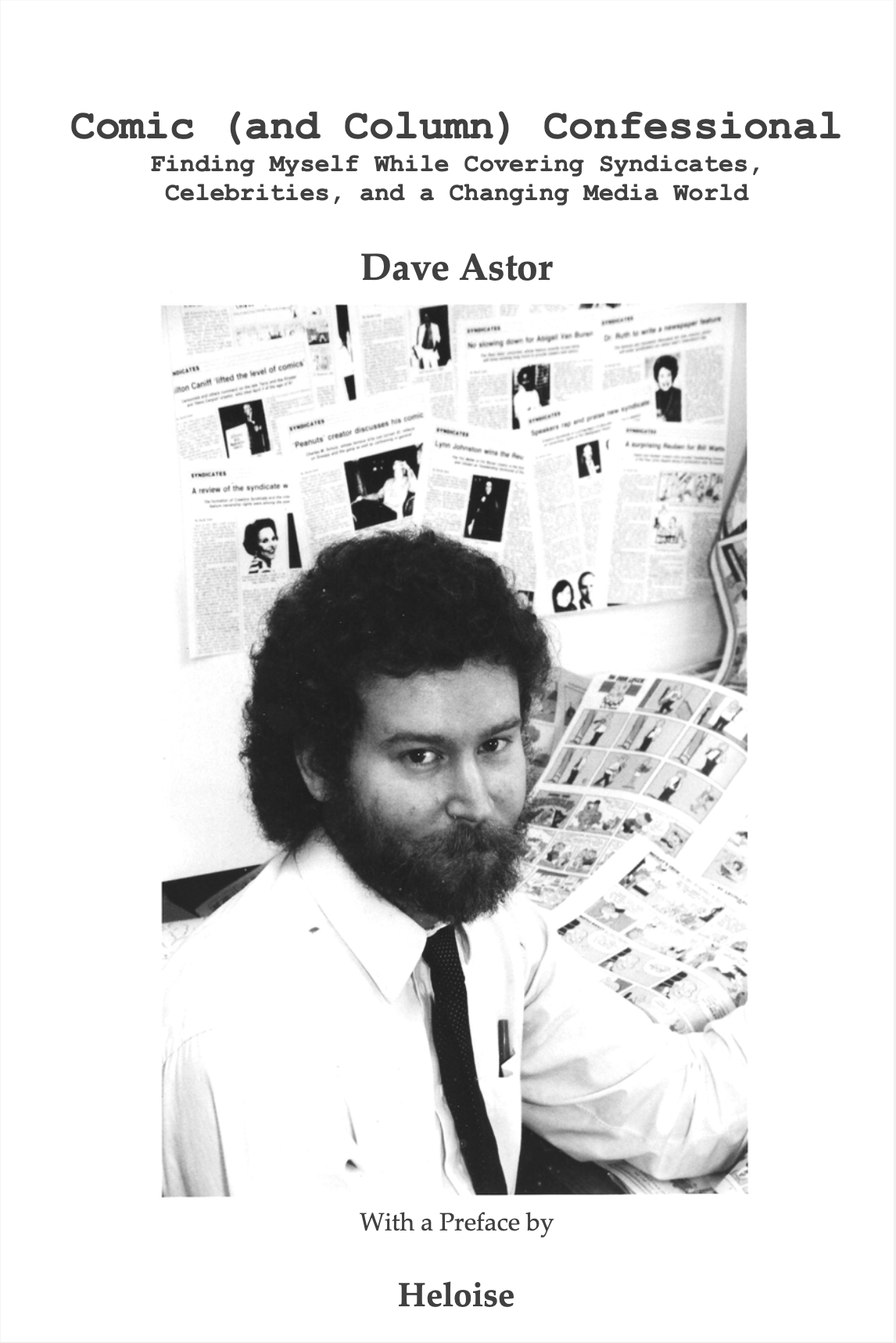
…and a 2012 memoir that focuses on cartooning and more, including many encounters with celebrities.
In addition to this weekly blog, I write the 2003-started/award-winning “Montclairvoyant” topical-humor column every Thursday for Montclair Local. The latest piece – about not-beloved builders and an unpopular board — is here.

The Good, the Bad, and the Very Bad?

All authors write some novels that are better than others, but occasionally there’s an unusually large gap in quality between a specific author’s books.

(At least in my opinion; a book I dislike might of course be liked by others, and vice versa. 🙂 )

I thought about this when recently reading Jeffrey Eugenides’ 2011 novel The Marriage Plot until giving up on it after about 100 pages. I loved that author’s 2002 novel Middlesex – which I thought was a brilliant look at a gender-confused character, the immigration experience, and more. It deservedly won a Pulitzer Prize.

The Marriage Plot? Almost plot-less as well as boring – and filled with spoiled, whiny, unlikable, pretentious, annoying characters at an Ivy League university. One Amazon reviewer drolly and accurately described these fictional collegians as “self-absorbed, over-educated noodles with cartoon parents.” Also, through his characters, Eugenides did way too much name-dropping of authors and books to beat us over the head with how well-read he was.

In short, I found the gap between those two novels astonishing – though, as I said before, others might feel differently.

Other huge gaps I’ve found in books by the same author? The first example that came to mind was between Jack London’s A Daughter of the Snows (1902) and London’s The Call of the Wild (1903). In the first novel, I admired London’s attempt to create a strong female protagonist, but the writing in general and the dialogue in particular were laughably clunky. Then, a year after that amateurish effort, came a stone-cold classic that couldn’t have been written better. Here was a case, also seen with some other authors, of a young novelist struggling to find writing confidence and a distinct writing voice before those both kick in – which can happen gradually or, as with London, seemingly overnight.

Large quality gaps between an author’s books can also have a late-career element. For instance, the chasm between Willa Cather’s exquisitely written My Antonia (1918) or Death Comes for the Archbishop (1927) and her abysmal Sapphira and the Slave Girl (1940) is stunning. Something like that can be caused by factors such as ill health or running out of ideas after penning many novels.

I also noticed this late-career phenomenon with Martin Cruz Smith: his Gorky Park (1981) and its first seven sequels are excellent, but eighth sequel The Siberian Dilemma (2019) is…ugh. It didn’t help that the author was dealing with advanced Parkinson’s disease at that point. 

And with Jack Finney: Time and Again (1970) is a riveting time-travel classic, but its sequel From Time to Time (1995) is pretty bad. Perhaps not a coincidence that Finney was in his mid-80s in 1995 and died that same year.

Of course, other reasons for a great author writing a bad book – say, in mid-career – could include a temporary health crisis, other challenging stuff going on in her or his life, having to rush a book for some reason, etc. Or sometimes a dud happens inexplicably; authors are human like everyone else. (So I’m told. 🙂 )

Staying with a novel and a sequel, Kristin Hannah released the terrific Firefly Lane – about two very different friends – in 2008. Then came the 2013 follow-up Fly Away, which I found to be a yawn (though not awful). I’ve read 17 novels by Hannah – one of my favorite contemporary authors — and Fly Away is the only one I didn’t love. (My very favorites of hers are the most recently published four: The Women, The Four Winds, The Great Alone, and The Nightingale.)

And Darryl Brock came out with the fabulous, should-be-better-known baseball/time-travel novel If I Never Come Back in 1990. Twelve years later, his Two in the Field sequel was a near-dud.

Going back to the 19th-century, Wilkie Collins wrote lengthy superb novels such as 1860’s The Woman in White. One rare Collins misstep was A Rogue’s Life, which I struggled to get through despite it being short. But I did finish it, unlike The Marriage Plot. 🙂

Your thoughts about, and examples of, this topic?

Misty the cat says: “This is fan fact, not fan fiction. It’s hot in August.”

My comedic 2024 book — the part-factual/part-fictional/not-a-children’s-work Misty the Cat…Unleashed — is described and can be purchased on Amazon in paperback or on Kindle. It’s feline-narrated! (And Amazon reviews are welcome. 🙂 )

This 90-second promo video for the book features a talking cat: 🙂

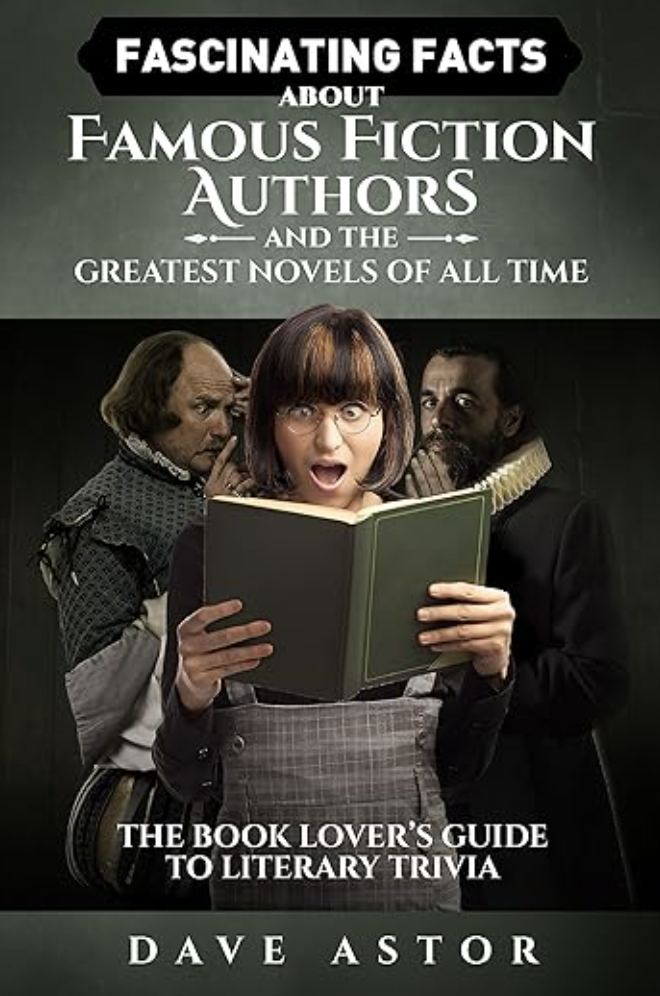
I’m also the author of a 2017 literary-trivia book

…and a 2012 memoir that focuses on cartooning and more, including many encounters with celebrities.

In addition to this weekly blog, I write the 2003-started/award-winning “Montclairvoyant” topical-humor column every Thursday for Montclair Local. The latest piece – about a tone-deaf hire and a long-overdue audit — is here.

An Overview of Underdogs

Most of us like to root for the underdog. I’ll first discuss an underdog winner of a real-life political race last week, and then discuss underdog characters in literature.

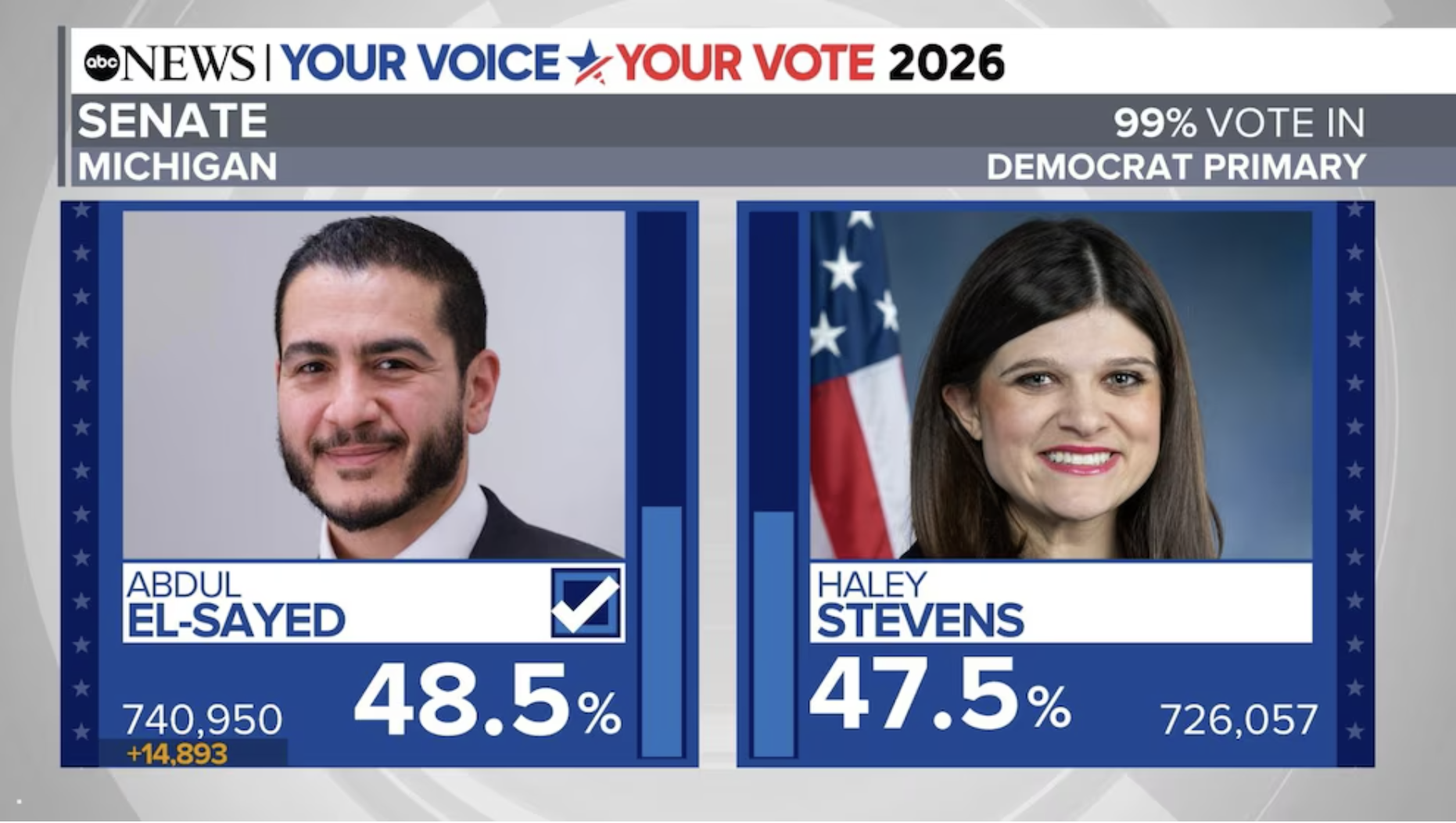
The candidate is Dr. Abdul El-Sayed, who won the Democratic nomination for a U.S. Senate seat representing Michigan (the state where my wife Laurel spent much of her childhood).

Dr. El-Sayed’s victory was a narrow one, but it impressively happened against great odds. He’s Muslim and he’s progressive, which means establishment politicians (including some fellow Democrats) and the corporate media did all they could to tarnish him with various kinds of nasty nonsense. Plus Dr. El-Sayed was outspent a whopping 11-1 by his center-right opponent Haley Stevens, partly “thanks” to AIPAC (the American Israel Public Affairs Committee) pouring millions into Stevens’ campaign because she supports Israel’s far-right government and because Dr. El-Sayed has correctly called that government’s assault on Gaza a genocide – plus he wants to end the billions of dollars in military aid the U.S. sends each year to Israel. 

I should emphasize that I’m criticizing AIPAC and Israel’s current government – not the Jewish people, of which I’m one. Heck, a clear majority of American Jews have a negative opinion of reactionary Israeli prime minister Benjamin Netanyahu.

Dr. El-Sayed has also taken various other progressive positions, including advocating for the much-needed Medicare for All in the world’s only developed country (the U.S.) without guaranteed health care for everyone.

Underdogs in literature? I just finished (Ms.) Lionel Shriver’s intriguing dystopian novel Mania, in which the protagonist (Ms.) Pearson Converse gets major pushback when objecting to an alternate-universe America’s “Mental Parity” policy that equates stupidity and intelligence. The 2024 book can be viewed as partly a satire of the utterly incompetent (yet very dangerous) Trump and his regime.

Of course, many older and newer literary classics have an underdog as the central character. That kind of person – who might be impoverished, have a difficult upbringing, be a member of a marginalized group, be bullied, be small in stature, etc. – is usually someone readers can admire, respect, and root for. Most readers can’t resist a character trying to surmount major obstacles with smarts, courage, resilience, and other attributes – including a measure of luck. Sometimes they succeed and sometimes they don’t.

Just a few examples of underdog characters: Jane Eyre of Charlotte Bronte’s Jane Eyre, Silas Marner of George Eliot’s Silas Marner, Oliver Twist of Charles Dickens’ Oliver Twist, Carrie White of Stephen King’s Carrie, Jeanie Deans of Walter Scott’s The Heart of Midlothian, Denise Baudu of Emile Zola’s Au Bonheur des Dames, Offred of Margaret Atwood’s The Handmaid’s Tale, Valancy Stirling of L.M. Montgomery’s The Blue Castle, Dana Franklin of Octavia E. Butler’s Kindred, Tom of Harriet Beecher Stowe’s Uncle Tom’s Cabin, Dellarobia Turnbow of Barbara Kingsolver’s Flight Behavior, Humphrey Van Weyden of Jack London’s The Sea-Wolf, the Mirabel sisters of Julia Alvarez’s In the Time of the Butterflies, Lisbeth Salander of Stieg Larsson’s Millennium Trilogy (The Girl With the Dragon Tattoo, etc.), and the hobbits populating J.R.R. Tolkien’s The Hobbit and The Lord of the Rings trilogy.

In sports literature (the subject of a 2015 post here), many athletes are not-surprisingly depicted as underdogs. Among them are Roy Hobbs of Bernard Malamud’s The Natural (made into the stirring Robert Redford movie) and Joe Boyd of Douglass Wallop’s The Year the Yankees Lost the Pennant (which inspired the hit Broadway musical Damn Yankees).

Your thoughts about, and examples of, this topic?

Misty the cat says: “Dave matched my harness color to that wire’s color? The man needs therapy.” 

My comedic 2024 book — the part-factual/part-fictional/not-a-children’s-work Misty the Cat…Unleashed — is described and can be purchased on Amazon in paperback or on Kindle. It’s feline-narrated! (And Amazon reviews are welcome. 🙂 )

This 90-second promo video for the book features a talking cat: 🙂

I’m also the author of a 2017 literary-trivia book

…and a 2012 memoir that focuses on cartooning and more, including many encounters with celebrities.

In addition to this weekly blog, I write the 2003-started/award-winning “Montclairvoyant” topical-humor column every Thursday for Montclair Local. The latest piece – in which I “bank” on my town making news even during the summer — is here.

It’s Meow or Never

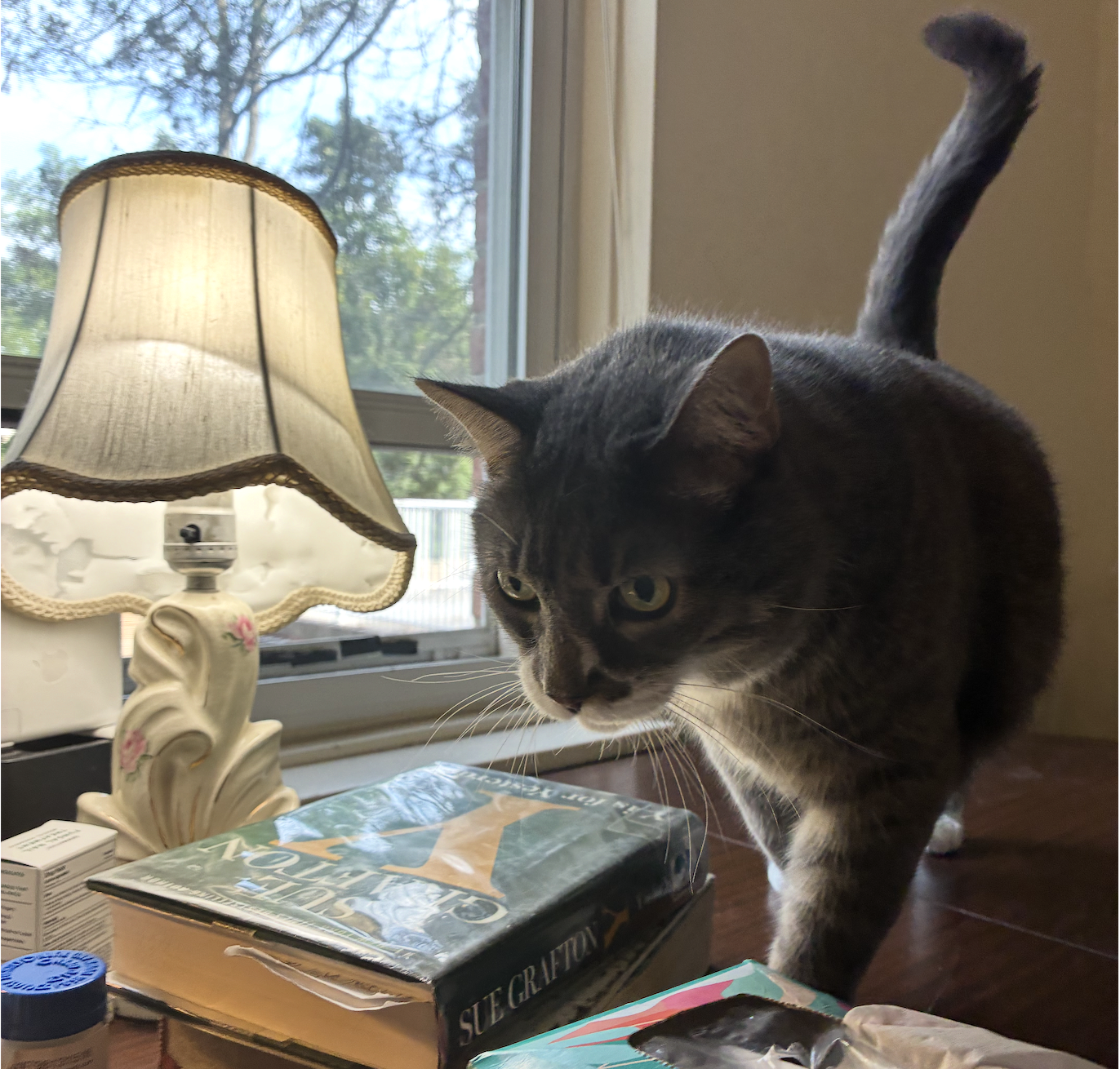
My feline self is seen next to Sue Grafton’s final novel. The airborne tail is a commentary on Wuthering Heights

I’m Misty the cat, returning for my every-two-month guest blog post about books. What have I been doing since June? Well, among other things, sampling from the four major food groups: Nestlé, Tyson, Unilever, and General Mills. Actually, the four major food groups are treats, more treats, perpetual treats, and apocalyptic treats from when the Earth nears extinction at the end of H.G. Wells’ The Time Machine.

Speaking of endings, I just read Sue Grafton’s final “alphabet mystery”: Y is for Yesterday (2017). Unlike some authors who peak several books before their series conclude, Grafton mostly got better and better. In fact, Y is so good that The Village People wrote a song about it, although they inexplicably added “MCA” to the title.

Dave is nudging me to say that “YMCA” was first heard on the radio in 1978, not in 2017 or later. IMHO, he can “scram,” “get lost,” “kick rocks,” “pound sand,” “shove off,” and “take a hike.” He can also “hit the road”; I borrowed Cormac McCarthy’s The Road from the library so Dave can do just that.

Grafton of course planned to write a concluding Z installment, but sadly died in late 2017 before that happened. This was the same month (December) I adopted Dave and his family, not knowing then that I would eventually write for WordPuss. Maybe I’m a bit off with that blogging platform name. 

It was also in 2017 that Dave purchased the phone he used to film my daily leashed walks until nine days ago, when he FINALLY upgraded from an iPhone 7 to an iPhone 17. Going nine years before buying a new phone is a weird way to pay tribute to Liane Moriarty’s Nine Perfect Strangers – a good novel by an author who also wrote What Alice Forgot. Alice forgot to feed her cat, leading that hungry feline to reluctantly have her human jailed in the notorious Chateau d’If island prison featured in The Count of Monte Cristo. Harsh.

When borrowing Y is for Yesterday at the library, I also took out and will soon read Lionel Shriver’s Mania, Jeffrey Eugenides’ The Marriage Plot, and James Michener’s The Bridges at Toko-ri

Before I say more about that haul, you’re probably wondering how a cat can borrow books from the library. Simple: I grab the ones I want from the shelves, use the check-out machine, and print a receipt shorter than the CVS receipt on which Tolstoy wrote War and Peace

Anyway, as you might know, Lionel Shriver is a woman who changed her name from Margaret Ann as a teen because she was a tomboy. Among her other novels is So Much for That, which discusses the high cost of my feline asthma inhaler. Or maybe not.

Jeffrey Eugenides is also the author of Middlesex, whose protagonist is intersex. Much of that novel is set in Detroit, which has the Meowtown nickname that’s sometimes shortened to Motown. A Motown Records sampling: “I Heard It Through the Meow Vine,” “Meowing in the Street,” “What’s Meowing On,” and “Meow! In the Name of Love.”

James Michener? I’ve read several of his novels, including Tails of the South Pacific

That’s all for now. Dave will reply to comments as I prepare to endure the existential dread of not blogging about books again until early October. 

Misty the cat says: “I’m here at Chappell Roan’s ‘Pink Pony Club,’ minus pony and club.”

Dave and I’s comedic 2024 book — the part-factual/part-fictional/not-a-children’s-work Misty the Cat…Unleashed — is described and can be purchased on Amazon in paperback or on Kindle. It’s feline-narrated! (And Amazon reviews are welcome. 🙂 )

This 90-second promo video for the book features a talking cat: 🙂

Dave is also the author of a 2017 literary-trivia book

…and a 2012 memoir that focuses on cartooning and more, including many encounters with celebrities.

In addition to this weekly blog, Dave writes the 2003-started/award-winning “Montclairvoyant” topical-humor column every Thursday for Montclair Local. The latest piece – which includes riffs on “The Odyssey” movie — is here.