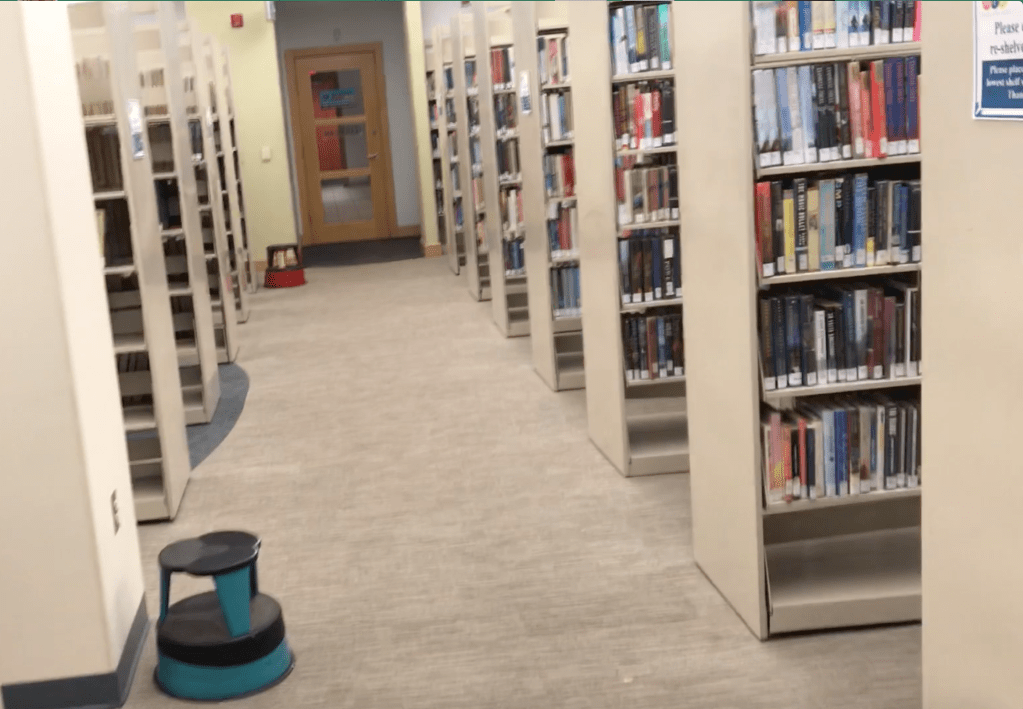
October 19 was a big day in my town of Montclair, New Jersey. Was it because of the one-week anniversary of Indigenous Peoples’ Day (aka Columbus Day)? Nope. Was it because of the 208th anniversary of Napoleon starting his retreat from Moscow? Not really. It was…the day my town’s library reopened.
Well, partly reopened. Just the first floor was accessible to visitors, but that was still something considering the entire building had been closed since March due to the pandemic. And the first floor features the fiction section…helpful when one is a literature blogger. 🙂
The library had made curbside pickup available beginning this summer, and I borrowed some novels that way — as discussed in this July 26 post. But the online reservation process could be clunky; I would click on desired books and not always find them in my reserved file. Curbside pickup remains available.
Anyway, I visited my library’s first floor this past Friday, October 23, when I took the photo you see above. Yes, the place was almost empty — perhaps because it was a weekday morning and/or perhaps because people were still hesitant to be there. But no appointment was needed!
First I parked on the street, where more spaces were available than usual. On went a mask — required for library entry. Then I walked toward the front door, wondering whether I’d have to wait in line to enter given that only a few visitors were allowed to browse at a time. But I was waved in immediately, clutching a plastic card I’d been handed with the time I arrived (10:30 a.m.) and knowing I was allowed only 30 minutes amid the shelves.
Turned out that half hour was a bit frantic. Arrows on the floor meant I could enter bookshelf aisles only in one direction — so, instead of zig-zagging here and there as was my pre-pandemic habit, I had to time-consumingly keep circling the corridors to obey the arrows. Next time I visit, I’ll carry an alphabetical-by-author list of the novels I want. 🙂
Many of the 25 or so books I had randomly put on my October 23 list weren’t there. (I planned to go home with only four or five novels, but wanted many options.) So when I couldn’t find one I moved to another possibility, eating up those precious minutes. I eventually found Kazuo Ishiguro’s Never Let Me Go, William Kennedy’s Ironweed, Ali Smith’s There But For The, and Fredrik Backman’s My Grandmother Asked Me to Tell You She’s Sorry. (How’s that for a title from the man who wrote A Man Called Ove?) I’ll discuss those novels in future weeks.
Among the novels on my list not on the shelves were several by James M. Cain, Patrick Dennis’ Auntie Mame, Tove Jansson’s The Summer Book, Radclyffe Hall’s The Well of Loneliness, Amanda Eyre Ward’s The Same Sky, Tommy Orange’s There There, Dashiell Hammett’s Red Harvest, James Lee Burke’s The Neon Rain, P.C. Wren’s Beau Geste, Richard Doddridge Blackmore’s Lorna Doone, Ring Lardner’s You Know Me Al, F. Tennyson Jesse’s A Pin to See the Peep Show, and Yaniv Iczkovits’ The Slaughterman’s Daughter.
“Where Have All the (Novels) Gone”? Actually, my local library is excellent; it was just one of those days.
I was only on the hunt for fiction, but patrons seeking nonfiction (on the second floor) or children’s books (third floor) could ask staffers to retrieve specific items.
At the 25-minute mark, I decided to leave with my four novels. But first I wandered around looking for the self-checkout machines — which, like a few other things, had been relocated since March. Then my library card, which I hadn’t pulled from my wallet for more than seven months, wouldn’t work until I finally realized some tape I had on the card to keep it together had folded over and partly obscured the bar code — so I remedied that.
At 29 minutes, I was ready to go outside. I dropped the time-limit plastic card in a tray, and exited from a different door than I had entered. (That was a requirement.) As I did that, I wondered what the penalty might’ve been if I had exceeded the 30 minutes. Would I have had to write this blog post on my smartphone from a secret jail in the library basement? Would I have received three prison meals a day, or just three books that mention food?
Speaking of digital devices, the library’s computers are not yet available for patron use. Also, no meetings or events are allowed in the building for the time being. And people browsing for books can’t sit down. But using the hand-sanitizer stations was allowed. 🙂
Yes, what’s being offered is somewhat minimal, but it was great to be back inside a library again, even for a short time. Sort of my home away from home — whether or not there’s an exceed-the-time-limit jail there.
What’s the reopening status of your local library? What has been your experience if you’ve been able to enter the building again?
My literary-trivia book is described and can be purchased here: Fascinating Facts About Famous Fiction Authors and the Greatest Novels of All Time.
In addition to this weekly blog, I write the 2003-started, award-winning “Montclairvoyant” topical-humor column for Baristanet.com. The latest piece — about school reopenings, rent control, my daughter’s travel softball team, and more — is here.


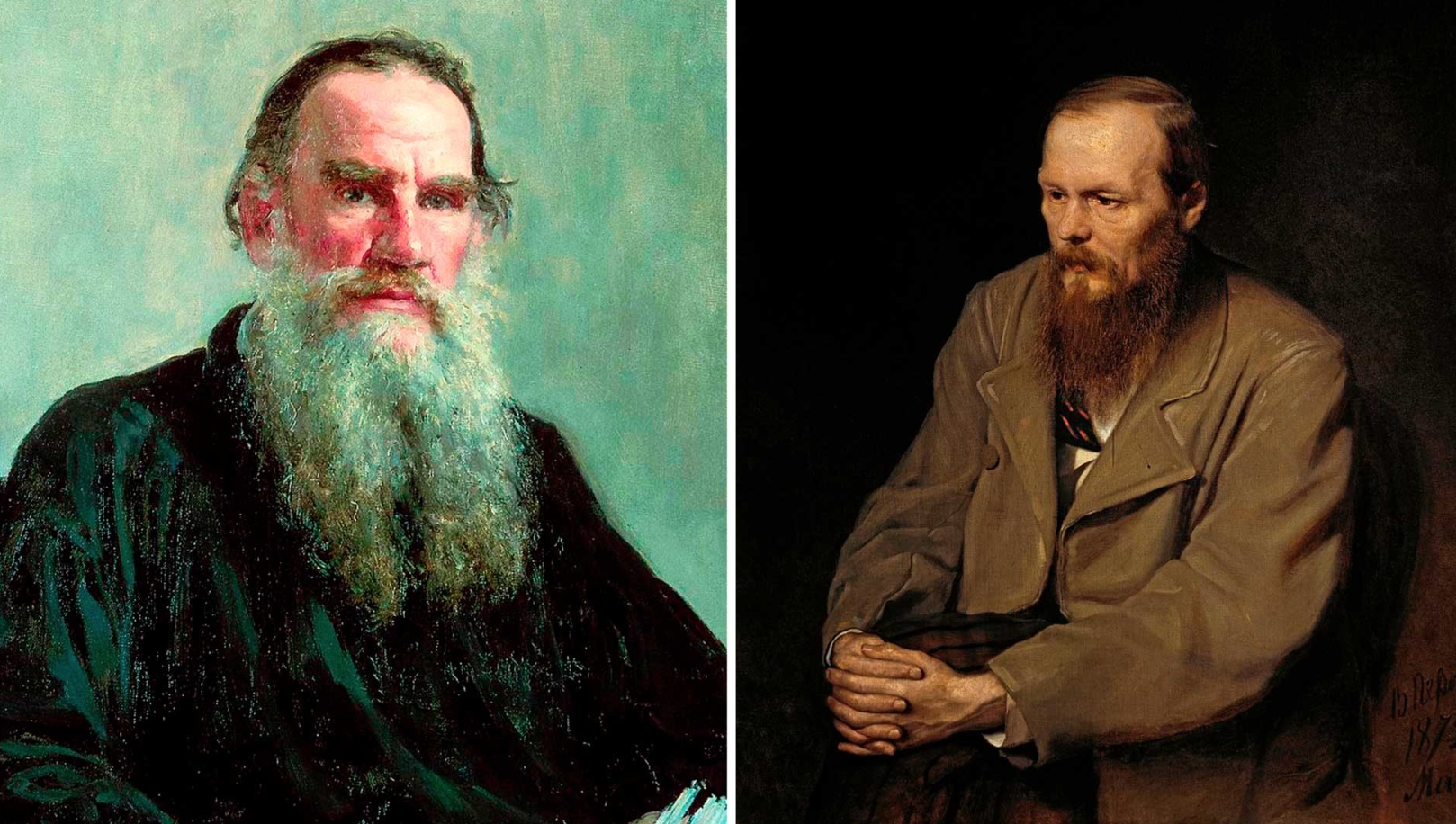
 Many well-known authors were almost exact contemporaries of other well-known authors. In some cases, that was just a meaningless coincidence. In other cases, they had some things in common.
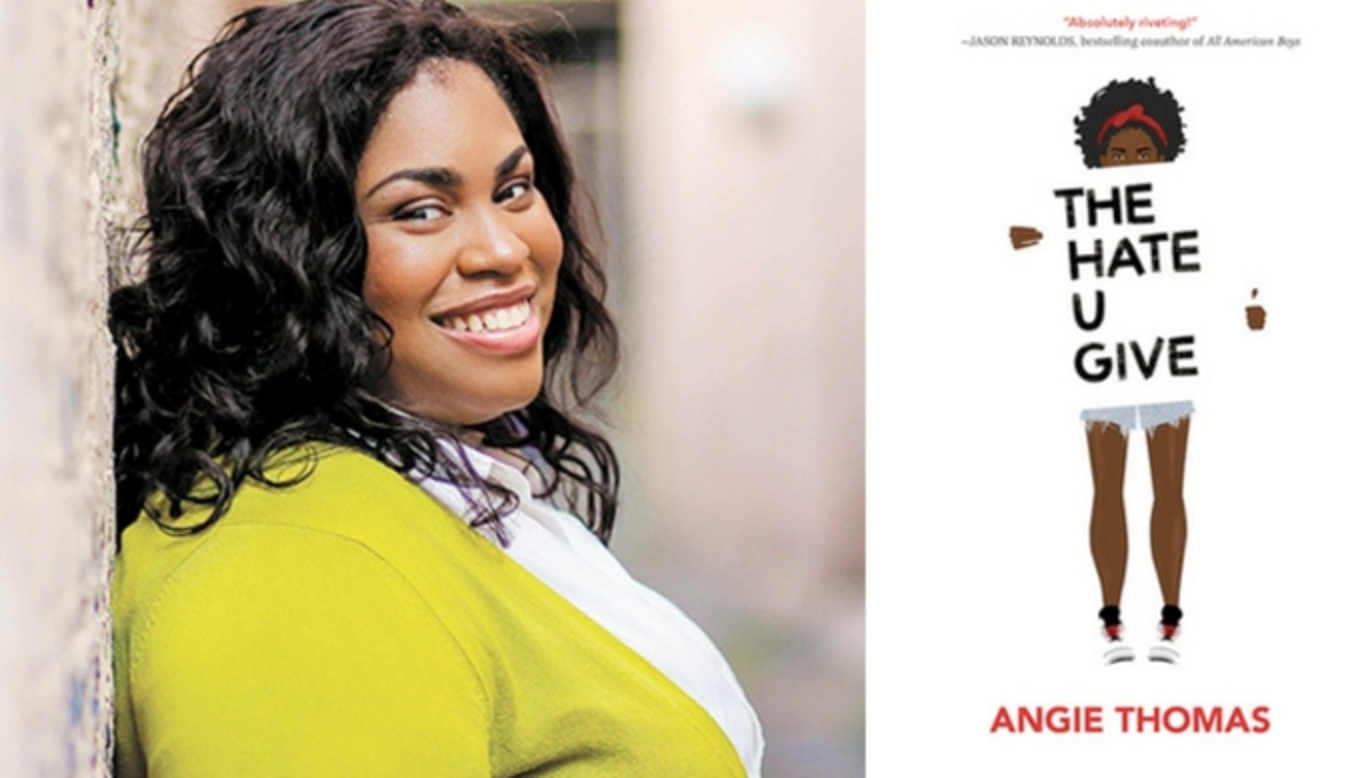 Have you ever read a novel you really like, but at the same time found it painful to read? Such is the case with The Hate U Give.
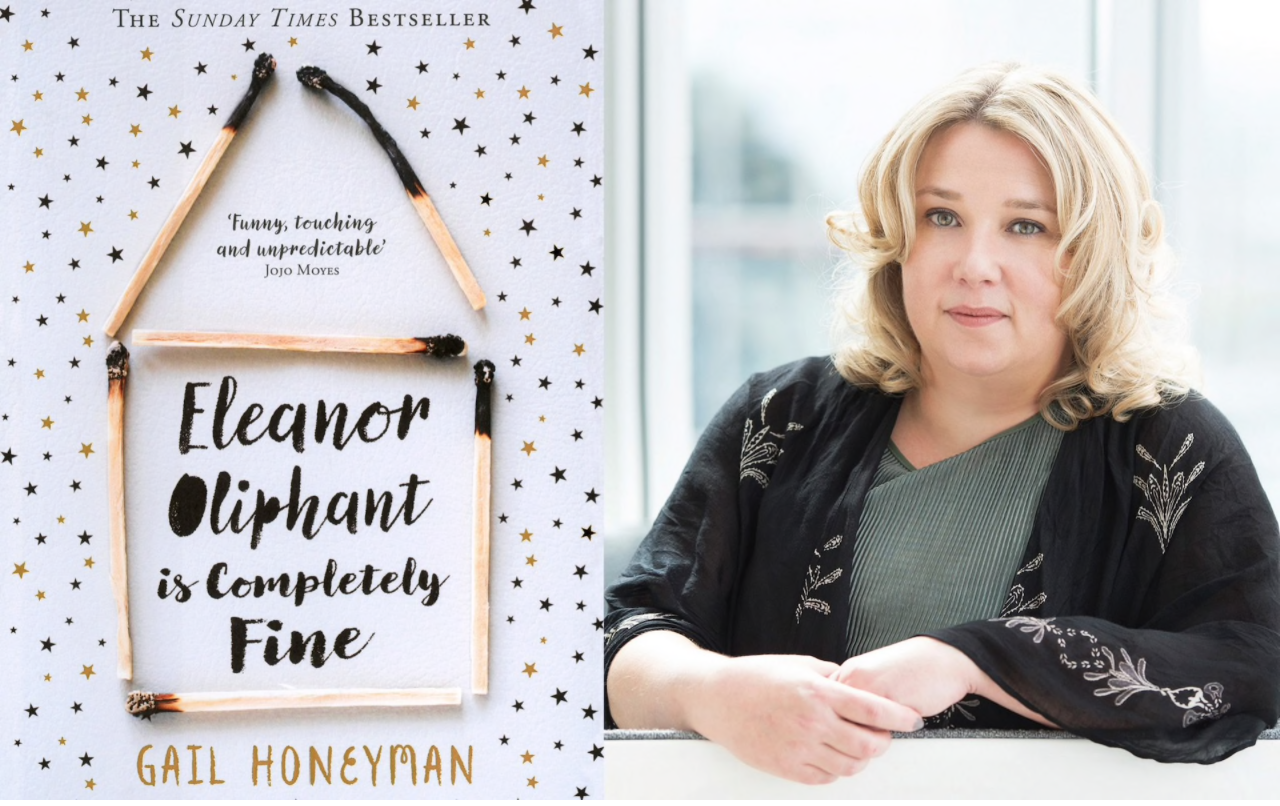 Some memorable couples in literature aren’t gorgeous, charismatic, socially adept, etc. That can be a good thing, because those couples seem more realistic, often evoke warm feelings, and perhaps have a better chance of staying together because there’s more than surface attraction.
