Can Escapist Fiction Be Completely Escapist?

Barbara Taylor Bradford. (Credit: Bradford Enterprises.)

As I’ve mentioned here and there in recent months, I’ve been mixing my more-serious novel reading with a larger percentage of mass-audience and/or escapist fiction these days as I seek diversion from the distressing words and actions of America’s repulsive Trump regime. But of course those categories of literature are not always mostly upbeat.

Take Barbara Taylor Bradford, who was known for best-selling novels starring impressive, plucky women. Those characters are inspiring, yes, but some of them go through some really depressing things. I just read Bradford’s Everything to Gain, and while I enjoyed rooting for its protagonist Mallory Keswick, what happens to her family would not help the mood of any reader appalled at the latest Trump-related news.

Meanwhile, I continued this year to read many novels by Elin Hilderbrand. She is known for what have been called summer “beach reads” — most of them set on the beautiful Massachusetts island of Nantucket — but Hilderbrand is actually a much more complex and nuanced author than that. So, while I first tried her novels with escapist intent on my part, I’ve seen plenty of illness, death, and other sad developments in those books. But plenty of lighter content and entertainment, too, and I always eagerly went back for more even as I don’t get 100% relief from Trump and what he says and supports.

Detective fiction, to which I devoted a separate blog post earlier this month, can also make one temporarily forget the real world — one reason why I’ve read quite a few books in that genre this year. Then again, any novel with crime as a major element can make a reader not only sadly think about the victims but also think about one of America’s biggest criminals, who happens to currently live in the White House rather than in a jail cell where he belongs.

It can also be a refreshing interlude to read very funny fiction. The Pickwick Papers, anyone? But even that Charles Dickens book and most other comedic novels by various authors have some downbeat sections amid the humor.

One of these days I’m going to give a third reread to L.M. Montgomery’s Anne of Green Gables. That iconic novel always brings a smile to my face, yet it contains some fraught moments and a heartbreaking death.

All this makes me wonder if I’ve ever read a completely upbeat novel. Not sure that even exists, and, if it did, I suppose such a book would lack adequate drama. But it would give readers a complete mental break. 🙂

Any thoughts on this post, and on novels that might be relevant to its theme?

Misty the cat says: “Pumpkins but no spice? I turn my back.”

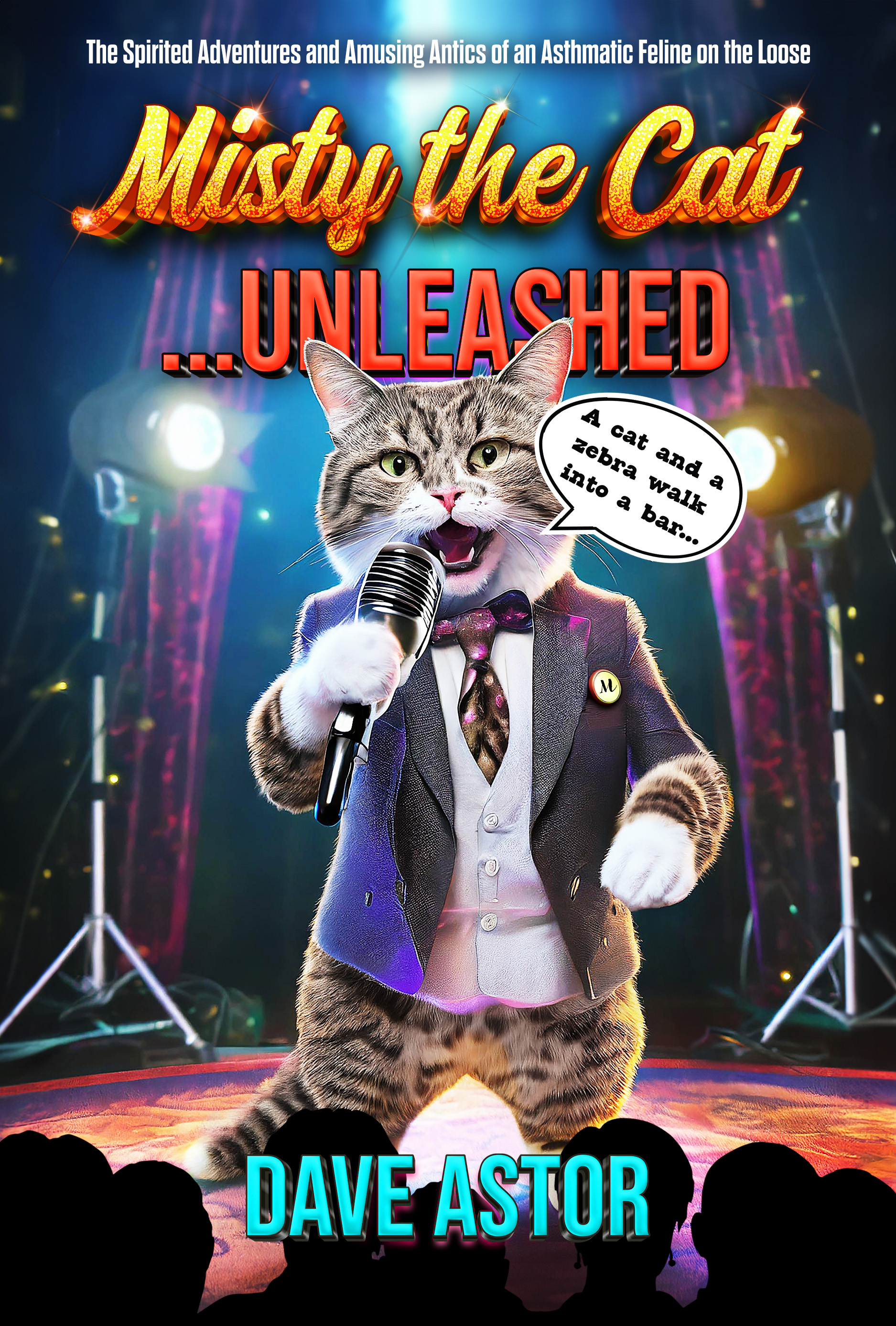
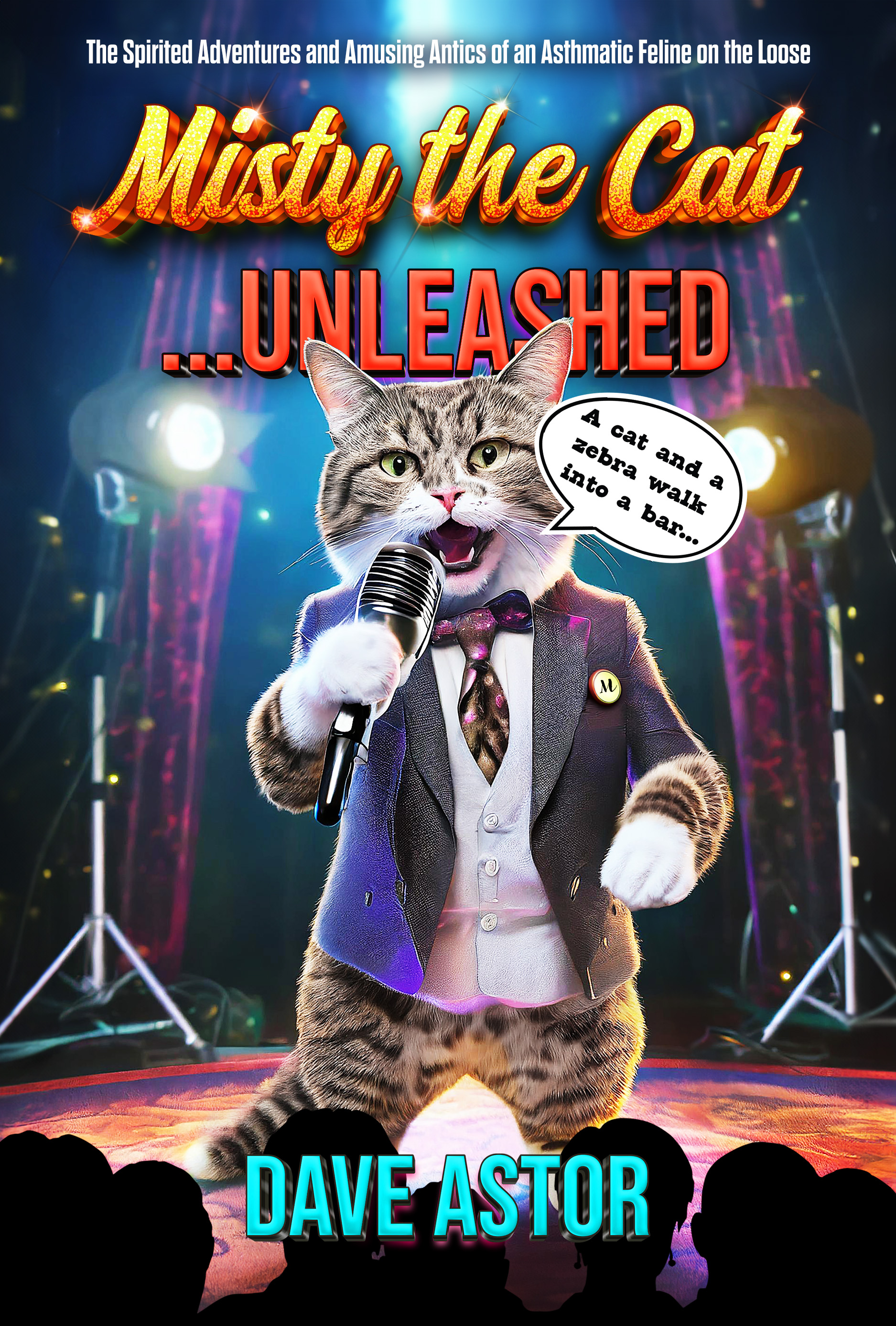
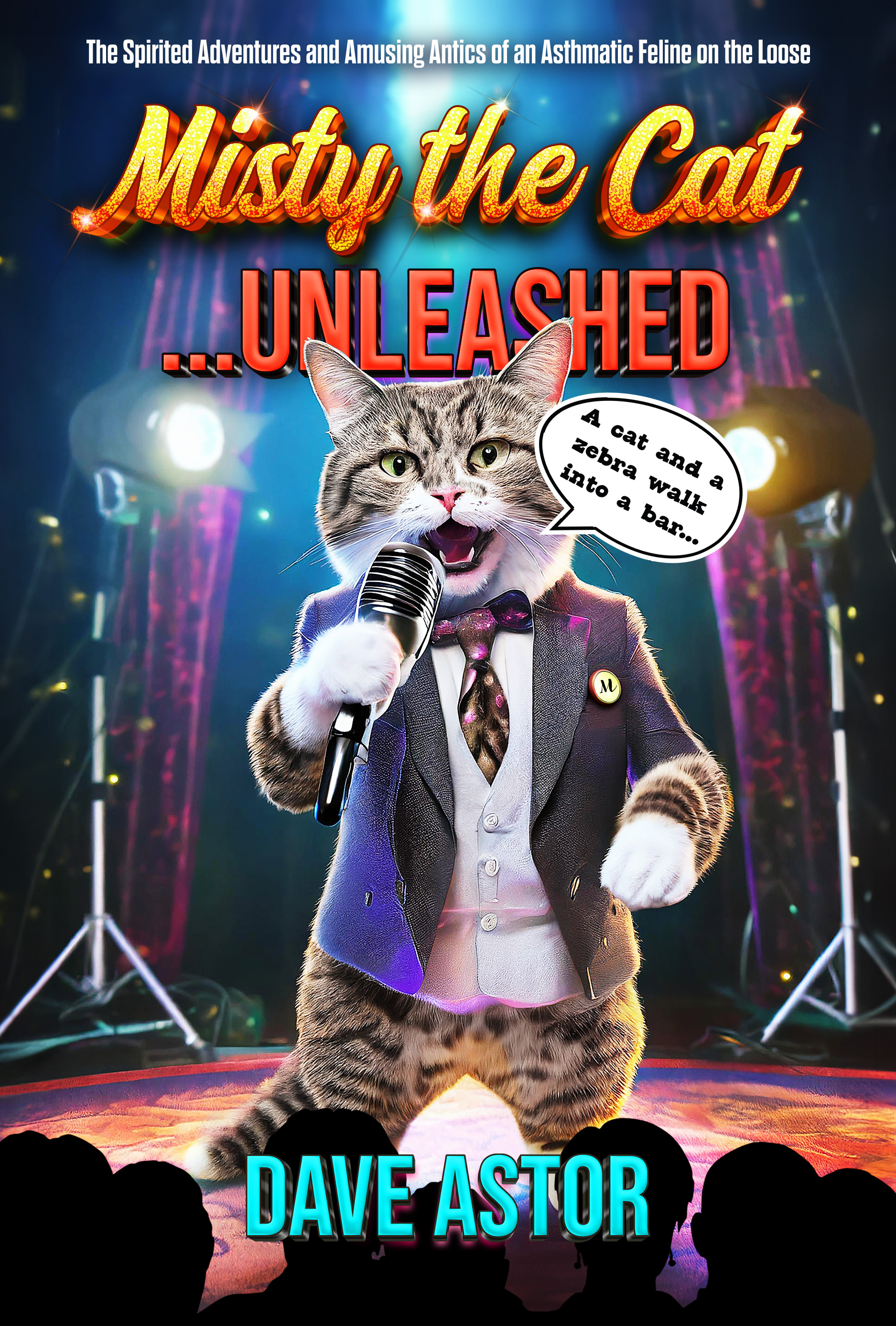
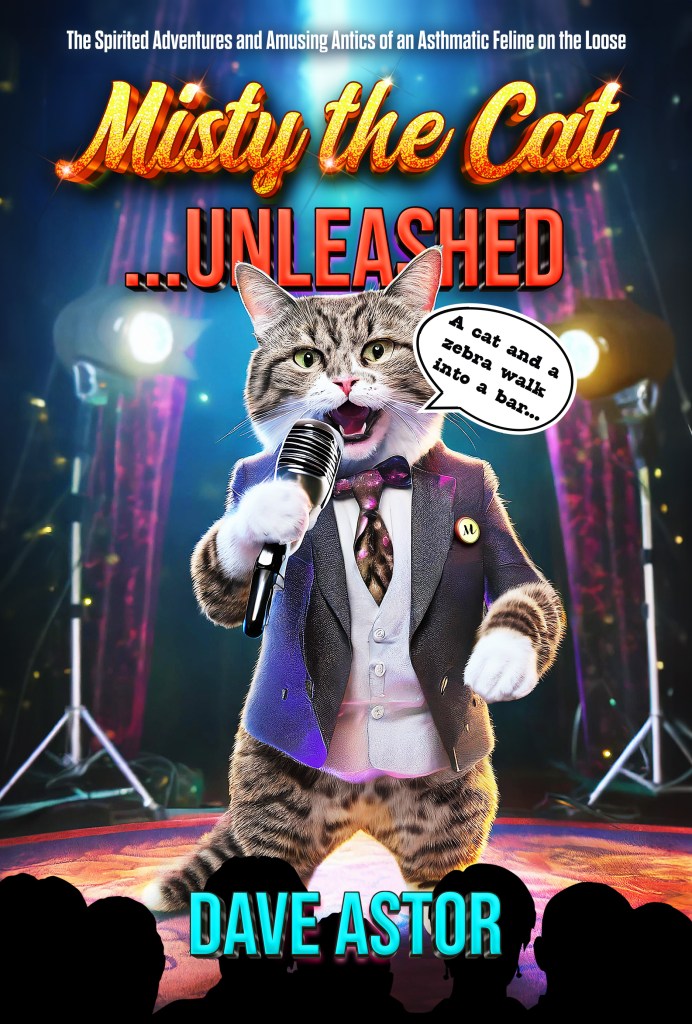
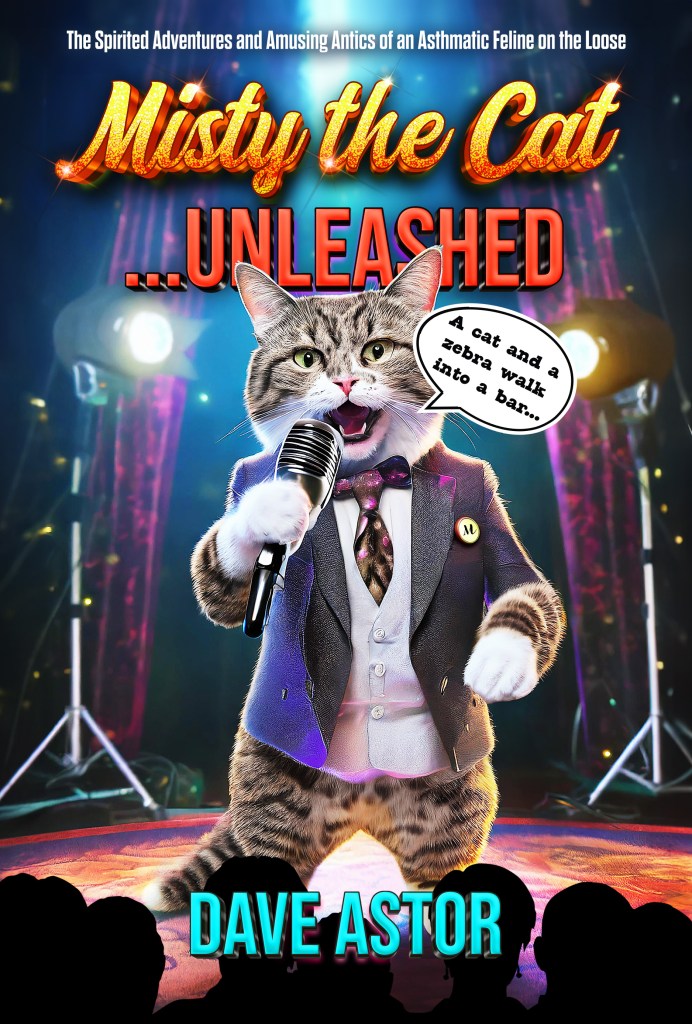
My comedic 2024 book — the part-factual/part-fictional/not-a-children’s-work Misty the Cat…Unleashed — is described and can be purchased on Amazon in paperback or on Kindle. It’s feline-narrated! (And Misty says Amazon reviews are welcome. 🙂 )

This 90-second promo video for the book features a talking cat: 🙂

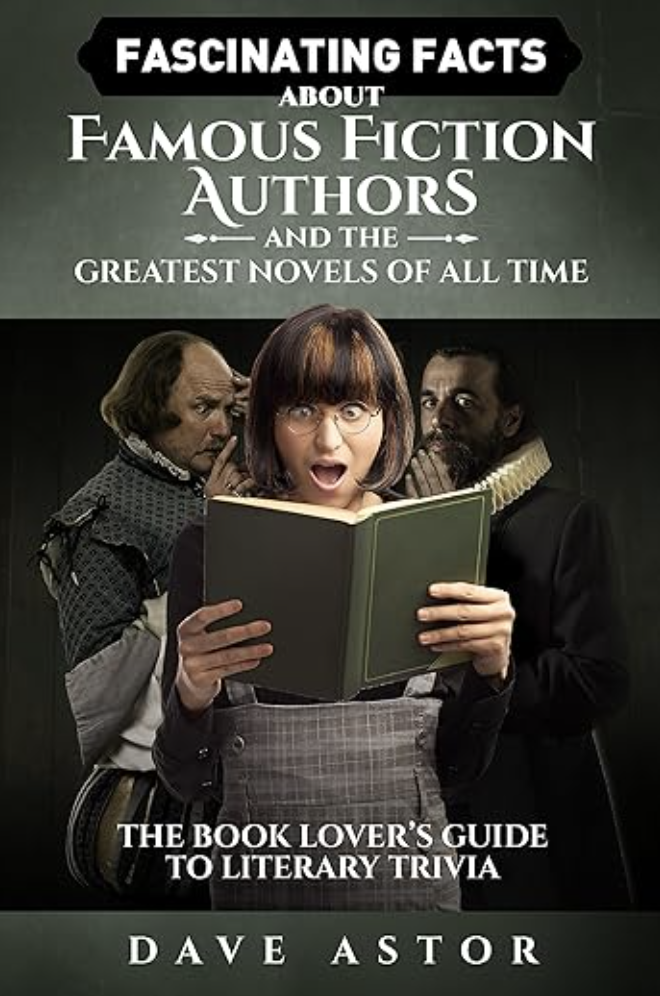
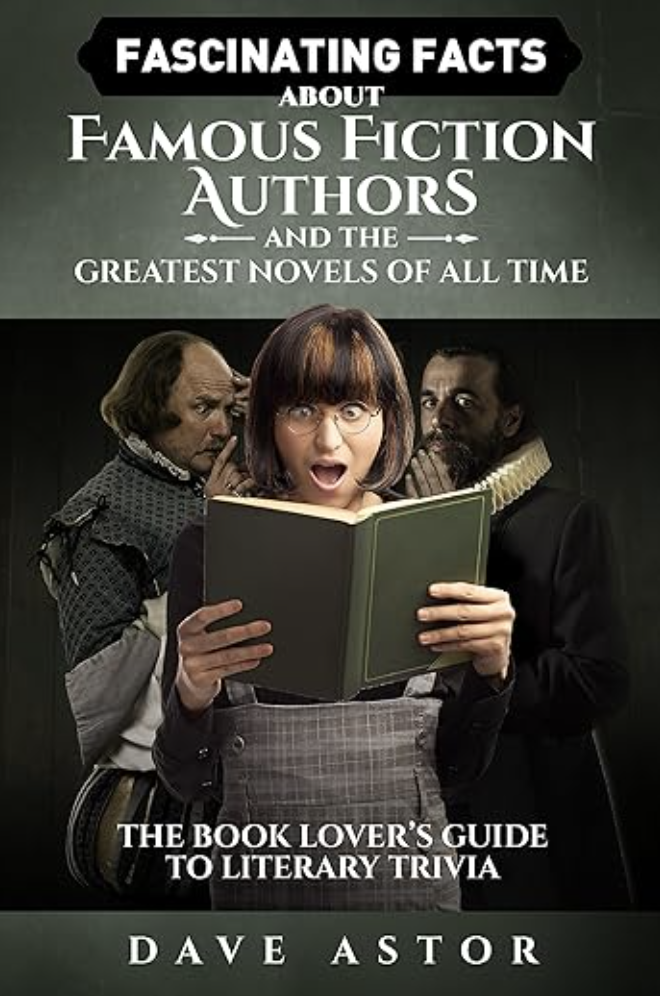
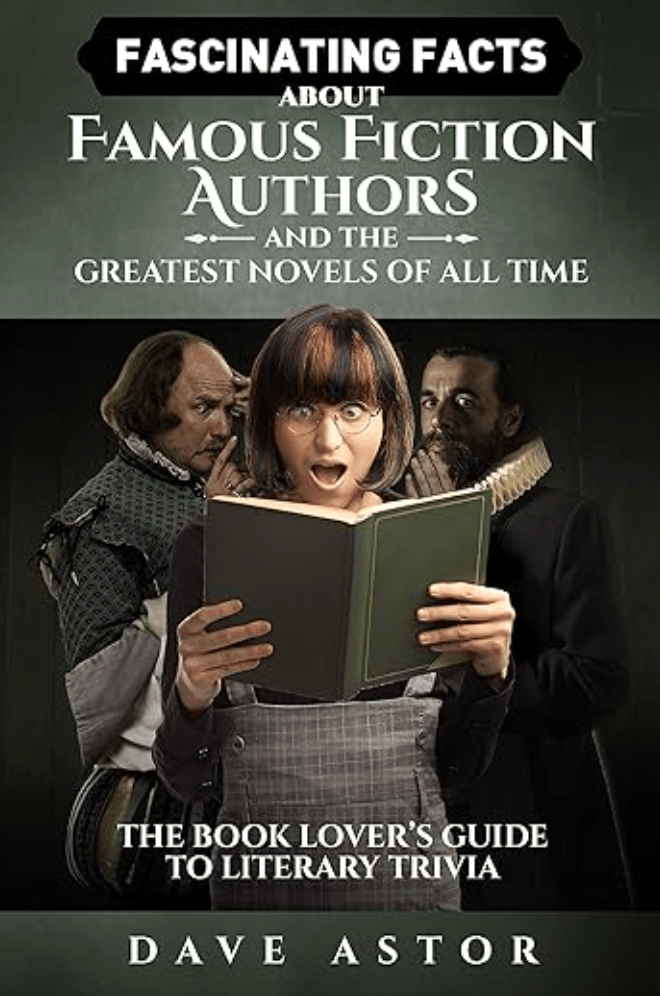
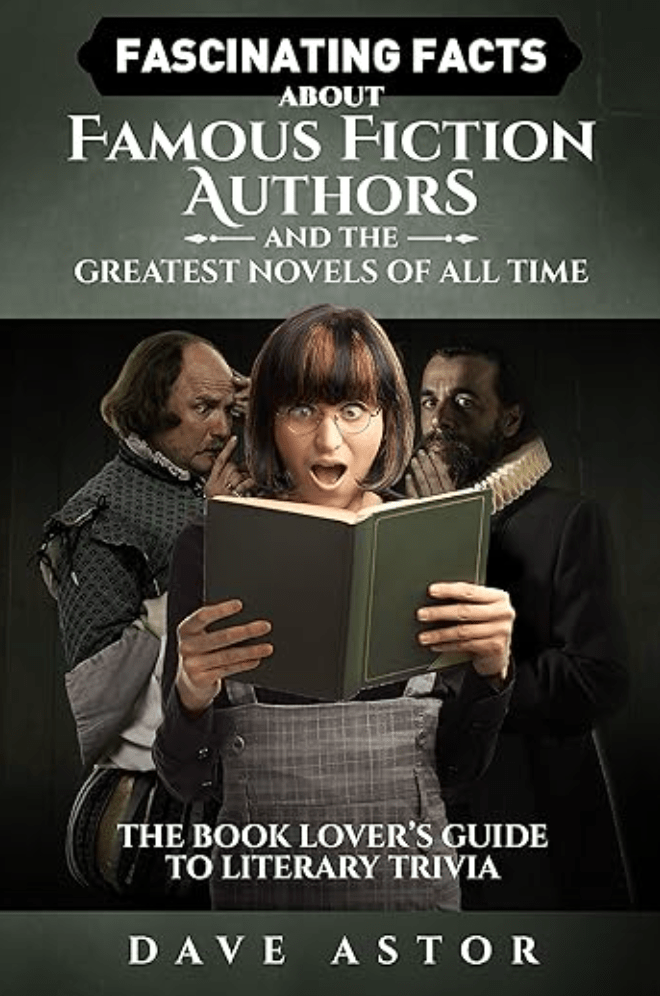
I’m also the author of a 2017 literary-trivia book

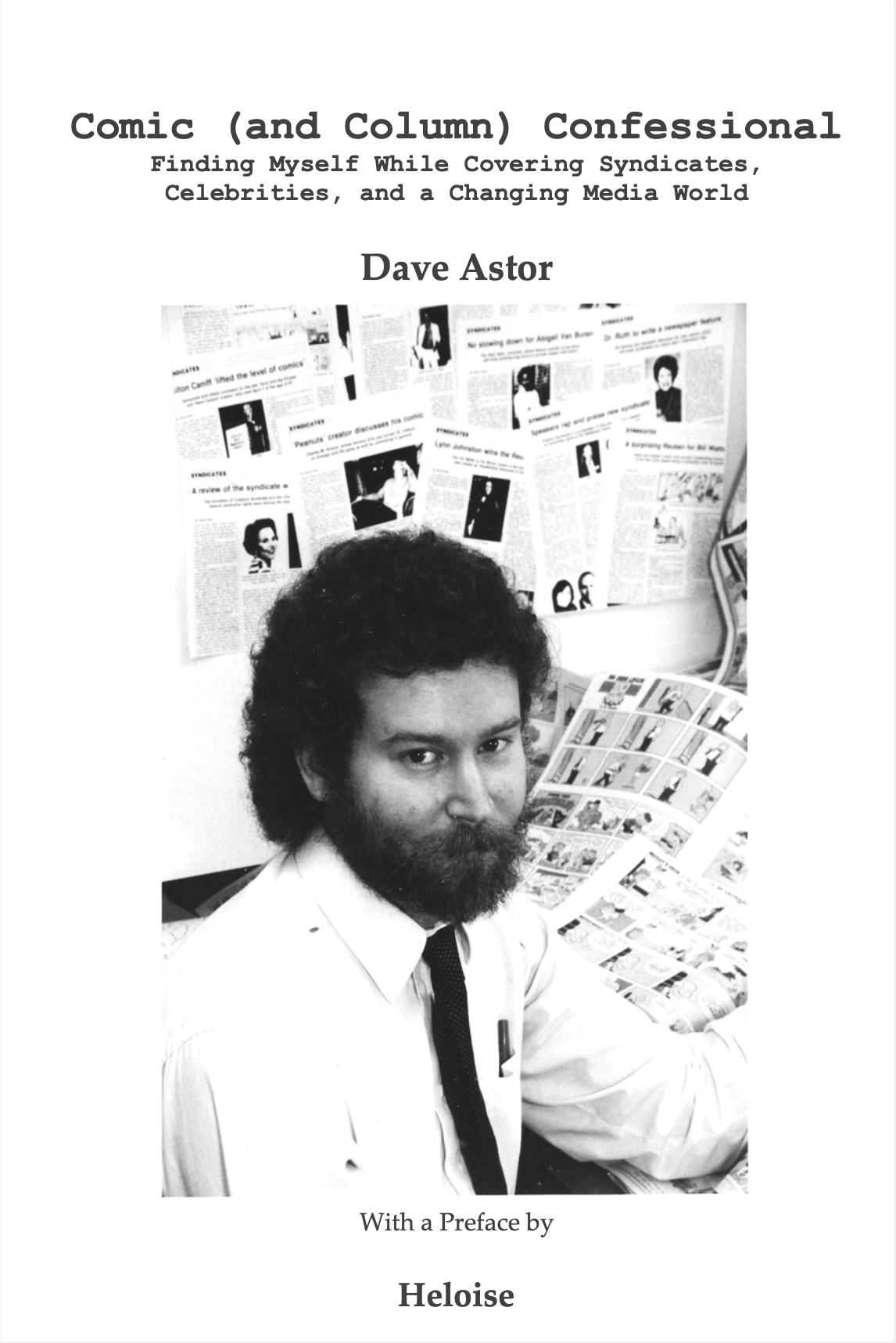
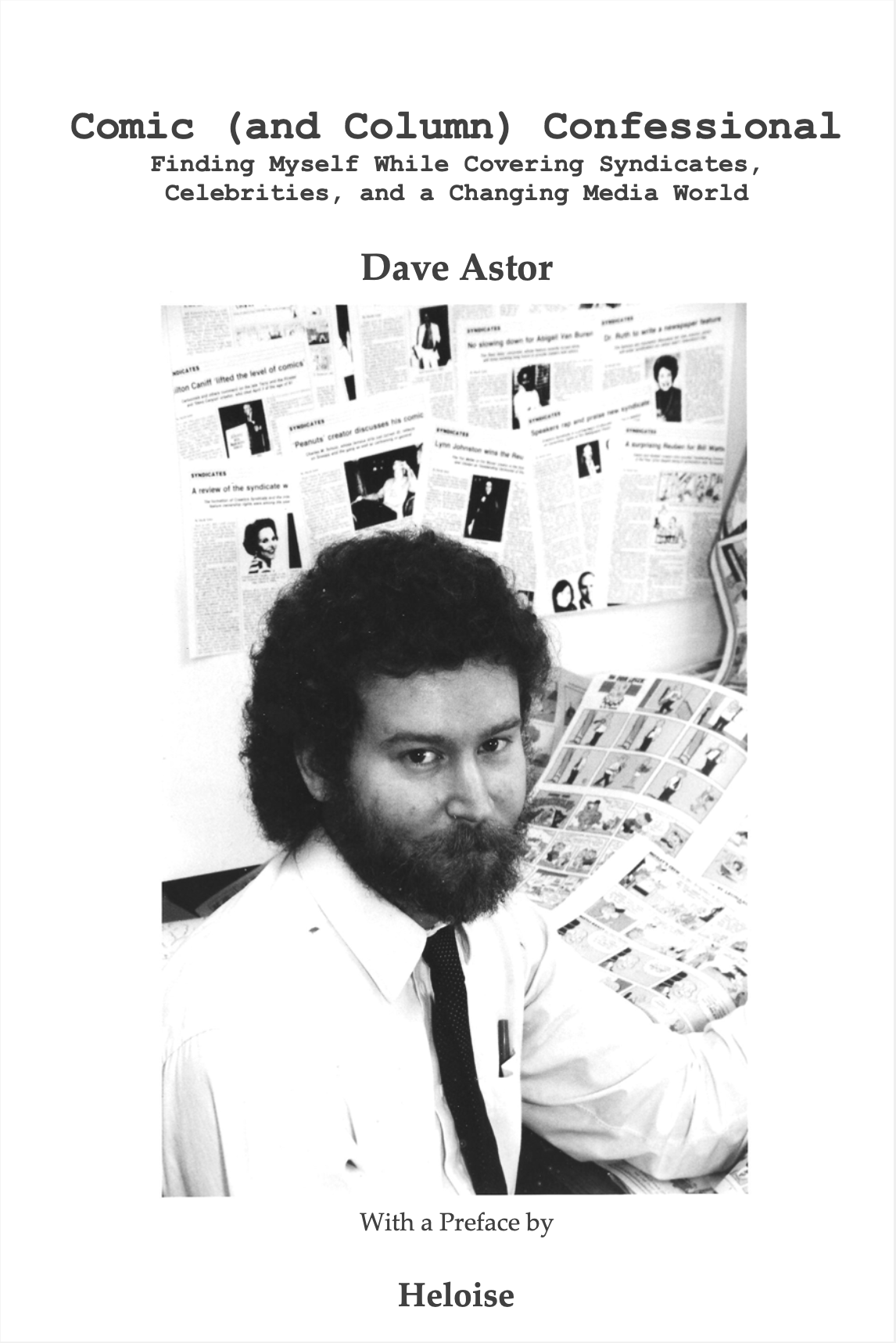
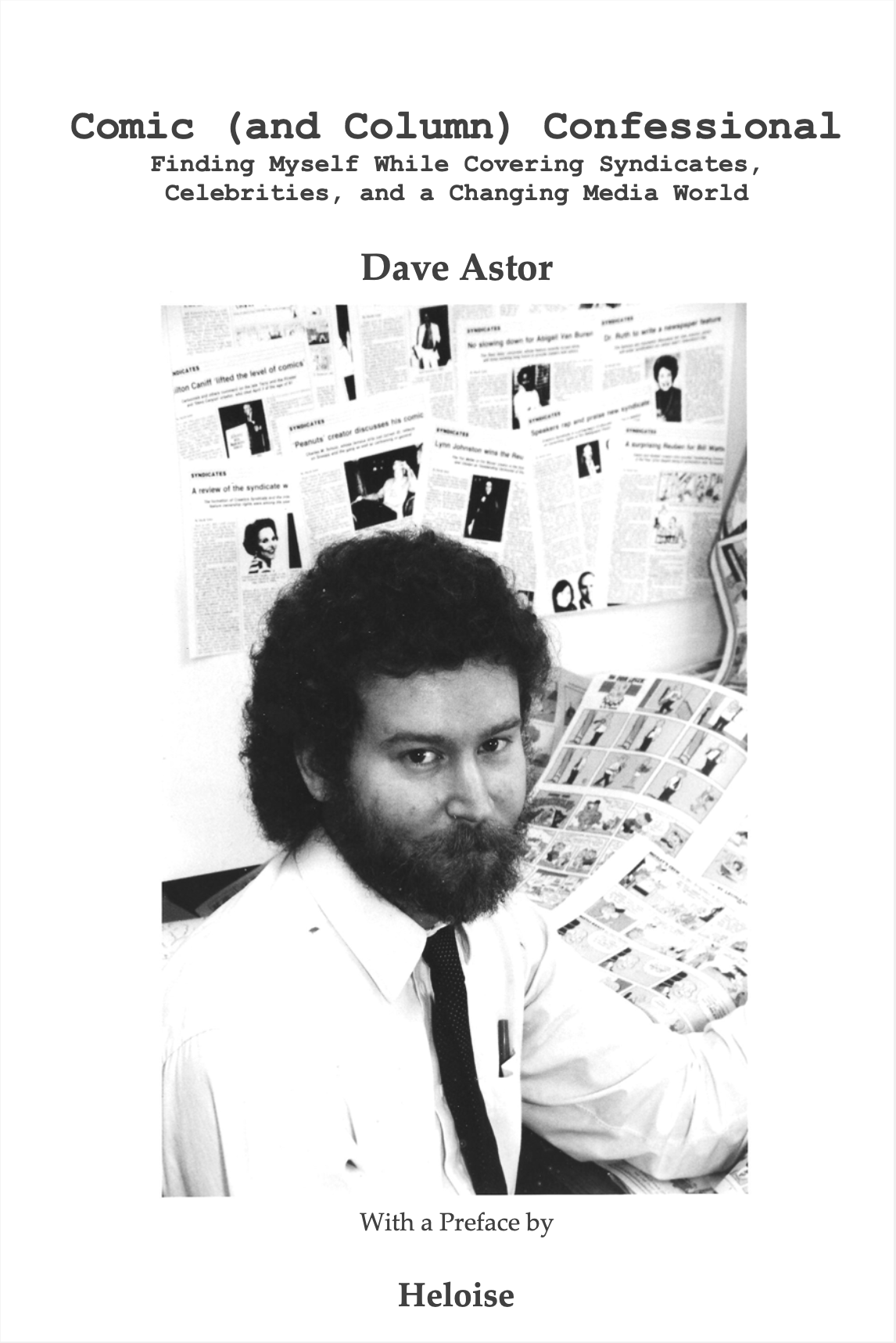
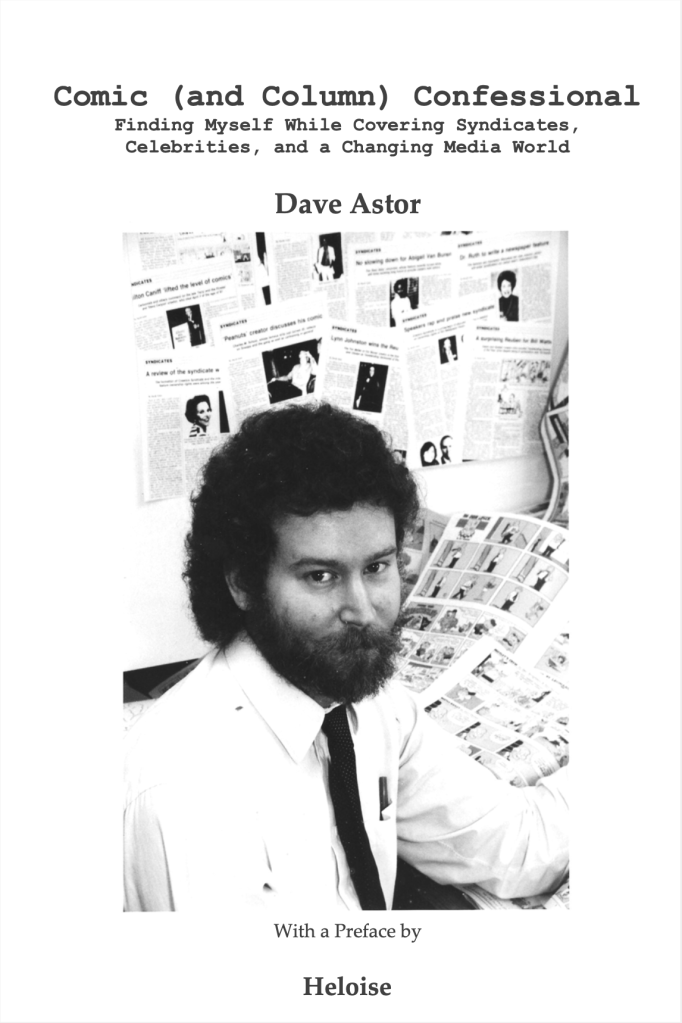
…and a 2012 memoir that focuses on cartooning and more, and includes many encounters with celebrities.

In addition to this weekly blog, I write the 2003-started/award-winning “Montclairvoyant” topical-humor column every Thursday for Montclair Local. The latest piece — about topics such as a local Charlie Kirk flag controversy and a local bookstore canceling the appearance of a Palestinian-American children’s book author — is here.

A Kitty Tries to Be Witty

“Perhaps I should wake up and write a blog post,” says Misty. (Photo by Maria.)

I, Misty the cat, guest-blog for Dave every two months. I last did this on April 13 and today is June 8, so that’s…hmm…actually not quite two months. Reminds me of when Dave returned some novels to the library five days before their due date, and the indignant book drop expelled said novels with such force that they traveled back in time and landed on the heads of the three Karamazov brothers. Fortunately, each of the books was under 400 pages.

But Fyodor Dostoevsky’s 824-page The Brothers Karamazov is even longer than my average nap, during which I experience “Dreams” more often than Fleetwood Mac did at their 1977 concerts. And Dostoevsky’s 1880 novel might have been the first volume of an even longer work if the Russian author hadn’t died in early 1881. Perhaps a trilogy of sorts — like Suzanne Collins’ The Hunger Games (about me nudging my cat-food bowl so that each serving lands in the exact center) and J.R.R. Tolkien’s The Lord of the Rings (about my epic quest to be a male feline version of the Ernestine telephone operator played by Lily Tomlin).

I recommend shopping at Pop Culture R Us for all your celebrity-name-dropping needs.

Speaking of decades-ago entertainment, do you remember the 1978 movie Same Time, Next Year about a married woman and a married man who have a multi-year annual affair? That film partly inspired the long-term romance of Mallory Blessing and Jake McCloud in Elin Hilderbrand’s 2020 novel 28 Summers, which I read last week and found to be a wonderful, poignant book. It’s 422 pages in hardcover, which explains why various other 19th-century Russian fictional characters are donning helmets to avoid concussions. Helmets with stickers saying “Please Don’t Name Your Cat Anna Karenina.”

I’ll add that 28 Summers has an alternate-history element, with Jake’s wife Ursula DeGournsey running for President of the United States in 2020. Reminds me that my aforementioned cat-food bowl is shaped sort of like the Oval Office, and even has a tiny edible desk.

Other novels featuring politicians? Stephen King’s The Dead Zone, Robert Penn Warren’s All the King’s Men, J.K. Rowling’s The Casual Vacancy, Fannie Flagg’s Standing in the Rainbow, and Sinclair Lewis’ It Can’t Happen Here, to name a few. When my cat-food bowl was empty for five seconds, you know what I screamed? Yes, I screamed “It can’t happen here!!!”

A century ago, Lewis had quite a run of notable novels: Main Street (1920), Babbitt (1922), Arrowsmith (1925), Elmer Gantry (1927), and Dodsworth (1929). It Can’t Happen Here was published in 1935, eight decades before my 2015 birth year — which means that in 2025 I’m now…furry.

I’m sometimes asked how I, the kitty Misty, consume literature. Smeared with tasty cat food, of course. But, seriously, I read novels in the traditional print-book format rather than via eBook or audiobook. I guess I’m “old school,” like the 1636-founded Harvard University. I expect only a few members of The Class of 1640 to be at Harvard’s 2040 alumni reunion; they’re the ones who reside with cats, who help humans live longer.

Long-lived humans in literature? The over-2,000-year-old Lazarus Long of five Robert Heinlein novels; Ayesha, who also clocks in at about two millennia in H. Rider Haggard’s She; the 250-year-old High Lama of James Hilton’s Lost Horizon; etc. I assume they had well-funded retirement accounts.

One of the oldest of my fellow cats is Garfield, who has starred in Jim Davis’ 1978-founded comic strip for 47 years! Which reminds me that my next guest blog post will appear in 47 years — minus 46 years and 10 months. So, August 2025. That’s also when my teen human Maria is starting college, which means her bedroom will be…mine!

Dave will reply to any comments because I, Misty the cat, am busy consulting with an interior decorator about changes in Maria’s room (where you see me in the photo atop this post). A kitty can’t have enough scratching posts, treat dispensers, and paintings of hairballs playing poker.

Misty the cat says: “That railing’s shadow means 4,378 more days of spring.”

Dave’s comedic 2024 book — the part-factual/part-fictional/not-a-children’s-work Misty the Cat…Unleashed — is described and can be purchased on Amazon in paperback or on Kindle. It’s feline-narrated! (And Misty says Amazon reviews are welcome. 🙂 )

This 90-second promo video for Dave’s book features a talking cat: 🙂

Dave is also the author of a 2017 literary-trivia book

…and a 2012 memoir that focuses on cartooning and more.

In addition to this weekly blog, Dave writes the 2003-started/award-winning “Montclairvoyant” topical-humor column every Thursday for Montclair Local. The latest piece — about New Jersey’s upcoming primary election and much more — is here.

Paying Deference to Novelistic Self-Reference

Was W. Somerset Maugham relaxing after appearing in his own book? Maybe. 🙂

Our attention is definitely captured when authors directly or indirectly refer to themselves and their own books in their novels.

This can give readers an additional sense of a writer’s personality, and provide other extra elements to a book — including humor. On the possibly negative side, “self-insertion” can puncture fiction’s illusory world and remind readers that there’s an authorial presence pulling the strings.

The example of “self-insertion” I noticed most recently was when Elin Hilderbrand had one of her fictional characters in The Five-Star Weekend buy a Hilderbrand novel while in a Nantucket bookstore. Some delightful authorial self-mocking was part of the scene as another character tried to ply the Hilderbrand-interested character with more “serious” literature.

In Miguel de Cervantes’ Don Quixote novel, the title character has Cervantes’ debut book in his library. Also, another character in the classic 17th-century work says he’s a friend of Cervantes.

Then there’s John Steinbeck’s East of Eden, which was partly inspired by the author’s own family history. So it’s not a total surprise when Steinbeck himself pops up for a brief cameo in the novel.

W. Somerset Maugham put somewhat more of his actual self in his latter-career novel The Razor’s Edge when his searching-for-meaning-in-life protagonist — the fictional Larry Darnell — has a deep discussion about spirituality and more in a Paris cafe with…Maugham. (Of Human Bondage, the Maugham novel considered that author’s masterpiece, is actually more semi-autobiographical than The Razor’s Edge.)

And Emile Zola put a LOT of himself in his novel The Masterpiece; the book’s fictional author Pierre Sandoz is clearly based on Zola himself, who had a long real-life friendship with painter Paul Cezanne. The Masterpiece‘s protagonist — painter Claude Lantier — is partly based on Cezanne as well as Claude Monet and Edouard Manet.

In Kurt Vonnegut’s Slaughterhouse-Five, the narrator character is obviously Vonnegut himself. There are even these lines: “That was I. That was me. That was the author of this book.”

Herman Melville did a self-reference variation by having the title character in Pierre write a book that appalled its would-be publisher. This plot twist was a way for Melville to vent about the poor critical and commercial reception for Moby-Dick, released the previous year. Pierre — which, like Moby-Dick, was ahead of its time in various ways — would also sell badly, and cause lots of controversy with its implied-incest element.

Of course, as several early commenters rightly note below, most novelists put something of themselves in the books they write — even if subconsciously. My post mostly focused on when writers do this in a pretty overt way. 🙂

Your thoughts on, and examples of, this topic?

Misty the cat says: “I’m on the windswept moors of ‘Wuthering Heights.'”

My comedic 2024 book — the part-factual/part-fictional/not-a-children’s-work Misty the Cat…Unleashed — is described and can be purchased on Amazon in paperback or on Kindle. It’s feline-narrated! (And Misty says Amazon reviews are welcome. 🙂 )

This 90-second promo video for my book features a talking cat: 🙂

I’m also the author of a 2017 literary-trivia book

…and a 2012 memoir that focuses on cartooning and more.


In addition to this weekly blog, I write the 2003-started/award-winning “Montclairvoyant” topical-humor column every Thursday for Montclair Local. The latest piece — about past-due school district bills, a township manager payout, diminished mass transit, and more — is here.

The ‘Winter’ of Our Book Content

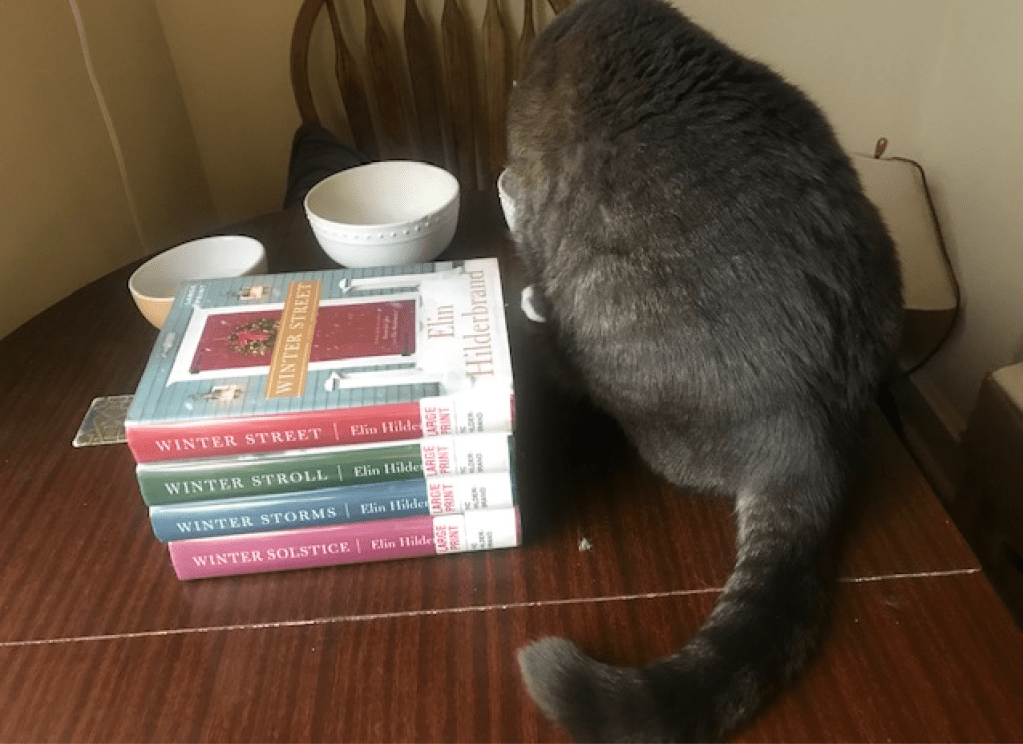
Misty the cat thinks these books have a BACK story. (Photo by me.)

It’s early winter in part of the world, so thoughts turn to novels with…the word “Winter” in the title. Okay, maybe most readers’ thoughts don’t turn to that, but I needed a blog topic this week. 🙂

I just finished reading Winter Street, the first of a four-book Elin Hilderbrand series that continues with Winter Stroll, Winter Storms, and Winter Solstice. The mostly Nantucket, Massachusetts-set Winter Street focuses on the Quinn family as it goes through a dramatic Christmas week that includes a marital separation, other relationship issues, an engagement, no word from a son fighting in Afghanistan, another son facing an insider-trading charge, etc. Yes, Christmas time is not always a 100% happy time. The book obviously deals with some heavy issues, yet often retains a light touch.

Another accomplished contemporary author, Kristin Hannah, wrote Winter Garden. Not on the level of her best novels such as The Nightingale, The Great Alone, The Four Winds, and Firefly Lane, but still pretty good. Winter Garden is about two very different sisters and their cold, mysterious mother — who’s originally from snowy Russia during the period of Stalin’s iron rule.

The late Rosamunde Pilcher’s final novel, Winter Solstice, is I think the second best of her many books — behind only her terrific The Shell Seekers. Winter Solstice (published before Hilderbrand’s novel of the same name) unfolds amid a cold-weather gathering of people from various generations.

Of course, there’s John Steinbeck’s also-final novel, The Winter of Our Discontent, which has the overarching theme of trying to maintain integrity in a corrupt society. It’s one of Steinbeck’s deeper books, though not as compelling as The Grapes of Wrath and East of Eden.

Among the “Winter”-titled novels I haven’t read are Isabel Allende’s In the Midst of Winter and Laura Ingalls Wilder’s The Long Winter (part of The Little House on the Prairie series). I should also mention George R.R. Martin’s The Winds of Winter — the lengthy, long-delayed, not-yet-finished sixth novel in his A Song of Ice and Fire series that started with A Game of Thrones.

Then there are plays such as Shakespeare’s The Winter’s Tale and James Goldman’s The Lion in Winter.

Any thoughts about, and/or examples of, this theme?

On yet another rainy winter morning, Misty the cat says: “I’d build an ark, but the lumber yard’s closed.”

My comedic 2024 book — the part-factual/part-fictional/not-a-children’s-work Misty the Cat…Unleashed — is described and can be purchased on Amazon in paperback or on Kindle. It’s feline-narrated! (And Misty says Amazon reviews are welcome. 🙂 )

This 90-second promo video for my book features a talking cat: 🙂

In addition to this weekly blog, I write the 2003-started/award-winning “Montclairvoyant” topical-humor column every Thursday for Montclair Local. The latest piece — which discusses an “F-bomb” controversy and much more via a poem co-starring Santa Claus — is here.

When You’re Getting an Unexpected Setting

St. John in the Virgin Islands. (Credit: Visit USVI.)

A number of authors set their novels in the same place. So, it becomes quite noticeable when they set their novels in…a different place.

This surprise can be welcome or not, depending on the reader and how good the books are. But a change-of-pace is often a good thing, for both the writers and their fans wanting to avoid a “rut.” The authors might have to do a little more research, but they’ll survive. 🙂

I most recently enjoyed a setting switch in the work of Elin Hilderbrand. She is known for placing her novels on Nantucket, and I have loved the ones I’ve read featuring that Massachusetts island milieu. Then I picked up Hilderbrand’s Winter in Paradise, thinking I was returning to Nantucket — only to find that the novel was mostly set on St. John in the Virgin Islands. That was initially a bit disorienting, but Winter in Paradise turned out to be another compulsively readable Hilderbrand book…this time about how a family’s life changes when they learn the father had a secret second family. Then I quickly finished the second and third installments of the trilogy: What Happens in Paradise and Troubles in Paradise — the latter book ending with a dramatic and destructive hurricane. I’m sure it helped the Nantucket-based Hilderbrand in writing the trilogy that she visits St. John for several weeks each year as a warm-weather writing retreat and vacation spot.

Among the other authors who’ve produced the occasional geographic surprise is Sir Walter Scott, who placed most of his historical novels in Scotland but situated Quentin Durward in France. Still, the archer Quentin is Scottish, so Sir Walter didn’t stray completely from his own real-life roots.

Charles Dickens usually used London as the locale for his novels, but did set part of A Tale of Two Cities in Paris and part of Martin Chuzzlewit in the United States.

Given that travel was much more difficult and time-consuming during the pre-1900 era in which writers such as Scott and Dickens lived, it’s not surprising that many long-ago authors kept their novels pretty close to the locales they knew most in a firsthand way. But Dickens did take two extended trips to the U.S., and Scott visited France (though after Quentin Durward was published). Also, Scott’s wife Charlotte was of French descent.

Another 19th-century author, Mark Twain, was among the most globetrotting Americans of his time — which bore fruit in such novels as A Connecticut Yankee in King Arthur’s Court (England) and Personal Recollections of Joan of Arc (France), and in his hilarious nonfiction travel masterpiece The Innocents Abroad (in which Twain chronicled his visits to many places, including the Mideast).

In post-1900 literature, William Faulkner virtually always set his novels in Mississippi, but three of his books unfolded elsewhere: including France in A Fable.

Barbara Kingsolver also placed the vast majority of her novels in the U.S. (usually Appalachia, the South, or the Southwest), but sent her American characters to Africa in The Poisonwood Bible and situated a large portion of The Lacuna in Mexico.

Your thoughts about, and example of, this theme?

Misty the cat says: “Orange skies don’t appear like clockwork; what was Anthony Burgess thinking?”

My comedic 2024 book — the part-factual/part-fictional/not-a-children’s-work Misty the Cat…Unleashed — is described and can be purchased on Amazon in paperback or on Kindle. It’s feline-narrated! (And Misty says Amazon reviews are welcome. 🙂 )

This 90-second promo video for my book features a talking cat: 🙂

In addition to this weekly blog, I write the 2003-started/award-winning “Montclairvoyant” topical-humor column every Thursday for Montclair Local. The latest piece — about a possible end to free holiday parking and a local U.S. congresswoman’s entry into New Jersey’s governor race — is here.