The Return of the Educators

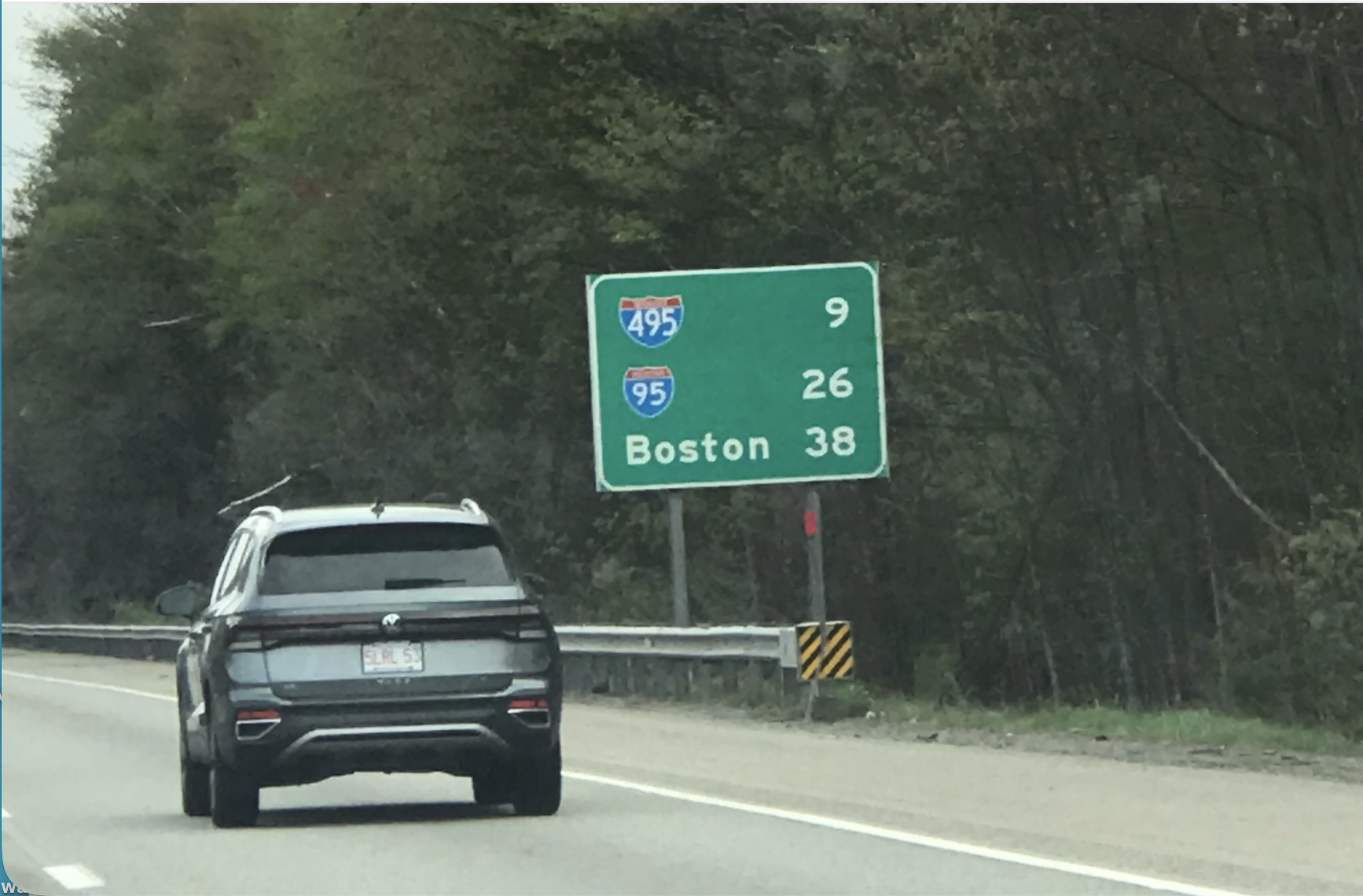
On the way to Boston this past Friday, May 8, from New Jersey. (Photo by me.) Unsurprisingly, we were behind a car with Massachusetts plates…I think.

My wife Laurel and I were in Boston the past couple days picking up our younger daughter Maria from her first year of college, meaning I didn’t have a lot of time to write. Because of that, I figured I’d rerun a post…and it seemed appropriate to have that literature piece be about educators — whether professors or teachers of younger students. But I’ve done several posts over the years featuring fictional (and actual) educators, so I decided to reference all of them.

In 2023, I discussed real-life authors who also are or were professors.

“And why not?,” I wrote back then. “Teaching uses different creative muscles, is a source of additional income (not all well-known novelists are rich), gets authors away from their solitary writing desks into some semblance of the real world, enables them to help budding writers, gives them insight into what young people are thinking, etc. Perhaps their teaching also indirectly infuses their own writing, or even directly if a book they pen has an academic setting. On the other hand, teaching time does take away from writing time.”

I added, “In some cases, dual-duty authors were professors who later became novelists. But perhaps in more cases, they first gained some renown as novelists — after which universities came a-calling.”

The living and deceased authors/professors I named in that 2023 post included Jhumpa Lahiri (Barnard College); Toni Morrison (Princeton University, Rutgers University, etc.); Joyce Carol Oates (Princeton, University of California, Berkeley); Jeffrey Eugenides (Princeton, New York University); Zadie Smith (also NYU); Viet Thanh Nguyen (University of Southern California); Junot Diaz (Massachusetts Institute of Technology); Kent Haruf (Nebraska Wesleyan University); Vladimir Nabokov (Wellesley College, Cornell University); and J.R.R. Tolkien (University of Oxford).

In 2021, 2015, and 2012 posts (the earliest one for The Huffington Post two years before this blog’s 2014 launch), I discussed fictional educators. Many who are as smart, hardworking, and compassionate as some of our favorite real-life teachers we might fondly recall when reading about fictional ones.

Literature’s memorable educators include — among others — Anne Shirley in Anne of Avonlea, the first sequel to L.M. Montgomery’s Anne of Green Gables; Charles Chipping of James Hilton’s Goodbye, Mr. Chips; Ricky Braithwaite of E.R. Braithwaite’s autobiographical novel To Sir, With Love; Dan Needham of John Irving’s A Prayer for Owen Meany; and Jane Eyre, briefly a teacher in Charlotte Bronte’s novel after that character spent a longer time as a teacher of another sort: being a governess.

Children’s fiction also has some great teachers — with one I mentioned in a previous post being Ms. Frizzle of The Magic School Bus books written by Joanna Cole and illustrated by Bruce Degen.

Of course, not all teachers are terrific and/or admirable. In past posts I cited the bumbling Gilderoy Lockhart of J.K. Rowling’s Harry Potter series; the charismatic but fascist-leaning title character in Muriel Spark’s The Prime of Miss Jean Brodie; the means-well-but-overwhelmed Ida Ramundo of Elsa Morante’s novel History; and the comedic-but-a-bit-irresponsible Aimee Lanthenay of Colette’s Claudine at School.

When previously naming fictional professors, I noted that a number of them are quirky — which obviously can make for interesting reading. I added: “There can be drama in their interactions with students, in their competitive relationships with fellow profs, in their sometimes-fraught encounters with university administrators, in their quests for tenure, and in the whole publish-or-perish thing. All that makes up for the fact they are (usually) not the heroic, adventurous sorts who can make readers turn pages faster than tuition payments drain a bank account.”

Among literature’s other fictional profs are Howard Belsey and Monty Kipps of Zadie Smith’s On Beauty; Gauri Mitra of Jhumpa Lahiri’s The Lowland; William Stoner of John Williams’ Stoner; Virginia “Vinnie” Miner and Fred Turner of Alison Lurie’s Foreign Affairs; Tony Fremont (a woman) of Margaret Atwood’s The Robber Bride; Humphrey Clark of Margaret Drabble’s The Sea Lady; Grady Tripp of Michael Chabon’s Wonder Boys; and Godfrey St. Peter of Willa Cather’s The Professor’s House.

I asked this before in previous posts on this topic, but you’re welcome to again name some of your favorite fictional educators.

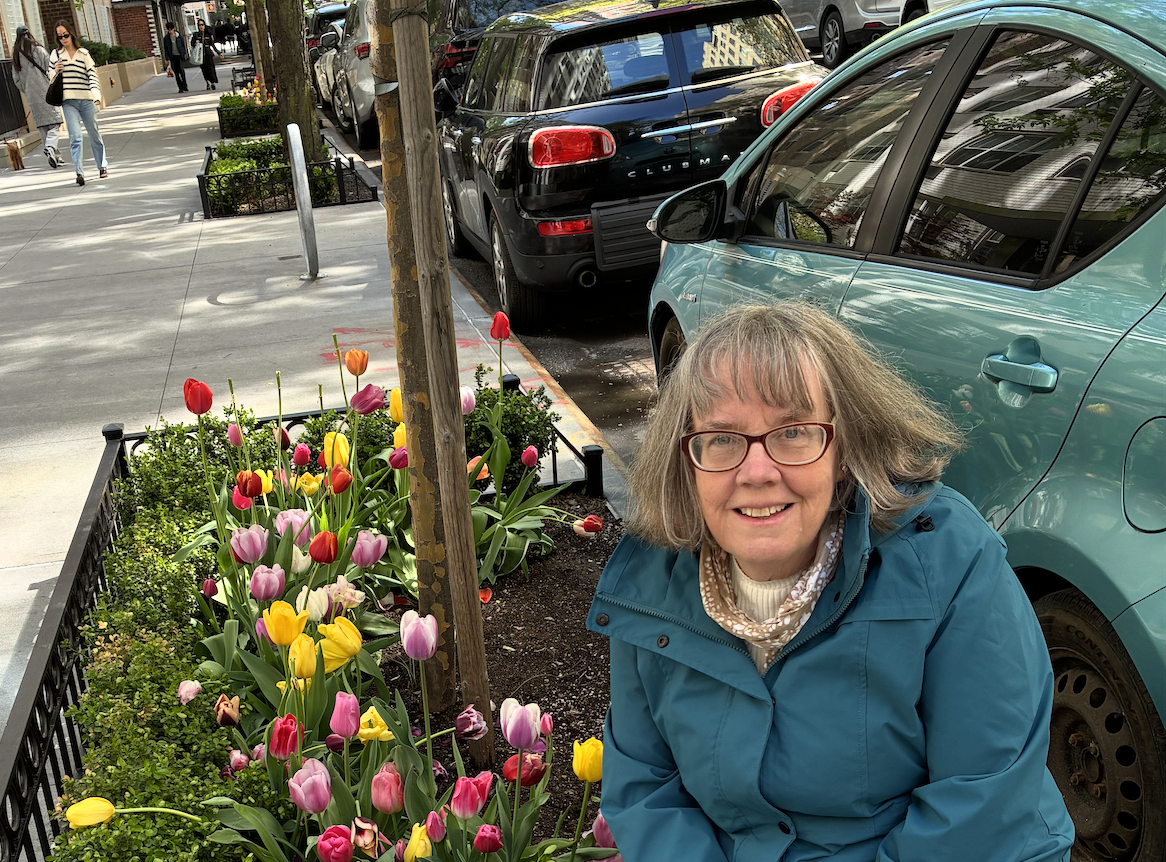
Happy Mother’s Day to my wife Laurel, who is…a professor. 🙂 This photo of her was taken last month in New York City.
Misty the cat says: “My teen human is home from college, so I sleep extra in celebration.”

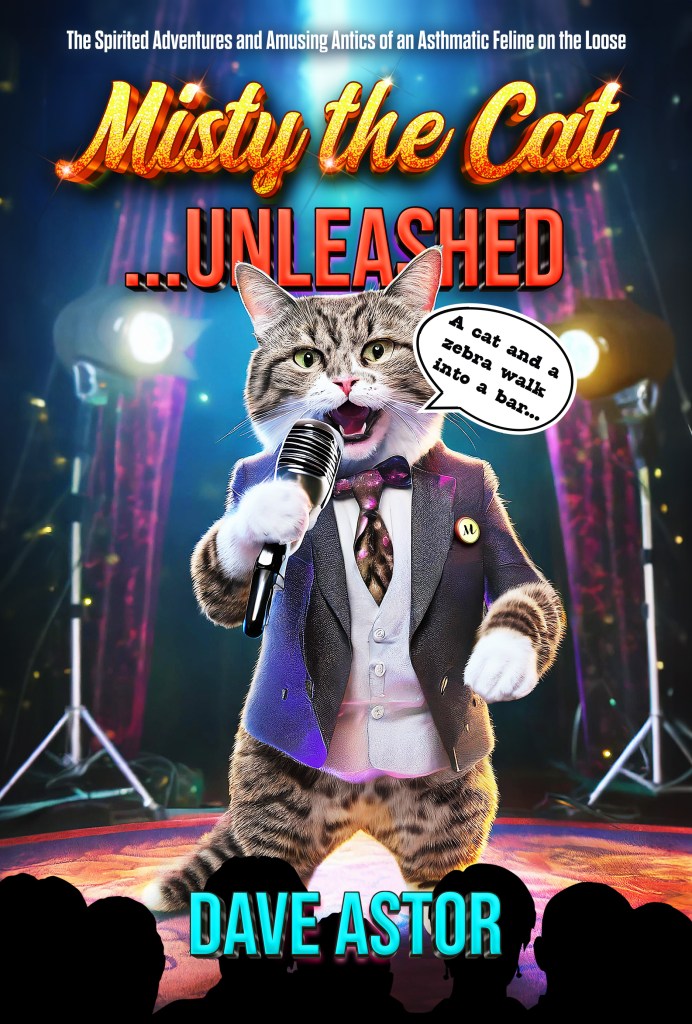
My comedic 2024 book — the part-factual/part-fictional/not-a-children’s-work Misty the Cat…Unleashed — is described and can be purchased on Amazon in paperback or on Kindle. It’s feline-narrated! (And Amazon reviews are welcome. 🙂 )
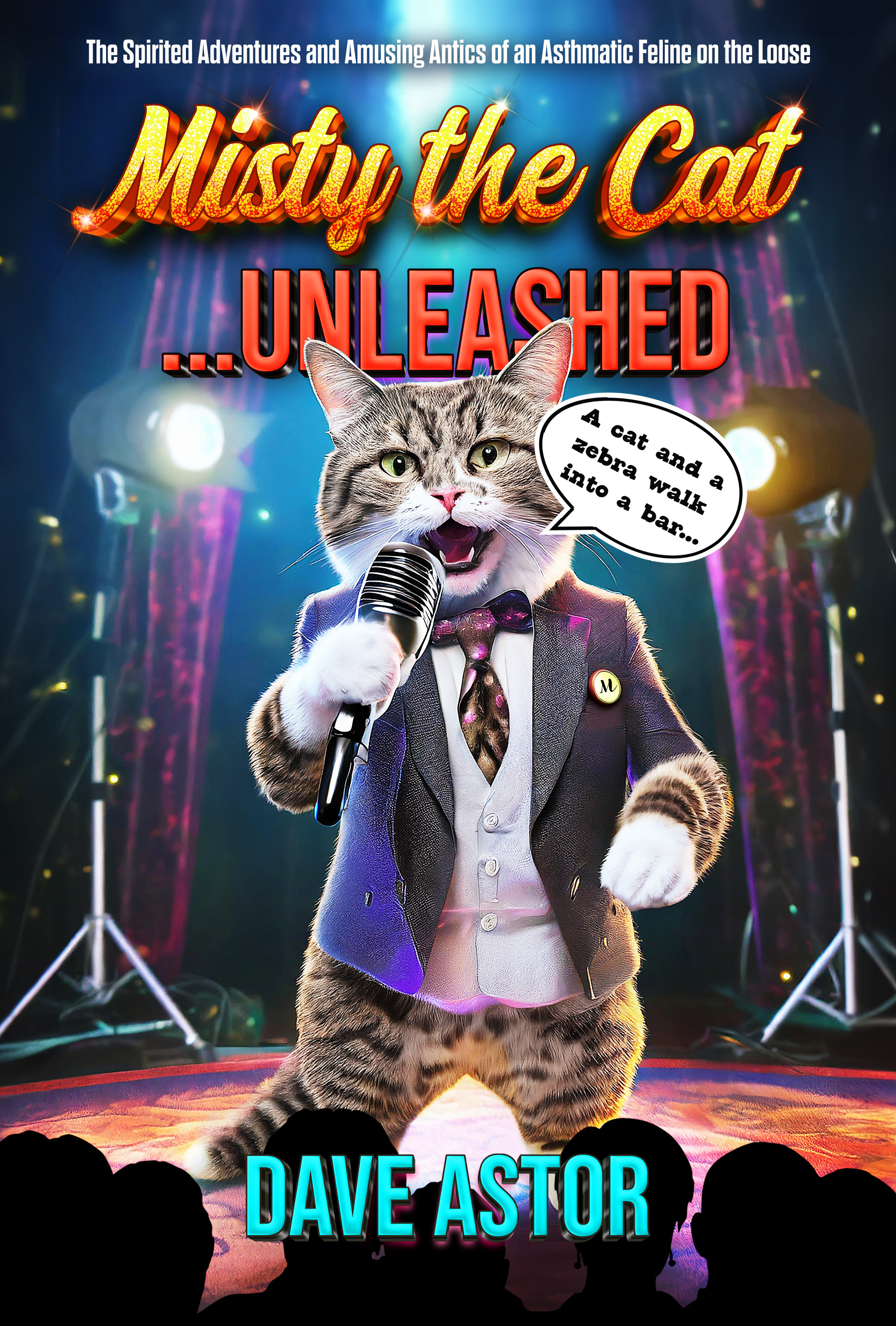
This 90-second promo video for the book features a talking cat: 🙂

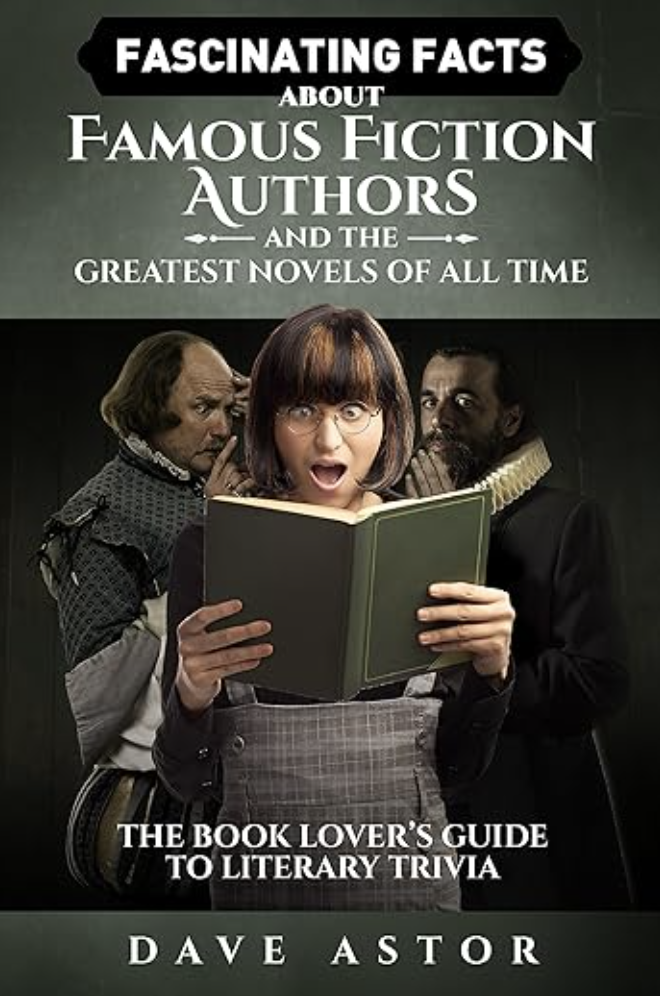
I’m also the author of a 2017 literary-trivia book

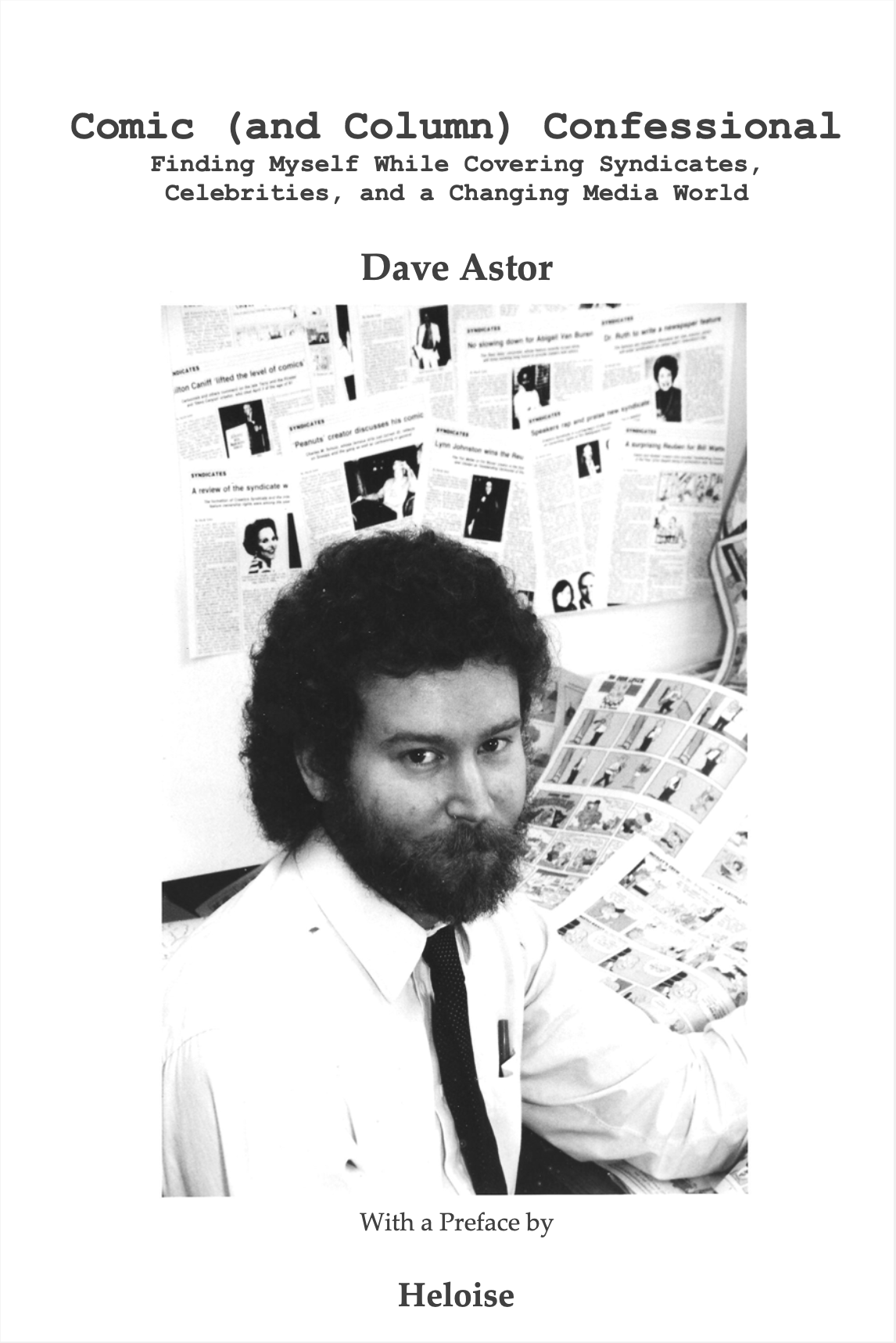
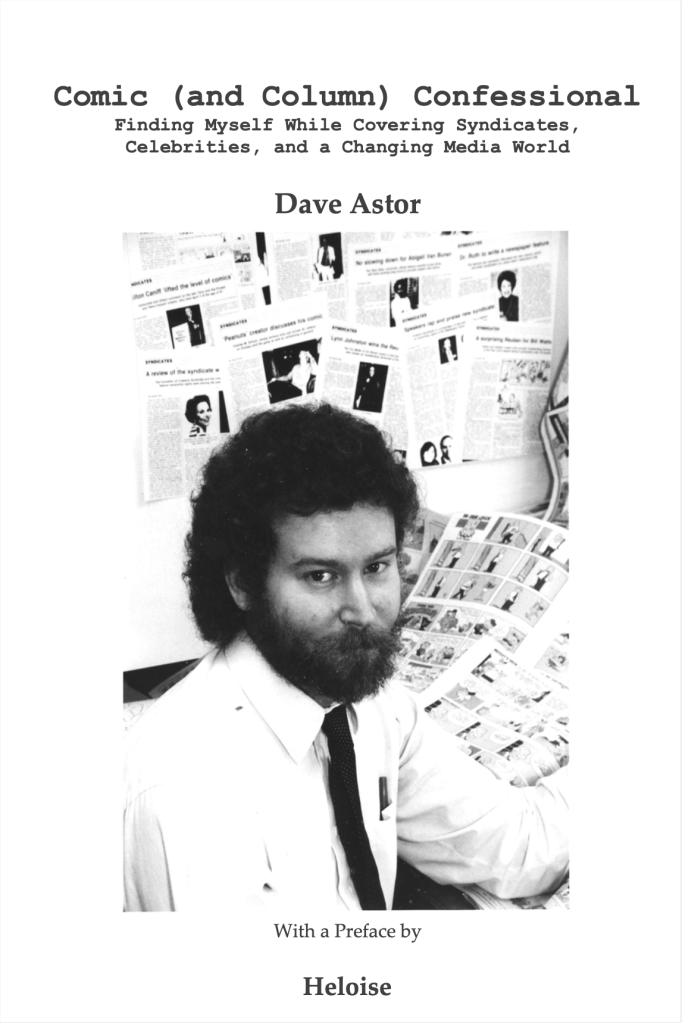
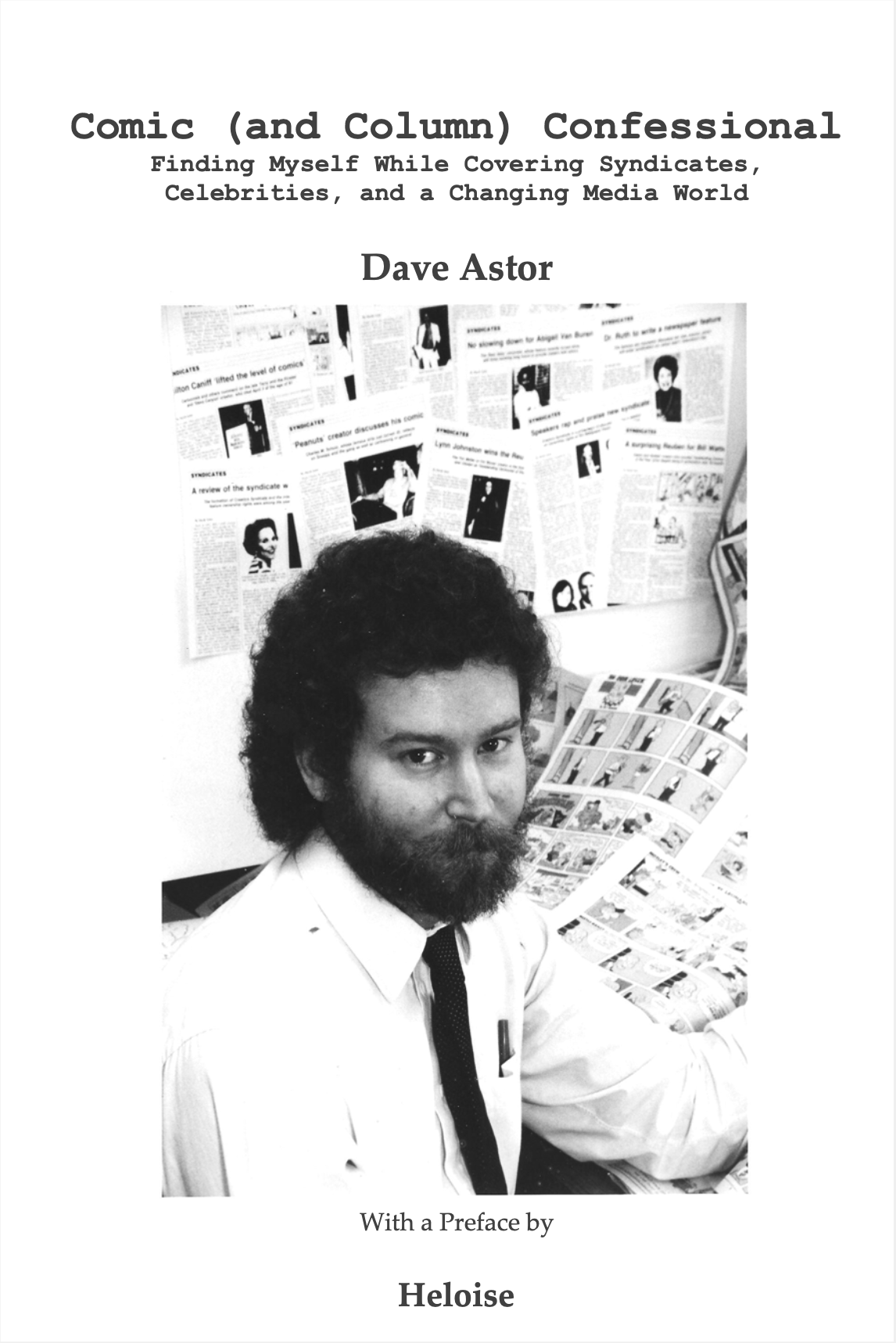
…and a 2012 memoir that focuses on cartooning and more, including many encounters with celebrities.
In addition to this weekly blog, I write the 2003-started/award-winning “Montclairvoyant” topical-humor column every Thursday for Montclair Local. The latest piece — which discusses my town’s grim school budget and more — is here.
Favorite Females in Fiction, Recently Read

Today is International Women’s Day. Over the years, I’ve written blog posts from various angles about women in literature. This time, I’ll focus on some of my favorite women characters in novels I’ve read (though were not necessarily published) during the past couple of years.

Because of its title, the first book that came to mind was Kristin Hannah’s terrific 2024 novel The Women focusing on Vietnam War combat nurses. It stars Frances “Frankie” McGrath, a somewhat-naive young woman from an affluent family who’s forced to mature very quickly while treating horrendous battle injuries. Her two war-zone mentors — Barb Johnson and Ethel Flint — are also memorable in secondary roles.

Hannah’s previous novel, 2021’s The Four Winds, also has a stirring woman protagonist in Elsa Wolcott. (Her 1930s-set story is clearly influenced by John Steinbeck’s The Grapes of Wrath.)

Elin Hilderbrand’s novels — nearly 30 of which I read in 2024 and 2025 — are teeming with compelling women characters. Among my favorites are teacher Mallory Blessing of 2020’s bittersweet 28 Summers (inspired by Bernard Slade’s Same Time, Next Year) and the strong-willed Irene Steele who moves from Iowa to the Caribbean after her husband dies mysteriously in Hilderbrand’s Paradise trilogy (2018/2020/2020).

I was also drawn to another teacher: Maggie Jones of Kent Haruf’s Plainsong, an affecting 1999 novel that features interlocking stories.

And to the brave/beleaguered former government agent who goes by various aliases in Stephenie Meyer’s 2016 thriller The Chemist.

And to 1950s mathematician/astronaut Elma York of Mary Robinette Kowal’s 2018 alternative-history novel The Calculating Stars.

And to Wall Street attorney-turned-Appalachia legal aid attorney Samantha Kofer in John Grisham’s Gray Mountain (2014).

In the sleuth genre, three impressive yet very human/relatable women I’ve recently mentioned in other posts include Robin Ellacott of J.K. Rowling’s 2013-launched series, cold-case detective Karen Pirie of Val McDermid’s 2003-launched series, and private investigator Kinsey Millhone of the late Sue Grafton’s 1982-2017 alphabet-mystery series I’m currently working through (now enjoying Q Is for Quarry).

Among my favorite women characters in novels (some classic) that I read years ago include Jane Eyre in Charlotte Bronte’s book of the same name, Helen Huntingdon of Anne Bronte’s The Tenant of Wildfell Hall, Anne Elliot of Jane Austen’s Persuasion, Maggie Tulliver of George Eliot’s The Mill on the Floss, Denise Baudu of Emile Zola’s The Ladies’ Paradise, Marian Halcombe of Wilkie Collins’ The Woman in White, Ethelberta Petherwin in Thomas Hardy’s The Hand of Ethelberta, Edna Pontellier of Kate Chopin’s The Awakening, Anne Shirley of L.M. Montgomery’s Anne of Green Gables, Renee Nere of Colette’s The Vagabond, Pilate Dead of Toni Morrison’s Song of Solomon, Imogene “Idgie” Threadgoode of Fannie Flagg’s Fried Green Tomatoes at the Whistle Stop Cafe, Eliza Sommers of Isabel Allende’s Daughter of Fortune, and Dellarobia Turnbow of Barbara Kingsolver’s Flight Behavior, to name a few. (Actually, Anne Shirley is only 16 at the end of Montgomery’s book.)

Your thoughts about this topic, and your favorite women characters?

Misty the cat says: “Last night, clocks and patches of snow both moved one hour ahead.”

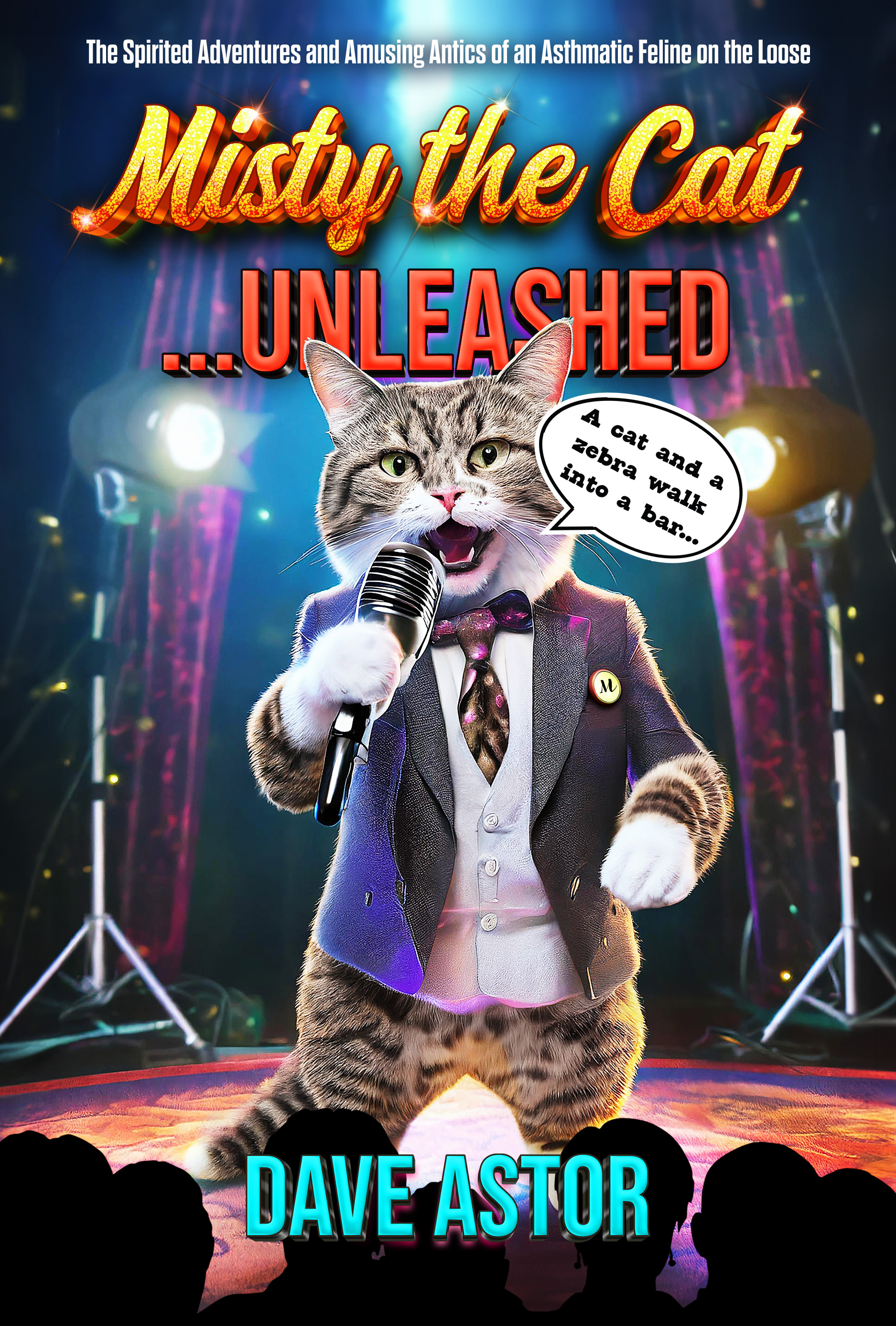
My comedic 2024 book — the part-factual/part-fictional/not-a-children’s-work Misty the Cat…Unleashed — is described and can be purchased on Amazon in paperback or on Kindle. It’s feline-narrated! (And Amazon reviews are welcome. 🙂 )

This 90-second promo video for the book features a talking cat: 🙂

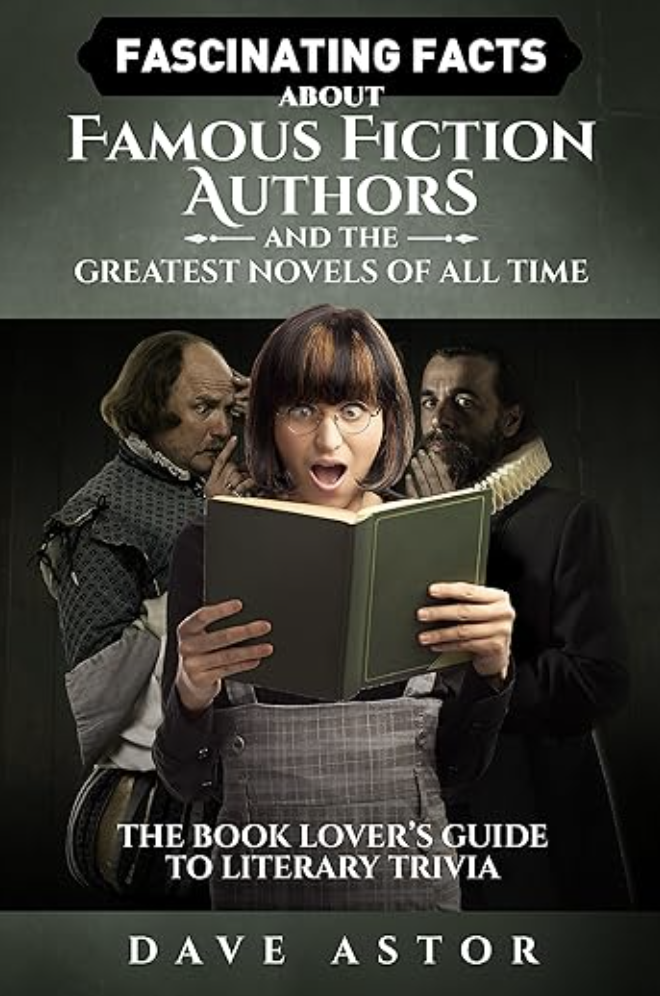
I’m also the author of a 2017 literary-trivia book

…and a 2012 memoir that focuses on cartooning and more, including many encounters with celebrities.

In addition to this weekly blog, I write the 2003-started/award-winning “Montclairvoyant” topical-humor column every Thursday for Montclair Local. The latest piece — which comments on a fraught upcoming school budget vote — is here.

Books Helped Robert Redford’s Film Career Shine

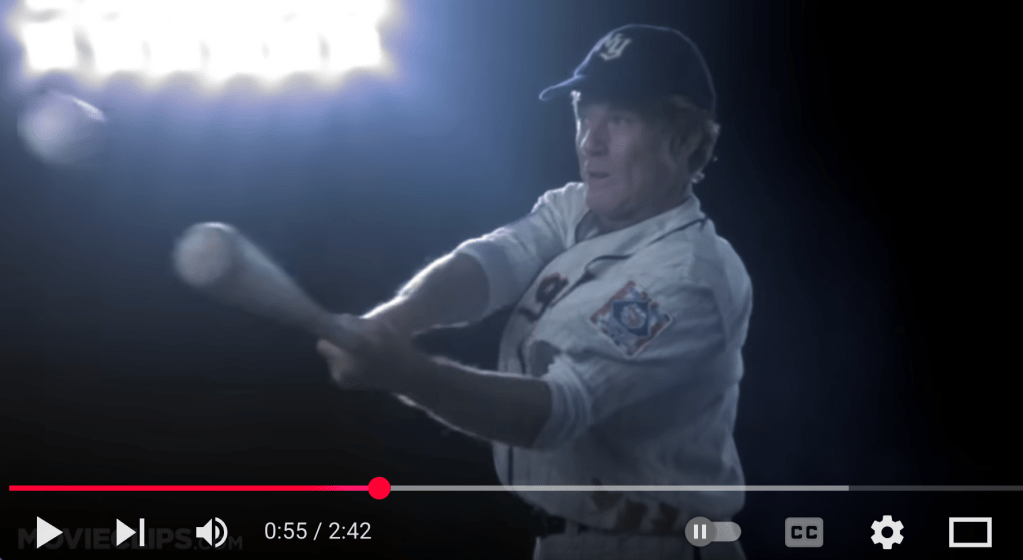
A screen shot from The Natural movie starring a man who hit a home run in life.

Like many other performers, Robert Redford appeared in a number of films inspired by books. I’ll discuss several of those screen adaptations in this post, which appears five days after the sad news of the iconic star’s September 16 death at age 89.

The first movie that came to mind was The Natural (1984), based on Bernard Malamud’s 1952 novel of the same name. Redford starred as baseball player Roy Hobbs, who returns to the game in midlife after being shot as a young man. (The Hobbs name is an amalgam of real-life baseball legends Ty Cobb and Rogers Hornsby.) Quite a compelling and affecting motion picture, which — as is often the case with Hollywood — has a happier ending than the one in the more nuanced book.

A decade earlier, another major role for Redford was in the 1974 movie version of F. Scott Fitzgerald’s 1925 classic The Great Gatsby. Redford was Jay Gatsby to Mia Farrow’s Daisy Buchanan.

I didn’t realize until researching this post that 1973’s The Way We Were movie — in which Redford co-starred with Barbra Streisand — was based on Arthur Laurents’ 1972 novel rather than on a totally original screenplay.

Redford was not only an actor but a director, producer, longtime champion of independent films, and laudable activist for the environment and other causes. Several of those multiple talents came together for the 1988 movie version of John Nichols’ 1974 novel The Milagro Beanfield War. The film — whose cast included Ruben Blades and Sonia Braga — didn’t do well at the box office, but Redford received praise for his direction of it.

I’ve read Nichols’ and Malamud’s books, but not Judith Guest’s 1976 novel Ordinary People, for which Redford won the directing Oscar for the 1980 movie version starring Mary Tyler Moore, Donald Sutherland, and Timothy Hutton. I’ve seen the film, which is excellent.

Redford of course also acted in movies based on notable nonfiction books — including 1937’s Out of Africa memoir by Isak Dinesen (Redford co-starred with Meryl Streep in the 1985 film) and 1974’s Watergate-scandal-focused All the President’s Men by Washington Post reporters Bob Woodward and Carl Bernstein (Redford played Woodward opposite Dustin Hoffman as Bernstein in the 1976 movie). I’ve read both books, and the films did each of them justice even as their main characters were more glamorous than their written-page counterparts.

A great late-career role for Redford was in the 2017 screen adaptation of Kent Haruf’s very poignant 2015 novel Our Souls at Night, about an older couple’s twilight-years romance. He co-starred with Jane Fonda, repeating a charismatic pairing from several earlier films.

I’ll close with this: Redford lived a life that we’ll remember with affection and admiration for his talent, his kindness, and his social conscience. People such as the cruel Trump and his dreadful toadies will be remembered quite differently when they’re gone.

Any thoughts on Redford, the films and books mentioned in this post, or any book-inspired Redford movies I might have missed? (My post included only titles for which I read the book or saw the film or both.)

Misty the LGBTQ-friendly cat says: “I have two mums, and I’m fine with that.”

My comedic 2024 book — the part-factual/part-fictional/not-a-children’s-work Misty the Cat…Unleashed — is described and can be purchased on Amazon in paperback or on Kindle. It’s feline-narrated! (And Misty says Amazon reviews are welcome. 🙂 )

This 90-second promo video for the book features a talking cat: 🙂

I’m also the author of a 2017 literary-trivia book

…and a 2012 memoir that focuses on cartooning and more, and includes many encounters with celebrities. (But not Robert Redford. 🙂 )

In addition to this weekly blog, I write the 2003-started/award-winning “Montclairvoyant” topical-humor column every Thursday for Montclair Local. The latest piece — about an exploding school budget deficit and a Township Council member’s sudden resignation — is here.