Reimagination Actualization

Four years ago, I blogged about fiction that uses previous fiction as a jumping-off point — and perhaps reimagines well-known characters. This post is sort of a sequel to that post, taking a somewhat different angle and including several novels I’ve read since 2021.

In general, I’m not a huge fan of fiction that’s heavily inspired by a famous work; I’d rather writers be more original than that. Still, there have been some excellent novels that offer insights into the previous work and might be great in their own right.

My latest encounter with this reimagining phenomenon was Queen Macbeth, Val McDermid’s 2024 novella that takes a fascinating approach to characters in Shakespeare’s iconic Macbeth play. The book is excellent, giving Lady Macbeth a more positive (and more historically accurate) persona as a compelling plot unfolds in two different timelines.

McDermid’s book reminded me a bit of Margaret Atwood’s 2005 novella The Penelopiad (mentioned in my 2021 post) that gives Penelope a bigger and more feminist role than she had in Homer’s ancient Odyssey poem.

There’s also Demon Copperhead, Barbara Kingsolver’s 2022 tour de force that gives Charles Dickens’ 1850 classic David Copperfield a modern spin in America’s Appalachian region during the opioid epidemic.

Kristin Hannah’s gripping 2021 novel The Four Winds was obviously inspired by John Steinbeck’s The Grapes of Wrath (1939), but it’s still plenty original and differs in featuring a female protagonist. (The title character in Demon Copperhead is male.)

Zadie Smith has described the structure/focus of her novel On Beauty (2005) as an homage to E.M. Forster’s Howards End (1910).

In her also-published-in-2005 novel March, Geraldine Brooks takes the father from Louisa May Alcott’s 1868-released Little Women and gives him his own story.

I haven’t read it yet, but Percival Everett’s acclaimed James (2024) reimagines Mark Twain’s Adventures of Huckleberry Finn (1884) from the perspective of the escaped slave Jim.

In my 2021 post, I mentioned the 1966 novel Wide Sargasso Sea, in which Jean Rhys gives three-dimensionality to the “madwoman in the attic” of Charlotte Bronte’s novel Jane Eyre; Rhys’ creation is in effect a prequel to Bronte’s 1847 book. I also discussed the novel (by Gregory Maguire) and the play Wicked, which sympathetically portray the Wicked Witch from L. Frank Baum’s The Wonderful Wizard of Oz novel (1900) and The Wizard of Oz movie (1939).

Mentioned as well in that post were Isabel Allende’s 2005 novel Zorro, Jasper Fforde’s 2001 novel The Eyre Affair, and Seth Grahame-Smith’s 2009 Jane Austen parody Pride and Prejudice and Zombies — the last of which I haven’t felt the “Persuasion” to read.

Comments about, and examples of, this theme?

Misty the cat says: “My right turn has nothing to do with politics.”

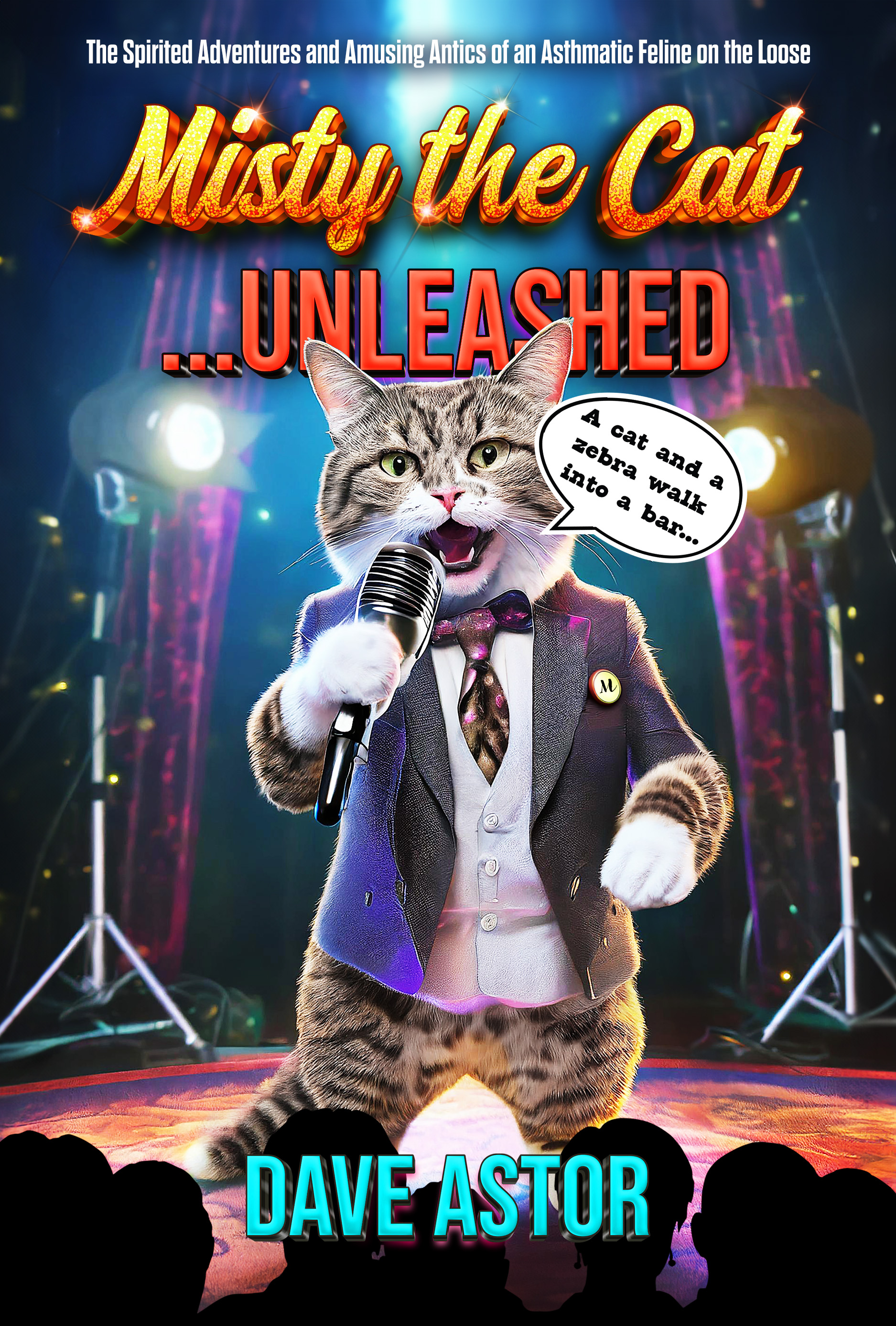
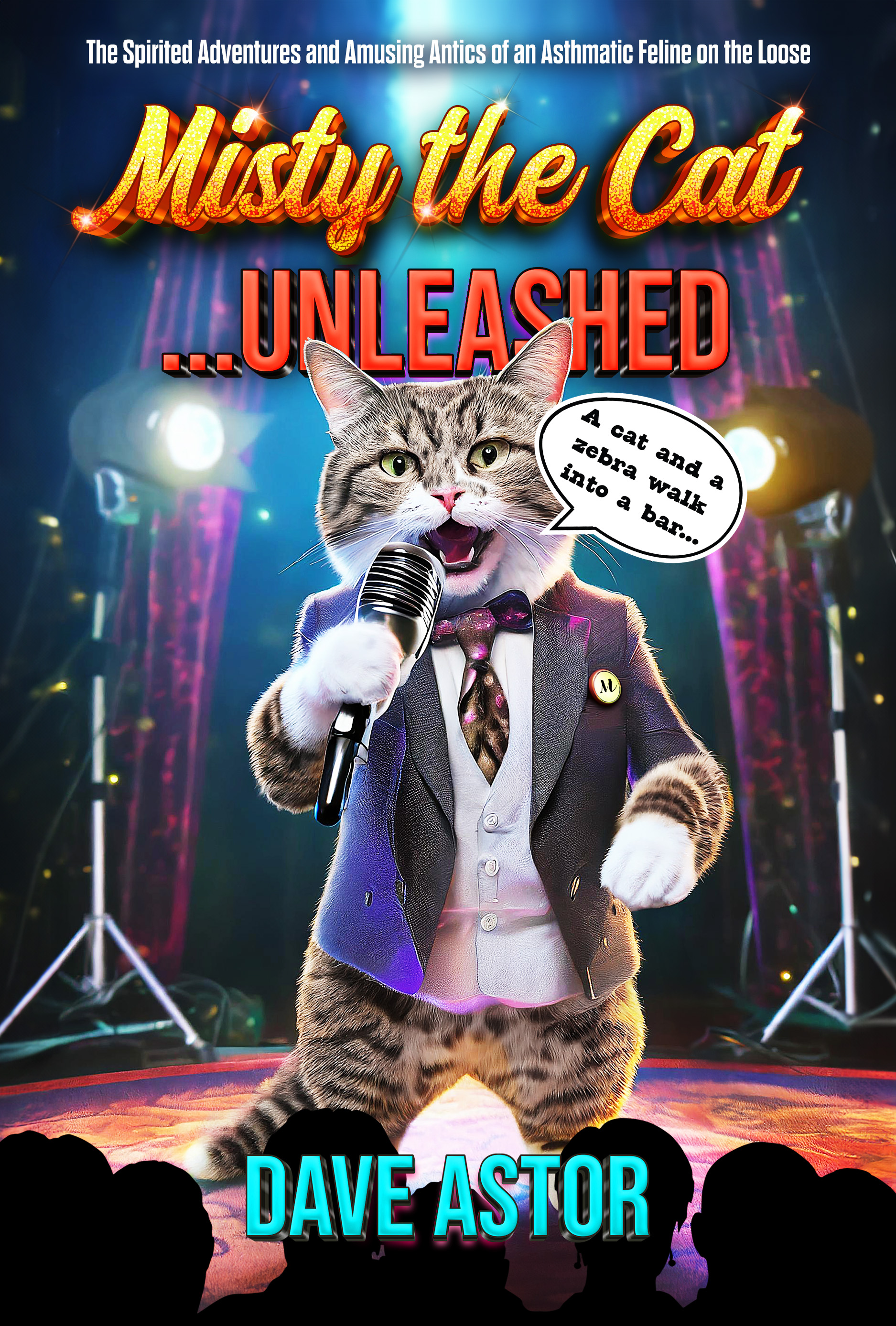
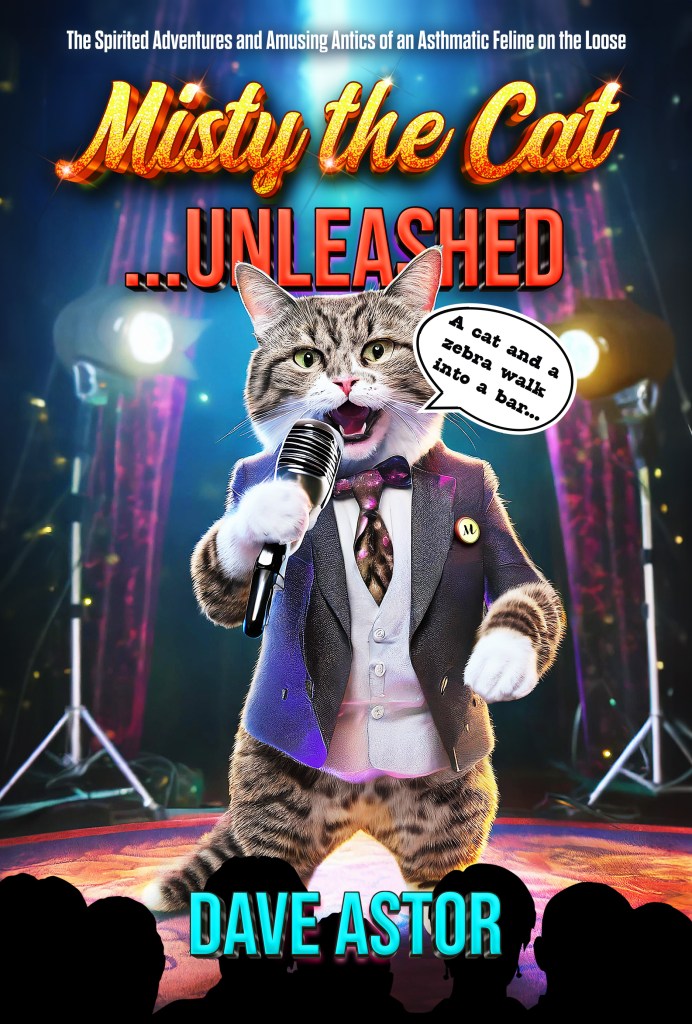
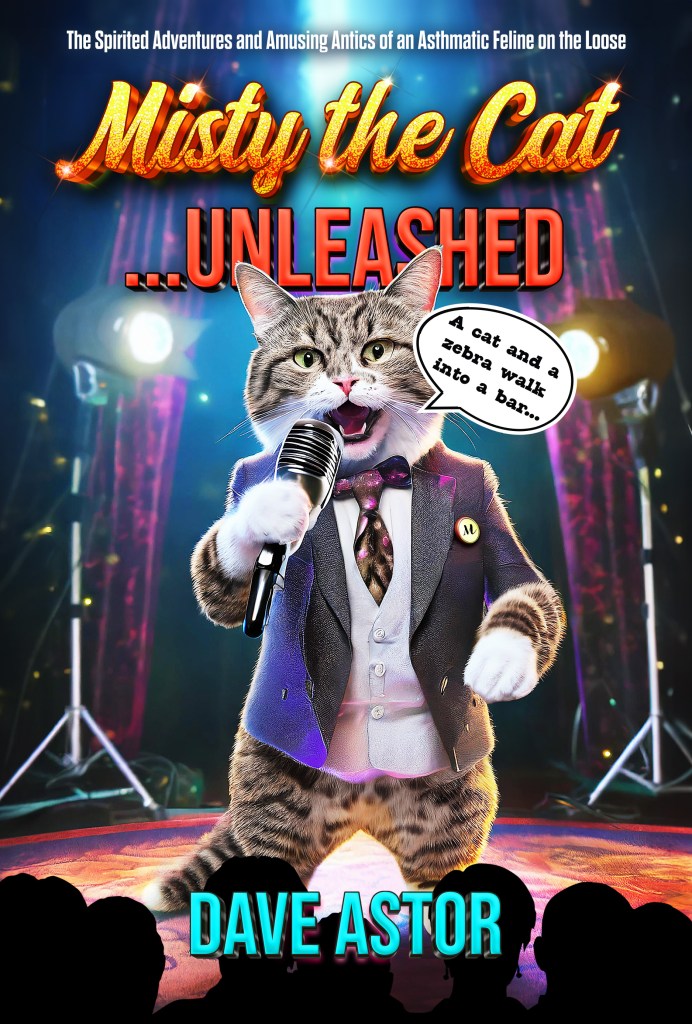
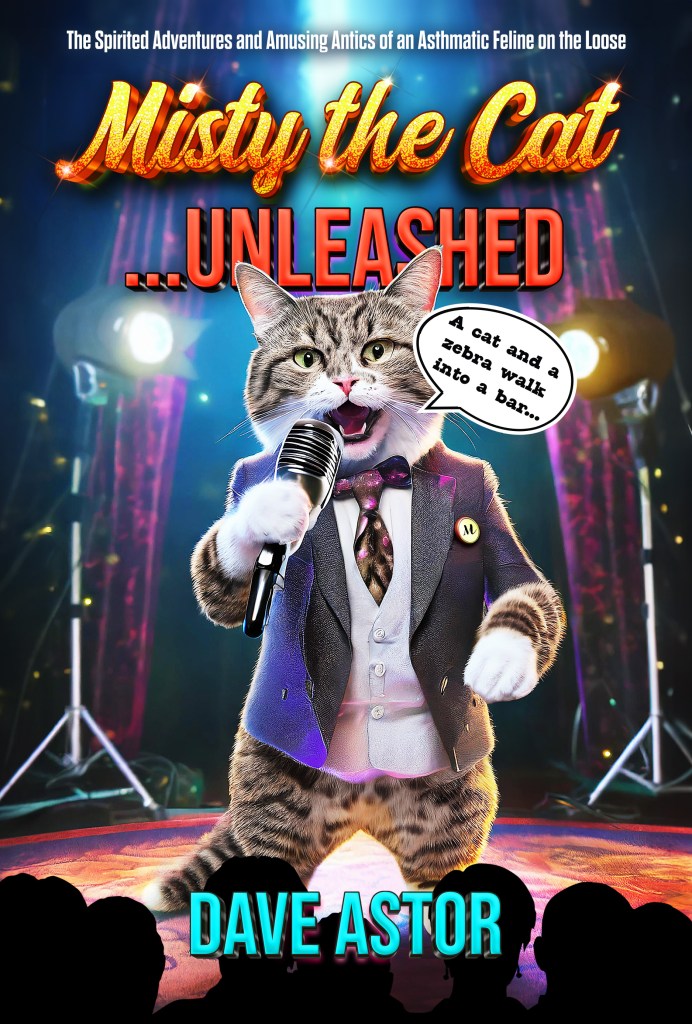
My comedic 2024 book — the part-factual/part-fictional/not-a-children’s-work Misty the Cat…Unleashed — is described and can be purchased on Amazon in paperback or on Kindle. It’s feline-narrated! (And Misty says Amazon reviews are welcome. πŸ™‚ )

This 90-second promo video for the book features a talking cat: πŸ™‚

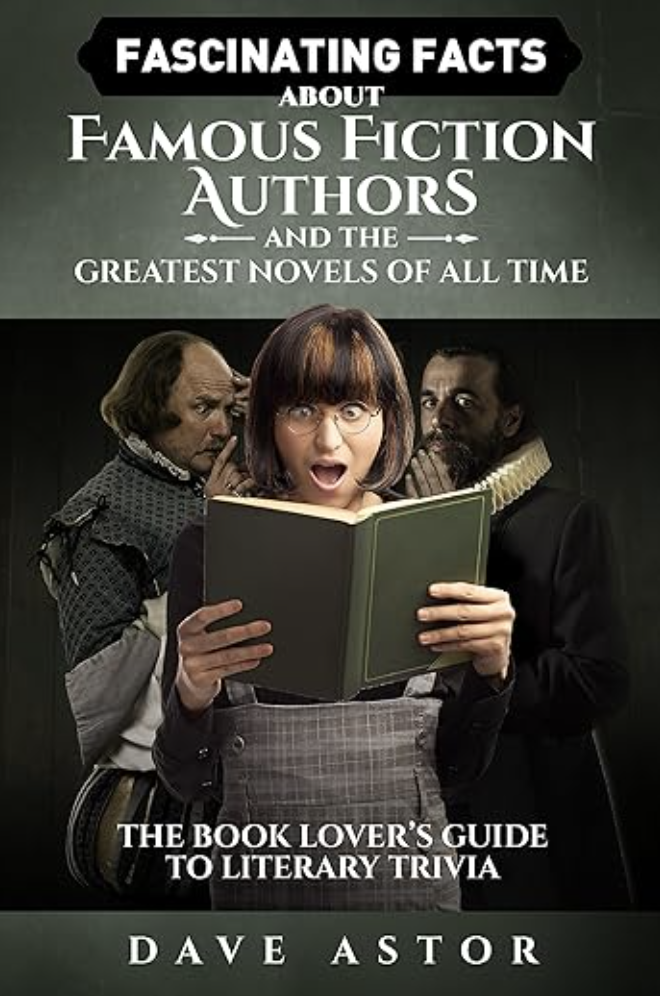
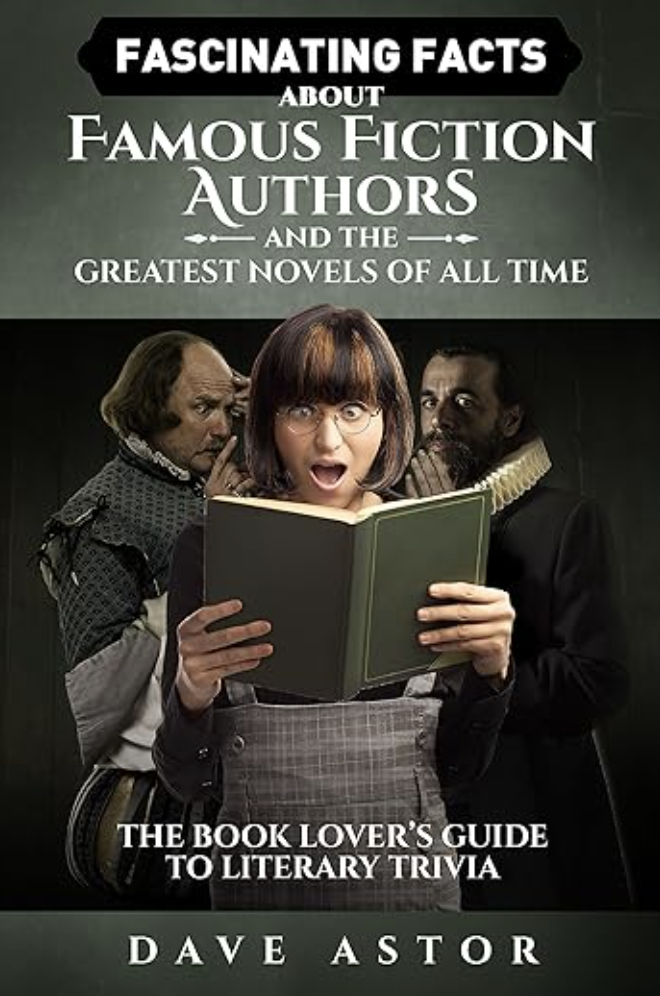
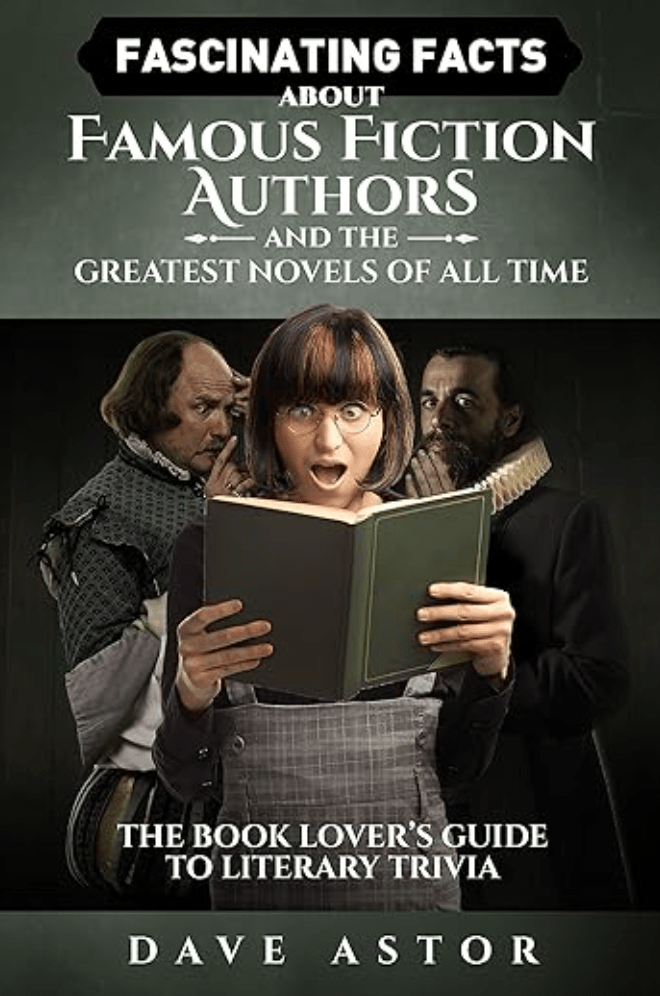
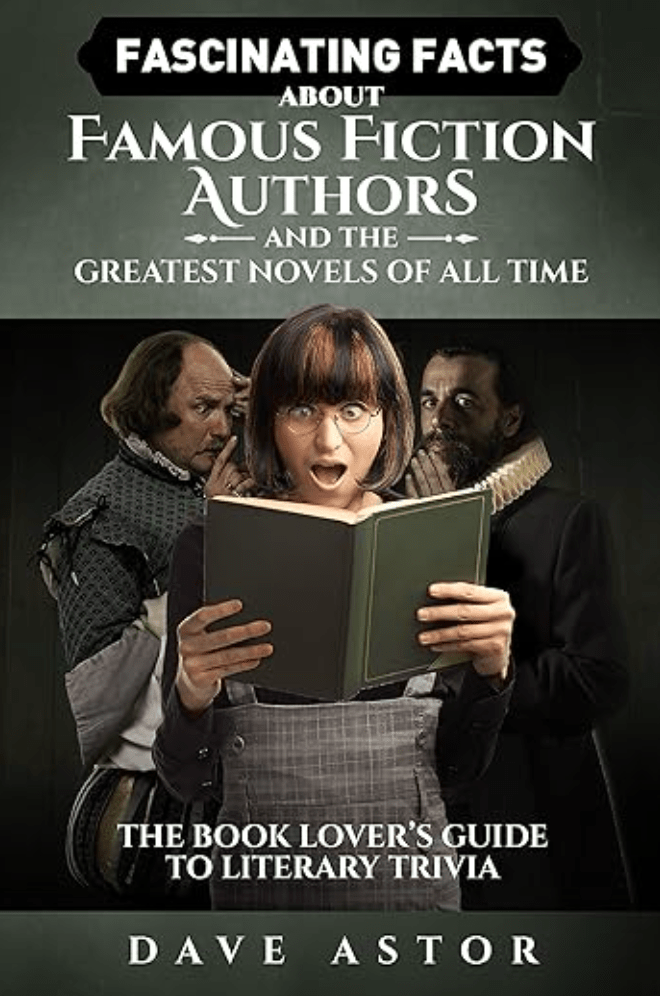
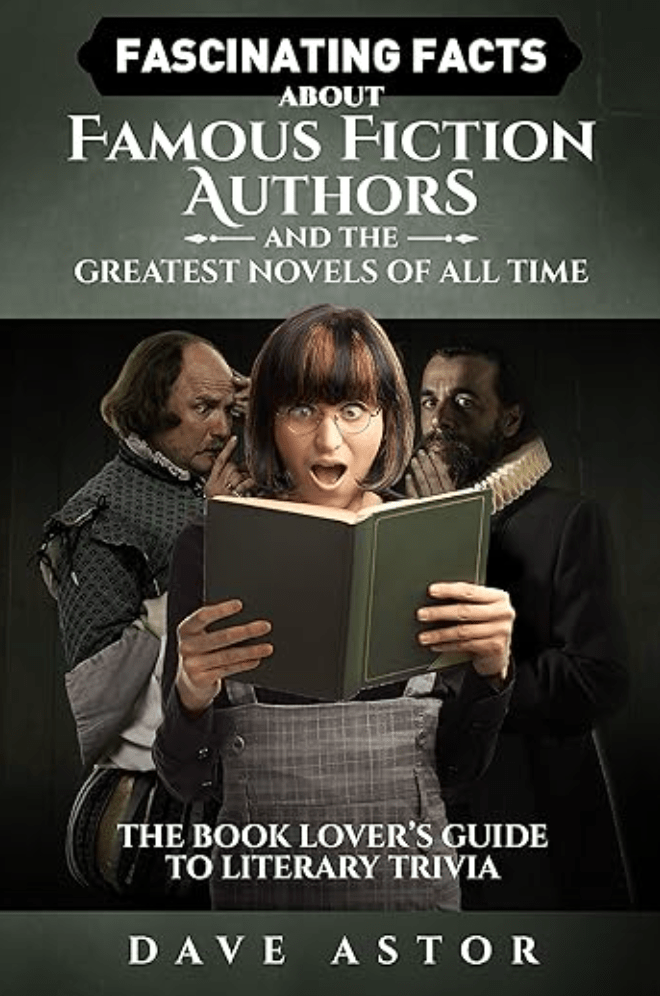
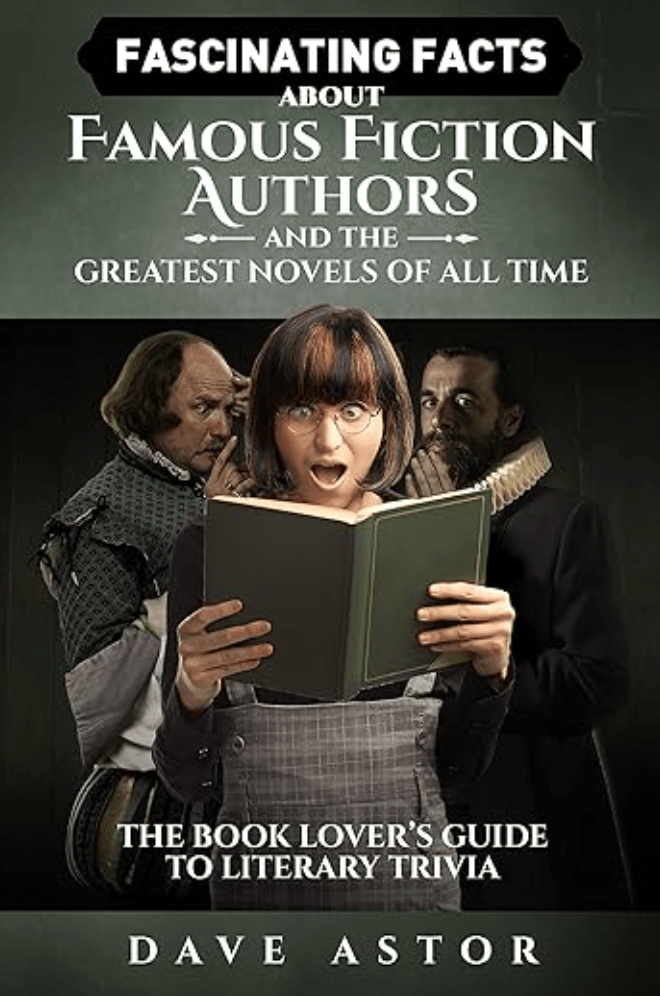
I’m also the author of a 2017 literary-trivia book

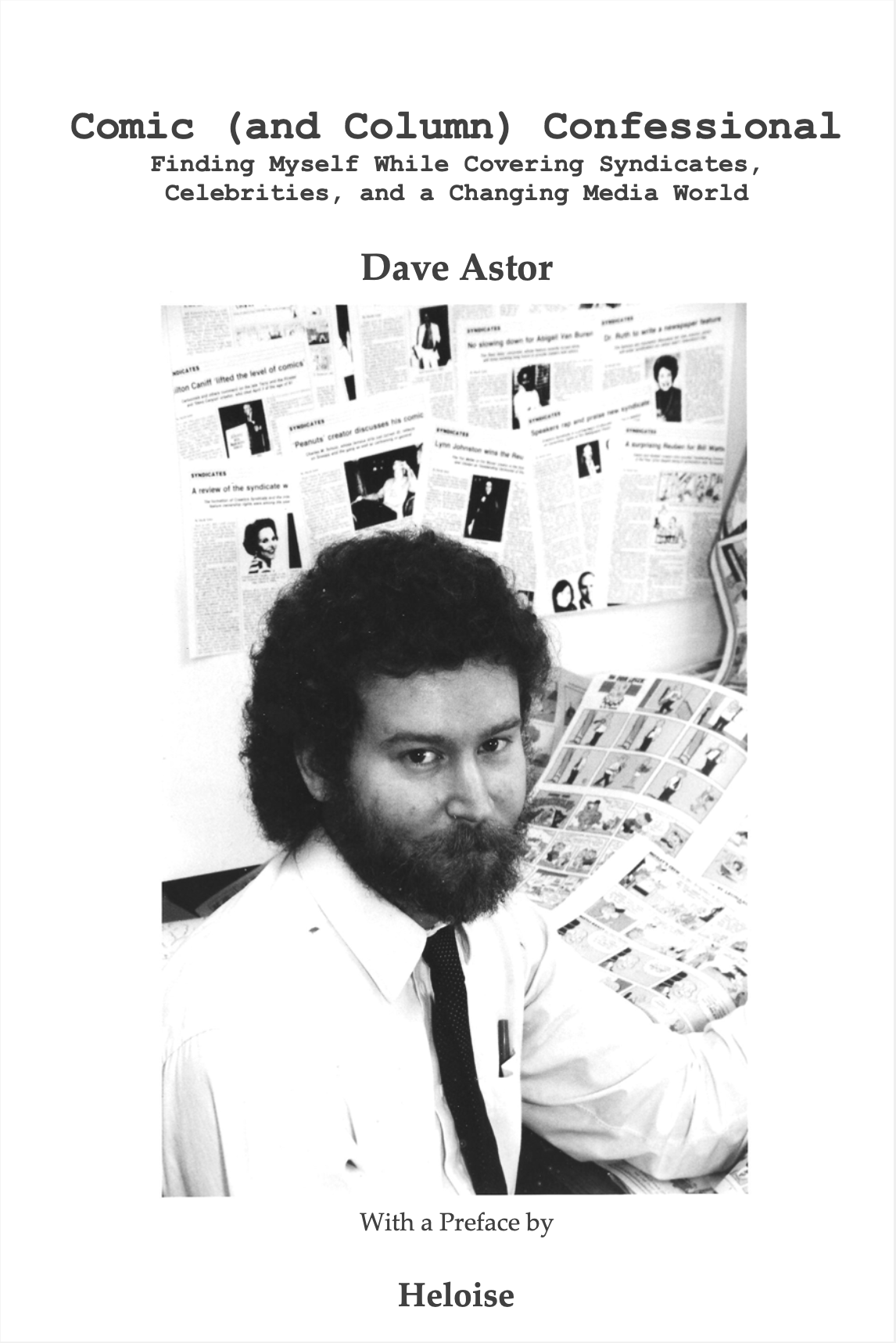
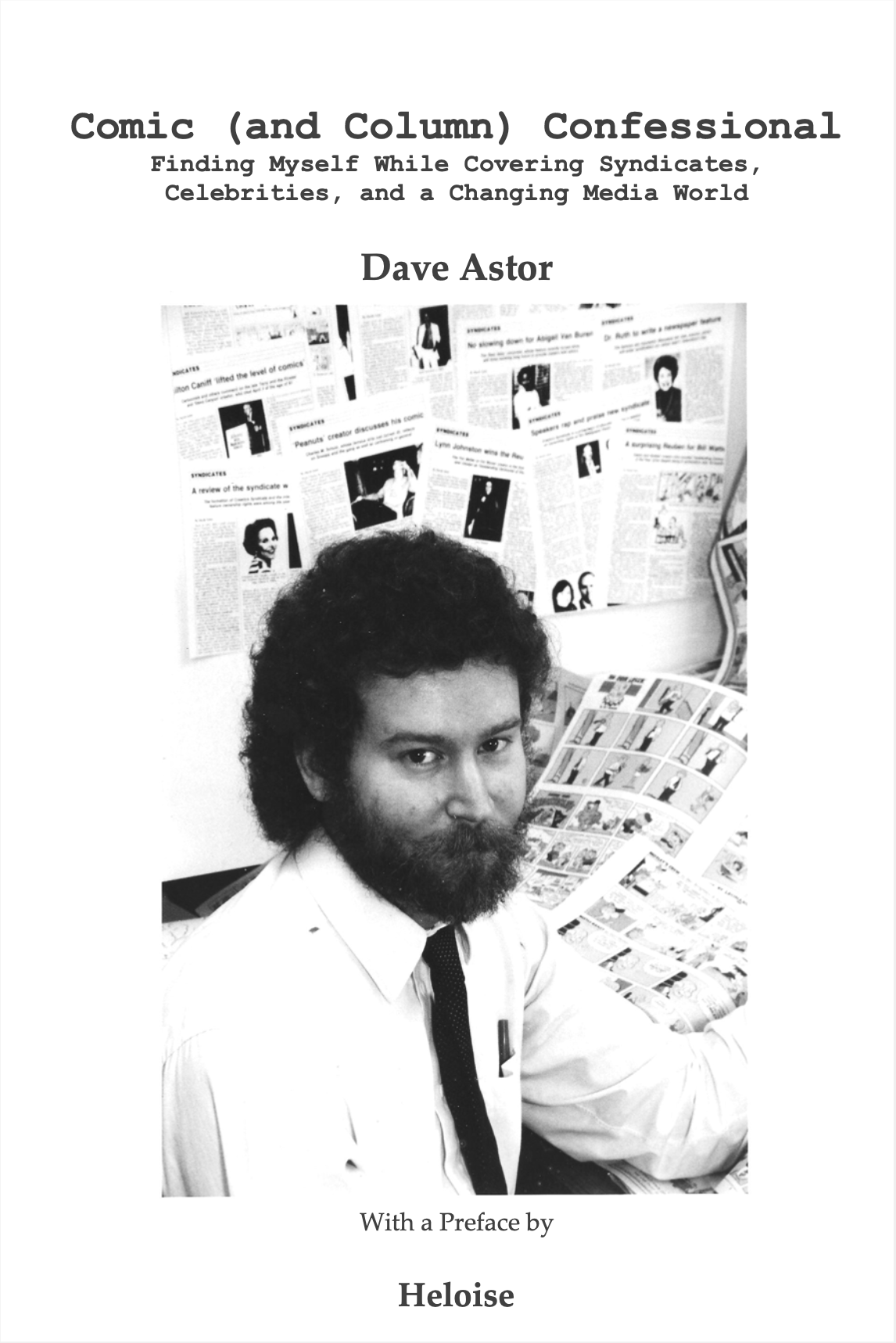
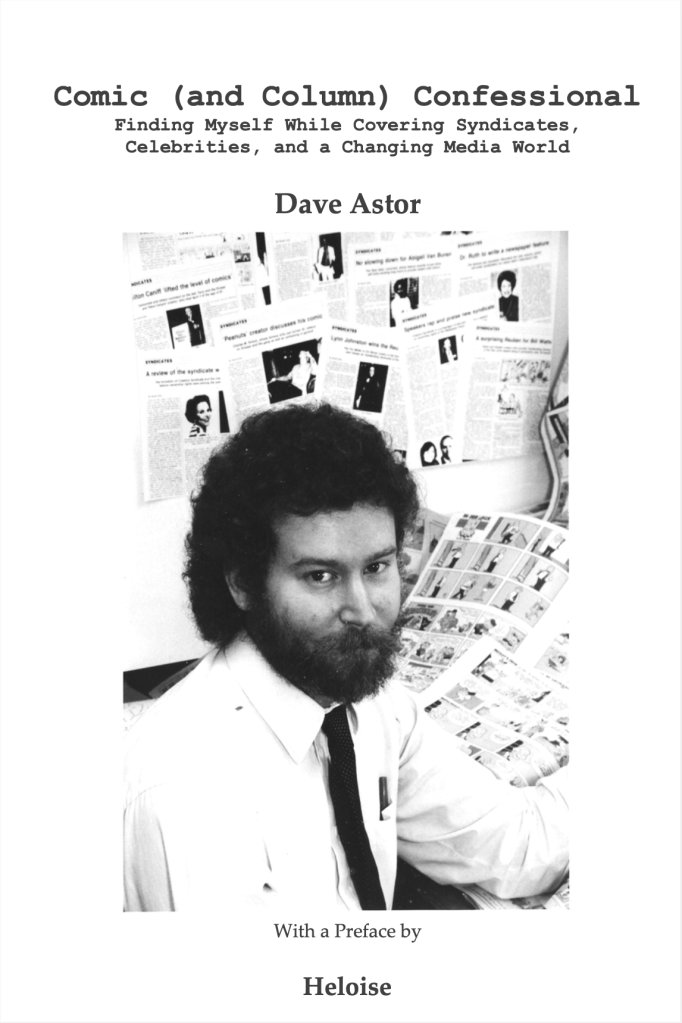
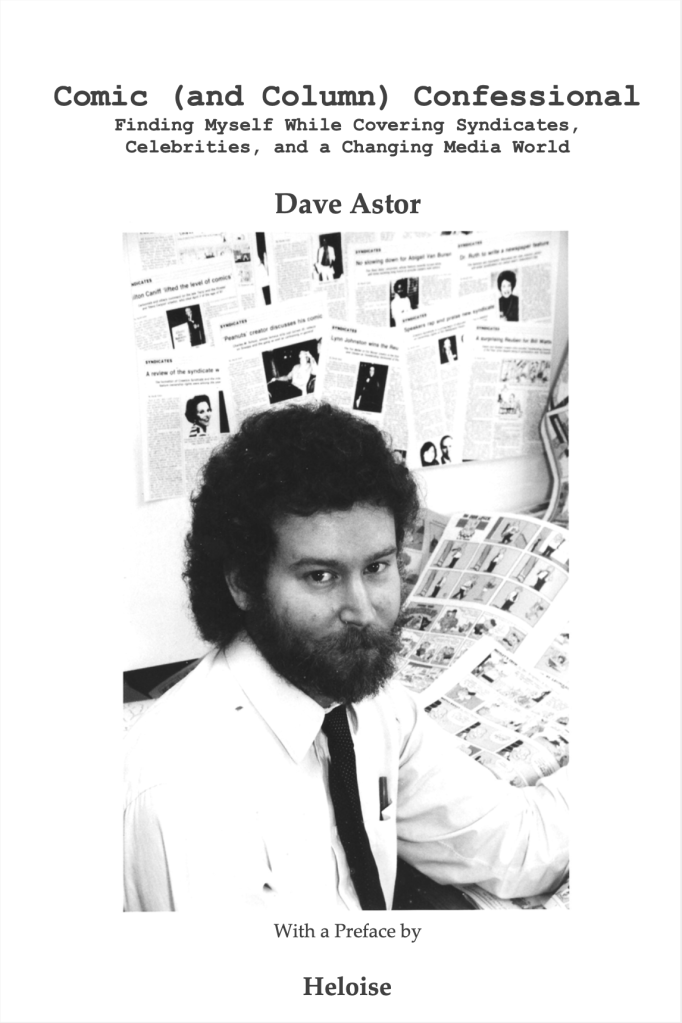
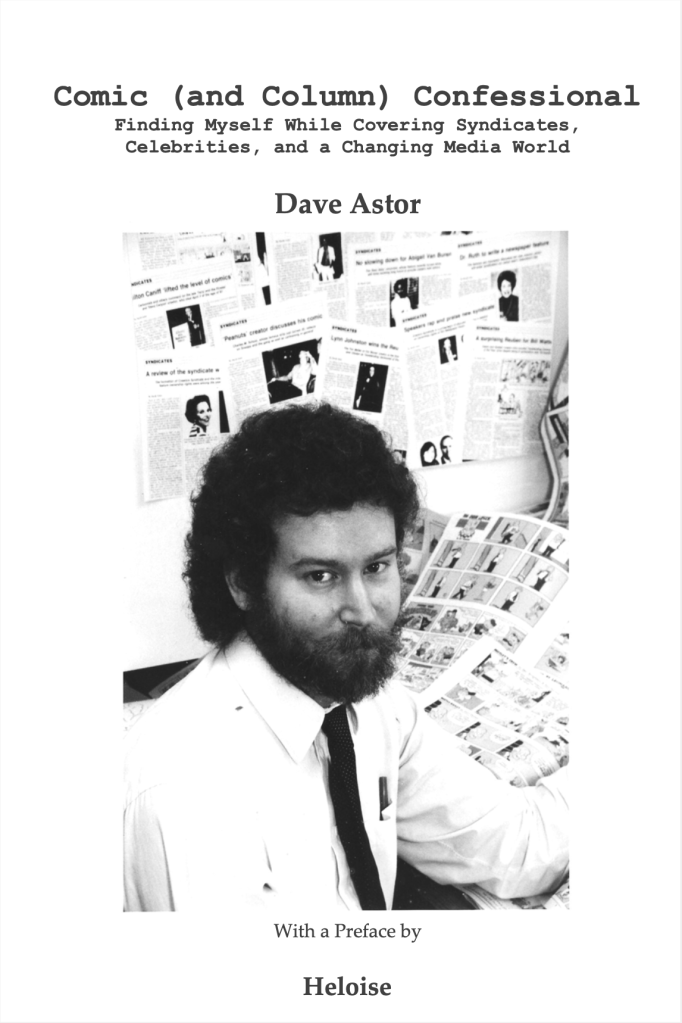
…and a 2012 memoir that focuses on cartooning and more.

In addition to this weekly blog, I write the 2003-started/award-winning “Montclairvoyant” topical-humor column every Thursday for Montclair Local. The latest piece — about a badly maintained lower-income apartment building, a change in venue for a senior center, and more — is here.

Restrictions Need Not Cause Conniptions

Credit: Random House

Authors dealing with restrictions can find their literary creativity stifled or stimulated. This post will discuss several examples of the latter.

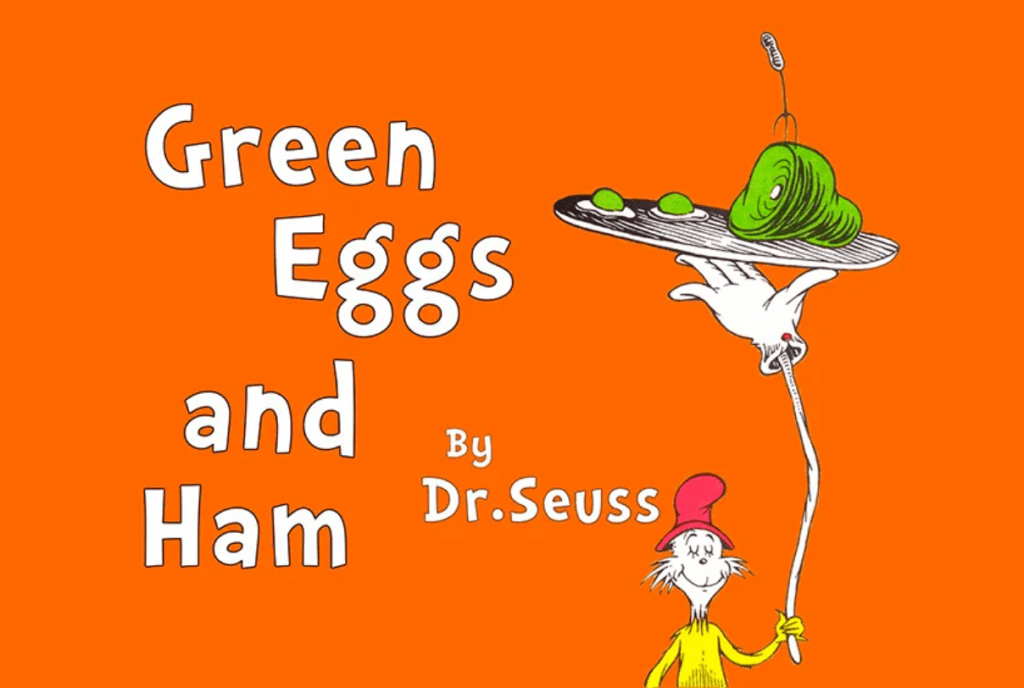
Some fiction fans know the story behind the iconic Green Eggs and Ham. Dr. Seuss was challenged to do a children’s book containing a maximum of 50 different words (albeit all of which could be used more than once). The author struggled with that parameter, but eventually created what has been an enduring bestseller since 1960.

Moving to adult novels, Margaret Atwood was asked to write a book retelling a classic myth of her choosing — so the Canadian author obviously had a limitation on subject matter. She decided to do a feminist take on Homer’s Odyssey, focusing on Odysseus’ wife Penelope and other women. The result was 2005’s The Penelopiad. Not one of Atwood’s most compelling novels, but worth reading.

Another way of working within a framework is writing a novel in verse. Such was the case with Eugene Onegin (1833) by Russian author Alexander Pushkin, whose titular protagonist is a young, selfish, arrogant dandy. While one wouldn’t expect an all-poetry work to be as gripping as a more traditional prose novel, Eugene Onegin holds one’s interest and then some.

Russian-turned-American author Vladimir Nabokov also gave himself a challenge with Pale Fire (1962), which contains a lengthy poem along with prose. A brilliant novel, but not exactly a warm novel — despite having fire in its title. πŸ™‚

Then there are novels written in countries ruled by dictatorial regimes, meaning that if the authors want to satirize said regimes they need to be indirect and allegorical to try avoid possible prison or death. One example is The Master and Margarita, a rollicking novel that Mikhail Bulgakov wrote between 1928 and 1940 in the Stalin-led Soviet Union.

There are also the creative restrictions involved with co-authoring a novel, because it’s not “the baby” of just the usual solo writer. Among such books is 1873’s The Gilded Age by Charles Dudley Warner and Mark Twain. Each man mostly wrote separate chapters, though they reportedly jointly penned a few. The result was an awkward fit; one could tell that the satirical chapters were Twain’s, although Warner’s serious/more-conventional sections weren’t bad.

Finally, I recently read Past Lying (2023), the seventh installment of Scottish author Val McDermid’s series starring cold-case detective Karen Pirie. McDermid imposed restrictions of a sort on herself by setting the novel during 2020’s Covid lockdown, which gave Pirie and her police colleagues quite a logistical challenge investigating a twisty case of murder committed by a crime author. But McDermid pulled it off; I think Past Lying is the best of the Pirie series.

Any comments about, and/or examples of, this topic?

Many thanks to “The Introverted Bookworm” — talented blogger/author Ada Jenkins — for the wonderful review of my 2017 literary-trivia book she posted this past Tuesday, May 27. Very, very appreciated! πŸ™‚

Misty the cat says: “Every cat needs a vacation home.”

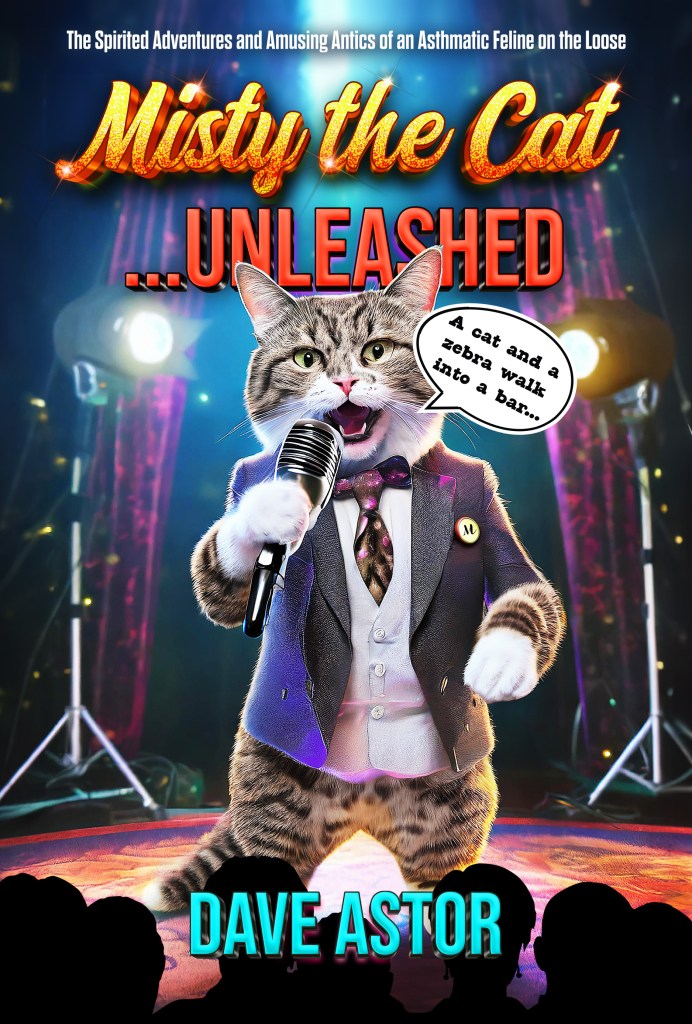
My comedic 2024 book — the part-factual/part-fictional/not-a-children’s-work Misty the Cat…Unleashed — is described and can be purchased on Amazon in paperback or on Kindle. It’s feline-narrated! (And Misty says Amazon reviews are welcome. πŸ™‚ )

This 90-second promo video for my book features a talking cat: πŸ™‚

I’m also the author of the aforementioned 2017 literary-trivia book

…and a 2012 memoir that focuses on cartooning and more.

In addition to this weekly blog, I write the 2003-started/award-winning “Montclairvoyant” topical-humor column every Thursday for Montclair Local. The latest piece — about Memorial Day, a local food pantry, and more — is here.

The Many-Decade Spans of Some Sequels and Series

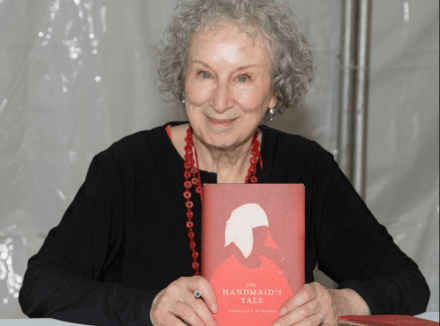
After reading last week that Margaret Atwood is writing a follow-up to The Handmaid’s Tale, I thought about which sequels — and series — spanned the most time.

Atwood’s famous, feminist, dystopian novel came out in 1985, and The Testaments will be published in 2019 — making for a gap of 34 years. Not quite the 36-year-period between Stephen King’s The Shining (1977) and its sequel Doctor Sleep (2013), but plenty long.

Why gaps like that? Authors such as King and Atwood (pictured above) are of course busy writing many other books, and may not want to revisit the same characters — at least until several decades go by. In Atwood’s case, one spur for the coming sequel is the high popularity of the current The Handmaid’s Tale television series. Also, the Republican Party’s current far-right/misogynist politics make her 1985 novel prescient and very relevant to today.

The Testaments will reportedly begin 15 years after The Handmaid’s Tale ends. Other sequels can of course be set closer or farther away in time from the original novel.

Can many-years-later sequels be better? Sometimes. Heck, the authors have often become more mature writers. But they might also be past their prime, a bit tired, and not have as many new ideas. Still, numerous fans don’t mind if a sequel isn’t as good; they’re just happy it exists. Plus there’s money to be made for the authors — not that superstar writers like Atwood and King need it. πŸ™‚

Other one-sequel, multiple-sequel, or series scenarios spanning many a decade?

P.G. Wodehouse wrote his Jeeves novels and stories over a stunning period of nearly 60 years — 1915 to 1974!

Agatha Christie featured Hercule Poirot in 40-plus novels and short-story collections for more than a half-century — from 1920’s The Mysterious Affair at Styles into the 1970s. And Christie’s Miss Marple character starred in more than 10 books from 1930 (The Murder at the Vicarage) into the ’70s.

John Updike’s four Rabbit novels were published over a period of 30 years (1960, 1971, 1981, 1990) — with a novella added to the mix in 2001. So, 41 years total.

Other large spans include 35 years between Sue Grafton’s first and 25th “alphabet mysteries” starring Kinsey Millhone (“A” Is for Alibi, 1982/“Y” Is for Yesterday, 2017); 32 years between Martin Cruz Smith’s first and eighth Arkady Renko novels (Gorky Park, 1981/Tatiana, 2013); 26 years between Walter Mosley’s first and 14th Easy Rawlins novels (Devil in a Blue Dress, 1990/Charcoal Joe, 2016); 25 years between Jack Finney’s Time and Again (1970) and From Time to Time (1995); 24 years between Janet Evanovich’s first and 25th Stephanie Plum novels (One for the Money, 1994/Look Alive Twenty-Five, 2018); and 23 years between Richard Russo’s Nobody’s Fool (1993) and Everybody’s Fool (2016).

Then there are Honore de Balzac’s and Emile Zola’s many-book sagas containing stand-alone but interlinked novels featuring characters who pop in and out, sometimes as lead protagonists and sometimes as supporting players. Balzac wrote his La Comedie Humaine works from 1830 to the late 1840s — not that long a period because of his relatively early death, but an extraordinarily prolific period that produced a whopping 90-plus novels (such as Old Goriot and Cousin Bette) and stories! Zola penned his 20 Rougon-Macquart novels (The Drinking Den, Germinal, etc.) from 1871 to 1893.

Other sequels and series you can name with many-year publishing spans? And/or any comments about the ones I mentioned?

I will not be posting columns on December 9 and 16 (because of another trip to Florida to deal with my late mother’s estate and some other reasons). Back on December 23! I’ll still reply to comments under already-published columns. πŸ™‚

My 2017 literary-trivia book is described and can be purchased here: Fascinating Facts About Famous Fiction Authors and the Greatest Novels of All Time.

In addition to this weekly blog, I write the award-winning “Montclairvoyant” topical-humor column for Baristanet.com. The latest weekly piece — written by my cat! — is here.

The Talent and Relevance of Margaret Atwood

The Handmaid’s Tale television series based on Margaret Atwood’s iconic 1985 novel is a smash hit — helped by the fact that this screen adaptation is very relevant during the time of a Trump administration that’s profoundly mean, sexist, macho, misogynist, anti-women, and patriarchal. Also, I just finished reading Atwood’s 2013 novel MaddAddam — the great third installment of the speculative-fiction trilogy whose first two books were Oryx and Crake and The Year of the Flood.

So I thought I’d write an Atwood appreciation — one that combines new material with some material from the first literature blog post I ever published, on June 2, 2011. That post was an Atwood appreciation, too.

MaddAddam is one of those novels that has it all: memorable characters, adventure, scares, intrigue, humor, satire, snappy dialogue, romance of a sort, non-preachy social commentary (ranging from the environment to gender relations), and more. The postapocalyptic story of a small group of people who survived the almost total eradication of Earth’s population shows that Atwood is still a terrific novelist in her 70s — and that she has a way of sounding so current and up-to-date that one could mistake her for a writer in her 20s or 30s.

The 1939-born Canadian author is well known for bestselling fiction set in a dismal near-future. Heck, The Handmaid’s Tale is one of the 20th century’s great dystopian novels — up there with Brave New World and Nineteen Eighty-Four — about a U.S. society in which women have lost their rights and the relatively small number of fertile ones are forced to become “handmaids” basically raped for reproductive purposes.

But there’s an astonishing variety to Atwood’s canon. She has also written gripping historical fiction (the well-researched Alias Grace about a 19th-century double murder), many contemporary novels (such as Cat’s Eye about a middle-aged Canadian artist and The Robber Bride about three longtime friends dealing with a nemesis), and even a book from the perspective of Odysseus’ wife Penelope as her legendary hubby is off adventuring (The Penelopiad). Other Atwood novels contain elements of mystery (Surfacing) and surrealism (The Edible Woman). And the ultra-prolific author has penned short stories, children’s books, nonfiction books, poetry, and more. In fact, Atwood was a widely published poet for several years before her first novel was released — a career arc like Sir Walter Scott’s.

Atwood’s fiction is also quite layered. She often shifts scenes from the present to the past to the present — MaddAddam does this quite a bit — while managing not to confuse her readers. The Blind Assassin even includes a novel within that Booker Prize-winning novel. And several of Atwood’s novels contain poems, letters, newspaper stories, and other devices. Plus her characters are complex, three-dimensional people — with the “good” ones usually having some negative traits and the “bad” ones usually having some positive attributes.

No appreciation of Atwood would be complete without an example of her wonderful prose. In the “Hairball” story that’s part of her 1991 short-story collection Wilderness Tips, Atwood describes a character’s name this way: “During her childhood, she was a romanticized Katherine, dressed by her misty-eyed, fussy mother in dresses that looked like ruffled pillowcases. By high school she’d shed the frills and emerged as bouncy, round-faced Kathy, with gleaming freshly washed hair and enviable teeth, eager to please and no more interesting than a health-food ad. At university she was Kath, blunt and no-bullshit in her Take-Back-the-Night jeans and checked shirt and her bricklayer-style striped-denim peaked hat. When she ran away to England, she sliced herself down to Kat. It was economical, street feline, and pointed as a nail.”

Give this author a much-deserved Nobel Prize!

If you’ve read Atwood, what do you think of her work? And, in your opinion, what other living authors deserve a future Nobel for literature? A list of past winners can be seen here.

My 2017 literary-trivia book is described and can be purchased here: Fascinating Facts About Famous Fiction Authors and the Greatest Novels of All Time.

In addition to this weekly blog, I write the award-winning “Montclairvoyant” topical-humor column for Baristanet.com. The latest weekly piece, with a silly focus on the date August 10 through the centuries, is here.