Observe the Learning Curve

Sometimes, authors dazzle with their debut novels. Mary Shelley and Frankenstein. Emily Bronte and Wuthering Heights. Carson McCullers and The Heart Is a Lonely Hunter. Ralph Ellison and Invisible Man. Arundhati Roy and The God of Small Things. Zadie Smith and White Teeth. Etc.

But more frequently there’s somewhat of a learning curve for authors, which is totally natural — and totally the topic of this post.

I came to this topic via the work of Stephenie Meyer, three of whose novels I recently read in reverse order: first The Chemist (2016), then The Host (2008), and then Twilight (2005). Twilight was of course Meyer’s mega-bestselling debut featuring a teen human and teen vampire who fall in love. An interesting take on the vampire genre that held my interest even as it was too often written in a pedestrian way. Published three years later, The Host turned out to be a fascinating sci-fi story — and more skillfully crafted. Finally, The Chemist thriller about a hunted female ex-government agent was full of superb prose and dialogue. Meyer’s wordsmithing arc was impressive.

It all reminded me a bit of J.K. Rowling’s progression. The first Harry Potter novel was compelling and tons of fun as the author did her world-building, even as the writing itself was not super-scintillating. But Rowling’s prose and dialogue got better and better as her next six wizard-realm books emerged, and continued in that direction with the skillfully written The Casual Vacancy and the riveting crime series starring private investigators Cormoran Strike and Robin Ellacott.

Both Rowling and Meyer can be rather long and wordy in their more recent offerings, but I’m here for it.

Going much further back in time, I liked the feminist idea of Jack London’s early novel A Daughter of the Snows, but the dialogue was laughable and the prose clunky. One year later, London’s pitch-perfect The Call of the Wild was released. I don’t know what writing elixir the author imbibed during those 12 months, but I want it. 🙂

F. Scott Fitzgerald’s college-set debut novel This Side of Paradise is quite uneven, only hinting at the greatness of The Great Gatsby published just five years later.

John Steinbeck’s debut novel Cup of Gold was an okay, rather conventional pirate novel before much of his later fiction became light years better — including, of course, his masterpiece The Grapes of Wrath.

Willa Cather’s first two novels — Alexander’s Bridge and O Pioneers! — exhibited some authorial growing pains before they were followed by her absorbing The Song of the Lark and then the masterful My Antonia.

Dan Brown’s early-career novel The Da Vinci Code was VERY popular and quite ingenious in its way but even more awkwardly written than Stephenie Meyer’s Twilight. I never read Brown again, but I assume his writing improved?

Any comments about, or examples of, this theme?

Misty the cat asks: “How am I supposed to shovel this stuff without opposable thumbs?”

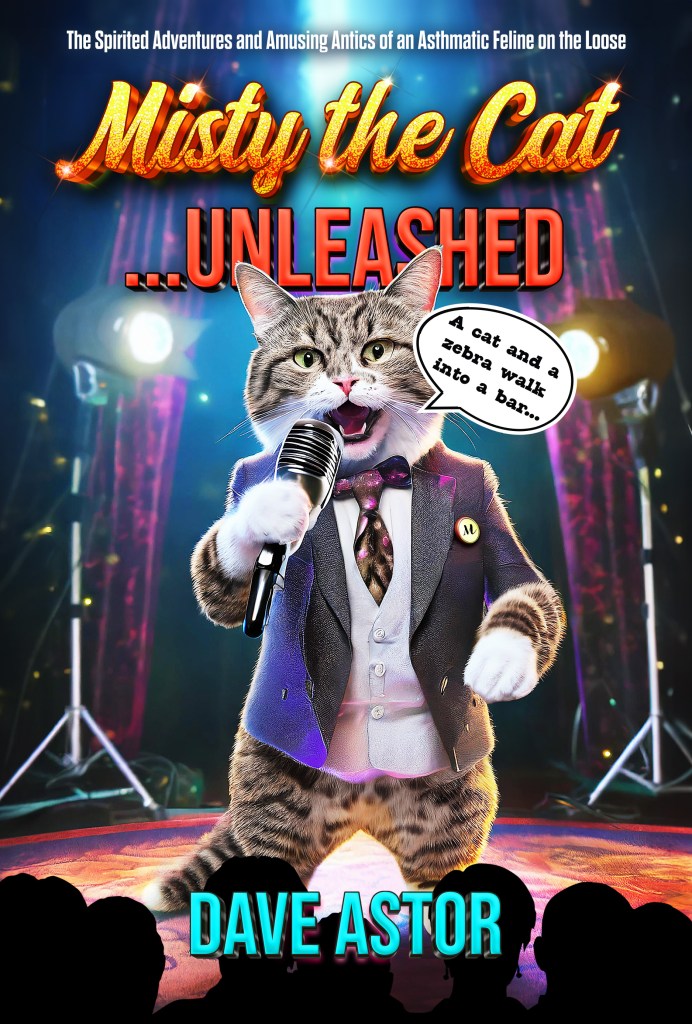
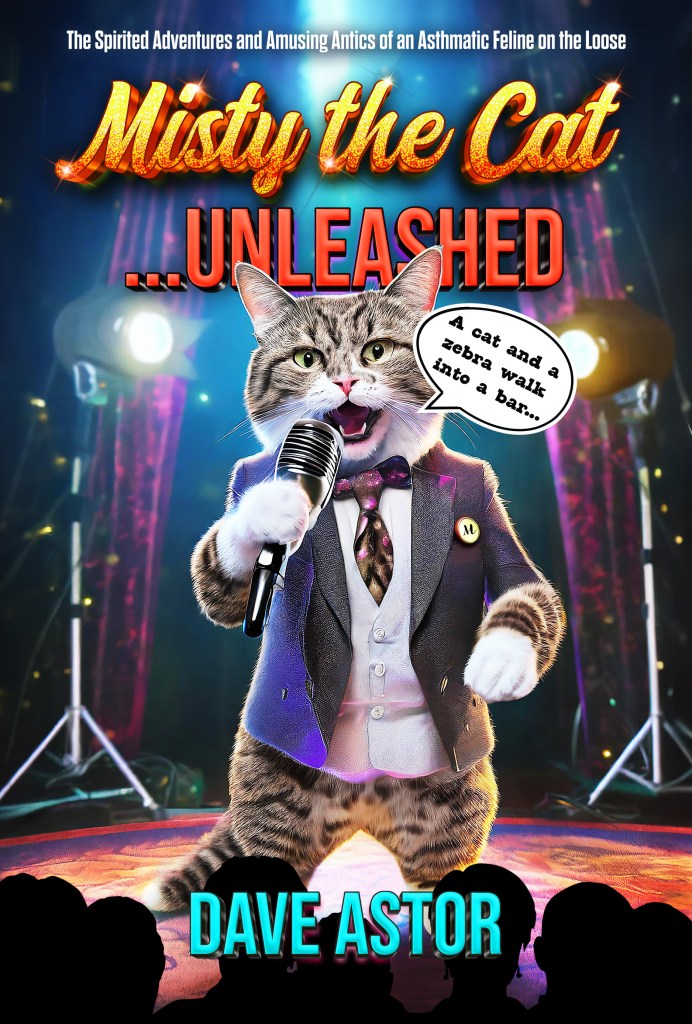
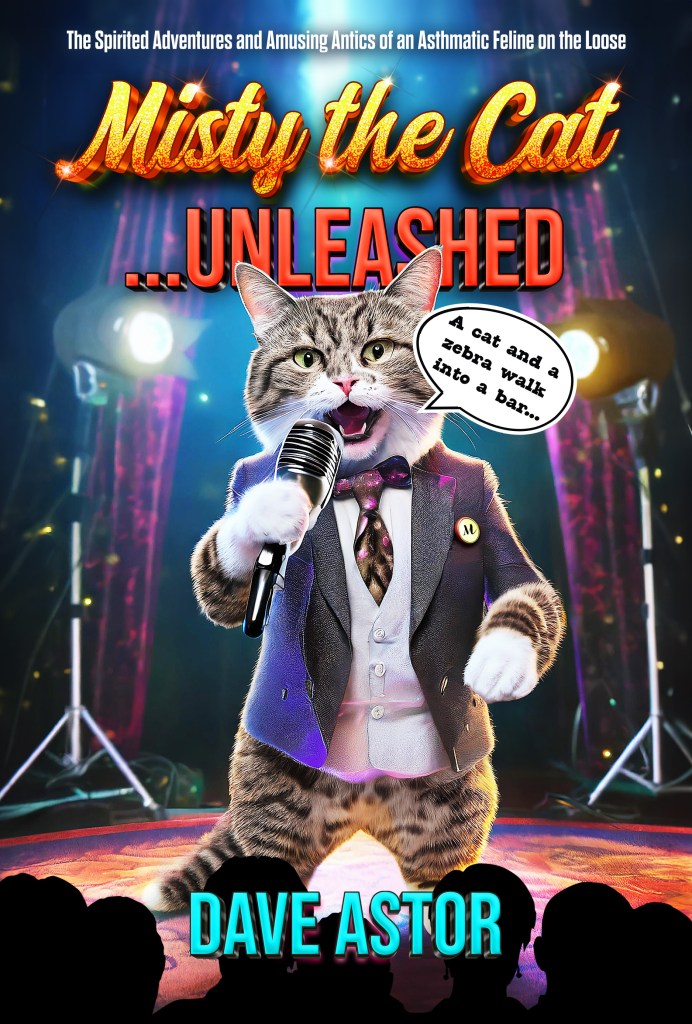
My comedic 2024 book — the part-factual/part-fictional/not-a-children’s-work Misty the Cat…Unleashed — is described and can be purchased on Amazon in paperback or on Kindle. It’s feline-narrated! (And Amazon reviews are welcome. 🙂 )
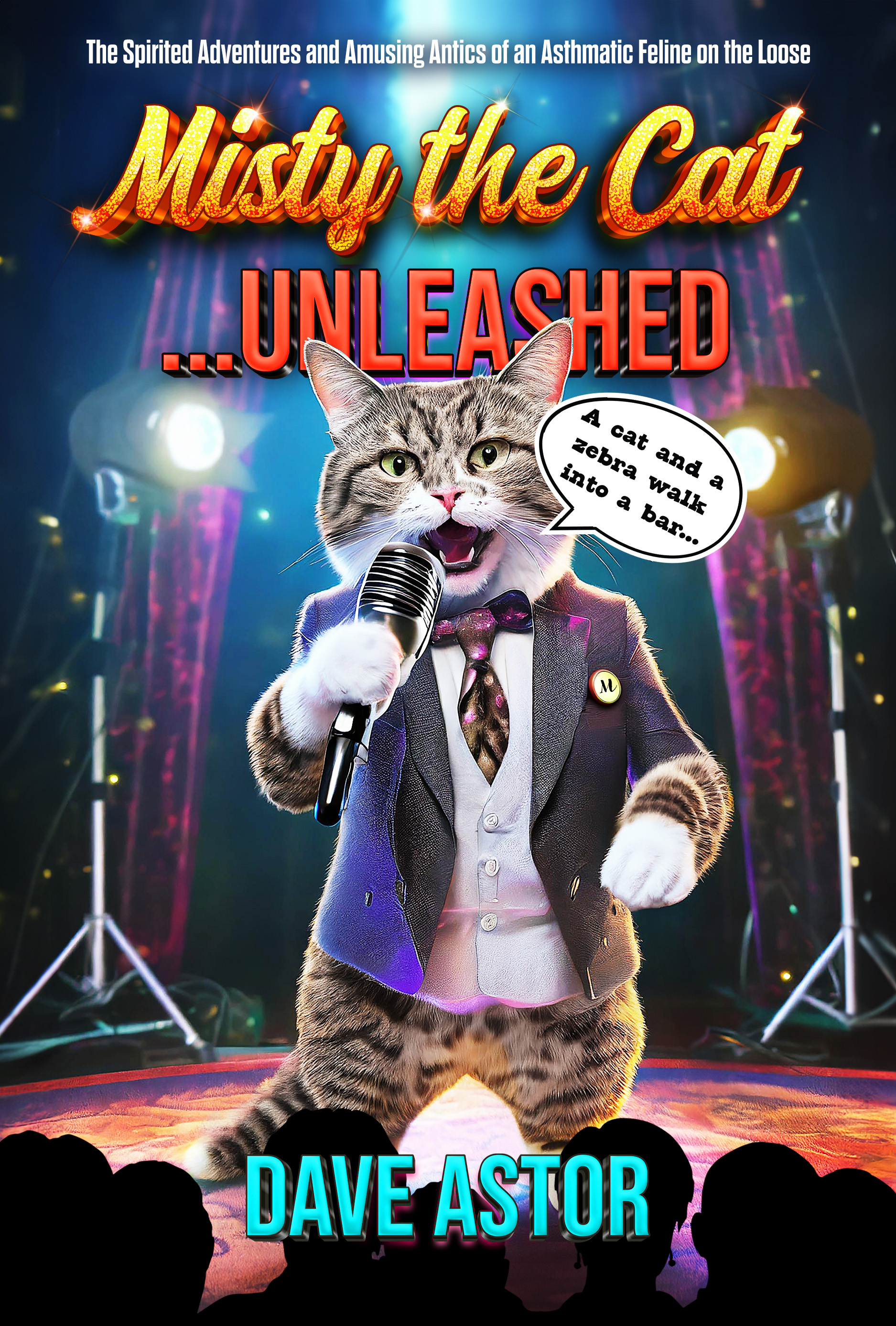
This 90-second promo video for the book features a talking cat: 🙂

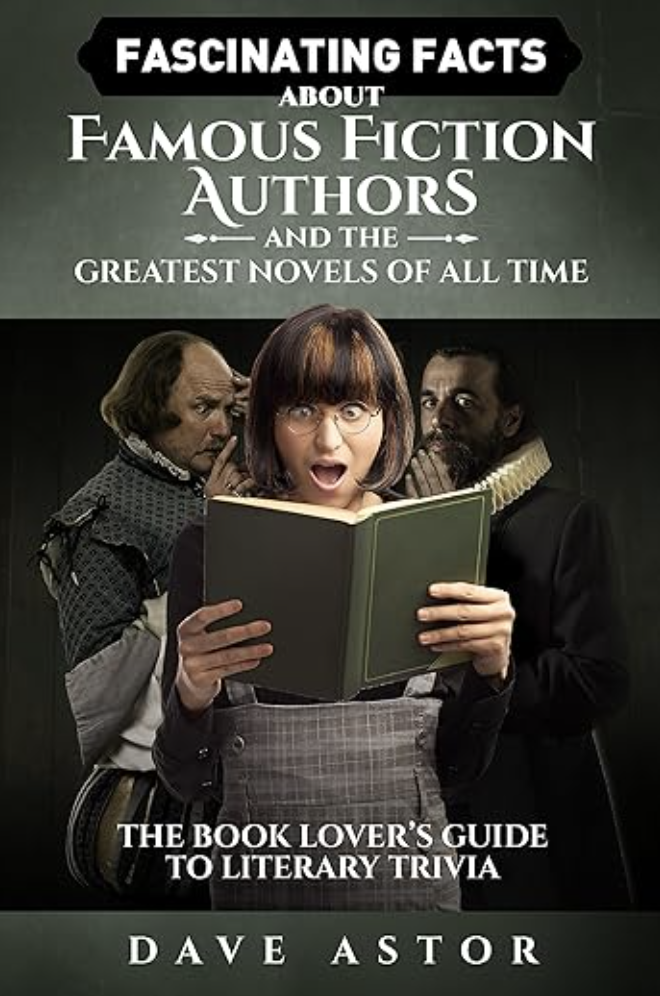
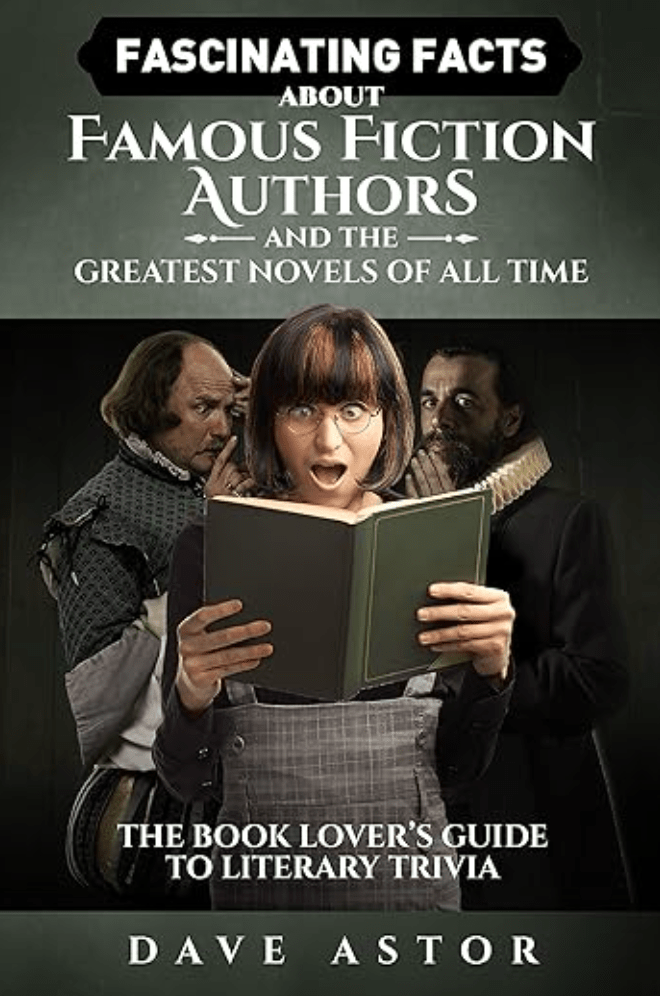
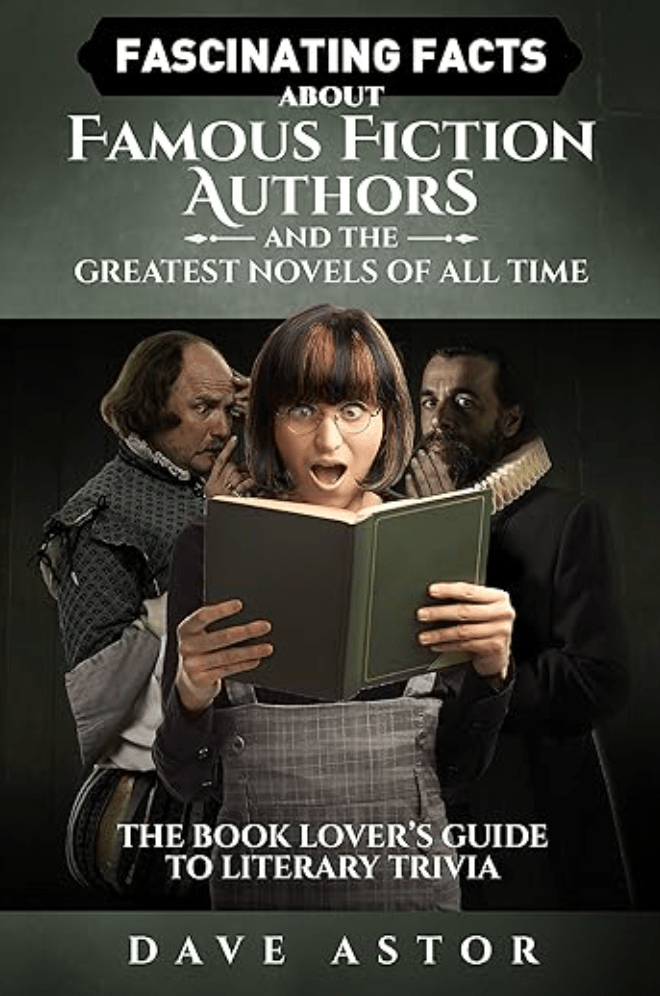
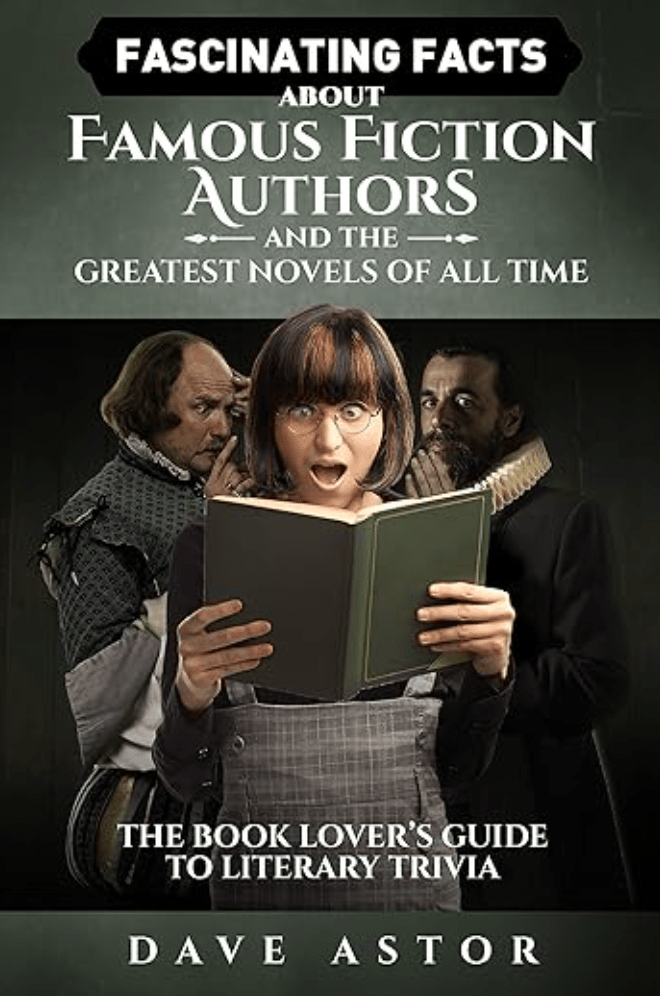
I’m also the author of a 2017 literary-trivia book

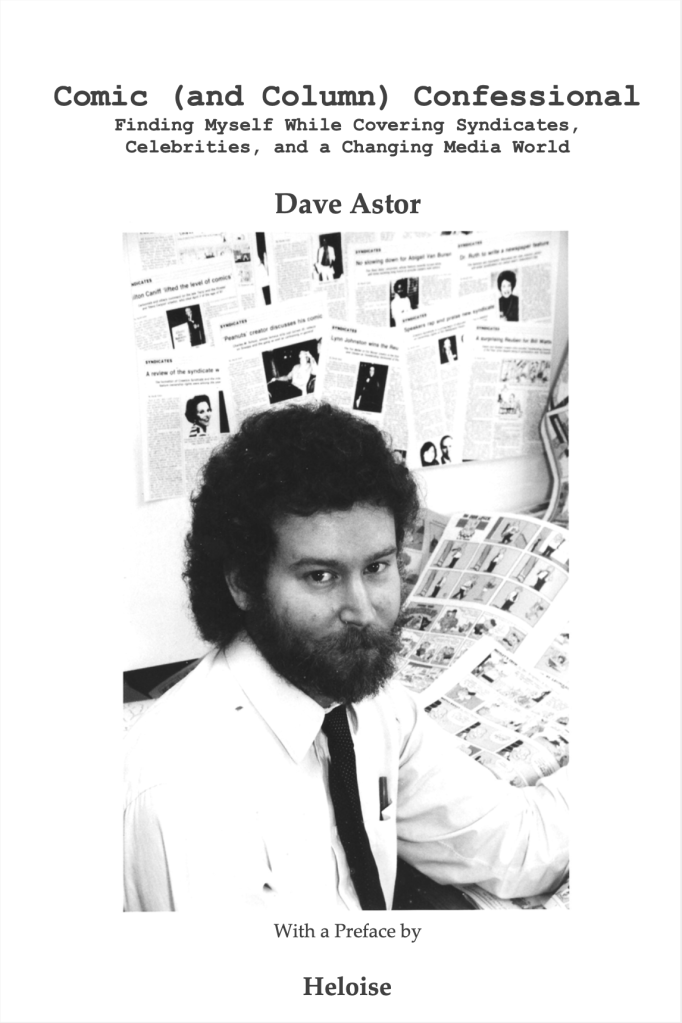
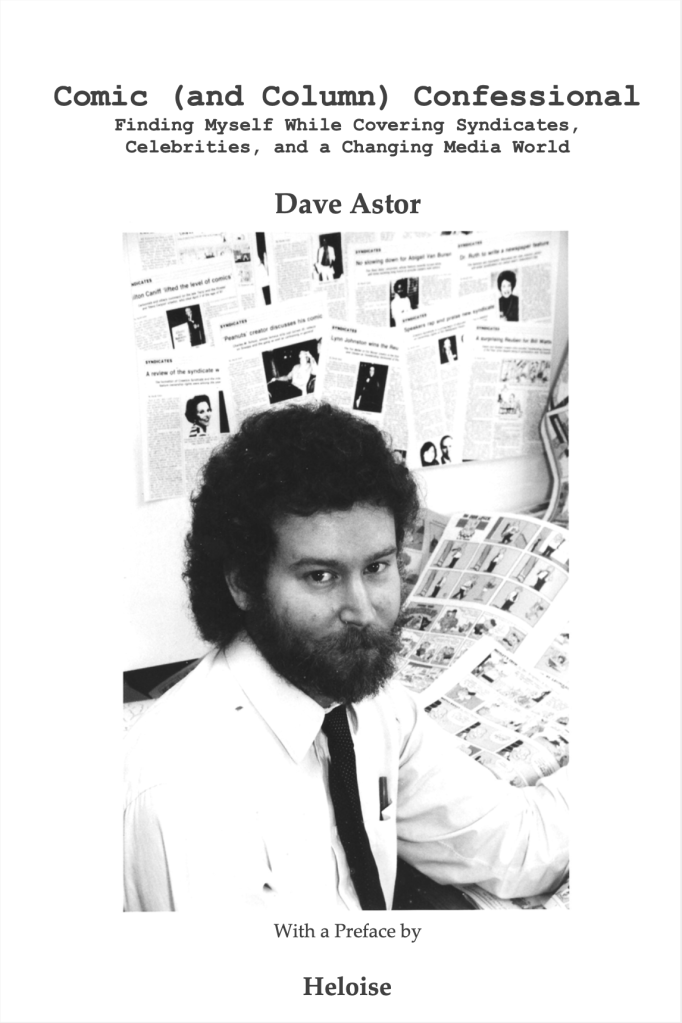
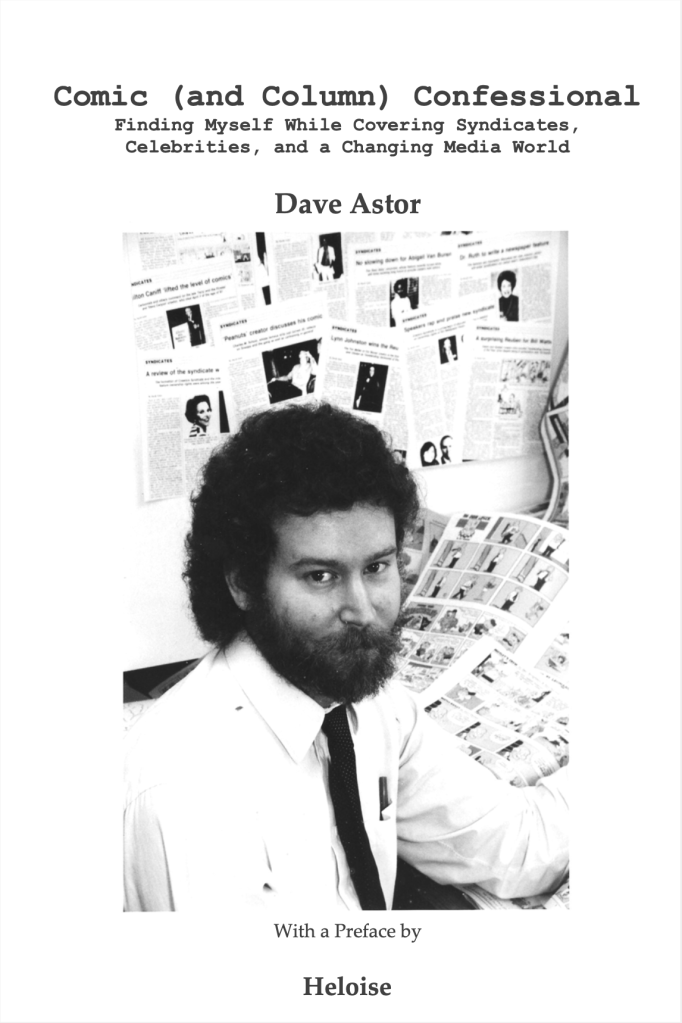
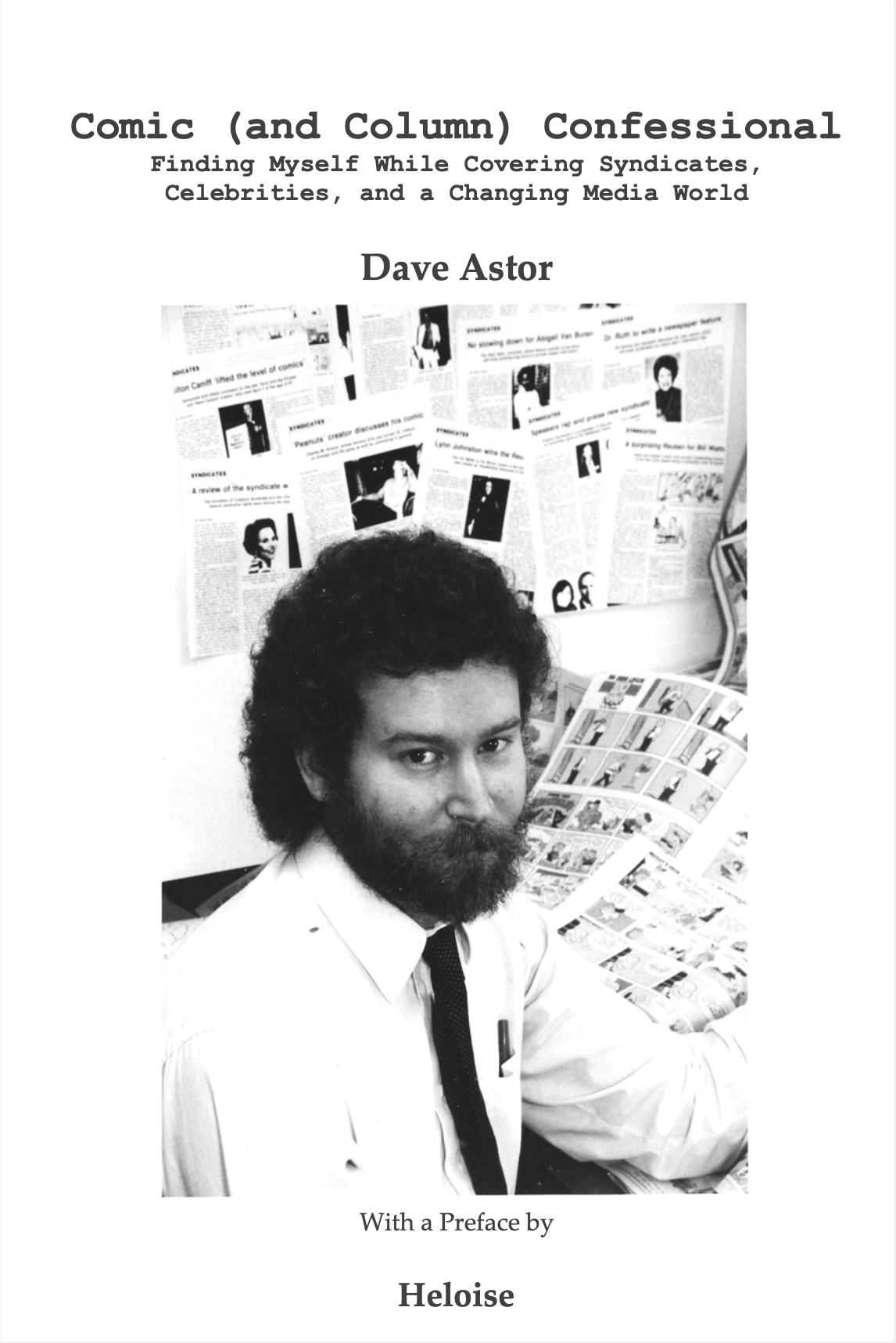
…and a 2012 memoir that focuses on cartooning and more, including many encounters with celebrities.
In addition to this weekly blog, I write the 2003-started/award-winning “Montclairvoyant” topical-humor column every Thursday for Montclair Local. The latest piece — which has “no appeal” appeal — is here.

Summer in the City? No, Summer with a Kitty

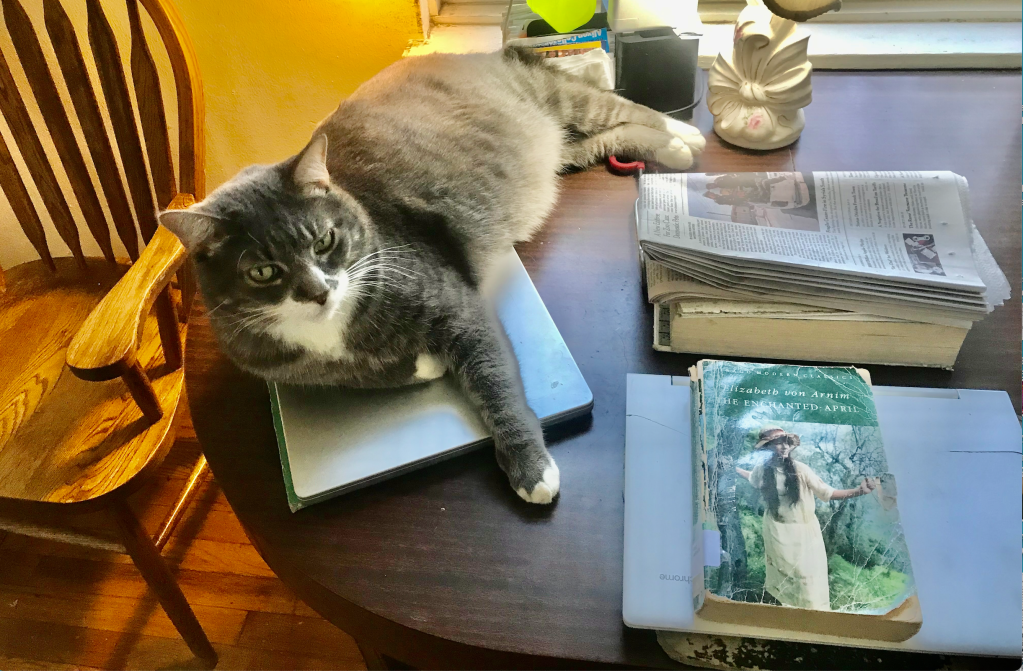
My feline self sprawled next to Elizabeth von Arnim’s The Enchanted April, which I will not discuss today because I haven’t finished reading it yet. The first letters of that novel’s title spell “tea,” which I don’t drink. Thank you for your attention to these two matters. (Photo by Dave.)

Misty the suburban cat here with my every-two-month blog post. My previous guest piece was in June, this one is in August, and the next one will be in October. Except that U2’s October album was released in 1981, so I’m not sure how my next blog post will be in…October. There IS a song on that album called “Stranger in a Strange Land,” which is about me at the vet for my yearly check-up.

Anyway, my adult humans Dave and Laurel saw the Superman movie this month, and enjoyed its thrills, acting, and empathy. But I, Misty, was not allowed in the theater because of being a cat. I was actually kind of relieved, because sitting through 25 minutes of ads and previews would have had me yowling loud enough to be heard on Mars — which billionaire bozo Elon Musk, aka the Tesla dude, wants to not only colonize but have The Martian Chronicles author Ray Bradbury write a 2025 sequel called The SpaceX Chronicles. Given that Bradbury died in 2012, he…missed the pleasure of seeing the catastrophic flop of Musk’s stupid Cybertruck.

The Superman film reminds me and other kitties of Michael Chabon’s The Amazing Adventures of Kavalier & Clay, the 2000 novel partly based on the real-life Jerry Siegel/Joe Shuster duo who created the Superman character for comic books in 1938 — the year the iPhone minus-69 was released.

More generally, the 2025 movie starring the “Man of Steel” also reminds my meowing self of fictional characters possessing abilities beyond the capacity of most mortals. One is the Lee Child-created Jack Reacher — who’s not a superhero but displays unusual strength, incredible fighting abilities, great intellect, and other attributes in the 29-book series that began in 1997. Exactly a century after Bram Stoker’s Dracula (1897), which stars a vampire who acts out in all kinds of ways after Frankenstein defeats him in pickleball. A tip of the hat to Mary Shelley.

Another character who combines exceptional brains with exceptional physical abilities is the prehistoric protagonist Ayla of Jean M. Auel’s The Clan of the Cave Bear and its sequels. Ayla’s many accomplishments included inventing things and being the only person able to ride Baby the lion (a feline like me!), although she never played pickleball with her horse Whinney.

Some fictional people even rise in the air or fly — in magic-realism novels and other books. Among them are Remedios in Gabriel Garcia Marquez’s One Hundred Years of Solitude, Margarita in Mikhael Bulgakov’s The Master and Margarita, and the title character of J.M. Barrie’s Peter Pan — which was first a play, then a novel, then an animated movie, then a live TV film, and finally a jar of peanut butter which also flew when Dave tossed it out the window to compare its hang time with a jar of Skippy peanut butter. Denying me the opportunity to swat both brands off the counter with my cat paws.

There are also characters who might not be extraordinarily adept in a brute physical way but are really, really smart. Hermione Granger of J.K. Rowling’s Harry Potter books, Sherlock Holmes of Arthur Conan Doyle’s detective fiction, Hercule Poirot of Agatha Christie’s mysteries, Lisbeth Salander of Stieg Larsson’s The Girl with the Dragon Tattoo and its sequels, etc. Lisbeth sadly did not have a cat tattoo, but I forgive her because she’s Swedish and thus might toss some Swedish meatballs my way.

Dave will reply to comments so that I have time to eat the aforementioned meatballs. Rest assured that I maintain a balanced diet — one meatball in each side of my mouth.

I, Misty the cat, say: “After years of study, I’m finally qualified to inspect Belgian blocks.”

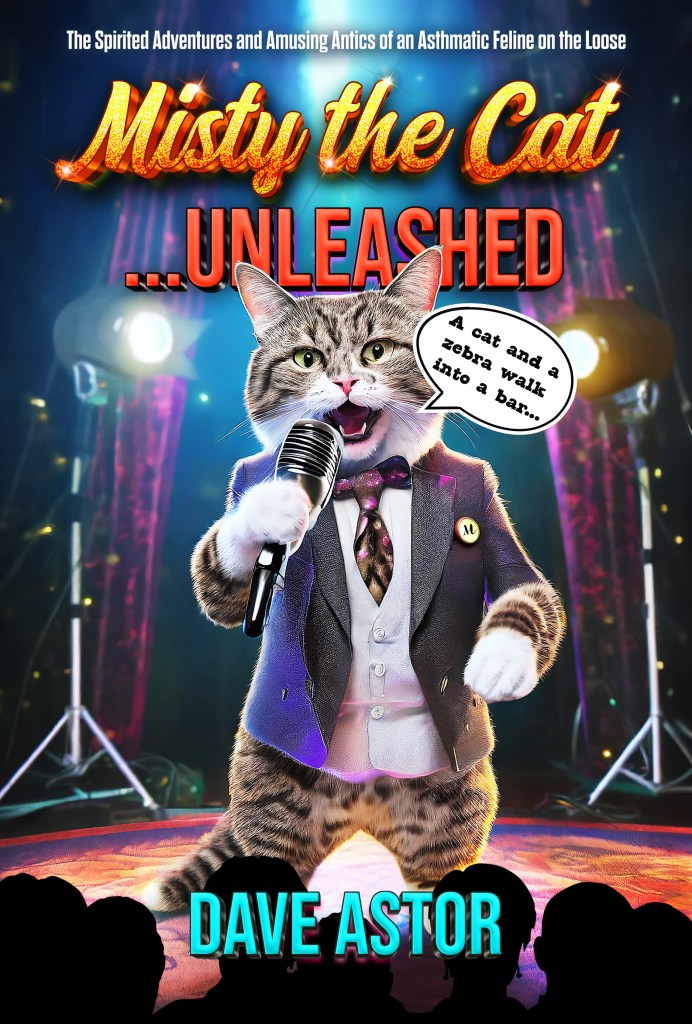
My and Dave’s comedic 2024 book — the part-factual/part-fictional/not-a-children’s-work Misty the Cat…Unleashed — is described and can be purchased on Amazon in paperback or on Kindle. It’s feline-narrated! (And Misty says Amazon reviews are welcome. 🙂 )

This 90-second promo video for the book features a talking cat: 🙂

Dave is also the author of a 2017 literary-trivia book

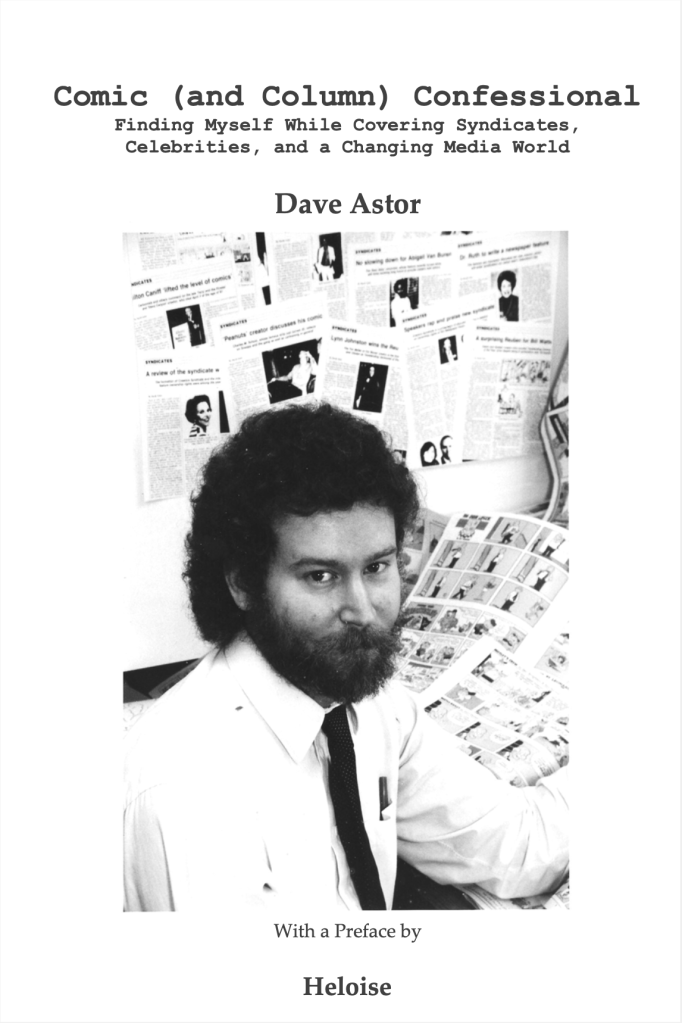
…and a 2012 memoir that focuses on cartooning and more.

In addition to this weekly blog, Dave writes the 2003-started/award-winning “Montclairvoyant” topical-humor column every Thursday for Montclair Local. The latest piece — about my school district’s huge, recently discovered deficit — is here.

Self-Therapy By Book

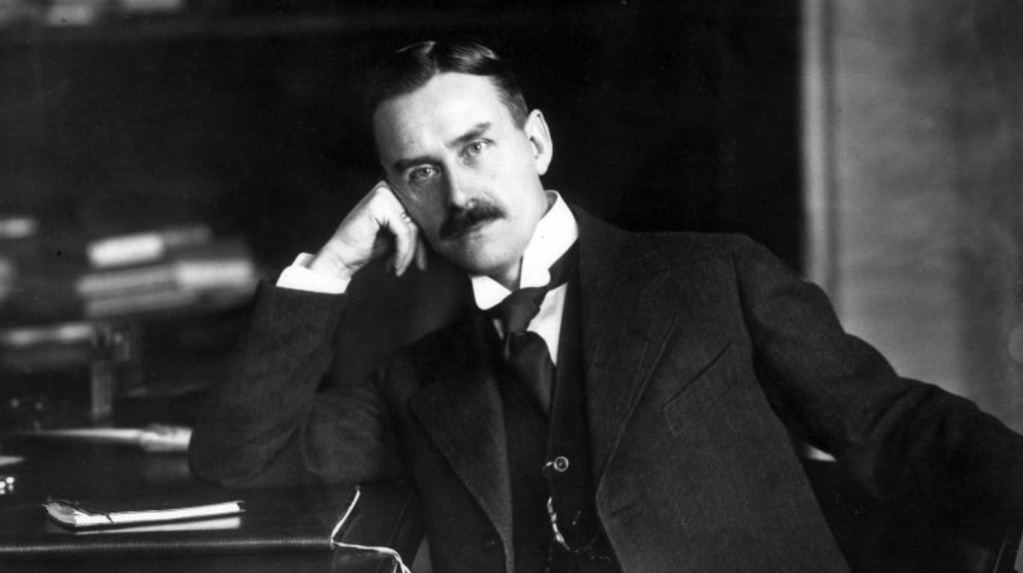
Thomas Mann (Picture Alliance/Ullstein Bild)

Sometimes, novels are semi-autobiographical confessionals and/or expressions of authors’ repressed thoughts and/or a way for them to “work out issues” and/or a way of reckoning with their past and/or an exercise in wish-fulfillment, etc. Sort of self-therapy by book.

I thought about this when recently reading Thomas Mann’s novellas Tonio Kroger (1903) and especially Death in Venice (1912), and seeing that there was a whole lot of male longing for other males by the protagonists. Sure enough, a little online exploring showed that Mann — the father of six with wife Katia — was sexually attracted to men, though there’s no conclusive evidence he acted on that during a more homophobic time. But he sure made his feelings known in some of his writing, as when middle-aged Death in Venice protagonist Gustav von Aschenbach (a famous author…hmm) becomes obsessed with a teen boy he finds very good-looking.

Several years later, in 1918, Willa Cather wrote perhaps her best novel: My Antonia. In it, male protagonist Jim Burden holds Antonia in such high regard that he might well be a stand-in for Cather, who was probably gay. Meaning she could have narrator Jim (i.e. Willa) express some feelings the author might have found more difficult to express if that character were a woman.

While sexual orientation isn’t a subtext (as far as I know) in Mary Shelley’s apocalyptic 1826 novel The Last Man, the author did base the male protagonist Lionel Verney on herself despite the different gender and modeled two other characters — Adrian and Lord Raymond — on her late husband Percy Bysshe Shelley and their late friend Lord Byron, respectively. So, Mary was kind of remembering and analyzing her relationships/interactions with the two famous poets.

Charlotte Bronte’s Villette (1853) also has a semi-autobiographical element: characters Lucy Snowe and Paul Emanuel are partly based on Charlotte and the real-life Constantin Heger, who Charlotte fell in love with (?) while enrolled in the Belgian boarding school run by Heger and his wife Zoe. And the downbeat tone of some of Villette was shaped to a degree by the 1848 and 1849 deaths-before-their-time of Charlotte’s younger novelist sisters Emily and Anne.

The Brontes’ contemporary Charles Dickens used a number of his novels to indirectly work through the childhood trauma that would help shape his social conscience. The future author’s father was sent to a debtors’ prison, and 12-year-old Charles had to leave school to work in a miserable factory to help support his family. Echoes of that can be found in the impoverished young characters Dickens created in David Copperfield (1850), Oliver Twist (1838), The Old Curiosity Shop (1841), and other works.

Amid the compulsive plot of his 1940 novel Native Son, Richard Wright wrestled with such matters as racism (which he experienced plenty of as a Black person) and his complicated feelings about the Communist Party USA (which he joined but later broke from).

Some authors who served in the military and were perhaps wounded in action indirectly worked through that trauma in war novels they would later write. Erich Maria Remarque — in books such as 1929’s All Quiet on the Western Front — is one prominent example of that.

Also, authors’ unrequited “crushes” in real life can provide rather intense fodder for novels, as was the case with Mann in his aforementioned Death in Venice and with Goethe in his The Sorrows of Young Werther (1774).

Thoughts about and examples of this topic?

Misty the cat says: “Halley’s Comet won’t be back until 2061, so you may not see it in this video.”

My comedic 2024 book — the part-factual/part-fictional/not-a-children’s-work Misty the Cat…Unleashed — is described and can be purchased on Amazon in paperback or on Kindle. It’s feline-narrated! (And Misty says Amazon reviews are welcome. 🙂 )

This 90-second promo video for my book features a talking cat: 🙂

I’m also the author of a 2017 literary-trivia book

…and a 2012 memoir that focuses on cartooning and more.

In addition to this weekly blog, I write the 2003-started/award-winning “Montclairvoyant” topical-humor column every Thursday for Montclair Local. The latest piece — a time-warped look at a long-closed movie theater that might open again — is here.

The Bicentennial of a Great Year for Literature

We’re living in the bicentennial anniversary of 1818 — a very consequential 12 months in the early days of the modern novel.

Mary Shelley’s Frankenstein came out that year. One of the most important novels ever written when you think of its impact on science fiction, the horror genre, movies, women writing fiction, and more. Published when Shelley was barely in her 20s, it’s a philosophical, page-turning, poignant work about hubris, human cruelty, the meaning of life, and other weighty issues.

Shelley followed Frankenstein with such books as The Last Man (1826), published when the 1797-born author was in her late 20s. That apocalyptic, set-in-the-future novel was also a pioneering tale — as well as a time capsule thanks to the three main characters being based on Mary, her famous poet husband Percy Bysshe Shelley, and their famous poet friend Lord Byron.

Getting back to 1818, that was also when Jane Austen’s Persuasion and Northanger Abbey were released posthumously.

Persuasion is my favorite Austen novel and stars my favorite Austen heroine (Anne Elliot). It has a lot less cachet than Pride and Prejudice, and somewhat less cachet than Sense and Sensibility, Emma, and Mansfield Park, but I think the lean Persuasion is the brightest gem in Austen’s six-novel canon.

Northanger Abbey is my least favorite Austen work, though that love story and satire of Gothic fiction is still an absorbing read.

Austen, of course, is as popular as ever 200 years after 1818. Actually, much more popular given that she had only modest celebrity and sales success before her 1817 death at age 41.

And 1818 saw the publication of The Heart of Midlothian — Sir Walter Scott’s first novel to star a woman, and the first of his to star a protagonist from the “lower classes.” It compellingly chronicles the Jeanie Deans character’s long trek on foot from Scotland to London to try to clear her sister’s name.

The Heart of Midlothian is my favorite Scott novel, though he also authored a number of other excellent ones — including Ivanhoe, Rob Roy, Old Mortality, and Quentin Durward, to name just four. All were written after the 1771-born Scott turned 40; the first part of his writing career was spent as a very widely read poet. (“Oh what a tangled web we weave/when first we practise to deceive.”)

I’ll end this post by also mentioning two great 1918 novels: Willa Cather’s My Antonia and Booth Tarkington’s The Magnificent Ambersons.

Any thoughts on the work of Mary Shelley, Jane Austen, and/or Sir Walter Scott?

My 2017 literary-trivia book is described and can be purchased here: Fascinating Facts About Famous Fiction Authors and the Greatest Novels of All Time.

In addition to this weekly blog, I write the award-winning “Montclairvoyant” topical-humor column for Baristanet.com. The latest weekly piece — about topics such as school tours and March 14’s national student walkout for better gun control — is here.