A Semi-Comprehensive Look at Semi-Autobiographical Novels

In early 2016, I wrote about semi-autobiographical novels. Now that nearly 10 years have passed, I suppose it would be semi-okay to write about those books again — mentioning semi-autobiographical novels I’ve read since then or had read before then but didn’t mention in that previous post. So, with this semi-decent first paragraph nearly done, here goes:

As I wrote in ’16, semi-autobiographical novels “can be the best of both worlds for authors and their readers. That mix of memoir and fiction takes facts and embellishes them and/or dramatizes them and/or smooths them into more coherent form. A partly autobiographical approach also allows authors to potentially pen very heartfelt books — after all, they lived the emotions — and perhaps provides those writers with some mental therapy, too.” I also wrote that a semi-autobiographical novel is often, but of course not always, a debut novel — at least partly because that kind of book might be easier to write; the author can use aspects of her or his own past.

Back here in late 2025, I just read The Cat’s Table by Michael Ondaatje, whose 2011 coming-of-age novel was inspired to an extent by the author’s life and a ship voyage he took as a boy from his native Sri Lanka to rejoin his mother in England after his parents had separated several years earlier. A boy named…hmm…Michael. The Cat’s Table is another compelling book by The English Patient author, who went on to live in Canada.

Another semi-autobiographical/coming-of-age novel (those two things often go together) is Betty Smith’s 1943 bestseller A Tree Grows in Brooklyn — about a brainy girl (Francie) growing up in an impoverished urban family.

Then there’s Little Women by Louisa May Alcott, who loosely based her classic 1868-69 novel on herself and her three sisters.

A few decades earlier, Mary Shelley’s apocalyptic 1826 novel The Last Man featured three principal characters based on herself, her late husband Percy Bysshe Shelley, and their friend and fellow writer Lord Byron.

Aldous Huxley also used famous people as models for characters in his 1928 novel Point Counter Point — including himself, Nancy Cunard, D.H. Lawrence, and Katherine Mansfield.

The characters in Harper Lee’s To Kill a Mockingbird (1960) are somewhat modeled on the author’s father (attorney Atticus Finch in the novel), herself (Scout in the book) and Lee’s childhood friend Truman Capote (fictionally named Dill).

Kurt Vonnegut’s horrific World War II experiences were fuel for his sci-fi-infused 1969 novel Slaughterhouse-Five, and Jack Kerouac’s travel experiences provided fodder for his On the Road (1957).

Some of the semi-autobiographical novels mentioned in my 2016 post include James Baldwin’s Go Tell It on the Mountain, Ray Bradbury’s Dandelion Wine, Charlotte Bronte’s Villette, Rita Mae Brown’s Rubyfruit Jungle, Charles Bukowski’s Hollywood, Willa Cather’s My Antonia, Colette’s The Vagabond, Charles Dickens’ David Copperfield, E.L. Doctorow’s World’s Fair, Fyodor Dostoevsky’s The House of the Dead, George Eliot’s The Mill on the Floss, Nathaniel Hawthorne’s The Blithedale Romance, Zora Neale Hurston’s Their Eyes Were Watching God, Jack London’s Martin Eden, W. Somerset Maugham’s Of Human Bondage, Herman Melville’s Typee, L.M. Montgomery’s Emily trilogy, Sylvia Plath’s The Bell Jar, Erich Maria Remarque’s All Quiet on the Western Front, John Steinbeck’s East of Eden, and Amy Tan’s The Joy Luck Club.

Your thoughts about, and examples of, this topic?

Misty the cat says: “When Christmas-tree lights reflect off the window, it’s a pane in the grass.”

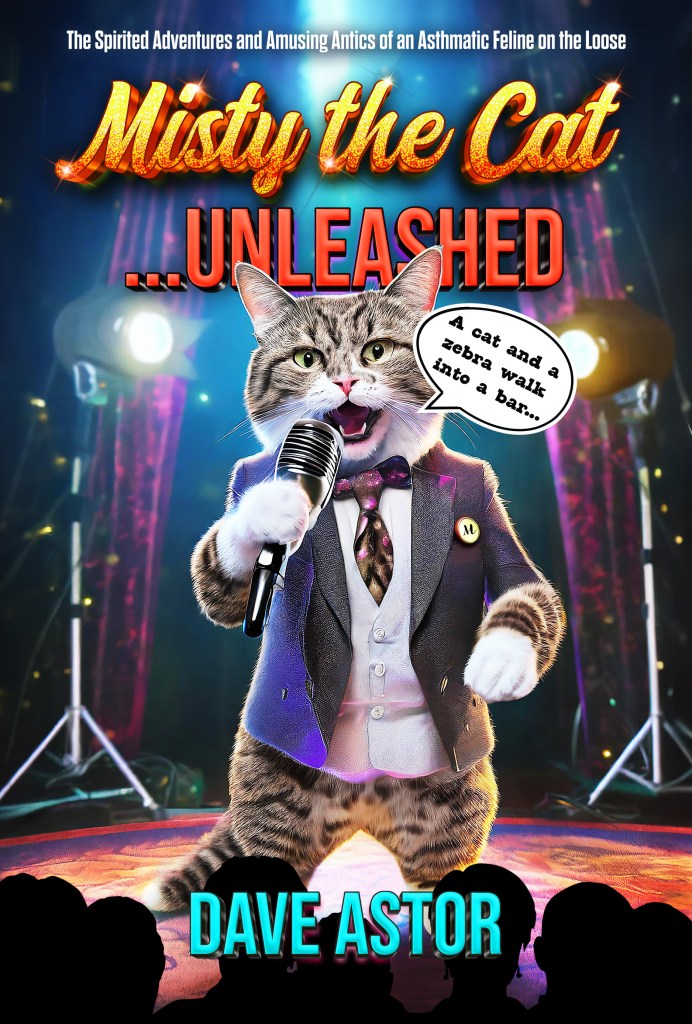
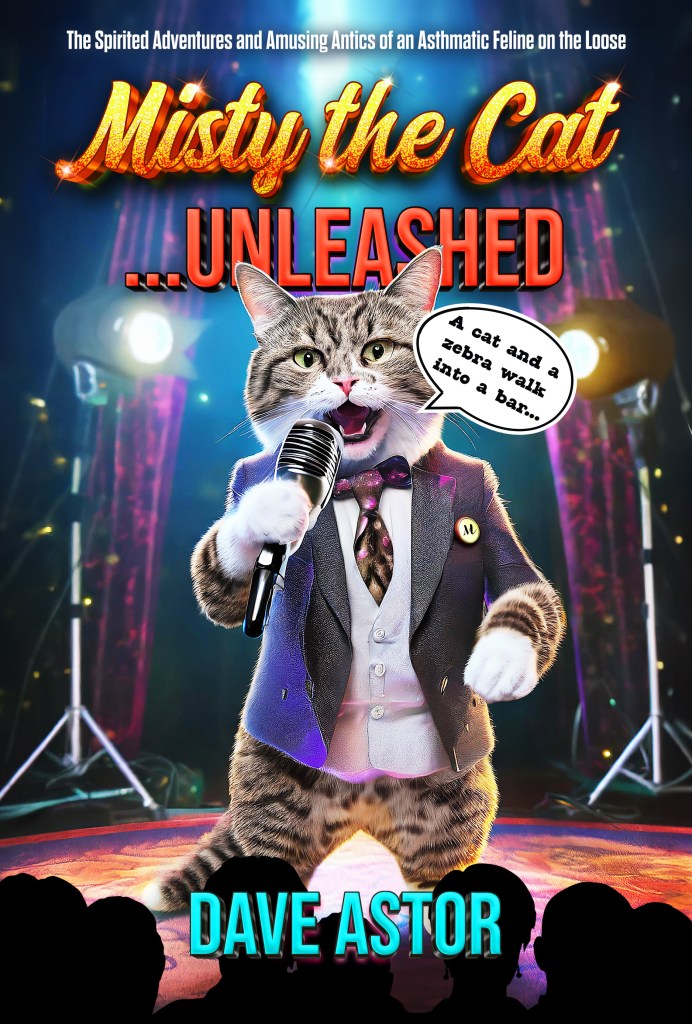
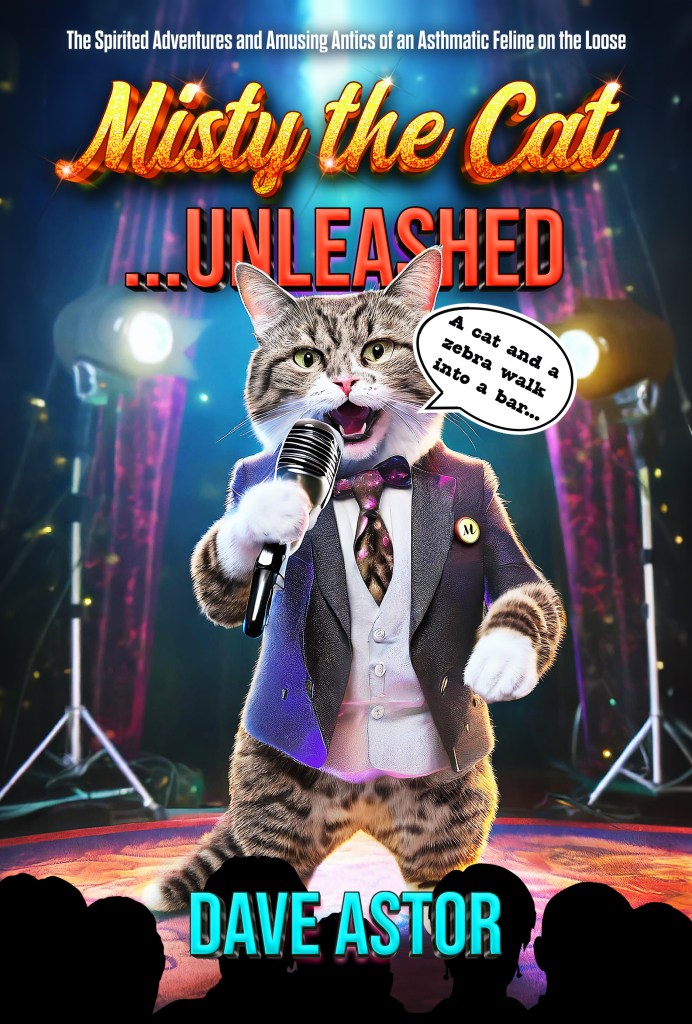
My comedic 2024 book — the part-factual/part-fictional/not-a-children’s-work Misty the Cat…Unleashed — is described and can be purchased on Amazon in paperback or on Kindle. It’s feline-narrated! (And Amazon reviews are welcome. 🙂 )
This 90-second promo video for the book features a talking cat: 🙂

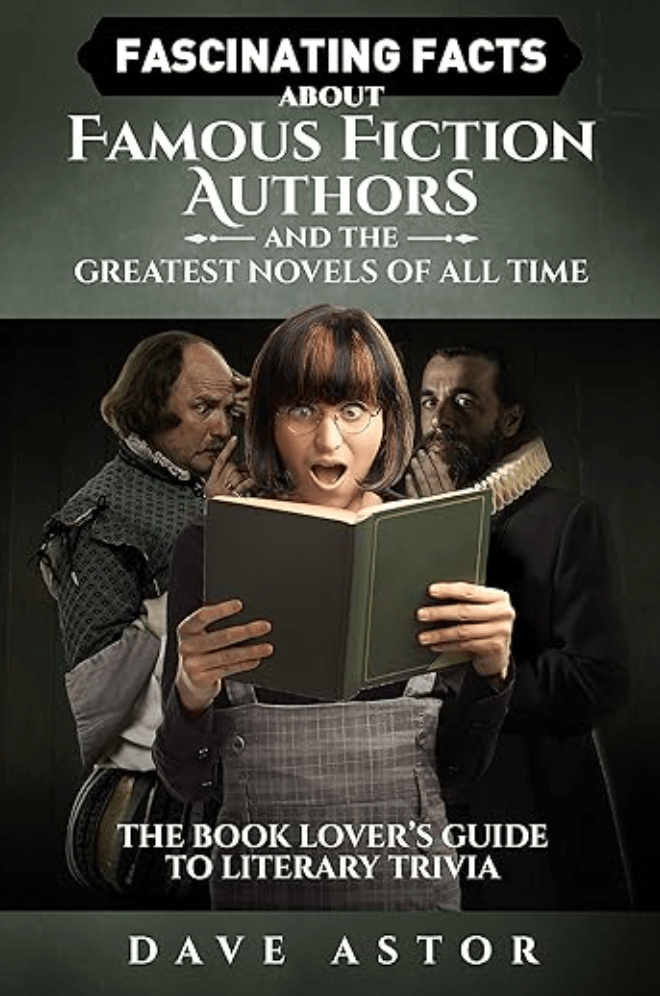
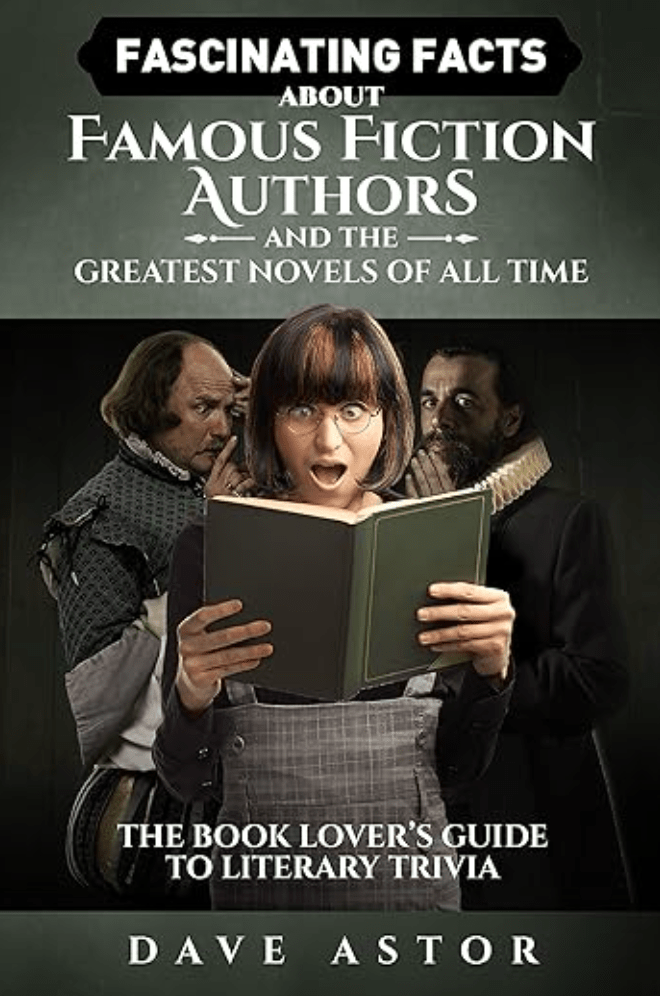
I’m also the author of a 2017 literary-trivia book

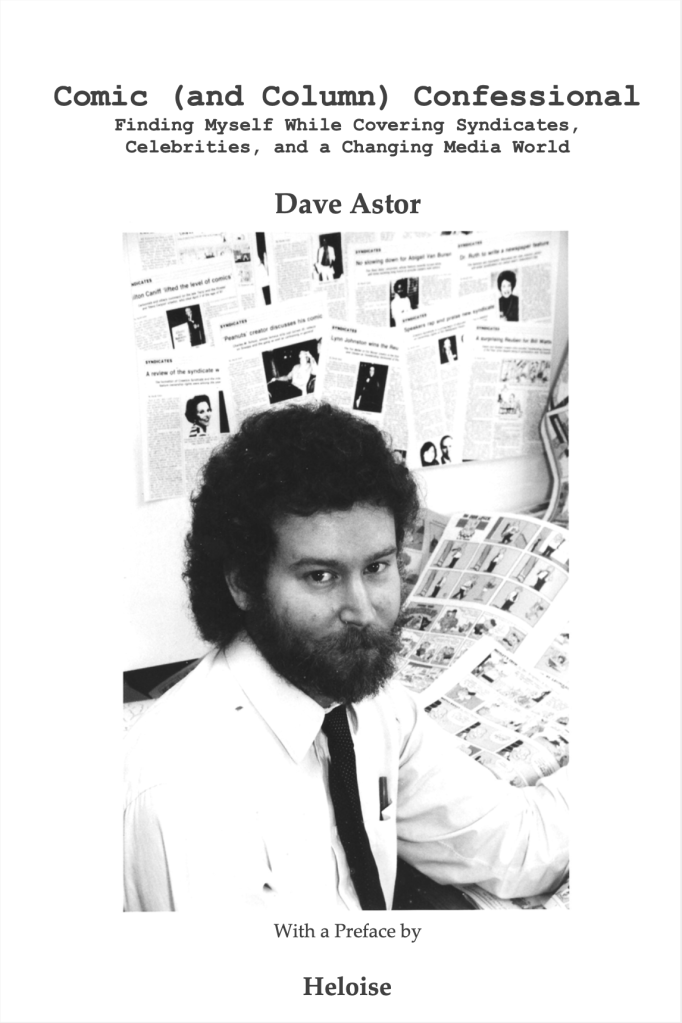
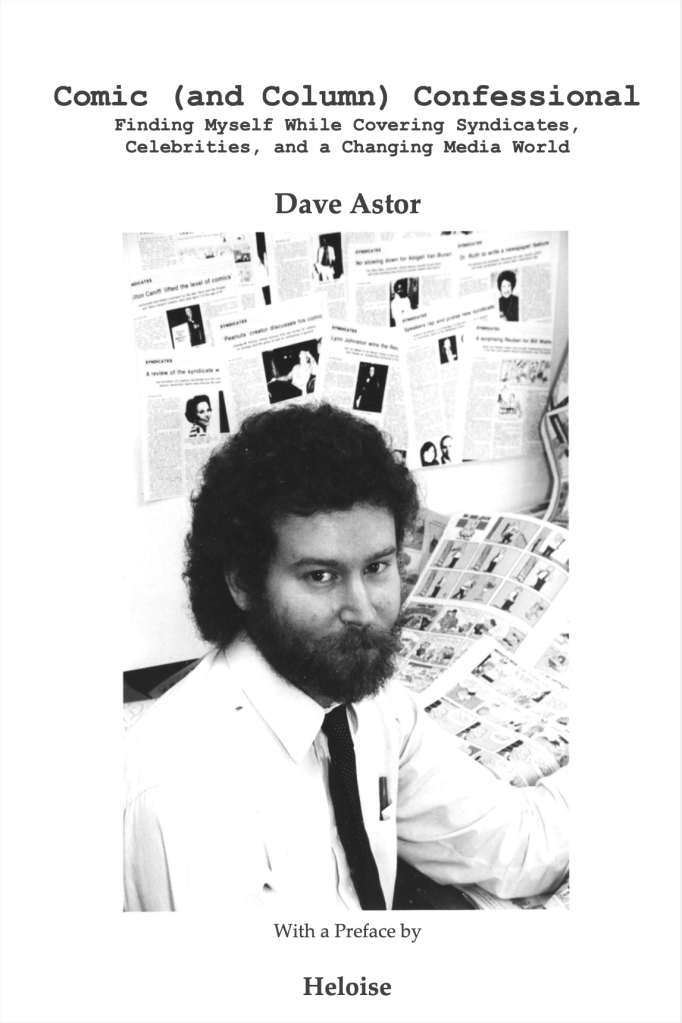
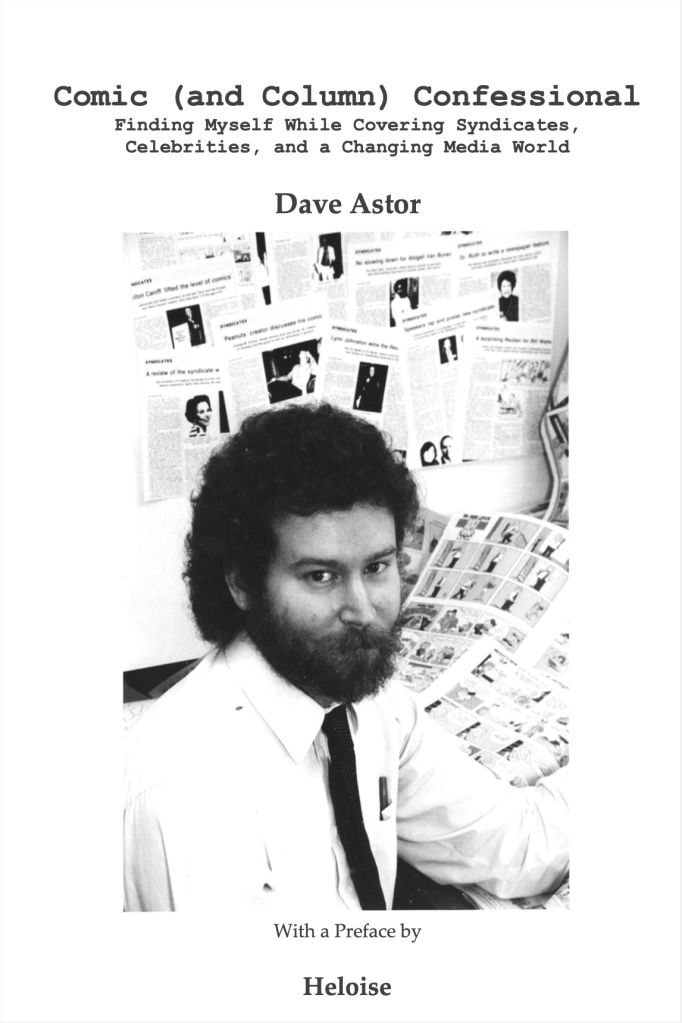
…and a 2012 memoir that focuses on cartooning and more, including many encounters with celebrities.
In addition to this weekly blog, I write the 2003-started/award-winning “Montclairvoyant” topical-humor column every Thursday for Montclair Local. The latest piece — which contains a tale of two meetings — is here.

Fictional People Are Getting Deported, Too

The Trump regime’s cruel deportation program has extended to fictional characters. And this program is widespread: affecting characters from the United States or other countries, characters who live in the present or lived in the past, etc. Because novels can make readers smarter and more empathetic, most of today’s Republicans feel many characters have to be removed from the pages where they live — including pages in some of my favorite literature.

I first heard about character deportations when The Grapes of Wrath‘s Tom Joad, who develops a stronger class consciousness as John Steinbeck’s book goes on, was yanked from the novel by Trump’s masked ICE agent goons. Determined to find Tom, the rest of the Joad family traveled east instead of west and ended up picking crops in New York City’s Times Square. Needless to say, not much was growing through the pavement.

ICE agents also plucked Jane Eyre from Charlotte Bronte’s novel because she’s a determined young woman too independent-minded for Trump’s taste, and doesn’t have big blonde hair like many Fox News hosts do. So, U.S. Secretary of Education/wrestling biz wacko Linda McMahon substituted for Jane as little Adele’s teacher, and Rochester instead fell in love with a Disney princess.

Of course, characters of color are most at risk of the Trump regime’s deportations, and Bigger Thomas of Richard Wright’s Native Son was no exception. Plus his attorney is a communist! With Bigger no longer around as a client, that lawyer represented Jane Eyre as she tried to return to her novel, but Jane instead got sent to Florida’s “Alligator Alcatraz” two centuries before that repugnant concentration-camp-like jail was built.

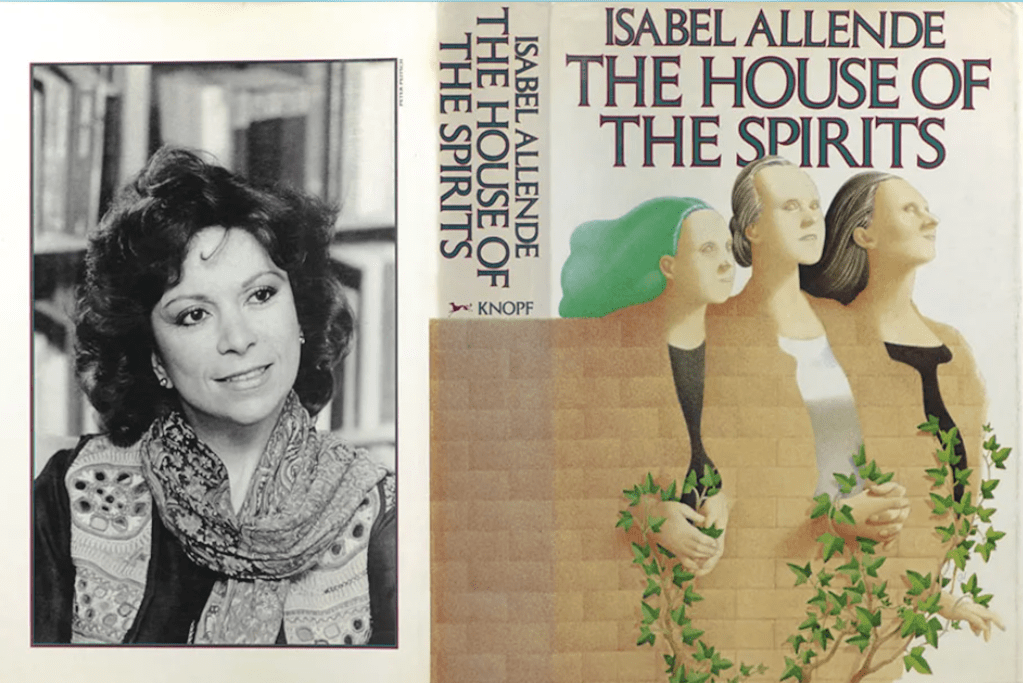
Clara del Valle Trueba was also deported — from The House of the Spirits. After being kicked out of Isabel Allende’s novel, the clairvoyant Clara took her knowledge of Trump’s guilt in the sickening Epstein pedophile scandal and started a blog about that. Because Clara had been in a magic-realism book, the blog levitated out of her computer screen — which puzzled WordPress customer support.

In Daniel Deronda, Daniel D. and Mirah Lapidoth and Ezra Mordecai Cohen are idealistic proto-Zionists rather than the U.S.-armed genocidal Zionists in Israel’s current leadership who are mass-murdering Palestinian civilians, so the three were deported when entering a government office to register as George Eliot characters. That left Gwendolen Harleth wandering around Eliot’s 19th-century novel, searching for a Burger King in which to have lunch.

Atticus Finch? Taken from To Kill a Mockingbird for being an attorney with integrity. This came after some Trump regime hesitation to deport Finch because author Harper Lee had the same last name as Confederate traitor Robert E. Lee, the Civil War general greatly admired by right-wingers for fighting to defend the appalling institution of slavery. But Atticus did ultimately get booted from To Kill a Mockingbird before joining Donna Tartt’s The Goldfinch novel starring a painting of a bird sharing his last name.

In J.K. Rowling’s Harry Potter books, every character except the ultra-evil Lord Voldemort was deported to make the series more palatable for Republican fascists. One of the characters, Nearly Headless Nick, went on to successfully lose 10 pounds by becoming Completely Headless Nick.

But no character was spared from deportation in Arundhati Roy’s The God of Small Things because Trump erroneously thought the title of that novel referred to his fingers and his…

Misty the cat says: “Where’s my teen human? Oh, she went away to college last weekend.”

My comedic 2024 book — the part-factual/part-fictional/not-a-children’s-work Misty the Cat…Unleashed — is described and can be purchased on Amazon in paperback or on Kindle. It’s feline-narrated! (And Misty says Amazon reviews are welcome. 🙂 )

This 90-second promo video for the book features a talking cat: 🙂

I’m also the author of a 2017 literary-trivia book

…and a 2012 memoir that focuses on cartooning and more.

In addition to this weekly blog, I write the 2003-started/award-winning “Montclairvoyant” topical-humor column every Thursday for Montclair Local. The latest piece — about the spending to date of money authorized by my town’s massive 2022 school bond referendum — is here.

Single Parents Can Be Singular Characters

A single parent in literature often draws our sympathy.

That person may be depressed about the death of a spouse, angry after a difficult divorce, worried about money, nervous about dating, and more. Amid all that, they’re raising a child or children — which can be wonderful, yet especially challenging and exhausting without a partner to help. Plenty of dramatic fodder for novels and other literary works!

As readers, we might also relate to single-parent protagonists if we’re current or former single parents ourselves (I was among that group). Also, readers in bad marriages or with ailing spouses know that solo parenthood could come their way — making fictional single parents possible models for real-life behavior to embrace or avoid.

Of course, how much sympathy we feel for fictional parents without partners partly depends on those characters’, well, character. Some of literature’s single moms and dads are quite unlikable.

But that’s not the case with Atticus Finch in Harper Lee’s To Kill a Mockingbird, which I recently reread. He’s tremendously admirable — as an attorney fighting racial injustice, and as a widowed father. Atticus’ legal and legislative work keeps him away from home fairly often, but his parenting is patient, affectionate, and at times firm but never harsh. Plus he made sure to have a competent “surrogate mother” (the housekeeper Calpurnia) for his kids Scout and Jem.

Then there are other kinds of injustice — as when Hester Prynne is ostracized in Nathaniel Hawthorne’s The Scarlet Letter after her daughter Pearl is born out of wedlock. But like Atticus (who has an A in his name rather than on his clothes), Hester is a great parent and person.

There’s also the injustice of being unfairly detained in a mental institution — as happens to the loving, impoverished single mother Connie Ramos, whose daughter is taken away in Marge Piercy’s partly sci-fi Woman on the Edge of Time.

In a happier scenario, a vacationing single parent meets a charming younger man in Terry McMillan’s How Stella Got Her Groove Back. That woman is divorced investment analyst Stella Payne.

Moving back to the 19th century, we have Helen Lawrence Huntington — who, with her young son, flees abusive and alcoholic husband Arthur in Anne Bronte’s The Tenant of Wildfell Hall. Helen acted very courageously during a time when most women had little choice but to stay in rotten marriages.

Silas Marner, in the George Eliot novel named after him, unexpectedly becomes the adopted father of the girl Eppie. The miserly, melancholy Silas doesn’t initially seem like an ideal candidate to be a stellar single dad, but…

Eliot also created Lisbeth Bede, the mother in Adam Bede who’s eventually widowed. Lisbeth is likable, though perhaps a bit too “clingy” with her adult sons Adam and Seth.

Harder to categorize in terms of likability is the widowed mother who kicks out and disinherits her son in Herman Melville’s controversial Pierre, a critical and sales disaster when published but a rather fascinating novel. The mother had a pretty good reason for doing what she did, but…

James Fenimore Cooper featured more than one widowed father of daughters in his “Leatherstocking” novels, with those dads ranging from sympathetic to mixed in their behavior.

Jane Austen also created a mixed bag of a widower in her Emma novel (the friendly but hypochondriacal Henry Woodhouse) and a less-appealing widower in Persuasion (Anne Elliot’s vain, materialistic father Walter).

The Ida Mancuso character in Elsa Morante’s History doesn’t have a mean bone in her body, but she’s too tired, scared, and bewildered to be a better single mother to her two sons as she grapples with all kinds of hardships in World War II Italy.

Of course, there are some single parents loathed by readers. One is the buffoonish and irresponsible Fyodor Karamazov, who’s a crummy father to the three titular siblings in Fyodor Dostoyevsky’s The Brothers Karamazov. Also unsympathetic is the ambitious and violent Esteban Trueba, who becomes a widower in Isabel Allende’s The House of the Spirits. Negative in a more subtle way is the passive-aggressive Gilbert Osmond, father of Pansy in Henry James’ The Portrait of a Lady.

Hmm…seems like I included more widowed than divorced parents in this post. There was certainly less divorce before our modern era, and thus less divorce in older fiction.

Who do you think are some of the most memorable single parents in literature?

(The box for submitting comments is below already-posted comments, but your new comment will appear at the top of the comments area — unless you’re replying to someone else. Also, please feel free to read through comments and reply to anyone you want; I love not only being in conversations, but also reading conversations in which I’m not involved!)

For three years of my Huffington Post literature blog, click here.

I’m also in the middle of writing a literature-related book, but still selling Comic (and Column) Confessional — my often-funny memoir that recalls 25 years of covering and meeting cartoonists such as Charles Schulz (“Peanuts”) and Bill Watterson (“Calvin and Hobbes”), columnists such as Ann Landers and “Dear Abby,” and other notables such as Hillary Clinton, Coretta Scott King, and various authors. The book also talks about the malpractice death of my first daughter, my remarriage, and life in New York City and Montclair, N.J. — where I write the award-winning weekly “Montclairvoyant” humor column for The Montclair Times. You can email me at dastor@earthlink.net to buy a discounted, inscribed copy of the book, which contains a preface by “Hints” columnist Heloise and back-cover blurbs by people such as “The Far Side” cartoonist Gary Larson.