Fictional Characters Inspired by Real-Life People

Fleetwood Mac’s Stevie Nicks (left) and bandmate Lindsey Buckingham in the official video for the Nicks-written 1977 song “Dreams.” (Screenshot by me.)

Fiction is of course not always totally fiction. One example of that is when authors create characters inspired by real-life people, even if those fictional characters are often different in significant ways. 

This approach can certainly be compelling for readers as they look for the similarities and differences between the created people and the actual people – and wait to see where authors take these hybrid humans. Also, authors are helped by having a factual template for creating fictional characters.
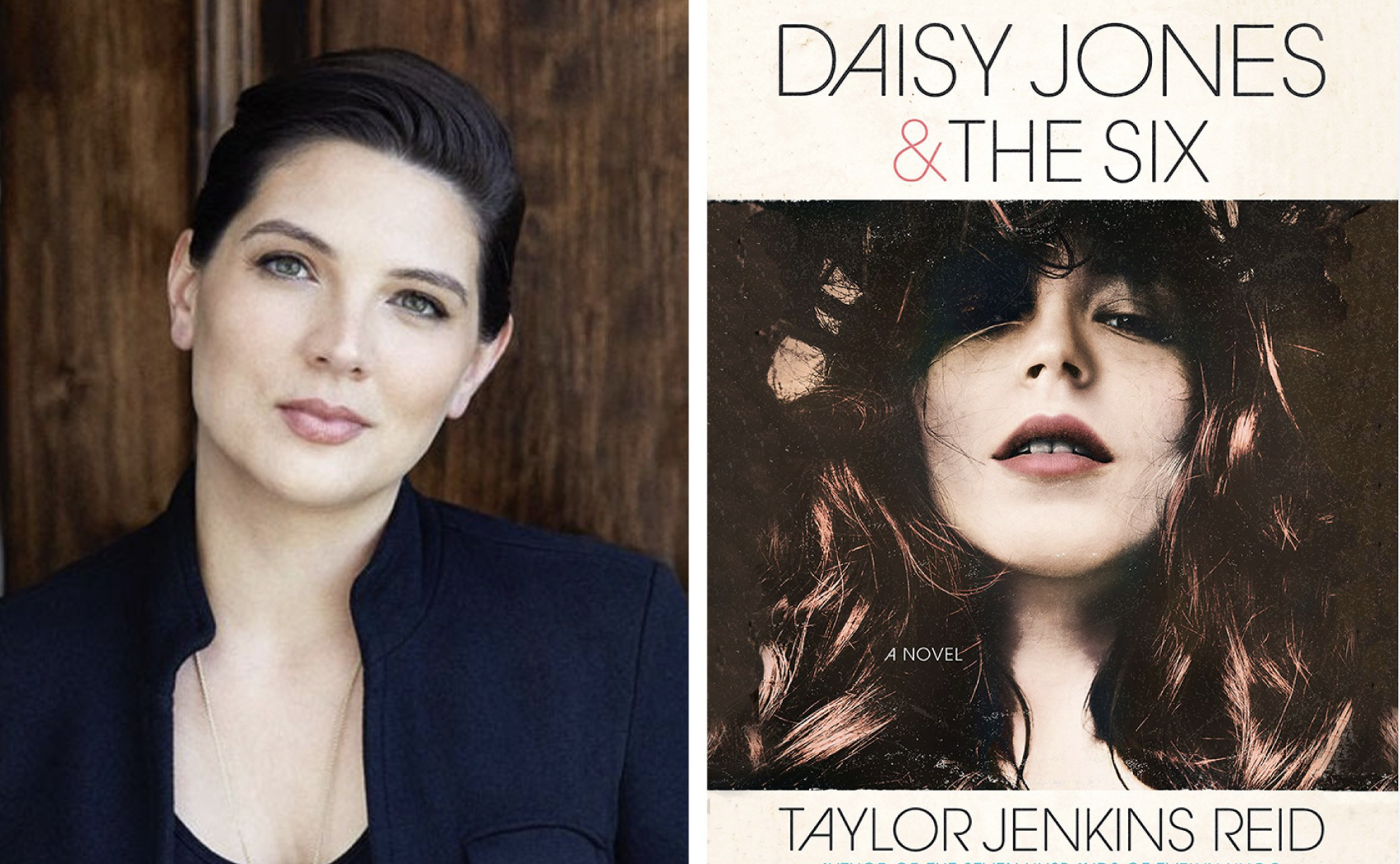
Taylor Jenkins Reid (above) took that approach in her 2019 novel Daisy Jones & The Six, which I read last week, about a fictional mega-popular 1970s band inspired by the real-life Fleetwood Mac. Daisy has some similarities to Stevie Nicks, an FM singer-songwriter, while Six member Billy Dunne has aspects of Lindsey Buckingham, another FM singer-songwriter as well as the band’s guitarist.

But there are differences. For instance, Nicks and Buckingham were real-life romantic partners before their breakup, while Daisy and Billy’s relationship has a different dynamic. Also, Daisy and Billy co-write a number of songs amid their love-hate feelings for each other, while Nicks and Buckingham each mostly composed their songs solo.

Another Six member is keyboardist Karen Sirko, loosely based on late Fleetwood Mac keyboardist/singer/songwriter Christine McVie. But, again, various differences between the two. 

A much different novel, All the King’s Men (1946) by Robert Penn Warren, stars a charismatic populist governor — Willie Stark – who begins as an idealist but ends up corrupt. Stark was clearly inspired by real-life Louisiana politician Huey Long.

F. Scott’s Fitzgerald’s 1925 classic The Great Gatsby includes several characters modeled on real-life people. Daisy Buchanan was inspired by socialite/heiress Ginevra King – a longtime romantic obsession of the author. And fictional Daisy’s fictional golfer friend Jordan Baker was based on Ginevra’s golfer friend Edith Cummings.

Three years later, Aldous Huxley’s 1928 novel Point Counter Point included the character of Mark Rampion as a D.H. Lawrence type.

In Harper Lee’s To Kill a Mockingbird (1960), Atticus Finch was inspired by the author’s attorney father Amasa Lee. And the young Scout Finch’s friend Dill Harris was based on Harper Lee’s childhood pal Truman Capote, the future author.

Looking to real-life people for novelistic inspiration of course predates 1900.

The title character in Bram Stoker’s 1897 novel Dracula was partly inspired by 15th-century Romanian prince Vlad the Impaler.

In Mary Shelley’s 1826 novel The Last Man, there are characters based on Percy Bysshe Shelley (the author’s late husband by that time) and Lord Byron.

Of course, authors often create characters who are like themselves – as was the semi-autobiographical case with the aforementioned Scout Finch (Harper Lee as a kid), The Last Man’s Lionel Verney (Mary Shelley gender-switched), My Antonia’s Jim Burden (Willa Cather also gender-switched), The Mill on the Floss’ Maggie Tulliver (based on George Eliot), Little Women’s Jo March (based on Louisa May Alcott), David Copperfield‘s title character (whose name flips Charles Dickens’ initials), Martin Eden‘s title character (whose initials spell “me” for author Jack London), etc.

Comments about, and examples of, this theme?

Misty the cat says: “Two more foundations and we’ll have Isaac Asimov’s ‘Foundation Trilogy.'”

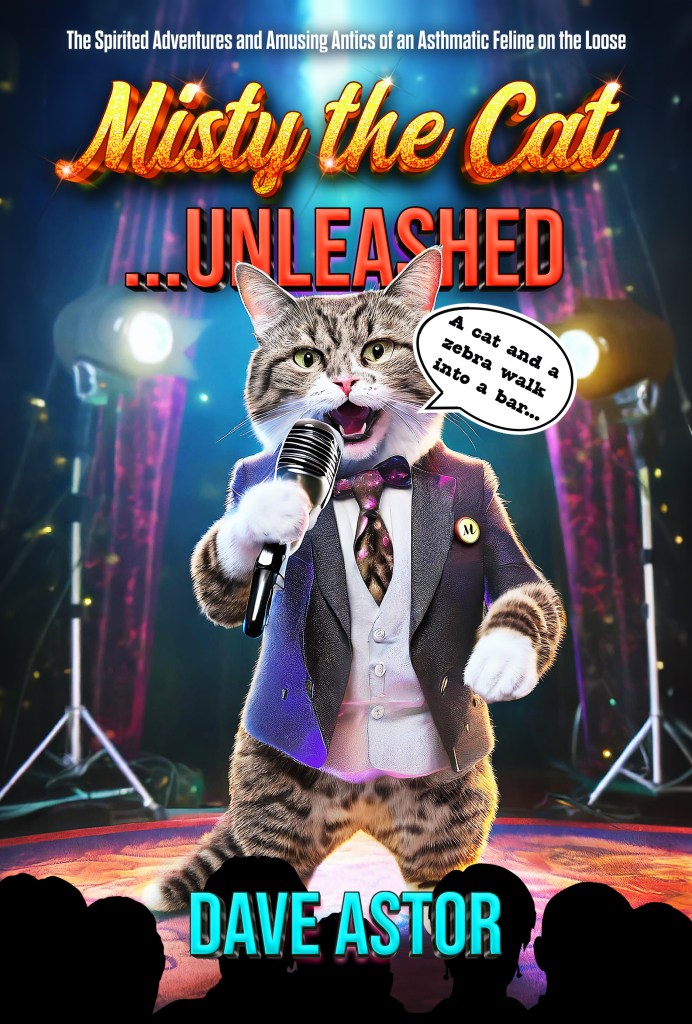
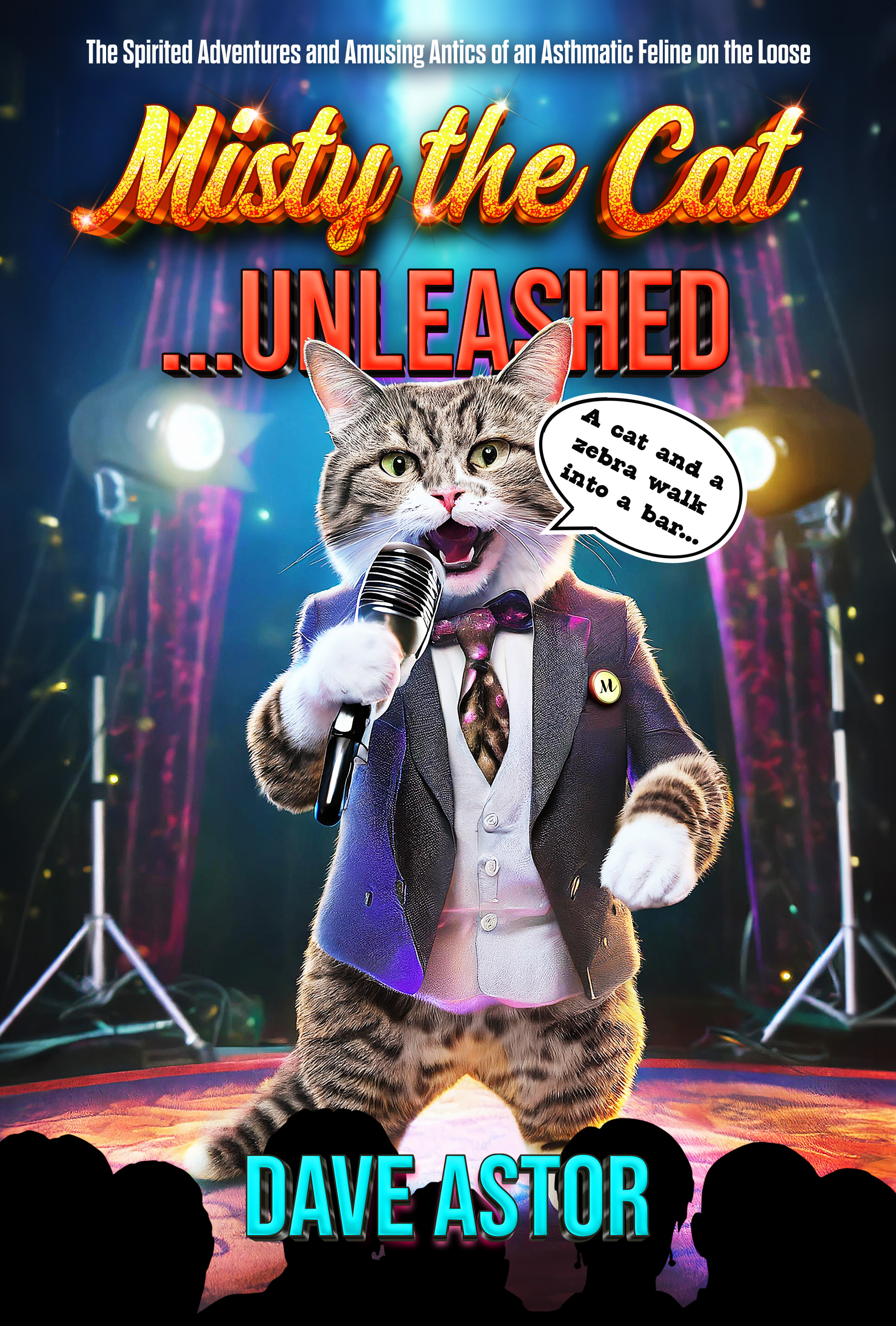
My comedic 2024 book — the part-factual/part-fictional/not-a-children’s-work Misty the Cat…Unleashed — is described and can be purchased on Amazon in paperback or on Kindle. It’s feline-narrated! (And Amazon reviews are welcome. 🙂 )
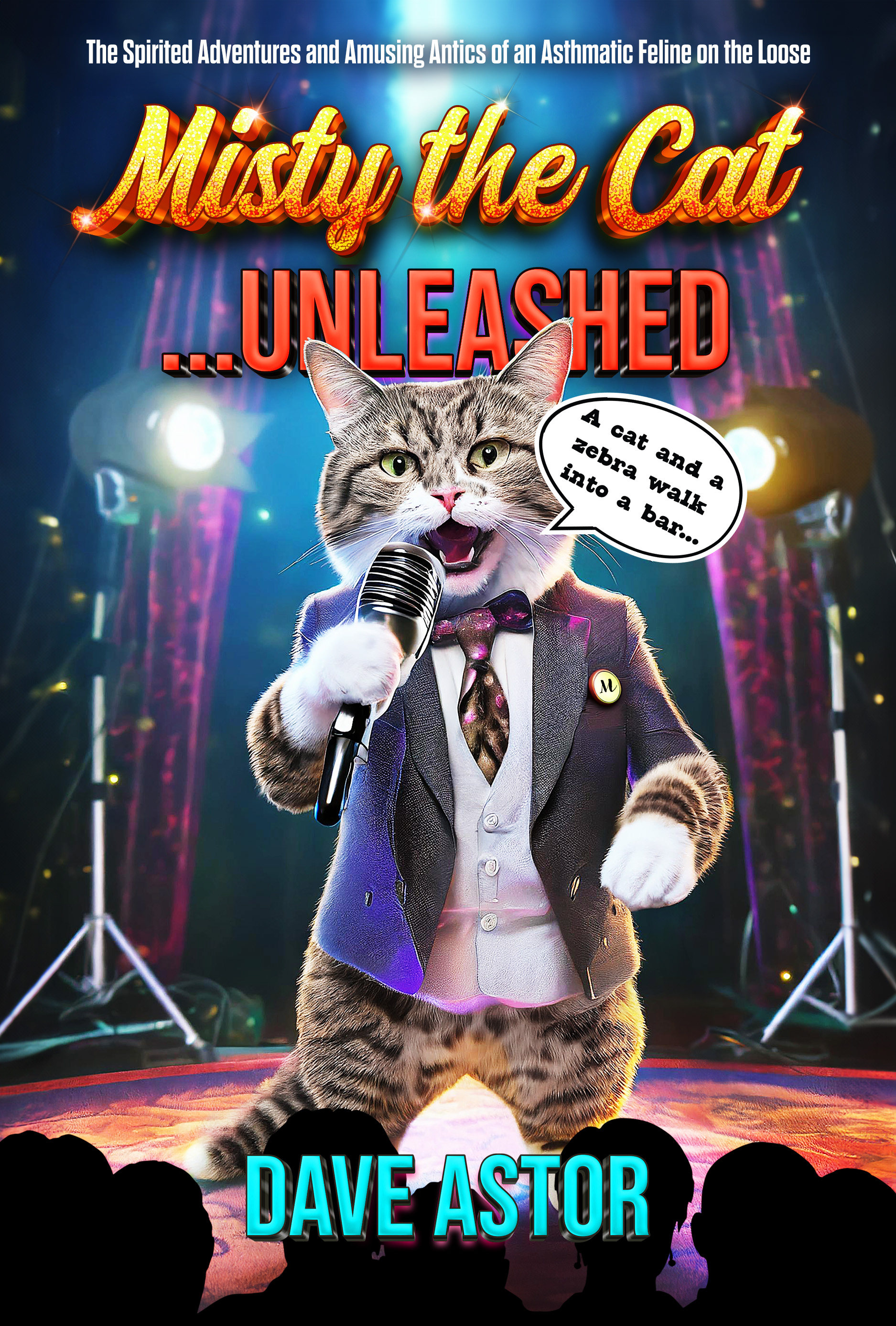
This 90-second promo video for the book features a talking cat: 🙂

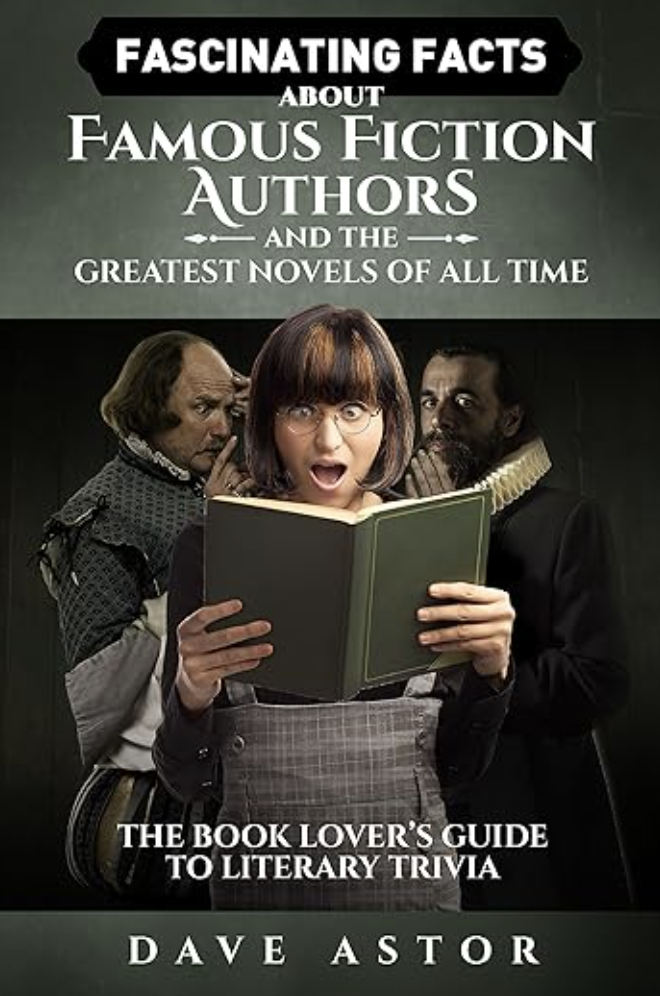
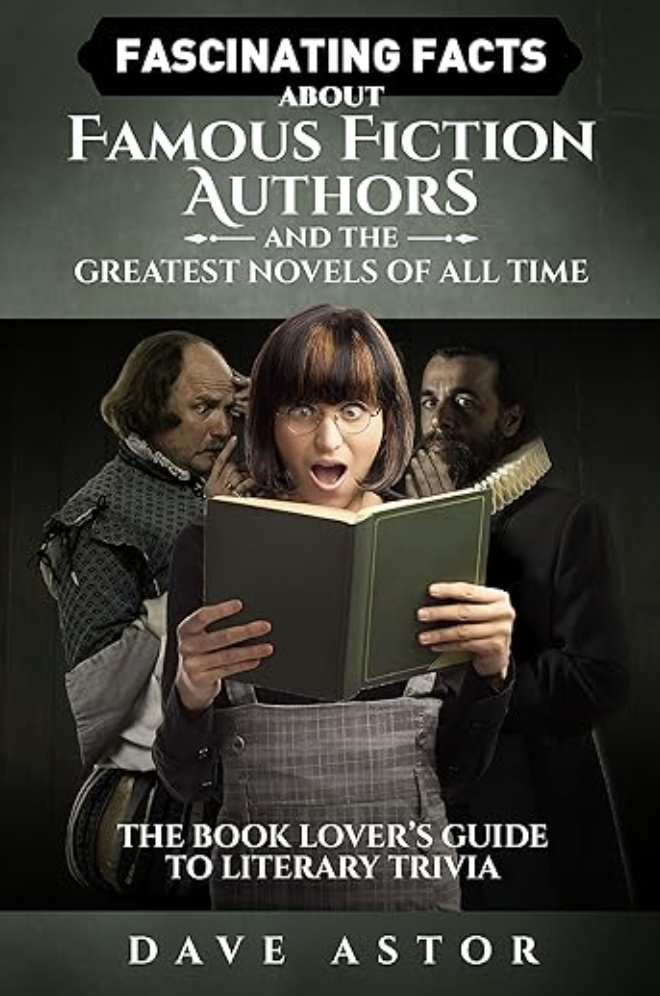
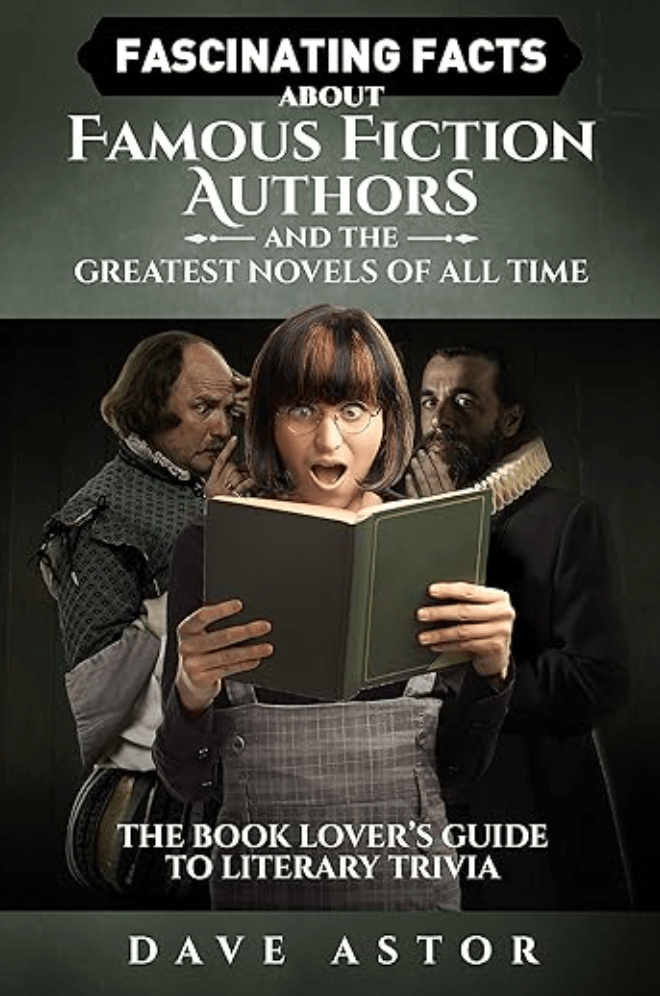
I’m also the author of a 2017 literary-trivia book

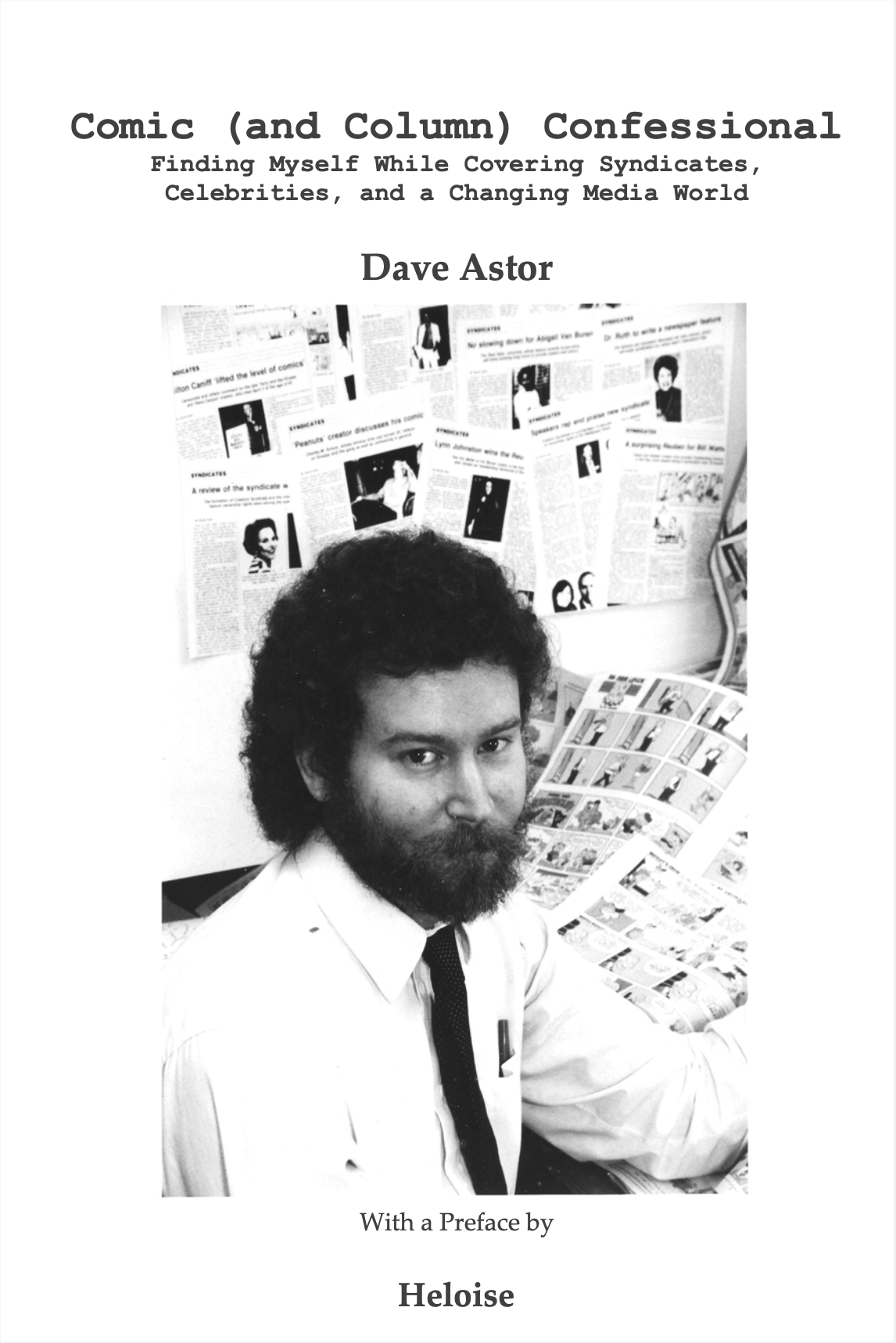
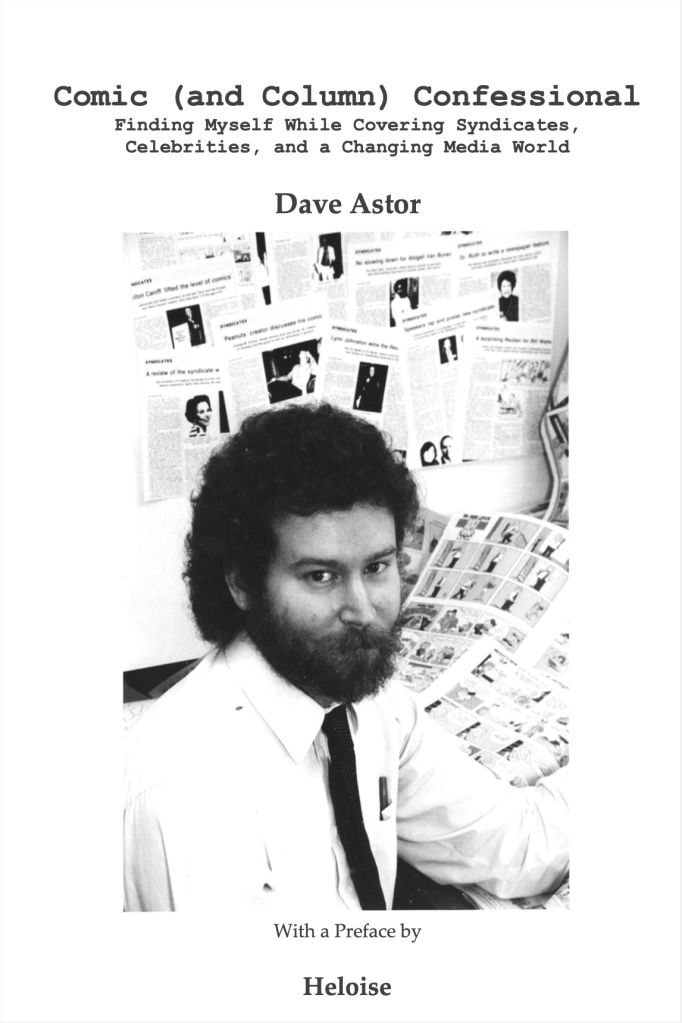
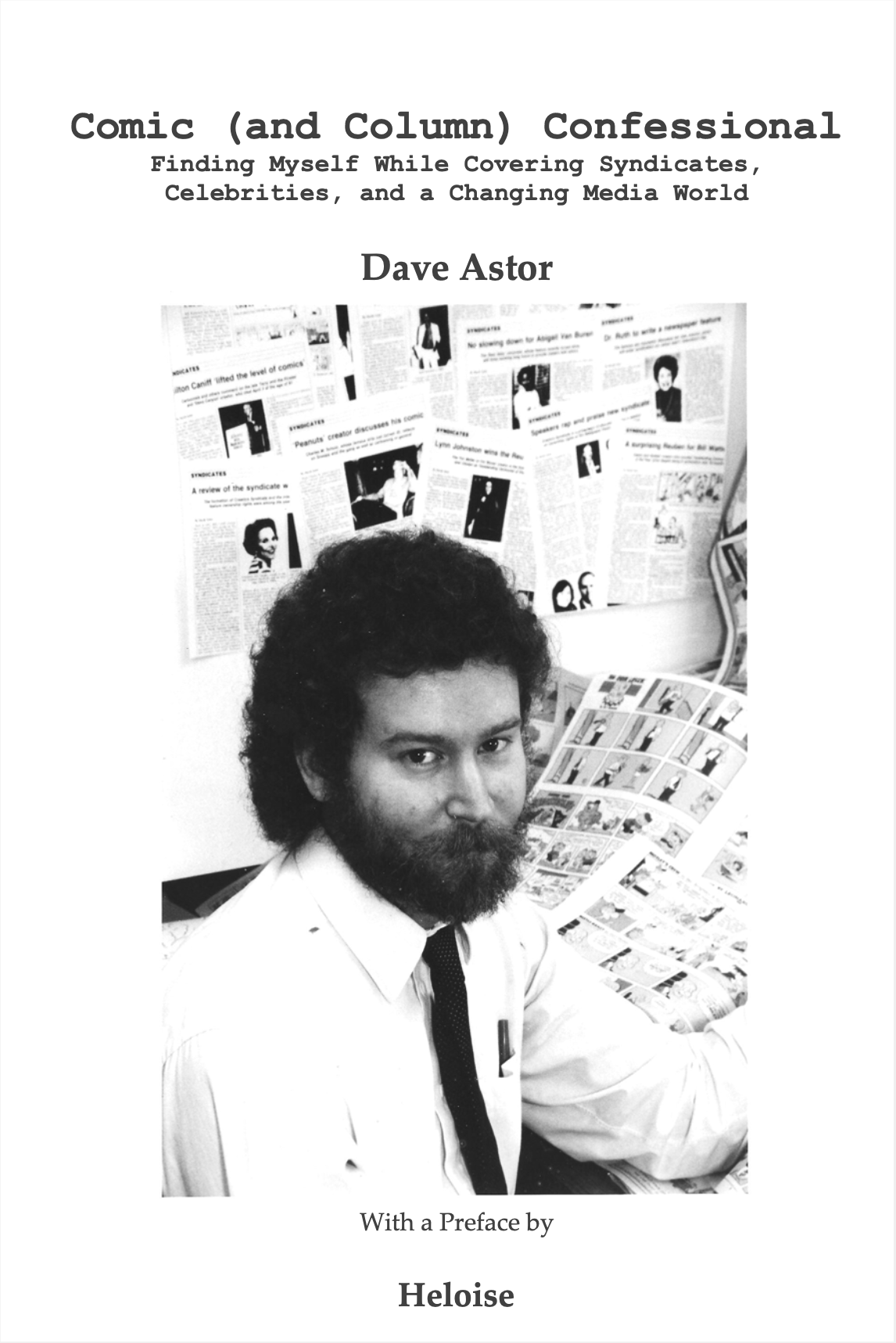
…and a 2012 memoir that focuses on cartooning and more, including many encounters with celebrities.
In addition to this weekly blog, I write the 2003-started/award-winning “Montclairvoyant” topical-humor column every Thursday for Montclair Local. The latest piece – about my town’s welcome pulling of $91.1 million from a bank supporting cruel privately run immigrant detention centers — is here.
First-Class Males in Fiction

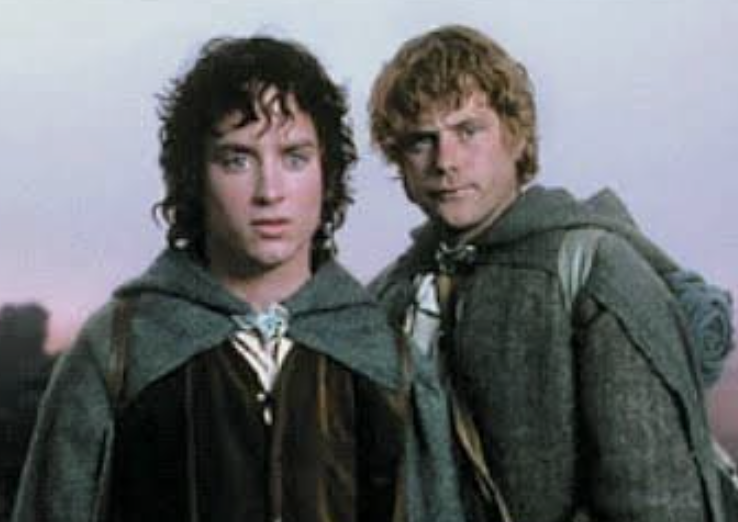
Elijah Wood as Frodo and Sean Astin as Sam in The Lord of the Rings movie trilogy (2001, 2002, 2003).

Last week, I wrote about fictional female characters who are brave, strong-willed, etc. This week, I’ll do the same for fictional male characters – whether their courage is physical, mental, and/or moral.

One such inspiring guy is Sydney Carton of Charles Dickens’ A Tale of Two Cities. In that 1859 novel, Carton is a less-than-admirable man who wants to do better – which moves him to make an almost unfathomably heroic sacrifice during the French Revolution.

Ten years later, R.D. Blackmore’s 1869 novel Lorna Doone co-starred John Ridd, who does all kinds of courageous things after falling in love with the title character. Romance can be an incentive that way. 🙂

Staying with 19th-century literature, Walter Scott’s Rob Roy (1817) features a title character partly based on real-life outlaw Rob Roy MacGregor – who has been called “the Scottish Robin Hood.”

Moving to the 20th century, we of course have various heroic males in J.R.R. Tolkien’s The Lord of the Rings trilogy (1954-1955) – including the hobbits Frodo Baggins and Samwise Gamgee. Impressive when physically small-of-stature beings are valiant against larger foes.

A lesser-known novel is Louis L’Amour’s Last of the Breed (1986) starring Native-American military pilot Joe Mack as he makes a daring on-foot escape from capture in the vast Siberian wilderness.  

A much-better-known novel is Harper Lee’s To Kill a Mockingbird (1960), in which Alabama attorney Atticus Finch bravely defends an innocent Black man in the racist 1930s American South.

Moving to 21st-century fiction, African-American attorney Malcolm Bannister is incredibly clever and resourceful after being wrongly charged and jailed in John Grisham’s 2012 novel The Racketeer.

Count Alexander Rostov of Amor Towles’ A Gentleman in Moscow (2016) is stoic and quietly courageous while serving a lifetime sentence of house arrest in a hotel.

Private investigator Cormoran Strike of J.K. Rowling’s series of eight (so far) crime novels published between 2013 and 2025 is far from timid as he pursues wrongdoers while dealing with the painful partial loss of a leg from when he was deployed in Afghanistan. 

Straddling the 20th and 21st centuries:

Walter Mosley’s private investigator Ezekiel “Easy” Rawlins, star of the ongoing series that began with Devil in a Blue Dress in 1990, is quite gutsy in a low-key way. 

Lee Child’s roving Jack Reacher character, who was first introduced to readers in 1997, is fearless as he deals with various bad guys in 30 (and counting) novels.

Your thoughts about, and examples of, this theme?

In our dimly lit garage, Misty the cat says: “Here’s where Joseph Conrad wrote ‘Heart of Darkness.'”

My comedic 2024 book — the part-factual/part-fictional/not-a-children’s-work Misty the Cat…Unleashed — is described and can be purchased on Amazon in paperback or on Kindle. It’s feline-narrated! (And Amazon reviews are welcome. 🙂 )

This 90-second promo video for the book features a talking cat: 🙂

I’m also the author of a 2017 literary-trivia book

…and a 2012 memoir that focuses on cartooning and more, including many encounters with celebrities.

In addition to this weekly blog, I write the 2003-started/award-winning “Montclairvoyant” topical-humor column every Thursday for Montclair Local. The latest piece – about high housing costs, the end of free tuition, and a failed candidacy — is here.

Moving from Incompetent to Competent Characters

Sue Grafton

Last week, I wrote about incompetent characters in literature. So, naturally I’ll write this week about…Valentine’s Day yesterday. Oops, just kidding; I’m going to discuss competent characters in literature.

That can mean smart people, handy people, socially adept people, etc. They might be skilled in many areas, or skilled in some ways and not in others.

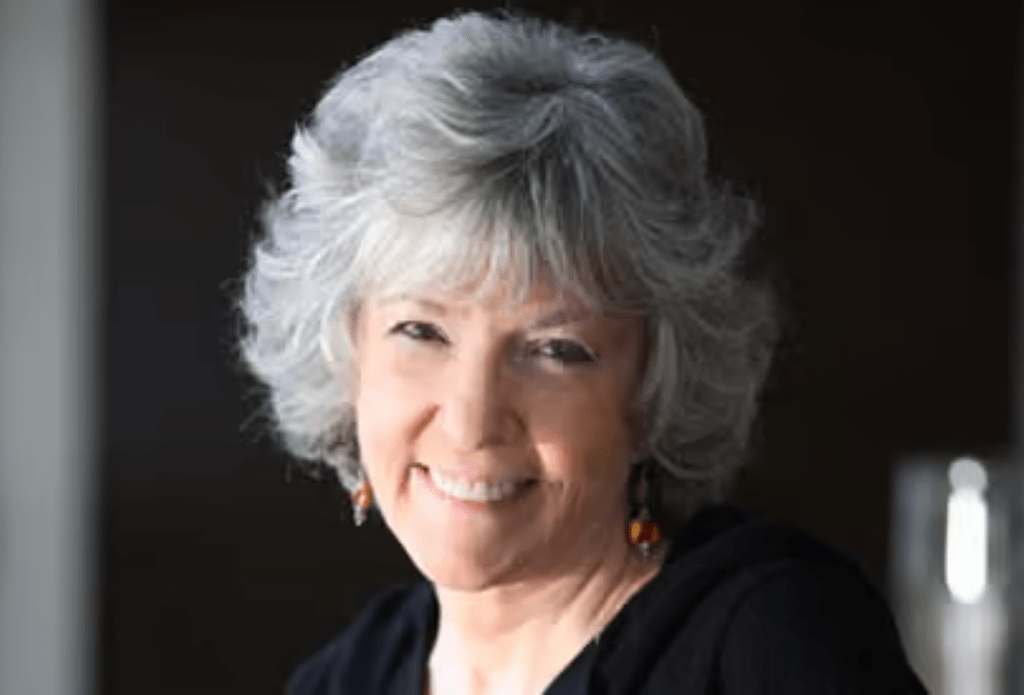
Obviously, detectives are among the protagonists who come to mind, although many of them are more competent in their work than in their personal lives. For instance, Sherlock Holmes is a brilliant sleuth with loner and eccentric traits in Arthur Conan Doyle’s novels and stories. Val McDermid’s Karen Pirie is also highly intelligent and driven in her cold-case work while not being as successful in off-duty life. Sue Grafton’s self-deprecating Kinsey Millhone is a brainy, brave, dogged, and witty private investigator who had two failed marriages, eats too much junk food, etc.

I’m currently working my way through — and loving — the Millhone-starring “alphabet mysteries” (now reading M is for Malice).

Other memorably competent characters? Hermione Granger is as book-smart as they come, and also has plenty of common sense in J.K. Rowling’s Harry Potter series. Those books’ wizards — including Albus Dumbledore and Minerva McGonagall — are obviously quite capable, too, as is another wizard: Gandalf in J.R.R. Tolkien’s The Hobbit and The Lord of the Rings trilogy.

In Stieg Larsson’s trilogy that starts with The Girl with the Dragon Tattoo, abuse survivor Lisbeth Salander is a determined genius with computers.

Preteen-then-teen Francie Nolan is wise beyond her years — both academically and as a navigator of difficult family dynamics — in Betty Smith’s A Tree Grows in Brooklyn.

When one thinks of Charlotte Bronte’s Jane Eyre character, competent is one of the first adjectives that comes to mind. Whatever she does — whether being a governess, a teacher, or generally maneuvering through the difficulties of her oft-challenging life — she does well.

Also quite skilled — and with a strong sense of morality — is attorney Atticus Finch of Harper Lee’s To Kill a Mockingbird.

Another classic, Willa Cather’s My Antonia, features a title character (Antonia Shimerda) who’s a very competent farm spouse and parent.

In the sci-fi area, we have protagonists like Mark Watney, who has to be unusually clever and innovative to survive when stranded on Mars in Andy Weir’s The Martian. Twentieth-century Black woman Dana Franklin also has to be really skilled to deal with and survive involuntary time travel to and from the slave-holding American South in Octavia E. Butler’s Kindred.

Your thoughts about, and examples of, competent characters in fiction?

Misty the cat says: “This must be one of Norman Rockwell’s larger paintings.”

My comedic 2024 book — the part-factual/part-fictional/not-a-children’s-work Misty the Cat…Unleashed — is described and can be purchased on Amazon in paperback or on Kindle. It’s feline-narrated! (And Amazon reviews are welcome. 🙂 )

This 90-second promo video for the book features a talking cat: 🙂

I’m also the author of a 2017 literary-trivia book

…and a 2012 memoir that focuses on cartooning and more, including many encounters with celebrities.

In addition to this weekly blog, I write the 2003-started/award-winning “Montclairvoyant” topical-humor column every Thursday for Montclair Local. The latest piece — about a congressional candidate’s welcome win and various weird maps — is here.