Remote Isn’t Just What Turns On Your TV

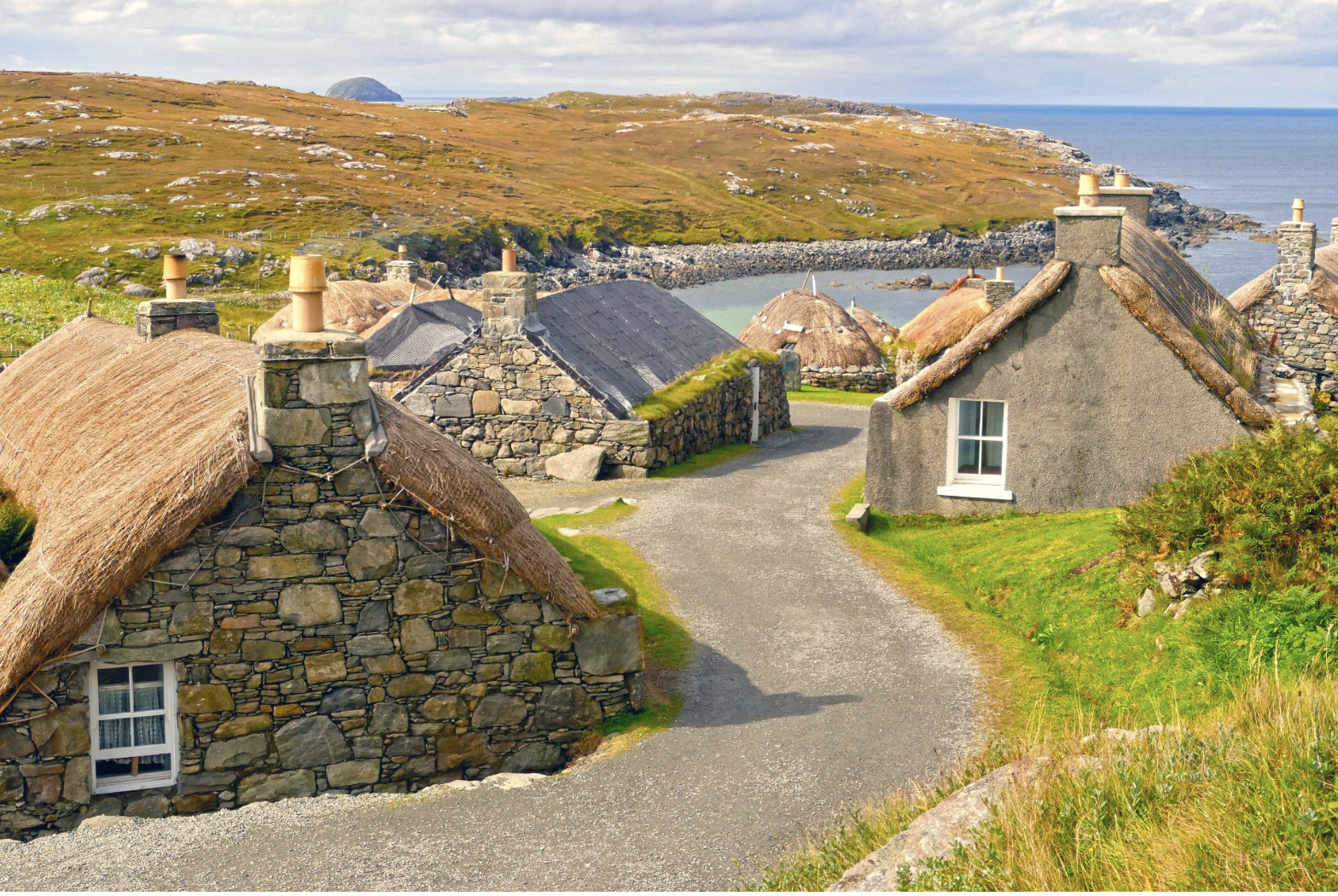
The Isle of Lewis (© Manel Vinuesa).

Novels with remote settings can be highly populated with elements fascinating to readers. Challenging weather. Lonely characters. Intense interactions between a relatively small number of people. Heightened danger because of the remoteness. And more.

The Blackhouse and its first sequel The Lewis Man, two riveting Peter May novels I read this month, mostly unfold on the isolated Isle of Lewis off Scotland. This setting gives the books lots of atmosphere amid murders and interesting (at times pathological) relationships between various three-dimensional characters.

I also recently read Frenchman’s Creek by Daphne du Maurier, who uses a remote setting as a backdrop to an intriguing love affair between a dissatisfied upper-class woman and a charismatic pirate.

Pirates have ships, of course, and many novels with remote settings unfold on boats, islands, or other isolated places near water. Among the examples I’ve read are Daniel Defoe’s Robinson Crusoe (obviously), Edgar Allan Poe’s The Narrative of Arthur Gordon Pym of Nantucket (which chronicles a surreal journey to the South Pole), Herman Melville’s Typee (whose escapee sailor protagonist enjoys Polynesian island life), and Alexandre Dumas’ The Count of Monte Cristo (a key part of which is set on a prison island off Marseille).

Also: Aldous Huxley’s Island (as utopian as that author’s Brave New World is dystopian), Agatha Christie’s And Then There Were None (murders on an island), Yann Martel’s Life of Pi (boy and tiger overboard), Martin Cruz Smith’s Polar Star (the ship-set first sequel to Gorky Park), M.L. Stedman’s The Light Between Oceans (about the troubled life of a married couple on an island off Australia), and Peter Hoeg’s Smilla’s Sense of Snow (partly set on an island off Greenland).

Other remote locales in fiction can be mostly on land — including Canada’s Yukon wilderness in Jack London’s The Call of the Wild, the Alaskan wilderness in Kristin Hannah’s The Great Alone, the New York State wilderness in James Fenimore Cooper’s The Deerslayer, the Siberian wilderness in Louis L’Amour’s Last of the Breed, and the African desert in J.M.G. Le Clezio’s Desert and Paul Bowles’ The Sheltering Sky.

There’s also the bleak end-of-the-world landscape in the concluding pages of H.G. Wells’ The Time Machine, and of course lonely settings in many sci-fi novels — such as Andy Weir’s The Martian and Arthur C. Clarke’s 2001: A Space Odyssey.

Your thoughts on this topic (which I also covered, in a partly different way, seven years ago) — including your favorite fiction with remote locales?

Misty the cat says: “My back legs and gasoline prices are both up.”

My comedic 2024 book — the part-factual/part-fictional/not-a-children’s-work Misty the Cat…Unleashed — is described and can be purchased on Amazon in paperback or on Kindle. It’s feline-narrated! (And Amazon reviews are welcome. 🙂 )
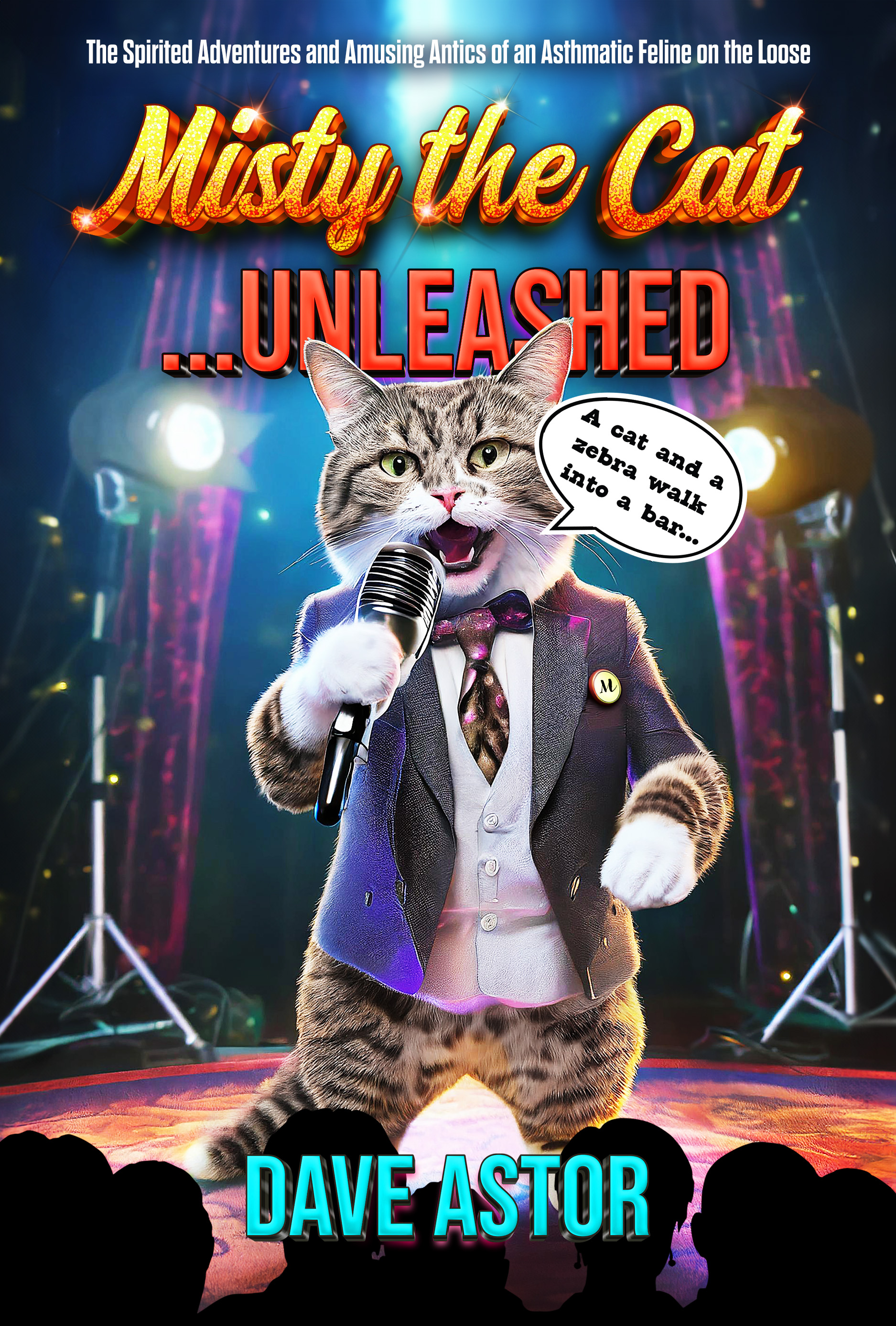
This 90-second promo video for the book features a talking cat: 🙂

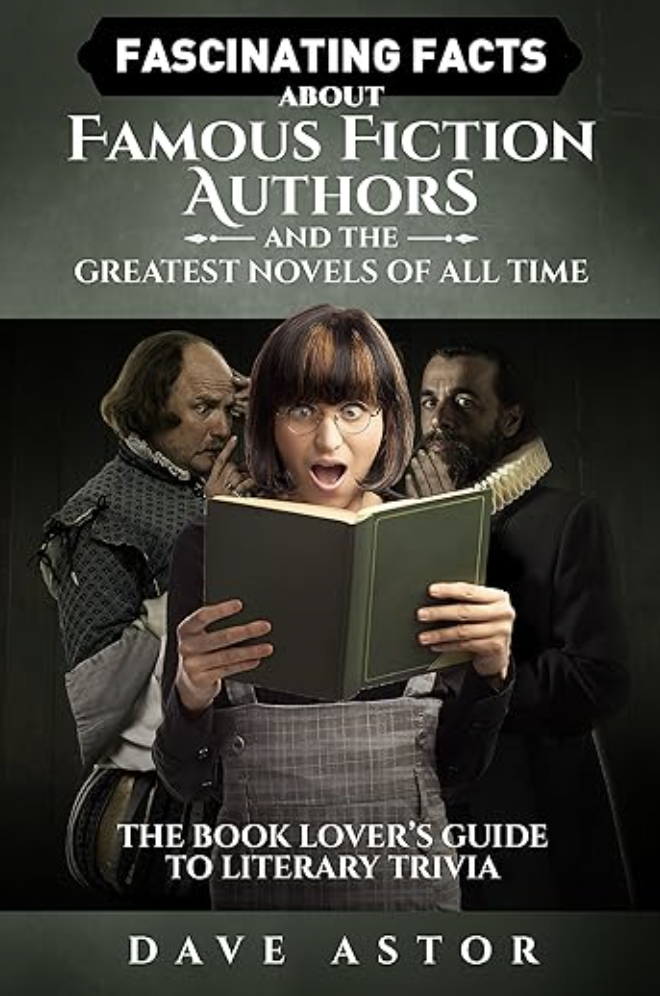
I’m also the author of a 2017 literary-trivia book

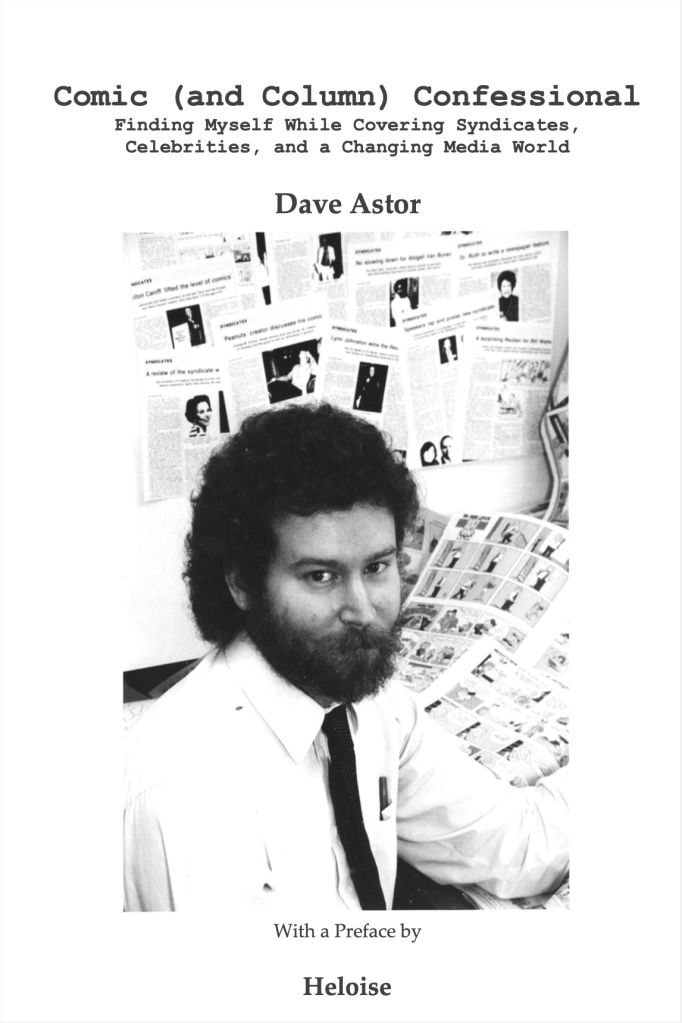
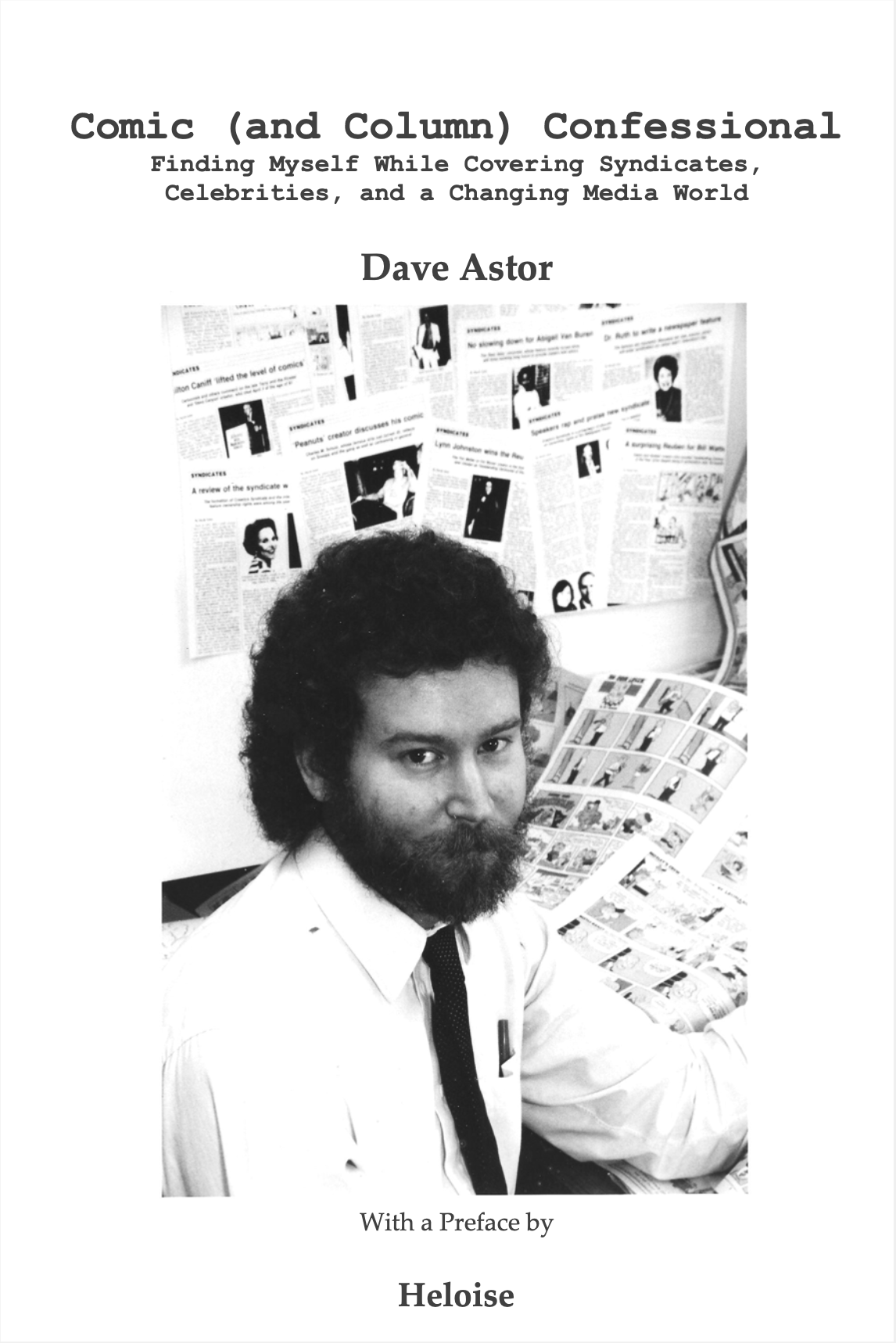
…and a 2012 memoir that focuses on cartooning and more, including many encounters with celebrities.
In addition to this weekly blog, I write the 2003-started/award-winning “Montclairvoyant” topical-humor column every Thursday for Montclair Local. The latest piece — which discusses a welcome downzoning decision in my town — is here.
Moving from Incompetent to Competent Characters

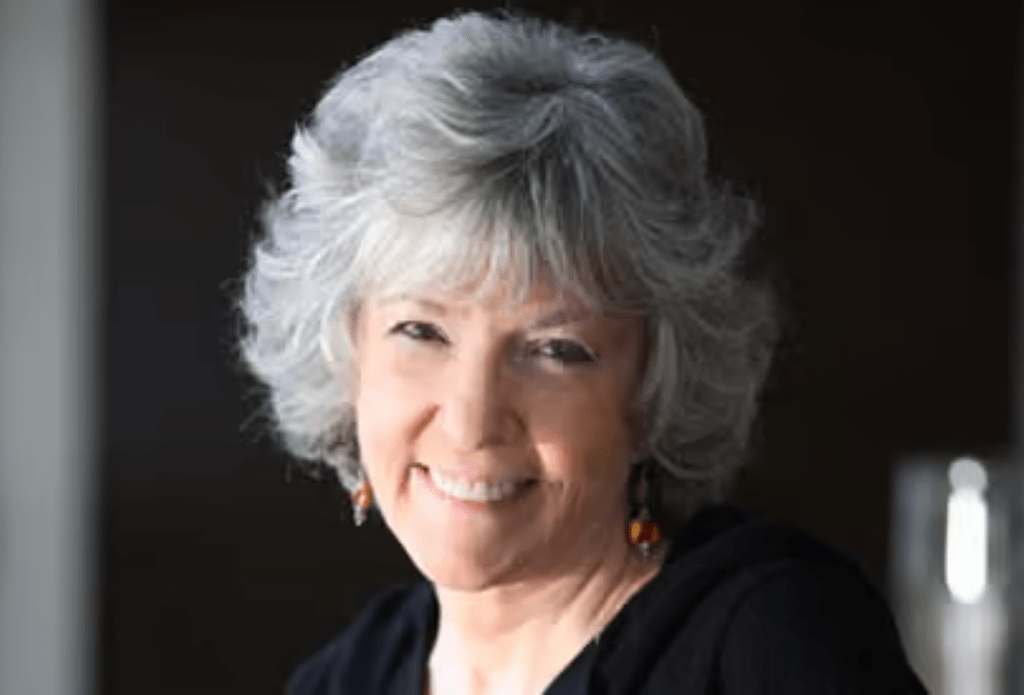
Sue Grafton

Last week, I wrote about incompetent characters in literature. So, naturally I’ll write this week about…Valentine’s Day yesterday. Oops, just kidding; I’m going to discuss competent characters in literature.

That can mean smart people, handy people, socially adept people, etc. They might be skilled in many areas, or skilled in some ways and not in others.

Obviously, detectives are among the protagonists who come to mind, although many of them are more competent in their work than in their personal lives. For instance, Sherlock Holmes is a brilliant sleuth with loner and eccentric traits in Arthur Conan Doyle’s novels and stories. Val McDermid’s Karen Pirie is also highly intelligent and driven in her cold-case work while not being as successful in off-duty life. Sue Grafton’s self-deprecating Kinsey Millhone is a brainy, brave, dogged, and witty private investigator who had two failed marriages, eats too much junk food, etc.

I’m currently working my way through — and loving — the Millhone-starring “alphabet mysteries” (now reading M is for Malice).

Other memorably competent characters? Hermione Granger is as book-smart as they come, and also has plenty of common sense in J.K. Rowling’s Harry Potter series. Those books’ wizards — including Albus Dumbledore and Minerva McGonagall — are obviously quite capable, too, as is another wizard: Gandalf in J.R.R. Tolkien’s The Hobbit and The Lord of the Rings trilogy.

In Stieg Larsson’s trilogy that starts with The Girl with the Dragon Tattoo, abuse survivor Lisbeth Salander is a determined genius with computers.

Preteen-then-teen Francie Nolan is wise beyond her years — both academically and as a navigator of difficult family dynamics — in Betty Smith’s A Tree Grows in Brooklyn.

When one thinks of Charlotte Bronte’s Jane Eyre character, competent is one of the first adjectives that comes to mind. Whatever she does — whether being a governess, a teacher, or generally maneuvering through the difficulties of her oft-challenging life — she does well.

Also quite skilled — and with a strong sense of morality — is attorney Atticus Finch of Harper Lee’s To Kill a Mockingbird.

Another classic, Willa Cather’s My Antonia, features a title character (Antonia Shimerda) who’s a very competent farm spouse and parent.

In the sci-fi area, we have protagonists like Mark Watney, who has to be unusually clever and innovative to survive when stranded on Mars in Andy Weir’s The Martian. Twentieth-century Black woman Dana Franklin also has to be really skilled to deal with and survive involuntary time travel to and from the slave-holding American South in Octavia E. Butler’s Kindred.

Your thoughts about, and examples of, competent characters in fiction?

Misty the cat says: “This must be one of Norman Rockwell’s larger paintings.”

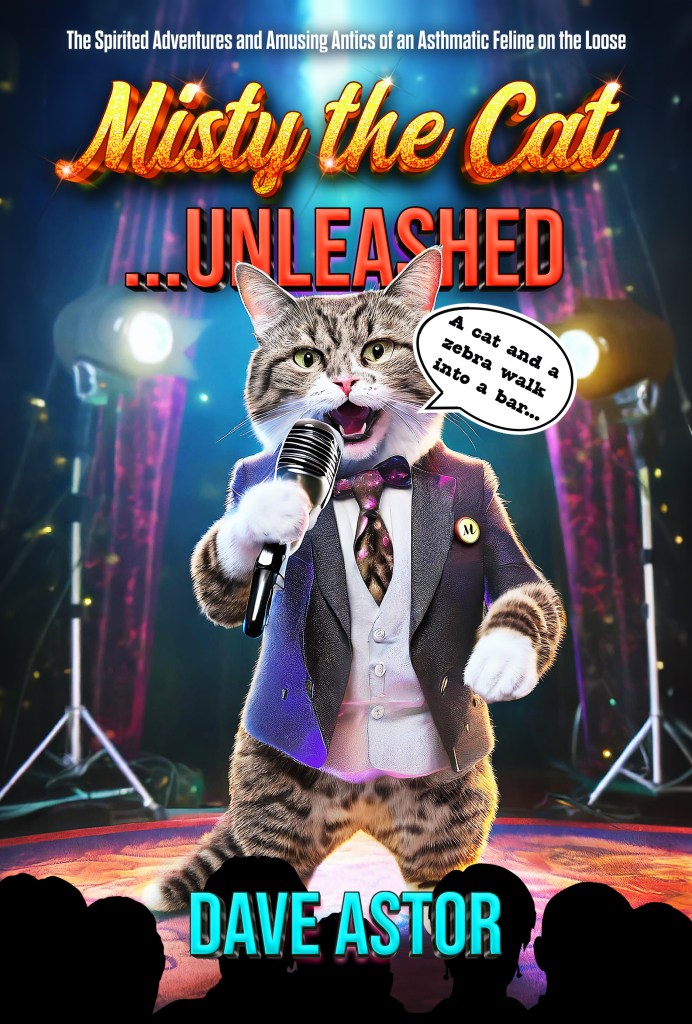
My comedic 2024 book — the part-factual/part-fictional/not-a-children’s-work Misty the Cat…Unleashed — is described and can be purchased on Amazon in paperback or on Kindle. It’s feline-narrated! (And Amazon reviews are welcome. 🙂 )

This 90-second promo video for the book features a talking cat: 🙂

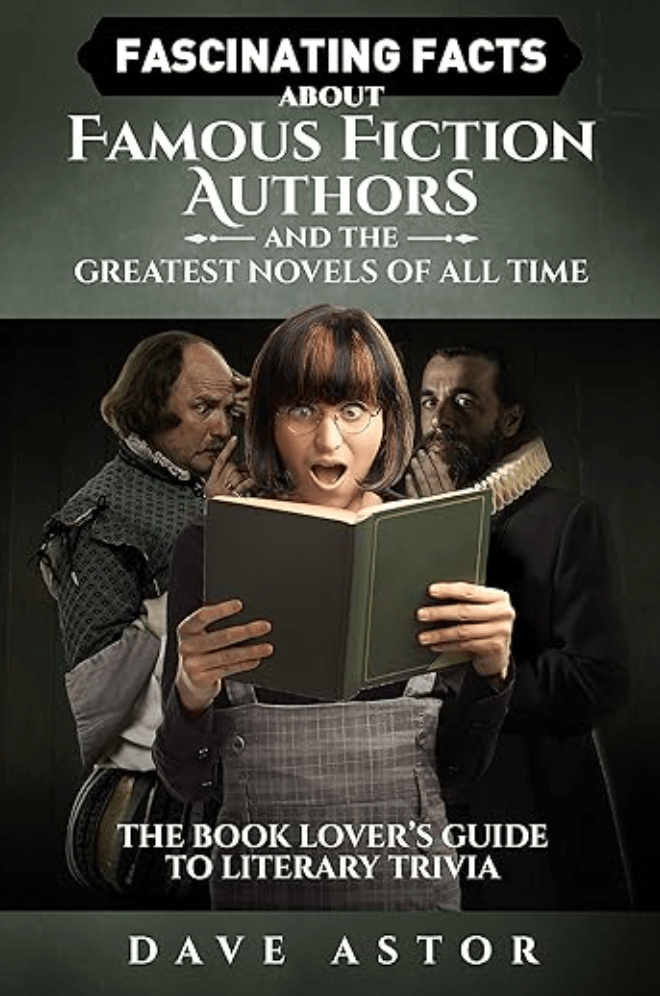
I’m also the author of a 2017 literary-trivia book

…and a 2012 memoir that focuses on cartooning and more, including many encounters with celebrities.

In addition to this weekly blog, I write the 2003-started/award-winning “Montclairvoyant” topical-humor column every Thursday for Montclair Local. The latest piece — about a congressional candidate’s welcome win and various weird maps — is here.