Another Book-Award Booker in the Books

The 2026 Booker Prize winner for English-language novels was announced this past Monday, November 9. Honored was a post-apocalyptic work I’d never heard of called The End of Everything by an author I’d never heard of named M. John Harrison.

So, I decided to look at the list of Booker recipients since the annual award began in 1969 to find novels and authors known to me. Turns out I’ve heard of quite a few, but had read only 10 of the victorious books. Still, that number is better than nothing – and here are my thoughts about those 10 novels, going chronologically back in time.

The most recent one I’ve read is 2019’s Booker winner: The Testaments by Margaret Atwood. Her compelling novel is of course the sequel to the Canadian author’s 1985 classic The Handmaid’s Tale depicting a dystopian world for women. The Testaments wasn’t as good, but it came fairly close – especially impressive for a sequel written 34 years later.

I’ve also read American author George Saunders’ Lincoln in the Bardo, which won the 2017 Booker. A haunting, quite original work about President Lincoln’s dead son Willie being stuck in a sort of purgatory and his father’s reaction to that. Yet the novel, which has a format reminiscent of a play, was hard to read at times and periodically dragged.

In 2013, the Booker went to The Luminaries by Eleanor Catton, a New Zealand author still in her 20s at the time. The long, very ambitious novel is set during the 1866 Gold Rush in New Zealand. Mostly a great read, but the 848-page book could have been about 25% shorter.

The 2009 winner was English author Hilary Mantel’s Wolf Hall, which I finally got to a couple years ago. A stunningly crafted novel set in the 1500s that focuses on royalty, power dynamics, and more. It did get a bit tedious here and there.

The next-earlier Booker winner (2002) I read was Canadian author Yann Martel’s Life of Pi, about a shipwrecked boy and tiger – written with a mix of adventure and philosophy. Pretty compelling overall.

Margaret Atwood previously won the Booker, in 2000, for The Blind Assassin – a book featuring intense family drama as well as a novel within a novel. One of Atwood’s best.

In 1997, the Booker winner was The God of Small Things, a spectacular debut novel from Arundhati Roy of India. She focuses on young twins and other characters living amid social discrimination and political upheaval.

The next-earlier Booker winner (1992) I read was The English Patient by Michael Ondaatje of Canada. An intense drama featuring four very different people – including a badly burned man – thrown together at an Italian villa during World War II.

My favorite Booker-winning novel is English author A.S. (Antonia Susan) Byatt’s Possession, which received the honor in 1990. It’s about two 20th-century academics investigating the lives of two 19th-century poets, and I found it more riveting than that premise would make it seem.

The other Booker-winning novel I’ve read is Japanese-born British author’s Kazuo Ishiguro’s The Remains of the Day, recipient of the award in 1989. A masterfully subtle look at a butler, the household he serves, fascism, and more.

Your thoughts about the novels I mentioned, and/or about other Booker winners you’ve read that I haven’t? Here’s a link to all the prize recipients.

Misty the cat says: “My plan to run from 2026 to 2027 will not be successful until January 1.”

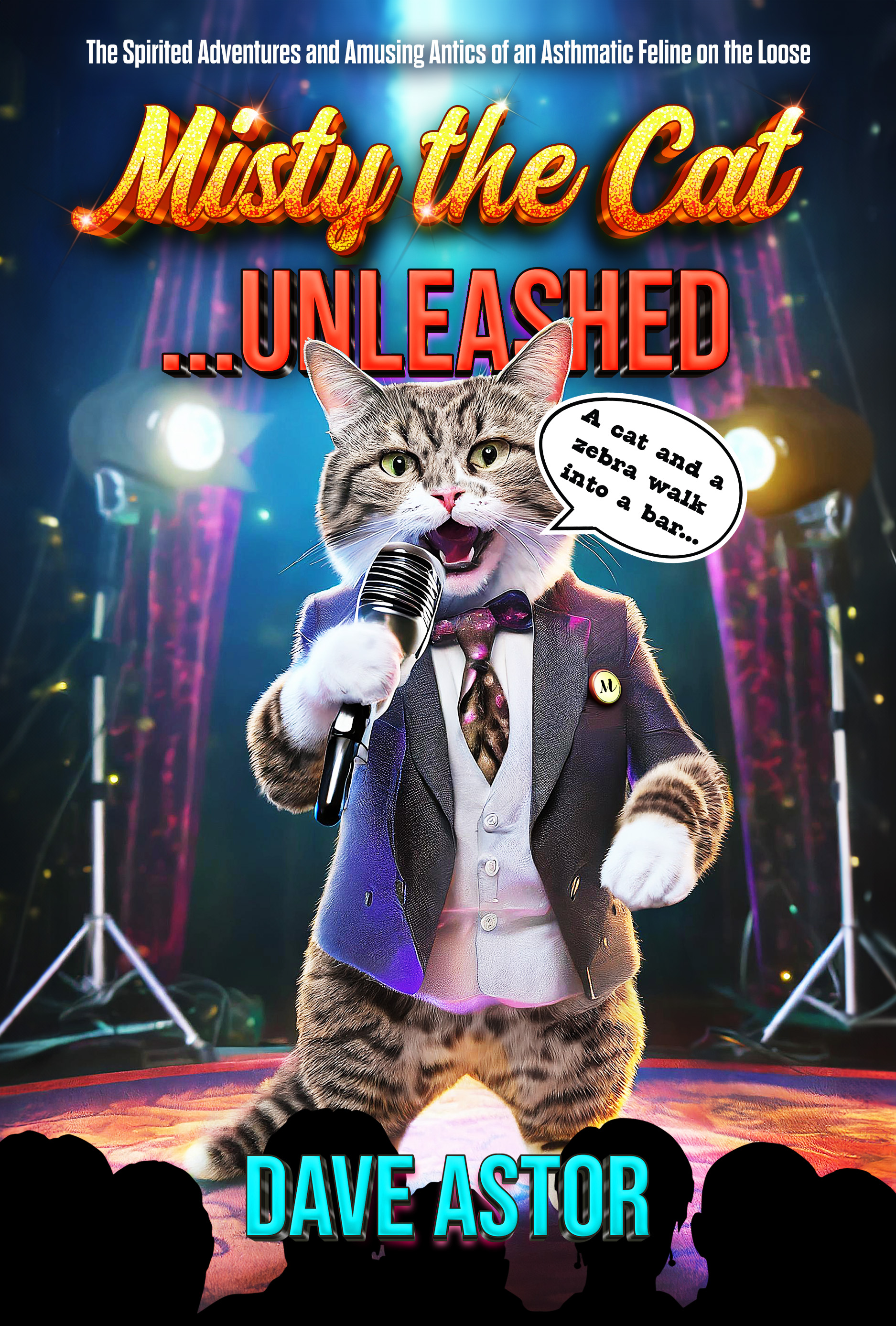
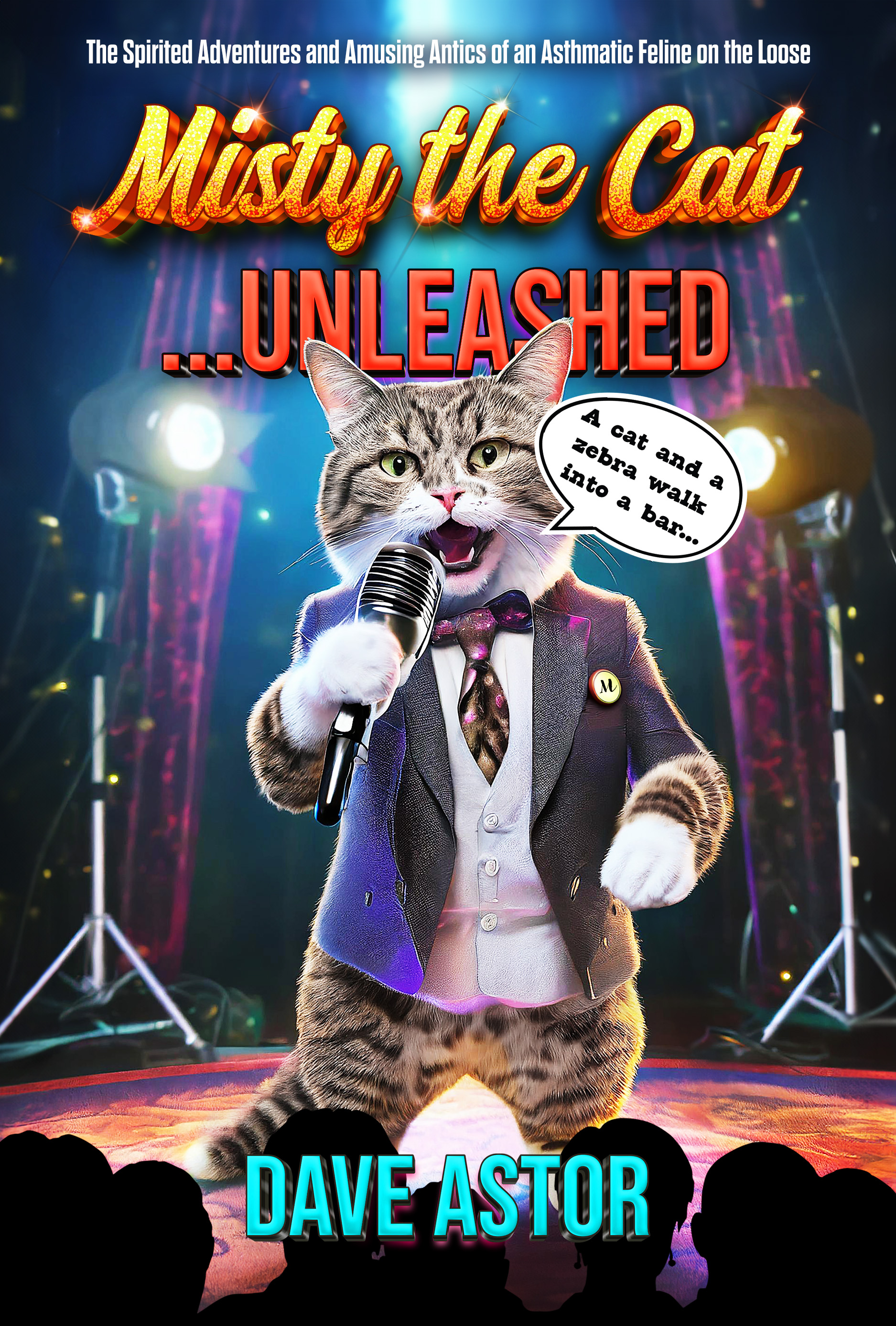
My comedic 2024 book – the part-factual/part-fictional/not-a-children’s-work Misty the Cat…Unleashed – is described and can be purchased on Amazon in paperback or on Kindle. It’s feline-narrated! (And Amazon reviews are welcome. 🙂 )
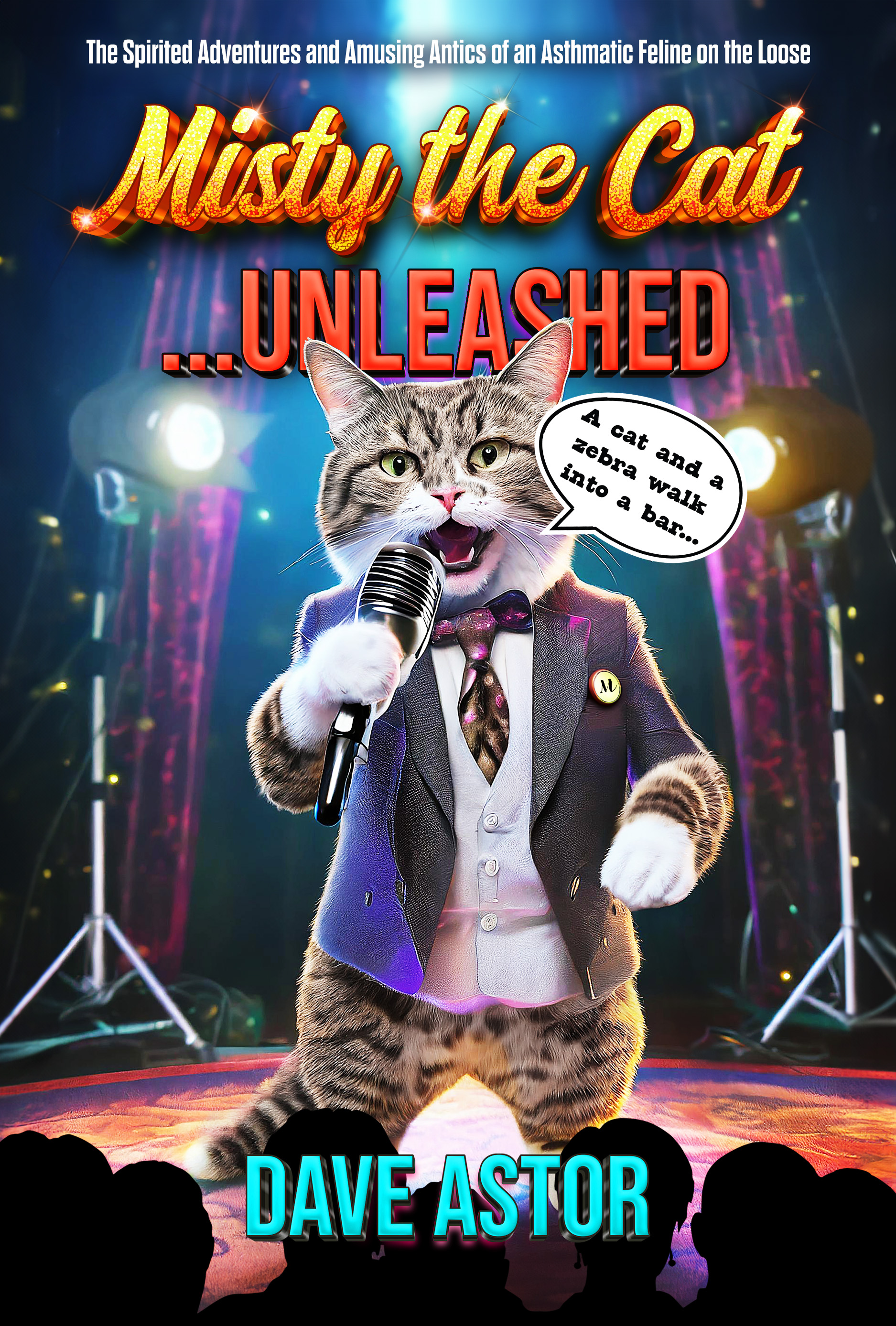
This 90-second promo video for the book features a talking cat: 🙂 (Not my voice. 🙂 )

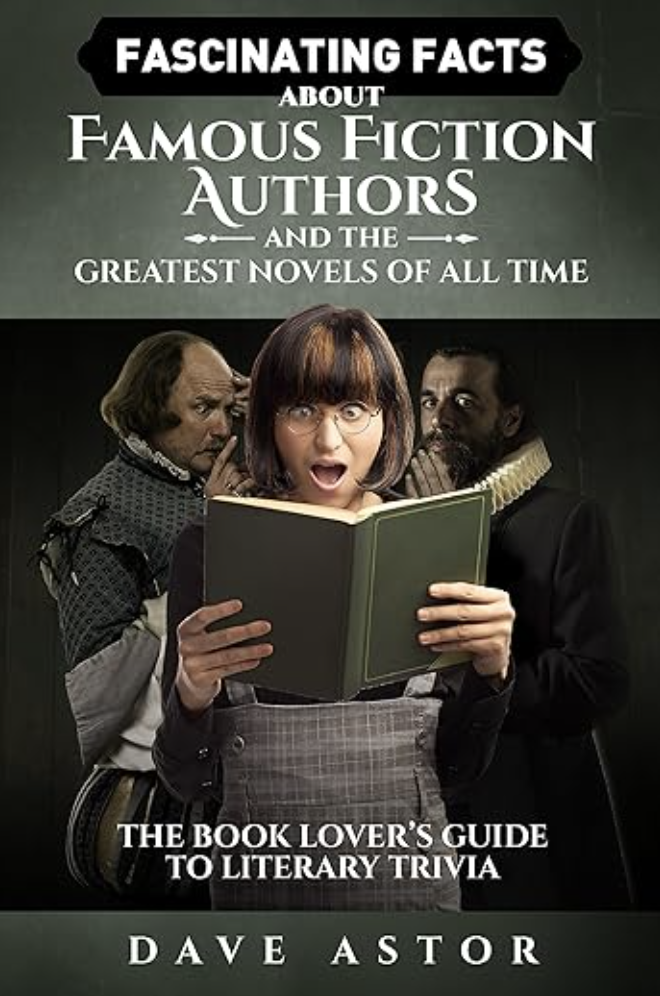
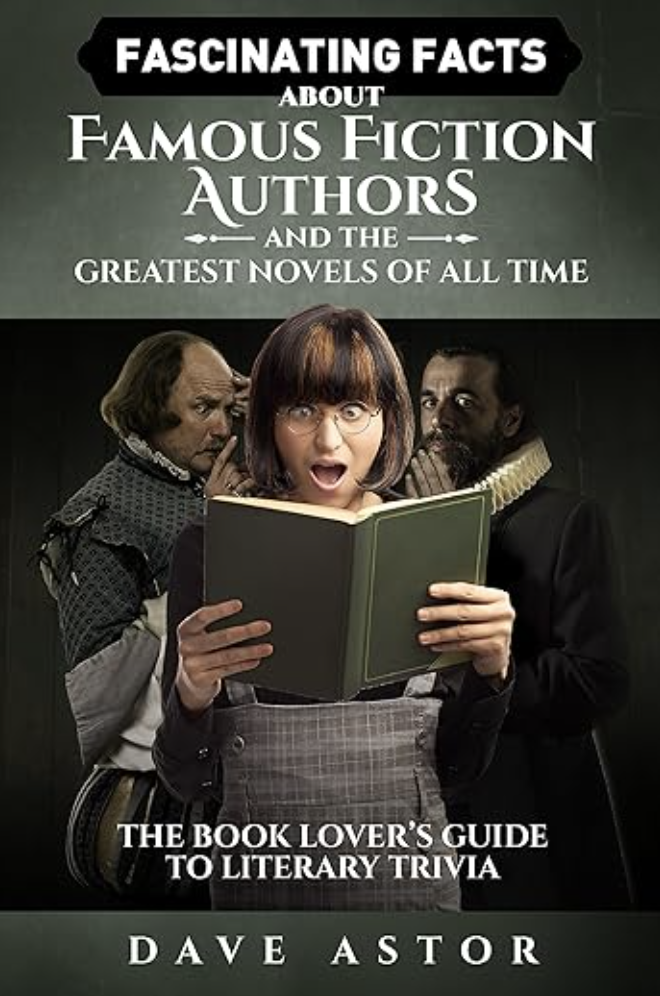
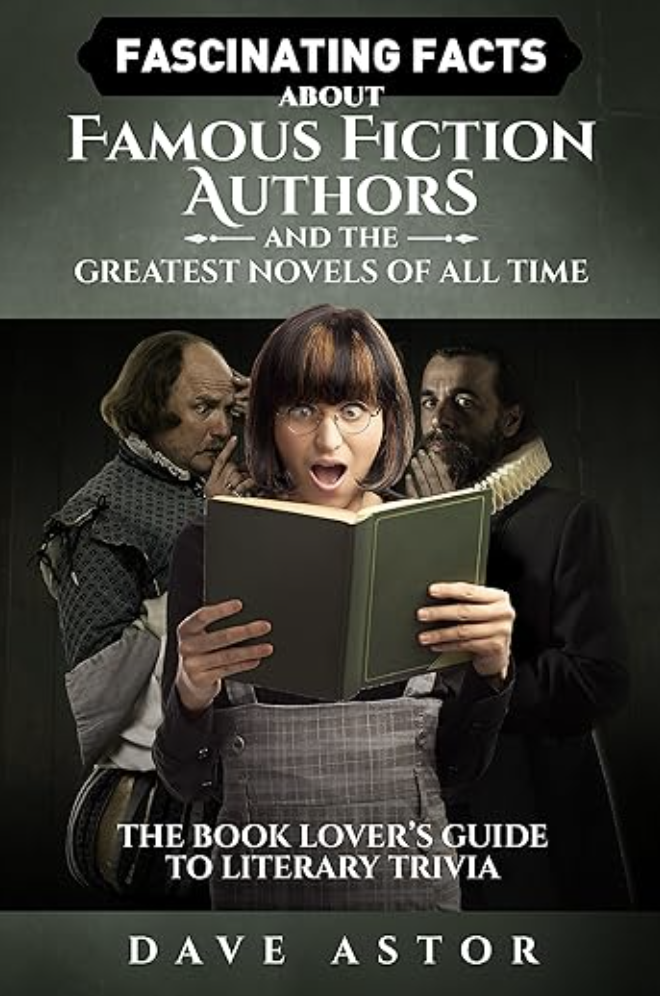
I’m also the author of a 2017 literary-trivia book…
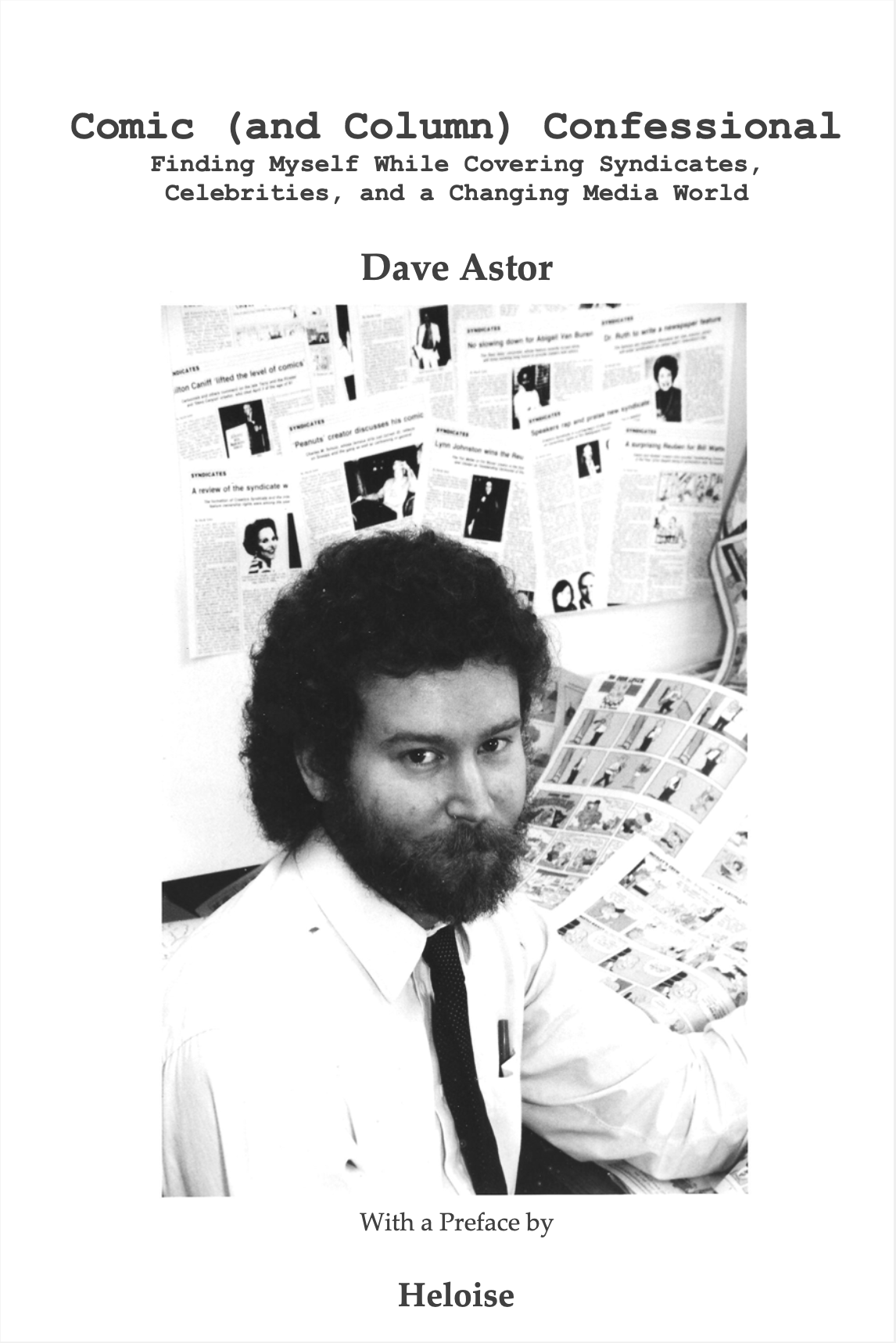
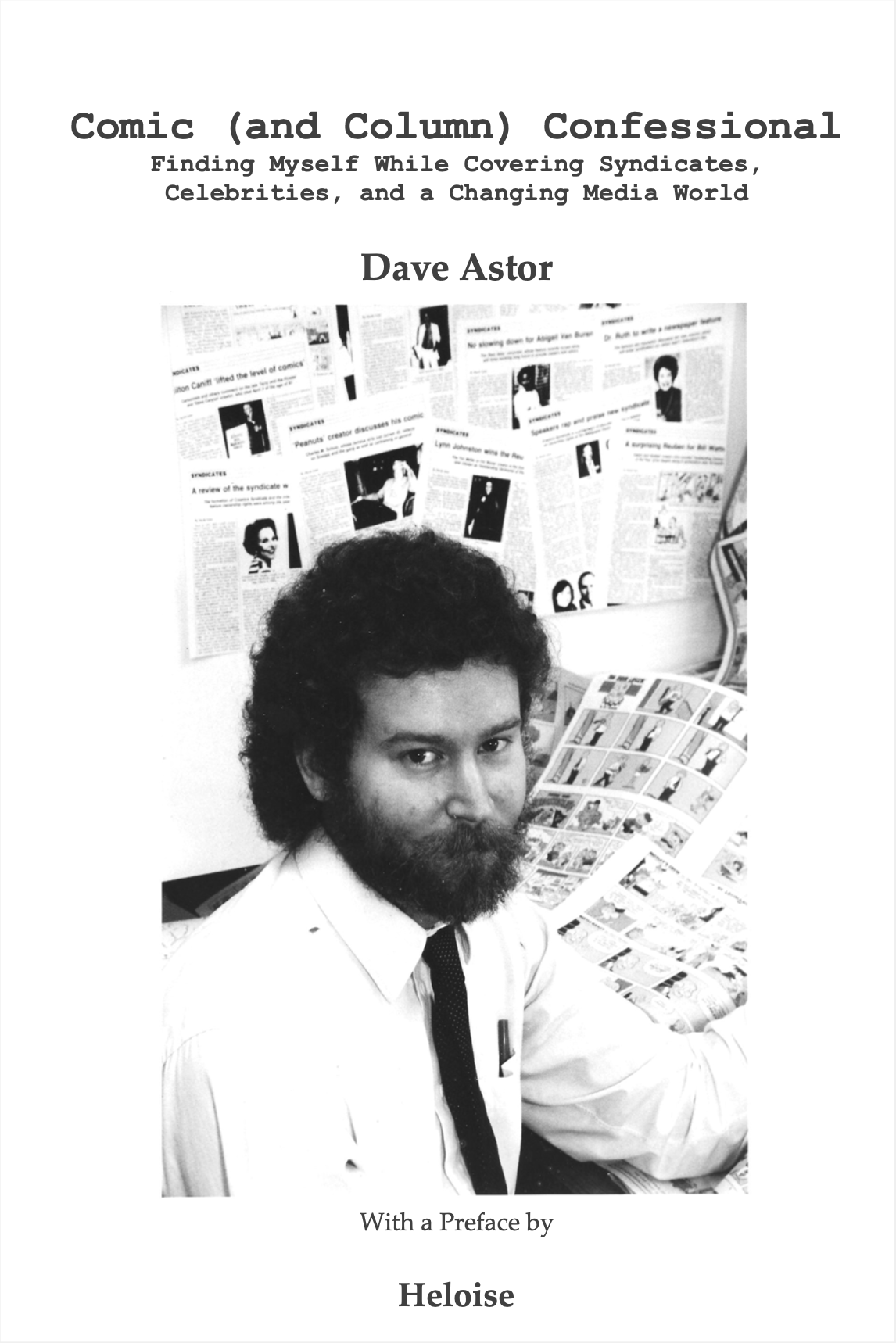
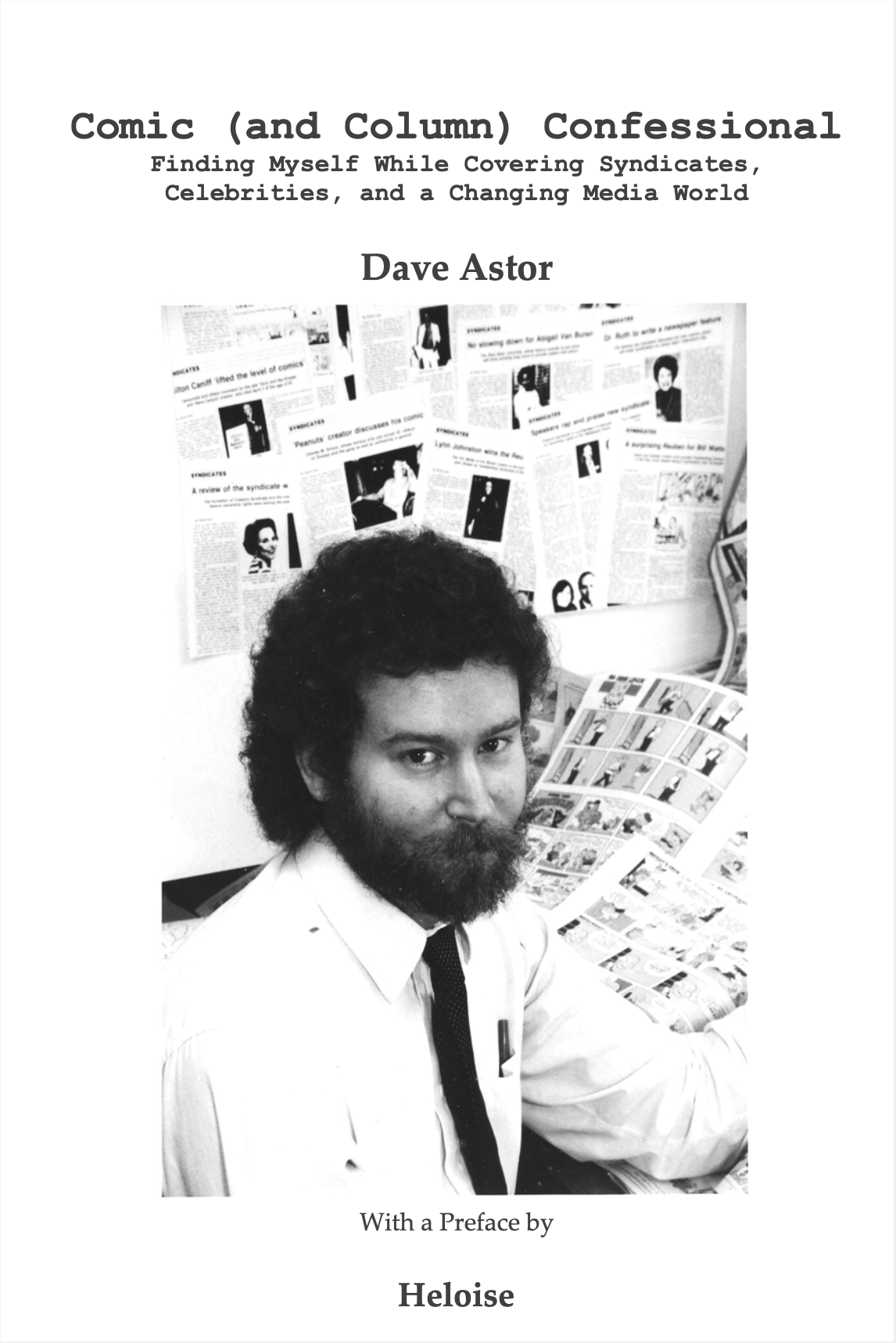
…and a 2012 memoir that focuses on cartooning and more, including many encounters with celebrities.
In addition to this weekly blog, I write the 2003-started/award-winning “Montclairvoyant” topical-humor column every Thursday for Montclair Local. The latest piece – which mixes discussion of a controversial electrical substation with sub-shop-sandwich silliness — is here.
Betrayal in Politics and Betrayal in Fiction

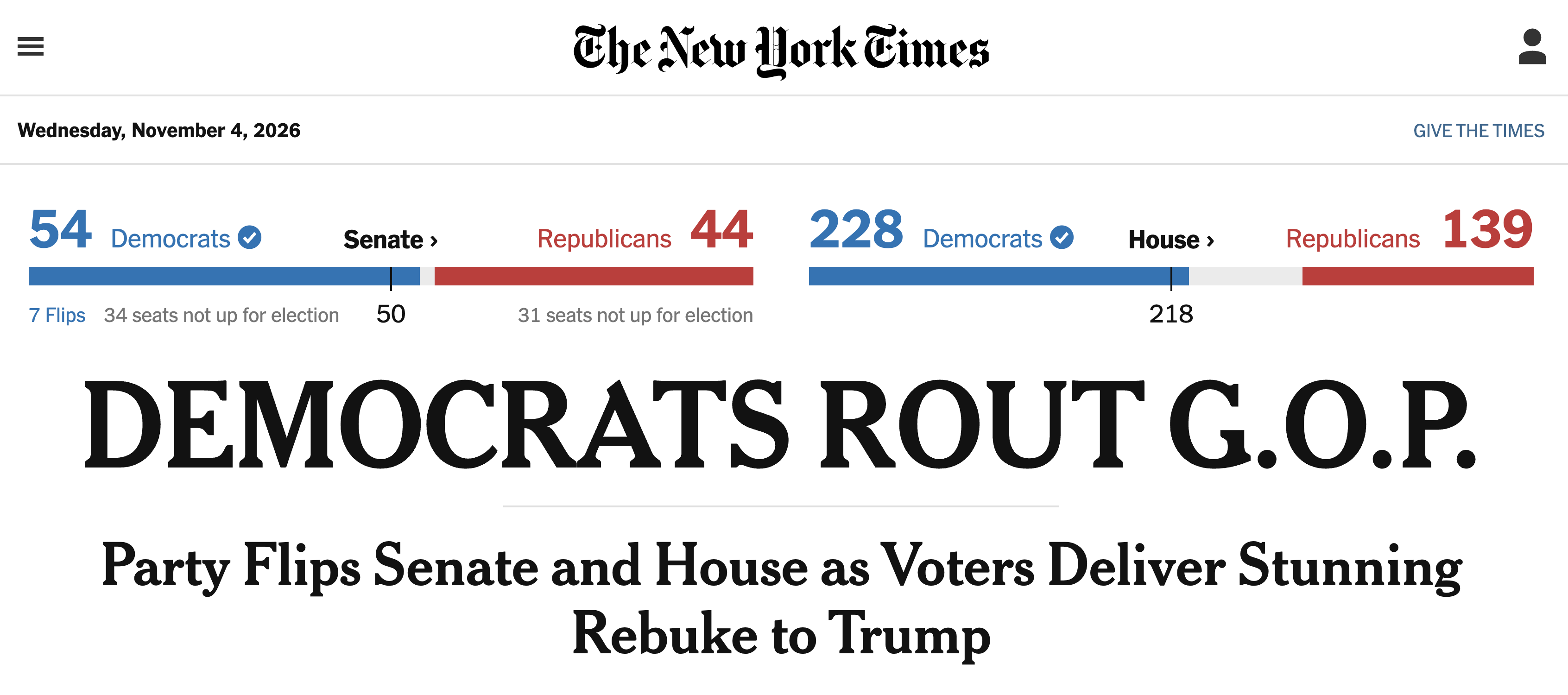
A screenshot of The New York Times website from the morning after the election.

Back in 2024, I discussed betrayal in literature. I’m going to repost that piece down below, while adding a few novels I’ve read during the past two years. But I’ll first talk about a political betrayal, and how it helped lead to the wonderful midterm election results in the United States this past Tuesday, November 3, when a large majority of the country FINALLY turned against the vicious Trump regime and his sycophantic fellow Republicans.

When seeking a return to the White House during his 2024 presidential campaign, Donald Trump’s promised no new wars and lower prices. The man is a pathological liar, of course, but enough people believed him to get him elected. (Trump’s blatant racism and some other things also helped him win two years ago.)

But Trump and Israel started the disastrous Iran War this year for no good reason – causing all kinds of death and destruction, and making the price of gas, food, and other necessities soar. Those betrayals of key campaign pledges – along with Trump’s loony tariff policies, blatant corruption, anti-immigrant cruelty, cover-up of the Epstein pedophilia/sex-trafficking scandal he was tied to, etc. – helped doom the chances of many Republican politicians in the recent midterms.

That said, here’s my post from two years ago about betrayal in literature. After that, I’ll add a few relevant novels I’ve read since then.

Portraying Betraying (October 20, 2024)

Betrayal is a Harold Pinter play, and betrayal in novels is the subject of this blog post.

Literature with a betrayal element can make for intense reading. We feel sympathy for the betrayed, anger at the person doing the betraying, curiosity about whether the betraying person will get their comeuppance, and more.

The Bad Daughter, a Joy Fielding novel I just finished, includes plenty of betrayal – most notably perpetrated by a vile real-estate developer who betrays his son by marrying that son’s fiancée and at the same time betrays one of his daughters because that fiancée was also the daughter’s best friend. Is the father’s betraying action why he gets shot in the book? The Bad Daughter is a suspenseful page-turner with several skillful red herrings, but is unfortunately marred by a surprise ending that doesn’t feel believable.

Another nasty/betraying dad not respectful of boundaries is Fyodor Karamazov, who’s enamored with the same woman (Grushenka) his son Dmitri is in love with in Fyodor Dostoevsky’s The Brothers Karamazov.

Monumentally betrayed is Edmond Dantes, who’s framed for a crime he didn’t commit in Alexandre Dumas’ The Count of Monte Cristo. A long imprisonment and epic revenge ensue.

Another 19th-century classic containing a memorable betrayal is George Eliot’s Silas Marner, whose title character is done wrong by his supposed best friend. This devastates Silas and changes the trajectory of his life in two profound ways – one bad and one good.

Modern fiction offers many other betrayals in addition to those in The Bad Daughter. For instance, the title character in Toni Morrison’s Sula and Nel are best friends when growing up, but Sula later has an affair with Nel’s husband. In Khaled Hosseini’s The Kite Runner, a cowardly Amir betrays his friend Hassan by not intervening when Hassan is attacked – and Amir’s longtime guilt subsequently drives the plot. Ian McEwan’s Atonement features a teen girl who betrays her older sister and that sister’s boyfriend by not-so-mistakenly accusing him of a rape he didn’t commit.

Betraying one’s country is also a thing, as Benedict Arnold did during the Revolutionary War. Arnold is among the real-life notables who have cameos in Diana Gabaldon’s (mostly) 18th-century-set Outlander series of novels.

–

Among the many novels I’ve read since 2024 that fit this theme are Gillian Flynn’s Gone Girl, in which the weird couple Amy and Nick continually betray each other so much it’s almost comical; Taylor Jenkins Reid’s Malibu Rising, in which rock star Mick Riva betrays his wife June and their children with abandonment amid constant womanizing; and John Grisham’s The Confession, in which the police and others frame an innocent Black teen for a rape and murder.

Any thoughts about, and/or examples of, this topic?

Misty the cat says: “Tuesday’s U.S. vote was so amazing that even three deer got elected.”

My comedic 2024 book – the part-factual/part-fictional/not-a-children’s-work Misty the Cat…Unleashed – is described and can be purchased on Amazon in paperback or on Kindle. It’s feline-narrated! (And Amazon reviews are welcome. 🙂 )

This 90-second promo video for the book features a talking cat: 🙂 (Not my voice. 🙂 )

I’m also the author of a 2017 literary-trivia book…

…and a 2012 memoir that focuses on cartooning and more, including many encounters with celebrities.

In addition to this weekly blog, I write the 2003-started/award-winning “Montclairvoyant” topical-humor column every Thursday for Montclair Local. The latest piece – which discusses the elections amid a Star Trek theme — is here.

Ranking 19th-Century Novelists

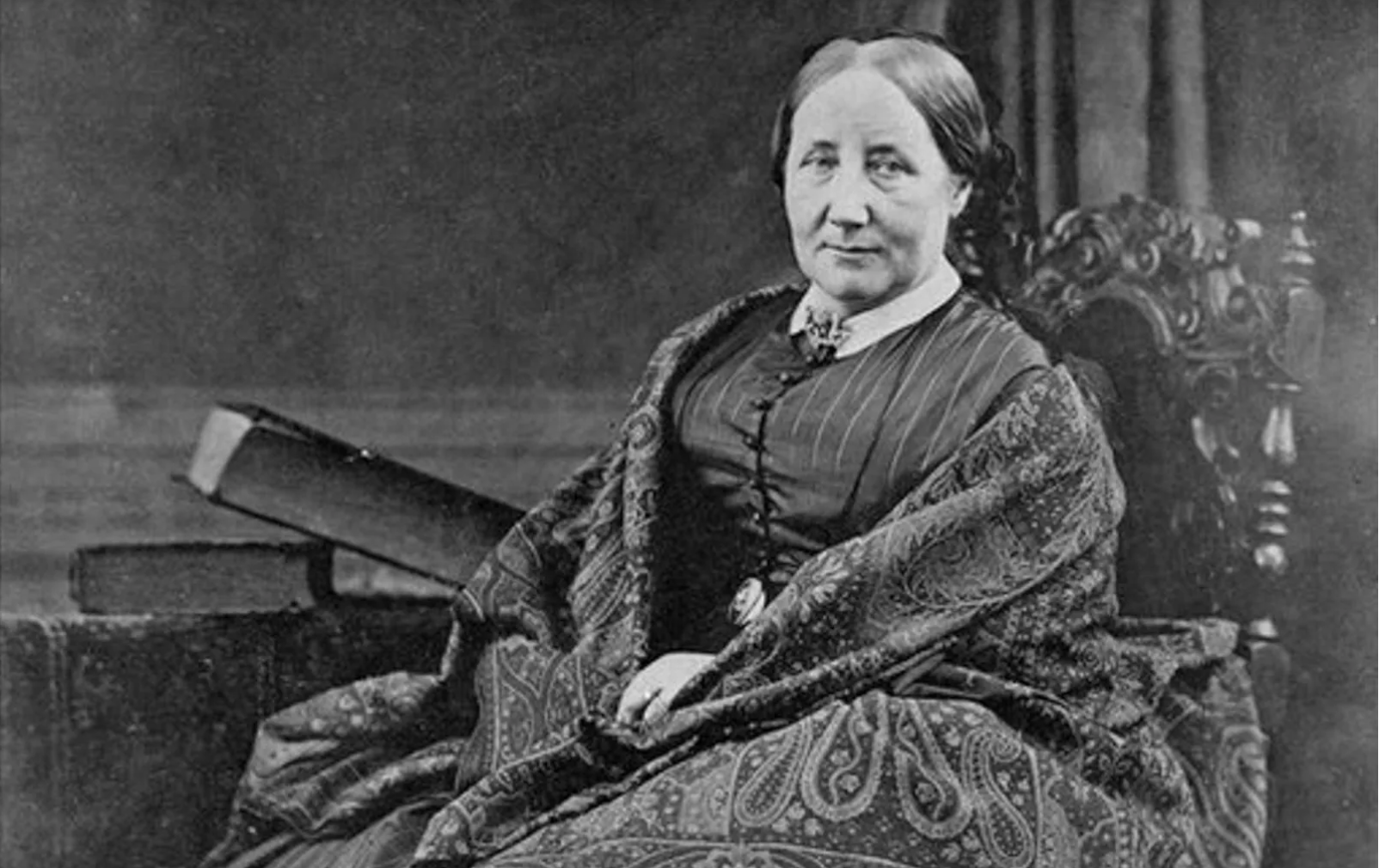
Elizabeth Gaskell

As I currently read Elizabeth Gaskell’s very good but not great 1848 book Mary Barton, I thought about the hierarchy of fiction authors in a 19th century that saw the blossoming of the novel as a form of writing.

There were of course the no-brainer superstars (whether fame came during or after their lives) who each wrote three, four, or in some cases many more memorable novels — including Jane Austen, Wilkie Collins, Charles Dickens, George Eliot, and Thomas Hardy of England; Walter Scott of Scotland; Honore de Balzac, Alexandre Dumas, Victor Hugo, and Emile Zola of France; Fyodor Dostoevsky and Leo Tolstoy of Russia; Nathaniel Hawthorne, Herman Melville, and Mark Twain of the United States; and Henry James of the U.S. and England.

There were also the excellent 19th-century authors who each wrote perhaps only one or two truly great novels, but those books were stone-cold classics. Among them were the Bronte sisters (Charlotte, Emily, and Anne), Louisa May Alcott, Gustave Flaubert, Nikolai Gogol, Alexander Pushkin, George Sand, Mary Shelley, Harriet Beecher Stowe, William Thackeray, and Ivan Turgenev.

Then there were the 1800s writers who were at times excellent, but might be classified in a tier slightly or significantly below the above authors. They included R.D. Blackmore, Lewis Carroll, Kate Chopin, Joseph Conrad, James Fenimore Cooper, William Dean Howells, Stendhal, Robert Louis Stevenson, Anthony Trollope, Oscar Wilde, and the aforementioned Gaskell, to name a few.

Mary Barton was Gaskell’s debut novel, and it takes a searing look at harsh working-class life and wide class divisions in 1839-1842 England while also offering some romantic intrigue. Why did I find the often-compelling book very good but not great? Well, it’s kind of wordy even by 19th-century-novel standards, and all the caused-at-least-partly-by-poverty death depicted in it – while realistic – can be overwhelming.

Before I go further, I should say that where I rank 19th-century novelists is strictly my own personal opinion; where you place them would likely differ. Heck, should I even be ranking authors? 🙂

Of course, there were also 1800s writers who were great in mostly a genre sort of way – whether that genre was sci-fi, horror, detective fiction, adventure, youth-oriented fiction, and so on. I’m thinking Arthur Conan Doyle, H. Rider Haggard, Edgar Allan Poe, Johanna Spyri (Heidi), Bram Stoker, Jules Verne, H.G. Wells, etc.

I’ll conclude by noting that this post only mentioned 19th-century novelists I’ve read. Some of them (such as Nikolai Gogol and Oscar Wilde) were also famous or more famous for short stories, plays, and/or other non-novel forms of writing. And the work of several of the included authors spilled at least somewhat into the 20th century.

Your thoughts on this topic? Agree or disagree with my rankings? Other 19th-century novelists you’d like to mention?

A final note: It was very sad to hear about the October 28 death of Patrick Stewart, 86, the magnificent actor whose wide range of roles included various Shakespeare characters and Captain Jean-Luc Picard on Star Trek: The Next Generation (one of my very favorite TV series). Relating to this week’s post, Stewart starred as well in a 1975 miniseries based on Elizabeth Gaskell’s 1855 novel North and South and as Ebenezer Scrooge in a 1999 TV production of Charles Dickens’ 1843 novella A Christmas Carol. Stewart also played every character in that Dickens book in an acclaimed one-man stage production.

Misty the cat asks: “Why am I moving forward when the clocks just went back?”

My comedic 2024 book – the part-factual/part-fictional/not-a-children’s-work Misty the Cat…Unleashed – is described and can be purchased on Amazon in paperback or on Kindle. It’s feline-narrated! (And Amazon reviews are welcome. 🙂 )

This 90-second promo video for the book features a talking cat: 🙂 (Not my voice. 🙂 )

I’m also the author of a 2017 literary-trivia book…

…and a 2012 memoir that focuses on cartooning and more, including many encounters with celebrities.

In addition to this weekly blog, I write the 2003-started/award-winning “Montclairvoyant” topical-humor column every Thursday for Montclair Local. The latest piece – about the upcoming November elections in my town and the U.S. – is here.