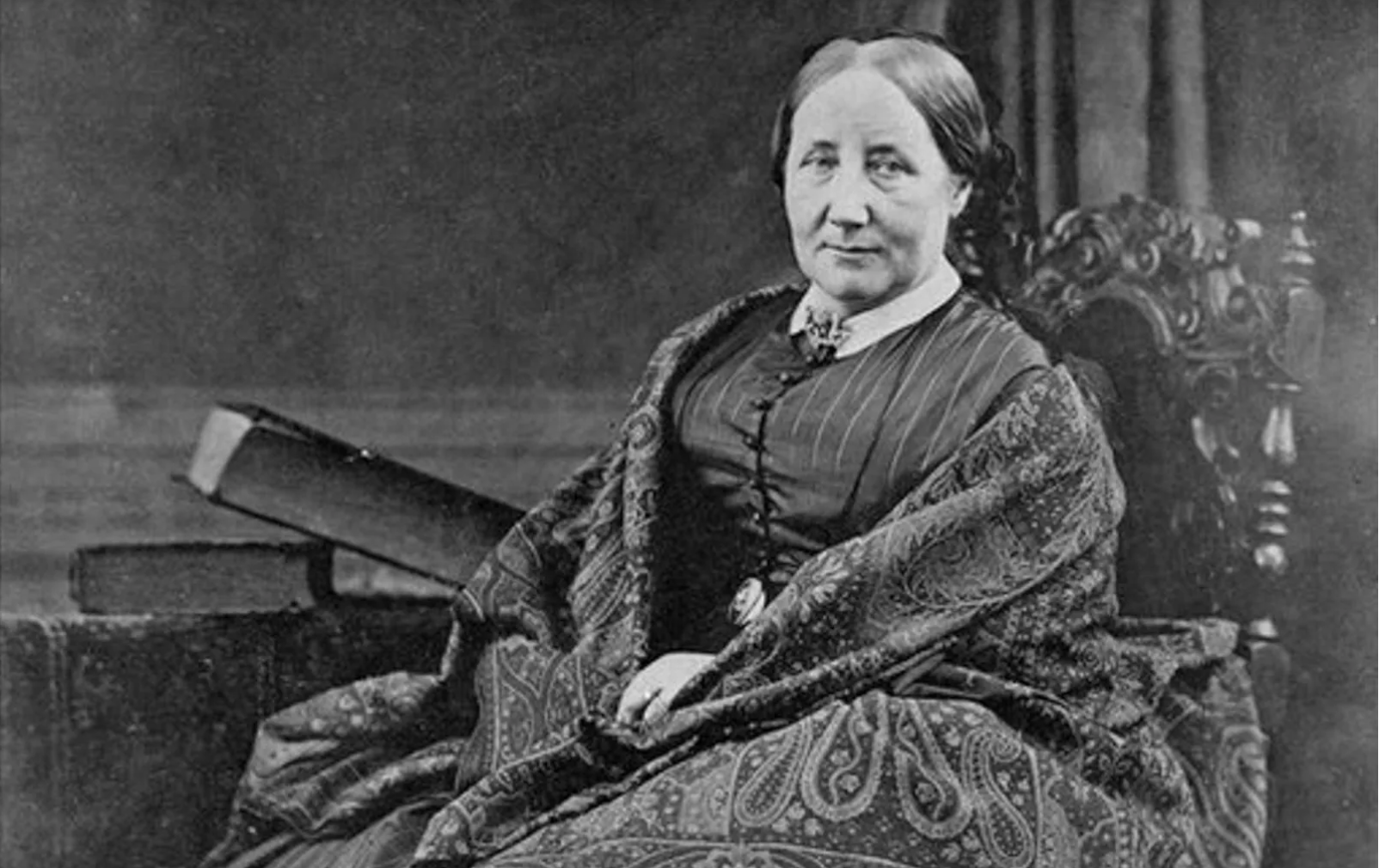
Elizabeth Gaskell
As I currently read Elizabeth Gaskell’s very good but not great 1848 book Mary Barton, I thought about the hierarchy of fiction authors in a 19th century that saw the blossoming of the novel as a form of writing.
There were of course the no-brainer superstars (whether fame came during or after their lives) who each wrote three, four, or in some cases many more memorable novels — including Jane Austen, Wilkie Collins, Charles Dickens, George Eliot, and Thomas Hardy of England; Walter Scott of Scotland; Honore de Balzac, Alexandre Dumas, Victor Hugo, and Emile Zola of France; Fyodor Dostoevsky and Leo Tolstoy of Russia; Nathaniel Hawthorne, Herman Melville, and Mark Twain of the United States; and Henry James of the U.S. and England.
There were also the excellent 19th-century authors who each wrote perhaps only one or two truly great novels, but those books were stone-cold classics. Among them were the Bronte sisters (Charlotte, Emily, and Anne), Louisa May Alcott, Gustave Flaubert, Nikolai Gogol, Alexander Pushkin, George Sand, Mary Shelley, Harriet Beecher Stowe, William Thackeray, and Ivan Turgenev.
Then there were the 1800s writers who were at times excellent, but might be classified in a tier slightly or significantly below the above authors. They included R.D. Blackmore, Lewis Carroll, Kate Chopin, Joseph Conrad, James Fenimore Cooper, William Dean Howells, Stendhal, Robert Louis Stevenson, Anthony Trollope, Oscar Wilde, and the aforementioned Gaskell, to name a few.
Mary Barton was Gaskell’s debut novel, and it takes a searing look at harsh working-class life and wide class divisions in 1839-1842 England while also offering some romantic intrigue. Why did I find the often-compelling book very good but not great? Well, it’s kind of wordy even by 19th-century-novel standards, and all the caused-at-least-partly-by-poverty death depicted in it – while realistic – can be overwhelming.
Before I go further, I should say that where I rank 19th-century novelists is strictly my own personal opinion; where you place them would likely differ. Heck, should I even be ranking authors? 🙂
Of course, there were also 1800s writers who were great in mostly a genre sort of way – whether that genre was sci-fi, horror, detective fiction, adventure, youth-oriented fiction, and so on. I’m thinking Arthur Conan Doyle, H. Rider Haggard, Edgar Allan Poe, Johanna Spyri (Heidi), Bram Stoker, Jules Verne, H.G. Wells, etc.
I’ll conclude by noting that this post only mentioned 19th-century novelists I’ve read. Some of them (such as Nikolai Gogol and Oscar Wilde) were also famous or more famous for short stories, plays, and/or other non-novel forms of writing. And the work of several of the included authors spilled at least somewhat into the 20th century.
Your thoughts on this topic? Agree or disagree with my rankings? Other 19th-century novelists you’d like to mention?
A final note: It was very sad to hear about the October 28 death of Patrick Stewart, 86, the magnificent actor whose wide range of roles included various Shakespeare characters and Captain Jean-Luc Picard on Star Trek: The Next Generation (one of my very favorite TV series). Relating to this week’s post, Stewart starred as well in a 1975 miniseries based on Elizabeth Gaskell’s 1855 novel North and South and as Ebenezer Scrooge in a 1999 TV production of Charles Dickens’ 1843 novella A Christmas Carol. Stewart also played every character in that Dickens book in an acclaimed one-man stage production.
Misty the cat asks: “Why am I moving forward when the clocks just went back?”
My comedic 2024 book – the part-factual/part-fictional/not-a-children’s-work Misty the Cat…Unleashed – is described and can be purchased on Amazon in paperback or on Kindle. It’s feline-narrated! (And Amazon reviews are welcome. 🙂 )
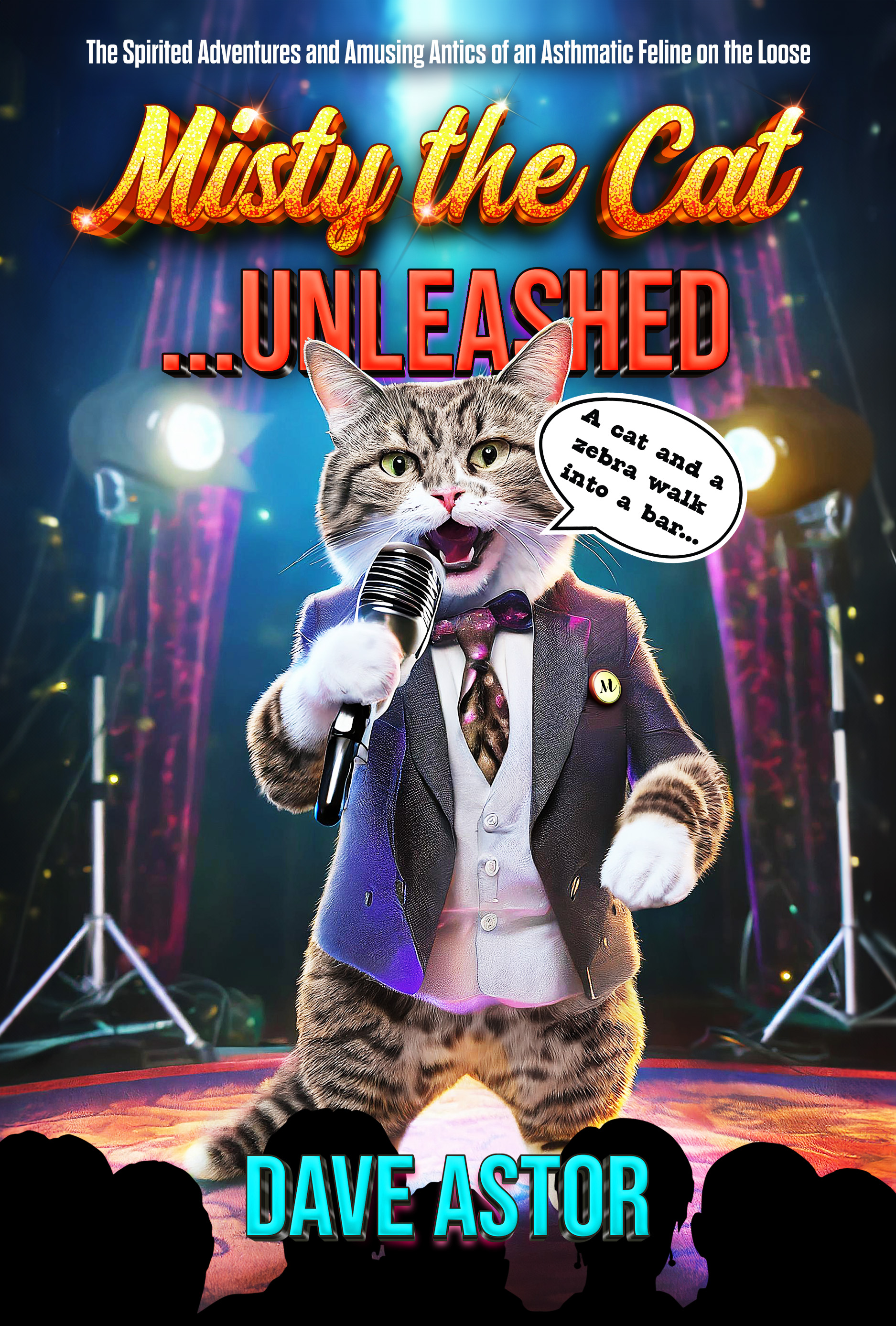
This 90-second promo video for the book features a talking cat: 🙂 (Not my voice. 🙂 )
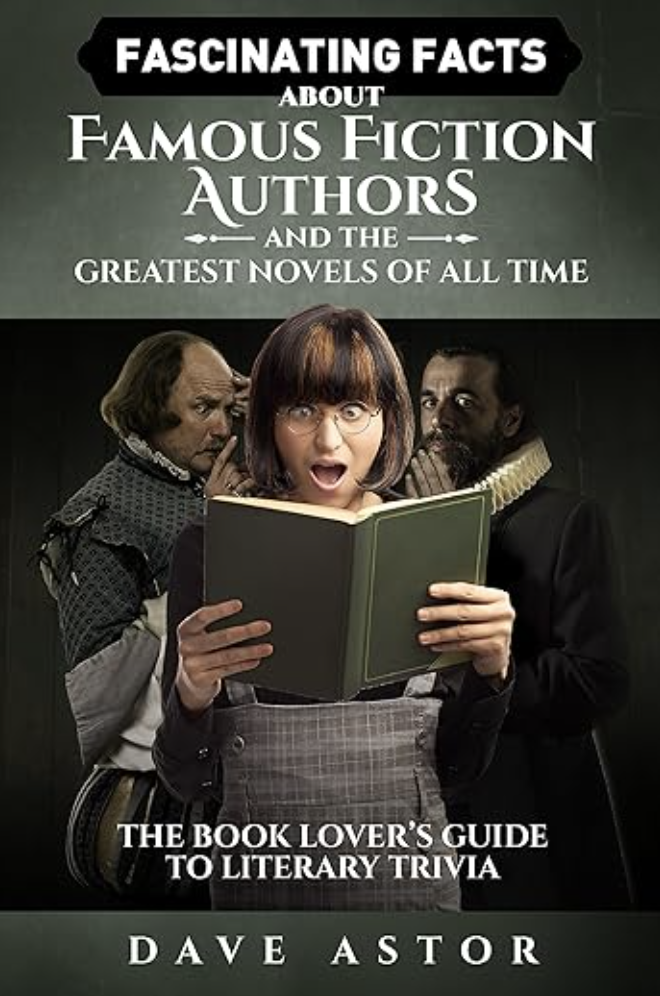
I’m also the author of a 2017 literary-trivia book…
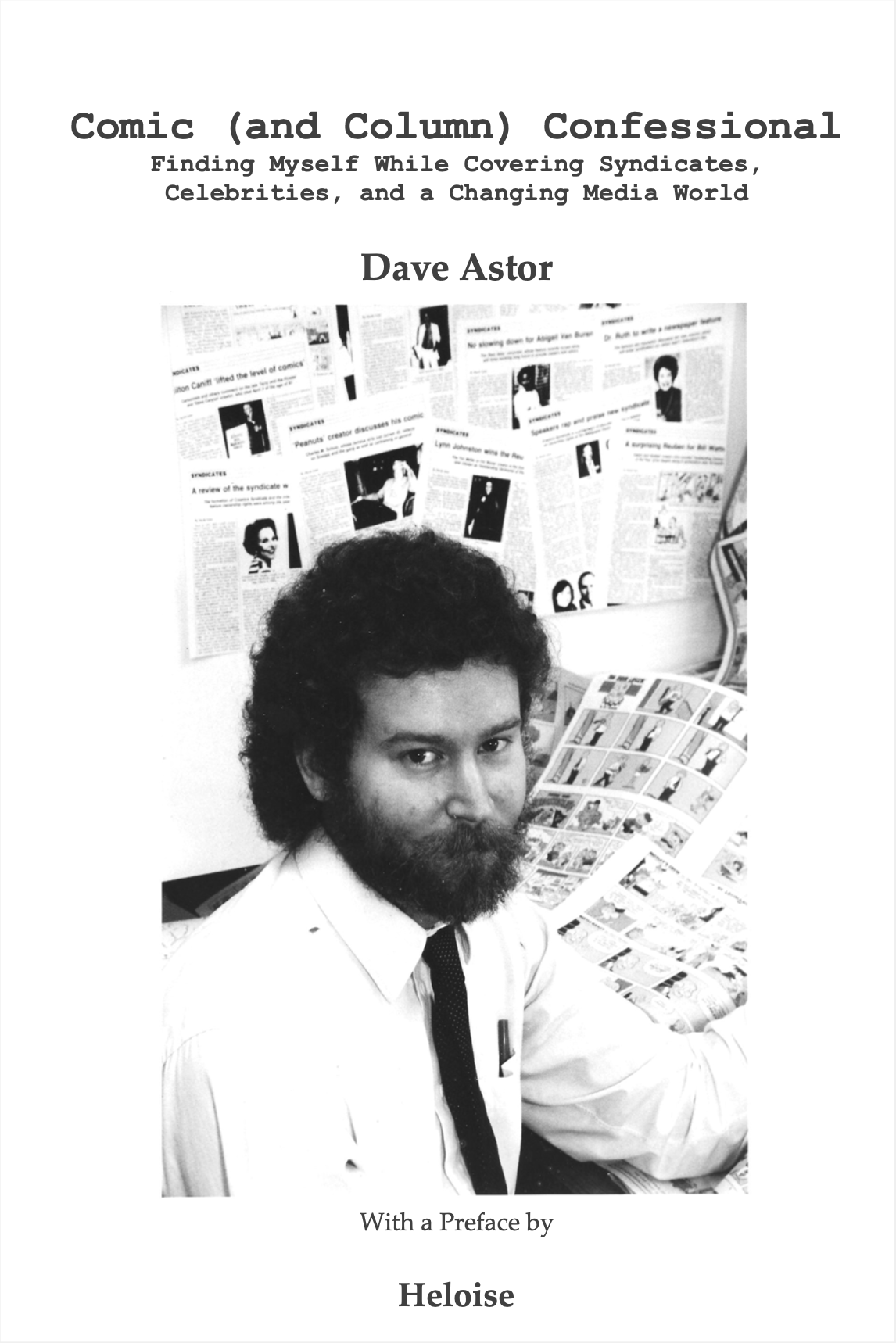
…and a 2012 memoir that focuses on cartooning and more, including many encounters with celebrities.
In addition to this weekly blog, I write the 2003-started/award-winning “Montclairvoyant” topical-humor column every Thursday for Montclair Local. The latest piece – about the upcoming November elections in my town and the U.S. – is here.


What a coincidence; my next classic to read is Cranford by Mrs. Gaskell. (Yes, that is how it was published!) I’ll let you know what I think.
LikeLiked by 1 person
Thank you, Darlene! I liked “Cranford,” which, as you probably know, is basically a collection of related short stories as novel. And, yes, that “Mrs. Gaskell” author name. Feels kind of cringe now, but it was a different time…
LikeLiked by 1 person
I remember my mother getting letters in the mail to Mrs. Herbert Frisch. Even as a child, I questioned why it was dad’s name and not hers. I look forward to reading Cranford.
LikeLike
Good question about ranking authors. I think it’s a natural inclination. Actors get ranked, why not authors, too?
LikeLiked by 1 person
Thank you, Marie! Yes, ranking can be enjoyable and hard to resist — and it helps if one is totally open to the fact that other people will give authors, actors, and others different rankings. 🙂
LikeLike