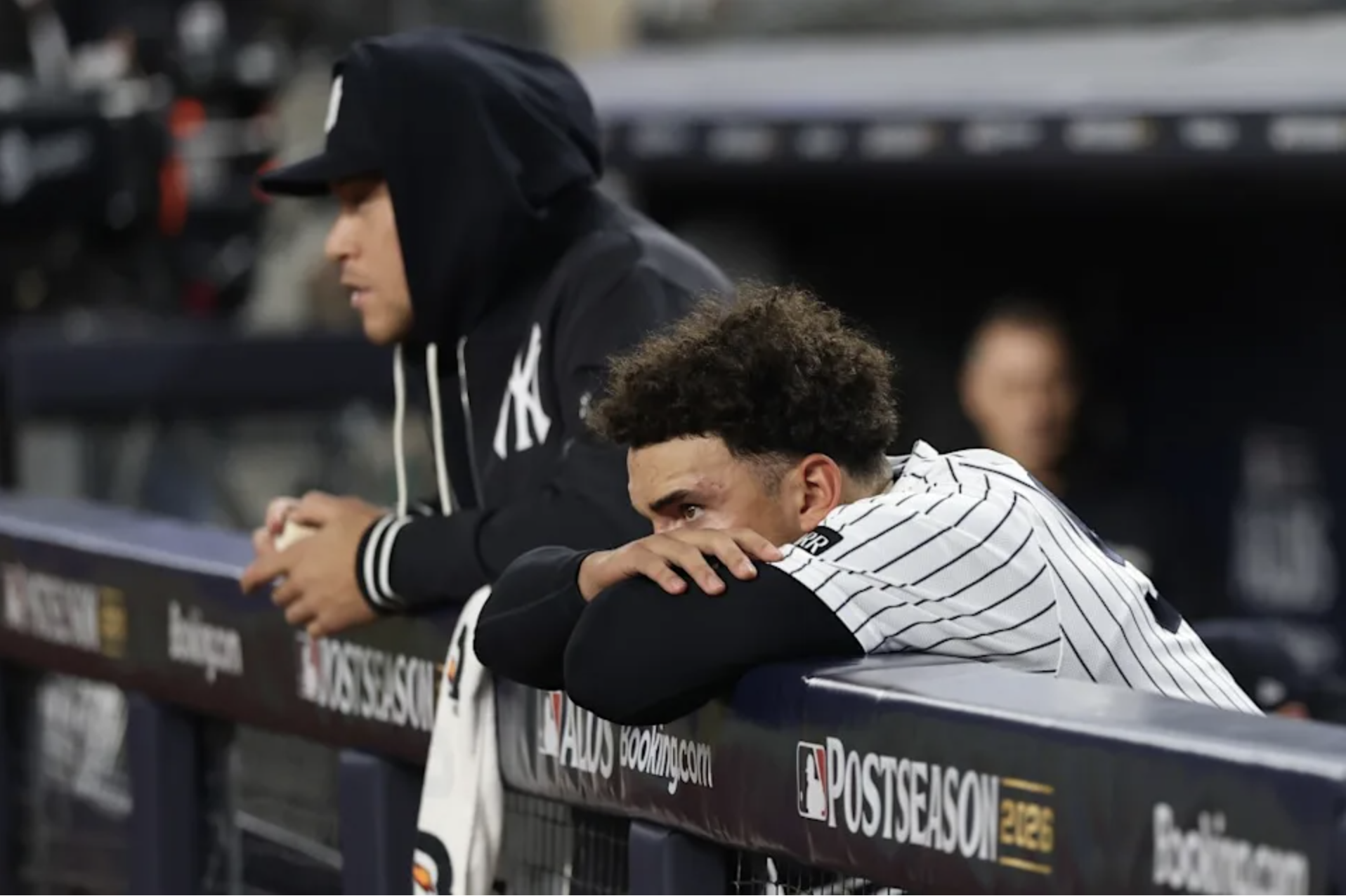
A forlorn Yankees dugout. (Getty Images.)
With the New York Yankees eliminated from the playoffs again last week despite having one of the highest payrolls in baseball, it’s time to take a swing at the topic of underachievers. In literature.
There are various reasons why fictional characters underachieve. Laziness, being spoiled, making dumb decisions, having psychological issues, having some physical or mental disability, etc. And there are cases where underachieving is a good thing – like, say, choosing a more-relaxing lifestyle over a frantic, high-paying job.
Our first underachiever to discuss is Tom Tulliver of George Eliot’s The Mill on the Floss. He’s from an initially affluent family, is favored over his smarter sister Maggie during an intensely patriarchal 19th-century, and so on, but becomes only somewhat successful. Why? For one thing, Tom is not that intelligent despite have some drive and practical skills, and he’s not very capable of “thinking outside the box.”
Another 19th-century character, Isabel Archer of Henry James’ The Portrait of a Lady, also has advantages: smarts, kindness, good looks, an inheritance, some independence. But she gets manipulated into a miserable marriage, and seems too wedded to conventionality to possibly get out of it. Again, a very patriarchal time and place in which to live.
Then there are bright characters whose lives are blighted well into adulthood because of the responsibility they feel, or are browbeaten into feeling, toward problematic parents.
For instance, the title character of Honore de Balzac’s Eugenie Grandet devotes much of her young-adult life to her not-nice, miserly father – essentially assuming the role of her late mother/his late wife.
In Daphne du Maurier’s The Parasites, daughter Celia in the theatrical Delaney family has a lot of drawing talent, but doesn’t pursue that craft as she devotes most of her time to doing stuff for her self-centered, demanding father.
Ignatius J. Reilly of John Kennedy Toole’s A Confederacy of Dunces is a pretty smart guy. But he’s too lazy, too eccentric, and too…various other things to make a success of his life.
Holden Caulfield of J.D. Salinger’s The Catcher in the Rye is also brainy, but drifts through his young life with self-centered and alienated thoughts.
Moving briefly away from novels, famous fictional underachievers include the title character of Herman Melville’s short story “Bartleby, the Scrivener” and Willy Loman of Arthur Miller’s play “Death of a Salesman.”
Of course, novels can feature upward or downward arcs in underachievement and achievement. One upward example is Sydney Carton, of Charles Dickens’ A Tale of Two Cities, who has an unsuccessful life until choosing heroic redemption. One downward example is Gervaise Macquart, of Emile Zola’s The Drinking Den, who painstakingly builds a successful life as a businesswoman until being dragged down by her once-admirable roofer husband after an injury sends him spiraling into alcoholism.
Your thoughts about, and examples of, this topic?
Misty the cat says: “My apartment-complex inspection has turned up no ‘Lord of the Rings’ orcs.”
My comedic 2024 book — the part-factual/part-fictional/not-a-children’s-work Misty the Cat…Unleashed — is described and can be purchased on Amazon in paperback or on Kindle. It’s feline-narrated! (And Amazon reviews are welcome. 🙂 )
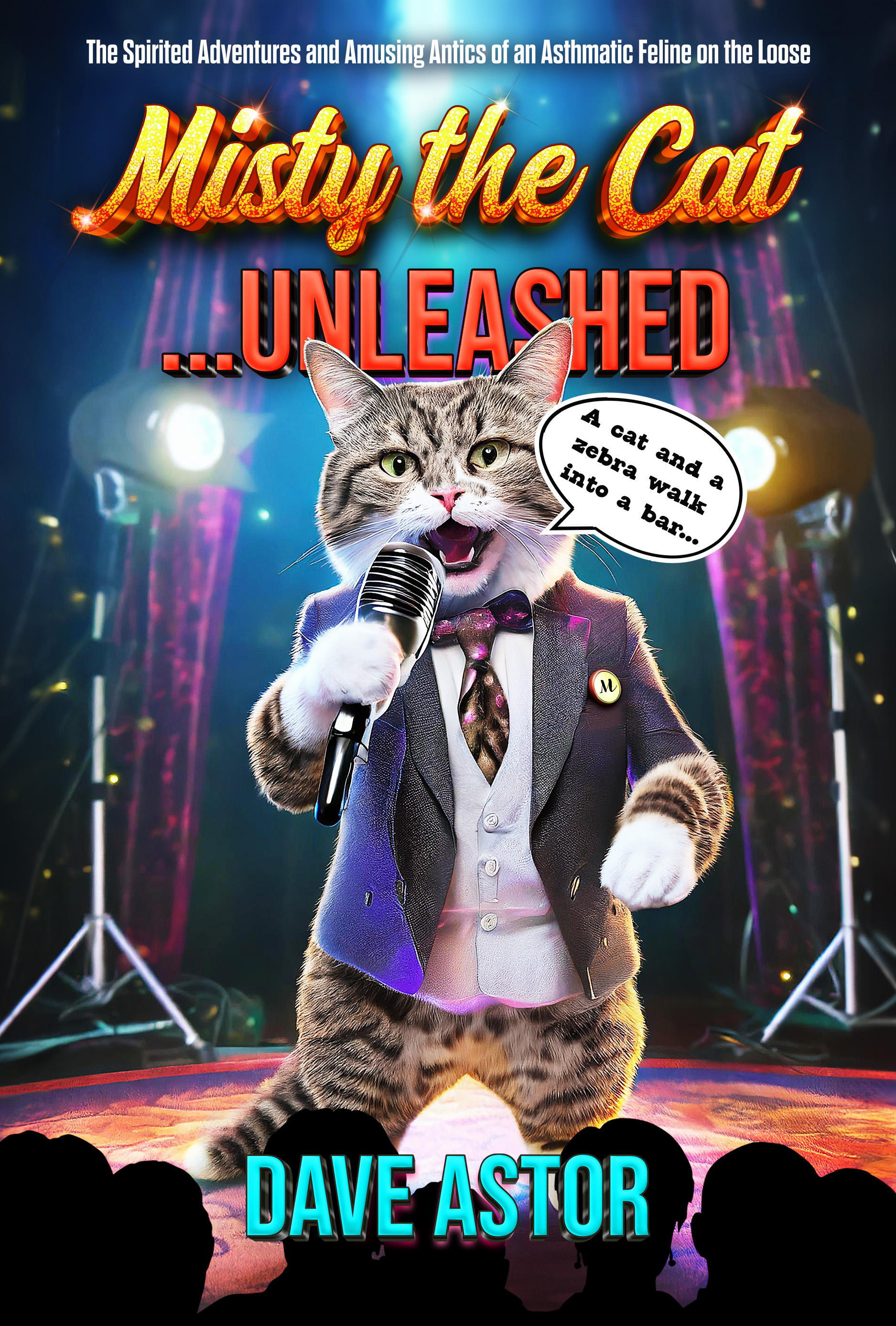
This 90-second promo video for the book features a talking cat: 🙂 (Not my voice. 🙂 )
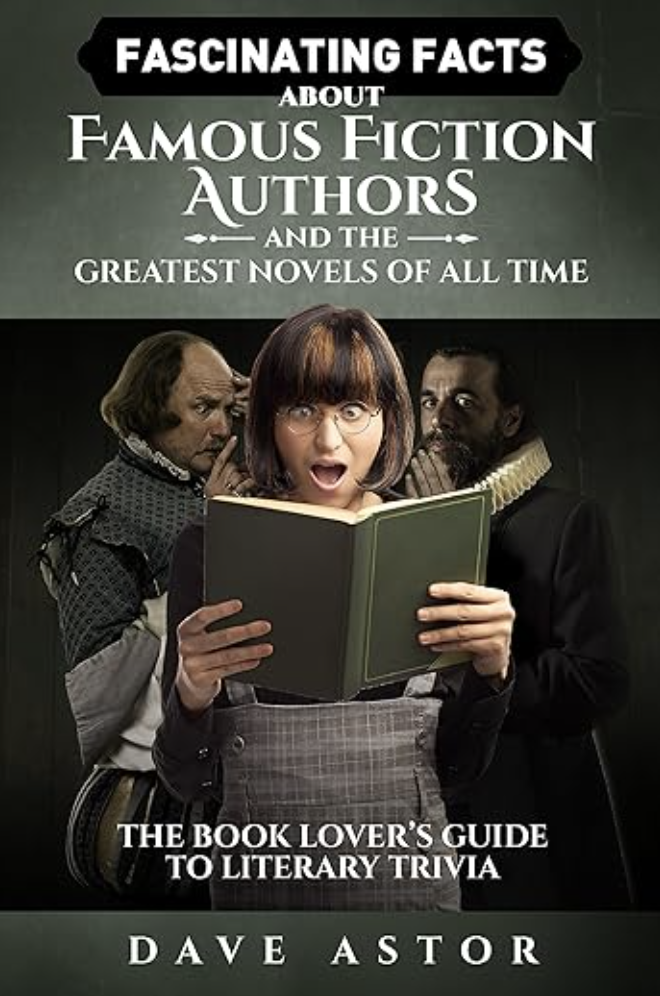
I’m also the author of a 2017 literary-trivia book…
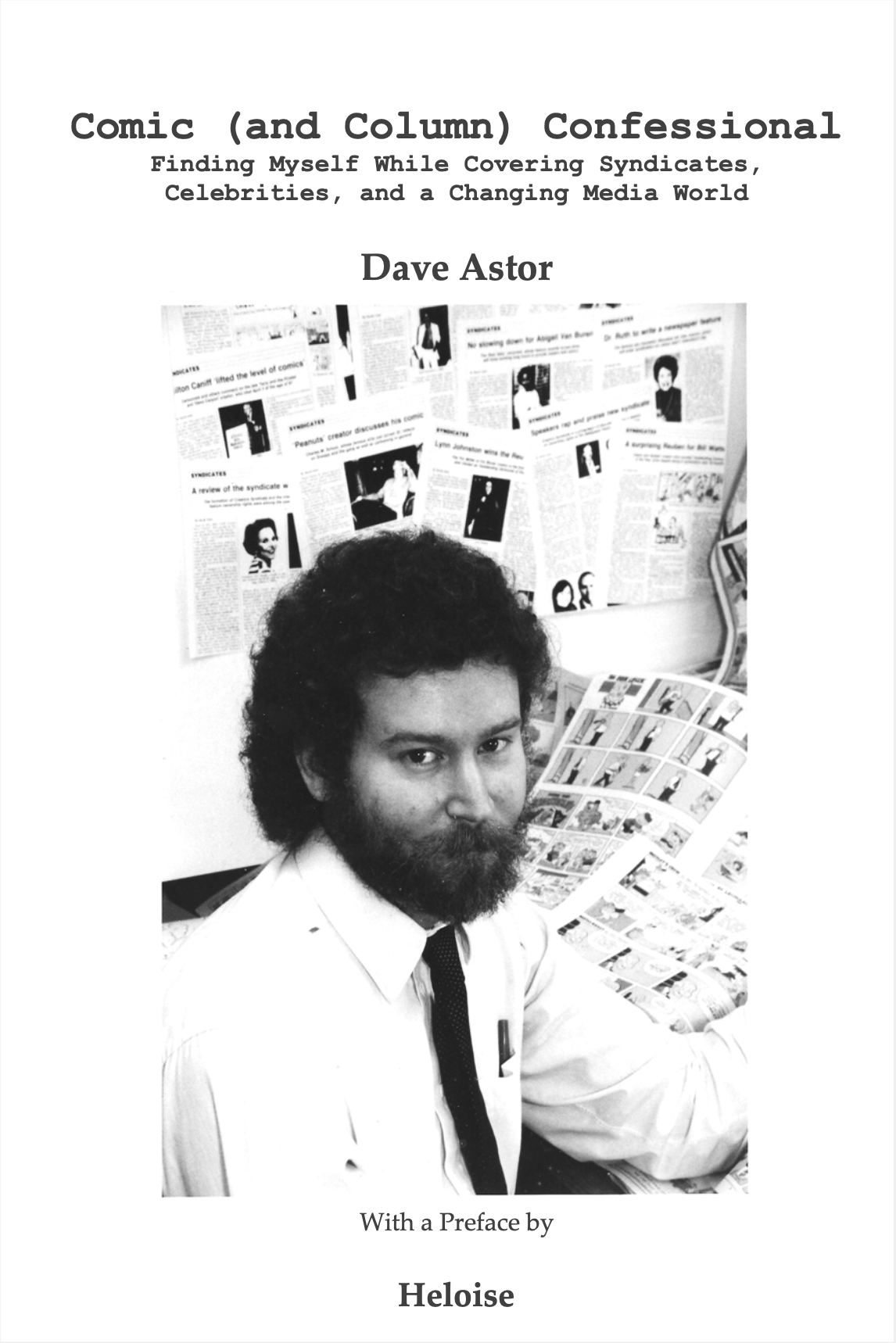
…and a 2012 memoir that focuses on cartooning and more, including many encounters with celebrities.
In addition to this weekly blog, I write the 2003-started/award-winning “Montclairvoyant” topical-humor column every Thursday for Montclair Local. The latest piece – which covers parking, privacy, and polling places — is here.


Excellent examples! I’m only familiar with a few of the books you mentioned. I guess I’m an underachiever in reading about underachievers. 🙂
LikeLiked by 1 person
Ha, Marie! 😂 Great line. 🙂 Thank you for the comment!
LikeLike