Memorable Book Titles

Time to talk titles of novels again! The names of books are very important, of course, and can be good in a utilitarian sort of way or very memorable. Today, I’m going to focus on the latter.

This topic occurred to me last week as I read The Late Show by Michael Connelly. It’s a page-turning start of a series featuring Renee Ballard, a Los Angeles police officer of Polynesian descent who deals with crime on her beat and sexism within her department. The novel’s title is perfectly fine — Ballard works the night shift in the 2017 book — but not one for the ages.

What are some titles for the ages? Looking at my list of novels I’ve read since starting this blog in 2014, here are a number of those that stood out:

Colorless Tsukuru Tazaki and His Years of Pilgrimage, Haruki Murakami’s 2013 novel starring a Japanese railroad engineer. A many-worded title that’s almost guaranteed to spark a reader’s curiosity.

There’s also Hotel on the Corner of Bitter and Sweet (2009), Jamie Ford’s poetically named historical novel that hinges on the U.S. government’s disgraceful internment of Japanese-Americans during World War II.

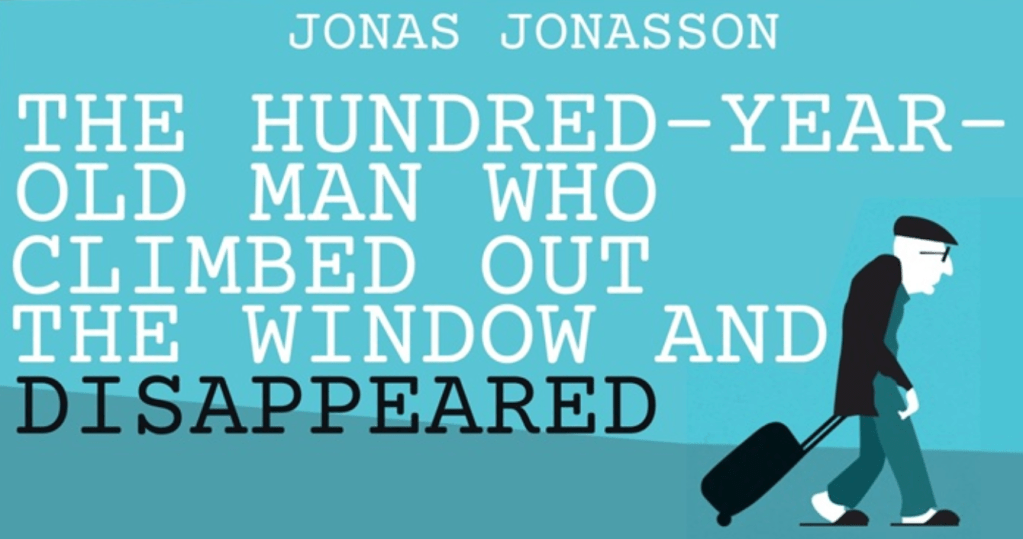
The 100-Year-Old Man Who Climbed Out the Window and Disappeared! That title of Jonas Jonasson’s 2009 novel is unusually long, and descriptively grabs one’s interest. A bit clunky, too, but…

Then there’s The Case of the Deadly Butter Chicken (2012), one of the India-set novels in Tarquin Hall’s series featuring private investigator Vish Puri.

The title of Jesse Walter’s The Financial Lives of Poets (2009) gets readers’ attention as they contemplate the left-brain/right-brain thing.

How about My Grandmother Asked Me to Tell You She’s Sorry (2013)? Fredrik Backman, who is most famous for authoring A Man Called Ove, doesn’t need to apologize for his intriguing nine-word title.

Also in 2013, Fannie Flagg created quite a title with The All-Girl Filling Station’s Last Reunion — whose characters include a woman who was a World War II aviator.

The alluring and alliterative title of Jane Smiley’s Perestroika in Paris (2020) throws readers a curve because it’s not about political reform a la late-1980s Soviet Union but about an interesting horse.

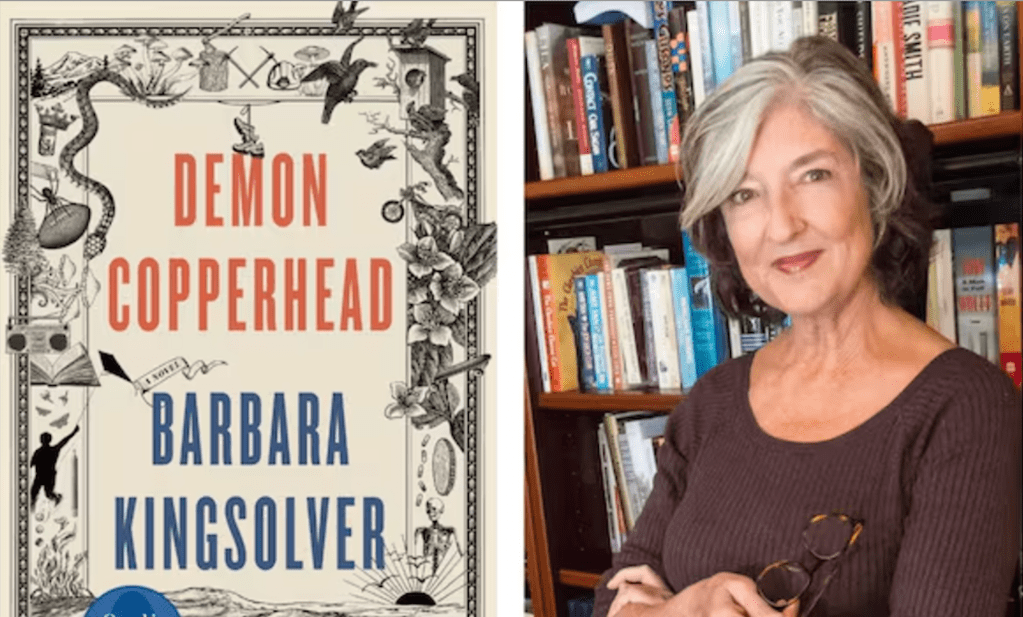
Barbara Kingsolver’s Demon Copperhead takes the oft-used route of naming a novel after its title character, but what an unusual name that character has! A name that riffs on David Copperfield, star of the 1850 Charles Dickens classic that served as a quasi-template for Kingsolver’s 2022 book.

And lest we focus only on 21st-century novels with noteworthy names, there’s Janet Frame’s Yellow Flowers in the Antipodean Room (1969), about a supposedly dead man who turns out to be very much alive.

Some of the more memorably titled novels you’ve read?

Misty the cat says: “My college human is home for Thanksgiving weekend and majoring in Walking Me.”

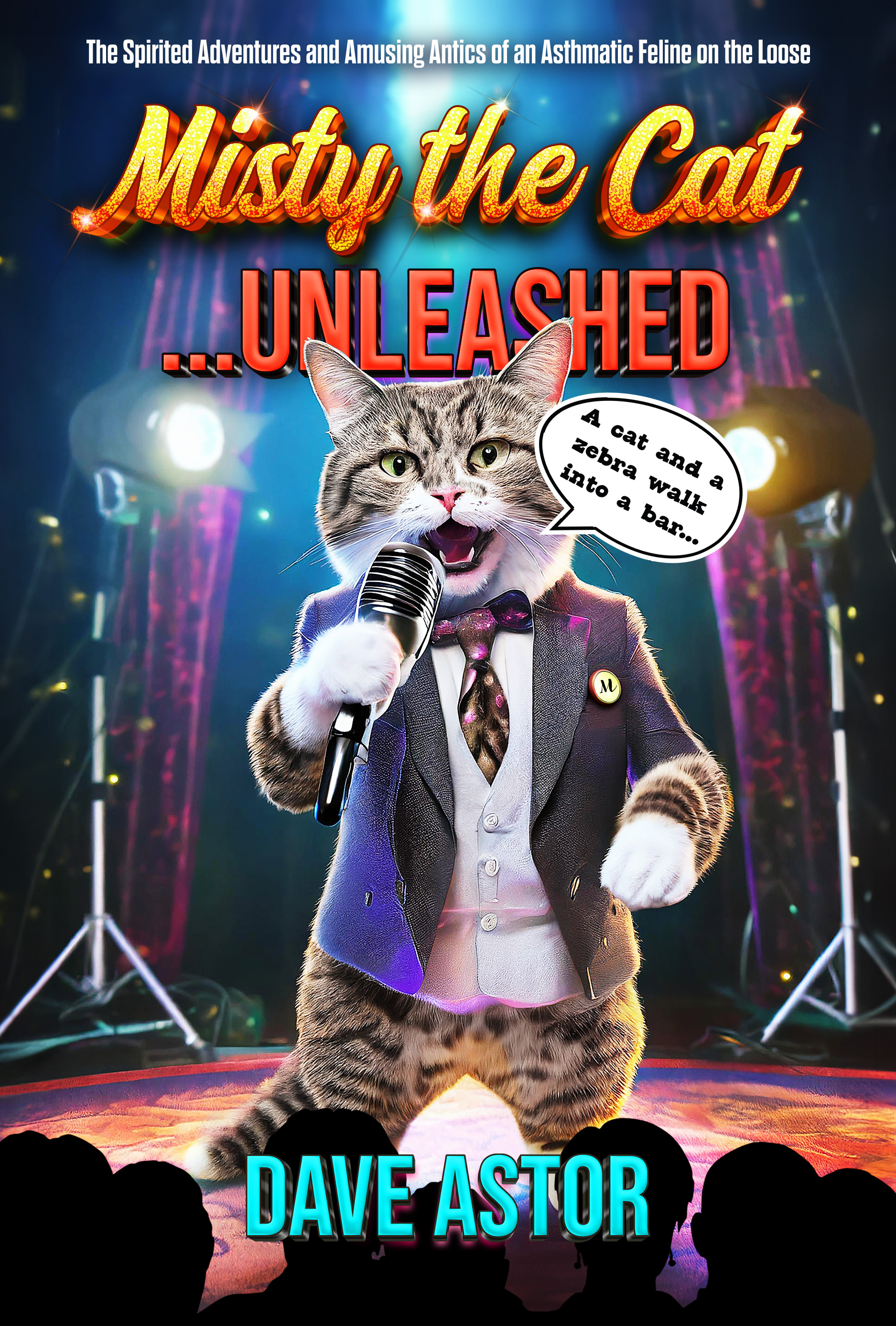
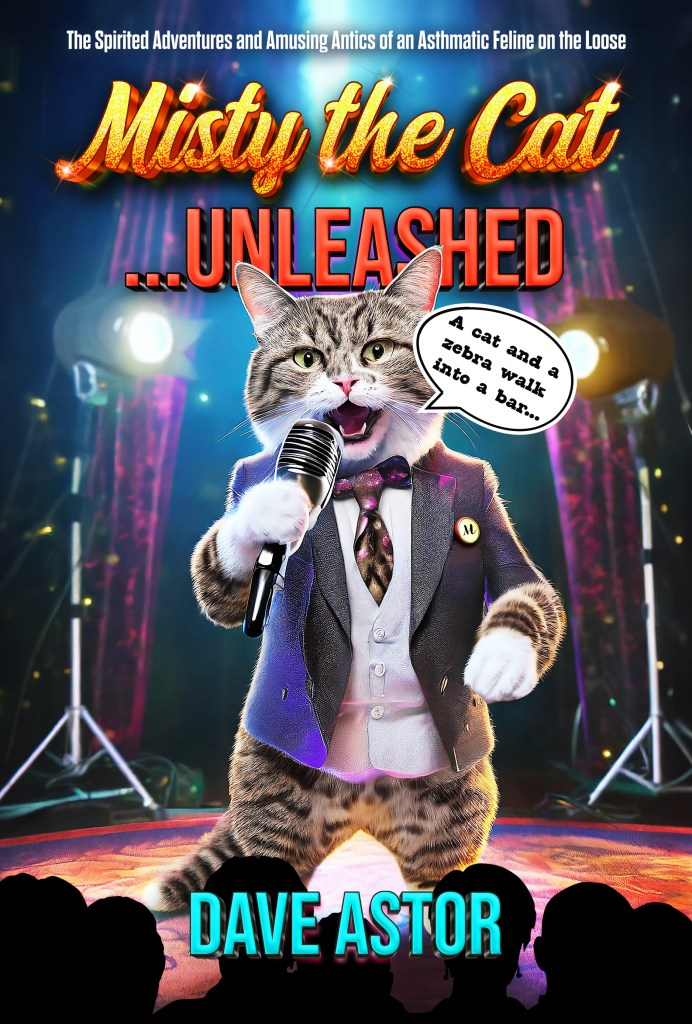
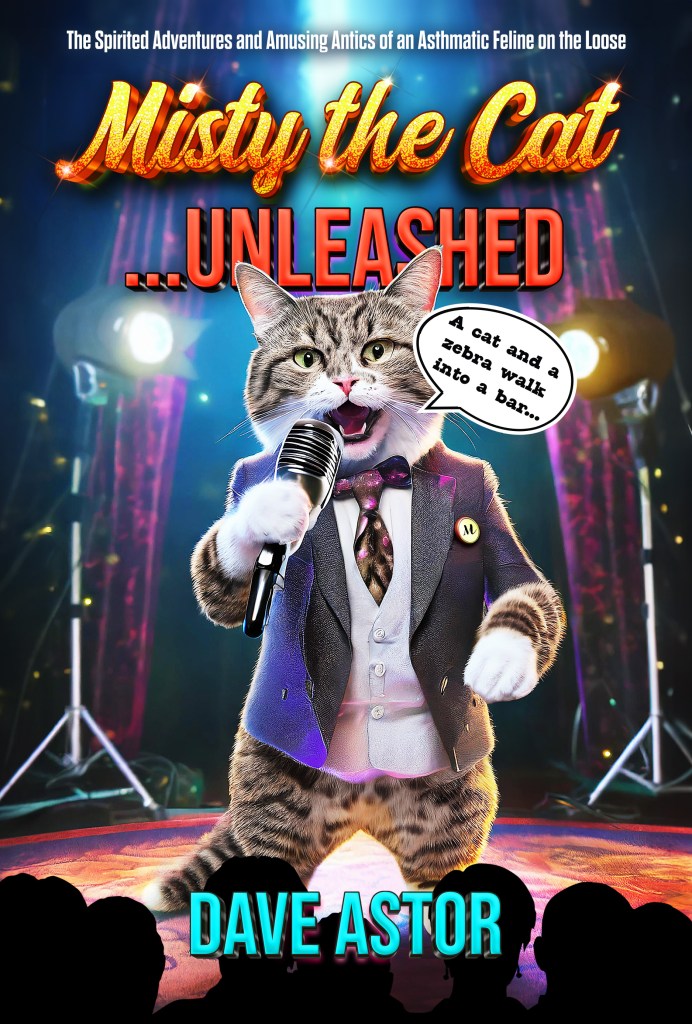
My comedic 2024 book — the part-factual/part-fictional/not-a-children’s-work Misty the Cat…Unleashed — is described and can be purchased on Amazon in paperback or on Kindle. It’s feline-narrated! (And Amazon reviews are welcome. 🙂 )
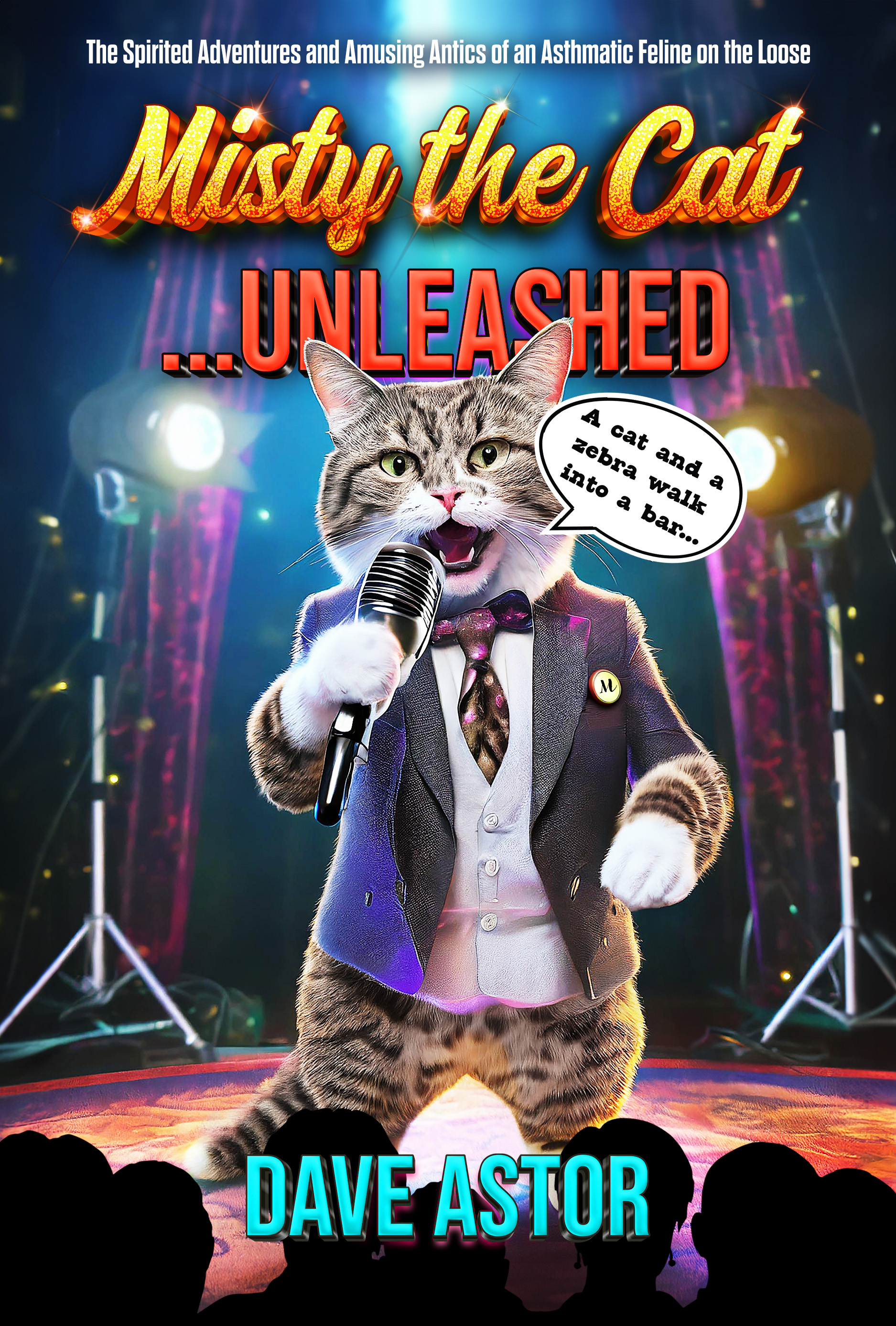
This 90-second promo video for the book features a talking cat: 🙂

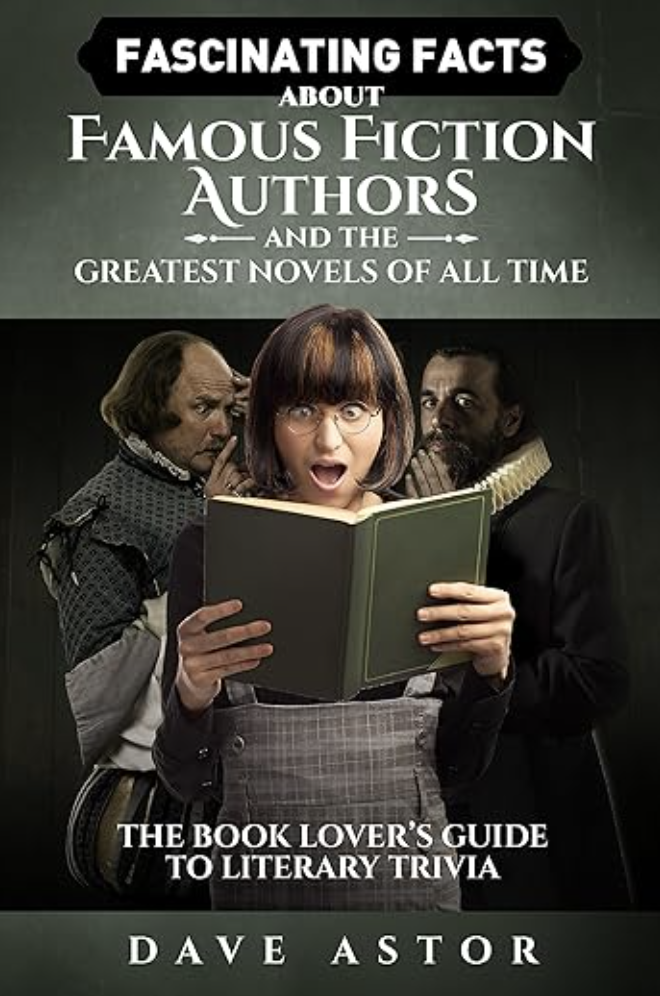
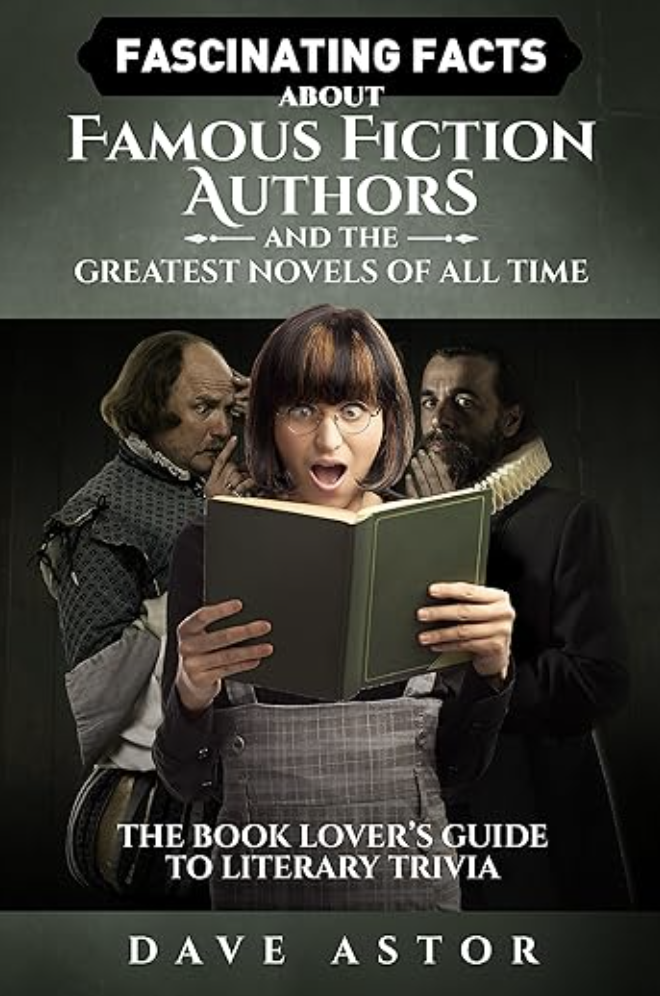
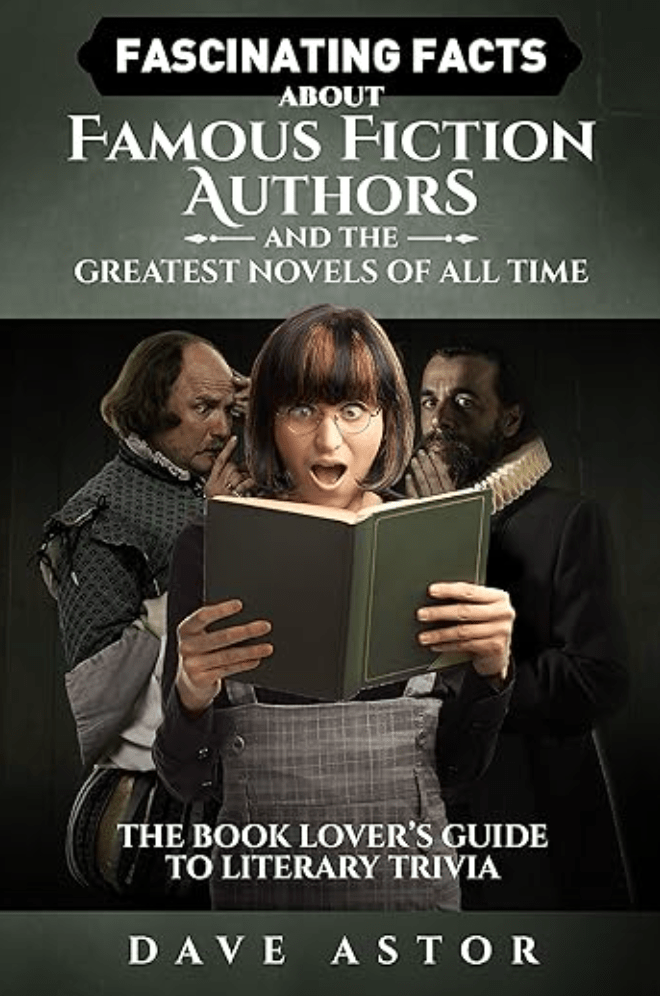
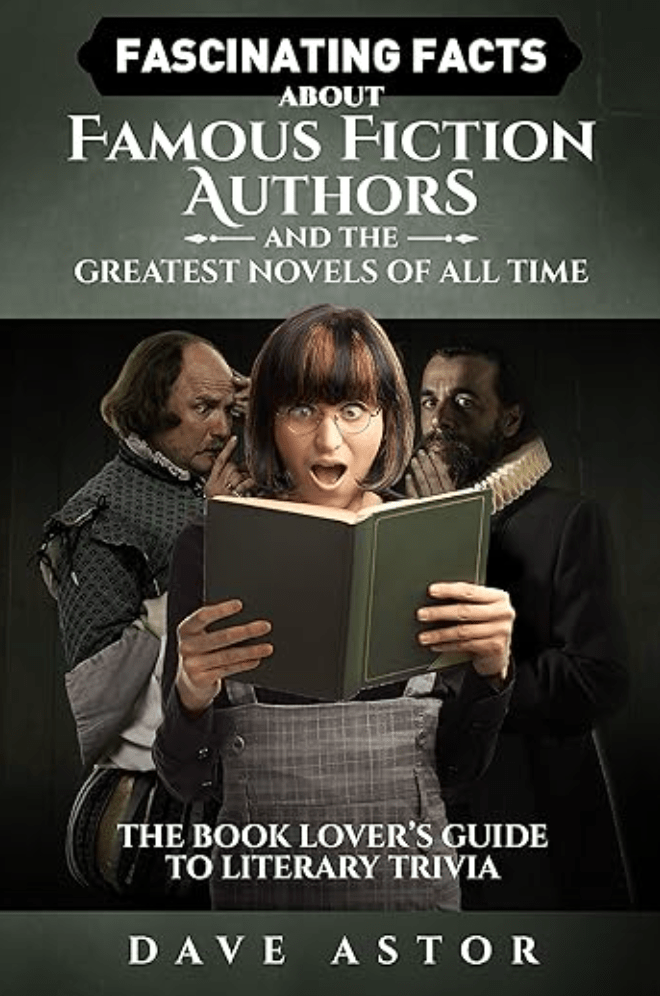
I’m also the author of a 2017 literary-trivia book

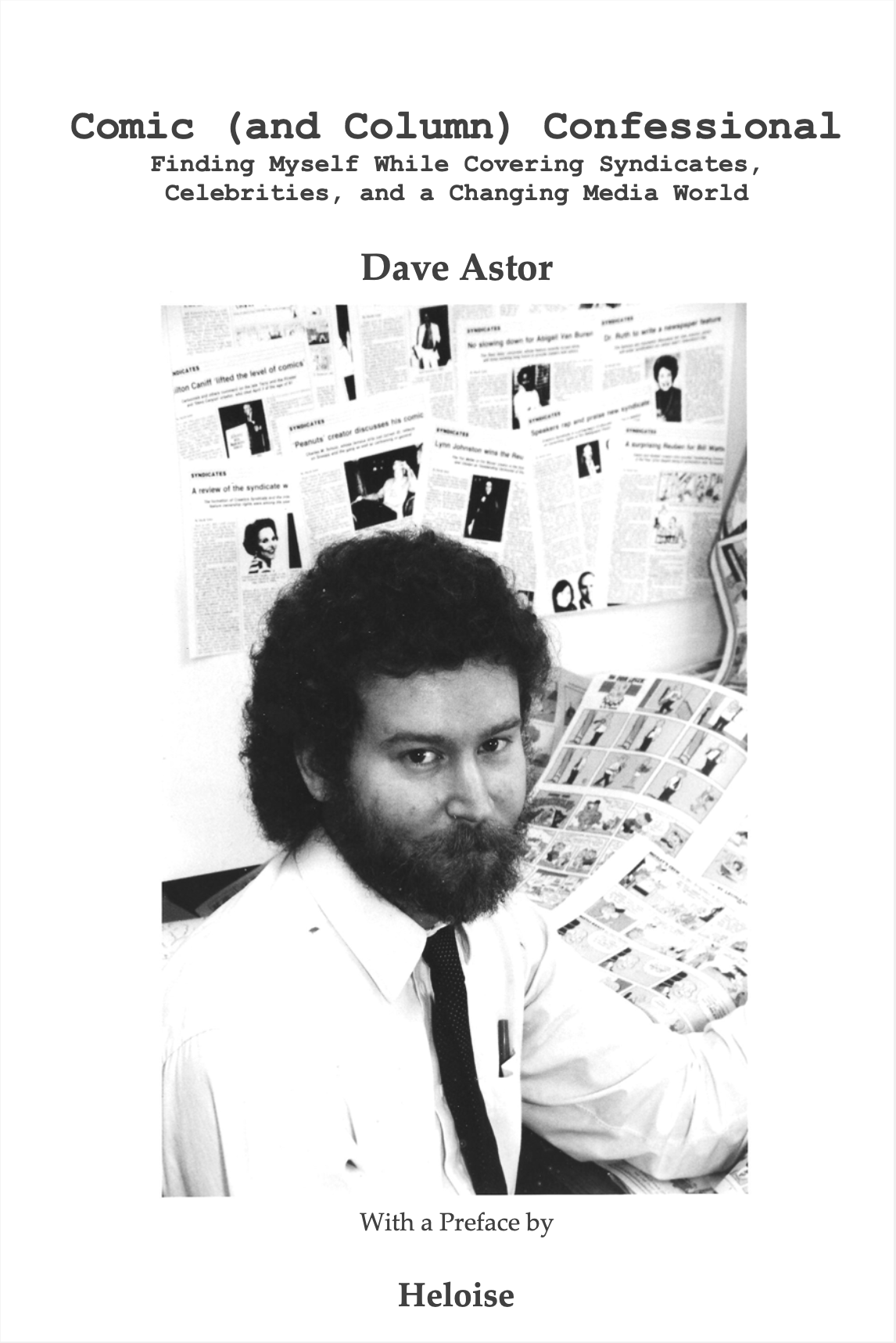
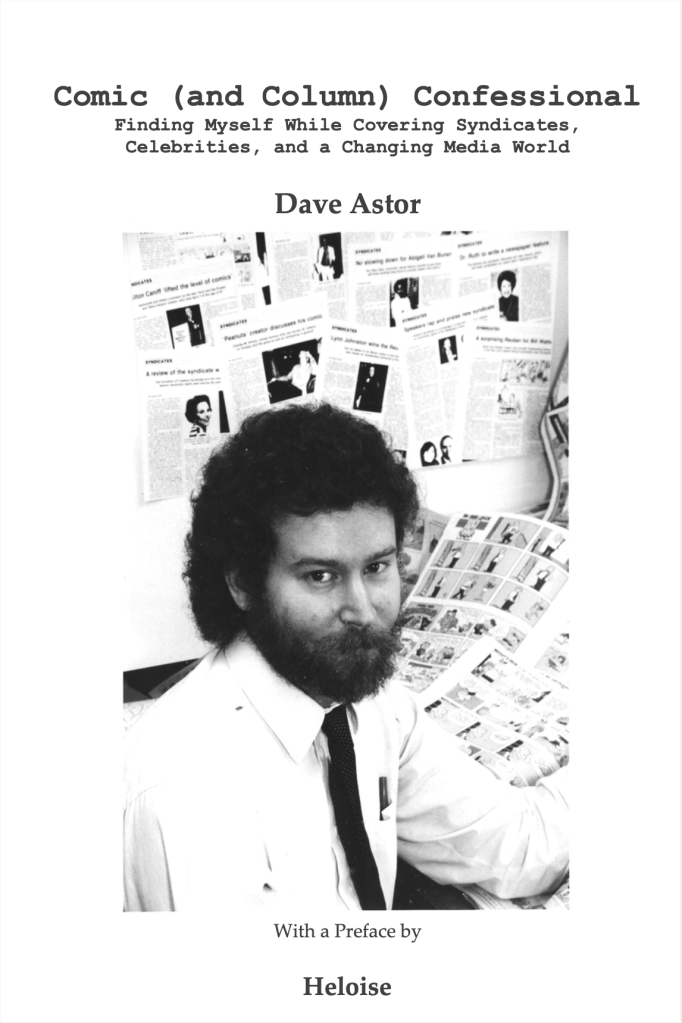
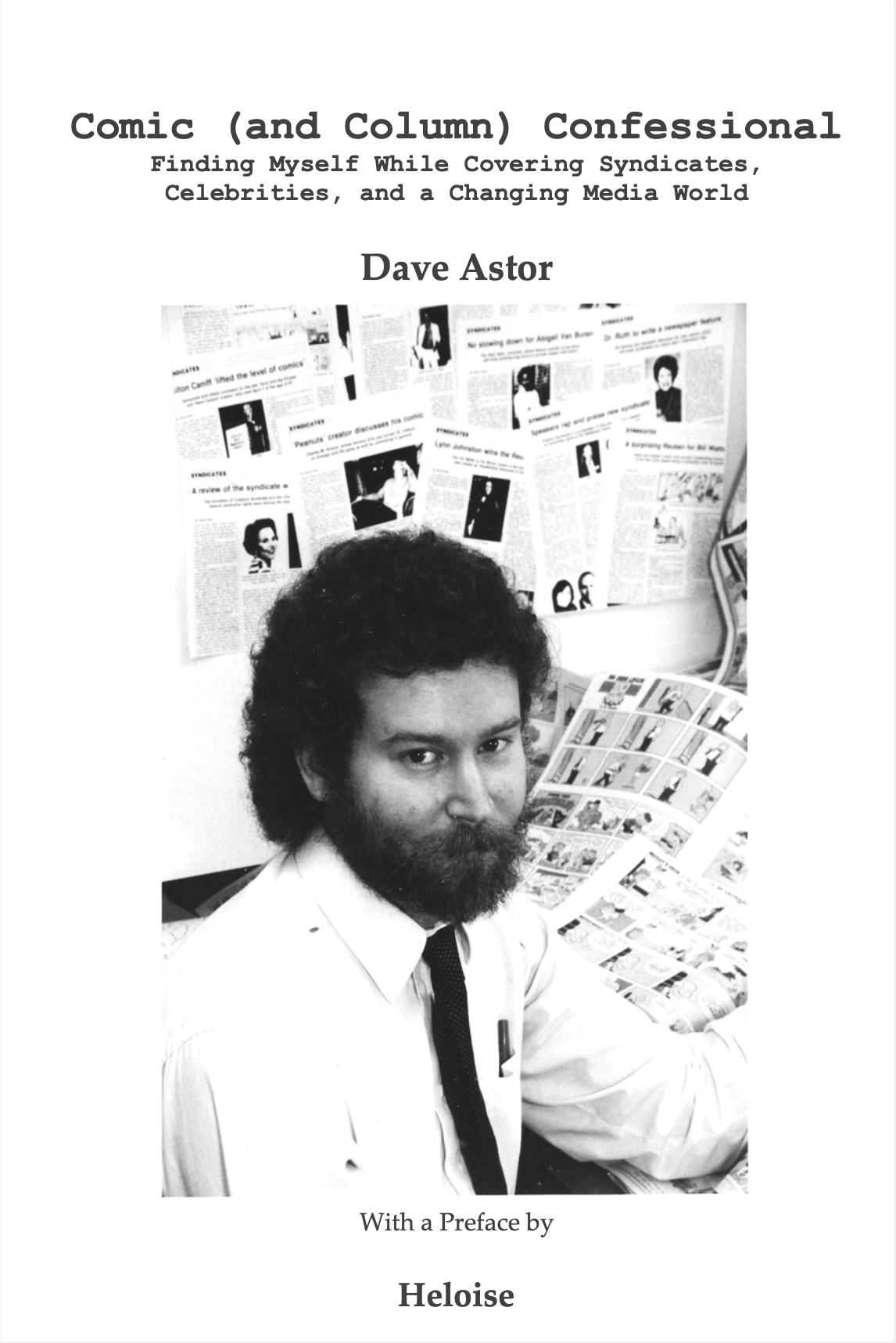
…and a 2012 memoir that focuses on cartooning and more, including many encounters with celebrities.
In addition to this weekly blog, I write the 2003-started/award-winning “Montclairvoyant” topical-humor column every Thursday for Montclair Local. The latest piece — containing more news about my school district’s huge deficit amid pizza-for-Thanksgiving comedic content 🙂 — is here.

Reimagination Actualization

Four years ago, I blogged about fiction that uses previous fiction as a jumping-off point — and perhaps reimagines well-known characters. This post is sort of a sequel to that post, taking a somewhat different angle and including several novels I’ve read since 2021.

In general, I’m not a huge fan of fiction that’s heavily inspired by a famous work; I’d rather writers be more original than that. Still, there have been some excellent novels that offer insights into the previous work and might be great in their own right.

My latest encounter with this reimagining phenomenon was Queen Macbeth, Val McDermid’s 2024 novella that takes a fascinating approach to characters in Shakespeare’s iconic Macbeth play. The book is excellent, giving Lady Macbeth a more positive (and more historically accurate) persona as a compelling plot unfolds in two different timelines.

McDermid’s book reminded me a bit of Margaret Atwood’s 2005 novella The Penelopiad (mentioned in my 2021 post) that gives Penelope a bigger and more feminist role than she had in Homer’s ancient Odyssey poem.

There’s also Demon Copperhead, Barbara Kingsolver’s 2022 tour de force that gives Charles Dickens’ 1850 classic David Copperfield a modern spin in America’s Appalachian region during the opioid epidemic.

Kristin Hannah’s gripping 2021 novel The Four Winds was obviously inspired by John Steinbeck’s The Grapes of Wrath (1939), but it’s still plenty original and differs in featuring a female protagonist. (The title character in Demon Copperhead is male.)

Zadie Smith has described the structure/focus of her novel On Beauty (2005) as an homage to E.M. Forster’s Howards End (1910).

In her also-published-in-2005 novel March, Geraldine Brooks takes the father from Louisa May Alcott’s 1868-released Little Women and gives him his own story.

I haven’t read it yet, but Percival Everett’s acclaimed James (2024) reimagines Mark Twain’s Adventures of Huckleberry Finn (1884) from the perspective of the escaped slave Jim.

In my 2021 post, I mentioned the 1966 novel Wide Sargasso Sea, in which Jean Rhys gives three-dimensionality to the “madwoman in the attic” of Charlotte Bronte’s novel Jane Eyre; Rhys’ creation is in effect a prequel to Bronte’s 1847 book. I also discussed the novel (by Gregory Maguire) and the play Wicked, which sympathetically portray the Wicked Witch from L. Frank Baum’s The Wonderful Wizard of Oz novel (1900) and The Wizard of Oz movie (1939).

Mentioned as well in that post were Isabel Allende’s 2005 novel Zorro, Jasper Fforde’s 2001 novel The Eyre Affair, and Seth Grahame-Smith’s 2009 Jane Austen parody Pride and Prejudice and Zombies — the last of which I haven’t felt the “Persuasion” to read.

Comments about, and examples of, this theme?

Misty the cat says: “My right turn has nothing to do with politics.”

My comedic 2024 book — the part-factual/part-fictional/not-a-children’s-work Misty the Cat…Unleashed — is described and can be purchased on Amazon in paperback or on Kindle. It’s feline-narrated! (And Misty says Amazon reviews are welcome. 🙂 )

This 90-second promo video for the book features a talking cat: 🙂

I’m also the author of a 2017 literary-trivia book

…and a 2012 memoir that focuses on cartooning and more.

In addition to this weekly blog, I write the 2003-started/award-winning “Montclairvoyant” topical-humor column every Thursday for Montclair Local. The latest piece — about a badly maintained lower-income apartment building, a change in venue for a senior center, and more — is here.

A Title Wave of Opposite-Gender Novels

(Courtesy of Harper.)

Elvis Presley sang “Return to Sender.” Today, I’m going to…return to gender. Heck, I’m not even a Presley fan, so excuse my blog-post opening as I write about characters who are the opposite sex of their novelist creators.

While female authors have created many of the most-memorable female protagonists and male authors have created many of the most-memorable male protagonists, skillful novelists can of course successfully cross gender lines. It takes some imagination, some research, and some drawing on experiences with opposite-sex parents, spouses, siblings, children, friends, work colleagues, etc. And authors can obviously include memorable co-stars and supporting characters of the same gender as themselves.

For the purposes of this blog post, I’m going to focus on characters who are in the novels’ titles.

An example of today’s theme that I finally read last week is Barbara Kingsolver’s tour de force Demon Copperhead, the 2022 coming-of-age story of a boy who faces poverty, the death of his parents, foster care, addiction, injury, and other enormous challenges. It’s uncanny how well a female author in her late 60s gets into the psyche of a male who’s a preteen or teen during virtually the entire Pulitzer Prize-winning book — for which Kingsolver took inspiration from Charles Dickens’ 1850 classic David Copperfield while transferring the time and setting from 19th-century England to late-20th-century/early-21st-century Appalachia in the United States.

After finishing Demon Copperhead, I read Gabrielle Zevin’s The Storied Life of A.J. Fikry (2014) — about the prickly (male) owner of an island bookstore. A funny and poignant short novel with some echoes of George Eliot’s compelling classic Silas Marner.

About 150 years earlier, Eliot was an accomplished female author with a male title character in three of her five best-known novels: Adam Bede (1859), Daniel Deronda (1876), and the aforementioned Silas Marner (1861). All three of those men are quite believable and three-dimensional, even as prominent female characters steal (or almost steal) the show.

The 19th century also saw the publication of such female-written works as Mary Shelley’s mega-influential Frankenstein (1818), George Sand’s Jacques (1833), Elizabeth Gaskell’s Mr. Harrison’s Confessions (1851), and Harriet Beecher Stowe’s cry-for-justice Uncle Tom’s Cabin (1852), among other novels.

Moving into the 20th century and beyond, we have Edith Wharton’s emotionally wrenching Ethan Frome (1911), Willa Cather’s okay debut novel Alexander’s Bridge (1912), Colette’s Cheri (1920) and The Last of Cheri (1926), Agatha Christie’s The Murder of Roger Ackroyd (1926), Lord Edgware Dies (1933), and Hercule Poirot’s Christmas (1938), Alice Walker’s The Third Life of Grange Copeland (1970), and (you knew I would get to this eventually 🙂 ) J.K. Rowling’s blockbuster Harry Potter series of seven books published between 1997 and 2007.

And we can’t forget Murasaki Shikibu’s VERY early female-authored-novel-starring-a-man The Tale of Genji, written in the early 11th century.

Given that there were many more male than female authors published pre-1900, we can easily find a slew of male-written novels back then with female title characters: Daniel Defoe’s Moll Flanders (1722), Samuel Richardson’s Pamela (1740), Honore de Balzac’s Eugenie Grandet (1833), Gustave Flaubert’s Madame Bovary (1856), Charles Dickens’ Little Dorrit (1857), Lewis Carroll’s Alice’s Adventures in Wonderland (1865), Emile Zola’s Therese Raquin (1867) and Nana (1880), R.D. Blackmore’s Lorna Doone (1869), Thomas Hardy’s The Hand of Ethelberta (1876) and Tess of the d’Urbervilles (1891), Leo Tolstoy’s Anna Karenina (1878), Henry James’ Daisy Miller (1878), and Mark Twain’s Personal Recollections of Joan of Arc (1896), to name a few.

Plenty of titles after that, too, such as Theodore Dreiser’s Sister Carrie (1900), Herman Wouk’s Marjorie Morningstar (1955), William Styron’s Sophie’s Choice (1979), Walter Mosley’s Rose Gold (2014), and multiple ones by Stephen King — including Carrie (1974), Dolores Claiborne (1992), and Rose Madder (1995).

Your thoughts about, and examples of, this theme?

Misty the cat says: “I’m Nancy Drew starring in ‘The Mystery of the Aromatic Leaves.'”

My comedic 2024 book — the part-factual/part-fictional/not-a-children’s-work Misty the Cat…Unleashed — is described and can be purchased on Amazon in paperback or on Kindle. It’s feline-narrated! (And Misty says Amazon reviews are welcome. :-) )

This 90-second promo video for my book features a talking cat: 🙂

In addition to this weekly blog, I write the 2003-started/award-winning “Montclairvoyant” topical-humor column every Thursday for Montclair Local. The latest piece — about my town’s harassed CFO, unaffordable housing, an environmentally awful plan to cut down many trees, and more — is here.