On March 8, I marked International Women’s Day with a post about memorable women characters in fiction. On March 15, I marked The Ides of March (when Julius Caesar was killed) with a post about memorable murders in fiction. So, what holiday can I mark today? I did an online search, and discovered that March 22 is National Goof Off Day! Meaning I could write a post about some of the funnier novels I’ve read.
But a search showed I wrote a post like that back in this blog’s first year: 2014. Hmm…guess I’ll rerun that piece today (many of you had yet to become readers here 12 years ago). Then, I’ll add some humorous or part-humorous novels I’ve read since 2014 — or read before that but forgot to mention in my previous Obama-era post.
Here’s the 2014 piece, with a new first paragraph and some other editing:
Some novels are quite funny, in a satirical or just plain silly way. They include books that range from mostly comedic to those that are serious and/or dramatic and/or poignant but contain one or more hilarious scenes — such as Ishmael and Queequeg, pre-ship voyage, in the inn bedroom in Herman Melville’s Moby-Dick.
For instance, there’s Charles Dickens’ laugh-out-loud first novel: The Posthumous Papers of the Pickwick Club, which features the fabulously funny Sam Weller. That book launched Dickens into a popularity stratosphere he never left — even as his increasingly ambitious novels were never quite that humorous again. Was Bleak House a jest-fest? Don’t think so.
Colette had a similar career arc, entering the novel-writing realm with the sidesplitting Claudine at School before moving on to weightier (yet still engaging) works. The title character in Colette’s late-career Gigi wouldn’t last a minute in a battle of witticisms with the rambunctious Claudine.
Speaking of first novels, the seriocomic Harry Potter and the Sorcerer’s Stone has more laughs per square page than any of the six subsequent novels in J.K. Rowling’s series.
Also hilarious is Philip Roth’s Portnoy’s Complaint, in which the “thing” that hits an incandescent bulb is not a light-dazzled moth.
Then there’s Jeeves in the Offing, or almost any other P.G. Wodehouse novel or story starring the brilliant British valet and his rather clueless “master” Bertie Wooster. Wodehouse could make a shopping list funny.
In a very different milieu, novels don’t get much more amusing (or ribald) than Erskine Caldwell’s Tobacco Road and God’s Little Acre. Delightful “southern humor” can also be found in Charles Portis’ Norwood and The Dog of the South, Rita Mae Brown’s Rubyfruit Jungle novel and Sneaky Pie Brown mysteries, and Fannie Flagg’s Fried Green Tomatoes at the Whistle Stop Cafe. Mixed with the laughs in those books are serious themes such as poverty, racism, sexism, and homophobia.
Academia can also be a great source of humor and satire, as evidenced by novels such as Zadie Smith’s On Beauty, Richard Russo’s Straight Man, and Adam Langer’s Ellington Boulevard.
Returning to older novels, we see Mark Twain mixing strong antiwar satire with goofy humor in A Connecticut Yankee in King Arthur’s Court, Henry Fielding even naming a character “Lady Booby” (for her personality) in his uproarious Joseph Andrews, and Miguel de Cervantes being much funnier than one expects in Don Quixote.
More hilarity? Valancy Stirling dramatically parts with her oppressively conventional mother and other relations in L.M. Montgomery’s moving/inspiring The Blue Castle, but the conversations the newly confident Valancy has with her family are as funny as the funniest sitcom.
Italo Calvino is very droll in his short-story-collection-as-novella Marcovaldo. John Steinbeck, so earnest in The Grapes of Wrath and East of Eden, will crack you up in Tortilla Flat, Cannery Row, and Sweet Thursday. And you don’t need an explanation from me about how dizzyingly comedic are Lewis Carroll’s Alice’s Adventures in Wonderland and Through the Looking Glass.
Now, as I write in 2026, here are some funny or part-funny (in certain cases darkly so) novels I’ve read since the above 2014 post — or read before that but didn’t mention back then. A number of those books of course have many serious moments, too. Alphabetical by author:
Margaret Atwood’s Oryx and Crake, Jane Austen’s Northanger Abbey, Fredrik Backman’s A Man Called Ove, Charles Bukowski’s Hollywood, Mikhail Bulgakov’s The Master and Margarita, Frances Burney’s Evelina, Charles Dickinson’s The Widows’ Adventure, Stanley Elkin’s The Rabbi of Lud, Helen Fielding’s Bridget Jones’s Diary, Jaroslav Hasek’s The Good Soldier Svejk, Joseph Heller’s Catch-22, Elin Hilderbrand’s The Hotel Nantucket, Jonas Jonasson’s The 100-Year-Old Man Who Climbed Out the Window and Disappeared, Bel Kaufman’s Up the Down Staircase, Steve Martin’s The Pleasure of My Company, Terry McMillan’s How Stella Got Her Groove Back, Viet Thanh Nguyen’s The Sympathizer, Terry Pratchett’s Small Gods, Maria Semple’s Where’d You Go, Bernadette, (Ms.) Lionel Shriver’s So Much for That, Zadie Smith’s White Teeth, Jonathan Swift’s Gulliver’s Travels, J.R.R. Tolkien’s The Hobbit, John Kennedy Toole’s A Confederacy of Dunces, Voltaire’s Candide, and Kurt Vonnegut’s Slaughterhouse-Five, to name a few.
And while Fyodor Dostoevsky’s The Brothers Karamazov is mostly dead serious, it does have one uproarious scene.
Novels you consider very funny — overall or in part?
Misty the cat says: “Odd that one of those cars looks like a dumpster.”
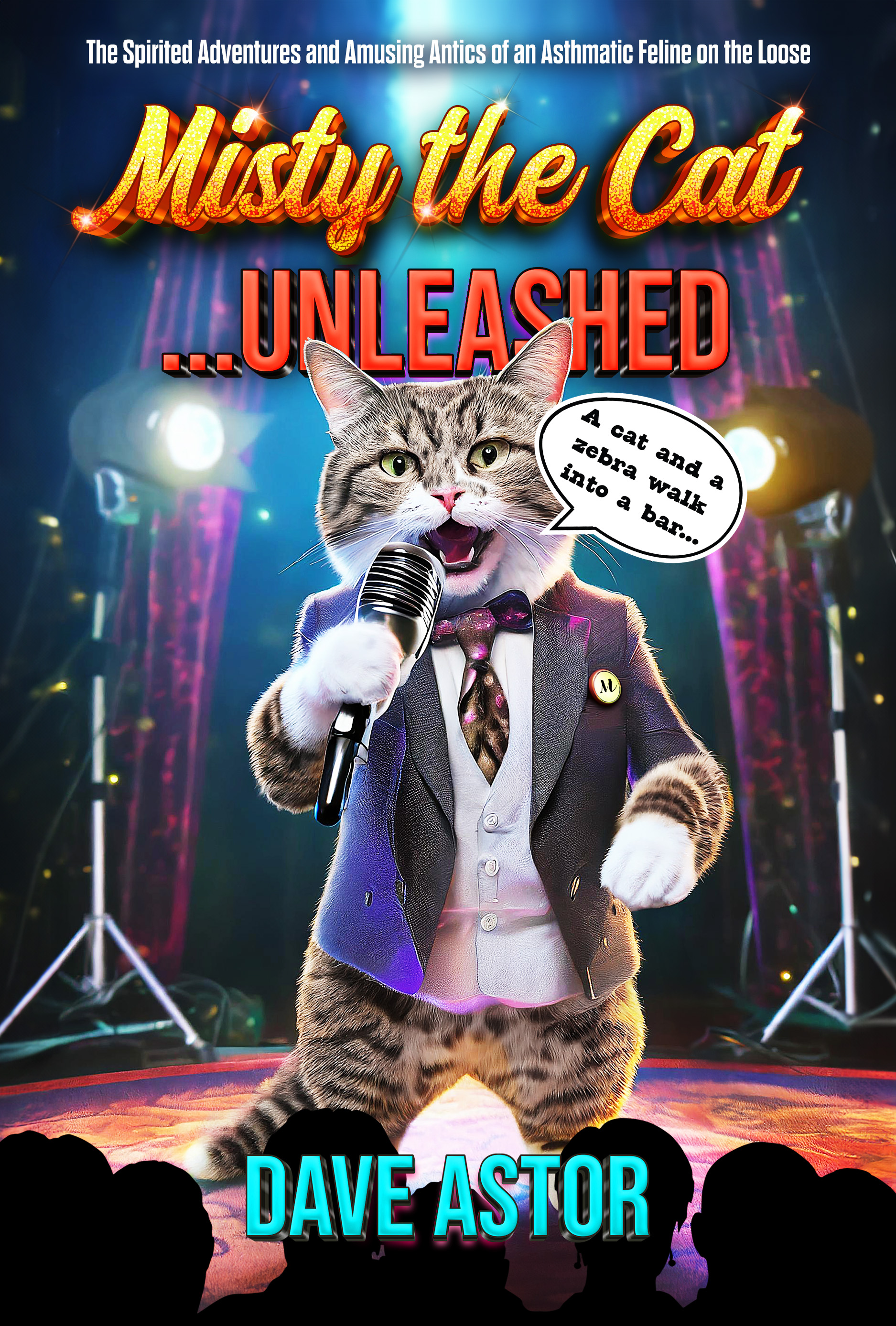
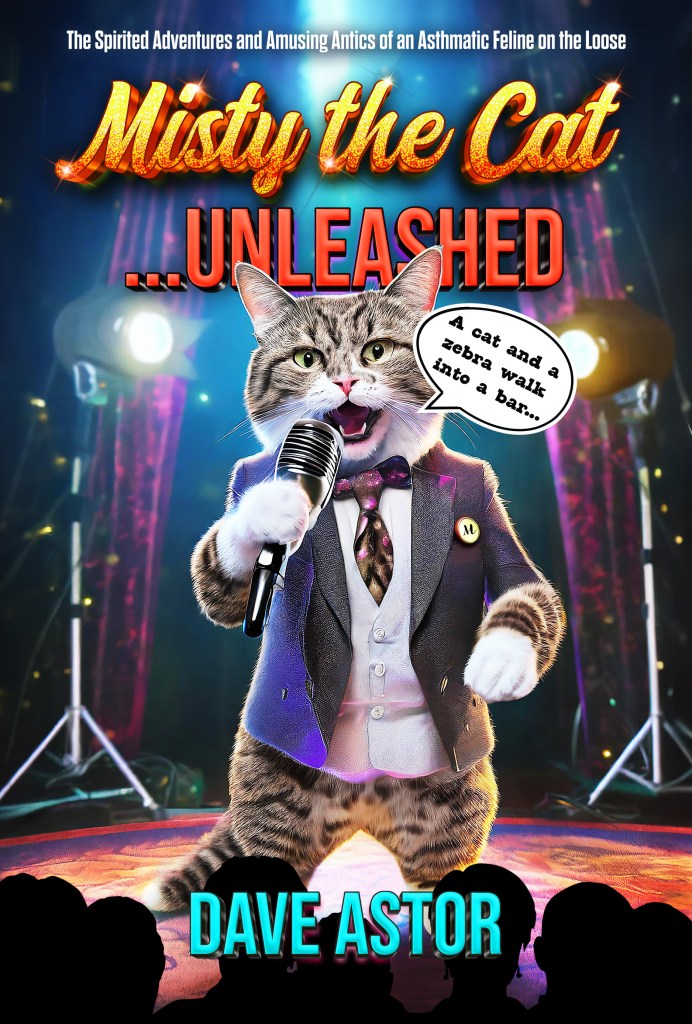
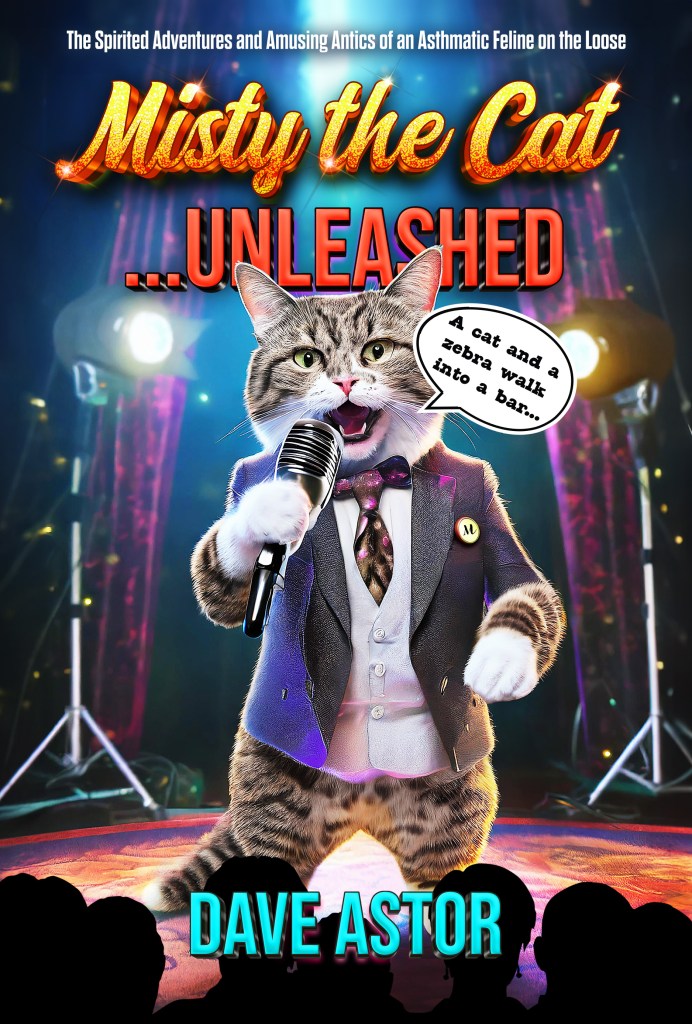
My comedic 2024 book — the part-factual/part-fictional/not-a-children’s-work Misty the Cat…Unleashed — is described and can be purchased on Amazon in paperback or on Kindle. It’s feline-narrated! (And Amazon reviews are welcome. 🙂 )
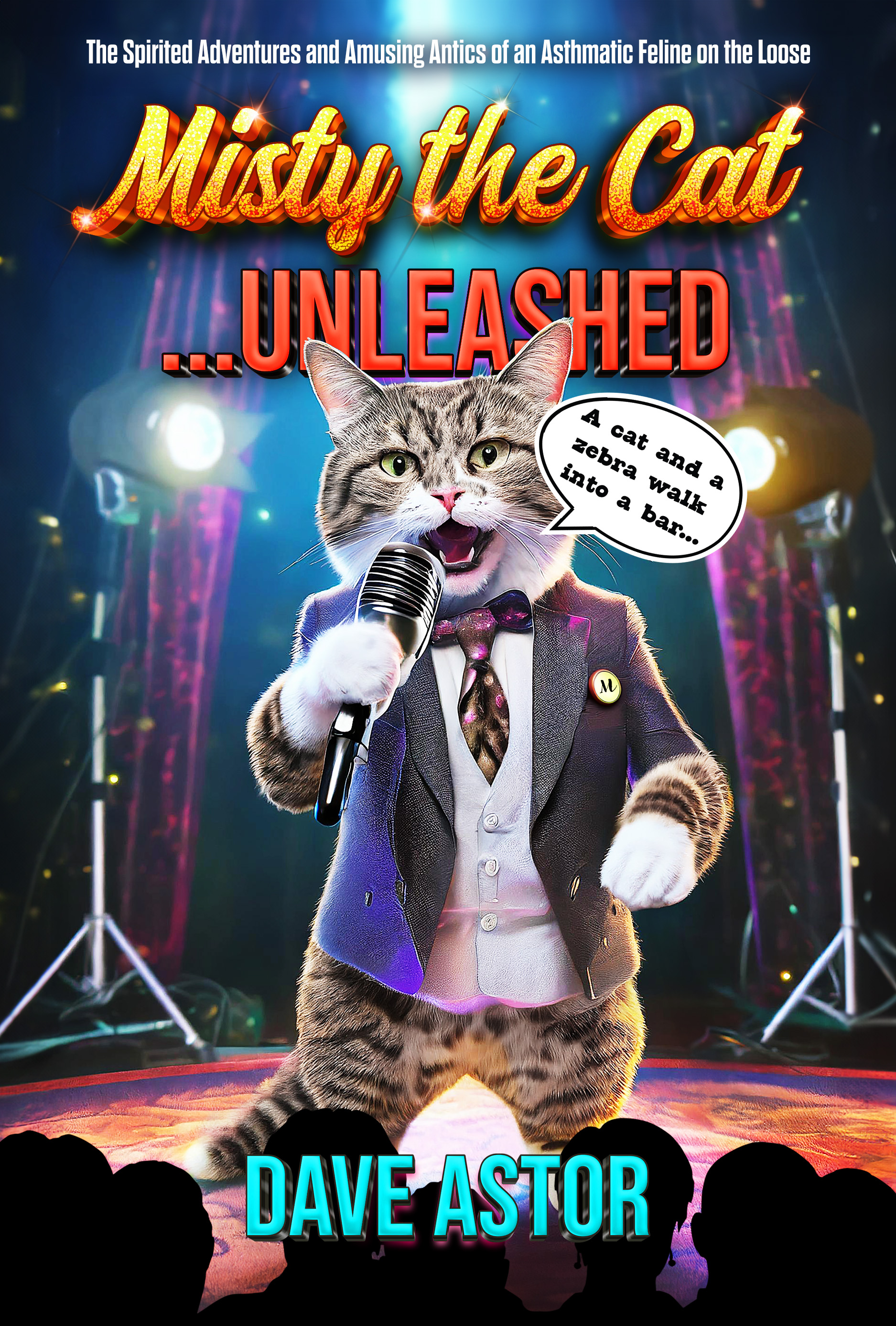
This 90-second promo video for the book features a talking cat: 🙂
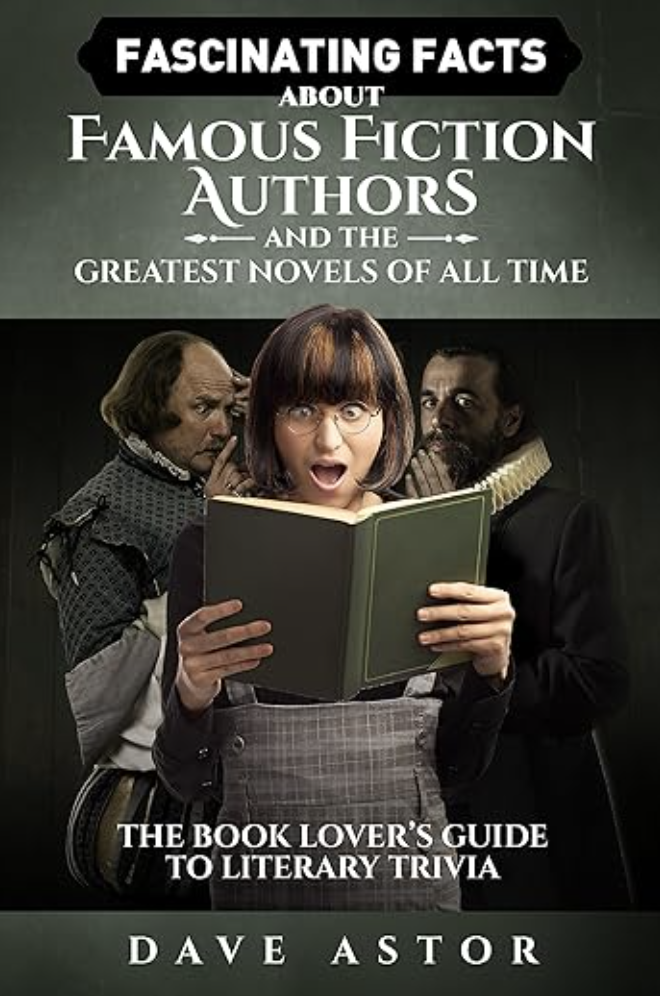
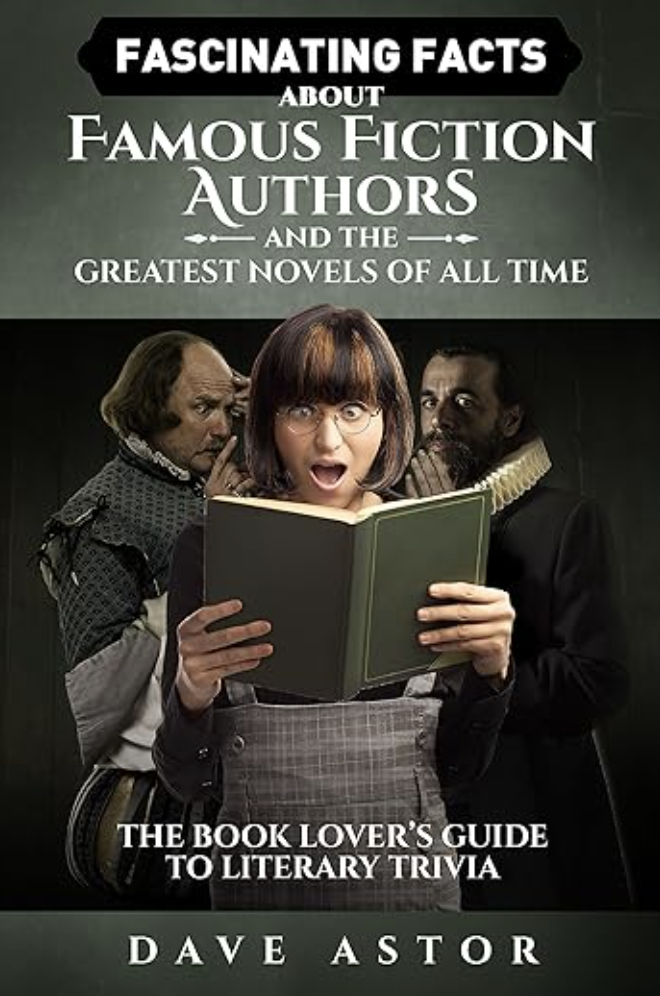
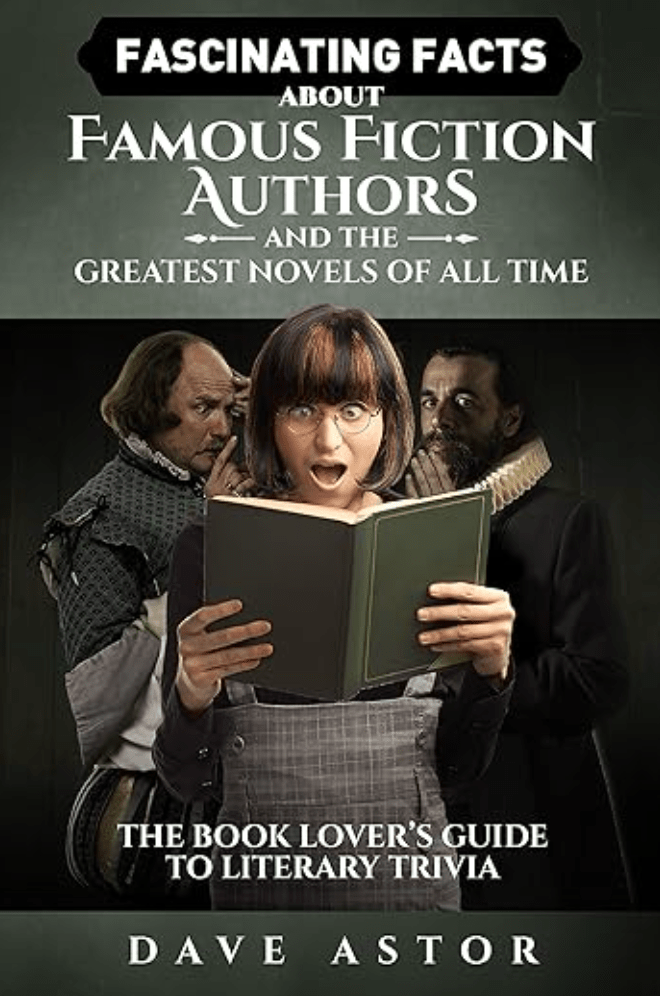
I’m also the author of a 2017 literary-trivia book…
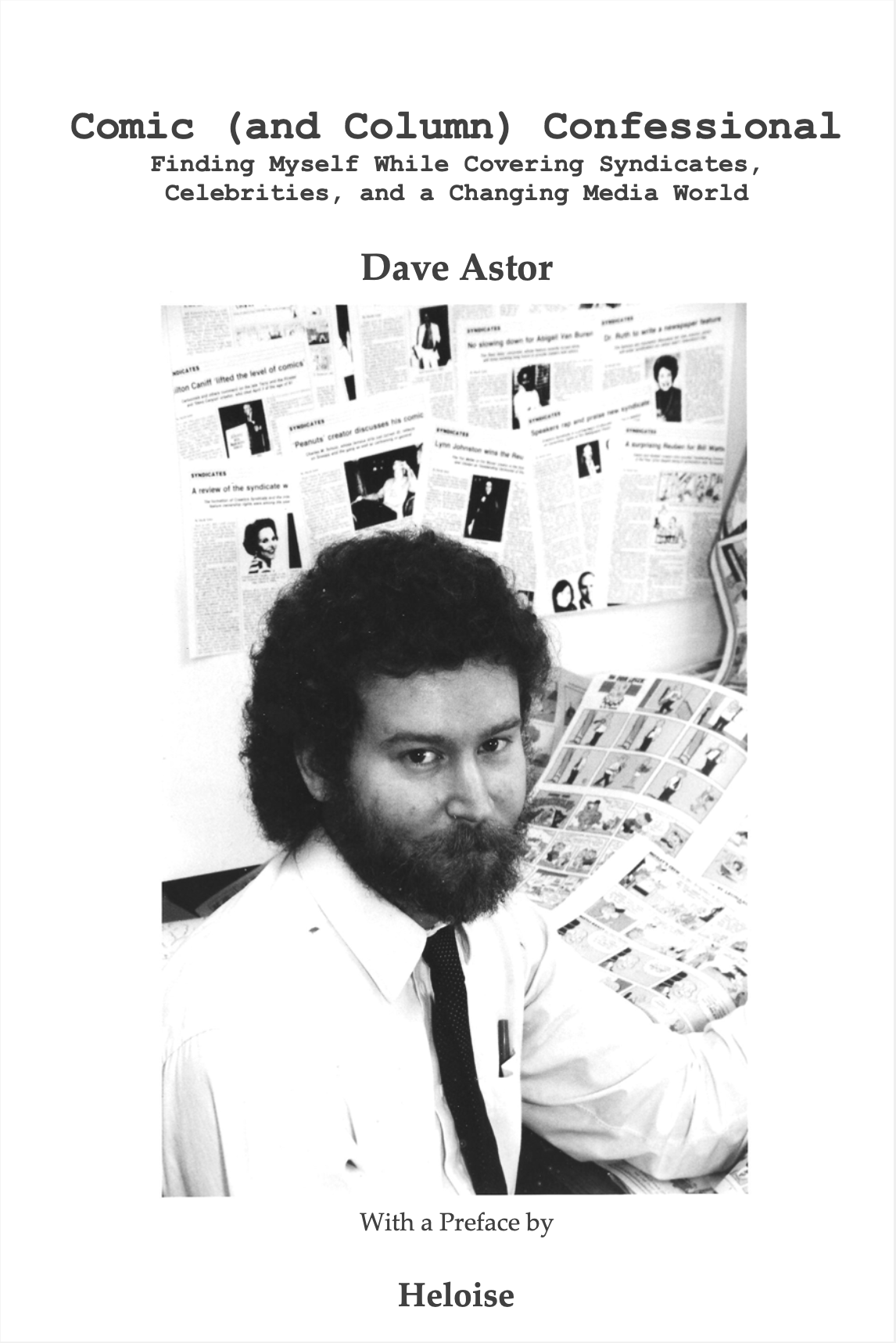
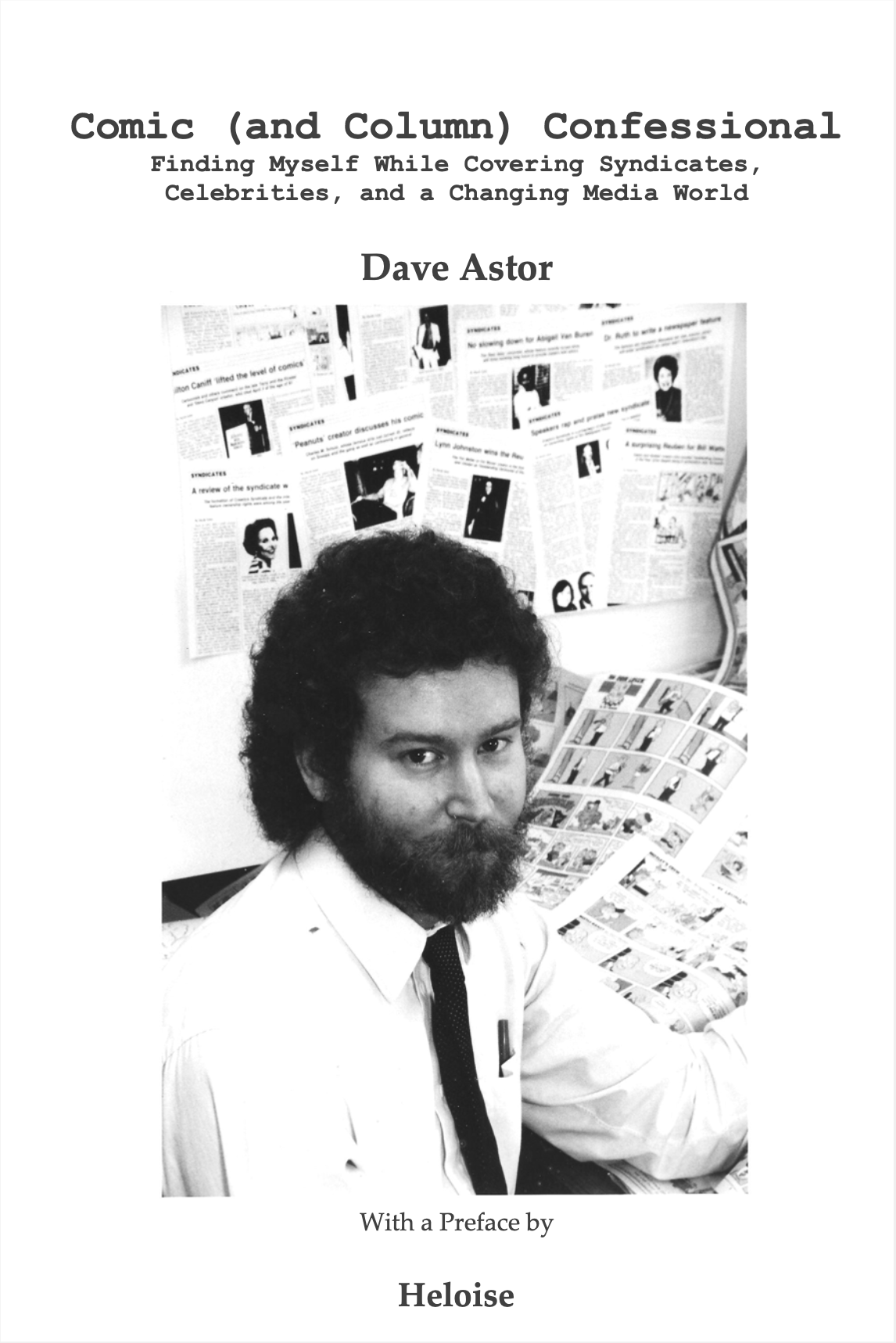
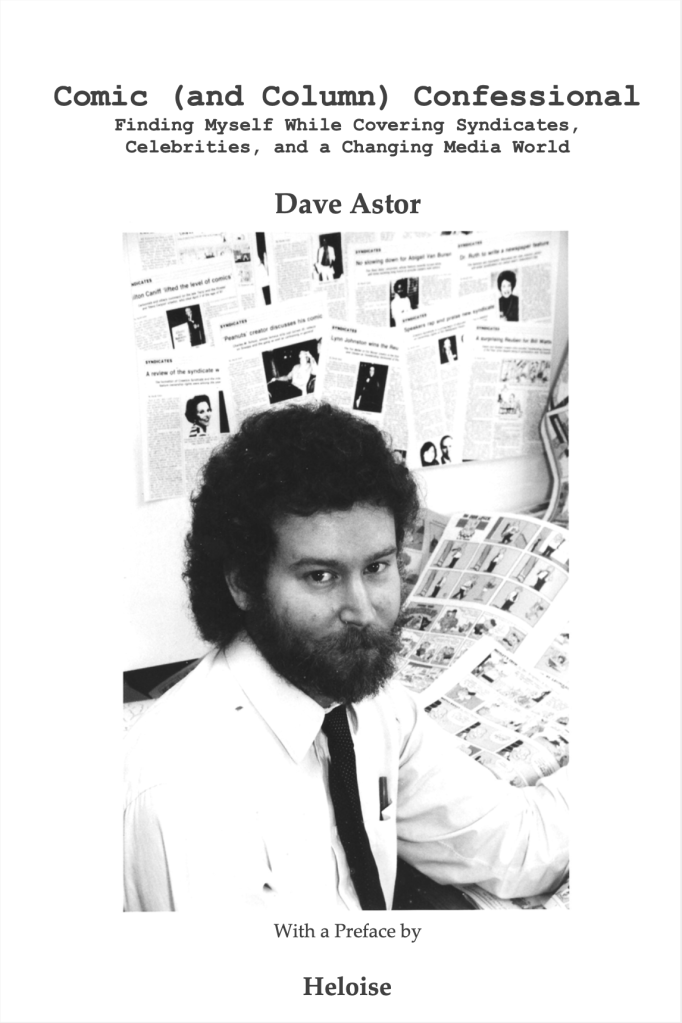
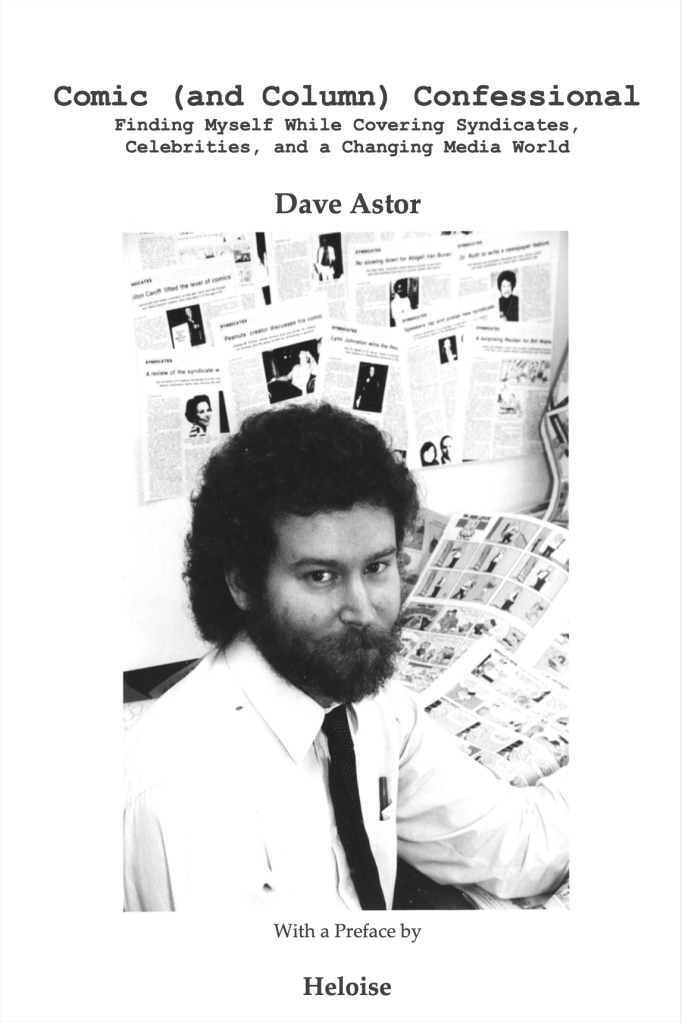
…and a 2012 memoir that focuses on cartooning and more, including many encounters with celebrities.
In addition to this weekly blog, I write the 2003-started/award-winning “Montclairvoyant” topical-humor column every Thursday for Montclair Local. The latest piece — about a close school budget vote, a delayed decision on a huge redevelopment project, a student anti-ICE march, and more; all threaded with a weird Tom Hanks movie theme 🙂 — is here.



 Dave Astor on Literature