When Authors Place Their Bet on Debt

A current major issue in my town of Montclair, New Jersey, is a massive school-budget deficit. As I continued to write about that each week in my “Montclairvoyant” topical-humor column, thoughts came to mind about fictional people facing debt and related financial troubles — a situation that provides much dramatic fodder while often evoking sympathy for those money-challenged characters.

Not knowing in advance that it would fit this topic, I happened last week to read a Richard Paul Evans novel called The Walk in which Seattle ad executive Alan Christoffersen loses his home, his car, and most of his other possessions because of huge medical bills for his paralyzed-in-an-accident wife McKale, being cheated by his work partner, and other reasons.

When reading about any character in fiscal peril, we wonder how they will react and what the ultimate outcome for them will be. In Evans’ 2009 novel, a despairing Alan ends up starting a long walk to Key West, Florida…nearly 3,500 miles away!

The pricey and problematic health-care system in the U.S. — the world’s only “developed” country without some form of government-run national insurance for all — also takes a huge financial toll on Shep Knacker when his wife Glynis becomes ill in (Ms.) Lionel Shriver’s compelling part-satirical novel So Much for That (2010).

Moving from the 21st-century United States to 19th-century France, we have Honore de Balzac’s 1837 novel Cesar Birotteau — whose Parisian title character is a successful shop owner and deputy mayor who becomes bankrupt after getting manipulated into property speculation. He spends the rest of the book on a mission to restore his honor by trying to pay off his debt.

A later French novel, Emile Zola’s The Drinking Den (1877), features another initially successful businessperson: Gervaise Macquart, who manages to open her own laundry through very hard work. She is happily married until her husband’s life spirals downward after he falls from a roof. Coupeau’s descent drags the family into poverty and alcoholism.

In-between those books came Gustave Flaubert’s 1857 novel Madame Bovary, in which the adulterous title character gets into serious debt spending on luxuries. When the debt is called in and can’t be paid, Emma Bovary decides to…

Over in 19th-century England, there was Charles Dickens’ also-published-in-1857 novel Little Dorrit — whose title character (first name Amy) was born and grows up in a debtors’ prison where her father William has been incarcerated. Partly inspired by Dickens’ childhood.

Back in France, Guy de Maupassant’s classic 1884 short story “The Necklace” is about a woman who loses a glittery borrowed necklace and goes into years of life-ruining debt after paying for a replacement. The tale has one of the most famous surprise endings in literature.

Authors themselves have of course also experienced money troubles. For instance, Sir Walter Scott in later life tried to frantically write his way out of debt after a banking crisis caused the collapse of a printing business in which the Scottish author had a large financial stake.

Also later in life, Mark Twain filed for bankruptcy after years of investing heavily in a mechanical typesetter that didn’t catch on. He survived financially and paid off debt by giving up his ornate Hartford, Connecticut, mansion and later embarking on a worldwide speaking tour.

Your thoughts about, and examples of, this theme?

Misty the cat says: “I didn’t know my apartment complex was zoned for a car dealership.”

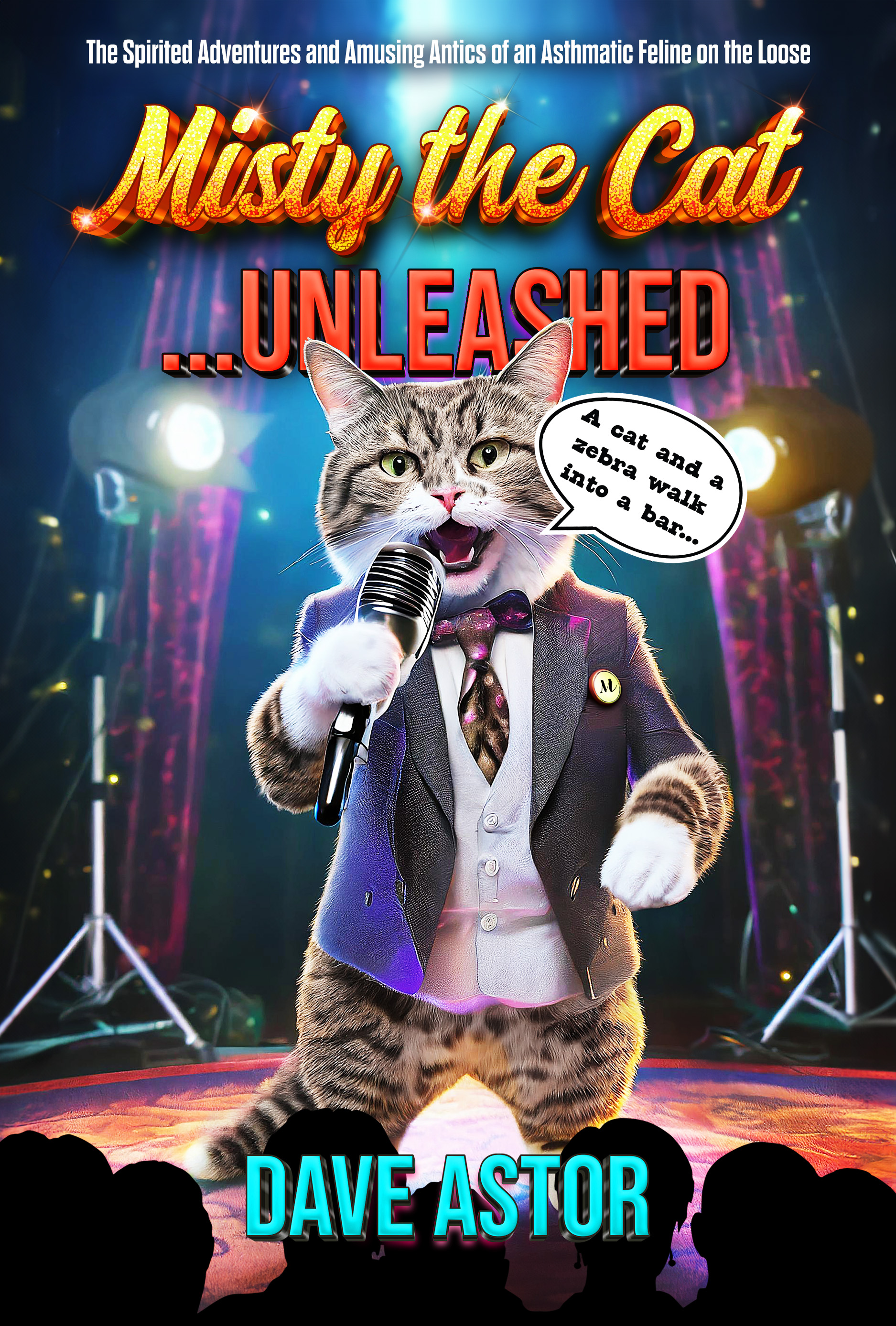
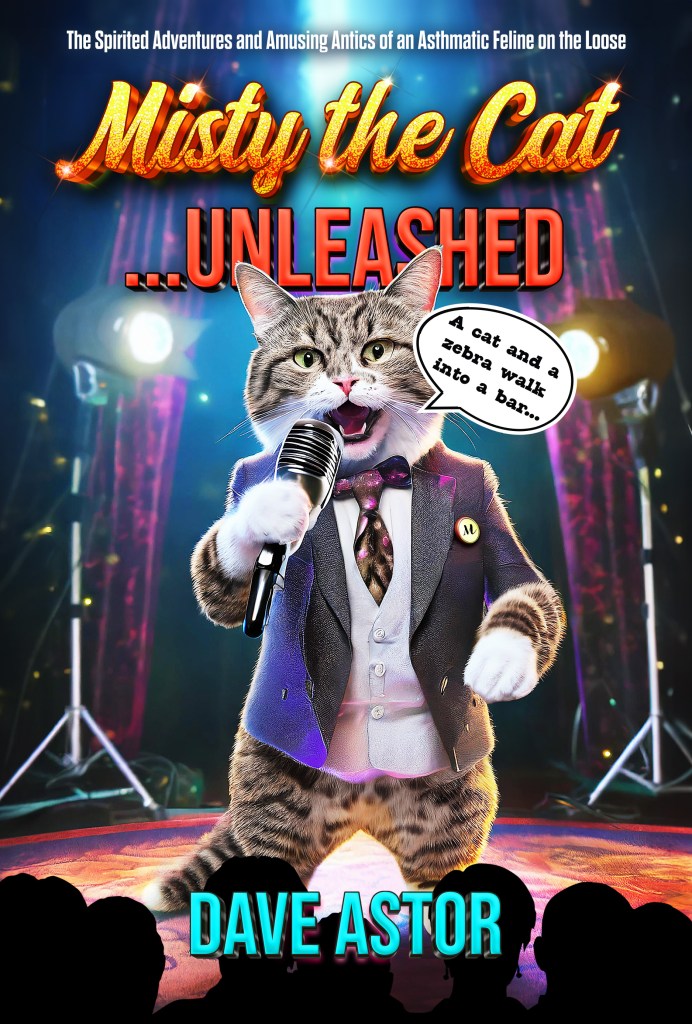
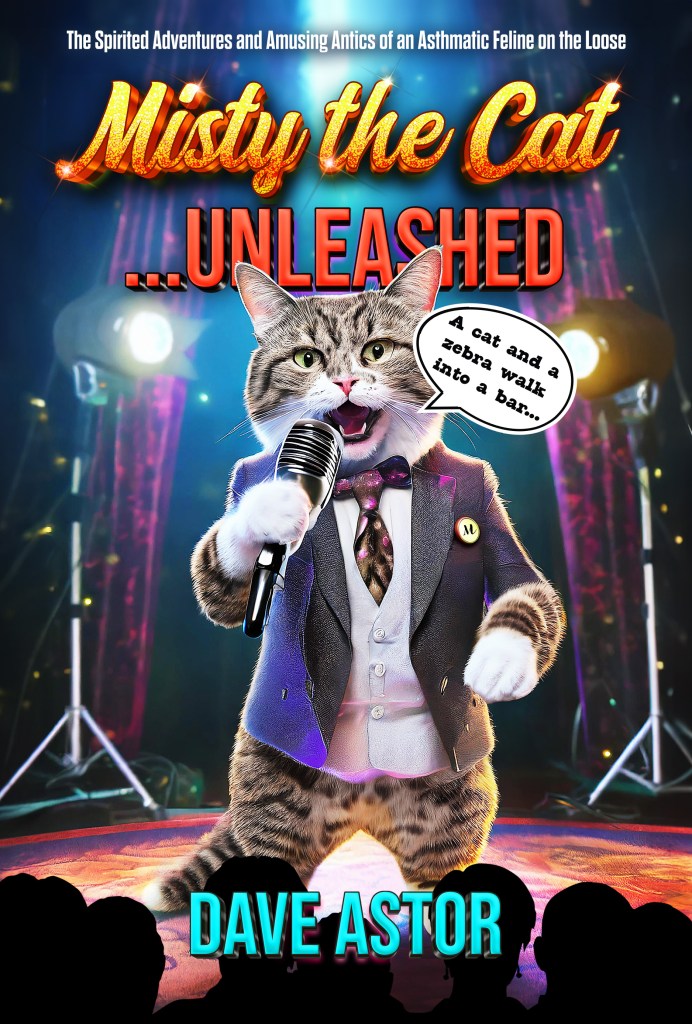
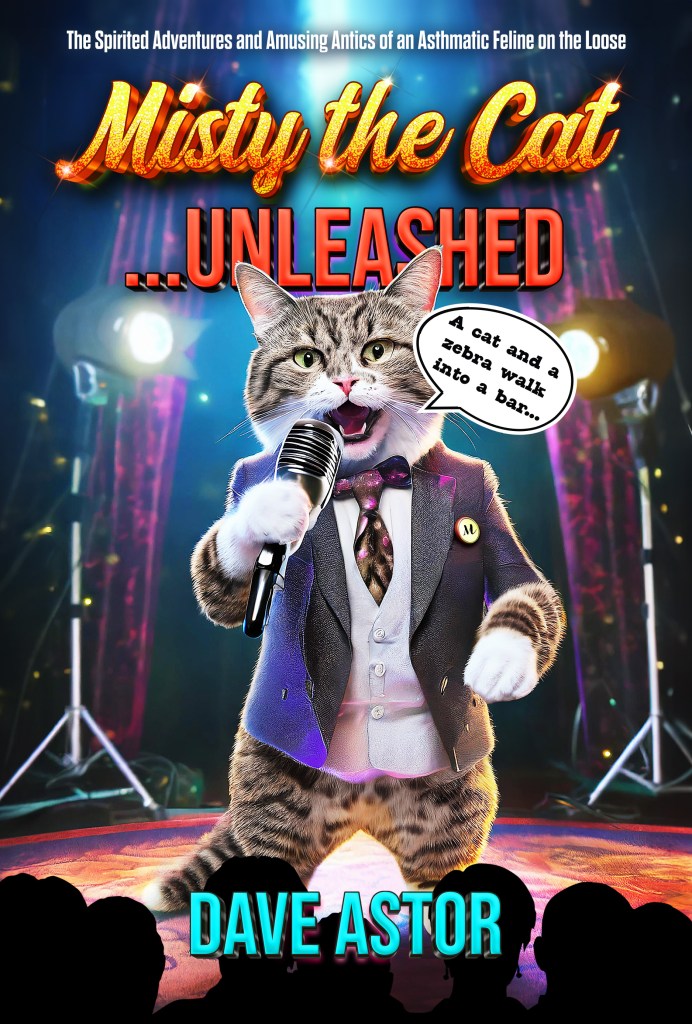
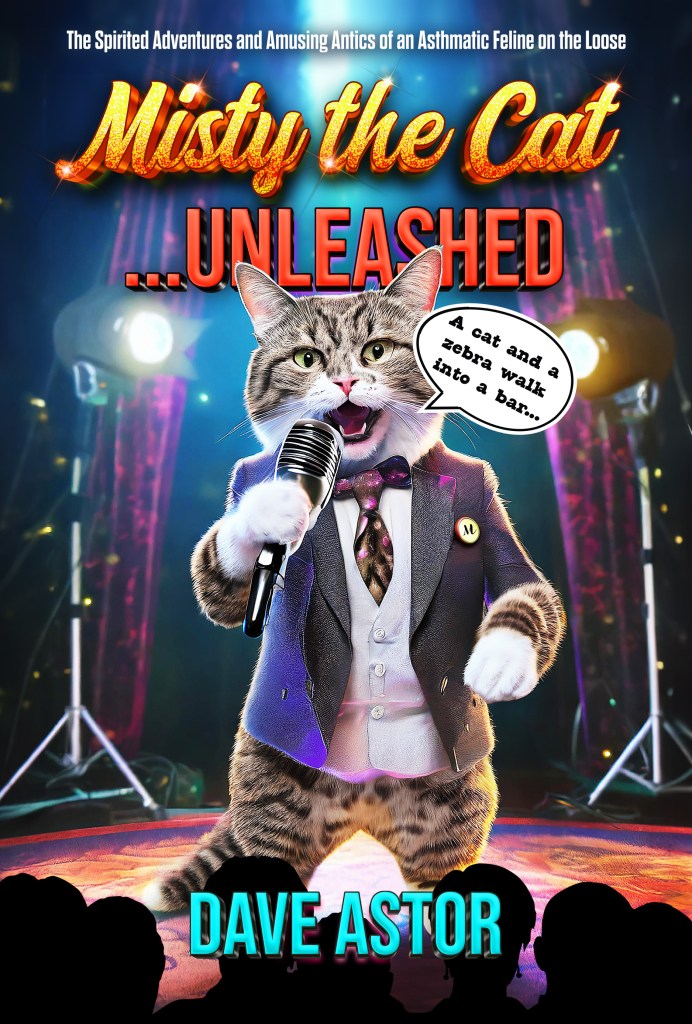
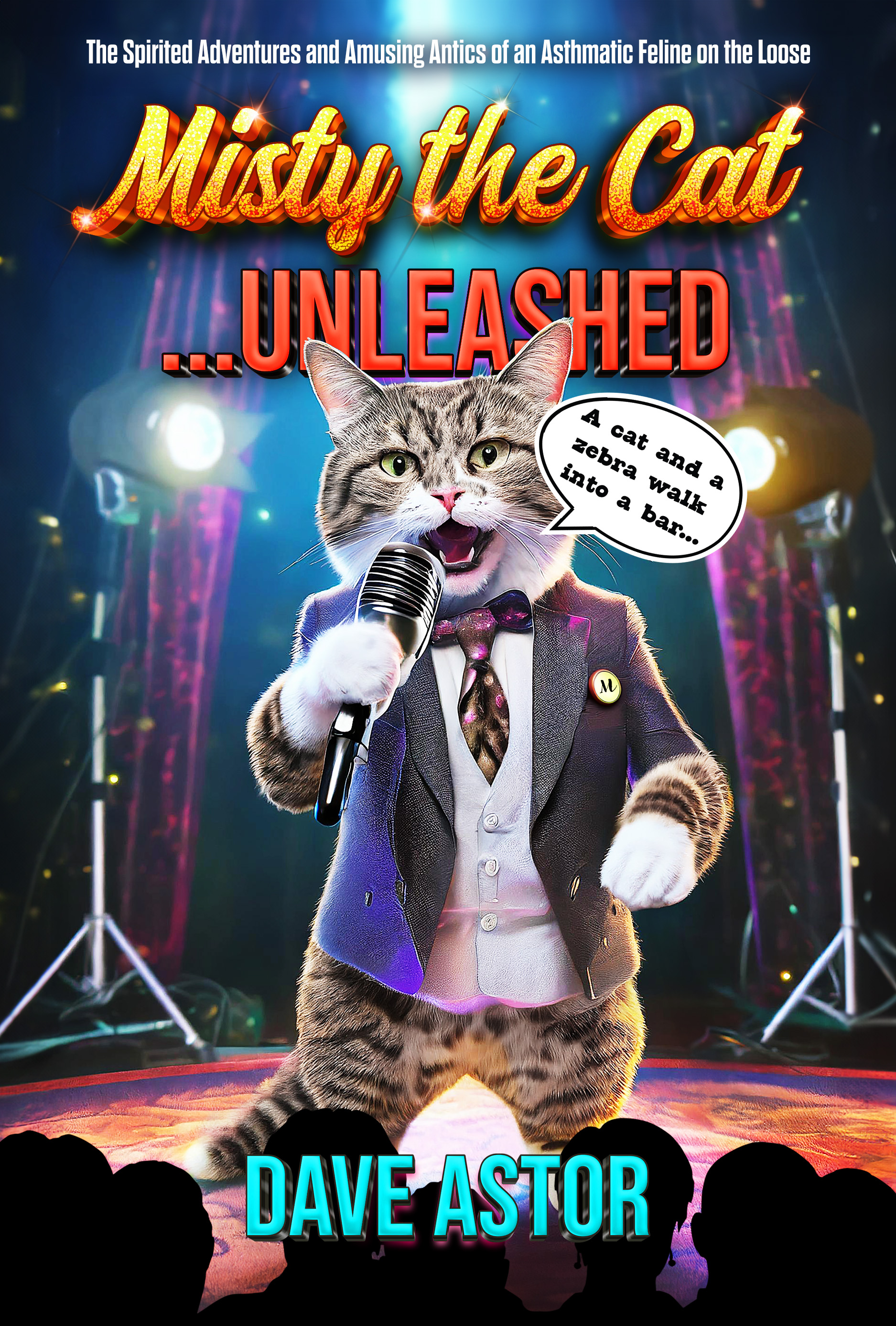
My comedic 2024 book — the part-factual/part-fictional/not-a-children’s-work Misty the Cat…Unleashed — is described and can be purchased on Amazon in paperback or on Kindle. It’s feline-narrated! (And Amazon reviews are welcome. 🙂 )
This 90-second promo video for the book features a talking cat: 🙂

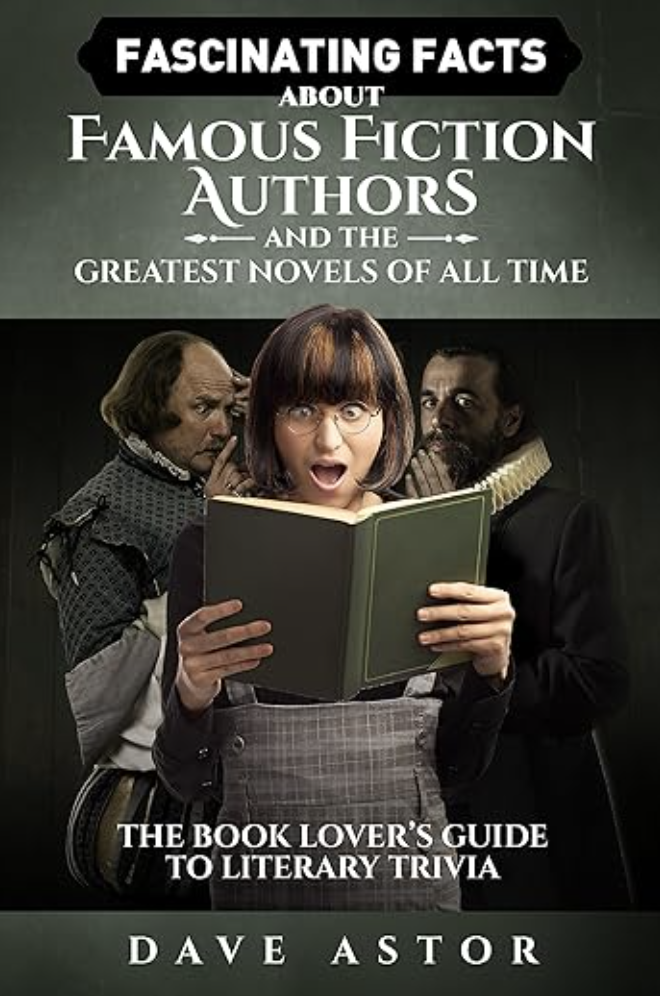
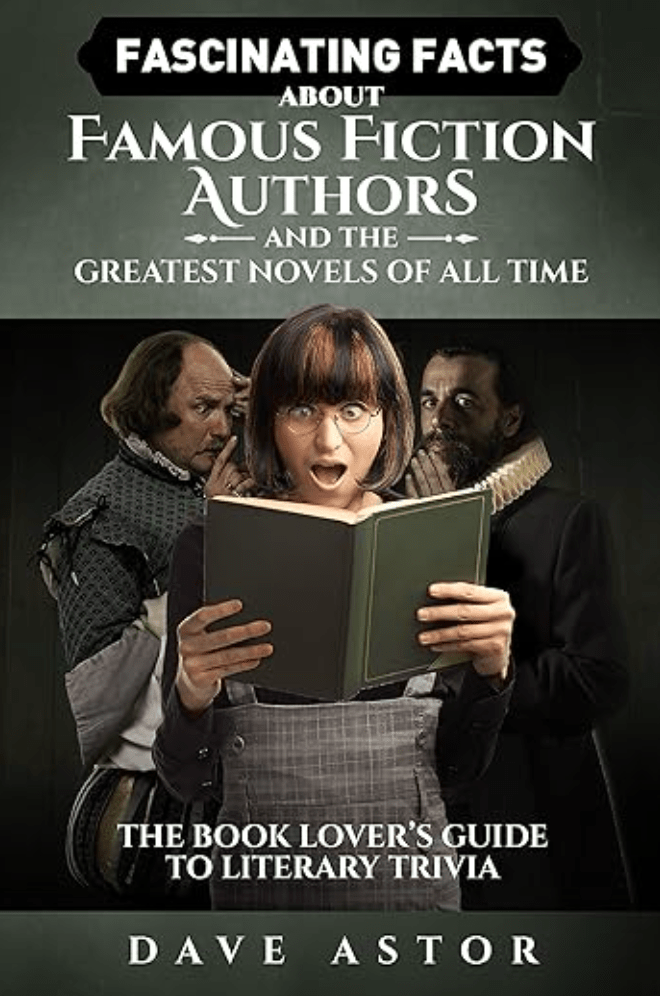
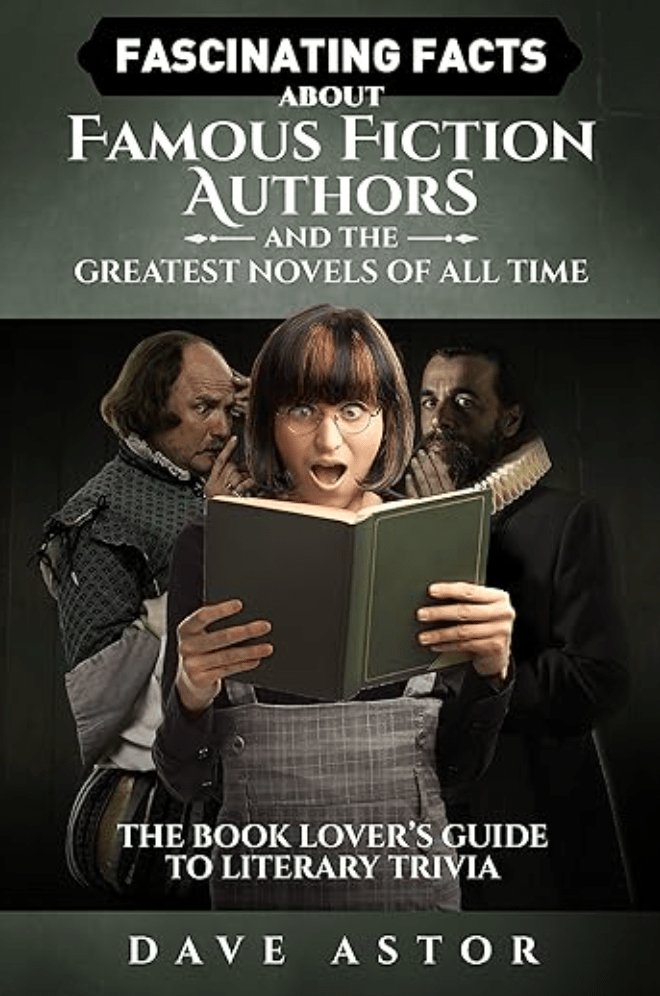
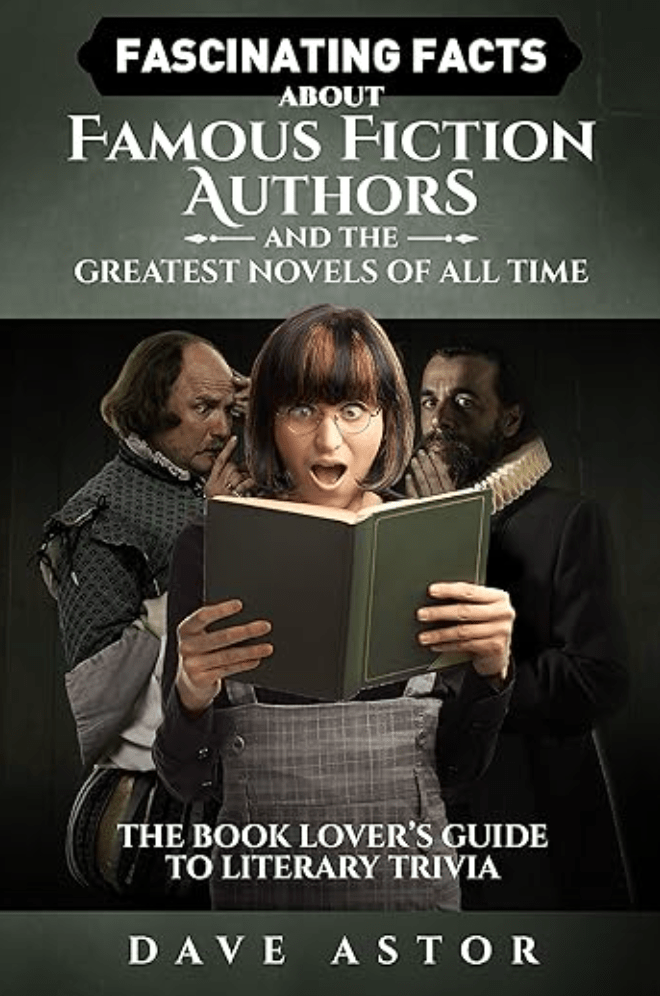
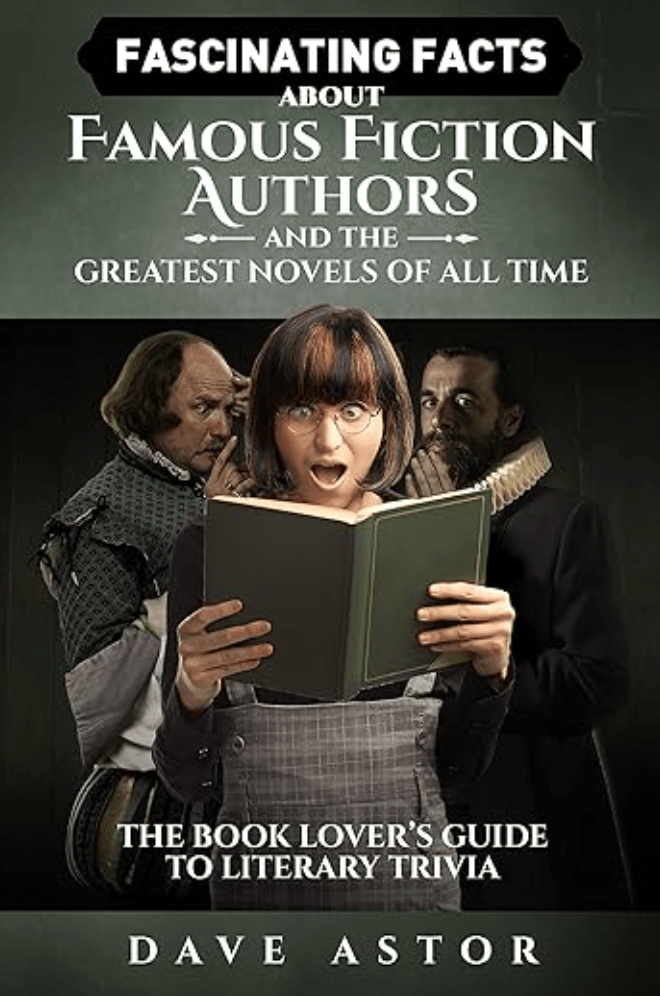
I’m also the author of a 2017 literary-trivia book

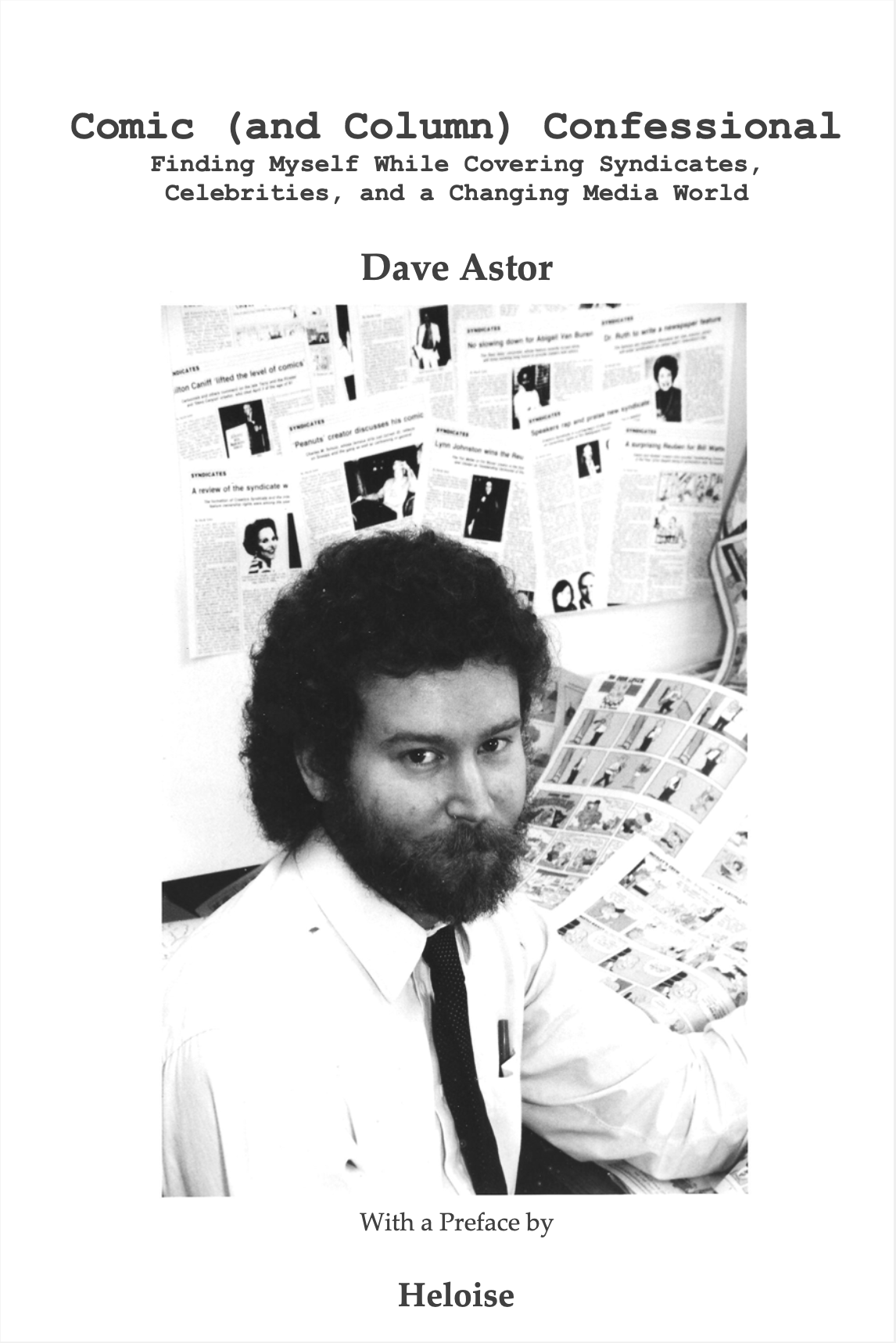
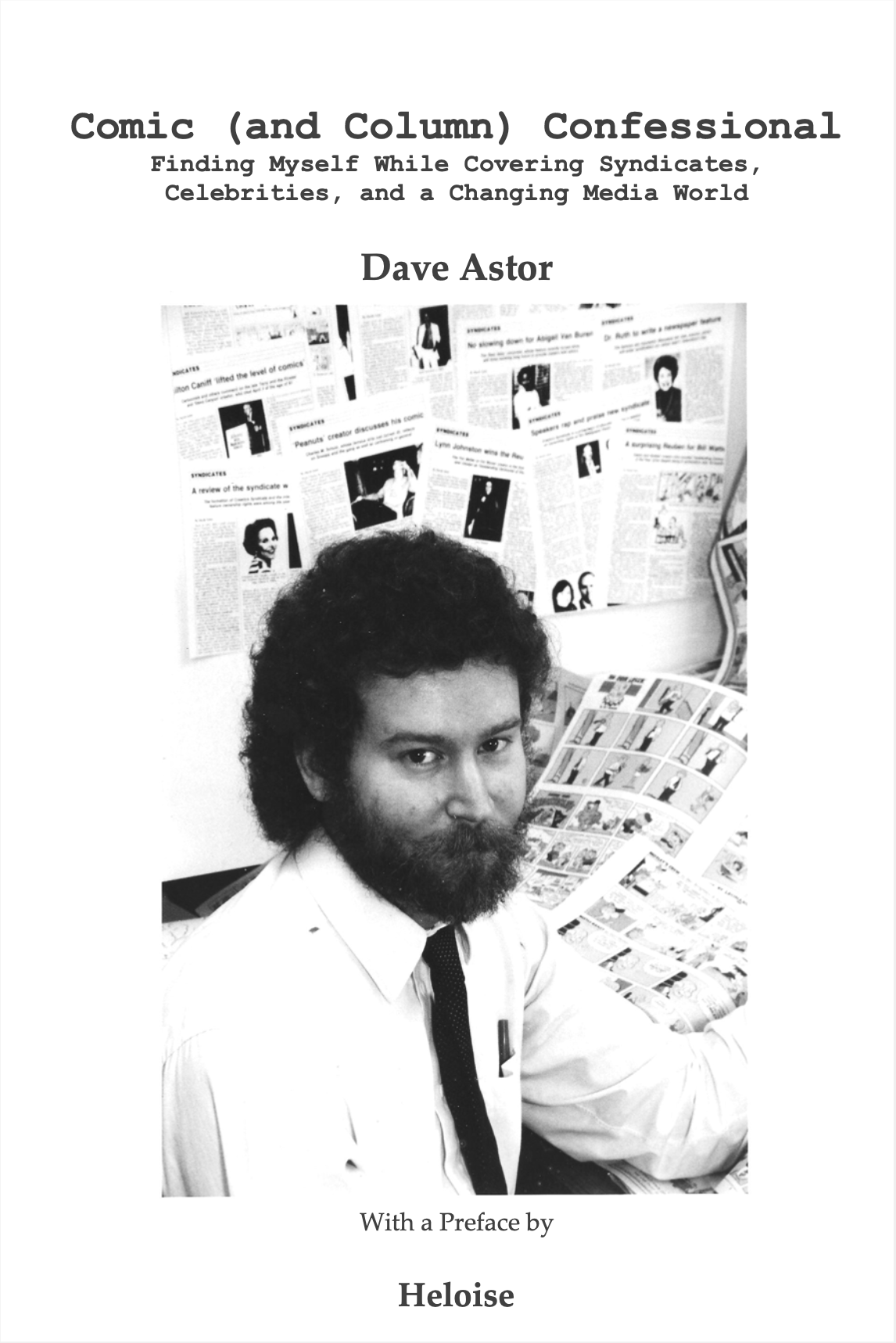
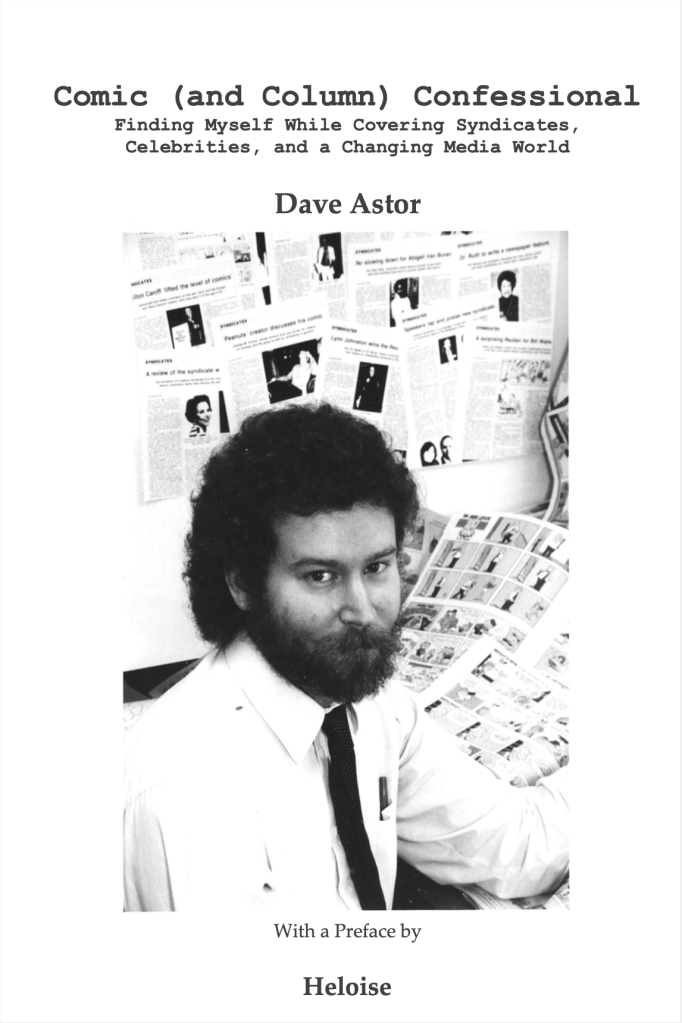
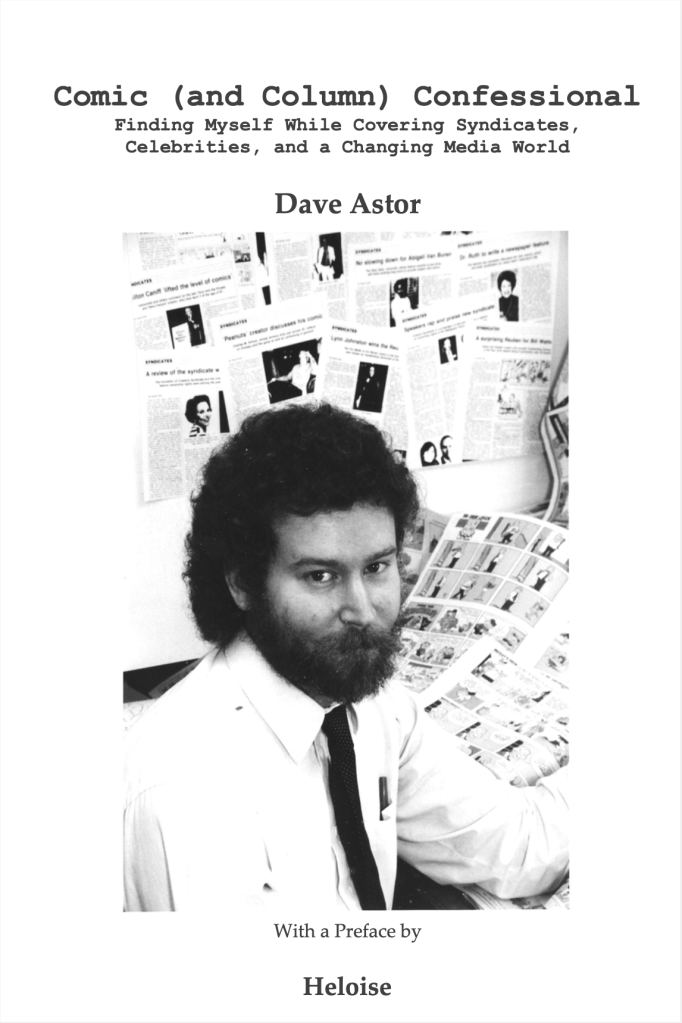
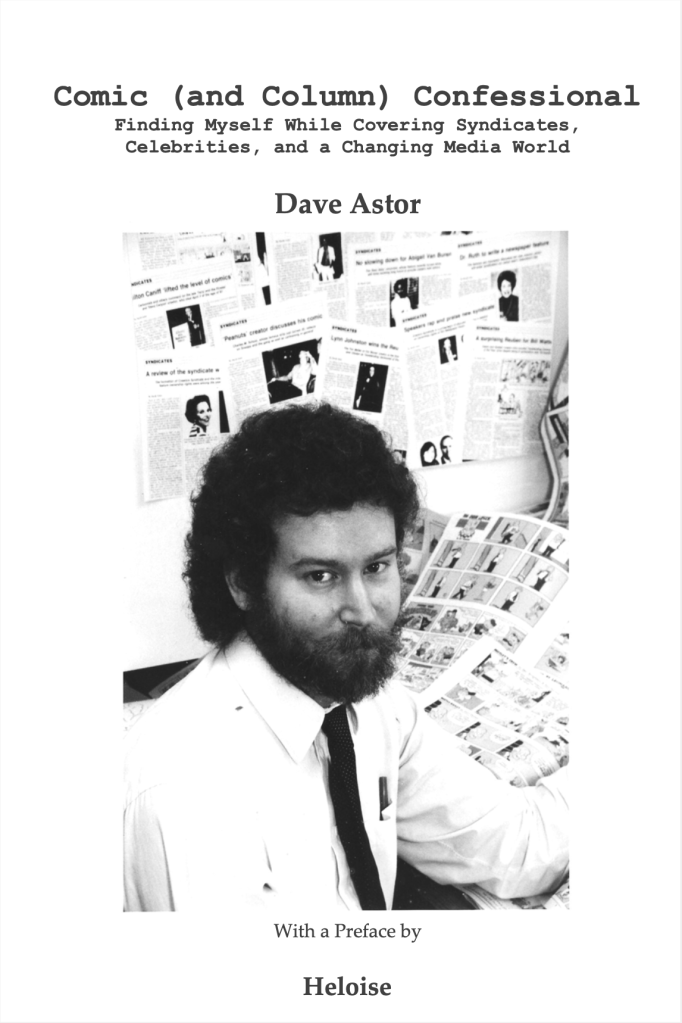
…as well as a 2012 memoir that focuses on cartooning and more, and includes many encounters with celebrities.

In addition to this weekly blog, I write the 2003-started/award-winning “Montclairvoyant” topical-humor column every Thursday for Montclair Local. The latest piece — about my local Township Council’s welcome vote to support a proposed state bill to protect immigrants from the Trump regime — is here.

Novelists Have the Facility to Depict Nobility

Yesterday, a massive total of nearly seven million people attended the 2,700-plus “No Kings” rallies in the United States and abroad to protest Trump’s fascist/authoritarian regime as that Republican administration ignores Congress, enriches itself, cracks down on peaceful dissent, arrests innocent people of color, invades American cities for no good reason, meddles in other countries’ affairs, starts or supports wrongful military actions around the world, etc. Which, as a literature blogger, reminded me of kings and other royalty in fiction — including historical fiction.

Of course, some royalty can be partly benevolent, but in many cases all that power heightens a ruler’s nasty instincts, makes a corrupt person even more corrupt, and increases the entitlement of the already entitled. Also, being a member of royalty doesn’t exactly involve the merit system.

I’ve never deliberately sought out novels containing royal characters, much preferring to read about the lives of “everyday” people. But privileged aristocrats have popped up here and there in my reading.

For instance, when long ago working through many a great book by Mark Twain, I polished off The Prince and the Pauper (two boys changing places) and A Connecticut Yankee in King Arthur’s Court (in which a certain king appears).

Another 19th-century novel, Alexandre Dumas’ 17th-century-set The Three Musketeers, includes King Louis XIII and Queen Anne as secondary characters.

In Charles Dickens’ A Tale of Two Cities, King Louis XVI and King George III are referenced.

Some novels written in the 20th and 21st centuries also include royal characters. Hilary Mantel’s Wolf Hall has Henry VIII and other monarchical personages, Josephine Tey’s The Daughter of Time harkens back to King Richard III, Robert Graves’ I, Claudius features the Roman emperor of the book’s title, J.R.R. Tolkien’s The Lord of the Rings has the would-be king Aragorn, and Philippa Gregory’s Earthly Joys has the Duke of Buckingham.

There’s also William Goldman’s The Princess Bride, Meg Cabot’s The Princess Diaries, Antoine de Saint-Exupery’s The Little Prince, Lewis Carroll’s Alice’s Adventures in Wonderland and its Queen of Hearts, C.S. Lewis’ The Chronicles of Narnia and its King Tirian, Diana Gabaldon’s Outlander and its King Louis XV appearance, Margaret Landon’s Anna and the King of Siam that inspired The King and I musical, and so on.

Of course there’s royalty, too, in various Shakespeare plays and in other stage creations such as Eugene O’Neill’s The Emperor Jones, Lin-Manuel Miranda’s Hamilton (King George III), etc.

I’m sure I’ve only touched the surface here. Any additional examples of, or thoughts about, this topic?

Misty the cat asks: “What’s the new White House ballroom doing here?”

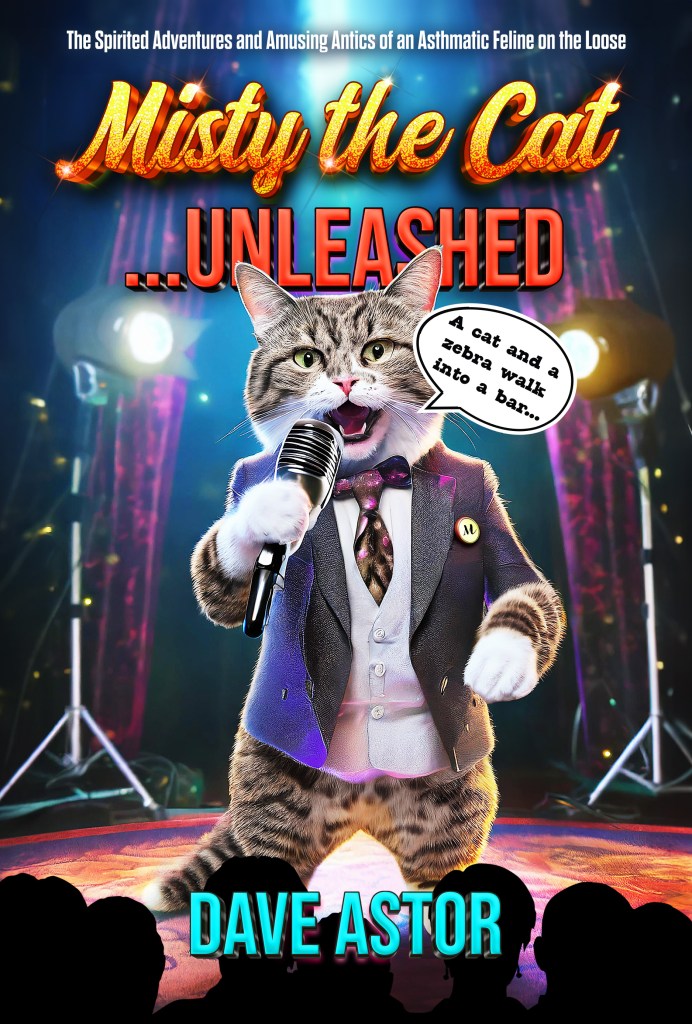
My comedic 2024 book — the part-factual/part-fictional/not-a-children’s-work Misty the Cat…Unleashed — is described and can be purchased on Amazon in paperback or on Kindle. It’s feline-narrated! (And Amazon reviews are welcome. 🙂 )

This 90-second promo video for the book features a talking cat: 🙂

I’m also the author of a 2017 literary-trivia book

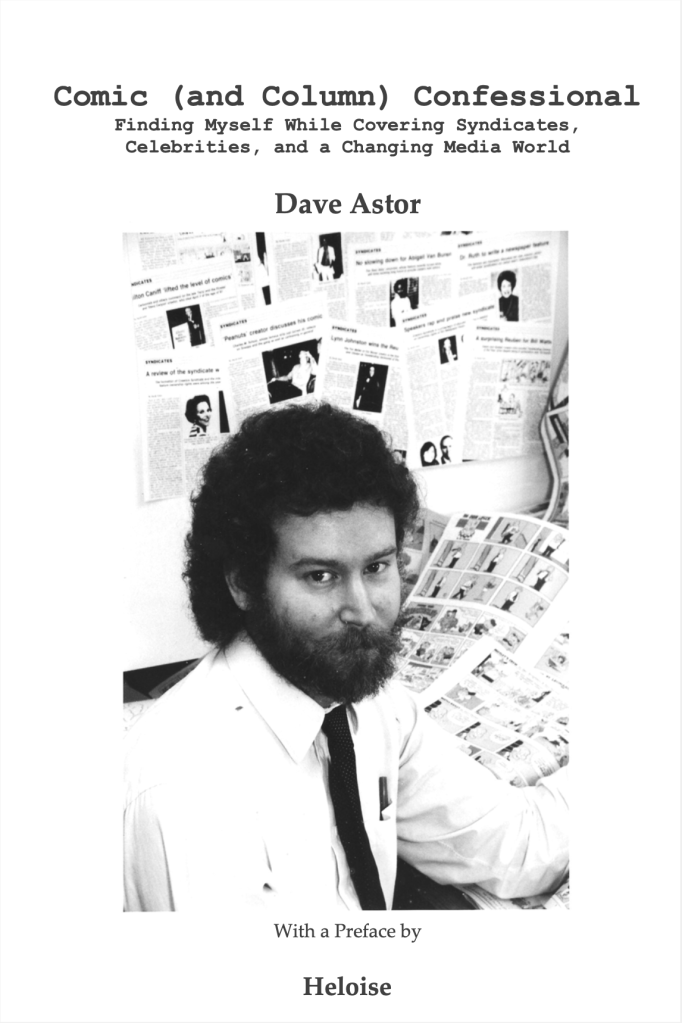
…and a 2012 memoir that focuses on cartooning and more, and includes many encounters with celebrities.

In addition to this weekly blog, I write the 2003-started/award-winning “Montclairvoyant” topical-humor column every Thursday for Montclair Local. The latest piece — about wondering how to vote in a controversial local tax referendum that will be held this December because of a huge school district deficit — is here.

Reimagination Actualization

Four years ago, I blogged about fiction that uses previous fiction as a jumping-off point — and perhaps reimagines well-known characters. This post is sort of a sequel to that post, taking a somewhat different angle and including several novels I’ve read since 2021.

In general, I’m not a huge fan of fiction that’s heavily inspired by a famous work; I’d rather writers be more original than that. Still, there have been some excellent novels that offer insights into the previous work and might be great in their own right.

My latest encounter with this reimagining phenomenon was Queen Macbeth, Val McDermid’s 2024 novella that takes a fascinating approach to characters in Shakespeare’s iconic Macbeth play. The book is excellent, giving Lady Macbeth a more positive (and more historically accurate) persona as a compelling plot unfolds in two different timelines.

McDermid’s book reminded me a bit of Margaret Atwood’s 2005 novella The Penelopiad (mentioned in my 2021 post) that gives Penelope a bigger and more feminist role than she had in Homer’s ancient Odyssey poem.

There’s also Demon Copperhead, Barbara Kingsolver’s 2022 tour de force that gives Charles Dickens’ 1850 classic David Copperfield a modern spin in America’s Appalachian region during the opioid epidemic.

Kristin Hannah’s gripping 2021 novel The Four Winds was obviously inspired by John Steinbeck’s The Grapes of Wrath (1939), but it’s still plenty original and differs in featuring a female protagonist. (The title character in Demon Copperhead is male.)

Zadie Smith has described the structure/focus of her novel On Beauty (2005) as an homage to E.M. Forster’s Howards End (1910).

In her also-published-in-2005 novel March, Geraldine Brooks takes the father from Louisa May Alcott’s 1868-released Little Women and gives him his own story.

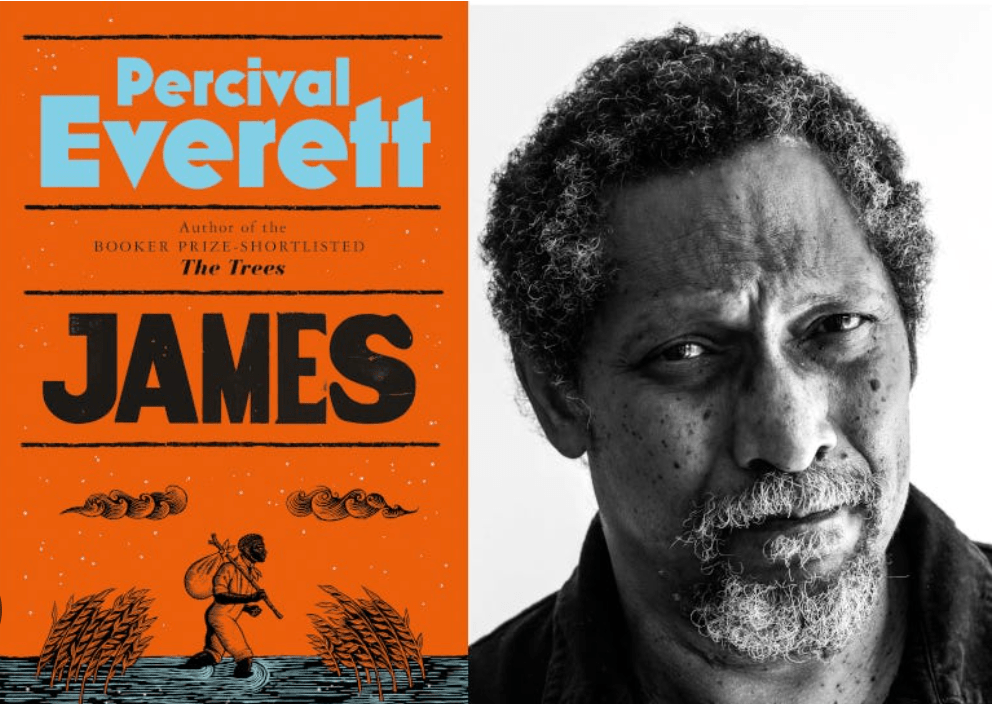
I haven’t read it yet, but Percival Everett’s acclaimed James (2024) reimagines Mark Twain’s Adventures of Huckleberry Finn (1884) from the perspective of the escaped slave Jim.

In my 2021 post, I mentioned the 1966 novel Wide Sargasso Sea, in which Jean Rhys gives three-dimensionality to the “madwoman in the attic” of Charlotte Bronte’s novel Jane Eyre; Rhys’ creation is in effect a prequel to Bronte’s 1847 book. I also discussed the novel (by Gregory Maguire) and the play Wicked, which sympathetically portray the Wicked Witch from L. Frank Baum’s The Wonderful Wizard of Oz novel (1900) and The Wizard of Oz movie (1939).

Mentioned as well in that post were Isabel Allende’s 2005 novel Zorro, Jasper Fforde’s 2001 novel The Eyre Affair, and Seth Grahame-Smith’s 2009 Jane Austen parody Pride and Prejudice and Zombies — the last of which I haven’t felt the “Persuasion” to read.

Comments about, and examples of, this theme?

Misty the cat says: “My right turn has nothing to do with politics.”

My comedic 2024 book — the part-factual/part-fictional/not-a-children’s-work Misty the Cat…Unleashed — is described and can be purchased on Amazon in paperback or on Kindle. It’s feline-narrated! (And Misty says Amazon reviews are welcome. 🙂 )

This 90-second promo video for the book features a talking cat: 🙂

I’m also the author of a 2017 literary-trivia book

…and a 2012 memoir that focuses on cartooning and more.

In addition to this weekly blog, I write the 2003-started/award-winning “Montclairvoyant” topical-humor column every Thursday for Montclair Local. The latest piece — about a badly maintained lower-income apartment building, a change in venue for a senior center, and more — is here.

Restrictions Need Not Cause Conniptions

Credit: Random House

Authors dealing with restrictions can find their literary creativity stifled or stimulated. This post will discuss several examples of the latter.

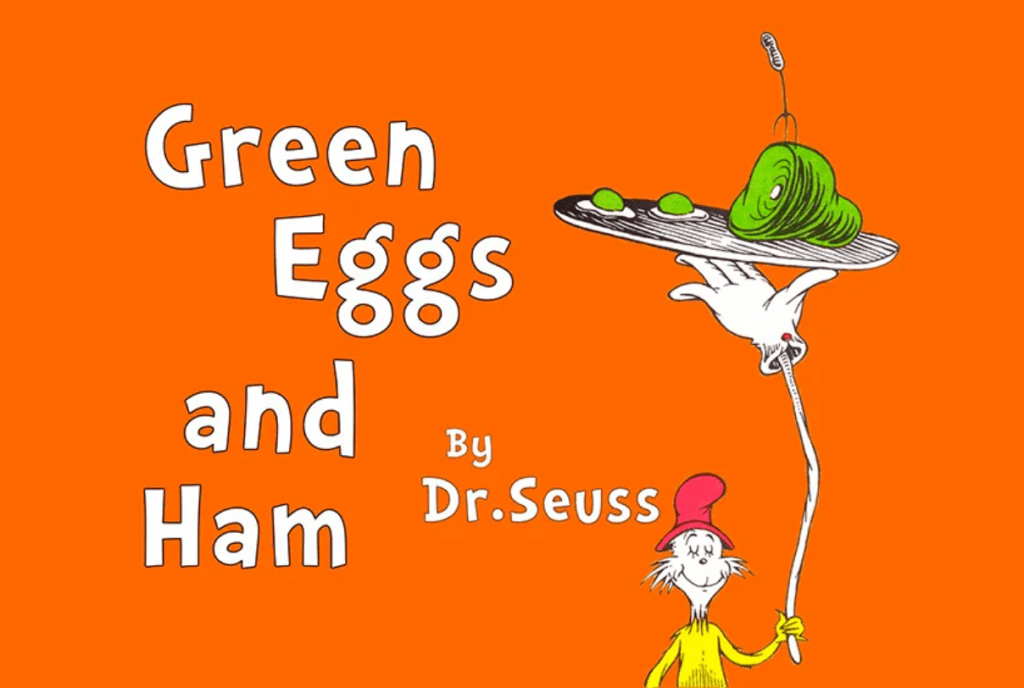
Some fiction fans know the story behind the iconic Green Eggs and Ham. Dr. Seuss was challenged to do a children’s book containing a maximum of 50 different words (albeit all of which could be used more than once). The author struggled with that parameter, but eventually created what has been an enduring bestseller since 1960.

Moving to adult novels, Margaret Atwood was asked to write a book retelling a classic myth of her choosing — so the Canadian author obviously had a limitation on subject matter. She decided to do a feminist take on Homer’s Odyssey, focusing on Odysseus’ wife Penelope and other women. The result was 2005’s The Penelopiad. Not one of Atwood’s most compelling novels, but worth reading.

Another way of working within a framework is writing a novel in verse. Such was the case with Eugene Onegin (1833) by Russian author Alexander Pushkin, whose titular protagonist is a young, selfish, arrogant dandy. While one wouldn’t expect an all-poetry work to be as gripping as a more traditional prose novel, Eugene Onegin holds one’s interest and then some.

Russian-turned-American author Vladimir Nabokov also gave himself a challenge with Pale Fire (1962), which contains a lengthy poem along with prose. A brilliant novel, but not exactly a warm novel — despite having fire in its title. 🙂

Then there are novels written in countries ruled by dictatorial regimes, meaning that if the authors want to satirize said regimes they need to be indirect and allegorical to try avoid possible prison or death. One example is The Master and Margarita, a rollicking novel that Mikhail Bulgakov wrote between 1928 and 1940 in the Stalin-led Soviet Union.

There are also the creative restrictions involved with co-authoring a novel, because it’s not “the baby” of just the usual solo writer. Among such books is 1873’s The Gilded Age by Charles Dudley Warner and Mark Twain. Each man mostly wrote separate chapters, though they reportedly jointly penned a few. The result was an awkward fit; one could tell that the satirical chapters were Twain’s, although Warner’s serious/more-conventional sections weren’t bad.

Finally, I recently read Past Lying (2023), the seventh installment of Scottish author Val McDermid’s series starring cold-case detective Karen Pirie. McDermid imposed restrictions of a sort on herself by setting the novel during 2020’s Covid lockdown, which gave Pirie and her police colleagues quite a logistical challenge investigating a twisty case of murder committed by a crime author. But McDermid pulled it off; I think Past Lying is the best of the Pirie series.

Any comments about, and/or examples of, this topic?

Many thanks to “The Introverted Bookworm” — talented blogger/author Ada Jenkins — for the wonderful review of my 2017 literary-trivia book she posted this past Tuesday, May 27. Very, very appreciated! 🙂

Misty the cat says: “Every cat needs a vacation home.”

My comedic 2024 book — the part-factual/part-fictional/not-a-children’s-work Misty the Cat…Unleashed — is described and can be purchased on Amazon in paperback or on Kindle. It’s feline-narrated! (And Misty says Amazon reviews are welcome. 🙂 )

This 90-second promo video for my book features a talking cat: 🙂

I’m also the author of the aforementioned 2017 literary-trivia book

…and a 2012 memoir that focuses on cartooning and more.

In addition to this weekly blog, I write the 2003-started/award-winning “Montclairvoyant” topical-humor column every Thursday for Montclair Local. The latest piece — about Memorial Day, a local food pantry, and more — is here.

Our Favorite Friendships in Fiction

Perhaps we remember the great romances more, but literature’s great friendships also provide us with many pleasurable reading experiences.

Fictional friendships — which are often more enduring than romances — can teach us, touch us, blunt our cynicism, and remind us of our own longtime pals. And if some of literature’s buddies have a falling out, the silver lining for readers is plenty of dramatic tension.

I love friendships of all types in literature, but my favorites are the ones that cross the lines of race, ethnicity, gender, and class. Those different-background relationships can be tricky in real life, so it’s especially nice to see them succeed in fiction.

One obvious multicultural pairing is Mark Twain’s Huck and Jim — a white boy and a slavery-escaping black man who gradually become close. Heck, Adventures of Huckleberry Finn could have been called The Friendship of Huckleberry Finn — and we’re not talking about Huck’s interactions with the annoying Tom Sawyer!

There are also the unshakable comrades Chingachgook and Natty Bumppo in James Fenimore Cooper’s five absorbing “Leatherstocking” novels. The final The Last of the Mohicans scene between the Native-American chief and the white hunter (aka Hawkeye, Deerslayer, Pathfinder, etc.) is one of the most touching depictions of friendship in literature.

Or how about Uncle Tom and young Eva in Harriet Beecher Stowe’s Uncle Tom’s Cabin? Two admirable people who become interracial and intergenerational friends before circumstances turn tragic for each.

Another great example of friendship across age and class lines — this time with both characters white — is that of the working-class Mary and the older, more-moneyed Elizabeth in Tracy Chevalier’s historical novel Remarkable Creatures. Fossil hunting brings them together.

Mixed-gender friends? They include Jim and Antonia in Willa Cather’s excellent My Antonia, and none other than Harry Potter and Hermione Granger in J.K. Rowling’s mega-popular series.

Of course, many pals are the same gender and socioeconomically similar. One of the most memorable friendships in literature is between Jane Eyre and the sickly, religious, warmhearted Helen Burns (when both are kids) in Charlotte Bronte’s classic novel.

There’s also the prison friendship of Edmond Dantes and Abbe Farina in Alexandre Dumas’ rousing The Count of Monte Cristo, with the latter character doubling as a mentor; and the relationship between Dmitri and destined-for-prison Raskolnikov in Fyodor Dostoyevsky’s masterpiece Crime and Punishment — though Dmitri does most of the heavy lifting after the initial stages of that friendship.

Or how about “kindred spirits” Anne and Diana in L.M. Montgomery’s marvelous Anne of Green Gables?

In novels of more recent vintage, Terry McMillan’s appealing Waiting to Exhale features four friends (Savannah, Bernadine, Robin, and Gloria); John Irving’s A Prayer for Owen Meany depicts a fascinating friendship between John and the very original Owen; Margaret Atwood’s terrific The Robber Bride chronicles the many-year relationship between Roz, Charis, and Tony, all three of whom share an enemy; and Barbara Kingsolver’s Flight Behavior includes the fun, satisfying friendship between Dellarobia and Dovey.

I haven’t even gotten into friendships between humans and animals in novels such as Jack London’s riveting The Call of the Wild and White Fang, Albert Payson Terhune’s poignant His Dog, and William H. Armstrong’s also-poignant Sounder.

Who are your favorite friends in literature?

(The box for submitting comments is below already-posted comments, but your new comment will appear at the top of the comments area — unless you’re replying to someone else’s comment.)

For three years of my Huffington Post literature blog, click here.

I’ve also written more than 50% of a literature-related book, but I’m still selling my often-funny Comic (and Column) Confessional memoir — which recalls 25 years of covering/meeting cartoonists such as Charles Schulz (“Peanuts”) and Bill Watterson (“Calvin and Hobbes”), columnists such as Ann Landers and “Dear Abby,” and other notables such as Hillary Clinton, Coretta Scott King, and various authors. The memoir also talks about the malpractice death of my first daughter, my remarriage, and life in New York City and Montclair, N.J. — where I write the award-winning weekly “Montclairvoyant” humor column for The Montclair Times. I can be contacted at dastor@earthlink.net to buy a discounted, inscribed copy of the book, which contains a preface by “Hints” columnist Heloise and back-cover blurbs by “The Far Side” cartoonist Gary Larson, among others.