The Return of the Educators

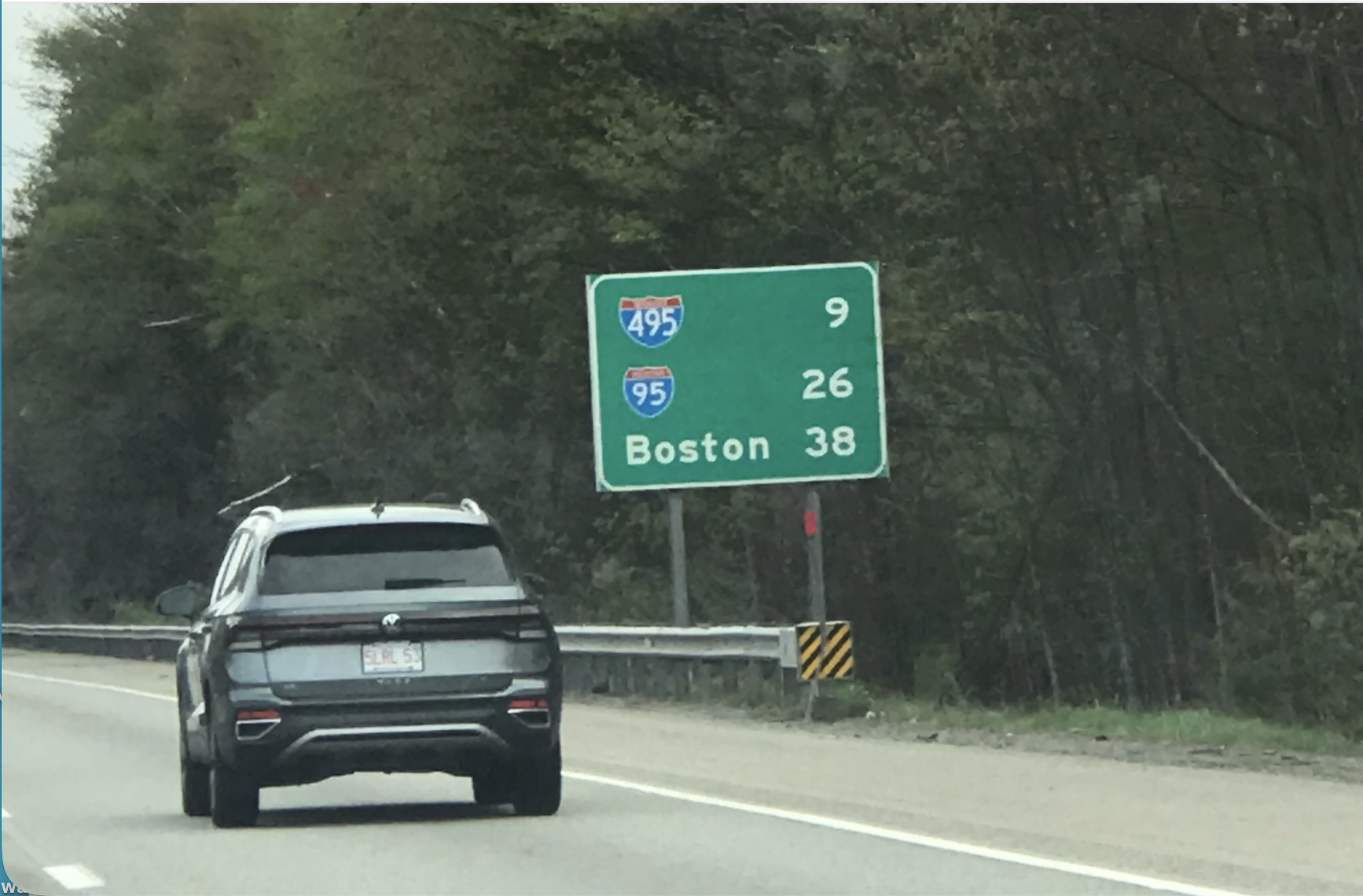
On the way to Boston this past Friday, May 8, from New Jersey. (Photo by me.) Unsurprisingly, we were behind a car with Massachusetts plates…I think.

My wife Laurel and I were in Boston the past couple days picking up our younger daughter Maria from her first year of college, meaning I didn’t have a lot of time to write. Because of that, I figured I’d rerun a post…and it seemed appropriate to have that literature piece be about educators — whether professors or teachers of younger students. But I’ve done several posts over the years featuring fictional (and actual) educators, so I decided to reference all of them.

In 2023, I discussed real-life authors who also are or were professors.

“And why not?,” I wrote back then. “Teaching uses different creative muscles, is a source of additional income (not all well-known novelists are rich), gets authors away from their solitary writing desks into some semblance of the real world, enables them to help budding writers, gives them insight into what young people are thinking, etc. Perhaps their teaching also indirectly infuses their own writing, or even directly if a book they pen has an academic setting. On the other hand, teaching time does take away from writing time.”

I added, “In some cases, dual-duty authors were professors who later became novelists. But perhaps in more cases, they first gained some renown as novelists — after which universities came a-calling.”

The living and deceased authors/professors I named in that 2023 post included Jhumpa Lahiri (Barnard College); Toni Morrison (Princeton University, Rutgers University, etc.); Joyce Carol Oates (Princeton, University of California, Berkeley); Jeffrey Eugenides (Princeton, New York University); Zadie Smith (also NYU); Viet Thanh Nguyen (University of Southern California); Junot Diaz (Massachusetts Institute of Technology); Kent Haruf (Nebraska Wesleyan University); Vladimir Nabokov (Wellesley College, Cornell University); and J.R.R. Tolkien (University of Oxford).

In 2021, 2015, and 2012 posts (the earliest one for The Huffington Post two years before this blog’s 2014 launch), I discussed fictional educators. Many who are as smart, hardworking, and compassionate as some of our favorite real-life teachers we might fondly recall when reading about fictional ones.

Literature’s memorable educators include — among others — Anne Shirley in Anne of Avonlea, the first sequel to L.M. Montgomery’s Anne of Green Gables; Charles Chipping of James Hilton’s Goodbye, Mr. Chips; Ricky Braithwaite of E.R. Braithwaite’s autobiographical novel To Sir, With Love; Dan Needham of John Irving’s A Prayer for Owen Meany; and Jane Eyre, briefly a teacher in Charlotte Bronte’s novel after that character spent a longer time as a teacher of another sort: being a governess.

Children’s fiction also has some great teachers — with one I mentioned in a previous post being Ms. Frizzle of The Magic School Bus books written by Joanna Cole and illustrated by Bruce Degen.

Of course, not all teachers are terrific and/or admirable. In past posts I cited the bumbling Gilderoy Lockhart of J.K. Rowling’s Harry Potter series; the charismatic but fascist-leaning title character in Muriel Spark’s The Prime of Miss Jean Brodie; the means-well-but-overwhelmed Ida Ramundo of Elsa Morante’s novel History; and the comedic-but-a-bit-irresponsible Aimee Lanthenay of Colette’s Claudine at School.

When previously naming fictional professors, I noted that a number of them are quirky — which obviously can make for interesting reading. I added: “There can be drama in their interactions with students, in their competitive relationships with fellow profs, in their sometimes-fraught encounters with university administrators, in their quests for tenure, and in the whole publish-or-perish thing. All that makes up for the fact they are (usually) not the heroic, adventurous sorts who can make readers turn pages faster than tuition payments drain a bank account.”

Among literature’s other fictional profs are Howard Belsey and Monty Kipps of Zadie Smith’s On Beauty; Gauri Mitra of Jhumpa Lahiri’s The Lowland; William Stoner of John Williams’ Stoner; Virginia “Vinnie” Miner and Fred Turner of Alison Lurie’s Foreign Affairs; Tony Fremont (a woman) of Margaret Atwood’s The Robber Bride; Humphrey Clark of Margaret Drabble’s The Sea Lady; Grady Tripp of Michael Chabon’s Wonder Boys; and Godfrey St. Peter of Willa Cather’s The Professor’s House.

I asked this before in previous posts on this topic, but you’re welcome to again name some of your favorite fictional educators.

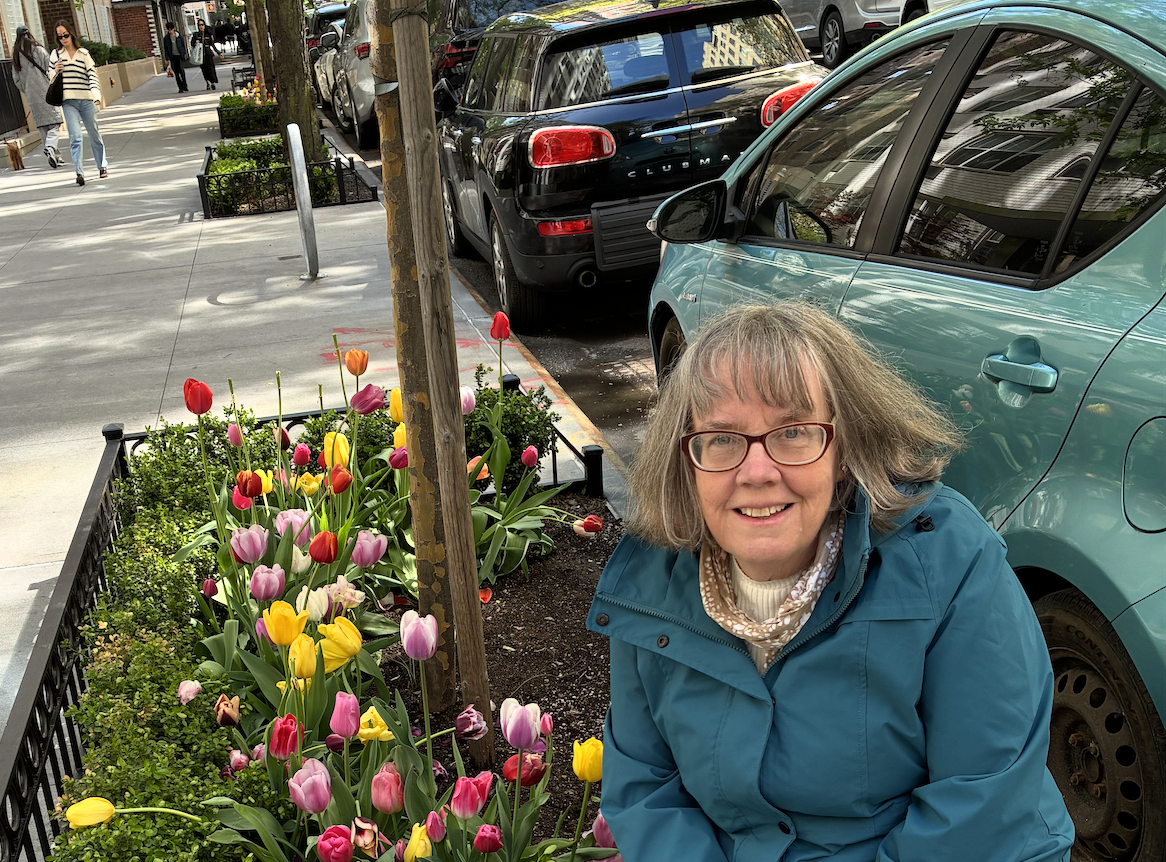
Happy Mother’s Day to my wife Laurel, who is…a professor. 🙂 This photo of her was taken last month in New York City.
Misty the cat says: “My teen human is home from college, so I sleep extra in celebration.”

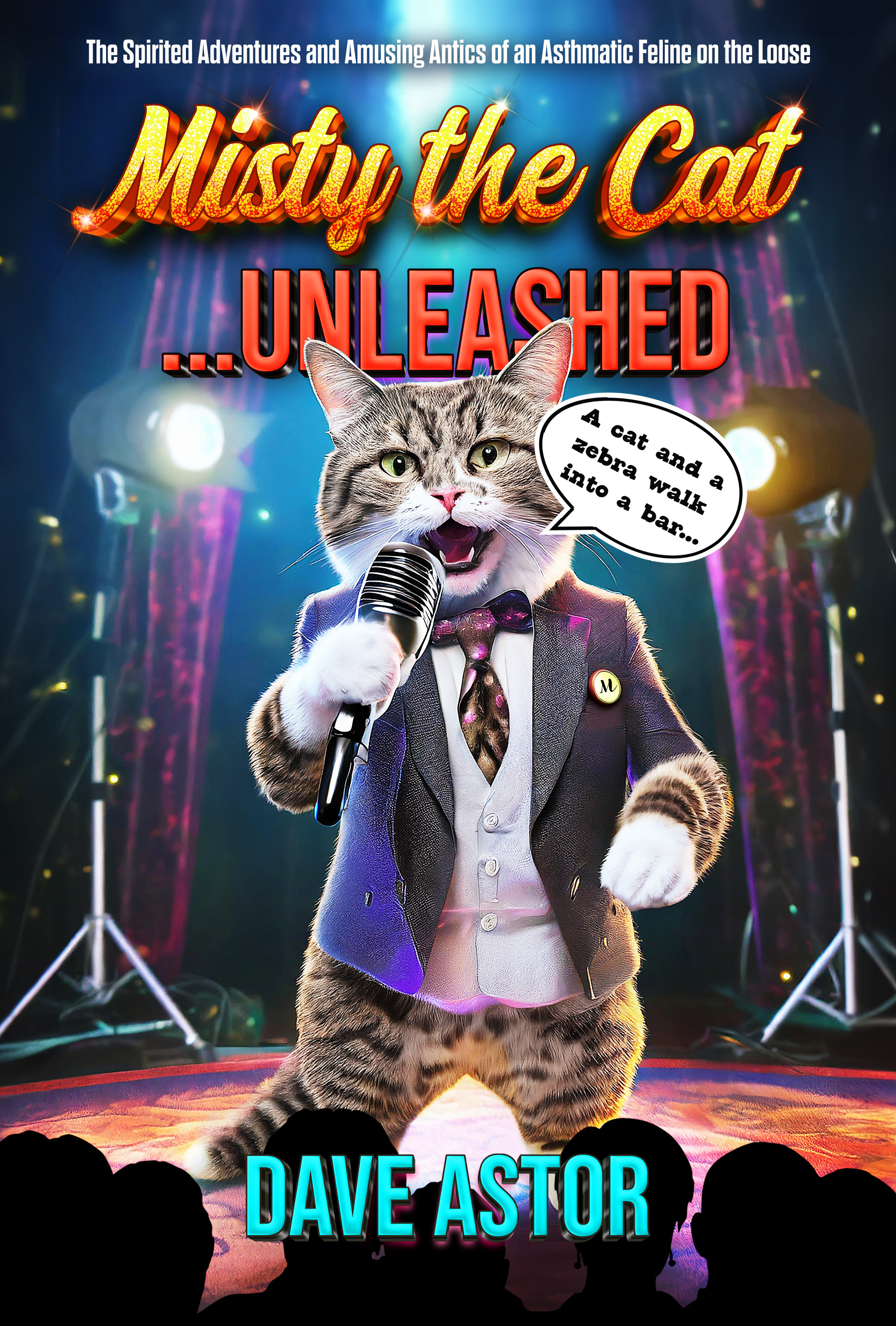
My comedic 2024 book — the part-factual/part-fictional/not-a-children’s-work Misty the Cat…Unleashed — is described and can be purchased on Amazon in paperback or on Kindle. It’s feline-narrated! (And Amazon reviews are welcome. 🙂 )
This 90-second promo video for the book features a talking cat: 🙂

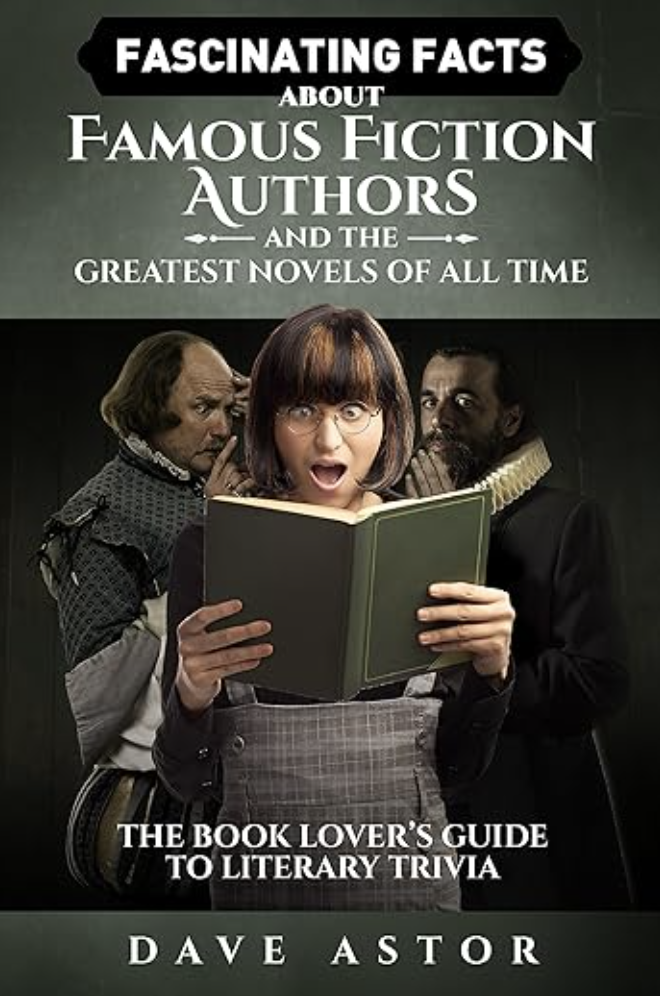
I’m also the author of a 2017 literary-trivia book

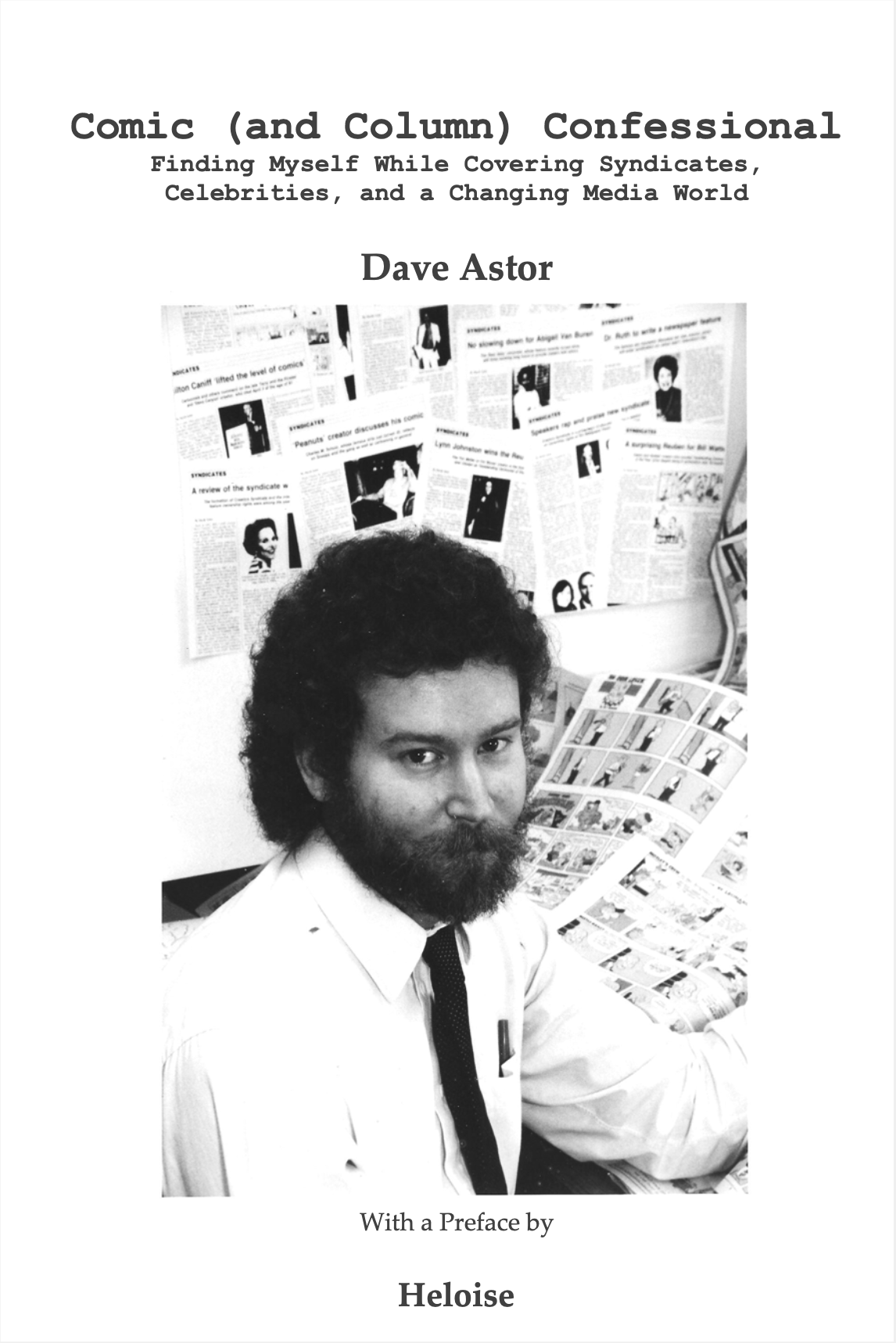
…and a 2012 memoir that focuses on cartooning and more, including many encounters with celebrities.
In addition to this weekly blog, I write the 2003-started/award-winning “Montclairvoyant” topical-humor column every Thursday for Montclair Local. The latest piece — which discusses my town’s grim school budget and more — is here.

As Some ‘Reformers’ Disrespect Public School Teachers, It’s Nice Seeing Top-Notch Teachers in Fiction

Teachers in literature! Most are smart, hardworking, and compassionate — like most real-life teachers we and our children had and have.

So it’s a shame that public school teachers aren’t more respected these days by many politicians, bureaucrats, and other bigwigs. For that reason, this blog post will offer an opinionated interlude before discussing some of fiction’s most memorable instructors.

One of my other writing pursuits is a topical humor column called “Montclairvoyant” that runs weekly in my hometown newspaper, The Montclair (N.J.) Times. An issue I’ve frequently focused on has been how education “reform” adversely affects teachers — and of course students, too.

This bipartisan “reform” began in earnest with President Bush’s “No Child Left Behind” initiative and continued with President Obama’s “Race to the Top” funding. “Race to the Top” basically bribed states to use the crummy Common Core curriculum (which doesn’t have enough emphasis on things like literature, art, music, etc.) and to increase standardized testing with exams such as the PARCCs. Those are the “Partnership for Assessment of Readiness for College and Careers” tests given twice a year even to elementary school students whose college and career plans are far in the future.

Standardized testing has increased so much that, when prep time is factored in, weeks and months are spent on those exams at the expense of fun, creative, effective learning. So, teachers are losing lots of their autonomy, even though they know best what their students need. Meanwhile, test results are also used to evaluate teachers, even though teachers have no control over the socioeconomic factors that make it harder for some students to learn.

Why all this “reform”? Part of it can be explained by “following the money.” Selling the tests and other classroom materials to school districts enriches private corporations such as Pearson, and selling the computers on which the standardized tests are given enriches tech companies. Also, if students and public schools are seen as failing — which the results of confusing, badly designed, age-inappropriate tests can create a false impression of — some districts might find their public schools replaced by charter schools that make many dollars for hedge-fund guys and other rich people. (Charters get taxpayer money, but taxpayers have no say in how they’re run.)

And charter school teachers usually aren’t unionized — meaning “reform” is partly designed to lessen the influence of (or even break) teacher unions. Also, the teaching field includes many women and Democrats, so right-wing Republicans love to see educators and public schools harassed. Which makes it even more disturbing that certain prominent Democrats such as Obama are also committed to “reform” — even as they and their fellow “reformers” in the GOP often hypocritically send their own kids to private schools that don’t have to deal with the Common Core and endless standardized tests like the PARCCs.

Great news, though: Many public school parents are refusing to allow their kids to take the PARCCs. In my town, the refusal rate was a magnificent 42.6% during the first round of tests this year (despite the fact that our PARCC-supporting, now-former superintendent provided parents with little “opt out” info), and that figure will undoubtedly grow. This pushback happened through the efforts of parents and others — some unaffiliated, some who are members of the Montclair Cares About Schools organization, some who are among the members of the “Share Montclair” Facebook group, etc.

A link to a recent “Montclairvoyant” column.

Anyway, most people trust and like teachers much more than they trust and like the corporate-friendly bigwigs foisting “reform” on public schools. One of my favorite fictional teachers is none other than Anne Shirley in Anne of Avonlea, the first sequel to L.M. Montgomery’s Anne of Green Gables. Anne becomes a teacher while still a pre-college teen — and predictably things don’t always go smoothly. But she is as kind and imaginative in her Canadian classroom as she is in her personal life, and earns the love and respect of students.

Another beloved teacher is Charles Chipping of James Hilton’s novel Goodbye, Mr. Chips, who starts off as a rather rigid and conventional educator but warms up over the course of his many-decade career at an English public boarding school.

Also in England, there’s the innovative teacher Ricky Braithwaite who wins over his at-first unmotivated students in E.R. Braithwaite’s autobiographical novel To Sir, With Love — later made into the famous movie starring Sidney Poitier.

Jane Eyre was briefly a teacher as well, and a good one, after fleeing Thornfield Hall in Charlotte Bronte’s classic novel. (Previously, she instructed one kid — Edward Rochester’s ward Adele — while governess at Thornfield.) Jane’s teaching approach was undoubtedly inspired, at least subconsciously, by the wonderful Maria Temple at the initially miserable Lowood institution Jane was forced to attend as a girl.

In American fiction, among the many admirable educators is drama teacher Dan Needham of John Irving’s A Prayer for Owen Meany.

Great teachers abound in children’s books, too, with one of the best being the ingenious, enthusiastic Ms. Frizzle of The Magic School Bus series written by Joanna Cole and illustrated by Bruce Degen.

Of course, not all teachers are terrific. In J.K. Rowling’s blockbuster Harry Potter series, for instance, educators range from admirable (think Minerva McGonagall) to incompetent (think Gilderoy Lockhart).

Then there are teachers somewhere in the middle of the competence spectrum. Ida Ramundo means well in Elsa Morante’s History novel, but her classroom performance deteriorates as she becomes overwhelmed by various disasters while trying to survive in Nazi-occupied Rome.

The title character in Muriel Spark’s The Prime of Miss Jean Brodie is an educator with charisma, but unfortunately she has fascist sympathies.

Also on the irresponsible side is young teacher Aimee Lanthenay, who has an affair with the student star of Claudine at School. But almost everything is played for laughs in Colette’s first novel, so the major ethical breach seems somewhat muted.

Who are the fictional teachers you remember most?

You’re also welcome to mention literature’s memorable professors (something I discussed in this 2012 post), or talk about America’s education situation in general.

(The box for submitting comments is below already-posted comments, but your new comment will appear at the top of the comments area — unless you’re replying to someone else.)

For three years of my Huffington Post literature blog, click here.

I’m writing a literature-related book, but still selling Comic (and Column) Confessional — my often-funny memoir that recalls 25 years of covering and meeting cartoonists such as Charles Schulz (“Peanuts”) and Bill Watterson (“Calvin and Hobbes”), columnists such as Ann Landers and “Dear Abby,” and other notables such as Hillary Clinton, Coretta Scott King, Walter Cronkite, and various authors. The book also talks about the malpractice death of my first daughter, my remarriage, and life in Montclair, N.J. — where I write the award-winning weekly “Montclairvoyant” humor column for The Montclair Times. You can email me at dastor@earthlink.net to buy a discounted, inscribed copy of the book, which contains a preface by “Hints” columnist Heloise and back-cover blurbs by people such as “The Far Side” cartoonist Gary Larson.