Duality Is Their Reality

Today is the first day of winter in the Northern Hemisphere, but it was also still autumn for a few hours. So, a two-faced day.

As in real life, some fictional characters also have two faces — offering different personas at different times and in different situations. This can be among the many building blocks involved in making a character complex, nuanced, and three-dimensional.

Perhaps the most literal depiction of a Janus-like character is the star of Strange Case of Dr. Jekyll and Mr. Hyde. The duality in Robert Louis Stevenson’s 1886 novel happens when Jekyll, a basically good man with some repressed dark tendencies, takes a potion that turns him into the evil Hyde.

But things are usually somewhat more subtle when it comes to characters with binary tendencies.

For instance, the villainous Count Fosco can also be quite charming in Wilkie Collins’ 1860 classic The Woman in White.

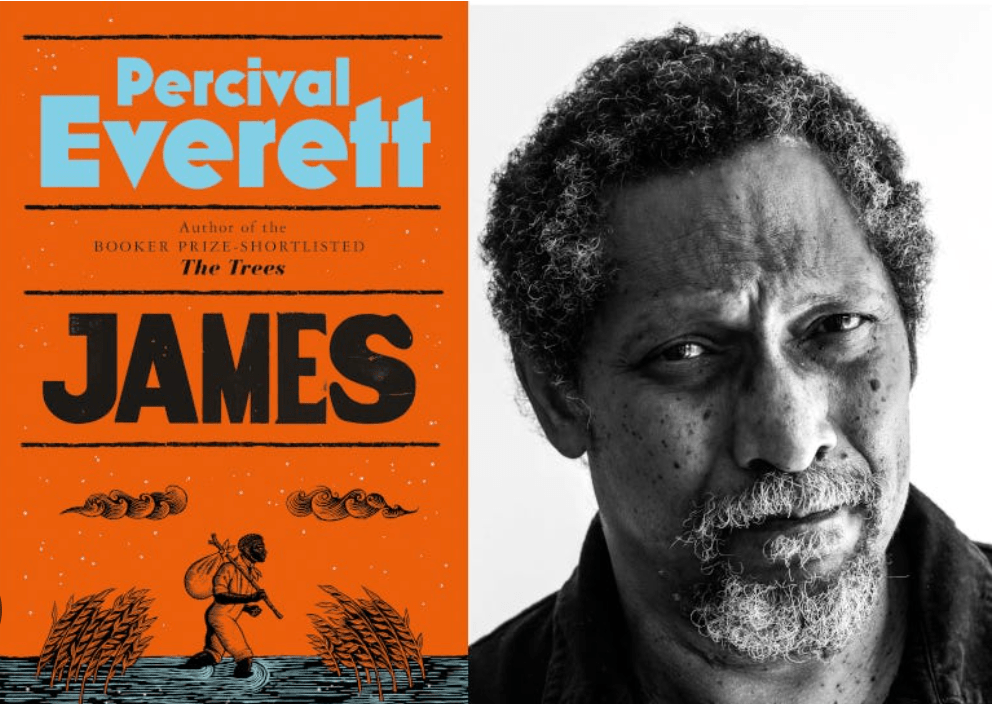
Much more recently, we have Percival Everett’s 2024 novel James, which reimagines Mark Twain’s Adventures of Huckleberry Finn from the vantage point of escaped slave Jim — after Twain mostly focused on Huck in his 1884 book. The duality here is that James, in a recognizable self-preservation maneuver, speaks in a different way (intellectually) to his fellow Black people than to white people (with whom he plays dumb). James, which I read last week, won the Pulitzer Prize for fiction earlier this year.

Jim’s dual persona reminds me of female characters who are smarter and/or more strategic than they let on. Daisy Buchanan of F. Scott Fitzgerald’s The Great Gatsby (1925) would be one example.

Returning to contemporary literature, we have Val McDermid’s crime series about cold-case detective Karen Pirie. She is mostly tough while on the job — both with suspects and with the people (including sexist men) she works with — while Pirie’s more vulnerable side emerges in her personal life.

Then there are the characters who are warrior-like in battle even as they can have more-tender aspects when not fighting. Jamie Fraser of Diana Gabaldon’s Outlander series certainly has those two elements.

Sometimes, two parts of a personality exist more consecutively than simultaneously — as with young Neville Longbottom of J.K. Rowling’s Harry Potter series. He starts off bumbling and insecure, but eventually becomes quite courageous. Perhaps that arc is more maturity than duality.

Any comments about and/or examples of this topic?

Misty the cat says: “It’s the first day of winter. Autumn must still be around here somewhere.”

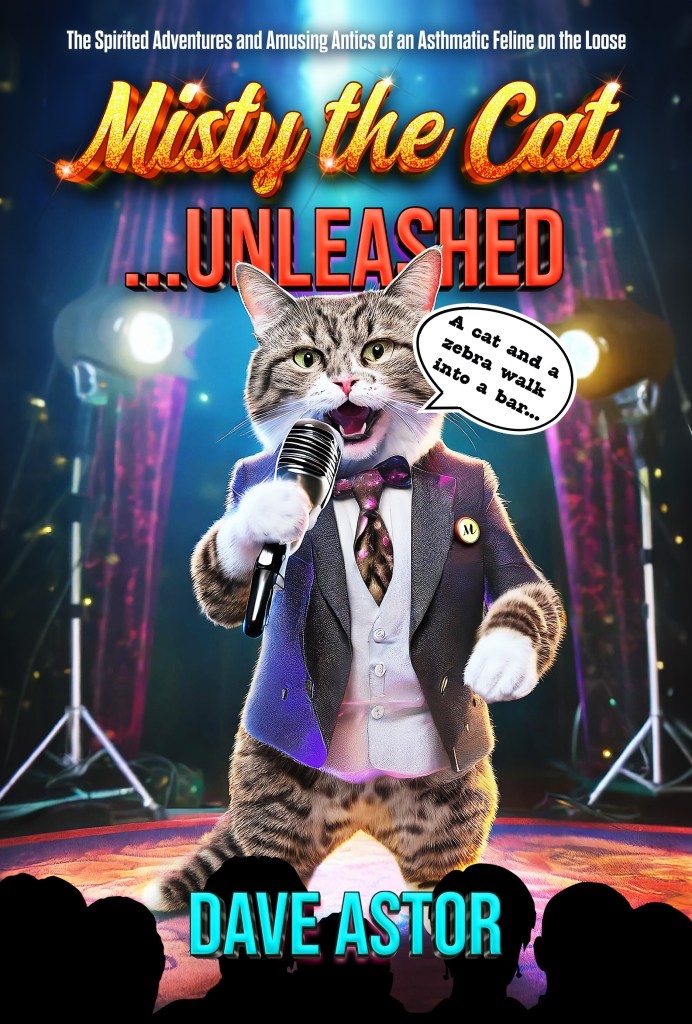
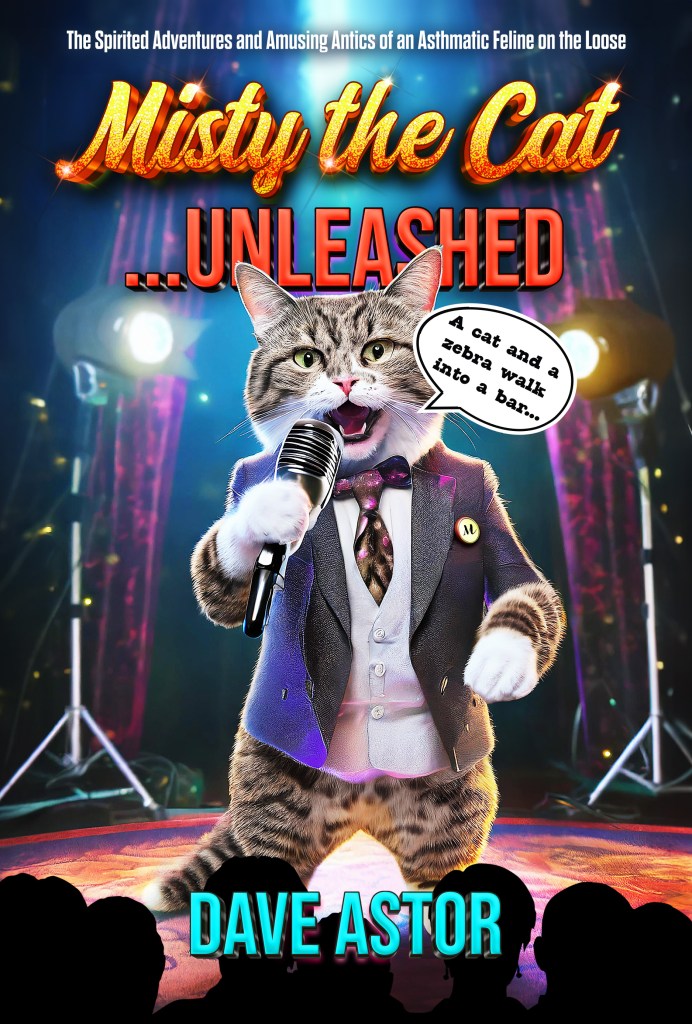
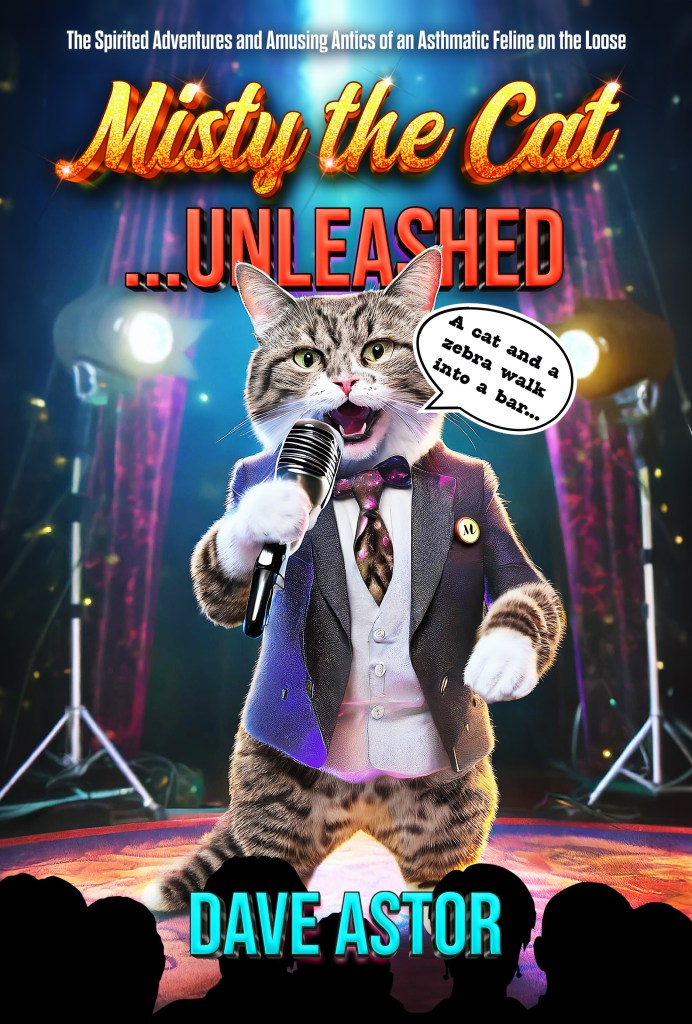
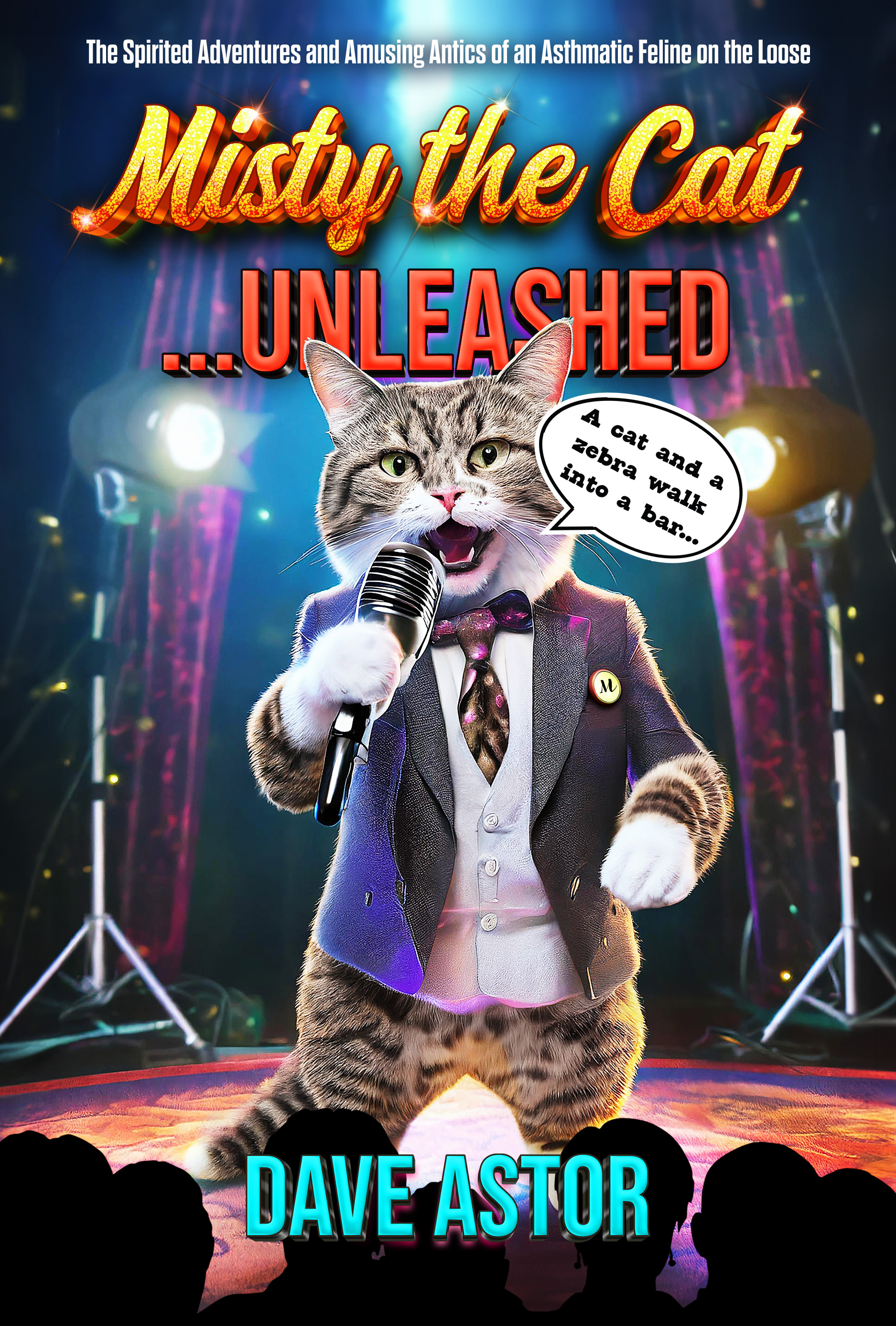
My comedic 2024 book — the part-factual/part-fictional/not-a-children’s-work Misty the Cat…Unleashed — is described and can be purchased on Amazon in paperback or on Kindle. It’s feline-narrated! (And Amazon reviews are welcome. 🙂 )
This 90-second promo video for the book features a talking cat: 🙂

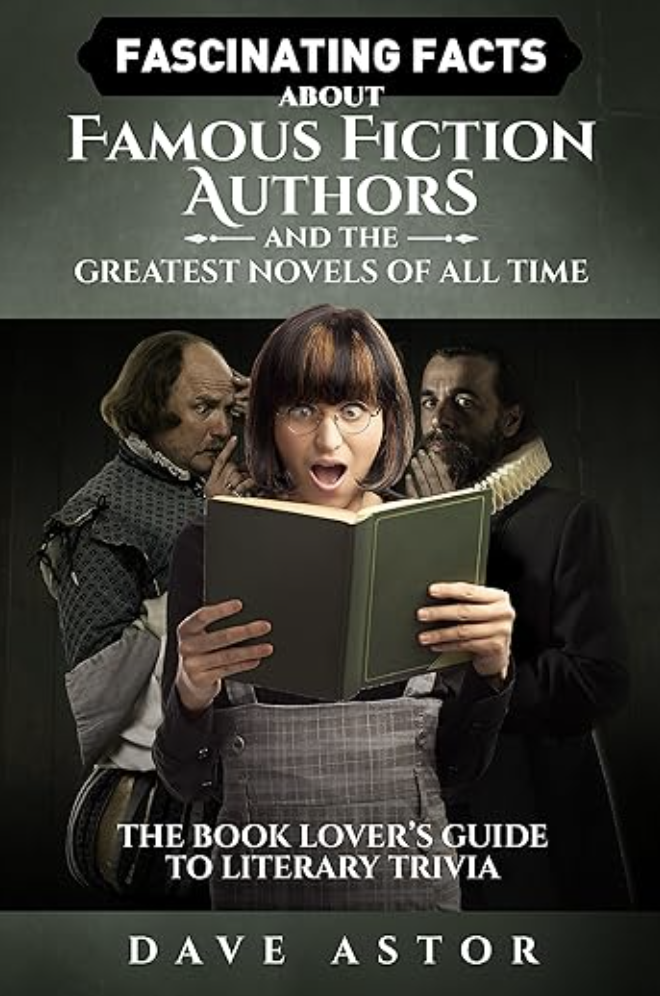
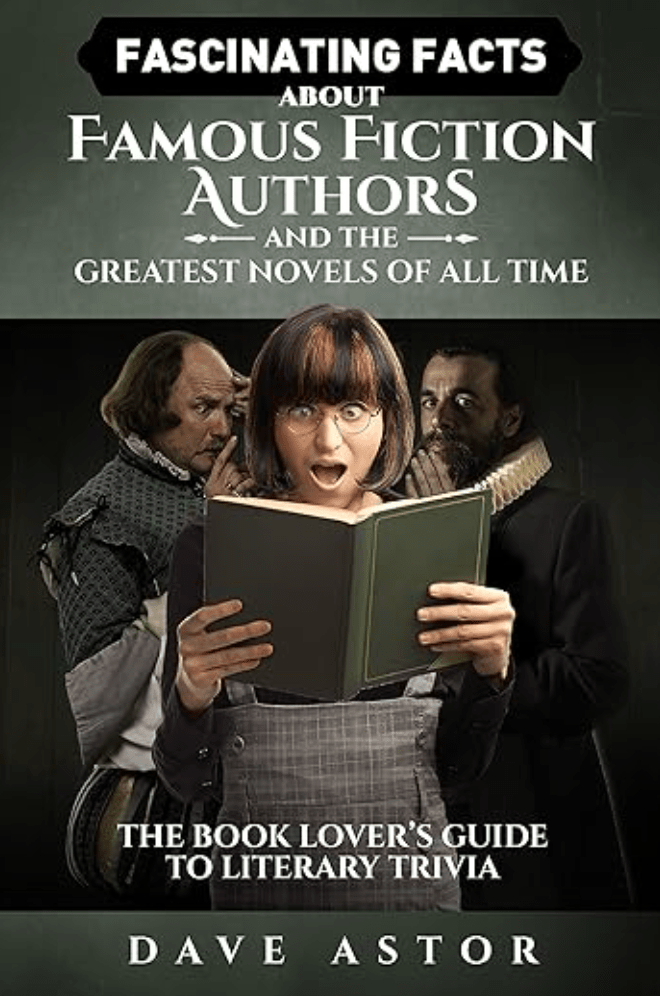
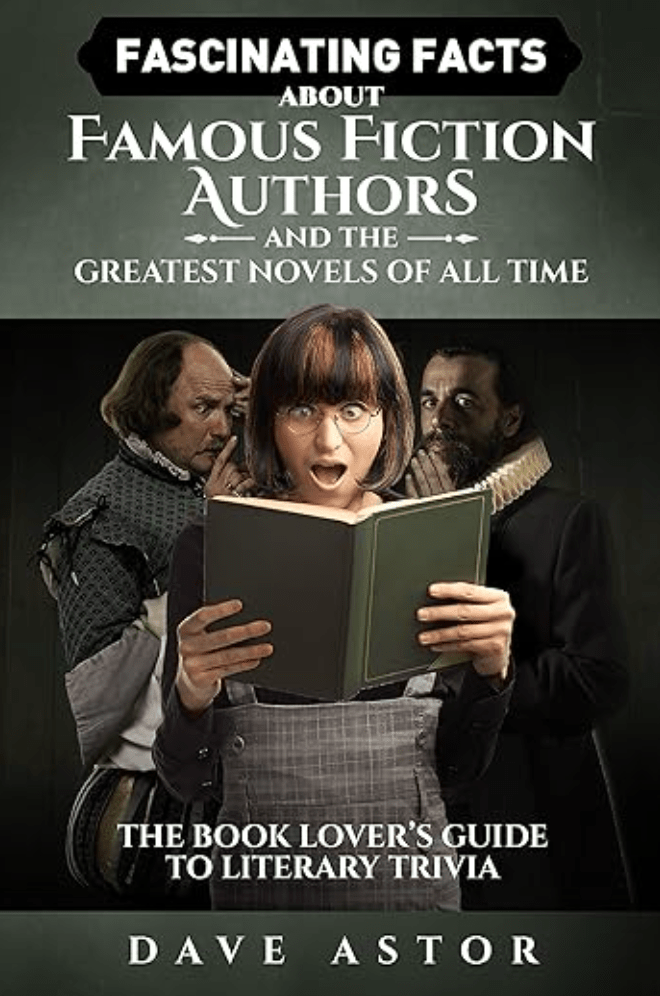
I’m also the author of a 2017 literary-trivia book

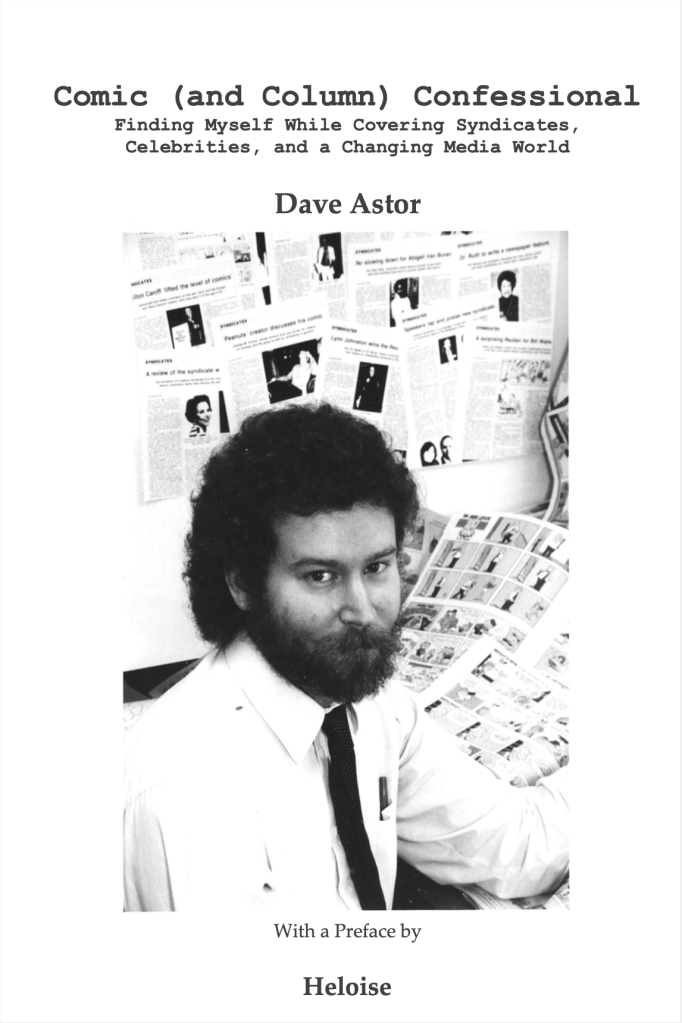
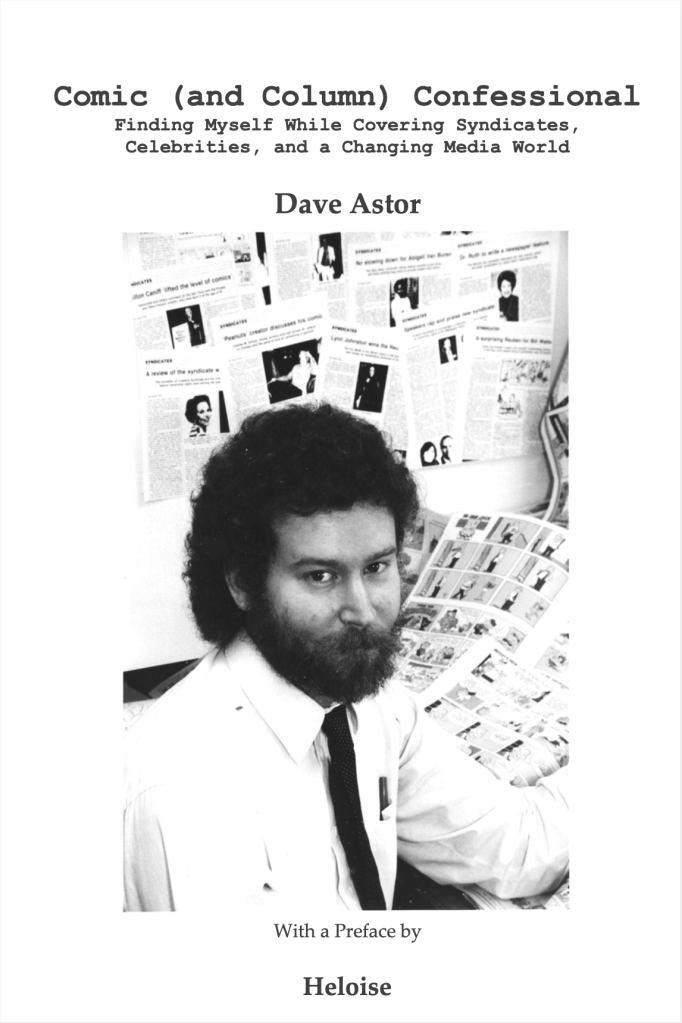
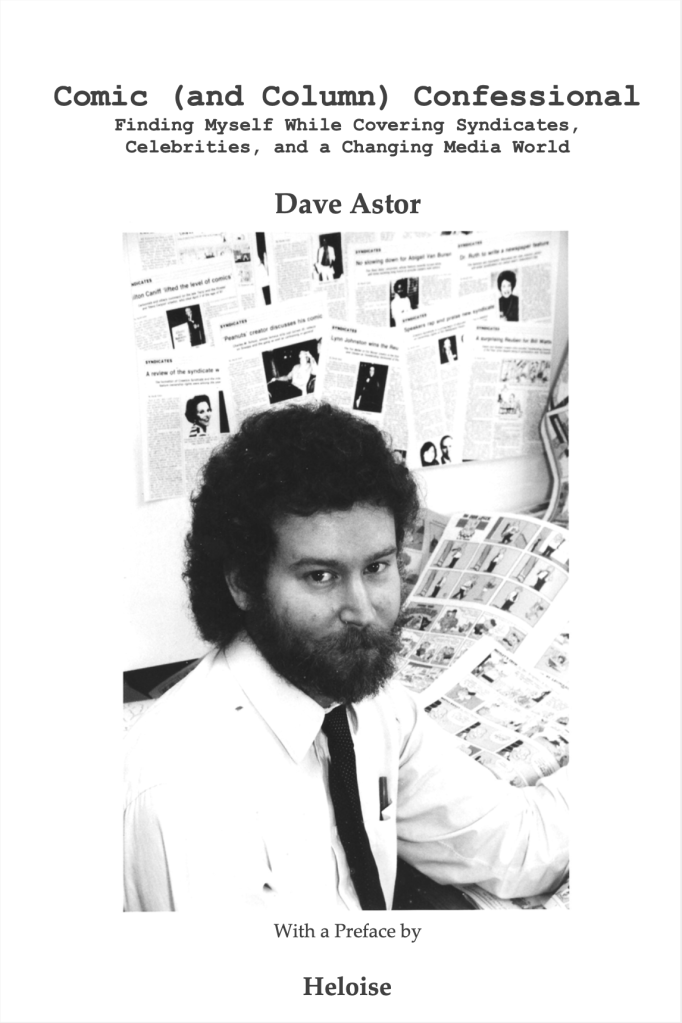
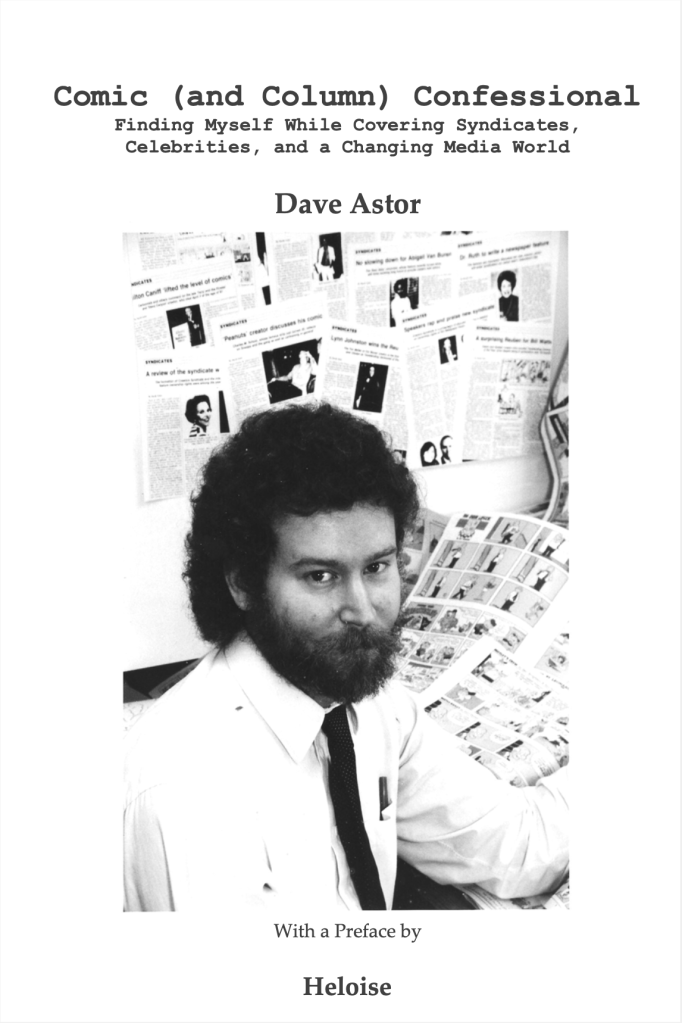
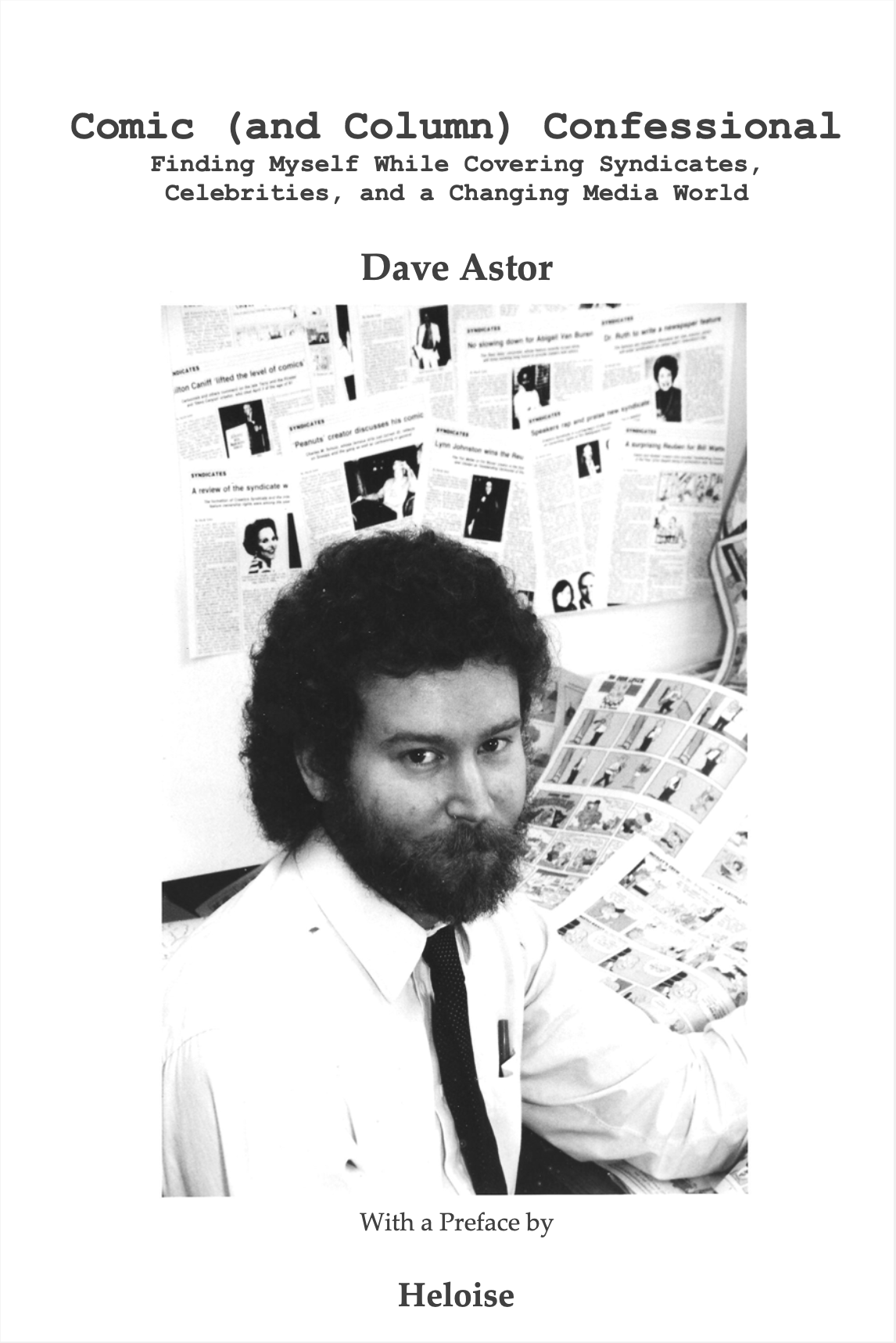
…and a 2012 memoir that focuses on cartooning and more, including many encounters with celebrities.
In addition to this weekly blog, I write the 2003-started/award-winning “Montclairvoyant” topical-humor column every Thursday for Montclair Local. The latest piece — which has a dystopian novel theme as it discusses 19 school-district jobs saved and 84 not saved (evoking George Orwell’s 1984) — is here.

The Books of Sleuth

It’s been a while since I wrote a post focusing on crime novels, so let’s get fictionally felonious again! Today, I’m going to discuss some of my favorite detectives/investigators in literature.

Their exploits can be compelling and satisfying for various reasons, including the wish-fulfillment aspect of seeing criminals get their comeuppance — though not always, and even those caught or killed can wreak a lot of havoc before their illegal work is done. Then there’s the appeal of intricate plots, trying to guess the culprits, seeing how fictional sleuths solve cases, enjoying the interesting and at-times weird personality traits of the detectives and criminals, etc.

Fictional sleuths — some professional, some amateur — are on my mind after having read four of Tarquin Hall’s India-set mysteries the past few weeks. They star private investigator Vish Puri — a brilliant, incorruptible, overeating, occasionally comedic, unfortunately a bit sexist character who solves various quirky cases. Just how quirky is telegraphed by the titles of some of Hall’s books, including The Case of the Man Who Died Laughing (2010) and The Case of the Deadly Butter Chicken (2012).

Yes, sleuths are often in multiple novels — including J.K. Rowling’s superb crime series starring Cormoran Strike and Robin Ellacott. Those two characters are brave, brainy, charismatic investigators who carry some serious physical or psychological baggage and, while work partners, are secretly in love with each other. It’s saying something that I find that 2013-launched series — written under the pen name Robert Galbraith — almost as compelling as Rowling’s earlier Harry Potter books.

Also excellent are Walter Mosley’s novels starring another expert investigator: Easy Rawlins, an African-American World War II veteran who lives in Los Angeles. The series began with the 1990-published Devil in a Blue Dress, and now has 16 installments set from the 1940s to 1960s.

Absorbing, too, are Louise Penny’s atmospheric Canada-set novels featuring inspector Armand Gamache.

And there are Val McDermid’s great books starring cold case detective Karen Pirie that I won’t get into today because I’ve recently written about them in other contexts.

Some other contemporary authors have created characters who are not detectives per se but do plenty of incisive sleuthing to solve crimes. Among them are bounty hunter Stephanie Plum in Janet Evanovich’s mysteries, attorney Mickey Haller in Michael Connelly’s books, and the roaming Jack Reacher in the novels by Lee Child (with recent titles co-written by Andrew Child).

Then of course there are past authors who created detectives — many quite iconic. Arthur Conan Doyle’s Sherlock Holmes (in novels and short stories), Edgar Allan Poe’s C. Auguste Dupin (in short stories), Agatha Christie’s Hercule Poirot and Miss Marple (of course!), Wilkie Collins’ Sgt. Richard Cuff (of The Moonstone), Umberto Eco’s William of Baskerville (in The Name of the Rose), Sue Grafton’s Kinsey Millhone (of alphabet mysteries fame), Dorothy L. Sayers’ Peter Wimsey/Harriet Vane duo, Raymond Chandler’s Philip Marlowe, Dashiell Hammett’s Sam Spade, P.D. James’ Adam Dalgliesh, etc.

And, in books penned by multiple authors over the years…Nancy Drew!

Comments about this post? Fictional sleuths you’ve liked?

Misty the cat says: “The leaves turned after I installed steering wheels on them.”

My comedic 2024 book — the part-factual/part-fictional/not-a-children’s-work Misty the Cat…Unleashed — is described and can be purchased on Amazon in paperback or on Kindle. It’s feline-narrated! (And Misty says Amazon reviews are welcome. 🙂 )

This 90-second promo video for the book features a talking cat: 🙂

I’m also the author of a 2017 literary-trivia book

…and a 2012 memoir that focuses on cartooning and more.

In addition to this weekly blog, I write the 2003-started/award-winning “Montclairvoyant” topical-humor column every Thursday for Montclair Local. The latest piece — about the start of school and more — is here.

At This Thematic Stop, We Hop on ‘Pop’

Alexander McCall Smith. (Photo by Chris Watt.)

Being an accomplished author doesn’t mean that every character she or he creates will “pop.”

Novelists are not machines; they don’t operate at 100% capacity with every word. Also, they might be more interested in certain characters than in other ones, perhaps because some characters have elements that are more quirky, unusual, etc. Authors might even make some characters deliberately boring because some people are boring and it might work for the story. And then of course there’s the matter of villains often having a level of charisma that nicer characters might not possess.

A great way to observe this phenomenon is with a novel featuring an ensemble cast in which no one is really the sole star. Such is 44 Scotland Street by Alexander McCall Smith, who populates his first-in-a-series 2005 book with residents of an apartment building (located at the Edinburgh address of the title) and with several other people who are friends or co-workers of said residents.

The “fulcrum” of 44 Scotland Street is probably Pat, a 20-year-old woman who opens the novel visiting the titular address in which she’ll soon share a multi-person apartment. But Pat is not that fascinating a person — partly because of her young age and relatively small amount of life experience. On the other hand, 60-something building resident Domenica is quite memorable, as is her 50-something artist friend — soon also Pat’s friend — Angus. Pat’s narcissistic apartment-mate Bruce is more annoying than interesting.

Of course, someone quite young can also be compelling. In McCall Smith’s novel, that would be five-year-old Bertie — a very precocious kid buckling under the pressure of a “helicopter” mom-from-hell forcing him to learn Italian and play a saxophone almost as big as he is.

Now I’ll fit three classics into this theme, although there are of course many other novels that could also be included.

The “hero” of Wilkie Collins’ 1860 mystery/adventure The Woman in White is the brave and devoted Walter Hartright, who has “the right heart” but doesn’t really “pop” into three-dimensionality. The characters who stand out include the deliciously wicked Count Fosco and the resourceful, not conventionally attractive, possibly lesbian (?) Marian Halcombe.

In Edith Wharton’s 1920 novel The Age of Innocence, protagonist Newland Archer is mildly interesting while his fiancee and subsequently wife May Welland is rather bland and conventional. The character who really “pops” is free-spirited bohemian Ellen Olenska — to whom Newland becomes attracted. This is clearly intentional on Wharton’s part as she sets up Newland’s internal struggle between what he wants and his societal “obligations” as a young man from an upper-class family.

Frodo Baggins might be “first among equals” in J.R.R. Tolkien’s The Lord of the Rings trilogy (published 1954-55). He’s admirable and courageous, but the low-key, earnest hobbit doesn’t “pop” like some other characters such as Frodo’s equally courageous but more spirited and quick-witted “servant” companion Samwise Gamgee and the anguished, part-villainous/part-sympathetic Gollum.

As I’ve written in a couple of past posts, supporting characters can frequently be more interesting than the so-called leads they might bounce off of in novels.

Your thoughts about, and examples of, this topic?

Misty the cat says: “My wagon flipped, so I’m walking the rest of the way to Mars.”
https://www.youtube.com/shorts/jNRBuJU6YFI

My comedic 2024 book — the part-factual/part-fictional/not-a-children’s-work Misty the Cat…Unleashed — is described and can be purchased on Amazon in paperback or on Kindle. It’s feline-narrated! (And Misty says Amazon reviews are welcome. 🙂 )

This 90-second promo video for my book features a talking cat: 🙂

I’m also the author of a 2017 literary-trivia book

…and a 2012 memoir that focuses on cartooning and more.

In addition to this weekly blog, I write the 2003-started/award-winning “Montclairvoyant” topical-humor column every Thursday for Montclair Local. The latest piece — about my town’s newly appointed schools superintendent — is here.

A Cat Named Misty Writes a Post That’s Twisty

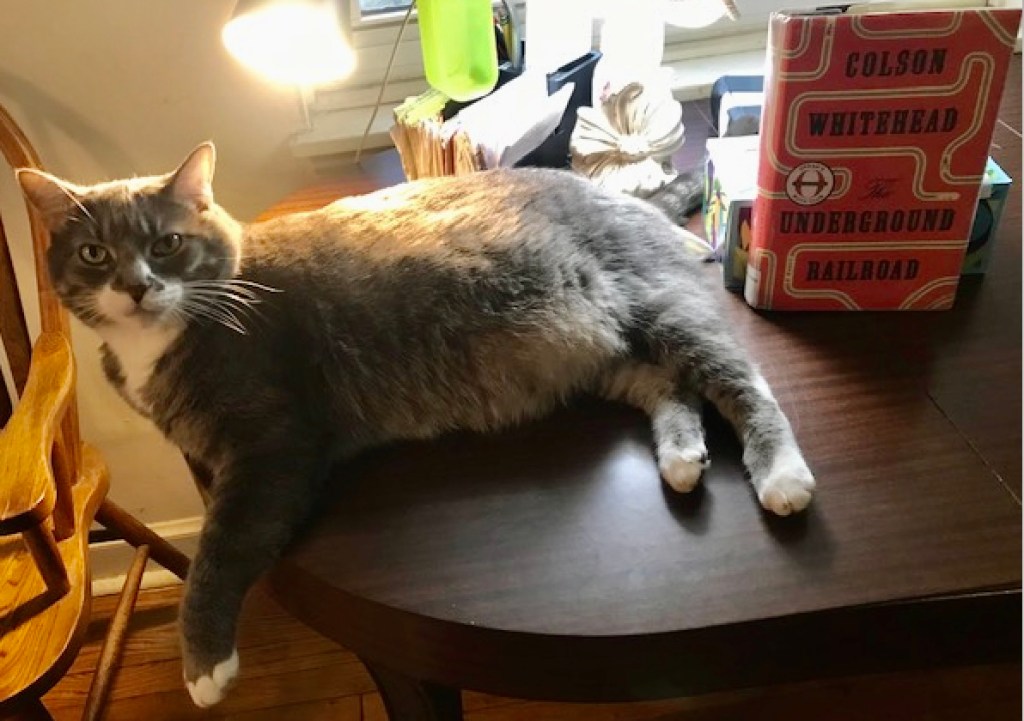
Misty aboveground with The Underground Railroad. (Photo by Dave.)

I, Misty the cat, guest-blog for Dave every two months or so. I last did that on February 9 — after which March winds brought April winds that knocked me from a standing position onto my side. Hence the above photo.

Anyway, as I embody “suburban sprawl” I’m contemplating the just-finished The Underground Railroad. Ouch…a searing novel set during 19th-century slavery times in the U.S. — which now consists of 50 states, only seven of which have cats as governors. One thing Colson Whitehead’s book made me realize is that felines are not as hung up on color as many white humans were and are. Heck, whether a cat is gray or black or orange or another hue, I glare at each one equally if they bother me during my daily leashed walks. After all, I’m the mayor of my apartment complex, though I don’t remember being elected. Maybe it was a coup.

The novel Dave and I read before The Underground Railroad was another installment of Val McDermid’s excellent series starring cold-case detective Karen Pirie, who Dave emulates by bringing home cold cases of cat food every winter. The Pirie novel was Broken Ground — a title that intrigued me because I also broke ground when I vigorously scratched in the dirt, searching for the paperwork certifying my mayoral election win.

Next in my near-future reading queue are the first novels I’ll be trying by Alexander McCall Smith, who makes me also want a multi-part name — perhaps Misty McKitty Bloggerslogger, which would sure beat being known as the title character in Wilkie Colllins’ novel No Name. Anyway, both soon-to-be-read-by-me McCall Smith books — 44 Scotland Street and The Sunday Philosophy Club — kick off respective series, and the latter title has already inspired me not to be philosophical Monday through Saturday. I also want to read another McCall Smith series opener — The No. 1 Ladies’ Detective Agency — but it’s not currently in my local library. As a cat lacking opposable thumbs, I couldn’t have grabbed hold of it anyway.

I do like strolling library aisles on my four paws, and have noticed that novels are shelved alphabetically by author. How Jane Austen shelved her own books — alphabetically or otherwise — in my town’s 1955-built library I have no idea; she passed away in 1817. Maybe she had Charles Dickens do it for her. Or the shelver might have been Dickens’ friend, the aforementioned Wilkie Collins, who also wrote the early detective novel The Moonstone. Dogs howl at its cover.

Dickens was born in 1812, so his and Austen’s lives overlapped for five years — giving them enough time to collaborate on the novel Sense and Nicholas Nickleby. Epic, albeit lacking in Sensibility.

Another writing pair is Vicki Myron and Bret Witter, who co-authored the heartwarming nonfiction book Dewey: The Small-Town Library Cat Who Touched the World. The library my fellow feline Dewey inhabited was in Iowa, one of the 43 states without a feline governor. Iowa has 75% vowels, though.

Returning to discussion of The Underground Railroad, that 2016 novel published a year after my 2015 birth still strongly resonates in 2025 given that the U.S. has a president (Donald Trump), a “co-president” (Elon Musk), and a vice president (JD Vance) so racist they renamed the late Amy Winehouse’s “Back to Black” album “Back to White.” Trump then exempted it from high tariffs.

Dave will respond to comments because I, Misty the cat, will be busy swatting high tariffs off the kitchen counter. They then become lower tariffs.

Misty the cat says: “I’m doing the annual Flower Walk to raise money for the annual Flower Walk.”

I and Dave’s comedic 2024 book — the part-factual/part-fictional/not-a-children’s-work Misty the Cat…Unleashed — is described and can be purchased on Amazon in paperback or on Kindle. It’s narrated by me, Misty! (And I say Amazon reviews are welcome. 🙂 )

This 90-second promo video for my and Dave’s book features a talking cat (sort of me, Misty): 🙂

Dave is also the author of a 2017 literary-trivia book

…and a 2012 memoir that focuses on cartooning and more.

In addition to this weekly blog, Dave writes the 2003-started/award-winning “Montclairvoyant” topical-humor column every Thursday for Montclair Local. The latest piece — about another lawsuit, a large local anti-Trump/Musk rally, and more — is here.