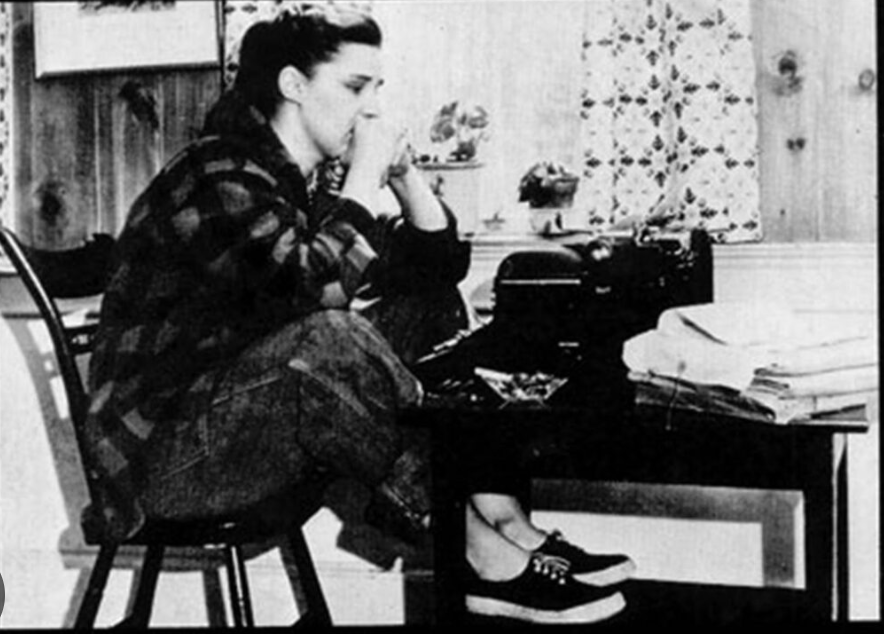
Peyton Place author Grace Metalious.
Novels considered erotic or “salacious” might in part be sexually frank but can also offer plenty of non-sexual substance amid the lustful depictions.
These books include novels published before sexual candor in written and visual media increased in the 1960s and later.
I just read the 1956-published Peyton Place, and, as advertised, it contains plenty of material that’s scandalous or could be thought of as “scandalous”: teen sex, adult sex outside of marriage, a man’s rape of his stepdaughter, an abortion before that was legal, etc. – all happening in a small New England town, not “the big city,” during the late 1930s/early 1940s But the author – Grace Metalious, who was only 32 when Peyton Place was published – also got into class differences, alcoholism, bad parenting, and various other non-sexual matters amid excellent writing, suspenseful plotting, skillful flashbacks, and more.
I’ve never seen the 1957 Peyton Place movie or the 1964-69 TV series, but have read that the film was somewhat sanitized and that both screen adaptations were not as good as the novel.
Halving the 56 in Peyton Place’s 1956 publishing year, we have D.H. Lawrence’s 1928 novel Lady Chatterley’s Lover, which features a married upper-class woman’s affair with a working-class man. The unabridged version was considered risqué enough to not be published until 1960. But even without the sex scenes, there’s plenty of heft to the novel as it explores matters such as class differences (as did Peyton Place), industrialization, and the situation of Lady Chatterley’s disabled husband amid Lawrence’s well-crafted prose.
Nineteenth-century French novelists could get away with more sexual content than authors in most other countries at that time, but Emile Zola’s Nana is franker than most. The 1880 novel, which chronicles Nana’s rise from streetwalker to high-class prostitute, was denounced as obscene and pornographic by some critics, but it also has a lot to say about society, power, illness, etc. And Zola was of course an excellent writer – as well as a prolific one (about 30 novels in about 35 years).
Returning to the 20th century, Vladimir Nabokov’s Lolita (1955) arrived a year before Peyton Place. I found that novel more disturbing than erotic as it focuses on the sexual obsession of Humbert Humbert (a man in his latter 30s) with the 12-year-old title character he victimizes. But Nabokov certainly had a way with prose and dialogue.
In more recent fiction, Diana Gabaldon offers some memorable sex scenes in her nine (so far) Outlander novels, but that’s just one element in a riveting mix that also includes time travel, adventure, war, complicated family dynamics, cameo appearances by real-life historical notables, and more.
In the LBGTQ+ realm, Rita Mae Brown’s compelling 1973 novel Rubyfruit Jungle has some fairly frank sexual content but it’s really more a coming-of-age novel for its lesbian protagonist Molly Bolt.
Fifty Shades of Grey unsurprisingly occurred to me as I wrote this post, but I’ve never read that E.L. James novel and have no idea if her book has literary merit. Perhaps commenters who have read it can offer their takes. 🙂
Your thoughts about, and examples of, this week’s theme?
Misty the cat says: “It’s 8:30. I haven’t seen this much fog since 8:29.”
My comedic 2024 book – the part-factual/part-fictional/not-a-children’s-work Misty the Cat…Unleashed – is described and can be purchased on Amazon in paperback or on Kindle. It’s feline-narrated! (And Amazon reviews are welcome. 🙂 )
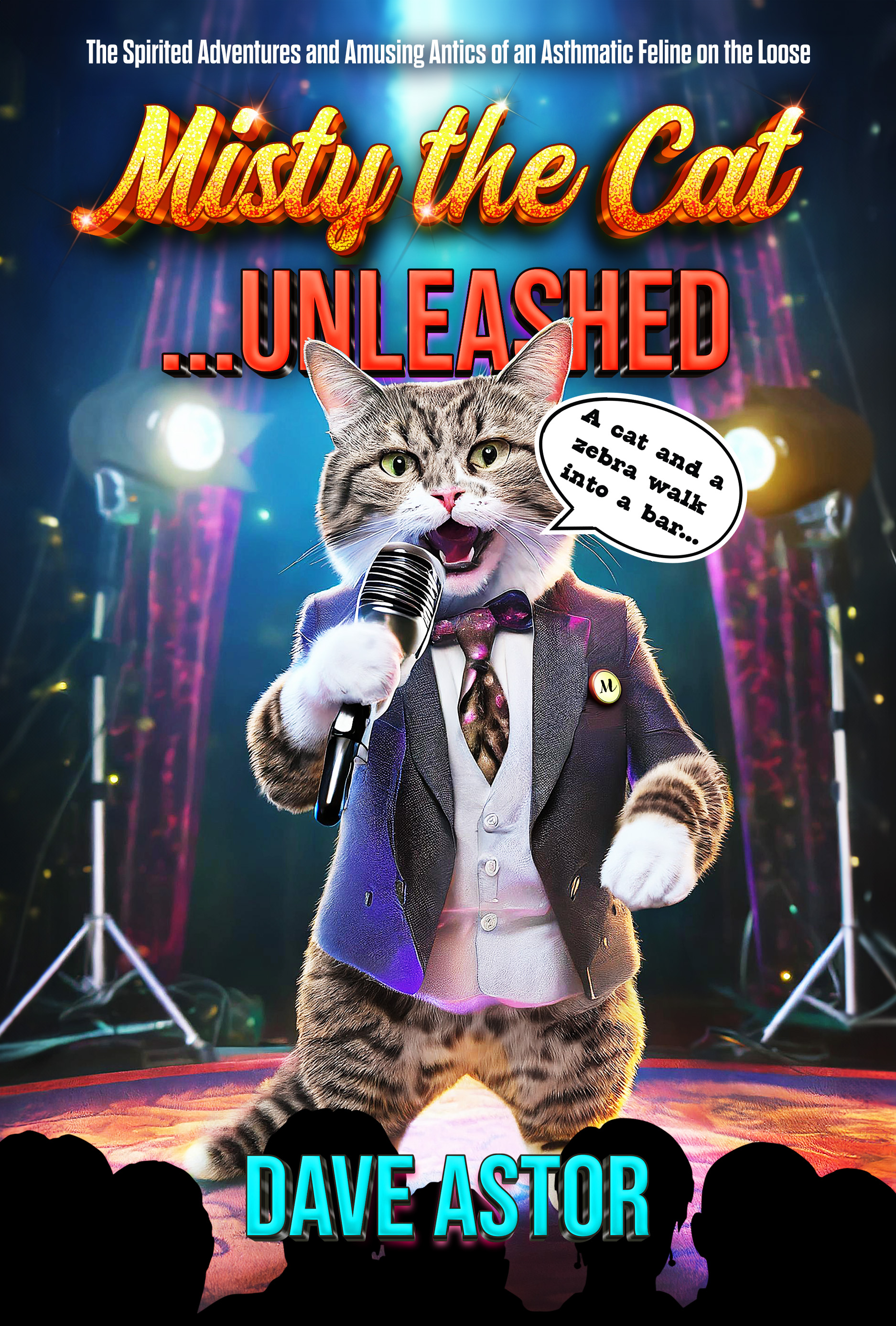
This 90-second promo video for the book features a talking cat: 🙂 (Not my voice. 🙂 )
I’m also the author of a 2017 literary-trivia book…

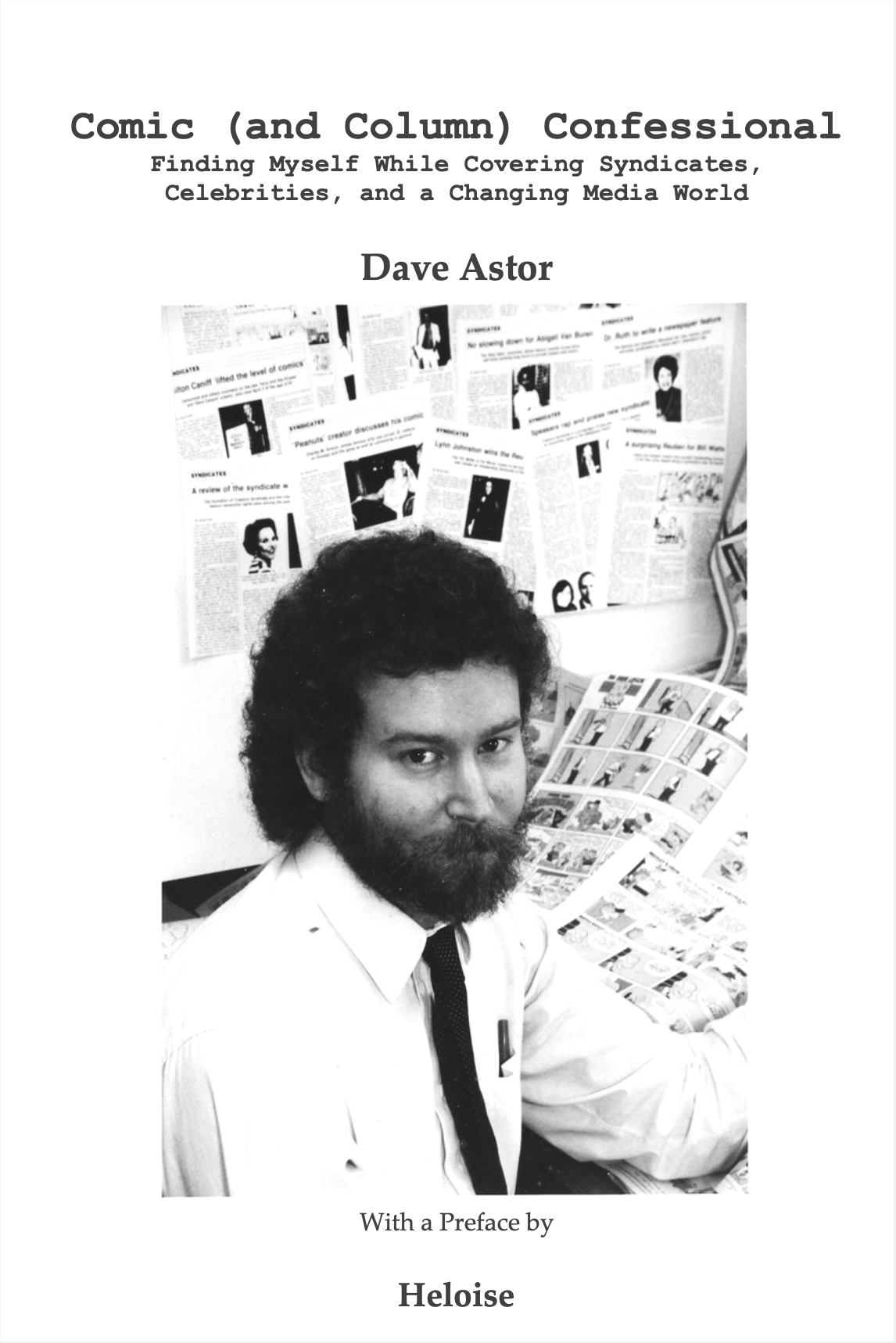
…and a 2012 memoir that focuses on cartooning and more, including many encounters with celebrities.
In addition to this weekly blog, I write the 2003-started/award-winning “Montclairvoyant” topical-humor column every Thursday for Montclair Local. The latest piece – about an investigation of a problematic and problematically funded gubernatorial campaign – is here.


Thank you to Liz Gauffeau for mentioning “Peyton Place” under my September 27 post on 1950s literature!
LikeLike