Gothic Fiction Gives Readers Frisson

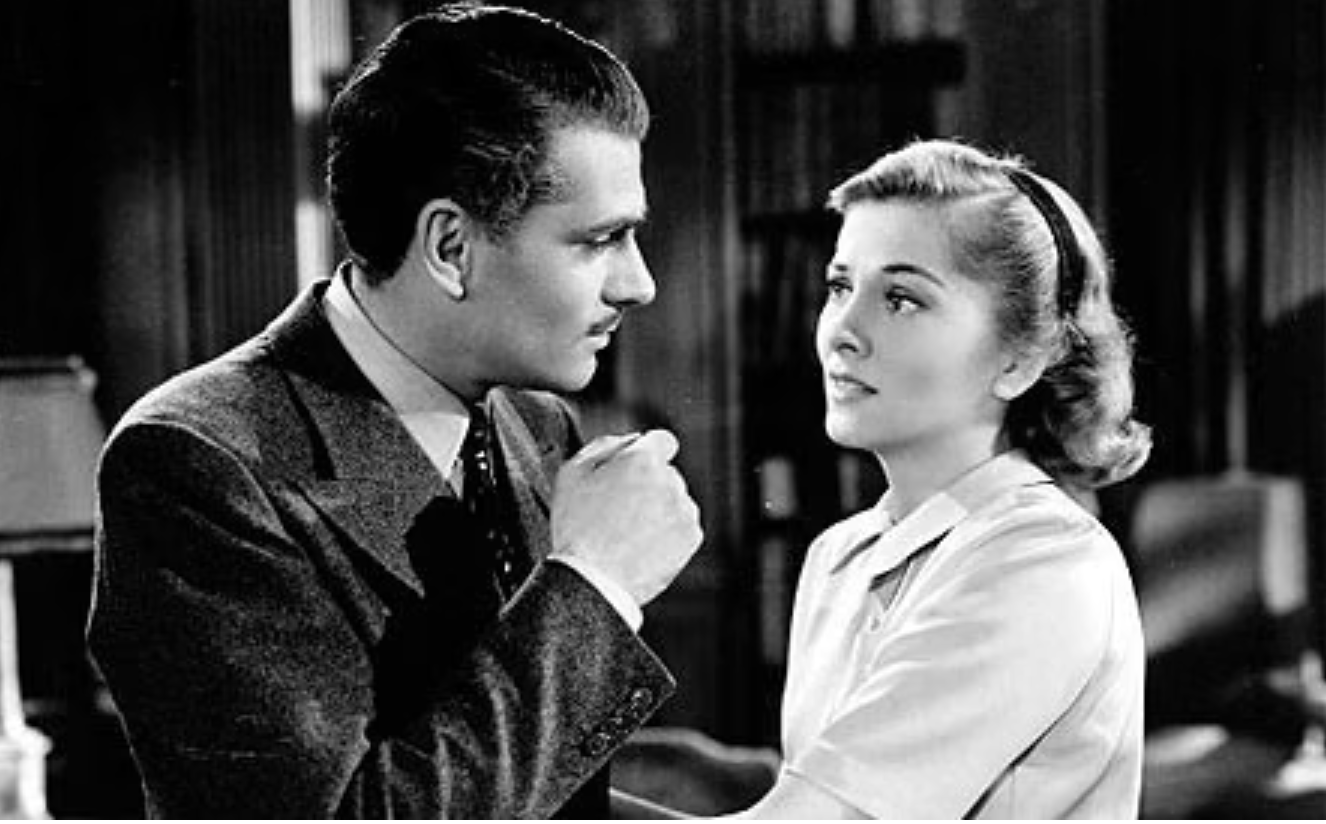
Laurence Olivier and Joan Fontaine in Alfred Hitchcock’s Rebecca movie from 1940.

What’s a Gothic novel? Definitions I found online include “a literary genre combining fiction, horror, death, and romance” that might be “set in gloomy, decaying locations like castles or ruined mansions” and also might feature “the intrusion of the past upon the present” as well as “dark secrets, supernatural elements” and “a brooding hero” and “a vulnerable female protagonist.”

Those definitions mean books in this category can be compelling, mysterious, haunting, and more. So, all that is an incentive for me to discuss various Gothic novels I’ve read.

I recently reread Daphne du Maurier’s mesmerizing Rebecca (1938), which is one of the first books that come to mind when thinking of the Gothic genre. It’s about an unnamed young woman who marries wealthy widower Maxim de Winter. His first wife? Rebecca, of course. The shy/insecure/inexperienced new spouse compares herself (and is compared by others) to the late Rebecca — whose presence remains palpable at Maxim’s huge Manderley estate. In which we meet sinister housekeeper Mrs. Danvers, who was very attached to the beautiful/charismatic/seemingly admirable Rebecca and treats the second Mrs. de Winter with contempt and cruelty.

After finishing Rebecca, I read for the first time du Maurier’s 1936 potboiler of a novel Jamaica Inn, which also has some Gothic elements (including a remote setting and plenty of terror) but no upper-class characters in the main cast. Not as skillfully composed as Rebecca, but still plenty gripping.

Du Maurier also wrote several other novels considered Gothic or part-Gothic — including 1951’s My Cousin Rachel and 1969’s The House on the Strand.

Going back to 19th-century literature, Charlotte Bronte’s Jane Eyre (1847) included various Gothic elements — a big old home, a mysterious woman in the attic, some disastrous events, an otherworldly occurrence, etc. Its story, several of its characters, and the dynamics of its central romance clearly influenced the Rebecca novel published nearly a century later.

Emily Bronte’s Wuthering Heights (also 1847) has lots of Gothic content, too — obsession, psychological torment, ghostly apparitions, the wild moors…

Almost 30 years earlier, Mary Shelley’s ominous 1818 novel Frankenstein drips with atmosphere while also being an early example of science fiction.

Later in the 19th century, we have Wilkie Collins’ The Woman in White (1860) with its suspense, “insane asylum,” and mistaken identity; Robert Louis Stevenson’s Strange Case of Dr. Jekyll and Mr. Hyde (1886) with its split-personality motif, claustrophobia, and foggy London streets; and Bram Stoker’s Dracula (1897), which I don’t need to summarize but can give many a reader nightmares.

In the realm of 19th-century short stories, a number of Edgar Allan Poe’s tales can be considered Gothic — including “The Fall of the House of Usher” and “The Masque of the Red Death.”

Joining du Maurier in writing 20th-century novels with at least some Gothic elements are authors such as Shirley Jackson (1959’s The Haunting of Hill House), Stephen King (1977’s The Shining), and Toni Morrison (1987’s Beloved).

And I shouldn’t forget to mention Jane Austen’s Northanger Abbey — an 1817-published spoof of Gothic fiction.

It’s pretty much agreed that Gothic novels first appeared in the 1700s, but I haven’t read any from that century (yet). They include Horace Walpole’s The Castle of Otranto (1764) and Ann Radcliffe’s The Mysteries of Udolpho (1794), among others.

There’s also the Southern Gothic genre that includes such novels as William Faulkner’s Light in August (1932), Carson McCullers’ Reflections in a Golden Eye (1941), Flannery O’Connor’s Wise Blood (1952), and Cormac McCarthy’s Outer Dark (1968).

What are your favorite Gothic novels, whether I mentioned them or not? I know there are a number of books in that genre I didn’t name.

Misty the cat says: “When I requested a deck, I meant a deck of cards to play poker.”

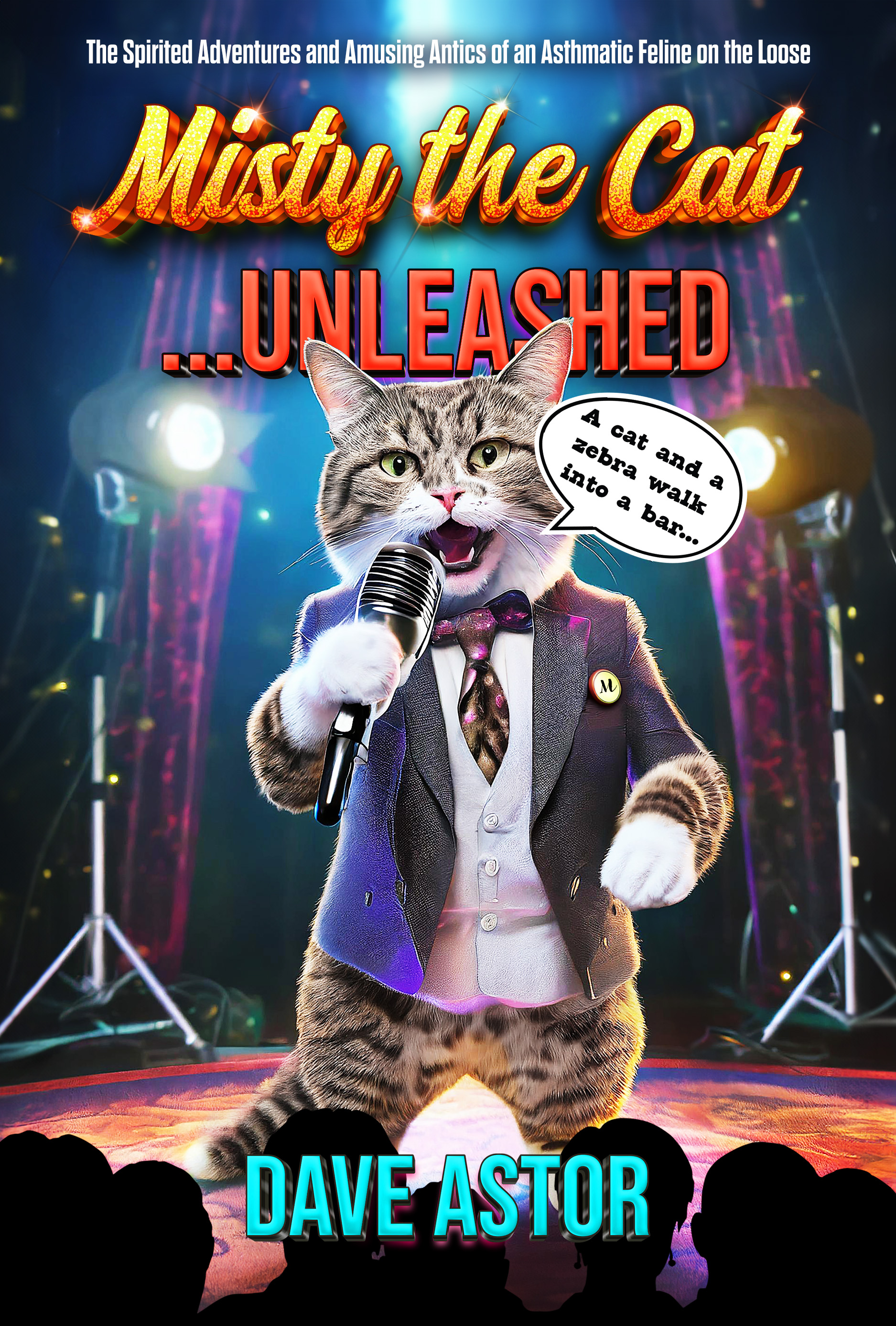
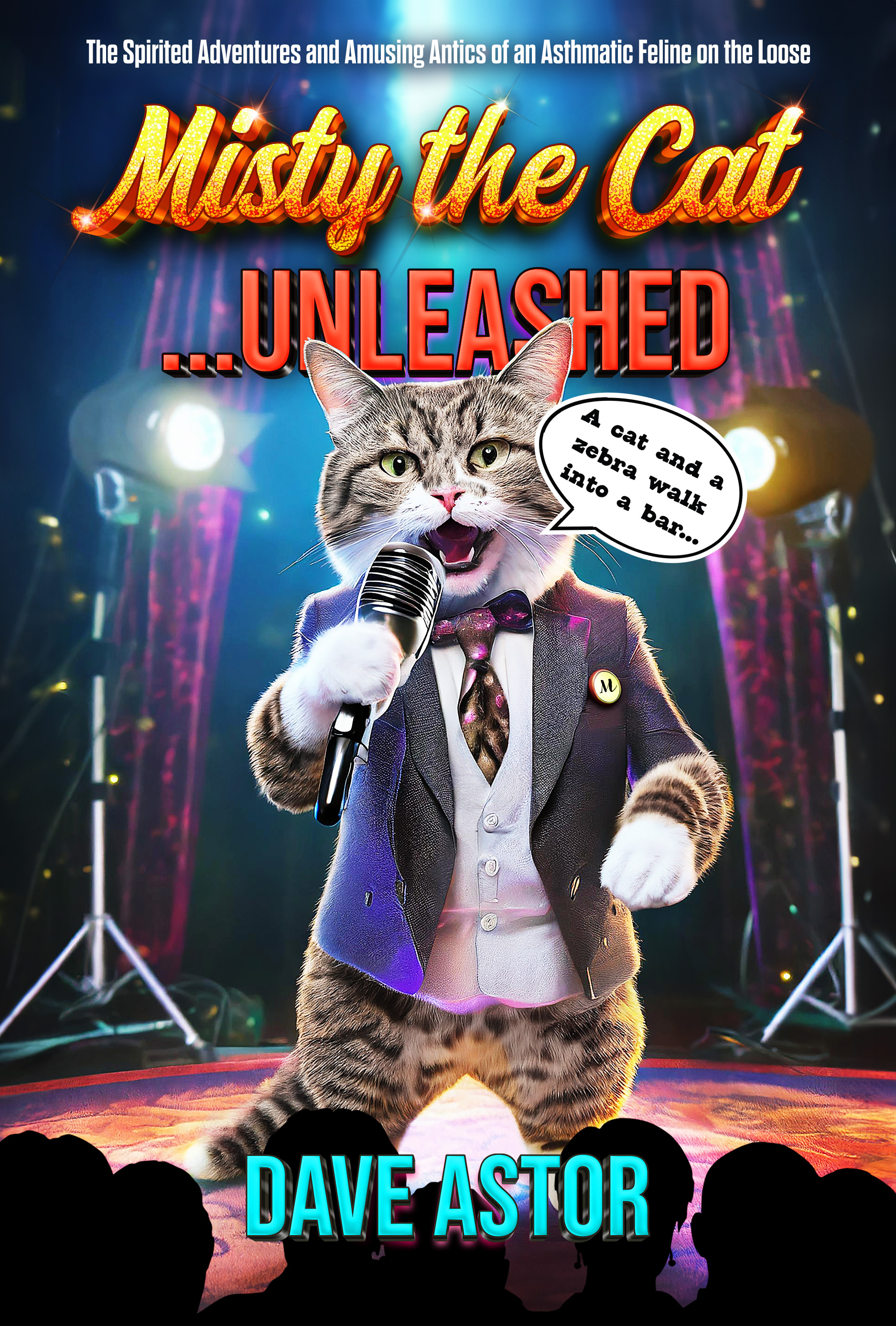
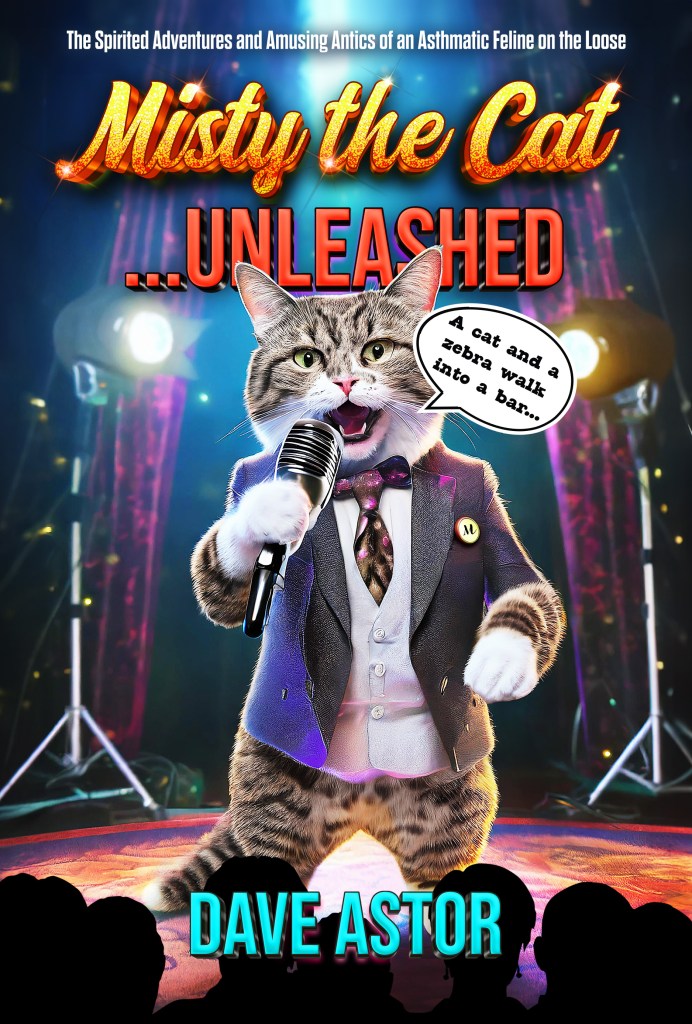
My comedic 2024 book — the part-factual/part-fictional/not-a-children’s-work Misty the Cat…Unleashed — is described and can be purchased on Amazon in paperback or on Kindle. It’s feline-narrated! (And Amazon reviews are welcome. 🙂 )
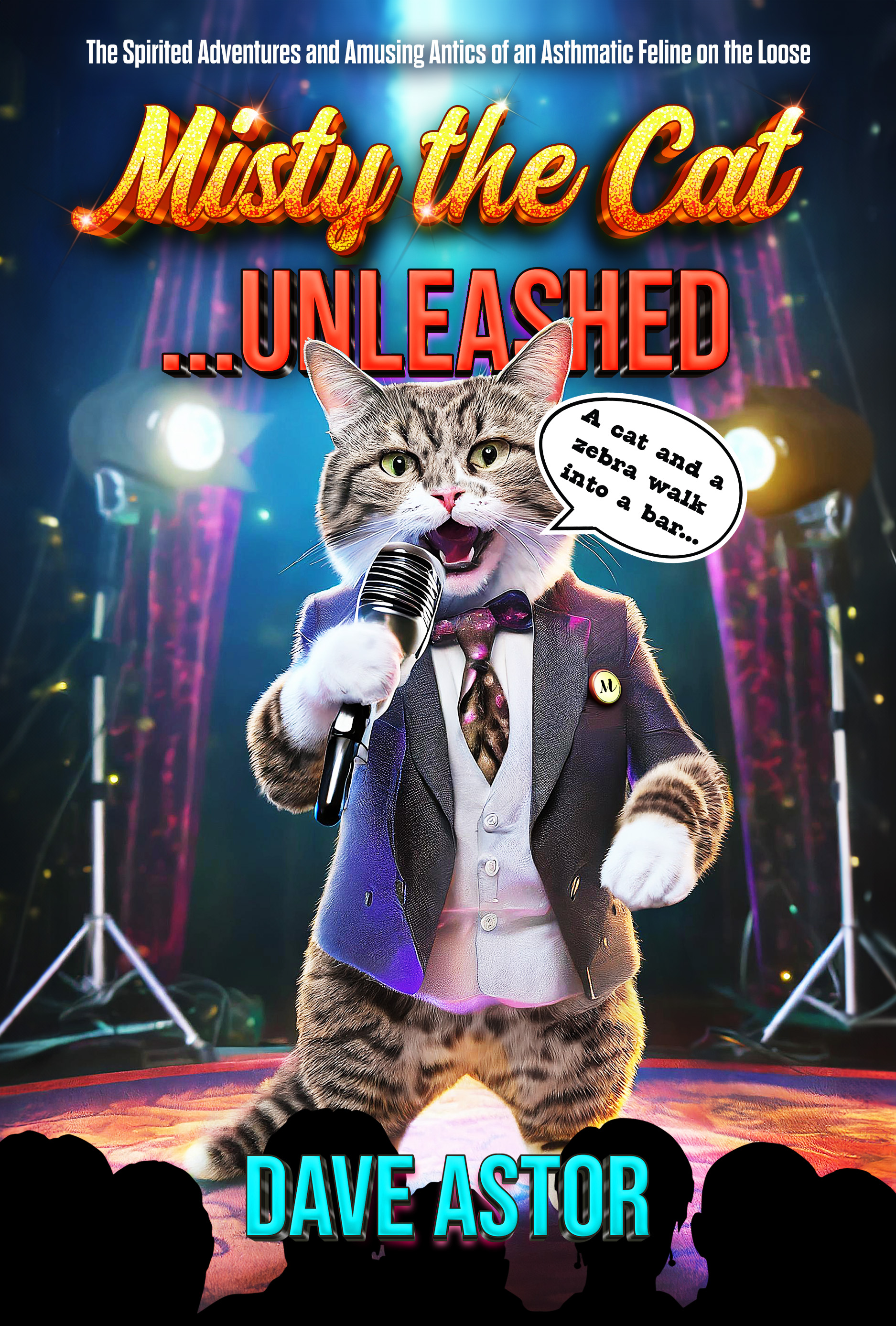
This 90-second promo video for the book features a talking cat: 🙂

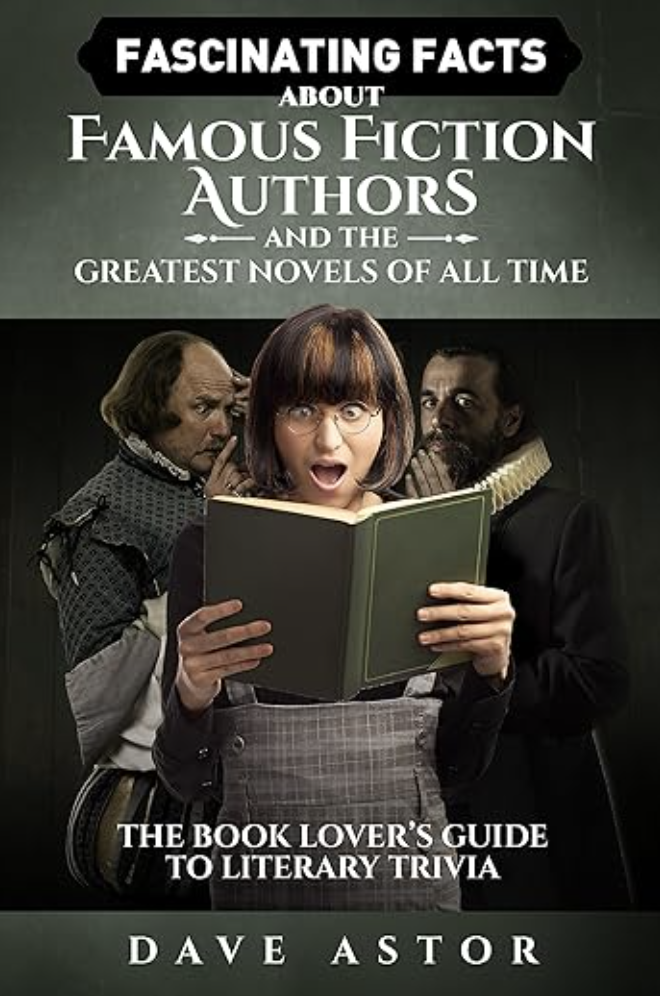
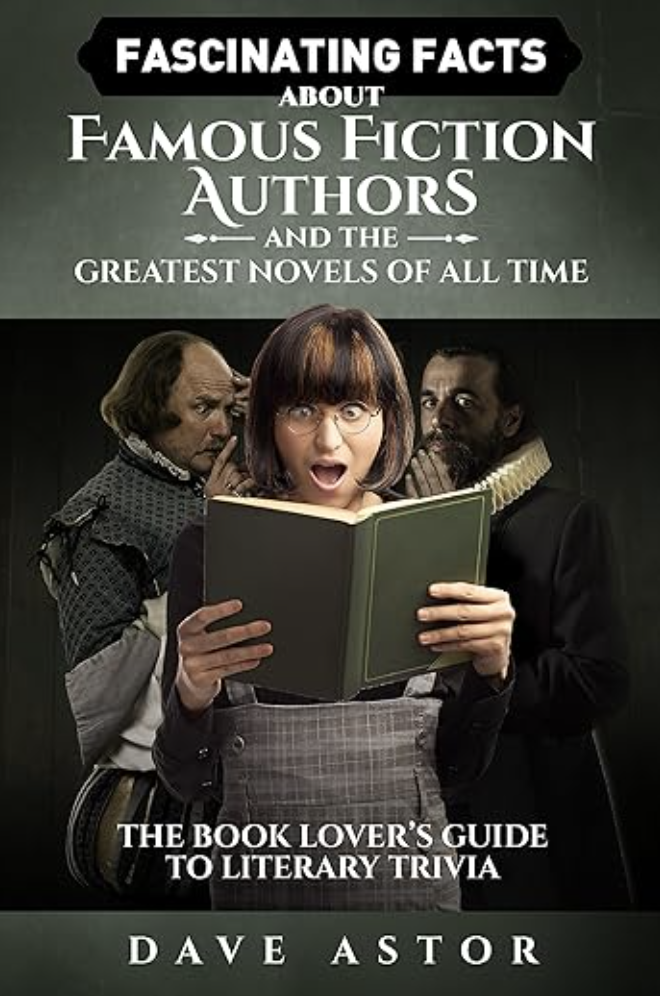
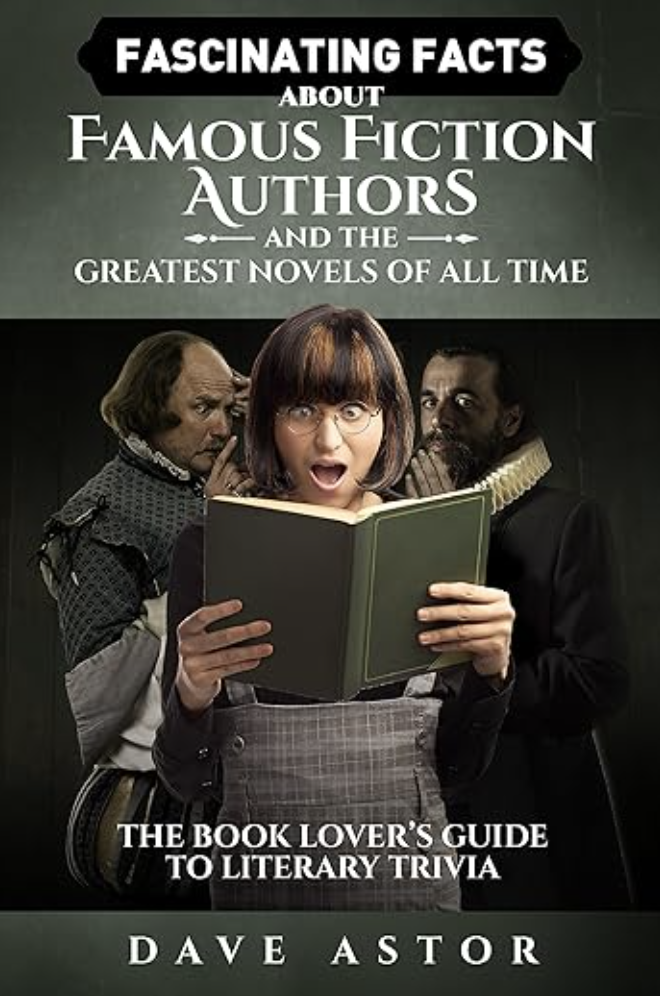
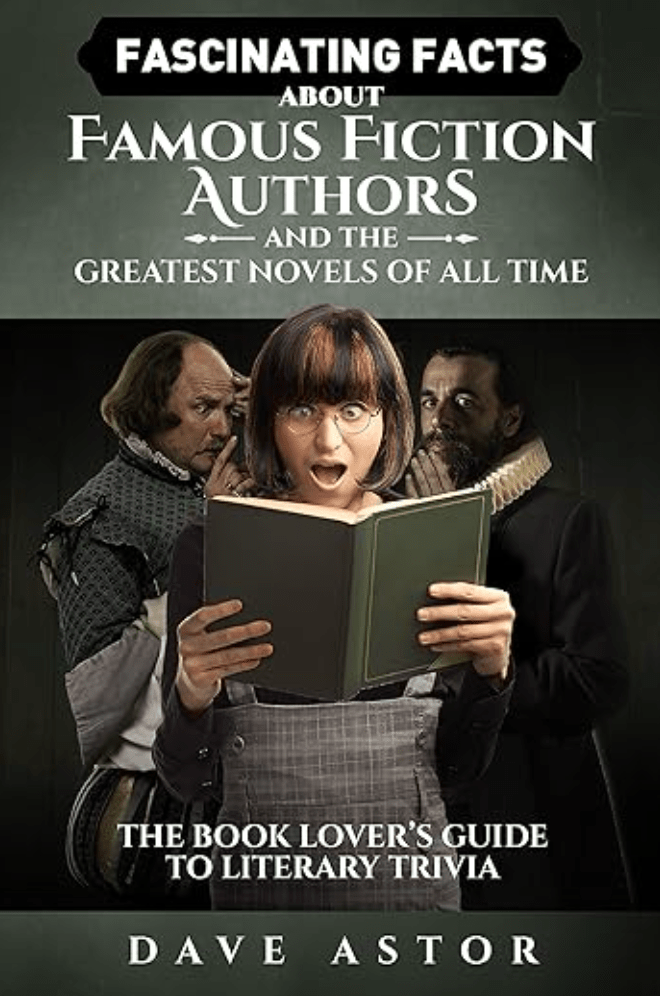
I’m also the author of a 2017 literary-trivia book

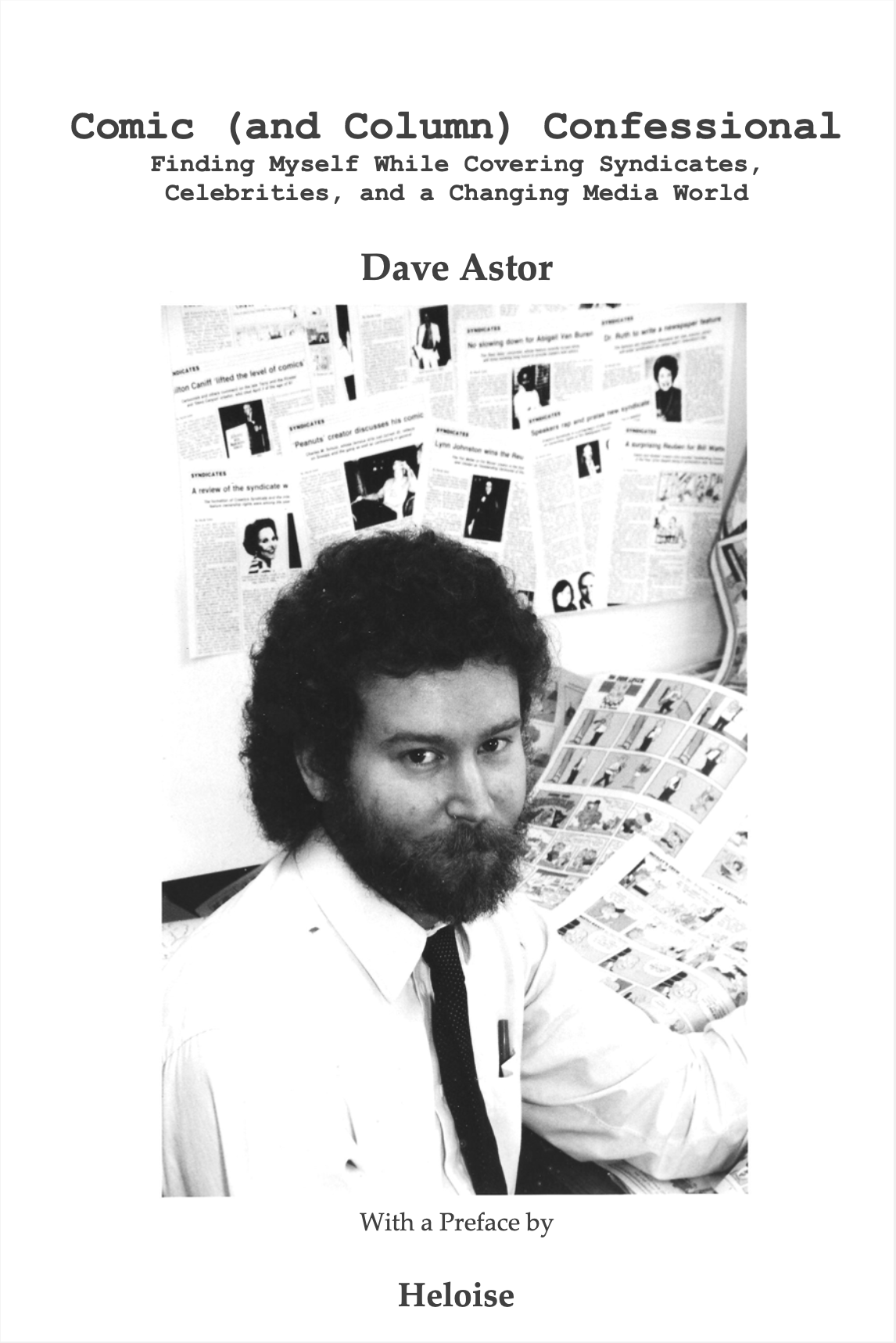
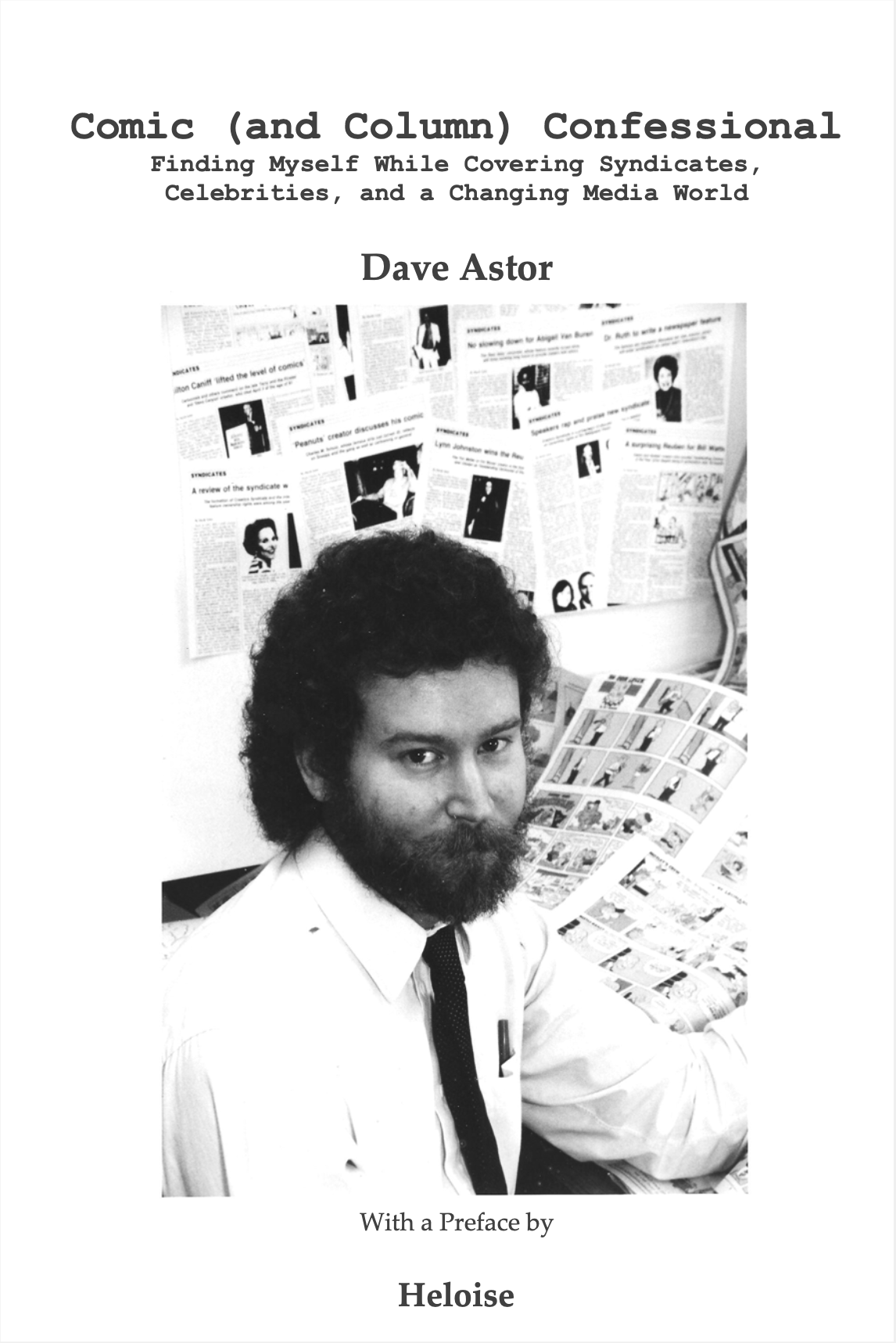
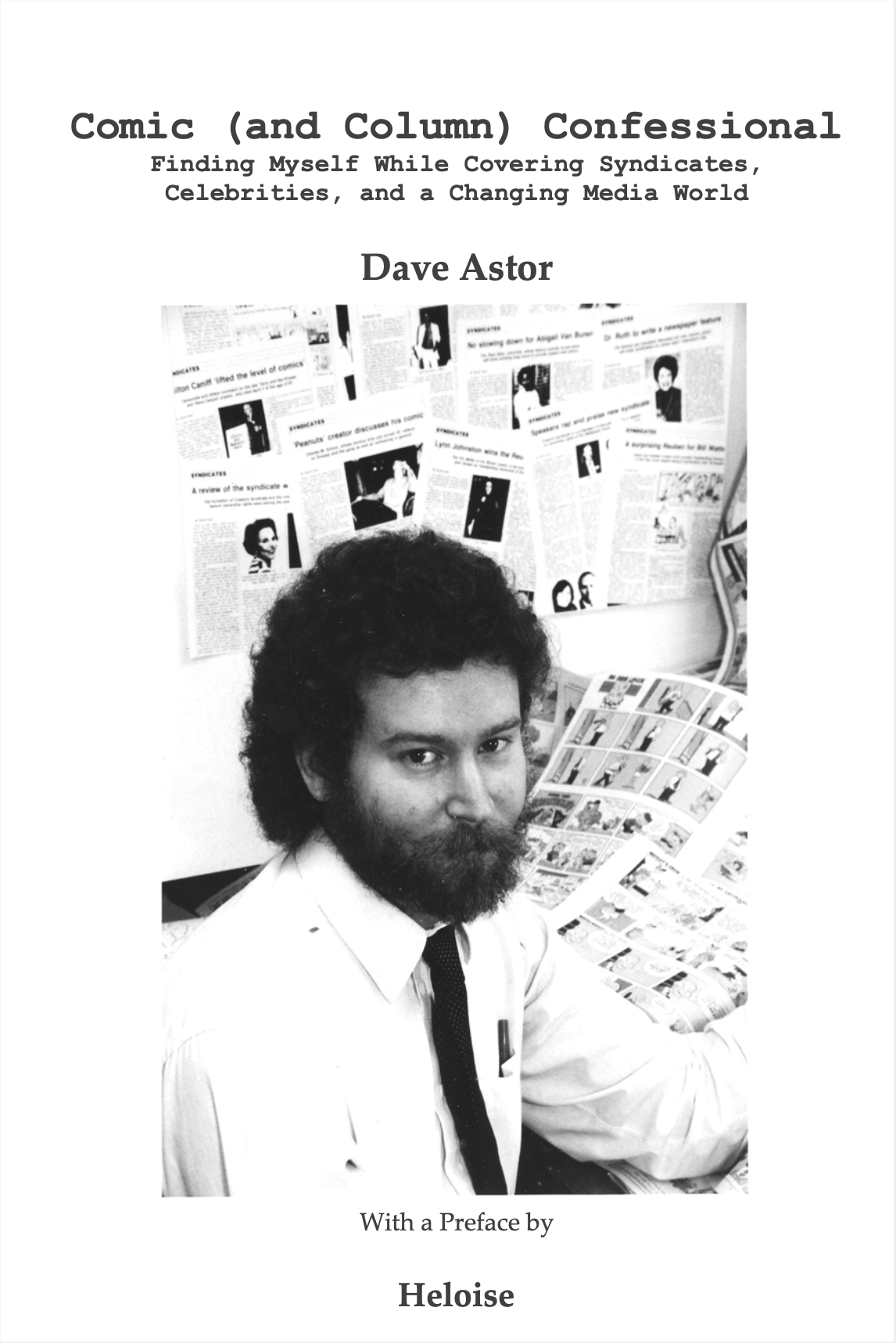
…and a 2012 memoir that focuses on cartooning and more, including many encounters with celebrities.
In addition to this weekly blog, I write the 2003-started/award-winning “Montclairvoyant” topical-humor column every Thursday for Montclair Local. The latest piece — about a welcome election victory and more — is here.

Cars Can Help Drive the Plots of Novels

Our 2014 Toyota Prius leaving its apartment-complex garage. (Driven by my wife Laurel/photographed by me.)

My wife Laurel and I drove from New Jersey to Michigan and back this weekend for a memorial service in Ann Arbor for a cherished family member. It was a crazily compressed November 14-16 car journey of more than 1,200 miles round trip — a travel method we chose to avoid possible flight problems in the aftermath of the U.S. government shutdown.

Anyway, all that automotive time means I have driving on my mind, so I’m resurrecting a piece about cars in literature that I wrote for The Huffington Post in 2013, a year before starting this WordPress blog. Here it is, slightly edited and slightly rewritten:

In literature, sometimes a car is just a car. But sometimes it’s a “vehicle” for authors to write about independence, loneliness, progress, sex, death, wealth, poverty, and more.

Whether or not book-based cars are weighted with symbolism, most readers relate to driving. So I’d like to steer you to some novels in which cars are important “characters,” and then hear about your favorite fictional works that feature those on-the-road contraptions.

Which reminds me of Jack Kerouac’s On the Road novel and the way some cars in literature are used to search (futilely or otherwise) for freedom and/or pleasure, and can speak to characters’ restlessness, aimlessness, and/or discontent.

That’s the case in Paul Auster’s The Music of Chance. Protagonist Jim Nashe spends the first part of the novel endlessly crisscrossing the U.S. in a car after his wife leaves him. The ex-firefighter, who finances his marathon road trip with an unexpected inheritance, eventually ends up involved in a high-stakes poker game at the mansion of two eccentric/heartless rich guys. Then things get really weird before the novel concludes with (wait for it!) one more car ride.

There’s another fateful auto scene — though not at the end of the book — in Jeffrey Eugenides’ Middlesex. It’s a car chase that features Calliope’s dad Milton driving too fast on the Ambassador Bridge between Detroit and Canada.

Motor vehicles also figure prominently in Booth Tarkington’s The Magnificent Ambersons, with successful automaker Eugene Morgan representing turn-of-the-20th-century progress while Major Amberson and his dwindling fortune represent the vanishing horse-and-buggy age. New money vs. old money and all that.

Tarkington contemporary L.M. Montgomery offers a scene in The Blue Castle of Valancy Stirling sharing an exuberant car ride with “misfit” Barney Snaith. Many people in their straitlaced town are suspicious of Barney, but Valancy finds him very interesting — so the car ride is a symbol of Valancy’s break from the conventions of her place, time, and family.

Novels of the Montgomery-Tarkington era were usually subtle about sex, but that’s not the case with many books of recent decades. For instance, there’s a scene in Ken Grimwood’s time-travel novel Replay that shows how cars can potentially be bedrooms on wheels.

Speaking of time travel, there’s a great section of Jack Finney’s Time and Again in which Simon accompanies Julia from her present (1880s) to his present (around 1970), and Julia is of course stunned by the experience of riding in a modern motor vehicle.

Readers are the ones who might be stunned as they peruse Charles Dickinson’s The Widows’ Adventures, a novel starring two women on a long road trip. The one doing the driving is…blind!

Then there are supernatural thrills in car-oriented Stephen King novels such as Christine and From a Buick 8. The latter book includes a spooky gas station scene before various law-enforcement people enter the story.

Two memorable moments in Cormac McCathy’s Suttree involve what the title character does to a police car (to avenge racist cop behavior) and what Suttree’s girlfriend does to the couple’s own car. And in Fay Weldon’s The Bulgari Connection, the spurned older wife is jailed after using an auto to do a certain something to the trophy wife who “replaced” her.

Or how about that tense yet hilarious Harry Potter and the Chamber of Secrets scene in which J.K. Rowling has Harry and Ron travel to Hogwarts in a flying car? An auto can definitely be a “vehicle” for humor.

On a much more serious note, a car converted into a truck of sorts is how the Joad family travels from drought-stricken/agribusiness-devastated Oklahoma to a hoped-for better life in California. But the reality out west for the non-rich is as dismal as the Joads’ aged jalopy in John Steinbeck’s The Grapes of Wrath.

People take long car trips for various reasons. In John Grisham’s The Client, attorney Reggie Love and her beleaguered 11-year-old client Mark drive from Memphis to New Orleans to try to locate the body of a murdered U.S. senator.

What are your favorite fictional works with motor vehicle motifs?

Misty the cat says: “The Lincoln Tunnel has been renovated!”

My comedic 2024 book — the part-factual/part-fictional/not-a-children’s-work Misty the Cat…Unleashed — is described and can be purchased on Amazon in paperback or on Kindle. It’s feline-narrated! (And Amazon reviews are welcome. 🙂 )

This 90-second promo video for the book features a talking cat: 🙂

I’m also the author of a 2017 literary-trivia book

…and a 2012 memoir that focuses on cartooning and more, including many encounters with celebrities.

In addition to this weekly blog, I write the 2003-started/award-winning “Montclairvoyant” topical-humor column every Thursday for Montclair Local. The latest piece — about two flawed local ballot questions relating to a massive school budget deficit — is here.