Adept at Avoiding Accountability, in Real Life and Fiction

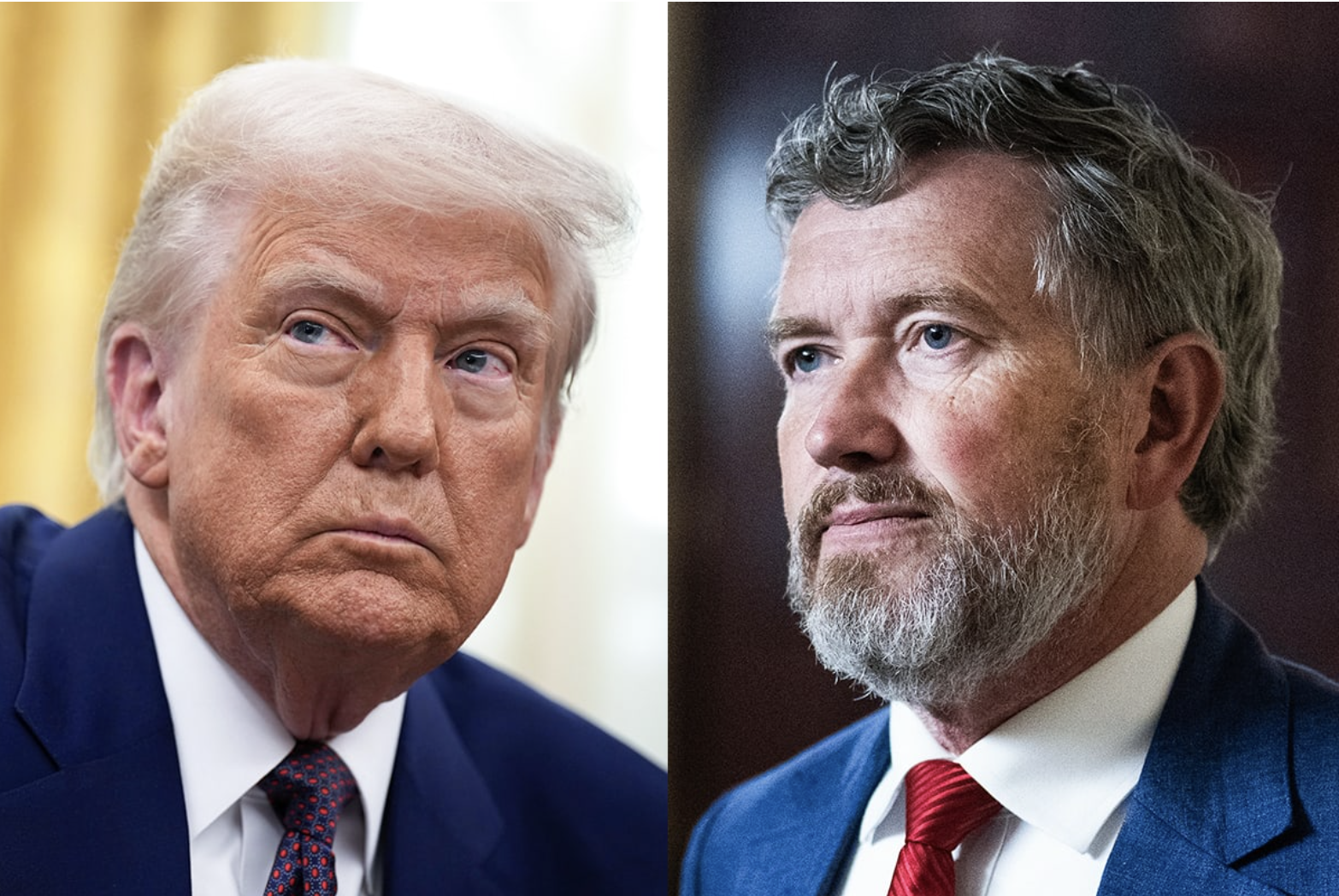
Has-no-integrity Donald Trump and has-integrity Thomas Massie.

U.S. President Donald Trump gets away with SO much:

— The repugnant Republican is mentioned more than 38,000 times in The Epstein Files (named after perhaps the worst pedophile/sex trafficker in American history), yet Trump has never suffered any consequences for that. He even sufficiently maligned Congressman Thomas Massie, one of the VERY few fellow Republicans seeking justice for the Epstein survivors, to get him defeated in a reelection bid this past week.

— Also, the draft-dodger-as-a-youth Trump claimed he would be a “peace president” but bombs innocent Venezuelans in fishing boats and, with Israel, started the unnecessary war of choice against Iran that included the U.S. bombing of a girls’ school that killed more than 150 students. Meanwhile, millions of Trump’s supposedly anti-war supporters continued their cultish behavior by suddenly becoming gung-ho for American aggression.

— Also, there is Trump’s breathtakingly rampant presidential corruption and self-enrichment that has amassed him billions of dollars, but he’ll probably never see the inside of a jail cell.

— Also, Trump of course falsely claimed he won the 2020 presidential election and then encouraged his supporters to storm the U.S. Capitol on January 6, 2021, yet got back in the White House four years later.

— Etc., etc.

How does the fascist/racist/misogynistic/homophobic/anti-poor/lying Trump avoid accountability? For one thing, he “floods the zone” with distractions, as when attacking Iran moved the news cycle away from the Epstein scandal. In addition, Trump is rich, white, and male; he has a perverse charisma; he and his supporters threaten violence against all who cross him; most Republicans in Congress cravenly go along with almost everything he does; six of the nine U.S. Supreme Court justices are in his pocket; and so on.

I tried to think of fictional characters, whether villainous or not, who are like Trump in terms of fully or partly getting away with things. Doesn’t seem to happen super-often in literature — many novels offer the moral lesson and fantasy wish-fulfillment of problematic people getting their just desserts — but it happens. Being wealthy (like Trump) helps. Being smart (unlike Trump) also helps. Being good-looking helps, too. And being lucky can’t be ignored.

Here are some examples, with details hopefully kept fuzzy enough to avoid too much in spoilers:

Sue Grafton’s alphabet mystery V Is for Vengeance, which I read last week, includes a Mafioso-like character who’s not totally evil yet definitely no Mr. Rogers. But he’s smart enough and a good enough planner to evade legal consequences.

Amoral con man Tom Ripley of Patricia Highsmith’s novels has some close calls, but virtually always gets away with things. He is…talented, to quote the title of The Talented Mr. Ripley — the first book in the series.

The psychopathic killer in Cormac McCarthy’s bleak No Country for Old Men is injured when hit by a car but that’s the most “justice” he faces.

Daphne du Maurier’s mesmerizing novel Rebecca includes a major character who kills someone but never gets charged. Wealth, status, secretiveness, luck, and extenuating circumstances don’t hurt.

The evil/dictatorial Big Brother (whether one person or many) in Nineteen Eighty-Four retains complete power at the end of George Orwell’s iconic dystopian novel.

No one is criminally punished in Donna Tartt’s debut novel The Secret History, but, as is sometimes the case in situations like that, there’s some guilt and suffering for the perpetrators.

Raskolnikov, the somewhat-sympathetic murderer in Fyodor Dostoevsky’s classic Crime and Punishment, does the crime and gets the punishment, but that punishment — while not nothing — is relatively lenient.

The caddish George Wickham faces consequences of a sort in Jane Austen’s Pride and Prejudice, but he certainly deserved more of a comeuppance.

Your thoughts about, and examples of, this topic?

Misty the cat asks: “Is that STOP sign written by Shakespeare or Cervantes?”

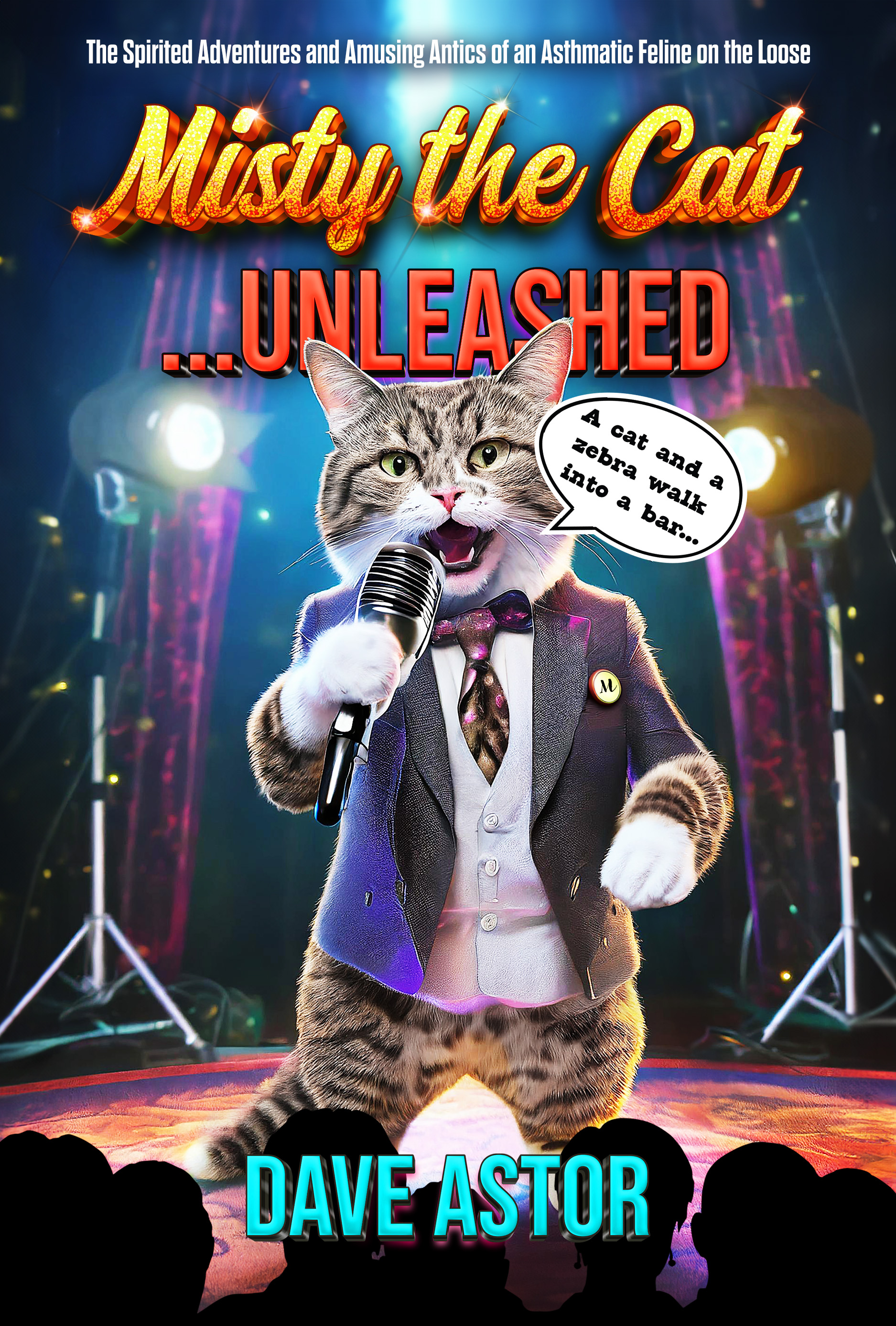
My comedic 2024 book — the part-factual/part-fictional/not-a-children’s-work Misty the Cat…Unleashed — is described and can be purchased on Amazon in paperback or on Kindle. It’s feline-narrated! (And Amazon reviews are welcome. 🙂 )
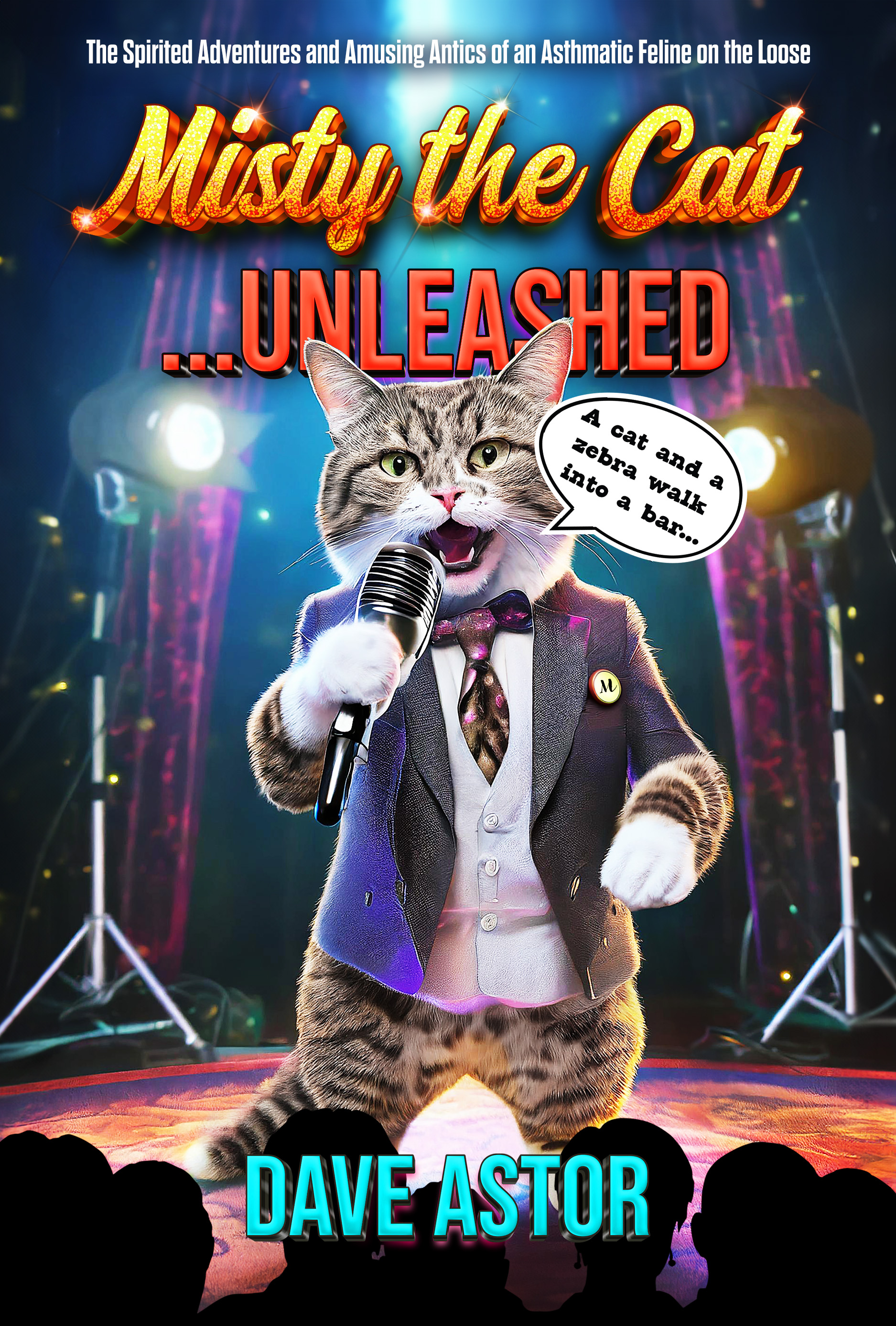
This 90-second promo video for the book features a talking cat: 🙂

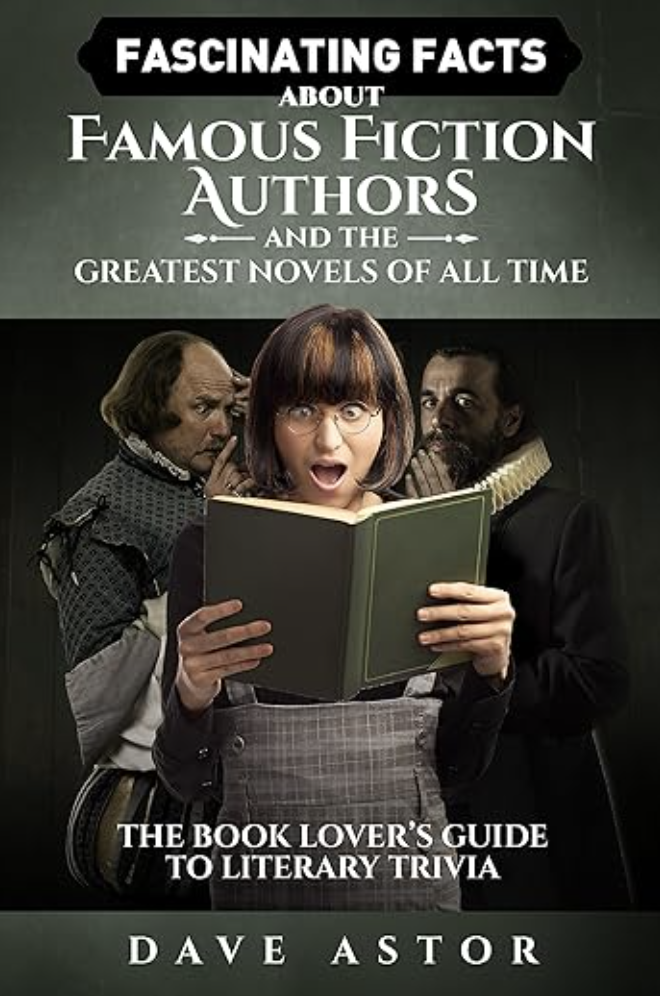
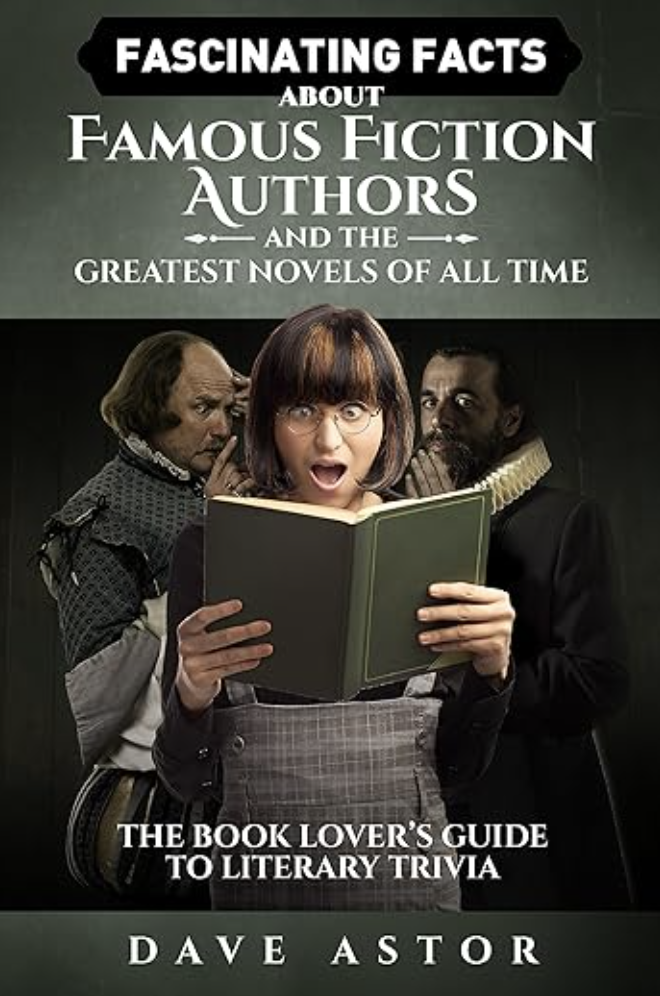
I’m also the author of a 2017 literary-trivia book

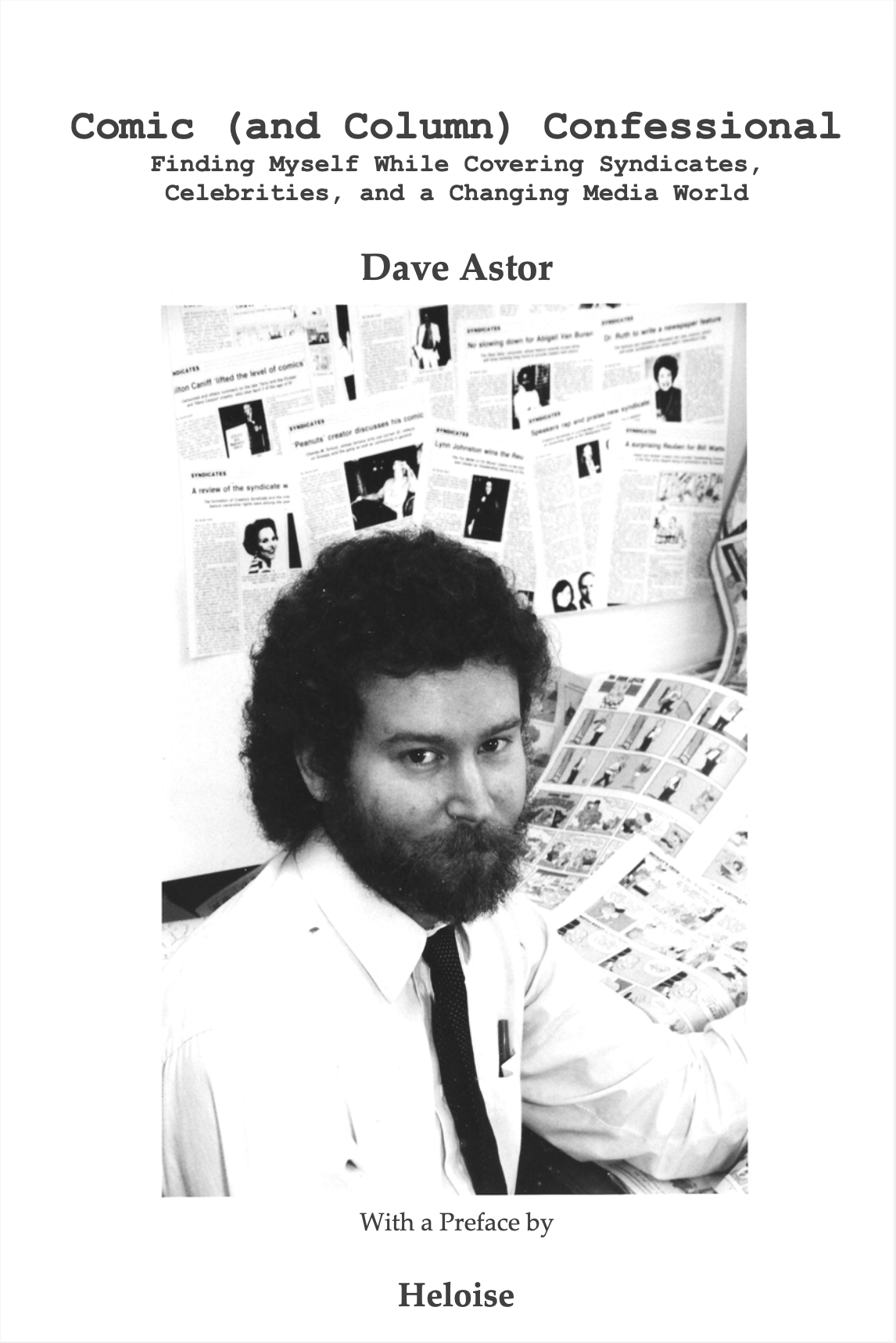
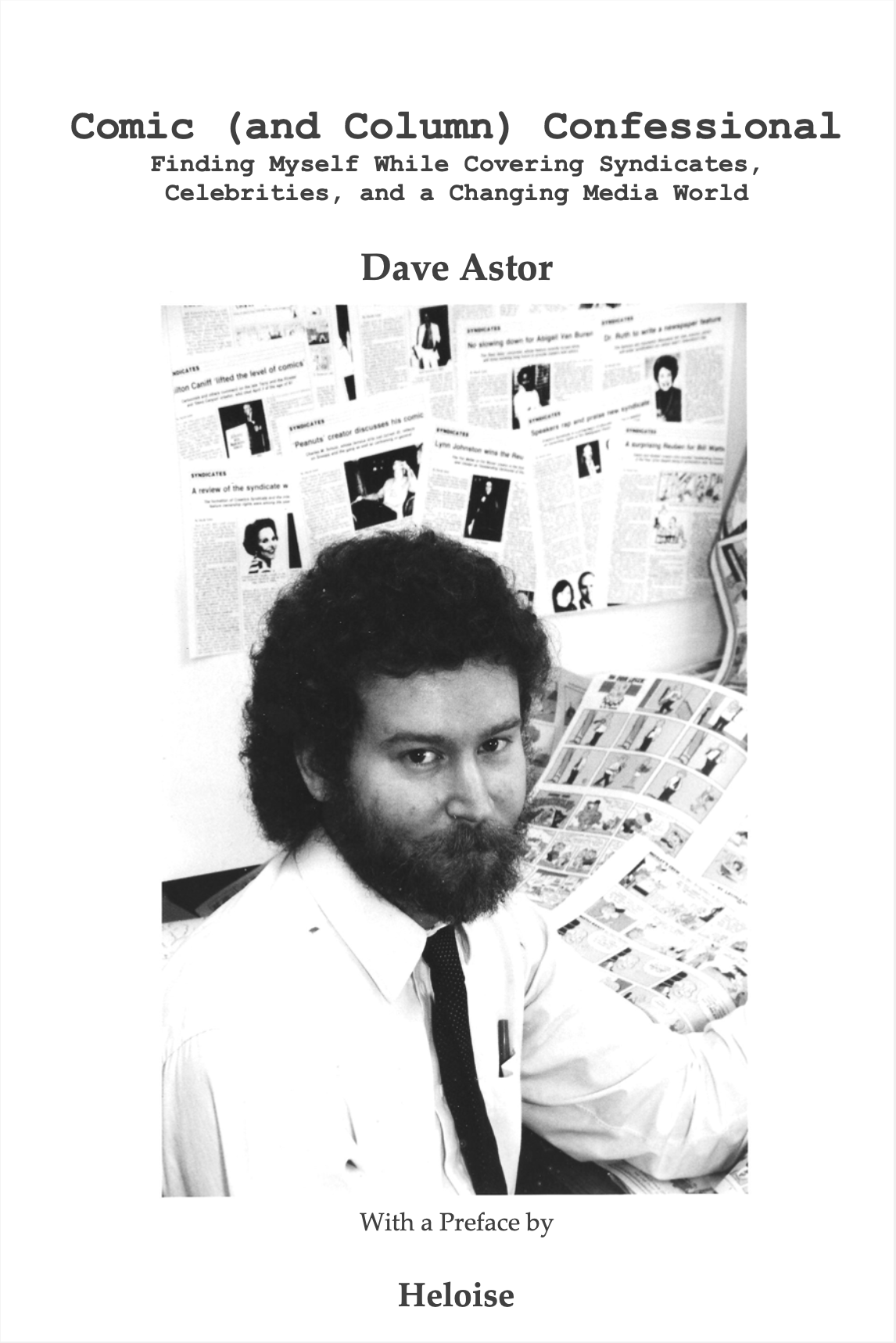
…and a 2012 memoir that focuses on cartooning and more, including many encounters with celebrities.
In addition to this weekly blog, I write the 2003-started/award-winning “Montclairvoyant” topical-humor column every Thursday for Montclair Local. The latest piece — which has an environmental theme — is here.
Characters from Classic Novels Take to Social Media

The mature and measured U.S. president.

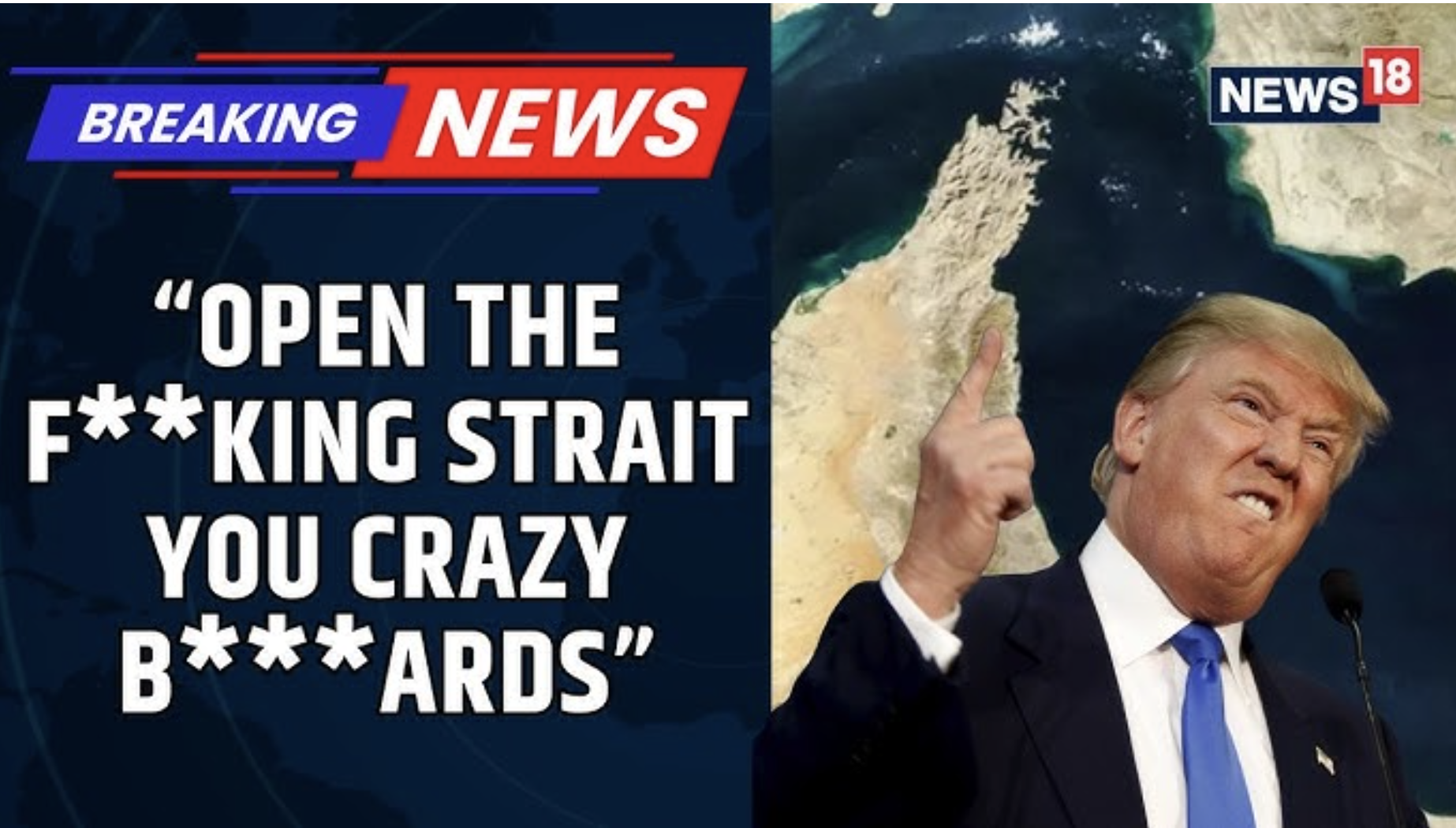
Donald Trump constantly posts unhinged messages on his social media platform Truth Social (aka Lie Social). Threatening genocide against Iran, showing an image of himself as Jesus Christ, denouncing Pope Leo XIV for wanting peace in the world, cursing at people who don’t “bend the knee” to him, etc. So, I’d like to offer more respectable — and more enjoyable — social media content: posts by various characters from classic literature. (With fictional comments responding to those fictional posts.) The characters inhabit novels published long before the existence of Facebook, X, Bluesky, Instagram, and other platforms, but they still managed to make their online thoughts known.

Jane Eyre: “Here’s a photo I took tonight of a tree that got split by lightning just after R asked me to marry him. Cool!”

Rochelle from Rochester: “Jane, not sure that’s cool; the severed tree could symbolize a coming rupture in your relationship.”

Jane: “As Freud might say after he’s eventually born, sometimes a tree is just a tree.”

Thornfield Hall & Oates: “Charlotte Bronte, please weigh in here.”

Charlotte: “I’ll try, but the WiFi in Haworth Parsonage is spotty.”

Rodion Raskolnikov: “I heard that the popular co-hosts of the I’ve Had It podcast are ‘killing it.’ That means I have something in common with them.”

St. Petersburger King: “You actually murdered people; podcasters Jennifer Welch and Angie ‘Pumps’ Sullivan did not.”

Raskolnikov: “I had my reasons for doing the Crime that might lead to Punishment, but at least I didn’t bomb a girls’ school like the Trump regime did in Iran.”

Sonya Semyonovna Marmeladova: “Fyodor Dostoevsky, could you extract Raskolnikov from his time warp? And give me a shorter name while you’re at it.”

Dostoevsky: “I’m busy deciding on a first name for the repulsive dad in my novel The Brothers Karamazov. Let’s see…Biff? No. Chuck? No. Rocky? No. Fyodor? Yes!”

Paul Baumer: “I’m told it’s All Quiet on the Western Front, but the occasional new western novel and occasional new western movie means that genre is not totally quiet. Plus I’m not sure if I’m fighting in World War I or The Great War.”

Wiser than the Kaiser: “Actually, they’re the same conflict. When The Great War happened, no one knew there’d be a World War II that would retrospectively lead to The Great War being renamed World War I.”

Paul: “I did not live to see World War II, or to even read the World War Z zombie apocalypse novel by Max Brooks, son of Mel Brooks and Anne Bancroft. Young Frankenstein was The Graduate, right?

Archie Triumph: “Erich Maria Remarque, could you rein in your protagonist?”

Erich: “I married Charlie Chaplin’s former wife, actress Paulette Goddard, so get off my case.”

Queequeg: “I’d post a video of The Great White Whale, but Apple has yet to develop a harpoon with a phone camera.”

Mel from Melville: “Given that you’re in a novel with lots of gravitas, shouldn’t the Moby-Dick whale have the more-formal name of Moby-Richard?”

Queequeg: “Call me, Ishmael, if my harpoon ever gets a smartphone.”

This Billy Budd’s for You: “Herman Melville, tell Captain Ahab to start monitoring his crew’s social media content.”

Herman Melville: “Herman Munster has the same initials as me.”

Edmond Dantes: “Given that it’s tax season, what is The Count of Monte Cristo’s count — according to his accountant?”

Chateau d’ifs, ands, or buts: “Depends on whether you, Edmond/Count, declared Abbe Faria a dependent.”

Edmond: “Actually, I was more a dependent of Faria’s than he was of me in the Chateau d’if island prison.”

Rhea Venge: “Alexandre Dumas, could you have The Three Musketeers stick a sword in this blog post? It’s done.”

Note: My next post might publish on Monday, April 27, rather than Sunday, April 26.

Misty the cat says: “The novel ‘All the Light We Cannot See’ seems to have missed that lamp.”

My comedic 2024 book — the part-factual/part-fictional/not-a-children’s-work Misty the Cat…Unleashed — is described and can be purchased on Amazon in paperback or on Kindle. It’s feline-narrated! (And Amazon reviews are welcome. 🙂 )

This 90-second promo video for the book features a talking cat: 🙂

I’m also the author of a 2017 literary-trivia book

…and a 2012 memoir that focuses on cartooning and more, including many encounters with celebrities.

In addition to this weekly blog, I write the 2003-started/award-winning “Montclairvoyant” topical-humor column every Thursday for Montclair Local. The latest piece — about topics such as steeply rising health-insurance costs hurting my town’s municipal budget — is here.