Unlikable Characters Return with a Vengeance

In 2017, I wrote a post about novels with unlikable characters and how we might still like those novels – or maybe not. 

I noted nine years ago that “we hope the story line is compelling enough and the writing impressive enough to make up for the absence of congenial characters.” Humor can help, too.

The five books I cited in that post were mostly readable despite the downer characters – and perhaps partly because of them. Donna Tartt’s The Secret History, Cormac McCarthy’s Blood Meridian, Andre Dubus III’s House of Sand and Fog, Emile Zola’s Therese Raquin, and John Kennedy Toole’s A Confederacy of Dunces.

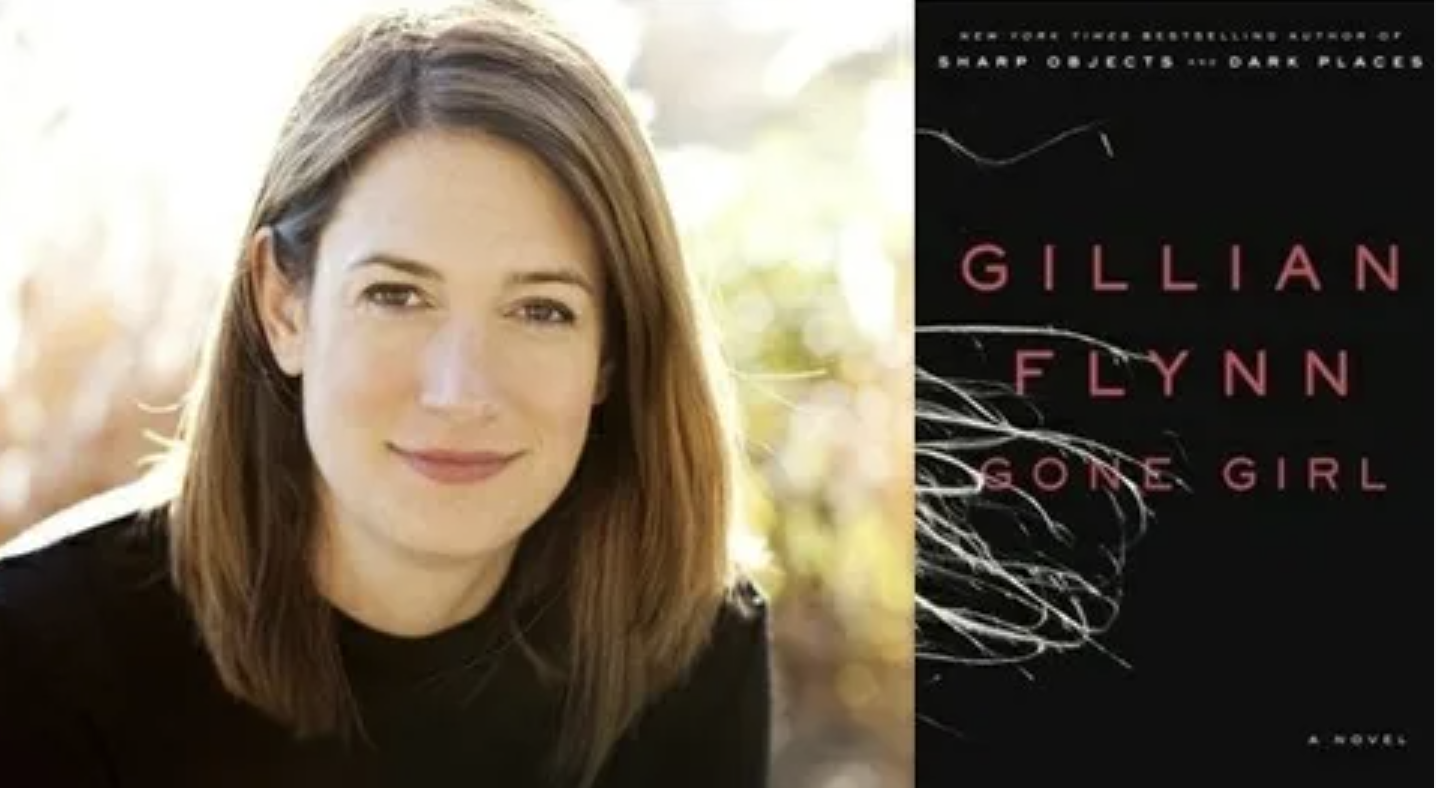
Today, I’m going to use this same theme to discuss five more novels – all of which I’ve read or reread since 2017 — starting with the 2012 bestseller Gone Girl that I finally got to last week.

Gillian Flynn’s two protagonists – Amy and Nick – were so off-putting that I almost stopped reading after a few dozen pages. Both were what we would’ve called “yuppies” back in the day: young urban professionals a little too spoiled and a little too full of themselves. 

But I soldiered on, and Gone Girl became quite original and riveting in a very twisted way before going off the rails (in my opinion) toward the end. 

As with many other books featuring unlikable protagonists, it helps when you have supporting characters who are at least somewhat appealing. Gives a reader a person or two to latch onto. In Gone Girl, Nick’s twin sister Margo is mostly likable — even as several other supporting characters (such as Nick’s hateful aged father and the obsessed-with-Amy/passive-aggressive Desi) are loathsome. 

Fifty years earlier, we had Shirley Jackson’s 1962 novel We Have Always Lived in the Castle in which virtually every character is unpleasant or greedy or weird or antisocial. That was Jackson’s intent, and she was very good at that in this and her other best-known works. But one does feel some sympathy and sorrow for certain characters, and I think that was the author’s intent, too.

Most of the major players in Hilary Mantel’s historical novel Wolf Hall (2009) are far from lovable. When there’s royalty and “court intrigue,” you’re going to get a lot calculating, ruthlessness, sucking up, etc.

Agatha Christie’s ingeniously plotted 1939 mystery And Then There Were None features a cast in which every featured character is guilty in some way. Still, we can empathize with their ordeal after they’re invited to gather together by a person with murder on the mind.

A decade later, Daphne du Maurier’s The Parasites was published. I included that 1949 novel in a post last month about entertainers in fiction, and the pampered/irresponsible show-biz family (father, mother, daughter, son) in du Maurier’s book is certainly not one you’d want on your holiday card list. The non-show-biz other daughter is a little more sympathetic in a self-sacrificing way, but does not elicit much respect.   

Comments about, and examples of, this theme?

Misty the cat says: “One more space to add to my classic car collection!”

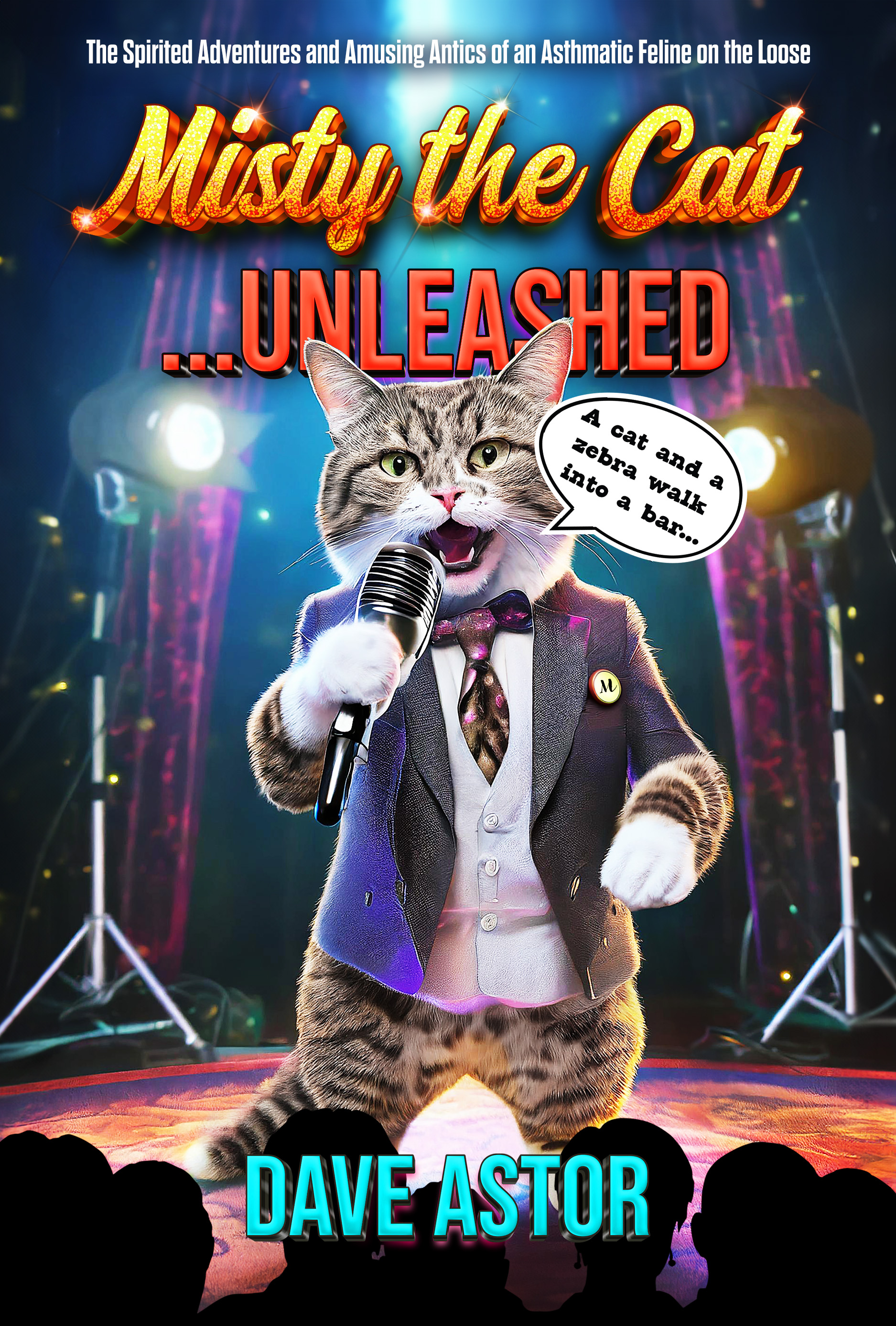
My comedic 2024 book — the part-factual/part-fictional/not-a-children’s-work Misty the Cat…Unleashed — is described and can be purchased on Amazon in paperback or on Kindle. It’s feline-narrated! (And Amazon reviews are welcome. 🙂 )
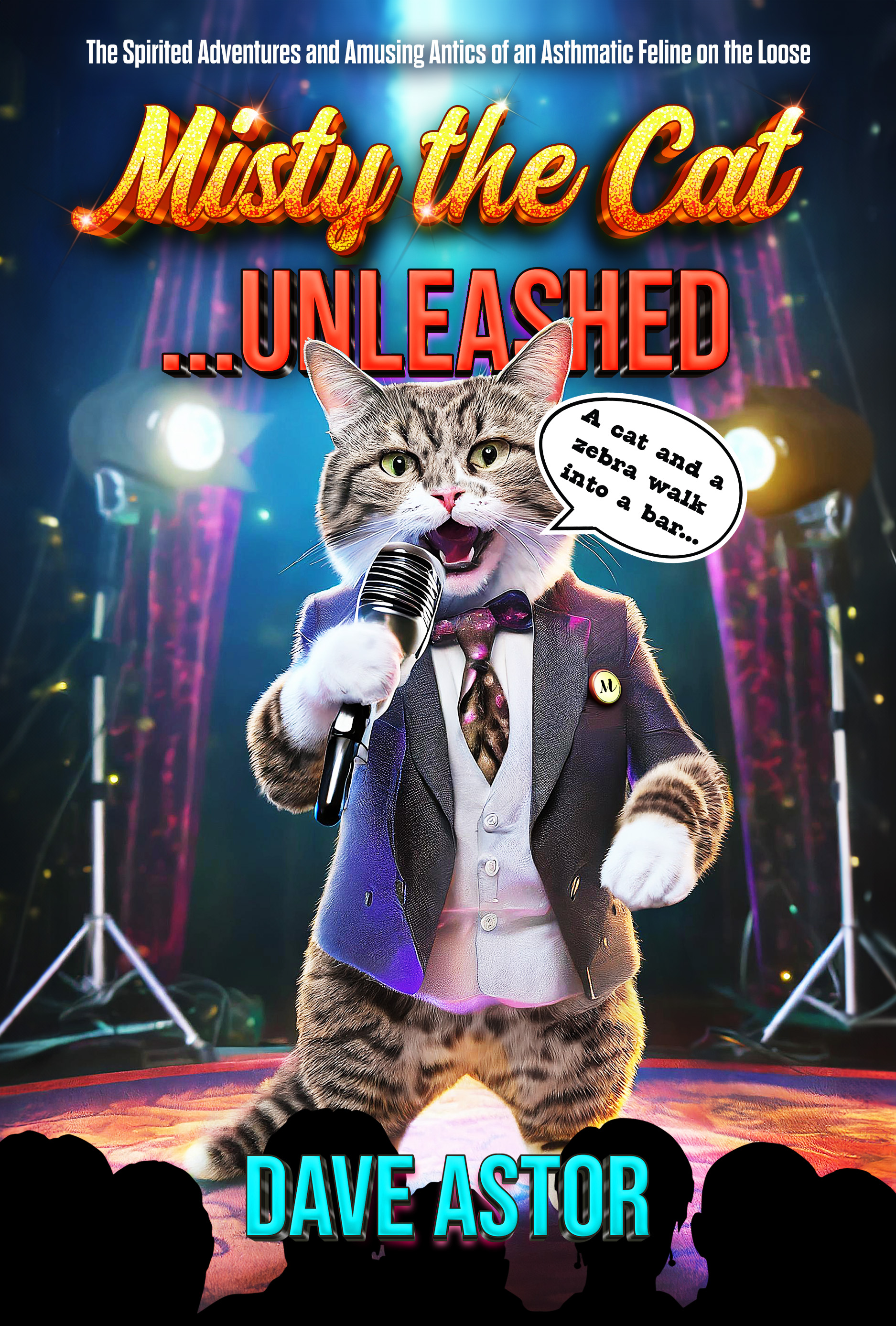
This 90-second promo video for the book features a talking cat: 🙂

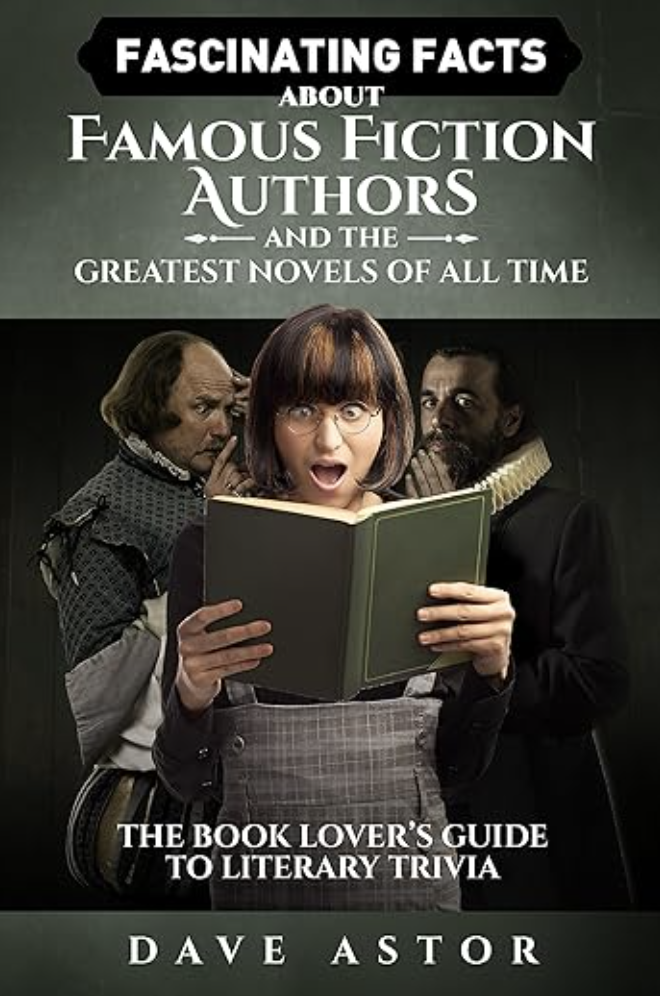
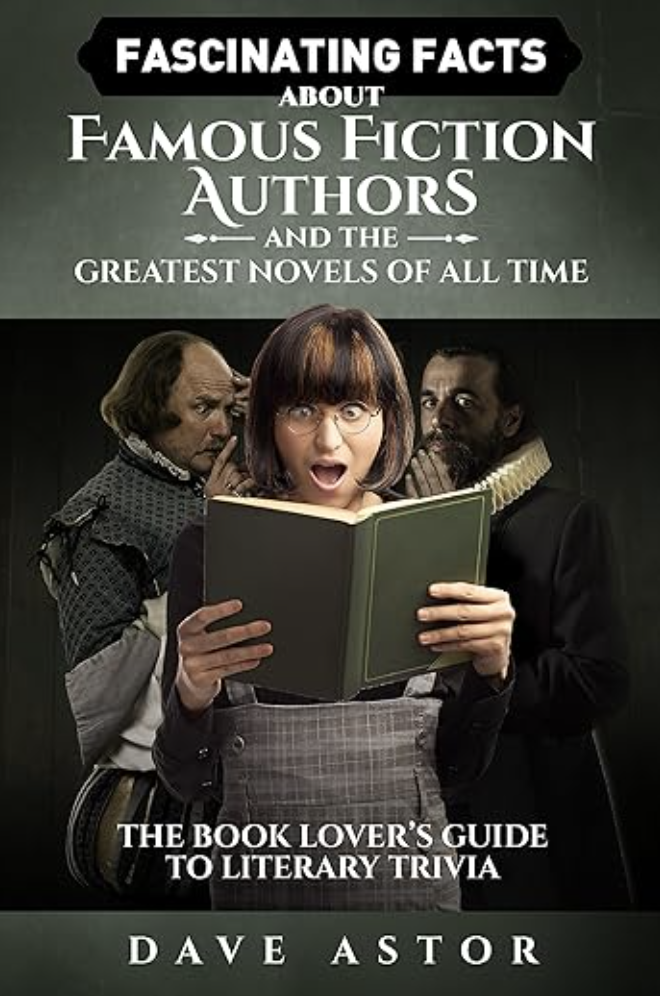
I’m also the author of a 2017 literary-trivia book

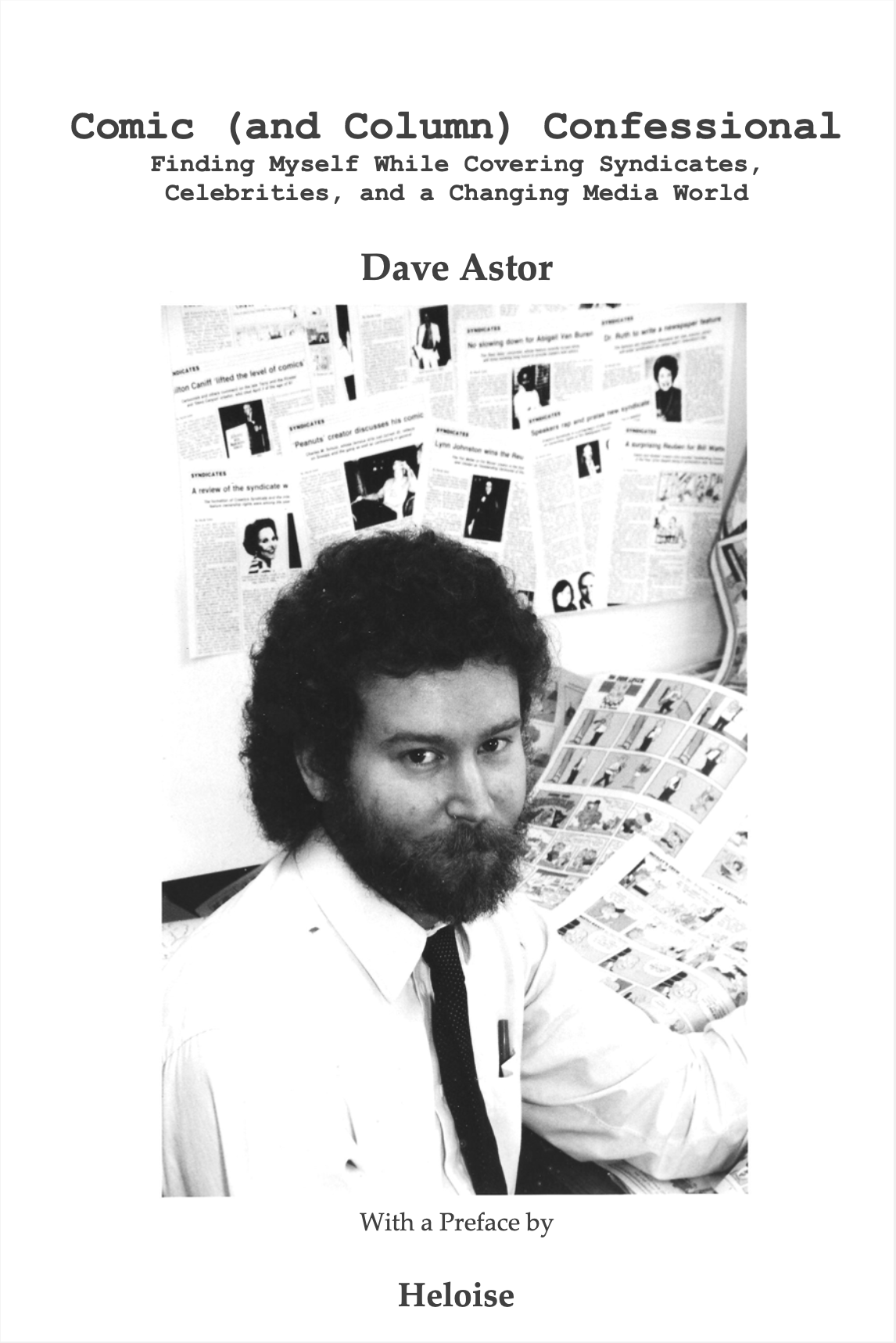
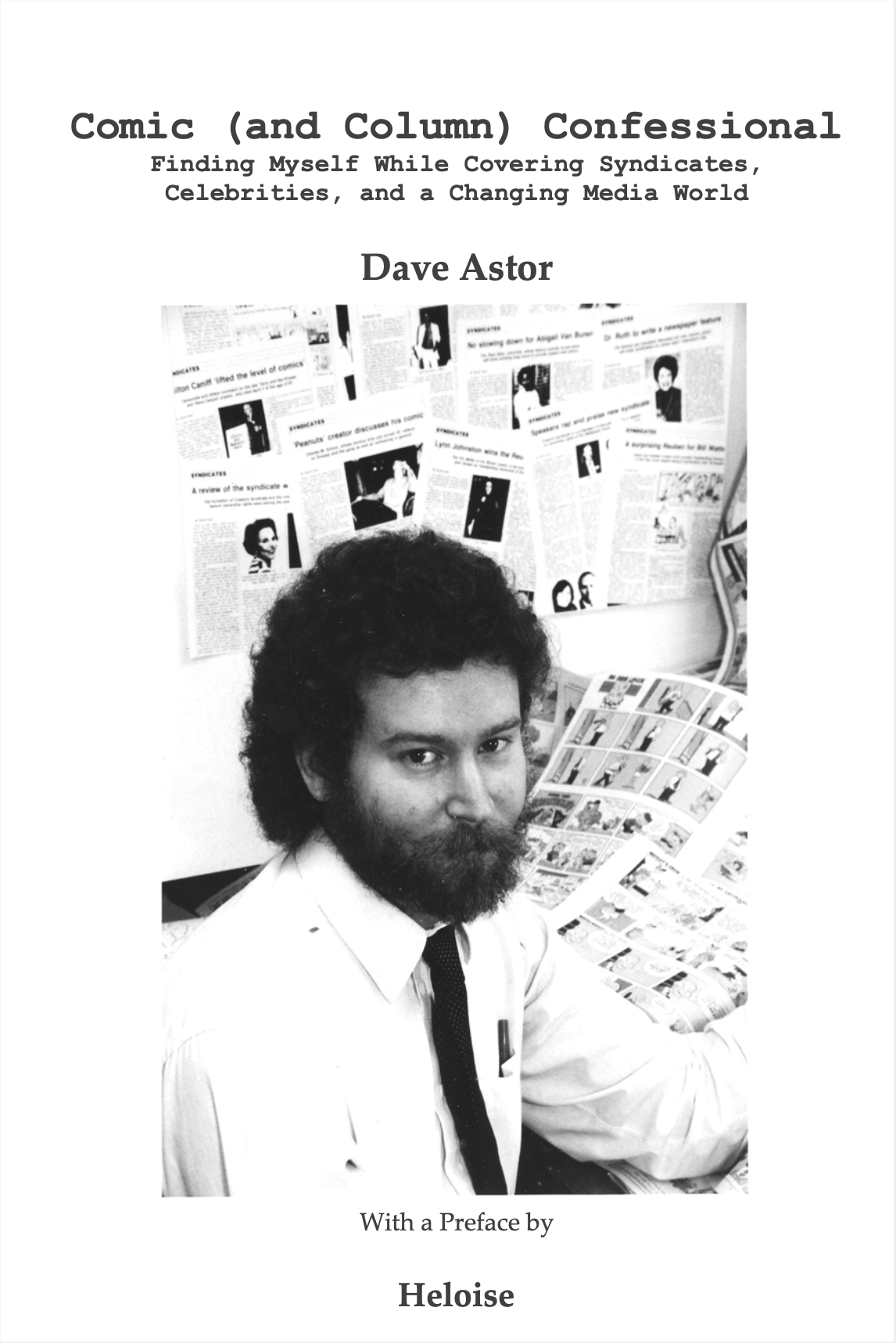
…and a 2012 memoir that focuses on cartooning and more, including many encounters with celebrities.
In addition to this weekly blog, I write the 2003-started/award-winning “Montclairvoyant” topical-humor column every Thursday for Montclair Local. The latest piece – which includes topics such as Spain’s World Cup-winning team staying at a hotel in my town — is here.

Adept at Avoiding Accountability, in Real Life and Fiction

Has-no-integrity Donald Trump and has-integrity Thomas Massie.

U.S. President Donald Trump gets away with SO much:

— The repugnant Republican is mentioned more than 38,000 times in The Epstein Files (named after perhaps the worst pedophile/sex trafficker in American history), yet Trump has never suffered any consequences for that. He even sufficiently maligned Congressman Thomas Massie, one of the VERY few fellow Republicans seeking justice for the Epstein survivors, to get him defeated in a reelection bid this past week.

— Also, the draft-dodger-as-a-youth Trump claimed he would be a “peace president” but bombs innocent Venezuelans in fishing boats and, with Israel, started the unnecessary war of choice against Iran that included the U.S. bombing of a girls’ school that killed more than 150 students. Meanwhile, millions of Trump’s supposedly anti-war supporters continued their cultish behavior by suddenly becoming gung-ho for American aggression.

— Also, there is Trump’s breathtakingly rampant presidential corruption and self-enrichment that has amassed him billions of dollars, but he’ll probably never see the inside of a jail cell.

— Also, Trump of course falsely claimed he won the 2020 presidential election and then encouraged his supporters to storm the U.S. Capitol on January 6, 2021, yet got back in the White House four years later.

— Etc., etc.

How does the fascist/racist/misogynistic/homophobic/anti-poor/lying Trump avoid accountability? For one thing, he “floods the zone” with distractions, as when attacking Iran moved the news cycle away from the Epstein scandal. In addition, Trump is rich, white, and male; he has a perverse charisma; he and his supporters threaten violence against all who cross him; most Republicans in Congress cravenly go along with almost everything he does; six of the nine U.S. Supreme Court justices are in his pocket; and so on.

I tried to think of fictional characters, whether villainous or not, who are like Trump in terms of fully or partly getting away with things. Doesn’t seem to happen super-often in literature — many novels offer the moral lesson and fantasy wish-fulfillment of problematic people getting their just desserts — but it happens. Being wealthy (like Trump) helps. Being smart (unlike Trump) also helps. Being good-looking helps, too. And being lucky can’t be ignored.

Here are some examples, with details hopefully kept fuzzy enough to avoid too much in spoilers:

Sue Grafton’s alphabet mystery V Is for Vengeance, which I read last week, includes a Mafioso-like character who’s not totally evil yet definitely no Mr. Rogers. But he’s smart enough and a good enough planner to evade legal consequences.

Amoral con man Tom Ripley of Patricia Highsmith’s novels has some close calls, but virtually always gets away with things. He is…talented, to quote the title of The Talented Mr. Ripley — the first book in the series.

The psychopathic killer in Cormac McCarthy’s bleak No Country for Old Men is injured when hit by a car but that’s the most “justice” he faces.

Daphne du Maurier’s mesmerizing novel Rebecca includes a major character who kills someone but never gets charged. Wealth, status, secretiveness, luck, and extenuating circumstances don’t hurt.

The evil/dictatorial Big Brother (whether one person or many) in Nineteen Eighty-Four retains complete power at the end of George Orwell’s iconic dystopian novel.

No one is criminally punished in Donna Tartt’s debut novel The Secret History, but, as is sometimes the case in situations like that, there’s some guilt and suffering for the perpetrators.

Raskolnikov, the somewhat-sympathetic murderer in Fyodor Dostoevsky’s classic Crime and Punishment, does the crime and gets the punishment, but that punishment — while not nothing — is relatively lenient.

The caddish George Wickham faces consequences of a sort in Jane Austen’s Pride and Prejudice, but he certainly deserved more of a comeuppance.

Your thoughts about, and examples of, this topic?

Misty the cat asks: “Is that STOP sign written by Shakespeare or Cervantes?”

My comedic 2024 book — the part-factual/part-fictional/not-a-children’s-work Misty the Cat…Unleashed — is described and can be purchased on Amazon in paperback or on Kindle. It’s feline-narrated! (And Amazon reviews are welcome. 🙂 )

This 90-second promo video for the book features a talking cat: 🙂

I’m also the author of a 2017 literary-trivia book

…and a 2012 memoir that focuses on cartooning and more, including many encounters with celebrities.

In addition to this weekly blog, I write the 2003-started/award-winning “Montclairvoyant” topical-humor column every Thursday for Montclair Local. The latest piece — which has an environmental theme — is here.