Characters from Classic Novels Take to Social Media

The mature and measured U.S. president.

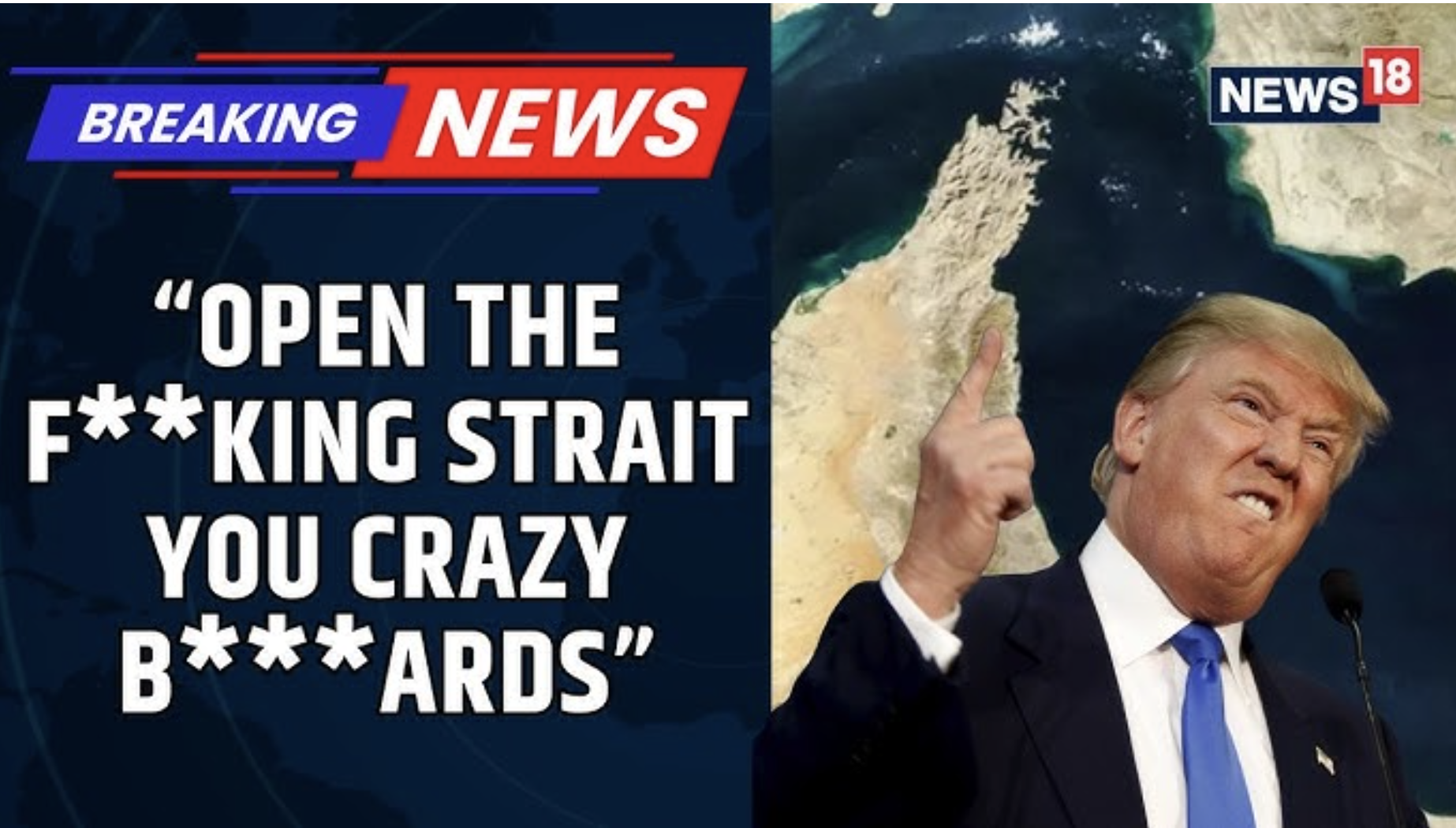
Donald Trump constantly posts unhinged messages on his social media platform Truth Social (aka Lie Social). Threatening genocide against Iran, showing an image of himself as Jesus Christ, denouncing Pope Leo XIV for wanting peace in the world, cursing at people who don’t “bend the knee” to him, etc. So, I’d like to offer more respectable — and more enjoyable — social media content: posts by various characters from classic literature. (With fictional comments responding to those fictional posts.) The characters inhabit novels published long before the existence of Facebook, X, Bluesky, Instagram, and other platforms, but they still managed to make their online thoughts known.

Jane Eyre: “Here’s a photo I took tonight of a tree that got split by lightning just after R asked me to marry him. Cool!”

Rochelle from Rochester: “Jane, not sure that’s cool; the severed tree could symbolize a coming rupture in your relationship.”

Jane: “As Freud might say after he’s eventually born, sometimes a tree is just a tree.”

Thornfield Hall & Oates: “Charlotte Bronte, please weigh in here.”

Charlotte: “I’ll try, but the WiFi in Haworth Parsonage is spotty.”

Rodion Raskolnikov: “I heard that the popular co-hosts of the I’ve Had It podcast are ‘killing it.’ That means I have something in common with them.”

St. Petersburger King: “You actually murdered people; podcasters Jennifer Welch and Angie ‘Pumps’ Sullivan did not.”

Raskolnikov: “I had my reasons for doing the Crime that might lead to Punishment, but at least I didn’t bomb a girls’ school like the Trump regime did in Iran.”

Sonya Semyonovna Marmeladova: “Fyodor Dostoevsky, could you extract Raskolnikov from his time warp? And give me a shorter name while you’re at it.”

Dostoevsky: “I’m busy deciding on a first name for the repulsive dad in my novel The Brothers Karamazov. Let’s see…Biff? No. Chuck? No. Rocky? No. Fyodor? Yes!”

Paul Baumer: “I’m told it’s All Quiet on the Western Front, but the occasional new western novel and occasional new western movie means that genre is not totally quiet. Plus I’m not sure if I’m fighting in World War I or The Great War.”

Wiser than the Kaiser: “Actually, they’re the same conflict. When The Great War happened, no one knew there’d be a World War II that would retrospectively lead to The Great War being renamed World War I.”

Paul: “I did not live to see World War II, or to even read the World War Z zombie apocalypse novel by Max Brooks, son of Mel Brooks and Anne Bancroft. Young Frankenstein was The Graduate, right?

Archie Triumph: “Erich Maria Remarque, could you rein in your protagonist?”

Erich: “I married Charlie Chaplin’s former wife, actress Paulette Goddard, so get off my case.”

Queequeg: “I’d post a video of The Great White Whale, but Apple has yet to develop a harpoon with a phone camera.”

Mel from Melville: “Given that you’re in a novel with lots of gravitas, shouldn’t the Moby-Dick whale have the more-formal name of Moby-Richard?”

Queequeg: “Call me, Ishmael, if my harpoon ever gets a smartphone.”

This Billy Budd’s for You: “Herman Melville, tell Captain Ahab to start monitoring his crew’s social media content.”

Herman Melville: “Herman Munster has the same initials as me.”

Edmond Dantes: “Given that it’s tax season, what is The Count of Monte Cristo’s count — according to his accountant?”

Chateau d’ifs, ands, or buts: “Depends on whether you, Edmond/Count, declared Abbe Faria a dependent.”

Edmond: “Actually, I was more a dependent of Faria’s than he was of me in the Chateau d’if island prison.”

Rhea Venge: “Alexandre Dumas, could you have The Three Musketeers stick a sword in this blog post? It’s done.”

Note: My next post might publish on Monday, April 27, rather than Sunday, April 26.

Misty the cat says: “The novel ‘All the Light We Cannot See’ seems to have missed that lamp.”

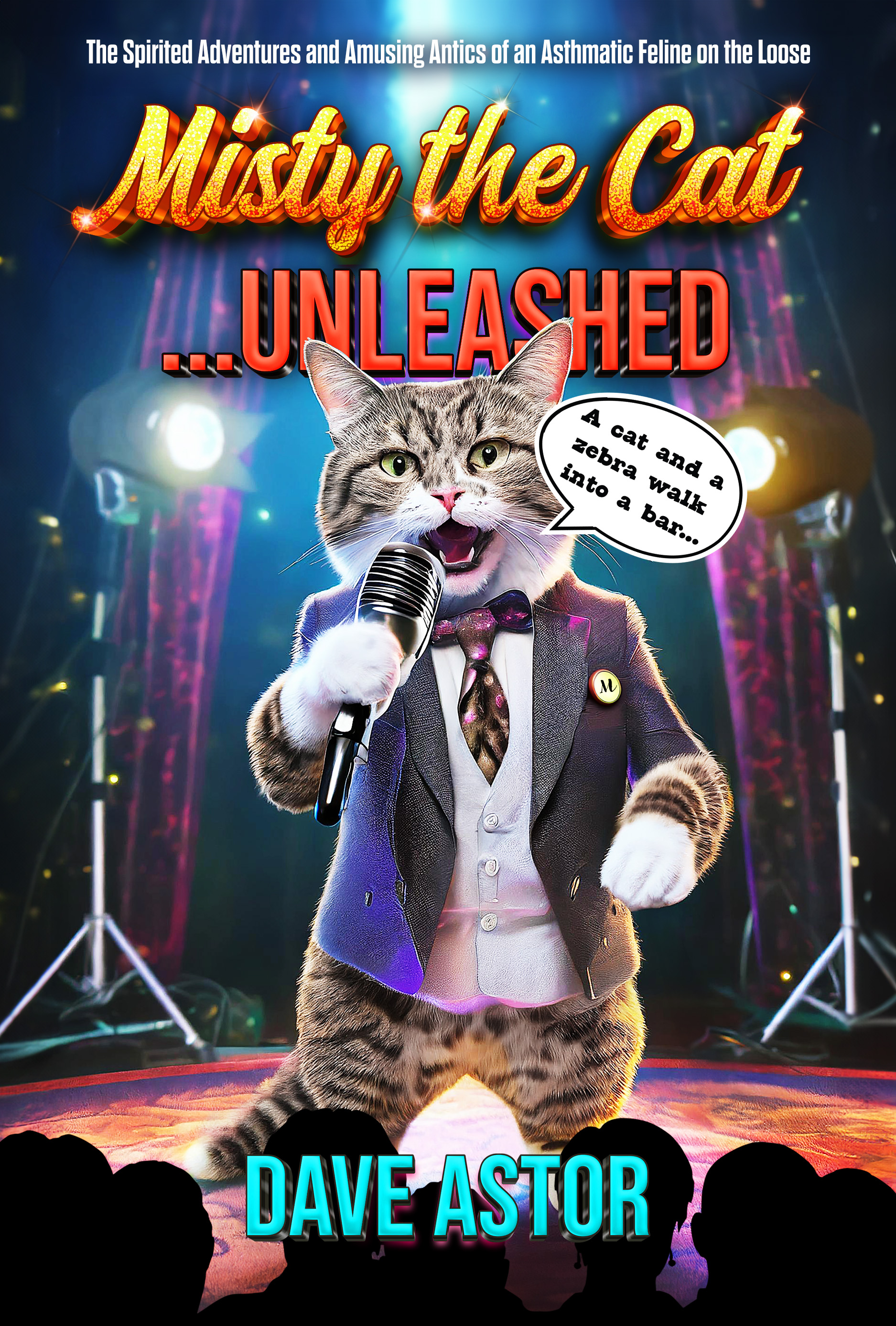
My comedic 2024 book — the part-factual/part-fictional/not-a-children’s-work Misty the Cat…Unleashed — is described and can be purchased on Amazon in paperback or on Kindle. It’s feline-narrated! (And Amazon reviews are welcome. πŸ™‚ )

This 90-second promo video for the book features a talking cat: πŸ™‚

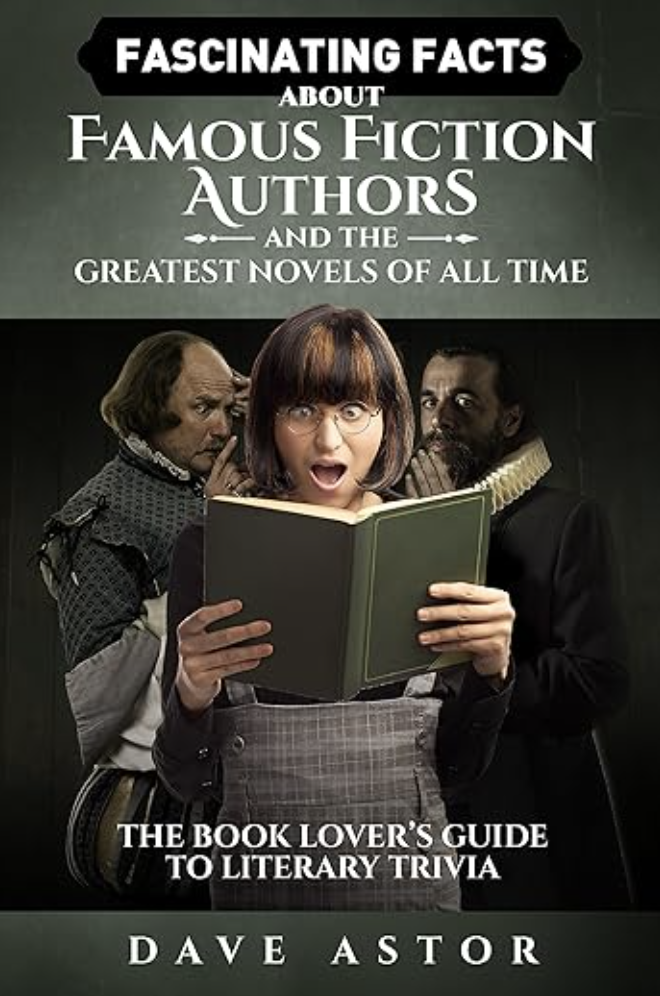
I’m also the author of a 2017 literary-trivia book

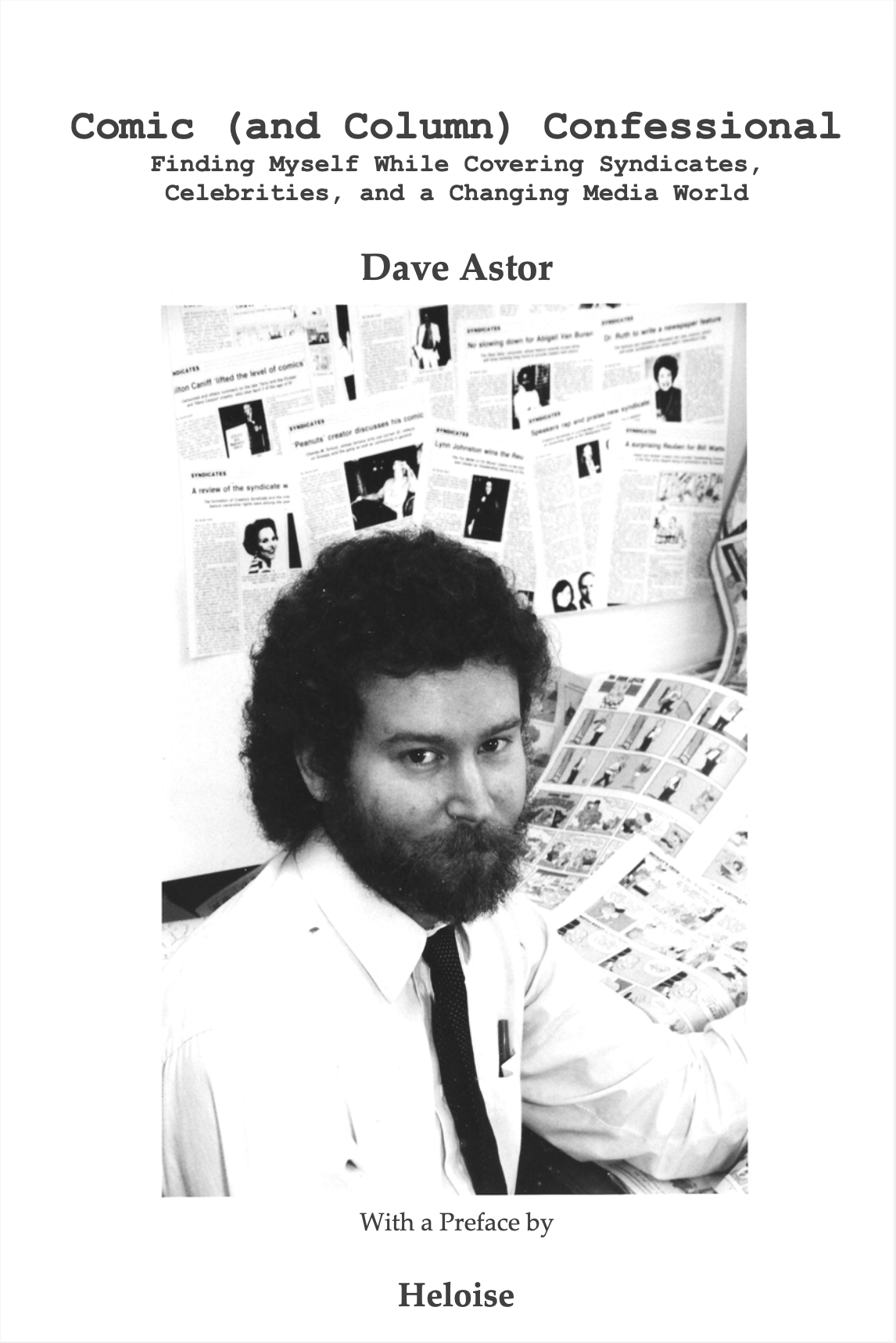
…and a 2012 memoir that focuses on cartooning and more, including many encounters with celebrities.
In addition to this weekly blog, I write the 2003-started/award-winning “Montclairvoyant” topical-humor column every Thursday for Montclair Local. The latest piece — about topics such as steeply rising health-insurance costs hurting my town’s municipal budget — is here.

Literature Reflects Our Digital Age

I love pre-20th-century fiction, but I’m going to ignore it today. That’s because I’ll be talking about literature featuring computers, email, cellphones, social media, and other manifestations of modern technology.

It’s a subject Jane Austen probably didn’t discuss on a smartphone, Charlotte Bronte probably didn’t text about, Mark Twain probably didn’t tell a Facebook friend about, and Tolstoy probably didn’t tweet about. Heck, the War and Peace cast has more than 140 characters…

Digital devices can appear casually in literature — a character writing something on a laptop, another character taking a photo with an iPhone, etc. — or they can be important to, or even central to, the story line.

Modern technology can certainly affect a plot. For instance, mystery authors of decades ago took advantage of the fact that potential crime victims might find themselves in very isolated situations. Now, potential victims could very well be toting a smartphone that could help them avoid mayhem.

While we might think tech began appearing in lit when the Internet became a mass phenomenon during the 1990s, computers of course were found in fiction — and particularly science fiction — well before that. A prime example is Arthur C. Clarke’s 2001: A Space Odyssey (1968) — in which HAL the computer plays a memorably important role. Computers are also in decades-ago books aimed at young readers, with one example being 1958’s Danny Dunn and the Homework Machine by Jay Williams and Raymond Arbrashkin. Man, that homework-helping computer was HUGE!

But the digital age especially permeates literature of the past 10-20 years. This is mightily apparent in The Girl With the Dragon Tattoo (2005) and the two other Stieg Larsson novels that feature major computer hacking by Lisbeth Salander, online research by her and others, and investigative stories and investigative books written on laptops. Tech stuff is almost as important as the human element in driving the story lines of Larsson’s page-turning trilogy.

Modern technology is also prominent in Lee Child’s riveting series of Jack Reacher crime thrillers. Worth Dying For, to name one title, has a pivotal scene where Reacher goes outside to retrieve a cellphone he had earlier grabbed from a bad guy — only to find himself in mortal danger from that bad guy’s just-arriving “boss.” Later, a cellphone conversation plays a crucial role in the 2010 novel’s shattering climax.

J.K. Rowling’s The Casual Vacancy (2012) includes cellphones, texting, and computers, too — making for a digital landscape that’s at first a bit jarring after reading Rowling’s magic-filled but almost tech-free Harry Potter series.

Zadie Smith’s On Beauty (2005) opens with transcripts of emails that “introduce” readers to various characters. We learn something about Jerome Belsey (the emailer who’s staying with the Kipps family in England), about the Kipps (who will figure prominently in the novel), and about Jerome’s Massachusetts-based father Howard (including the fact that he’s too distracted, embarrassed, and self-involved to answer emails). Later in the novel, Howard the professor is very reluctant to switch from an overhead projector to PowerPoint — which symbolizes his becoming a has-been. (Not that he was ever much of a “was-been.”)

On a more positive note, Dellarobia Turnbow getting a job that includes some computer work is one example of how that rural, working-class, former stay-at-home mom gains confidence in Barbara Kingsolver’s Flight Behavior (2012). Also in that novel, computer modeling and online research help scientist Ovid Byron learn about the way climate change is hurting the monarch-butterfly population.

Another 2012 novel, Adam Johnson’s The Orphan Master’s Son, includes a satellite-technology element crucial to the effort to try smuggling a prominent North Korean actress out of that authoritarian country.

Moving to the apocalyptic, we have Stephen King’s Cell (2006), in which cellphones don’t come off well. Neither does that novel; it’s one of King’s few mediocre efforts in the wireless or pre-wireless eras of his glittering career.

Last but not least, digital devices can also be a vehicle for humor. In Steve Martin’s The Pleasure of My Company, for instance, protagonist Daniel Pecan Cambridge muses that his name is “D-control/spacebar” in the computer records of his therapist Clarissa — who, incidentally, once had her cellphone battery die at the same time her car battery died. What are your favorite literary works with modern-technology elements?

(The box for submitting comments is below already-posted comments, but your new comment will appear at the top of the comments area β€” unless you’re replying to someone else. Also, please feel free to read through comments and reply to anyone you want; I love not only being in conversations, but also reading conversations in which I’m not involved!)

For three years of my Huffington Post literature blog, click here.

I’m also writing a literature-related book, but still selling Comic (and Column) Confessional — my often-funny memoir that recalls 25 years of covering and meeting cartoonists such as Charles Schulz (“Peanuts”) and Bill Watterson (“Calvin and Hobbes”), columnists such as Ann Landers and “Dear Abby,” and other notables such as Hillary Clinton, Coretta Scott King, and various authors. The book also talks about the malpractice death of my first daughter, my remarriage, and life in New York City and Montclair, N.J. — where I write the award-winning weekly “Montclairvoyant” humor column for The Montclair Times. You can email me at dastor@earthlink.net to buy a discounted, inscribed copy of the book, which contains a preface by “Hints” columnist Heloise and back-cover blurbs by people such as “The Far Side” cartoonist Gary Larson.