Observe the Learning Curve

Sometimes, authors dazzle with their debut novels. Mary Shelley and Frankenstein. Emily Bronte and Wuthering Heights. Carson McCullers and The Heart Is a Lonely Hunter. Ralph Ellison and Invisible Man. Arundhati Roy and The God of Small Things. Zadie Smith and White Teeth. Etc.

But more frequently there’s somewhat of a learning curve for authors, which is totally natural — and totally the topic of this post.

I came to this topic via the work of Stephenie Meyer, three of whose novels I recently read in reverse order: first The Chemist (2016), then The Host (2008), and then Twilight (2005). Twilight was of course Meyer’s mega-bestselling debut featuring a teen human and teen vampire who fall in love. An interesting take on the vampire genre that held my interest even as it was too often written in a pedestrian way. Published three years later, The Host turned out to be a fascinating sci-fi story — and more skillfully crafted. Finally, The Chemist thriller about a hunted female ex-government agent was full of superb prose and dialogue. Meyer’s wordsmithing arc was impressive.

It all reminded me a bit of J.K. Rowling’s progression. The first Harry Potter novel was compelling and tons of fun as the author did her world-building, even as the writing itself was not super-scintillating. But Rowling’s prose and dialogue got better and better as her next six wizard-realm books emerged, and continued in that direction with the skillfully written The Casual Vacancy and the riveting crime series starring private investigators Cormoran Strike and Robin Ellacott.

Both Rowling and Meyer can be rather long and wordy in their more recent offerings, but I’m here for it.

Going much further back in time, I liked the feminist idea of Jack London’s early novel A Daughter of the Snows, but the dialogue was laughable and the prose clunky. One year later, London’s pitch-perfect The Call of the Wild was released. I don’t know what writing elixir the author imbibed during those 12 months, but I want it. 🙂

F. Scott Fitzgerald’s college-set debut novel This Side of Paradise is quite uneven, only hinting at the greatness of The Great Gatsby published just five years later.

John Steinbeck’s debut novel Cup of Gold was an okay, rather conventional pirate novel before much of his later fiction became light years better — including, of course, his masterpiece The Grapes of Wrath.

Willa Cather’s first two novels — Alexander’s Bridge and O Pioneers! — exhibited some authorial growing pains before they were followed by her absorbing The Song of the Lark and then the masterful My Antonia.

Dan Brown’s early-career novel The Da Vinci Code was VERY popular and quite ingenious in its way but even more awkwardly written than Stephenie Meyer’s Twilight. I never read Brown again, but I assume his writing improved?

Any comments about, or examples of, this theme?

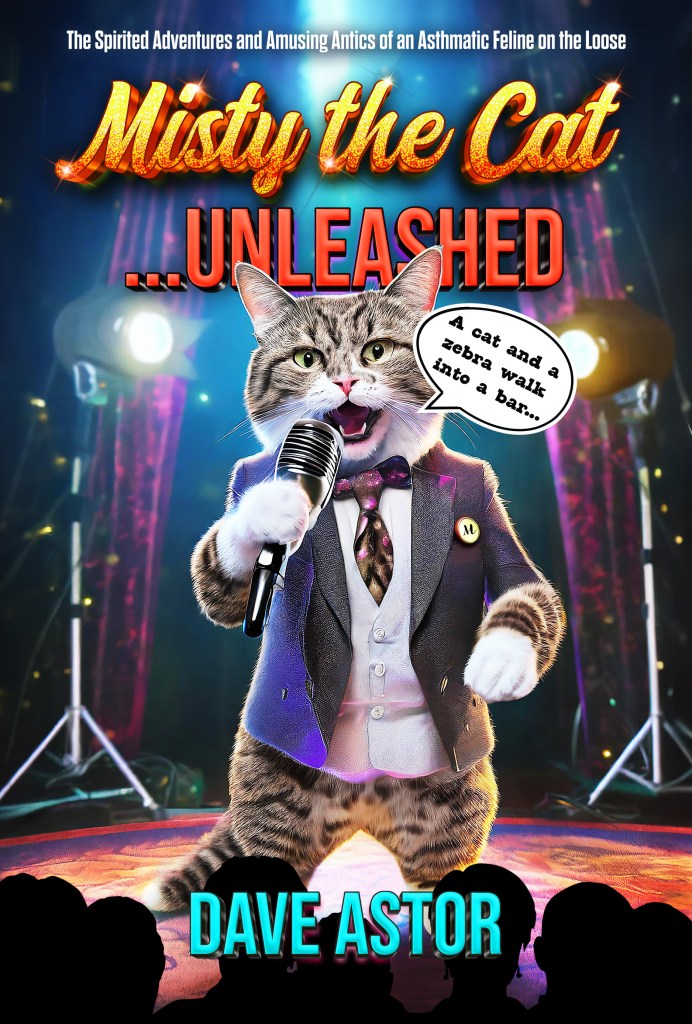
Misty the cat asks: “How am I supposed to shovel this stuff without opposable thumbs?”

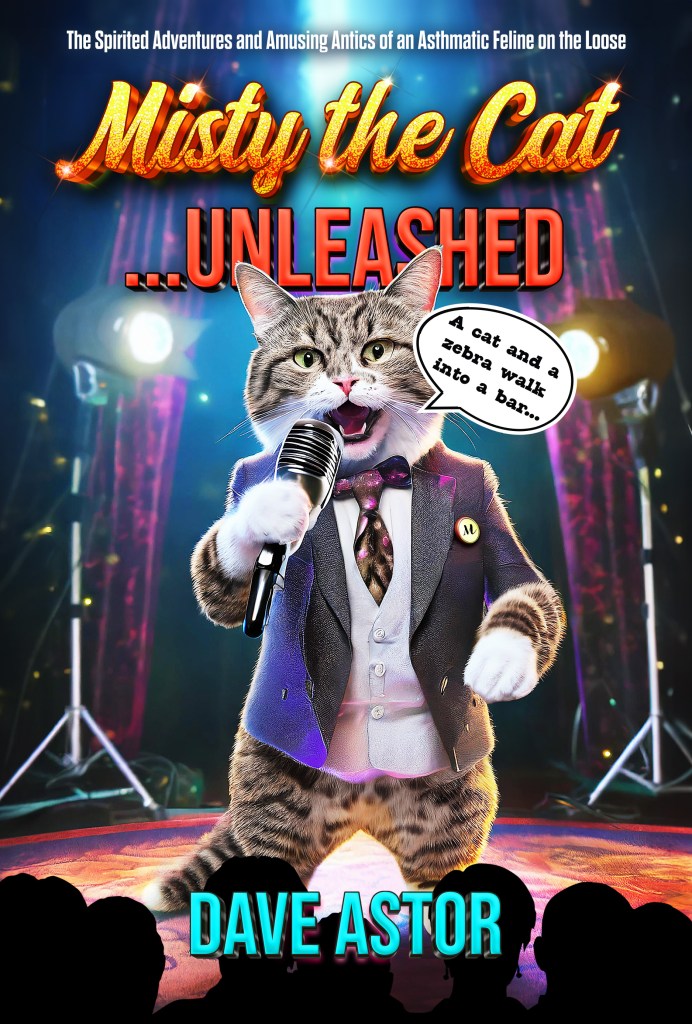
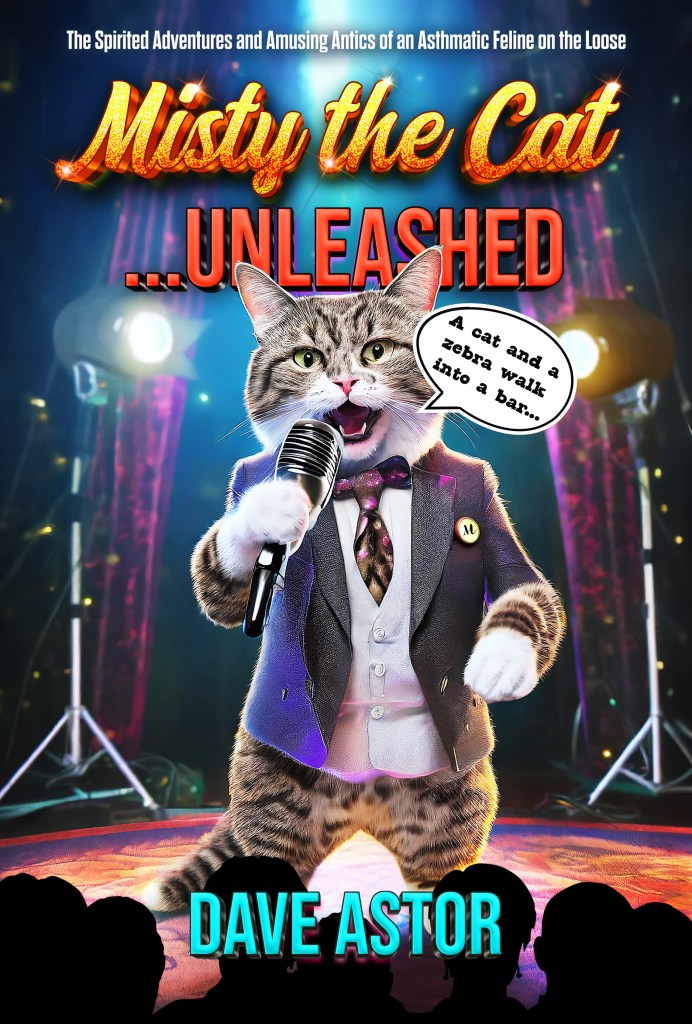
My comedic 2024 book — the part-factual/part-fictional/not-a-children’s-work Misty the Cat…Unleashed — is described and can be purchased on Amazon in paperback or on Kindle. It’s feline-narrated! (And Amazon reviews are welcome. 🙂 )
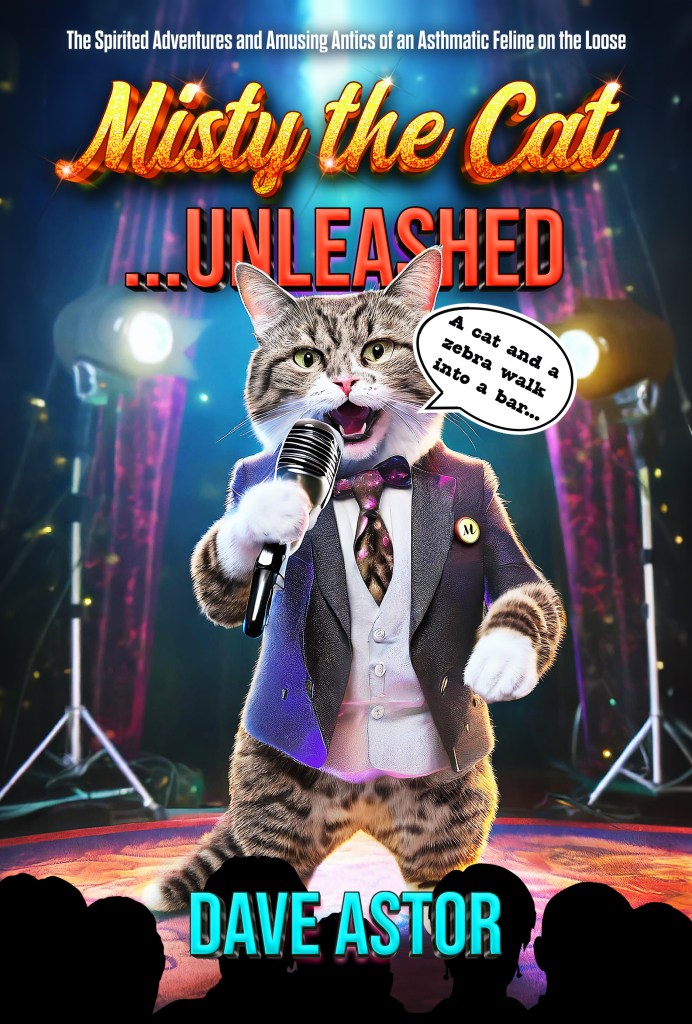
This 90-second promo video for the book features a talking cat: 🙂

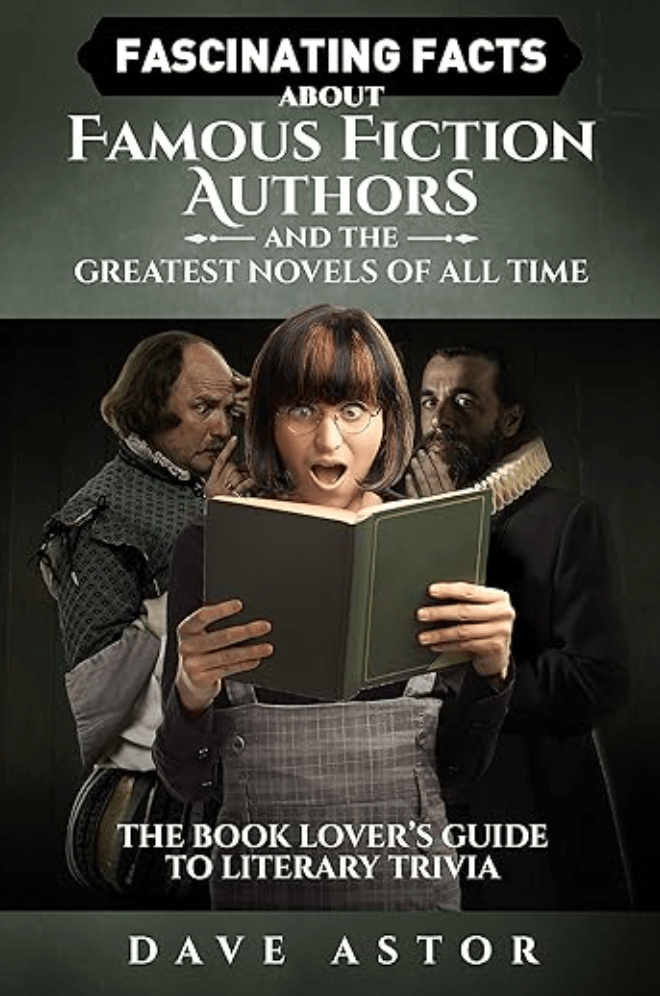
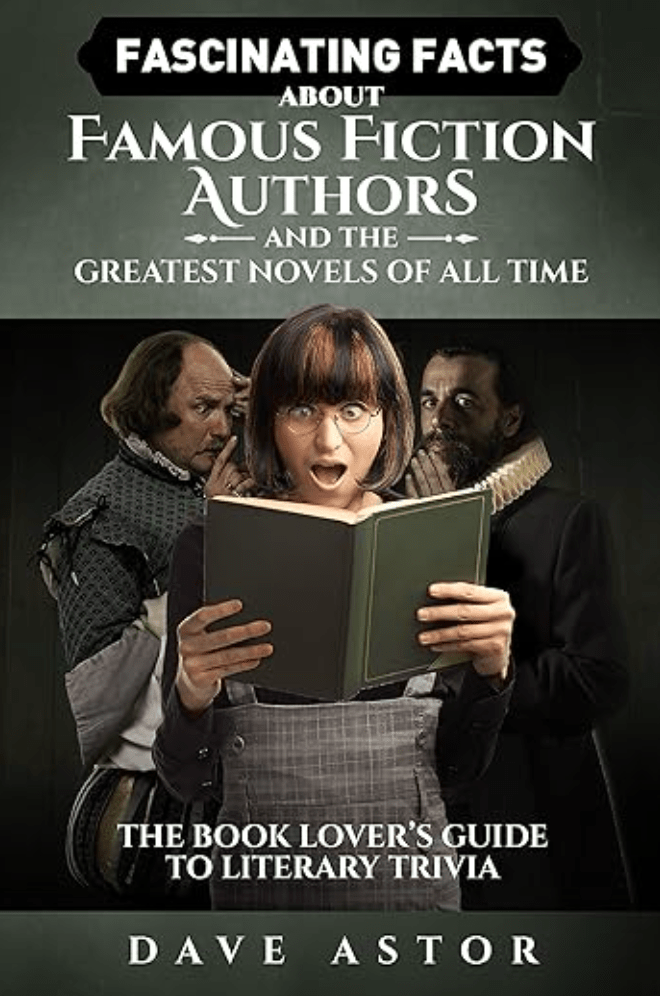
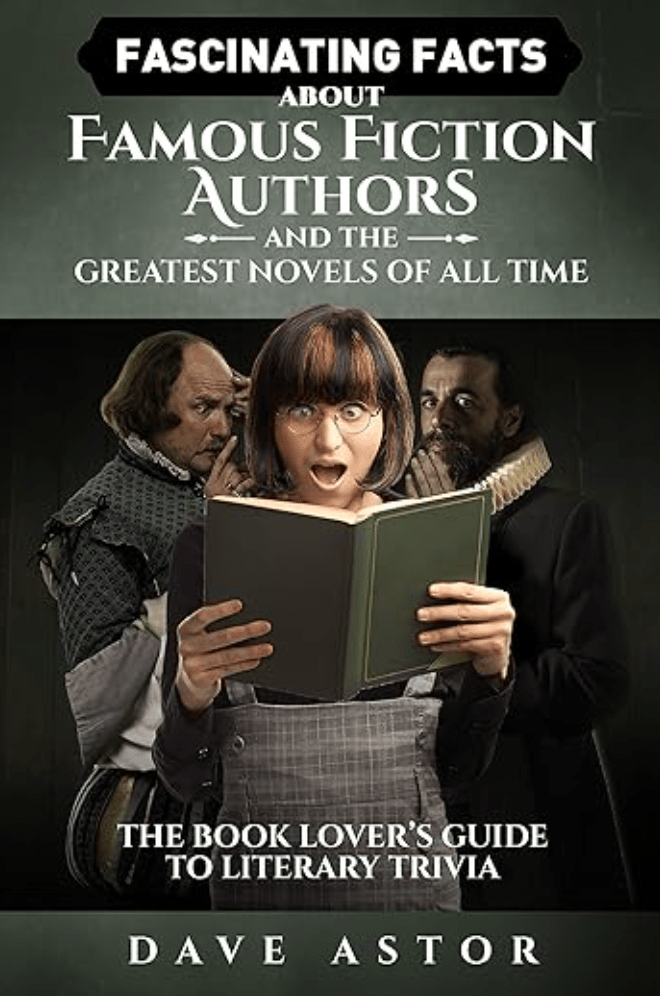
I’m also the author of a 2017 literary-trivia book

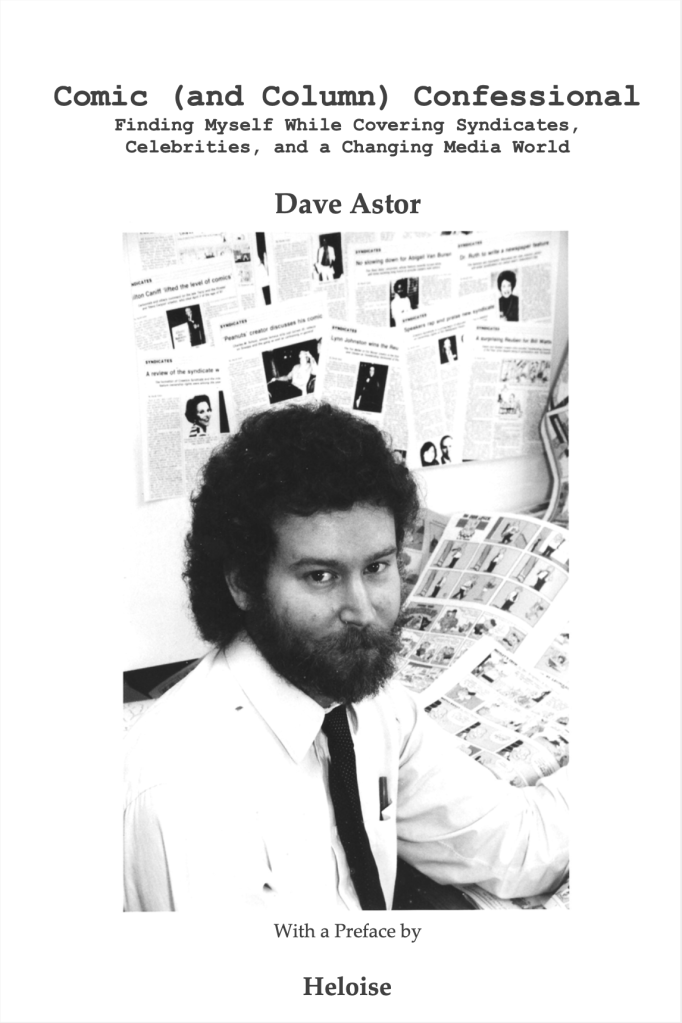
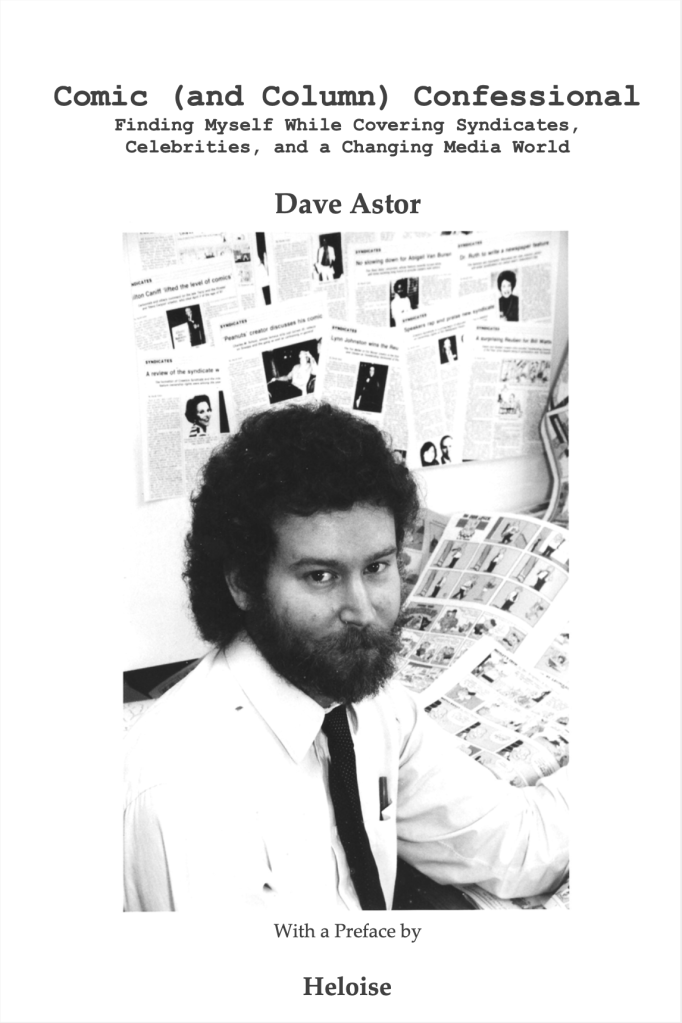
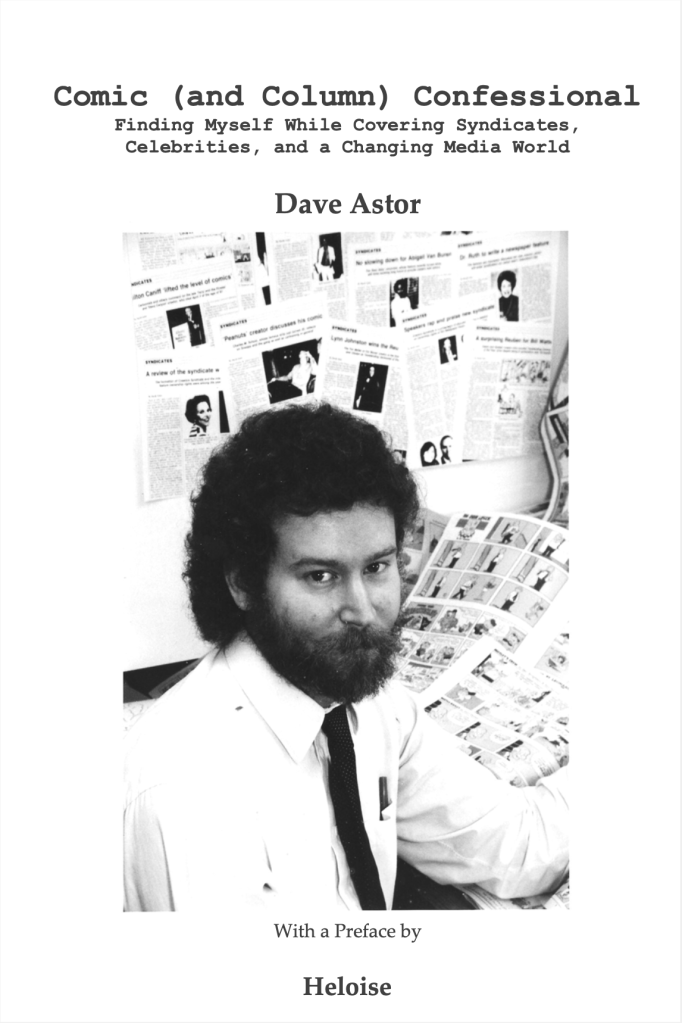
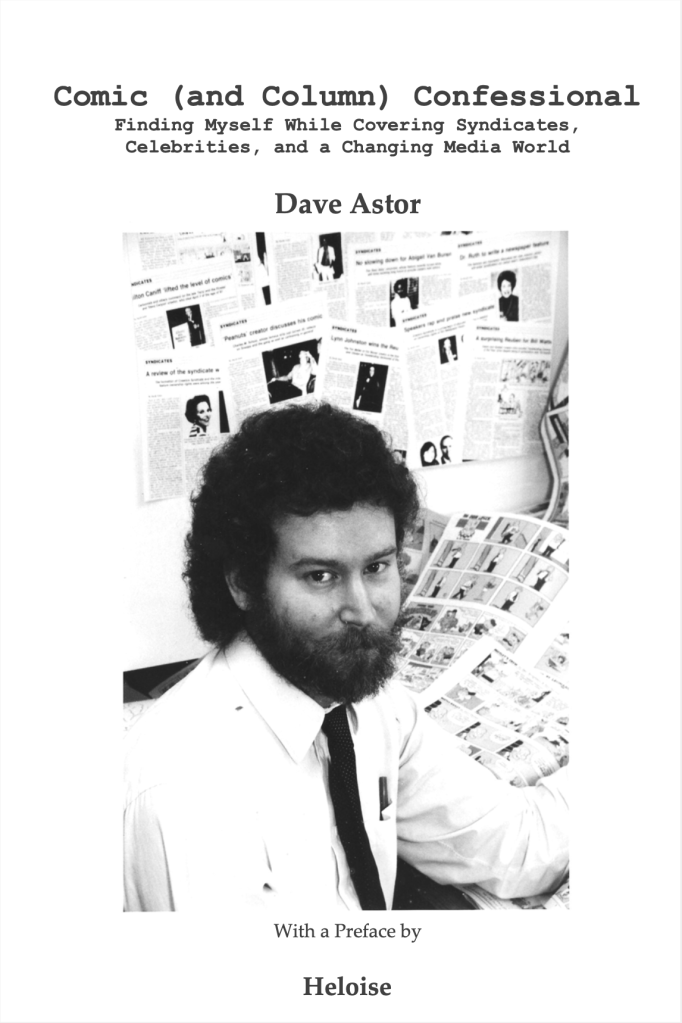
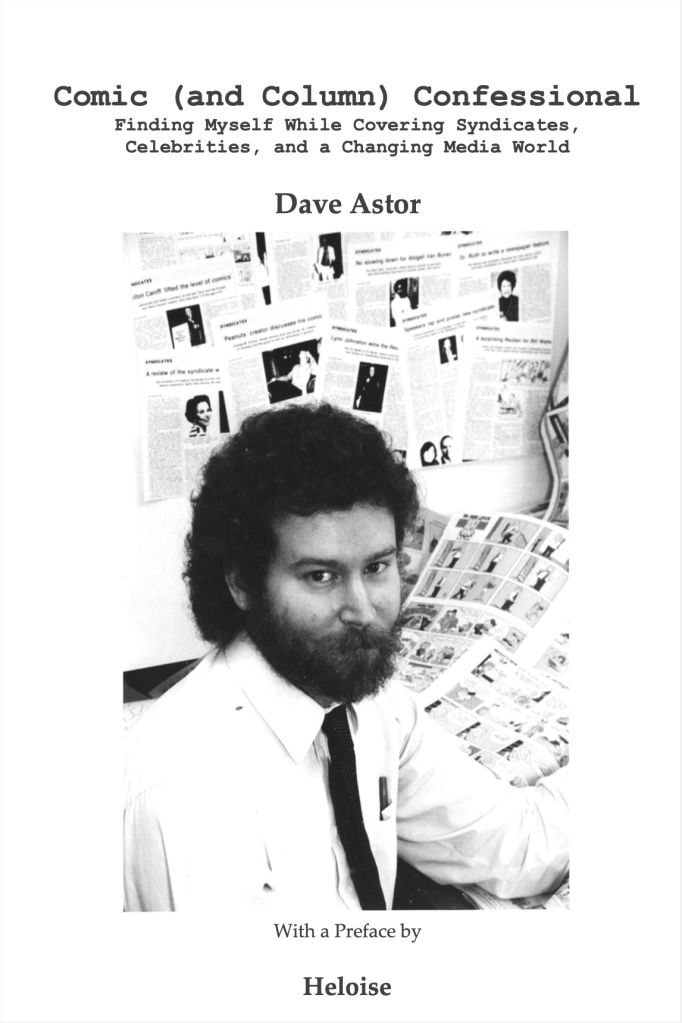
…and a 2012 memoir that focuses on cartooning and more, including many encounters with celebrities.
In addition to this weekly blog, I write the 2003-started/award-winning “Montclairvoyant” topical-humor column every Thursday for Montclair Local. The latest piece — which has “no appeal” appeal — is here.

Self-Therapy By Book

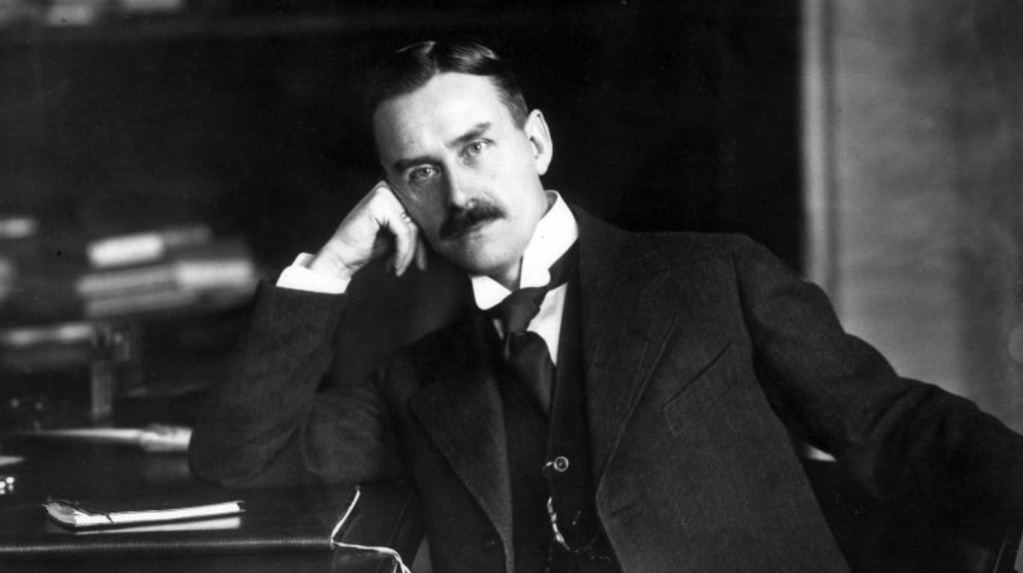
Thomas Mann (Picture Alliance/Ullstein Bild)

Sometimes, novels are semi-autobiographical confessionals and/or expressions of authors’ repressed thoughts and/or a way for them to “work out issues” and/or a way of reckoning with their past and/or an exercise in wish-fulfillment, etc. Sort of self-therapy by book.

I thought about this when recently reading Thomas Mann’s novellas Tonio Kroger (1903) and especially Death in Venice (1912), and seeing that there was a whole lot of male longing for other males by the protagonists. Sure enough, a little online exploring showed that Mann — the father of six with wife Katia — was sexually attracted to men, though there’s no conclusive evidence he acted on that during a more homophobic time. But he sure made his feelings known in some of his writing, as when middle-aged Death in Venice protagonist Gustav von Aschenbach (a famous author…hmm) becomes obsessed with a teen boy he finds very good-looking.

Several years later, in 1918, Willa Cather wrote perhaps her best novel: My Antonia. In it, male protagonist Jim Burden holds Antonia in such high regard that he might well be a stand-in for Cather, who was probably gay. Meaning she could have narrator Jim (i.e. Willa) express some feelings the author might have found more difficult to express if that character were a woman.

While sexual orientation isn’t a subtext (as far as I know) in Mary Shelley’s apocalyptic 1826 novel The Last Man, the author did base the male protagonist Lionel Verney on herself despite the different gender and modeled two other characters — Adrian and Lord Raymond — on her late husband Percy Bysshe Shelley and their late friend Lord Byron, respectively. So, Mary was kind of remembering and analyzing her relationships/interactions with the two famous poets.

Charlotte Bronte’s Villette (1853) also has a semi-autobiographical element: characters Lucy Snowe and Paul Emanuel are partly based on Charlotte and the real-life Constantin Heger, who Charlotte fell in love with (?) while enrolled in the Belgian boarding school run by Heger and his wife Zoe. And the downbeat tone of some of Villette was shaped to a degree by the 1848 and 1849 deaths-before-their-time of Charlotte’s younger novelist sisters Emily and Anne.

The Brontes’ contemporary Charles Dickens used a number of his novels to indirectly work through the childhood trauma that would help shape his social conscience. The future author’s father was sent to a debtors’ prison, and 12-year-old Charles had to leave school to work in a miserable factory to help support his family. Echoes of that can be found in the impoverished young characters Dickens created in David Copperfield (1850), Oliver Twist (1838), The Old Curiosity Shop (1841), and other works.

Amid the compulsive plot of his 1940 novel Native Son, Richard Wright wrestled with such matters as racism (which he experienced plenty of as a Black person) and his complicated feelings about the Communist Party USA (which he joined but later broke from).

Some authors who served in the military and were perhaps wounded in action indirectly worked through that trauma in war novels they would later write. Erich Maria Remarque — in books such as 1929’s All Quiet on the Western Front — is one prominent example of that.

Also, authors’ unrequited “crushes” in real life can provide rather intense fodder for novels, as was the case with Mann in his aforementioned Death in Venice and with Goethe in his The Sorrows of Young Werther (1774).

Thoughts about and examples of this topic?

Misty the cat says: “Halley’s Comet won’t be back until 2061, so you may not see it in this video.”

My comedic 2024 book — the part-factual/part-fictional/not-a-children’s-work Misty the Cat…Unleashed — is described and can be purchased on Amazon in paperback or on Kindle. It’s feline-narrated! (And Misty says Amazon reviews are welcome. 🙂 )

This 90-second promo video for my book features a talking cat: 🙂

I’m also the author of a 2017 literary-trivia book

…and a 2012 memoir that focuses on cartooning and more.

In addition to this weekly blog, I write the 2003-started/award-winning “Montclairvoyant” topical-humor column every Thursday for Montclair Local. The latest piece — a time-warped look at a long-closed movie theater that might open again — is here.

Authors Who Lived in More Than One Country

I recently finished Vladimir Nabokov’s Pale Fire, and, after musing about how clever that novel is, I read a Wikipedia biography of the author.

It turned out that Nabokov wrote his first nine novels in Russian before switching to English — after which he authored his two most famous books: the controversial Lolita and the aforementioned Pale Fire, which consists of a poem followed by an extended, often-hilarious analysis that’s less about the poem than about the weird analyzer (who may or may not be a king who escaped to the U.S.).

Nabokov’s life got me thinking about other authors who lived in more than one country, and what effect that had on their work. Obviously, writers with multinational backgrounds might be compassionate or bitter about leaving one’s place of origin, more cosmopolitan, more knowledgeable about the world, more attuned to the pros and cons of various countries and political systems, more aware that human emotions anywhere tend to be alike rather than different, and so on.

The brilliant Nabokov was born in Russia and then lived in Germany before emigrating to America. Ending up in the U.S. is the template for many authors, and I’ll mention some of them first. But there are also a number of U.S.-born writers who went abroad, as well as serial-country authors who never lived in the fifty states. I’ll discuss some of those authors second and third. Meanwhile, I’ll mention here that Nabokov later left the U.S. for Switzerland.

German novelist Erich Maria Remarque also ended up in Switzerland, but lived a number of years in America after getting on the hate list of the vile Nazi regime. His last novel — Shadows in Paradise — is set in the U.S., but doesn’t measure up to his masterpieces such as the antiwar All Quiet on the Western Front, Arch of Triumph, and The Night in Lisbon.

There’s also Khaled Hosseini, whose riveting novel The Kite Runner was obviously inspired in part by his move from Afghanistan to America (with an in-between stay in France). English writer Aldous Huxley of Brave New World fame spent much of his life living in “The New World” (California, to be exact). Nigerian author Chinua Achebe (Things Fall Apart) resided a number of years in the U.S., too.

American-born authors living overseas for long periods? Two prime examples are Henry James (England) and Edith Wharton (France). Then there’s James Fenimore Cooper (in Europe from 1826 to 1833) and Nathaniel Hawthorne (in Europe from 1853 to 1860, when he strayed from his fiction’s usual New England settings to place The Marble Faun in Italy). Also, authors Richard Wright and James Baldwin went to France, partly to escape America’s virulent racism. Willa Cather lived in the U.S., but spent many summers at the only house she ever owned — in Canada (the setting of her little known but superb historical novel Shadows on the Rock). Another American author, Mary McCarthy, spent a lot of time in a second home in Paris.

Multinational authors with little or no time in the U.S. include, among others, Gabriel Garcia Marquez (Colombia, Venezuela, Spain, Mexico); Fanny Burney (England, France, England); Polish writer Joseph Conrad (who ended up in England); Kazuo Ishiguro (whose family moved from Japan to England when he was five); Russian writer Ivan Turgenev (who spent significant time in Germany and France); and Emile Zola (who left France for England to avoid jail after his brave role in debunking the anti-Semitic framing of Capt. Alfred Dreyfus).

Who are some of your favorite authors with lives lived in two or more countries? Why is this an advantage to a writer? Any disadvantages? (The box for submitting comments is below already-posted comments, but your new comment will appear at the top of the comments area — unless you’re replying to someone else’s comment.)

A note: After today, I will not post a new piece for perhaps three weeks or so for the usual summer reasons, but will pick up the pace starting in mid-August!

For three years of my Huffington Post literature blog, click here.

I’ve also written more than 50% of a literature-related book. But I’m still selling my part-funny Comic (and Column) Confessional memoir that recalls 25 years of covering/meeting cartoonists such as Charles Schulz (“Peanuts”) and Bill Watterson (“Calvin and Hobbes”), columnists such as Ann Landers and “Dear Abby,” and other notables such as Hillary Clinton, Coretta Scott King, and various authors. The memoir also talks about the malpractice death of my first daughter, my remarriage, and life in New York City and Montclair, N.J. — where I write the award-winning weekly “Montclairvoyant” humor column for The Montclair Times. I can be contacted at dastor@earthlink.net to buy a discounted, inscribed copy of the book, which has a preface by “Hints” columnist Heloise and back-cover blurbs by “The Far Side” cartoonist Gary Larson, among others.