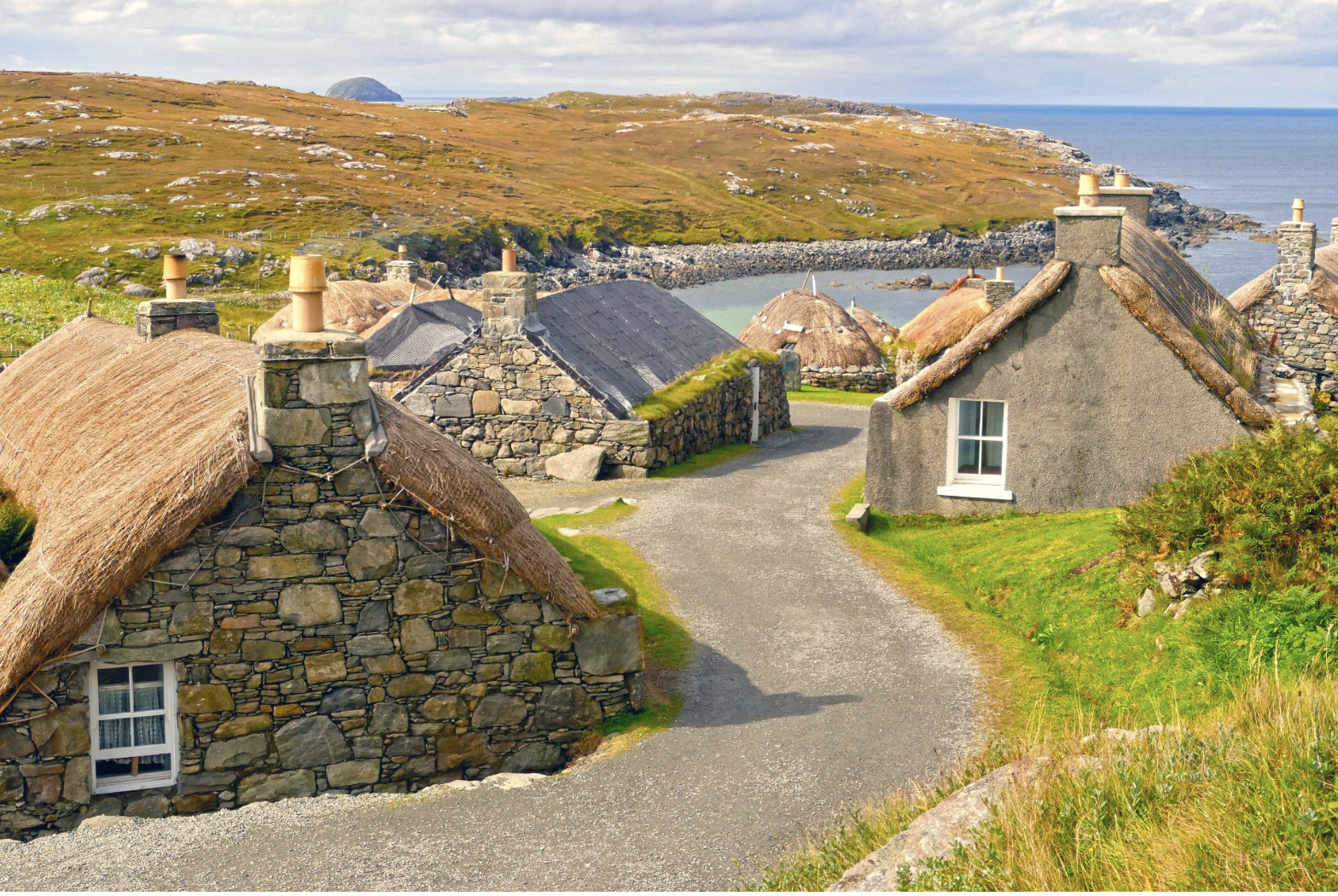
The Isle of Lewis (© Manel Vinuesa).
Novels with remote settings can be highly populated with elements fascinating to readers. Challenging weather. Lonely characters. Intense interactions between a relatively small number of people. Heightened danger because of the remoteness. And more.
The Blackhouse and its first sequel The Lewis Man, two riveting Peter May novels I read this month, mostly unfold on the isolated Isle of Lewis off Scotland. This setting gives the books lots of atmosphere amid murders and interesting (at times pathological) relationships between various three-dimensional characters.
I also recently read Frenchman’s Creek by Daphne du Maurier, who uses a remote setting as a backdrop to an intriguing love affair between a dissatisfied upper-class woman and a charismatic pirate.
Pirates have ships, of course, and many novels with remote settings unfold on boats, islands, or other isolated places near water. Among the examples I’ve read are Daniel Defoe’s Robinson Crusoe (obviously), Edgar Allan Poe’s The Narrative of Arthur Gordon Pym of Nantucket (which chronicles a surreal journey to the South Pole), Herman Melville’s Typee (whose escapee sailor protagonist enjoys Polynesian island life), and Alexandre Dumas’ The Count of Monte Cristo (a key part of which is set on a prison island off Marseille).
Also: Aldous Huxley’s Island (as utopian as that author’s Brave New World is dystopian), Agatha Christie’s And Then There Were None (murders on an island), Yann Martel’s Life of Pi (boy and tiger overboard), Martin Cruz Smith’s Polar Star (the ship-set first sequel to Gorky Park), M.L. Stedman’s The Light Between Oceans (about the troubled life of a married couple on an island off Australia), and Peter Hoeg’s Smilla’s Sense of Snow (partly set on an island off Greenland).
Other remote locales in fiction can be mostly on land — including Canada’s Yukon wilderness in Jack London’s The Call of the Wild, the Alaskan wilderness in Kristin Hannah’s The Great Alone, the New York State wilderness in James Fenimore Cooper’s The Deerslayer, the Siberian wilderness in Louis L’Amour’s Last of the Breed, and the African desert in J.M.G. Le Clezio’s Desert and Paul Bowles’ The Sheltering Sky.
There’s also the bleak end-of-the-world landscape in the concluding pages of H.G. Wells’ The Time Machine, and of course lonely settings in many sci-fi novels — such as Andy Weir’s The Martian and Arthur C. Clarke’s 2001: A Space Odyssey.
Your thoughts on this topic (which I also covered, in a partly different way, seven years ago) — including your favorite fiction with remote locales?
Misty the cat says: “My back legs and gasoline prices are both up.”
My comedic 2024 book — the part-factual/part-fictional/not-a-children’s-work Misty the Cat…Unleashed — is described and can be purchased on Amazon in paperback or on Kindle. It’s feline-narrated! (And Amazon reviews are welcome. 🙂 )
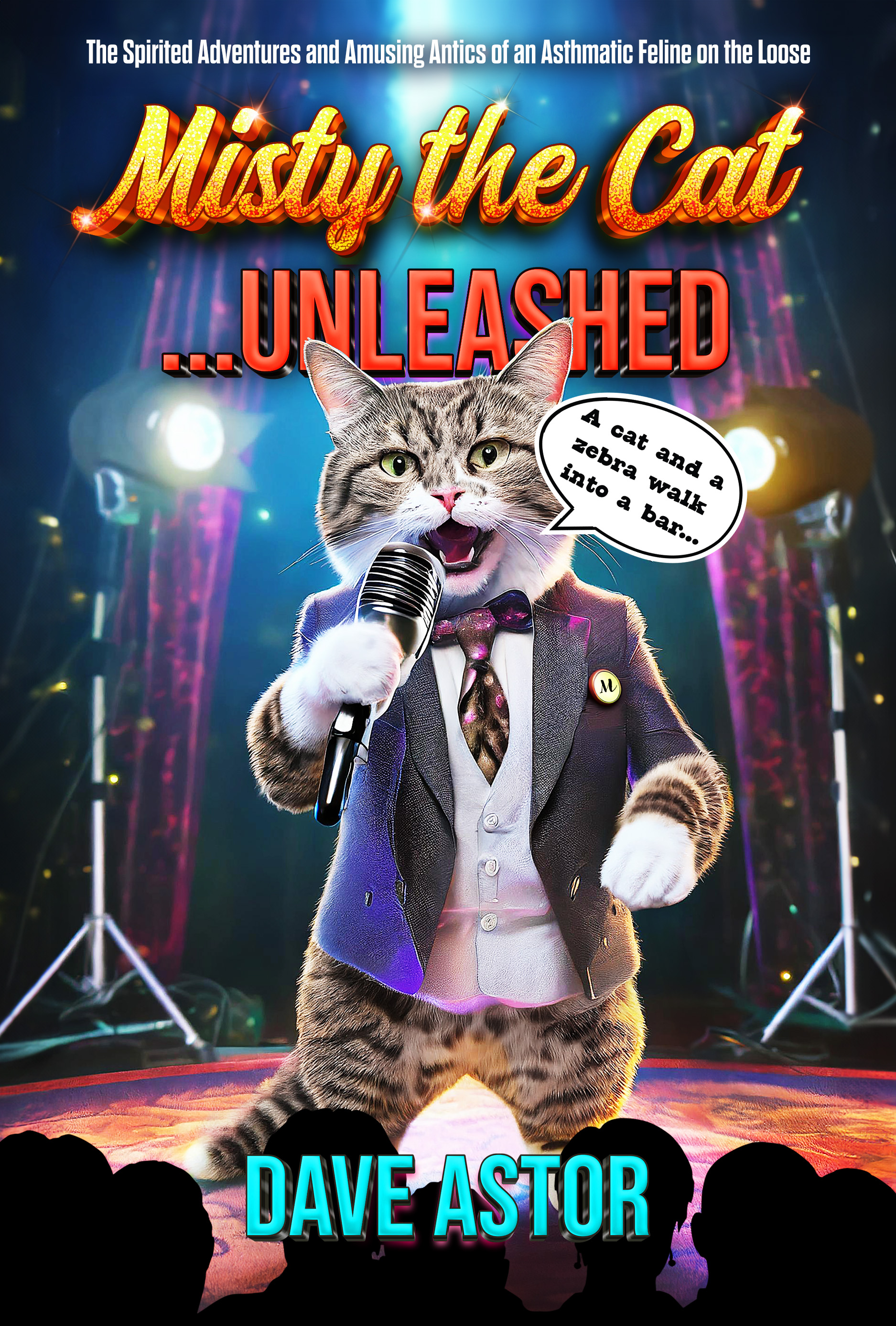
This 90-second promo video for the book features a talking cat: 🙂
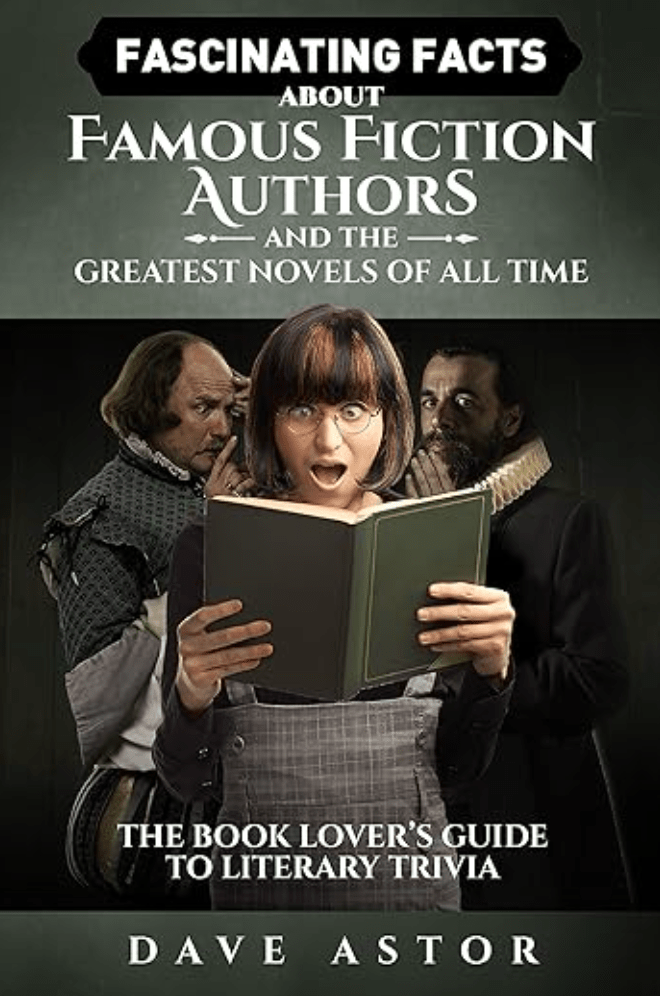
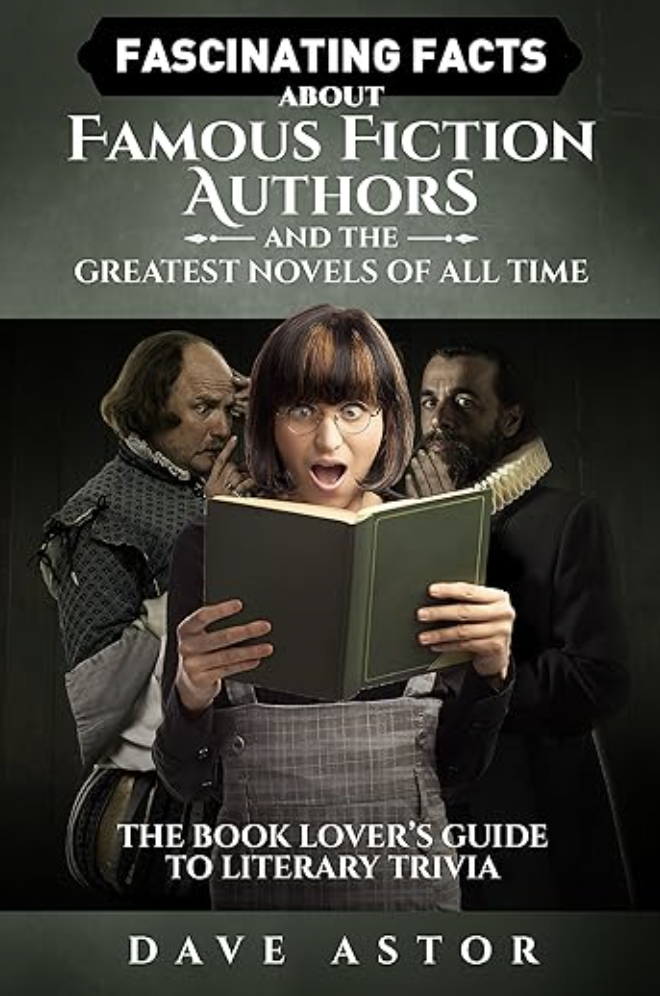
I’m also the author of a 2017 literary-trivia book…
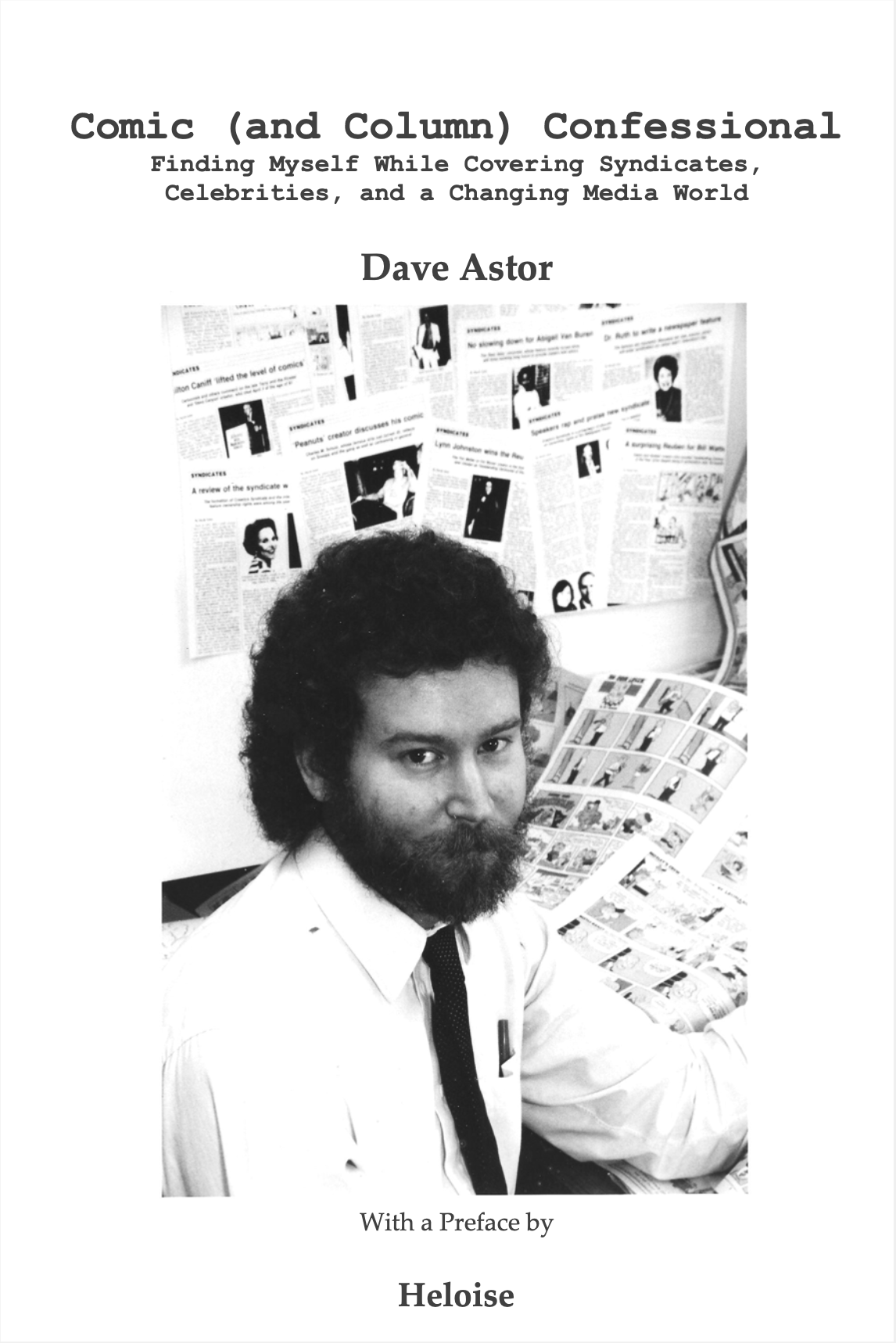
…and a 2012 memoir that focuses on cartooning and more, including many encounters with celebrities.
In addition to this weekly blog, I write the 2003-started/award-winning “Montclairvoyant” topical-humor column every Thursday for Montclair Local. The latest piece — which discusses a welcome downzoning decision in my town — is here.