What Is So Rare as a Cat Post in June?

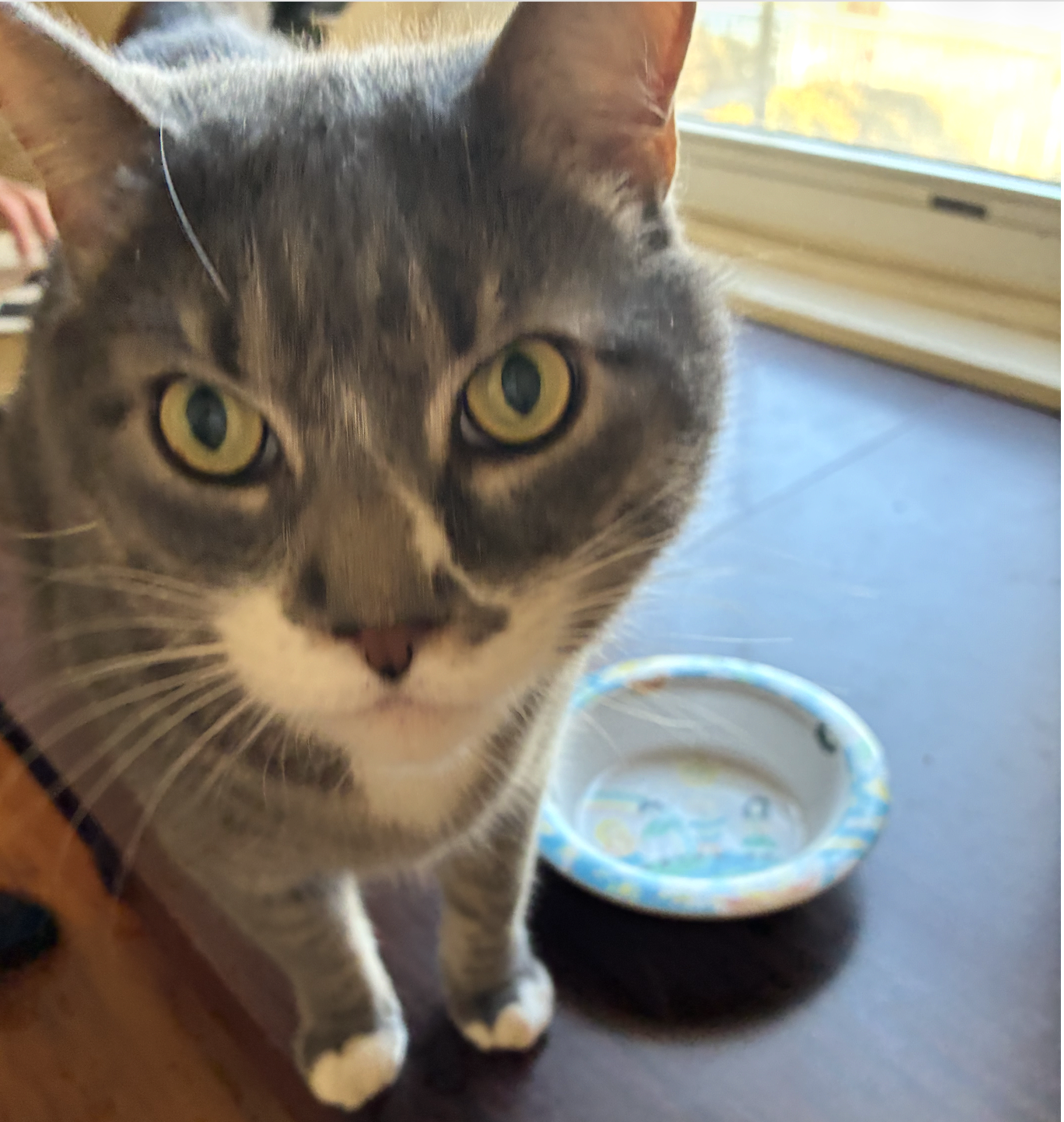
SO ready for my close-up. (Photo by some human.)

I, Misty the cat, am back for my every-two-month guest blog post — this time starting with a book-related complaint. Is my beef the fact that few males in literature are as handsome as my feline self? Well, that’s an issue, but my complaint actually involves libraries not always having every book in a series — causing me to slap photos of not-there novels on milk cartons under the word MISSING.

Sure, I realize some of those novels are being borrowed by library users, but my cat intuition suspects that in other cases the whole series were not ordered by acquisitions departments. If Amnesty International didn’t have infinitely more important things to do, they’d investigate.

I most recently wrestled with missing-book syndrome after looking several times for Y Is for Yesterday, the 25th and final installment of Sue Grafton’s wonderful series of alphabet mysteries (the author unfortunately died before authoring Z). I decided not to write 25 strongly worded…letters.

Then, after reading Peter May’s riveting thriller The Blackhouse and its equally intense sequel The Lewis Man (unexpectedly not about Jerry Lewis in The Nutty Professor), I returned to the library several times with hopeful tail in air looking for the third installment: The Chessmen. But it was never there. Not even a single cheap plastic pawn, rook, or bishop. Sure, I could try to get on a waiting list (if my local library had those books) or do the interlibrary loan thing, but I have so many books on my to-read list that I just ended up borrowing other novels. After briefly sobbing for multiple days.

During my last library visit vainly seeking The Chessmen, I randomly chose a different Peter May novel called Lockdown. Didn’t like it at all; I abandoned the book after struggling through nearly 100 pages — though I kindly gave the library some clues about where I had abandoned said book. (Hint: it’s buried near where labor leader Jimmy Hoffa disappeared in 1975.) Even the best authors can write the occasional clunker, and their prison terms for doing so tend to be only several years.

More clunkers by otherwise excellent authors who are not cats like me? Stephen King’s Cell, Kristin Hannah’s Fly Away, Willa Cather’s Sapphira and the Slave Girl, and Jack London’s A Daughter of the Snows, to name four. I’d love to see what’s in the parent-name boxes on that snow daughter’s birth certificate.

Nary a clunker among George Eliot’s big-five novels published in this chronological order: Adam Bede, The Mill on the Floss, Silas Marner, Middlemarch, and Daniel Deronda. Oddly, Mary Ann Evans wrote the same five novels — meaning she and Eliot may have been smoking noms de plume.

Daniel Deronda reminds me — the intermittently meowing Misty — that many fictional works have alliterative titles: Black Beauty (Anna Sewell), Captains Courageous (Rudyard Kipling), Cat’s Cradle (Kurt Vonnegut), Golden Girl (Elin Hilderbrand), Gone Girl (Gillian Flynn), Make Me (Lee Child), Marjorie Morningstar (Herman Wouk), Nicholas Nickleby (Charles Dickens), Perestroika in Paris (Jane Smiley), Peter Pan (J.M. Barrie), Rob Roy (Walter Scott), The Cuckoo’s Calling (J.K. Rowling), The Custom of the Country (Edith Wharton), The Great Gatsby (F. Scott Fitzgerald), The Master and Margarita (Mikhail Bulgakov), The Boys from Biloxi (John Grisham), The Plains of Passage (Jean M. Auel), etc. Oh, and Crime and Crunishment.

What does “crunishment” mean? I think it has something to do with being bombarded by croutons.

It’s June and the sun is often out, so I would like to conclude this post with some novels that have “Sun” in their titles. The Sun Also Rises, of course, which I feel is overrated Hemingway — although he was a big fan of never-overrated cats. Half of a Yellow Sun by Chimamanda Ngozi Adichie. Klara and the Sun by Kazuo Ishiguro. A Thousand Splendid Suns by Khaled Hosseini. And so on. I, Misty the cat, do not live in “The House of the Rising Sun” but instead dwell in “The Apartment of the Rising Sun” — from which I emerge every morning for my daily leashed walk to do more reading: STOP signs, street signs, graffiti, license plates, T-shirt logos, and the occasional plane skywriting “Where’s the final alphabet mystery?”

My human Dave will reply to all comments because “crunishment” is not a word.

Misty the cat says: “I’m inches from garden-bag greatness.”

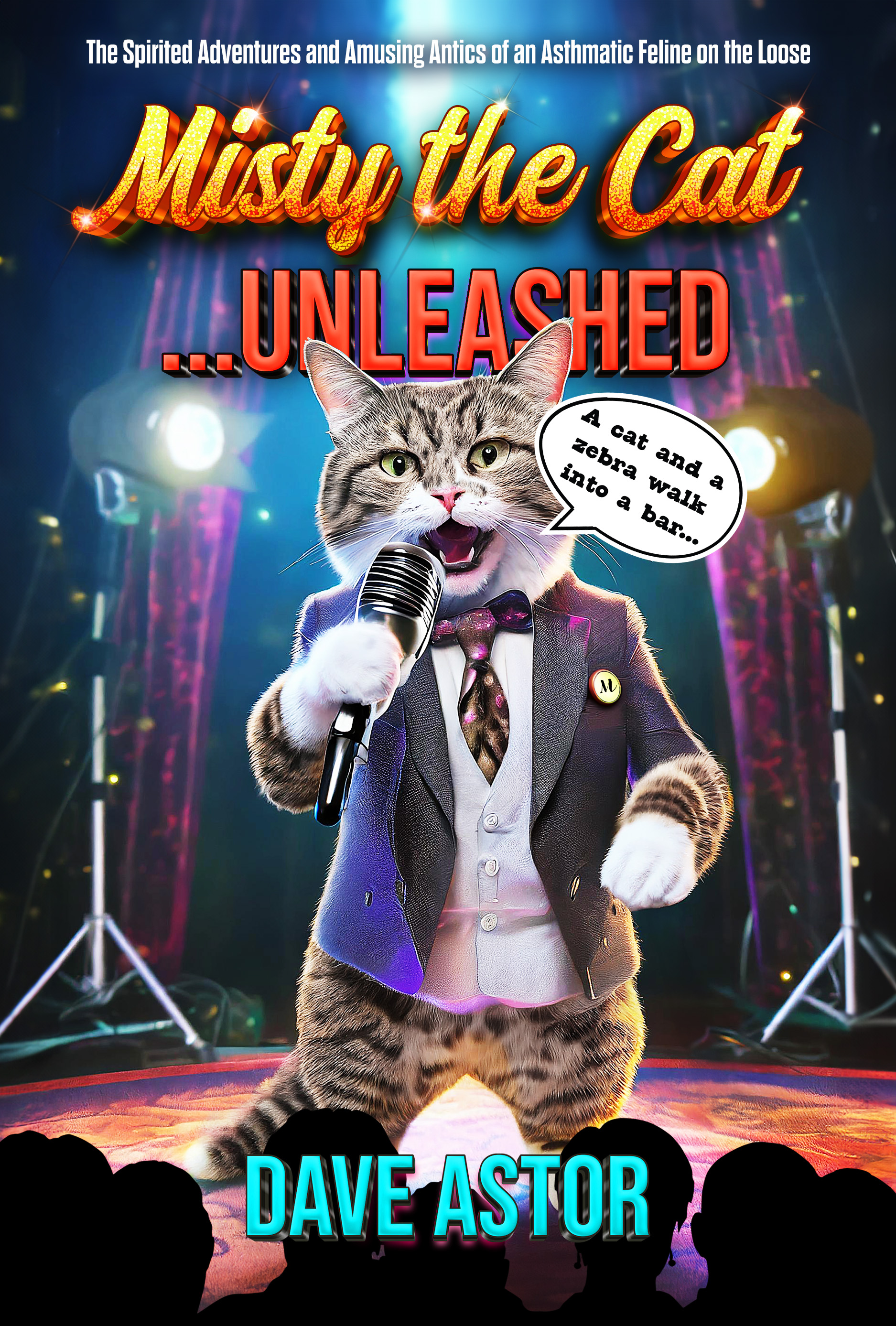
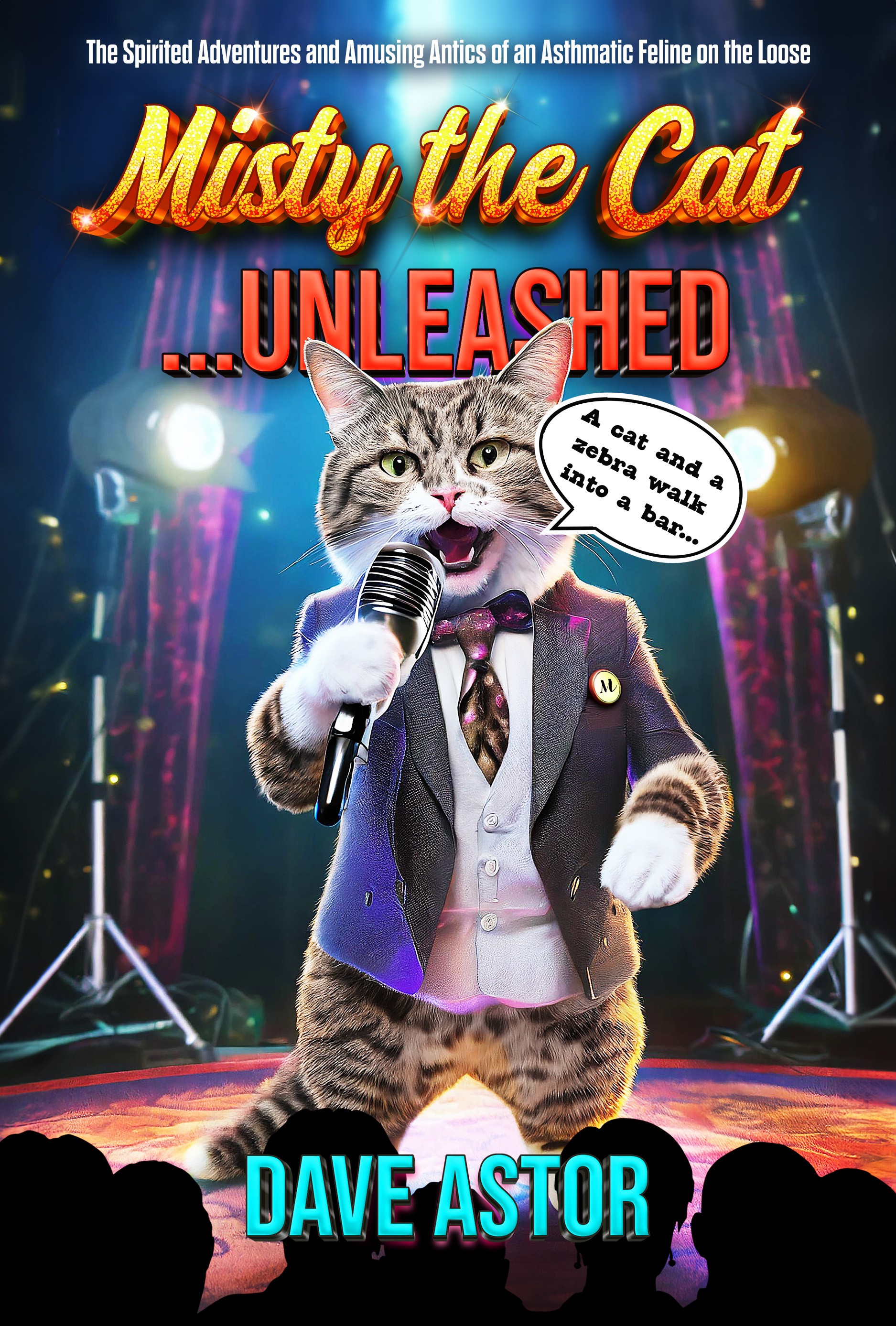
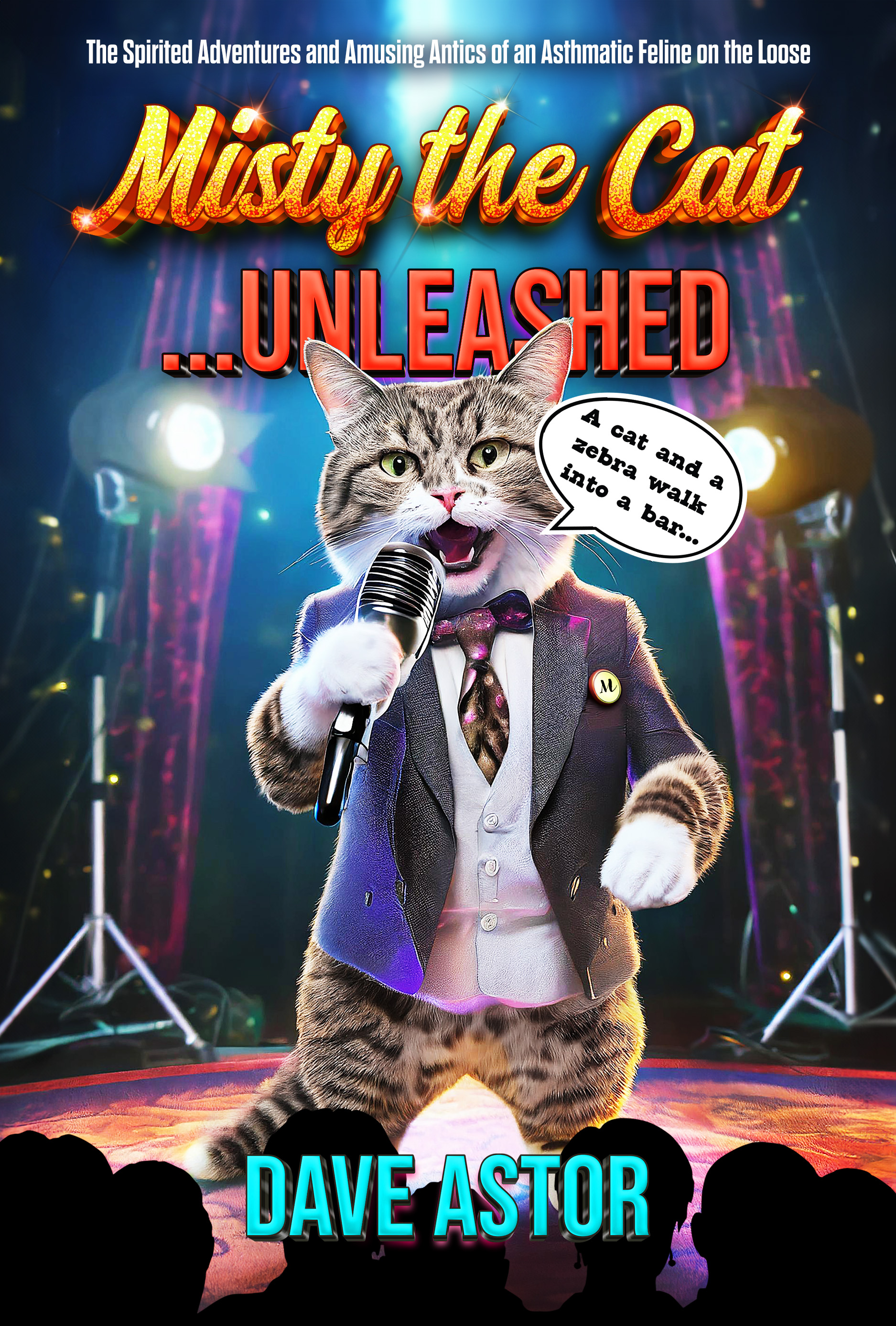
My (and Dave’s) comedic 2024 book — the part-factual/part-fictional/not-a-children’s-work Misty the Cat…Unleashed — is described and can be purchased on Amazon in paperback or on Kindle. It’s feline-narrated! (And Amazon reviews are welcome. 🙂 )

This 90-second promo video for the book features a talking cat: 🙂

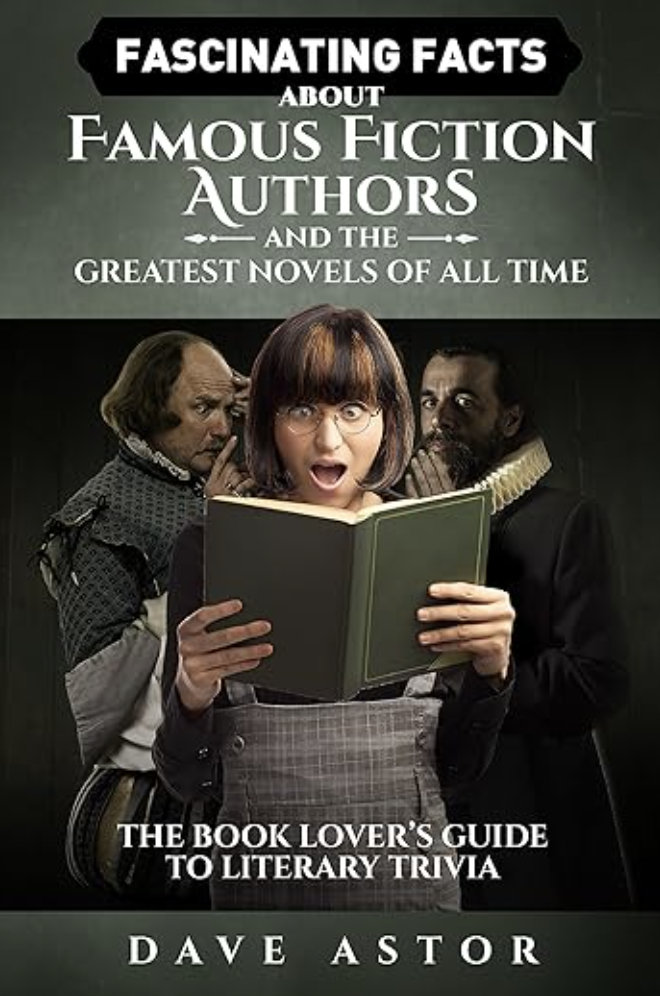
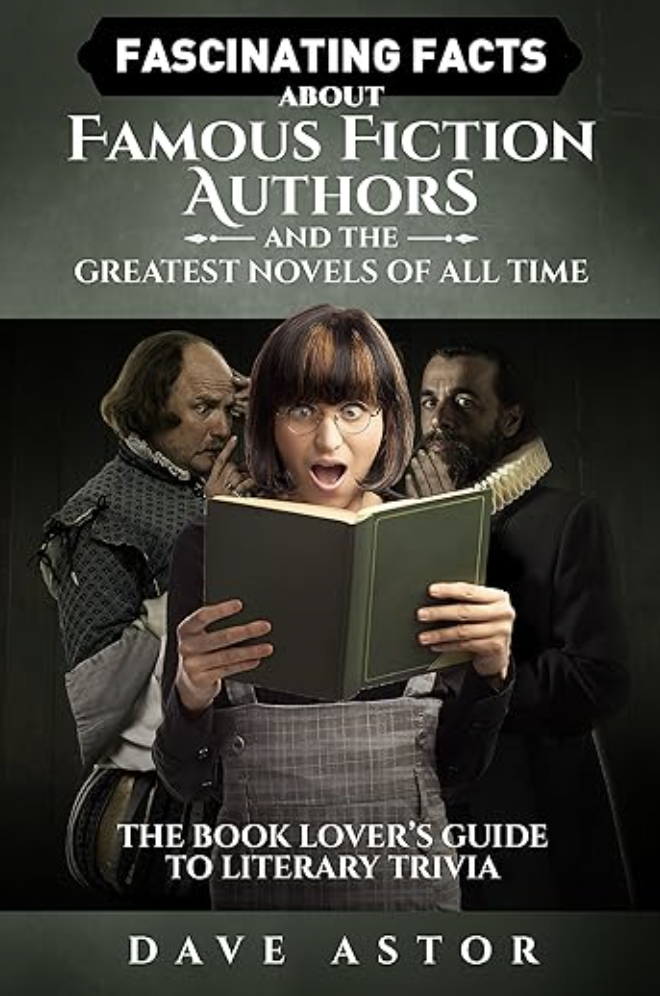
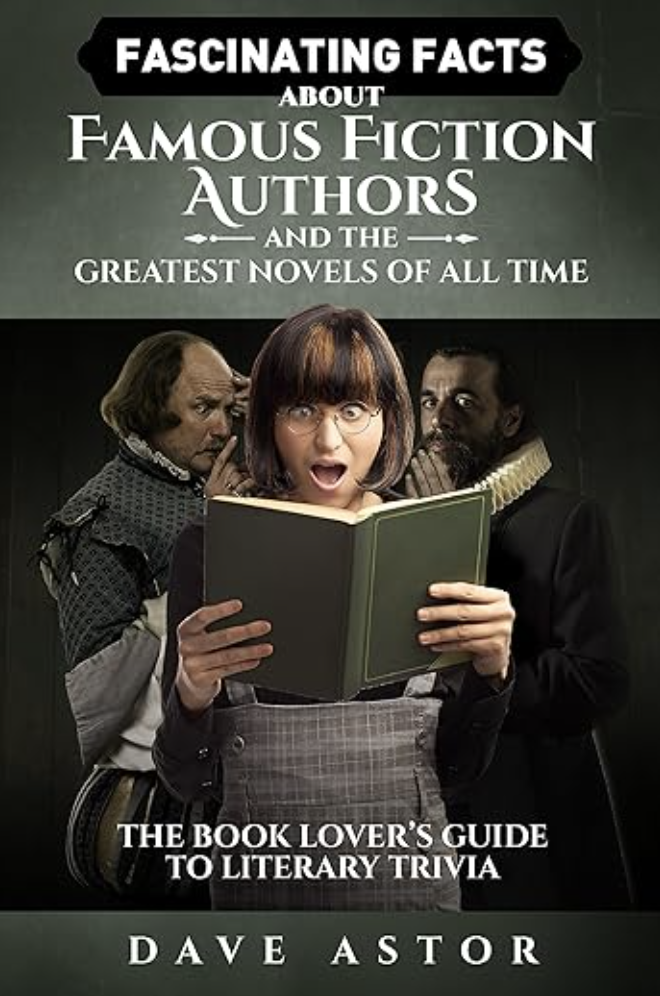
Dave is also the author of a 2017 literary-trivia book

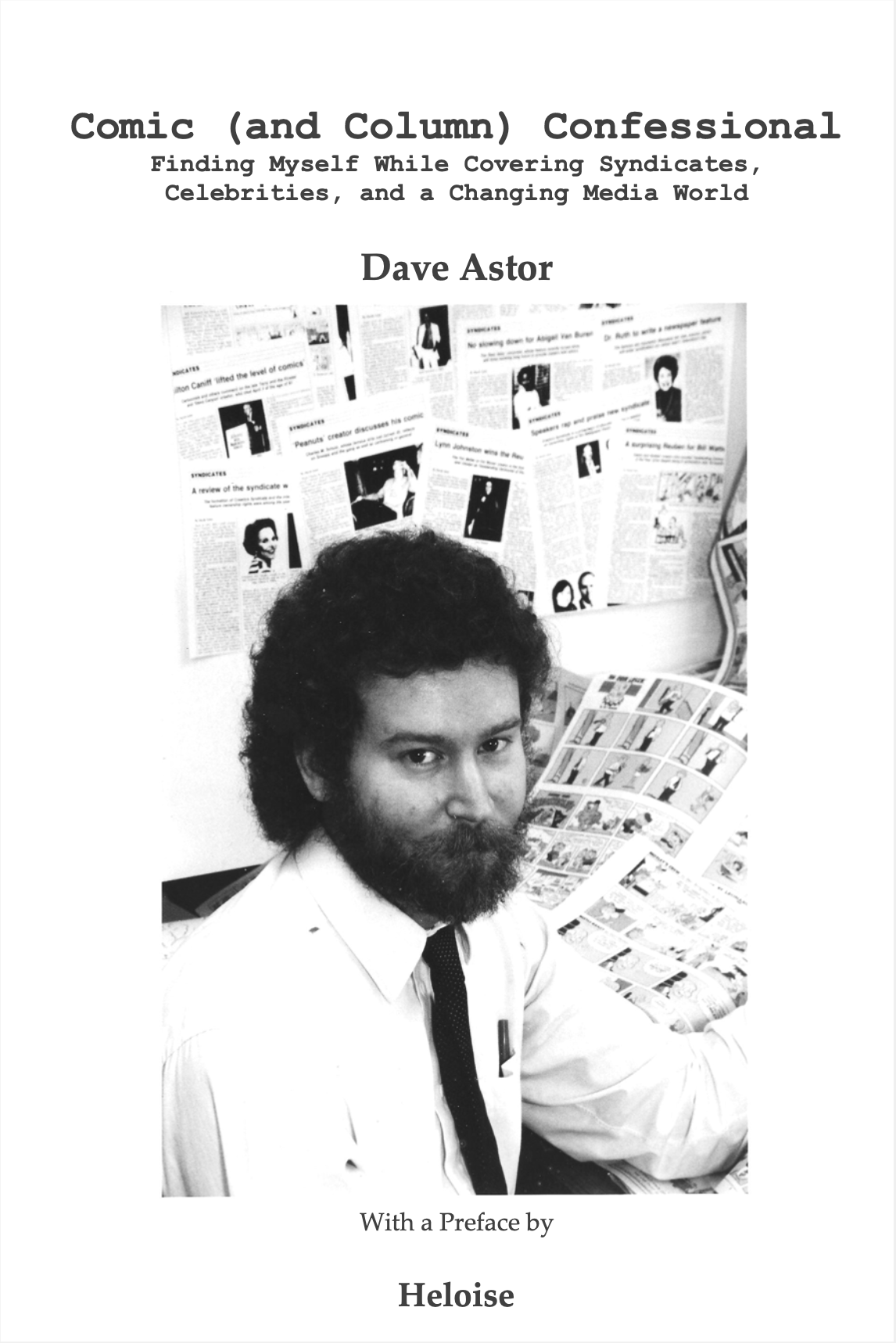
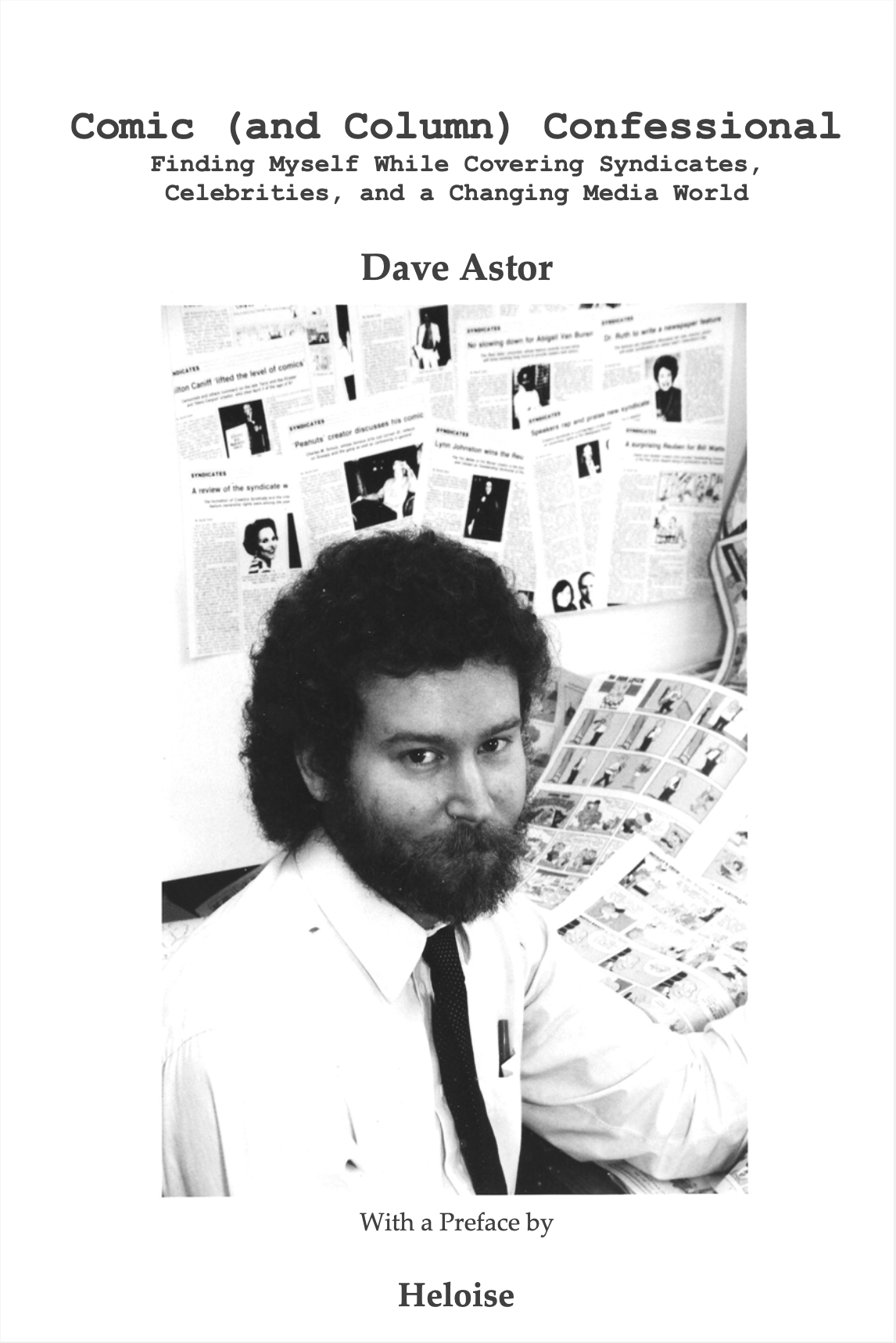
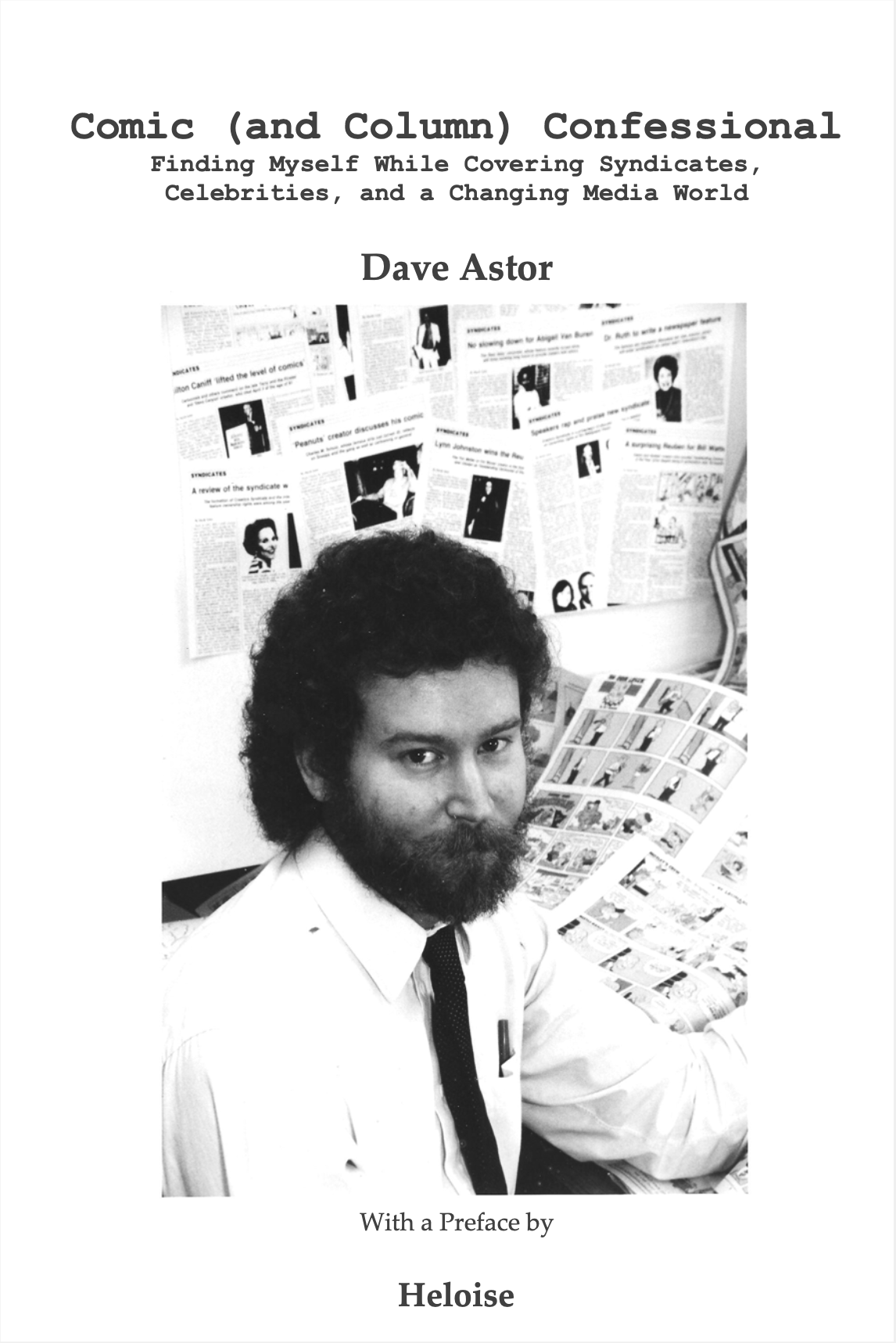
…and a 2012 memoir that focuses on cartooning and more, including many encounters with celebrities.
In addition to this weekly blog, Dave writes the 2003-started/award-winning “Montclairvoyant” topical-humor column every Thursday for Montclair Local. The latest piece — with primary election results, a governor’s mixed reaction to protests against an awful immigrant detention center, and more — is here.

Remote Isn’t Just What Turns On Your TV

The Isle of Lewis (© Manel Vinuesa).

Novels with remote settings can be highly populated with elements fascinating to readers. Challenging weather. Lonely characters. Intense interactions between a relatively small number of people. Heightened danger because of the remoteness. And more.

The Blackhouse and its first sequel The Lewis Man, two riveting Peter May novels I read this month, mostly unfold on the isolated Isle of Lewis off Scotland. This setting gives the books lots of atmosphere amid murders and interesting (at times pathological) relationships between various three-dimensional characters.

I also recently read Frenchman’s Creek by Daphne du Maurier, who uses a remote setting as a backdrop to an intriguing love affair between a dissatisfied upper-class woman and a charismatic pirate.

Pirates have ships, of course, and many novels with remote settings unfold on boats, islands, or other isolated places near water. Among the examples I’ve read are Daniel Defoe’s Robinson Crusoe (obviously), Edgar Allan Poe’s The Narrative of Arthur Gordon Pym of Nantucket (which chronicles a surreal journey to the South Pole), Herman Melville’s Typee (whose escapee sailor protagonist enjoys Polynesian island life), and Alexandre Dumas’ The Count of Monte Cristo (a key part of which is set on a prison island off Marseille).

Also: Aldous Huxley’s Island (as utopian as that author’s Brave New World is dystopian), Agatha Christie’s And Then There Were None (murders on an island), Yann Martel’s Life of Pi (boy and tiger overboard), Martin Cruz Smith’s Polar Star (the ship-set first sequel to Gorky Park), M.L. Stedman’s The Light Between Oceans (about the troubled life of a married couple on an island off Australia), and Peter Hoeg’s Smilla’s Sense of Snow (partly set on an island off Greenland).

Other remote locales in fiction can be mostly on land — including Canada’s Yukon wilderness in Jack London’s The Call of the Wild, the Alaskan wilderness in Kristin Hannah’s The Great Alone, the New York State wilderness in James Fenimore Cooper’s The Deerslayer, the Siberian wilderness in Louis L’Amour’s Last of the Breed, and the African desert in J.M.G. Le Clezio’s Desert and Paul Bowles’ The Sheltering Sky.

There’s also the bleak end-of-the-world landscape in the concluding pages of H.G. Wells’ The Time Machine, and of course lonely settings in many sci-fi novels — such as Andy Weir’s The Martian and Arthur C. Clarke’s 2001: A Space Odyssey.

Your thoughts on this topic (which I also covered, in a partly different way, seven years ago) — including your favorite fiction with remote locales?

Misty the cat says: “My back legs and gasoline prices are both up.”

My comedic 2024 book — the part-factual/part-fictional/not-a-children’s-work Misty the Cat…Unleashed — is described and can be purchased on Amazon in paperback or on Kindle. It’s feline-narrated! (And Amazon reviews are welcome. 🙂 )

This 90-second promo video for the book features a talking cat: 🙂

I’m also the author of a 2017 literary-trivia book

…and a 2012 memoir that focuses on cartooning and more, including many encounters with celebrities.

In addition to this weekly blog, I write the 2003-started/award-winning “Montclairvoyant” topical-humor column every Thursday for Montclair Local. The latest piece — which discusses a welcome downzoning decision in my town — is here.

Spring is for Jogging and Kitty Blogging

Misty the cat here again with my every two-month guest post, which gives Dave a break to search 24/7 for The Golden Bowl. That’s a Henry James novel as well as a circular dish I want for an elite food and drink experience.

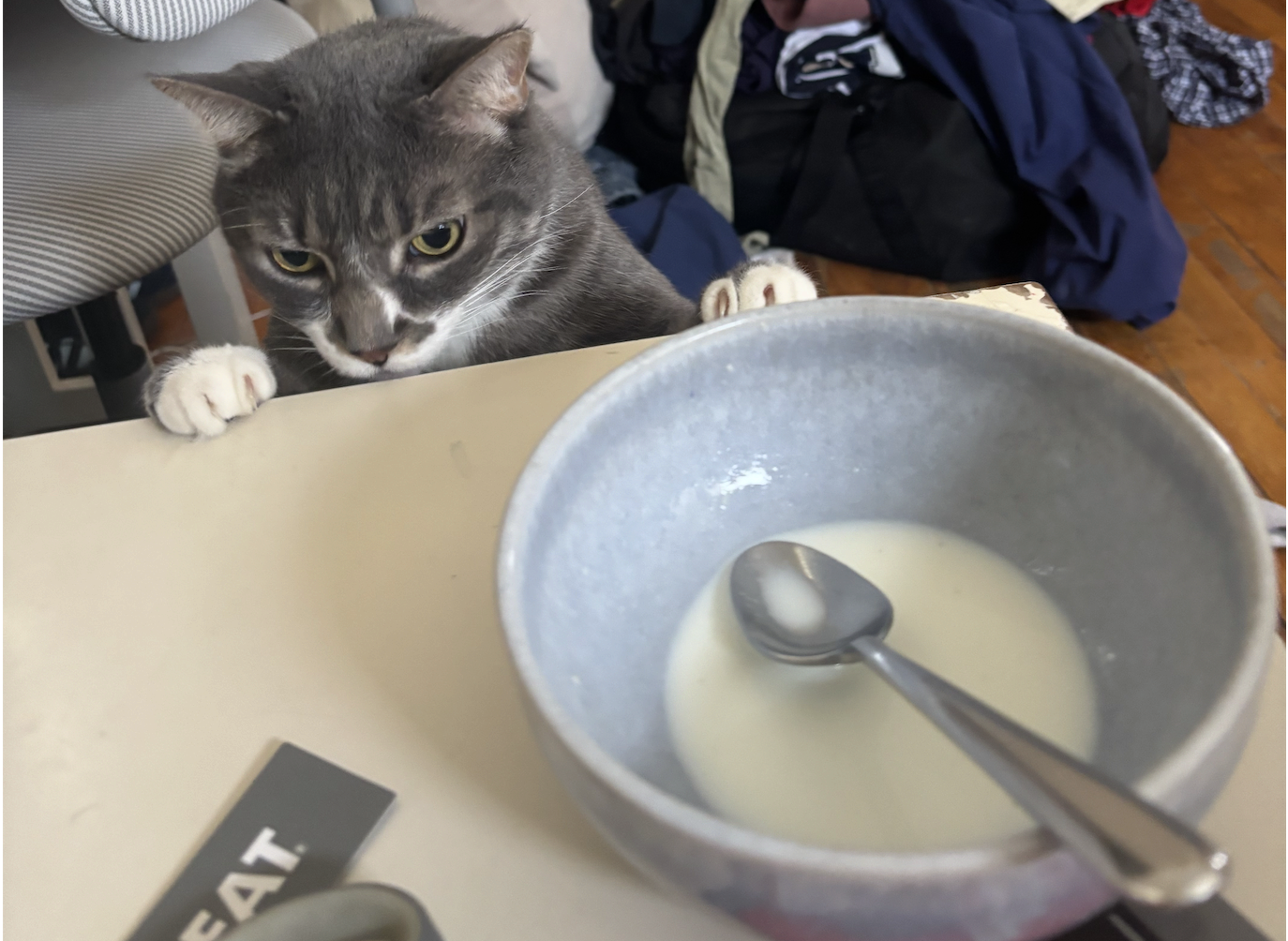
Another novelist with the same last name, E.L. James, wrote Fifty Shades of Grey. I never read it, but, as you can see in the photo atop this post, I was recently amid five shades of gray — including the color of the not-golden bowl I’m eyeing that contains liquid that’s either milk or Wilkie Collins’ novel The Woman in White minus the woman. (Photo by my adult female human Laurel Cummins.)

What am I, Misty the cat, reading now? I just finished T is for Trespass as I continue to work my way through Sue Grafton’s alphabet mysteries starring private investigator Kinsey Millhone, whose last name rhymes with Milk-Bone. (Shout-out to my dog readers, including Snoopy the Easter Beagle.) As you might know, the late Grafton didn’t allow her book series to be adapted for the screen because she had formerly worked in that business and distrusted it. Heck, Hollywood even had nowhere-near-tall-enough Tom Cruise play Jack Reacher before the physically massive Alan Ritchson more appropriately got the role in the current TV iteration of Lee Child’s thrilling book series. Ritchson IS Reacher, which creates ID confusion for the actor at airports.

While I almost always read fiction, I’ve been periodically perusing Rebecca Romney’s nonfiction book Jane Austen’s Bookshelf — which Dave received as a December holiday present from his sister-in-law Sheila Cummins. (I, Misty the cat, was gifted a $700,000 Lamborghini by Dave…in my dreams.) Romney focuses on the 1700s-born female authors who inspired Austen and why some of those excellent/pioneering writers are barely known today. These authors include Frances Burney, Ann Radcliffe, Charlotte Lennox, Hannah More, Charlotte Smith, Elizabeth Inchbald, Hester Lynch Thrale Piozzi, and Maria Edgeworth. All of whom are also known for founding the crack law firm Burney, Radcliffe, Lennox, More, Smith, Inchbald, Piozzi, Edgeworth, and Dora the Explorer. I want that firm in my corner when I’m on trial for purchasing a Trump pardon with catnip crypto.

Besides T is for Trespass, other novels I had Dave borrow from the library last month were Pearl S. Buck’s Sons (The Good Earth sequel I just started reading), Daphne du Maurier’s Rebecca (which I’ll be rereading) and Jamaica Inn, and Peter May’s The Blackhouse. All will be mentioned in future posts, with credit at that time to those who recommended two of those books. I would’ve visited the library myself, but it’s hard for a cat to drag books home when they’re no longer printed on yarn.

Speaking of high-tech things like knitting, it has been suggested that I comment on Artificial Intelligence’s relation to literature — especially after the Shy Girl novel was recently pulled by a major publisher for reportedly including lots of AI-generated content. But I’m no AI expert, which contrasts with my deep knowledge of 14th-century automobiles. Curiously, Chaucer only featured one Lamborghini in The Canterbury Tales; maybe he was more into mass transit. Dave does periodically receive seemingly AI-generated emails offering marketing help for his books — for a not-small fee, of course. Dave looked in his wallet, consulted with George Washington and other notables pictured on American currency, and was advised to…get a roomier wallet. With a kitchen so those long-dead notables can eat.

In conclusion, I’ll mention that I’m now an older cat (10) who recently starting doing three things to keep myself healthier: eat a prescription diet, get a monthly arthritis shot, and read fiction by writers who had also been medical doctors — among them Khaled Hosseini, Arthur Conan Doyle, Mikhail Bulgakov, and Anton Chekhov. Anton even appeared on the TV series Scrubs.

As I fend off a lawsuit claiming Chekhov did NOT appear on Scrubs, Dave will reply to comments.

Misty the cat says: “My favorite comedy trios are The Marx Brothers and The Pine Cones.”

My and Dave’s comedic 2024 book — the part-factual/part-fictional/not-a-children’s-work Misty the Cat…Unleashed — is described and can be purchased on Amazon in paperback or on Kindle. It’s feline-narrated! (And Amazon reviews are welcome. 🙂 )

This 90-second promo video for the book features a talking cat: 🙂

Dave is also the author of a 2017 literary-trivia book

…and a 2012 memoir that focuses on cartooning and more, including many encounters with celebrities.

In addition to this weekly blog, Dave writes the 2003-started/award-winning “Montclairvoyant” topical-humor column every Thursday for Montclair Local. The latest piece — about “No Kings” rallies and more — is here.