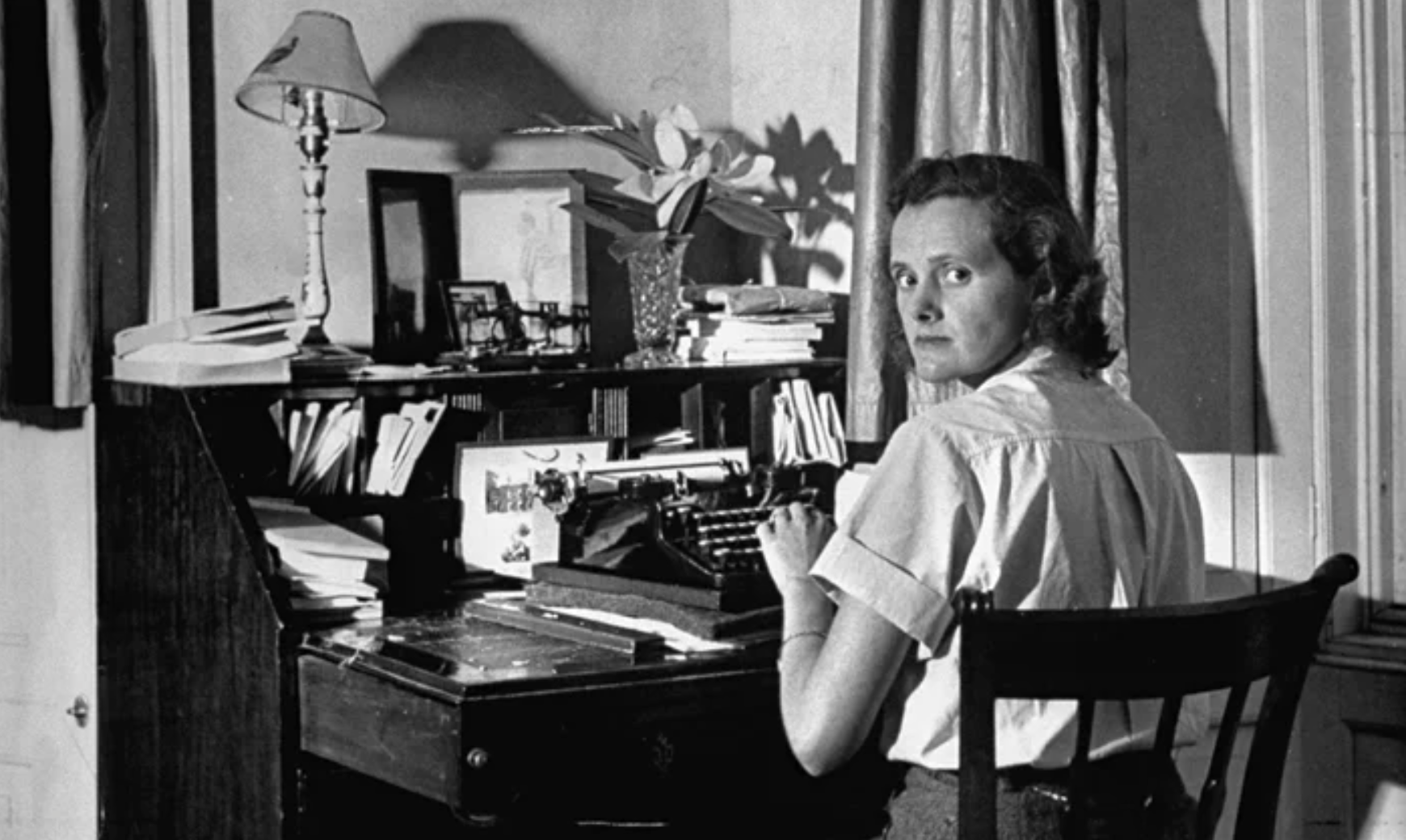
Daphne du Maurier (Hans Wild/Time Life Pictures/Getty Images).
It’s May 31, so I think I’ll belatedly focus on fiction writers who were born this month!
Given that I read or reread three Daphne du Maurier novels (Rebecca, Jamaica Inn, and Frenchman’s Creek) during the past 31 days, I’ll start with that author. She was born on May 13, and lived from 1907 to 1989.
Now I’ll go chronologically by May birth date, listing only writers I’ve read at least something by:
May 1: Joseph Heller (1923-1999), who of course wrote the famous satirical antiwar novel Catch-22.
May 7: Rabindranath Tagore (1861-1941), the renowned poet, novelist, playwright, painter, composer, etc.
May 8: Thomas Pynchon (1937-), the reclusive author of some pretty challenging postmodern fiction.
May 8: Peter Benchley (1940-2006). Jaws!
May 9: J.M. Barrie (1860-1937). Peter Pan!
May 9: Richard Adams (1920-2016). Watership Down!
May 11: Sheila Burnford (1918-1984). Author of the absorbing animal adventure The Incredible Journey.
May 11: Stanley Elkin (1930-1995). Author of satirical novels such as The Rabbi of Lud.
May 15: L. Frank Baum (1856-1919). The Wonderful Wizard of Oz!
May 15: Mikhail Bulgakov (1891-1940). Author of the fantastical The Master and Margarita.
May 17: Peter Hoeg (1957-). Smilla’s Sense of Snow, etc.
May 19: Nora Ephron (1941-2012). I haven’t read any of her books, but did watch several of the movies she wrote and/or directed — including When Harry Met Sally…
May 19: Lorraine Hansberry (1930-1965). The acclaimed A Raisin in the Sun playwright.
May 20: Honore de Balzac (1799-1850). The prolific author of compelling novels such as Old Goriot and Eugenie Grandet.
May 22: Arthur Conan Doyle (1859-1930). Sherlock Holmes!
May 23: Margaret Wise Brown (1910-1952). Writer of the Goodnight Moon classic many parents have read to their children.
May 24: Michael Chabon (1963-). The Amazing Adventures of Kavalier & Clay, etc.
May 25: W.P. Kinsella (1935-2016), whose books include the Shoeless Joe novel made into the movie Field of Dreams.
May 25: Jamaica Kincaid (1949-). Annie John, etc.
May 27: Herman Wouk (1915-2019). Wrote the riveting The Caine Mutiny, The Winds of War, and War and Remembrance, and the memorable Marjorie Morningstar.
May 27: Dashiell Hammett (1894-1961). Author of The Maltese Falcon novel starring iconic private eye Sam Spade.
May 27: Tony Hillerman (1925-2008). Best known for his mysteries featuring Native-American characters.
May 27: John Cheever (1912-1982). His “The Swimmer” short story remains amazing.
May 28: Walker Percy (1916-1990). Best known for his novel The Moviegoer and for helping John Kennedy Toole’s A Confederacy of Dunces novel get published posthumously.
May 30: Colm Toibin (1955-). Author of the novels Brooklyn, The Master (a fictionalized take on Henry James), etc.
May 31: Walt Whitman (1819-1892). The highly influential poet.
Other May-born writers I didn’t mention? Any thoughts on the ones I did mention?
Misty the cat says: “I’d be taller than this tree if I puffed out my fur.”
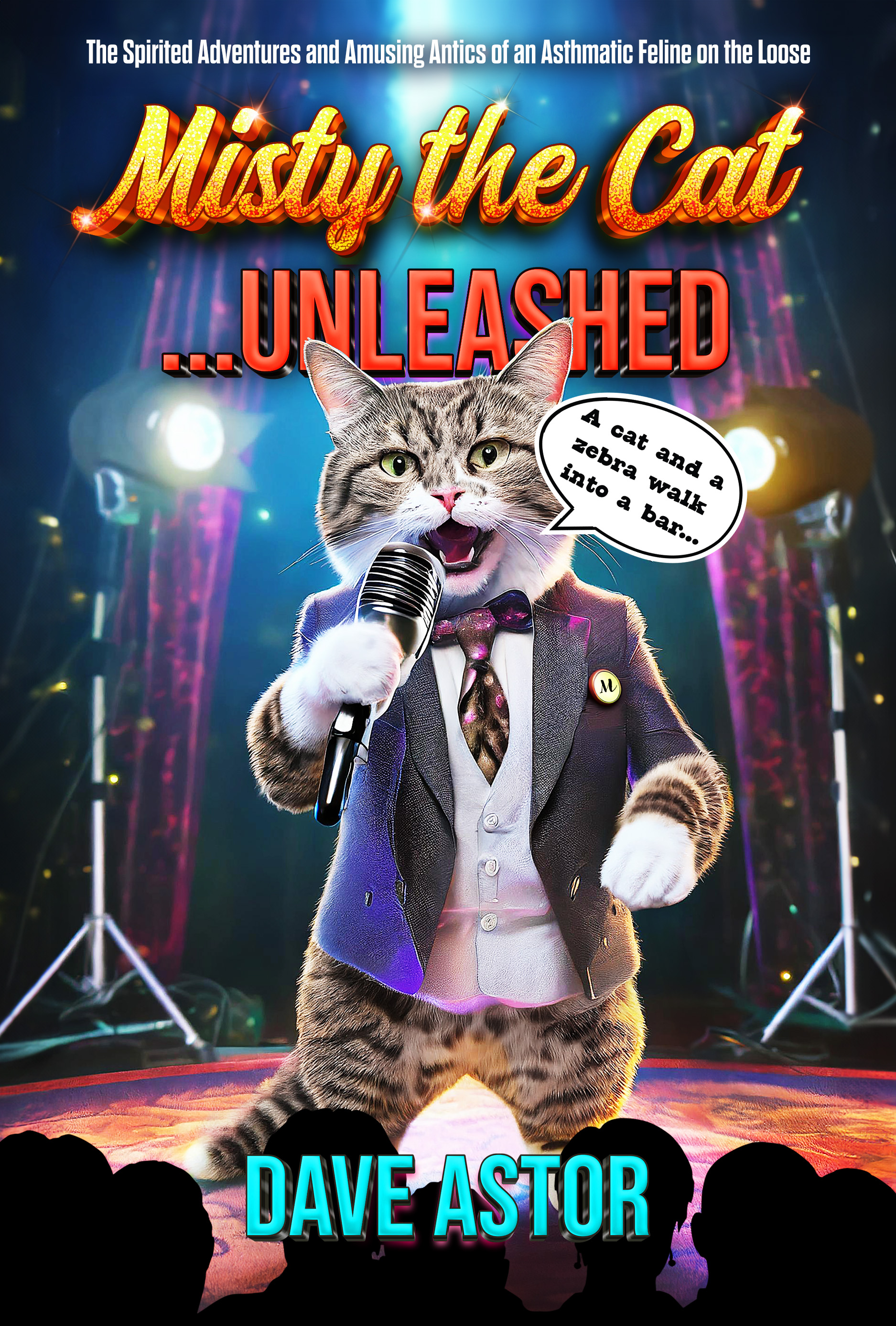
My comedic 2024 book — the part-factual/part-fictional/not-a-children’s-work Misty the Cat…Unleashed — is described and can be purchased on Amazon in paperback or on Kindle. It’s feline-narrated! (And Amazon reviews are welcome. 🙂 )
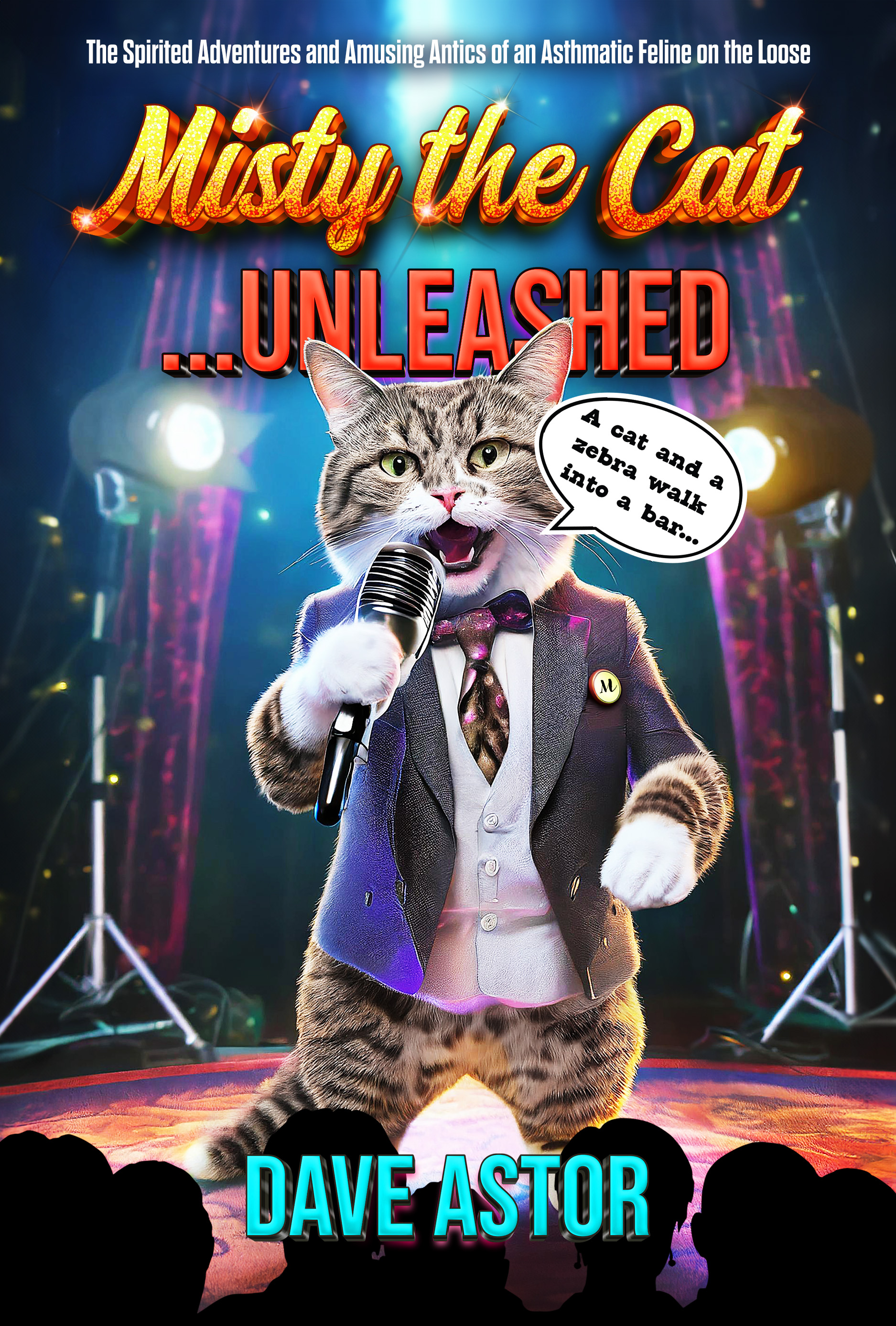
This 90-second promo video for the book features a talking cat: 🙂
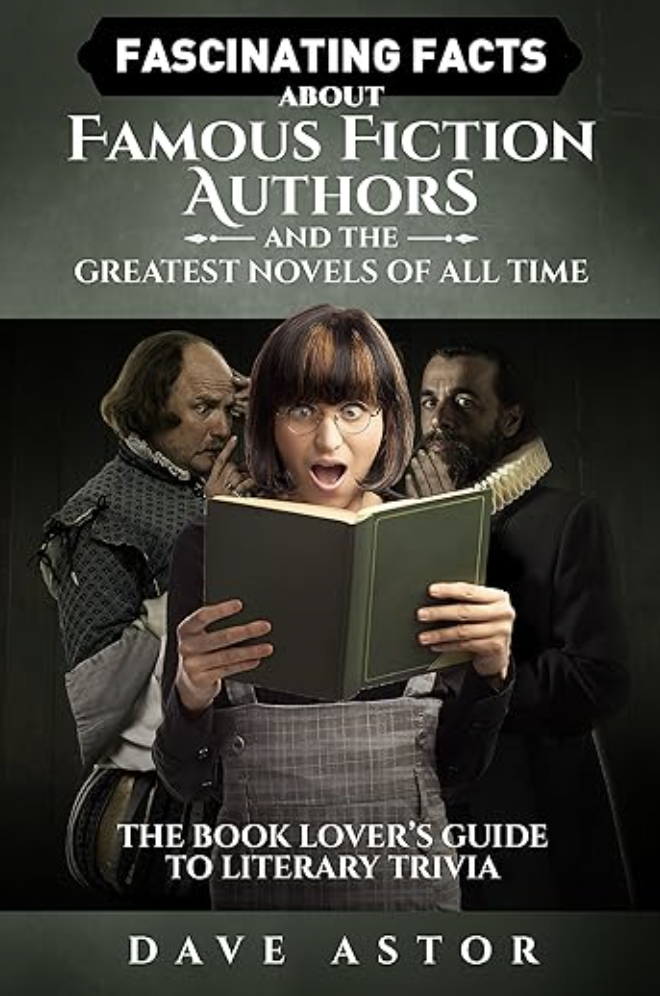
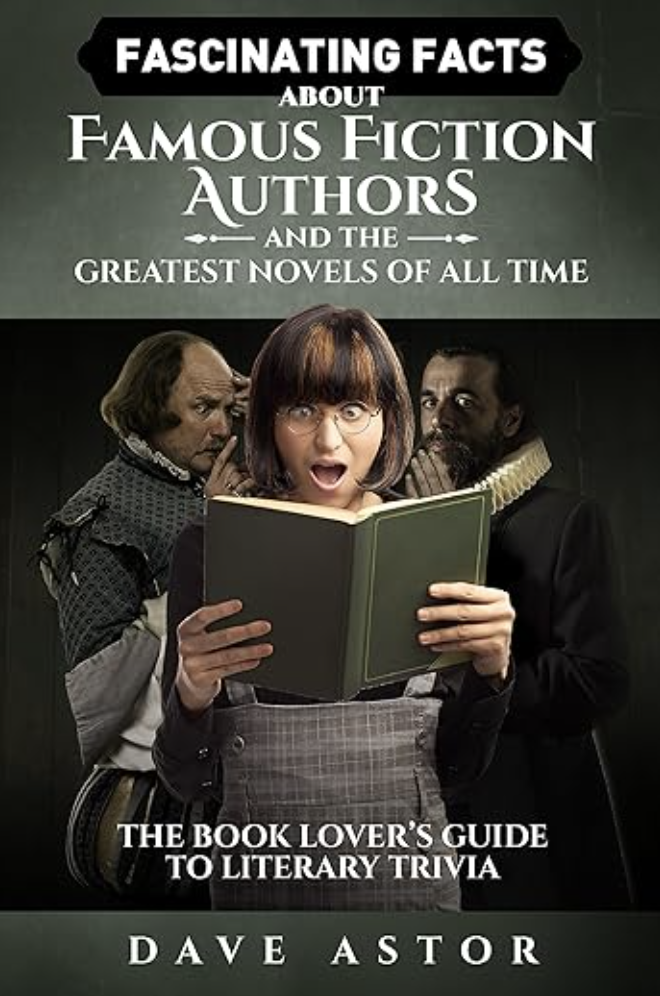
I’m also the author of a 2017 literary-trivia book…
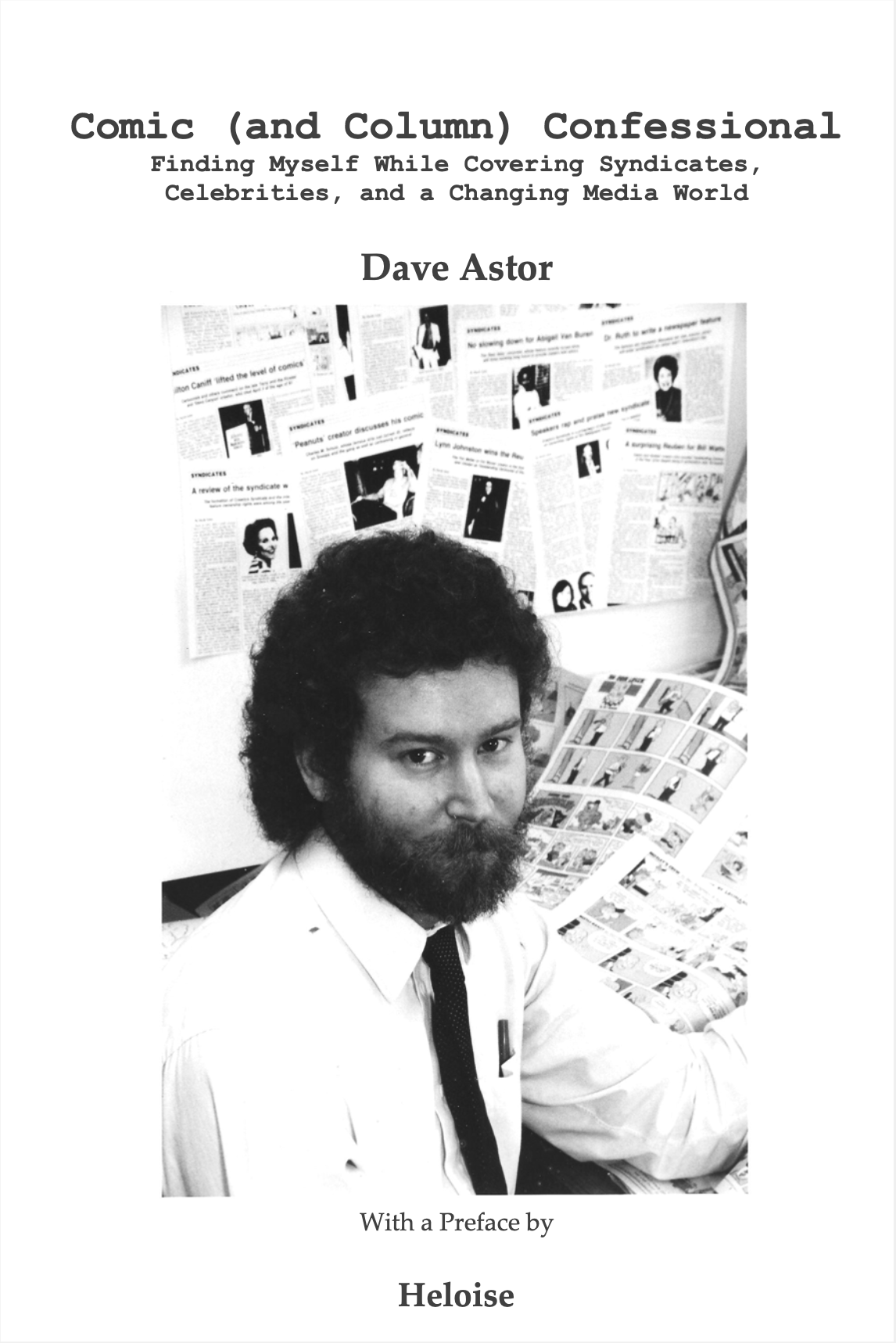
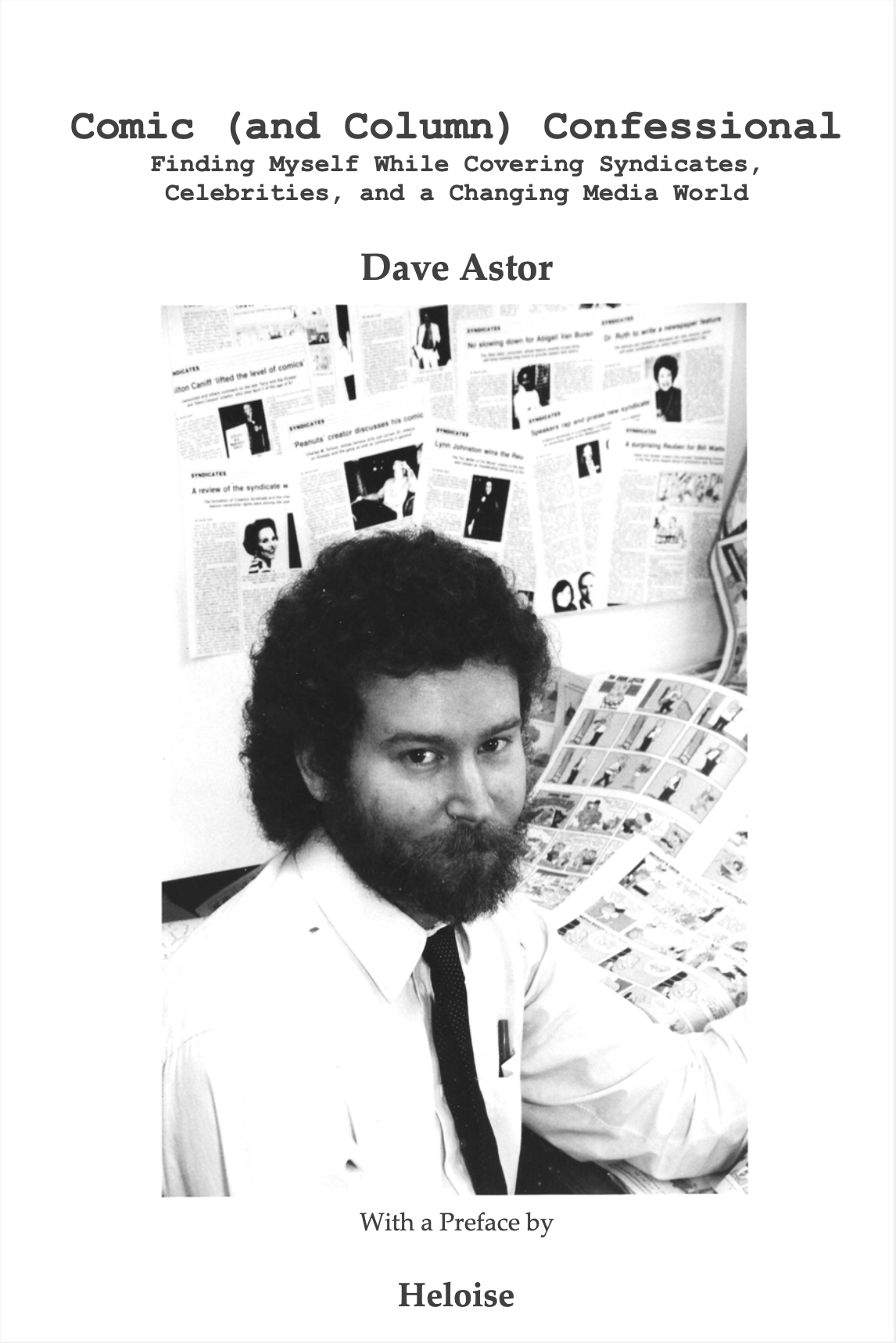
…and a 2012 memoir that focuses on cartooning and more, including many encounters with celebrities.
In addition to this weekly blog, I write the 2003-started/award-winning “Montclairvoyant” topical-humor column every Thursday for Montclair Local. The latest piece — which criticizes the ending of Stephen Colbert’s late-night show (he lives in my town) — is here.