More of the Morose

Last week, I wrote about some of literature’s comedic or part-comedic novels. This week, I’ll flip that to discuss some of the saddest novels. Given that I covered this topic in a post eight years ago, I’ll focus on novels I’ve read since then — whether those books were published before or after 2018.

Of course, sad novels are not always 100% bleak; they perhaps contain some happier moments and/or semi-optimistic endings. But they’re downbeat overall.

Kristin Hannah’s excellent fiction can certainly leave a reader shaken. For instance, her 1970s-set novel The Great Alone (2018) is a depressing look at a Vietnam War veteran living in the Alaskan wilderness and how his post-traumatic stress wreaks havoc on himself, his wife, and their teen daughter.

Elin Hilderbrand’s also-excellent fiction is considered somewhat “lighter” than Hannah’s, but she does often wrestle with major personal and societal issues. One of Hilderbrand’s more melancholy novels is 28 Summers (2020), about a cancer-stricken woman who had a longtime one-weekend-a-year affair with her soulmate while she and him lived separate family lives the rest of the time. A superb book amid the sorrow.

In-between the two above novels arrived Colson Whitehead’s partly 1960s-set The Nickel Boys (2019), a heartbreaking look at abuse in a Florida reform school and at racism in general. Whitehead’s earlier The Underground Railroad (2016) — which unfolds in 19th-century slavery times — is another very good novel that will leave readers morose. Both Whitehead books won the Pulitzer Prize for fiction.

Barbara Kingsolver’s later Pulitzer winner Demon Copperhead isn’t all dispiriting, but the scourge of opioid addiction and the poverty depicted in the 2022 novel leave readers dejected even as they’re impressed with the author’s modern reimagining of Charles Dickens’ David Copperfield.

Moving to some older novels I’ve read since 2018, we have Michael Crichton’s 1990 sci-fi thriller Jurassic Park in which the hubris of using DNA to recreate living dinosaurs in the 20th century results in lots of destruction by those out-of-their-element dinos.

Twenty-five years earlier, there was John Edward Williams’ 1965 Stoner novel about a farm-raised boy who becomes an English professor but lives a personal life marked by an unhappy marriage and other disappointments. Again, a really good novel amid the sorrow.

Another 1965 release was James Leo Herlihy’s Midnight Cowboy (better known for the 1969 movie adaptation) about a naive Texan’s odyssey in New York City and the discouraging experiences of he and his down-and-out, ill-fated friend.

In 1957 came Nevil Shute’s On the Beach, about Australians waiting to die from a deadly wave of nuclear war-caused radiation heading their way. Almost any apocalyptic/dystopian novel would be eligible for this post.

Thomas Mann’s Death in Venice (1912) is exquisitely written and set in one of the most beautiful cities on the planet, but the plot is full of unrequited obsession — and then comes the cholera outbreak.

In 1833, Alexander Pushkin’s novel-in-verse Eugene Onegin was published after appearing in serial form between 1825 and 1832. A depressingly brilliant work filled with boredom, arrogance, selfishness, an ill-fated duel, a missed romantic opportunity, and more.

Among the sad novels I mentioned in my 2018 post were Andre Dubus III’s House of Sand and Fog (1999), Arundhati Roy’s The God of Small Things (1997), Toni Morrison’s Beloved (1987), Giuseppe Tomasi di Lampedusa’s The Leopard (1958), Erich Maria Remarque’s Spark of Life (1952), George Orwell’s Nineteen Eighty-Four (1949), Edith Wharton’s The House of Mirth (1905), Thomas Hardy’s Jude the Obscure (1895), Emile Zola’s Germinal (1885), George Eliot’s The Mill on the Floss (1860), Mary Shelley’s The Last Man (1826), and Sir Walter Scott’s The Bride of Lammermoor (1819).

Your thoughts on this post, and examples of sad novels you’ve read?

Misty the cat says: “I was gonna give Dave this tree for his birthday but it’s stuck in the ground.”

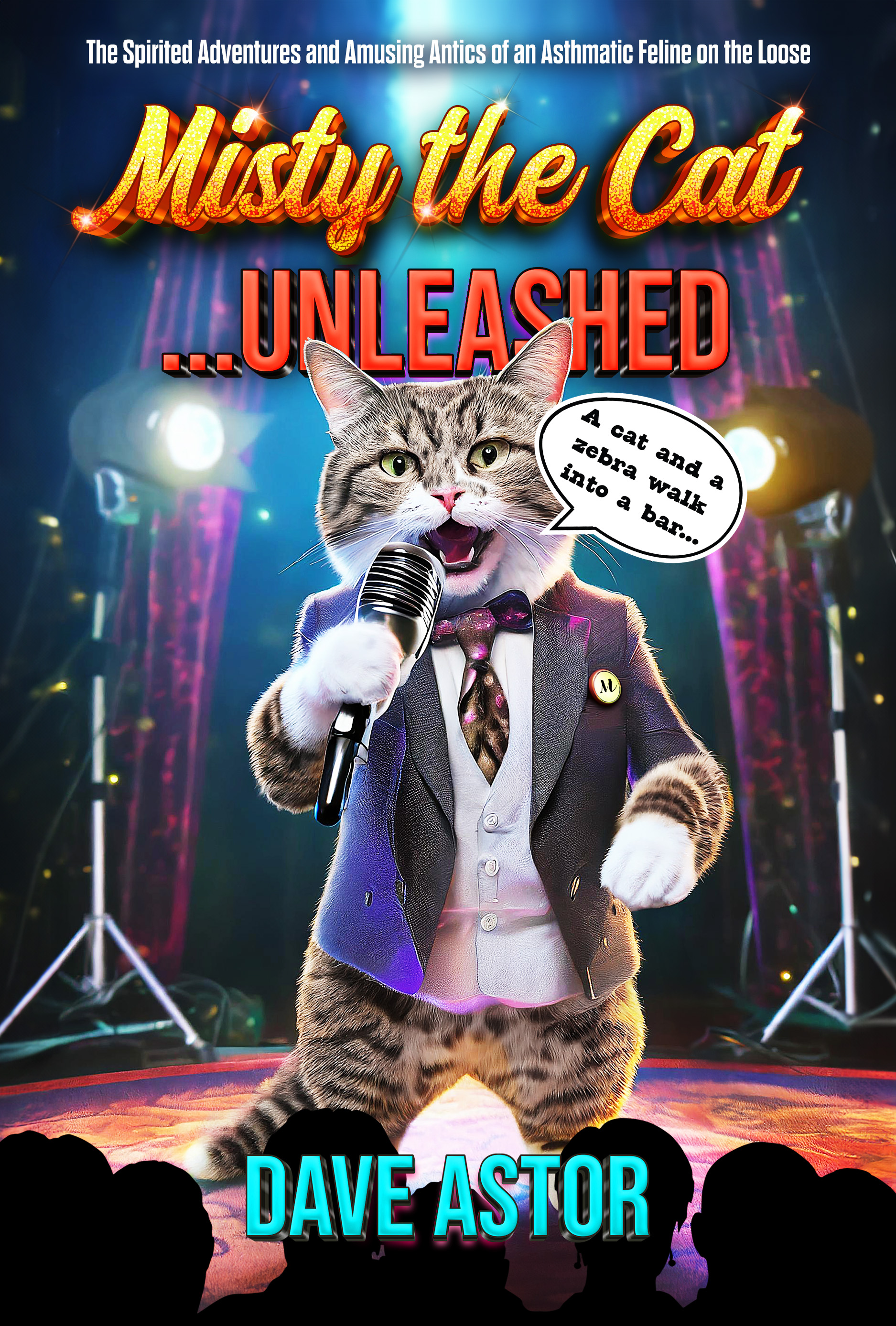
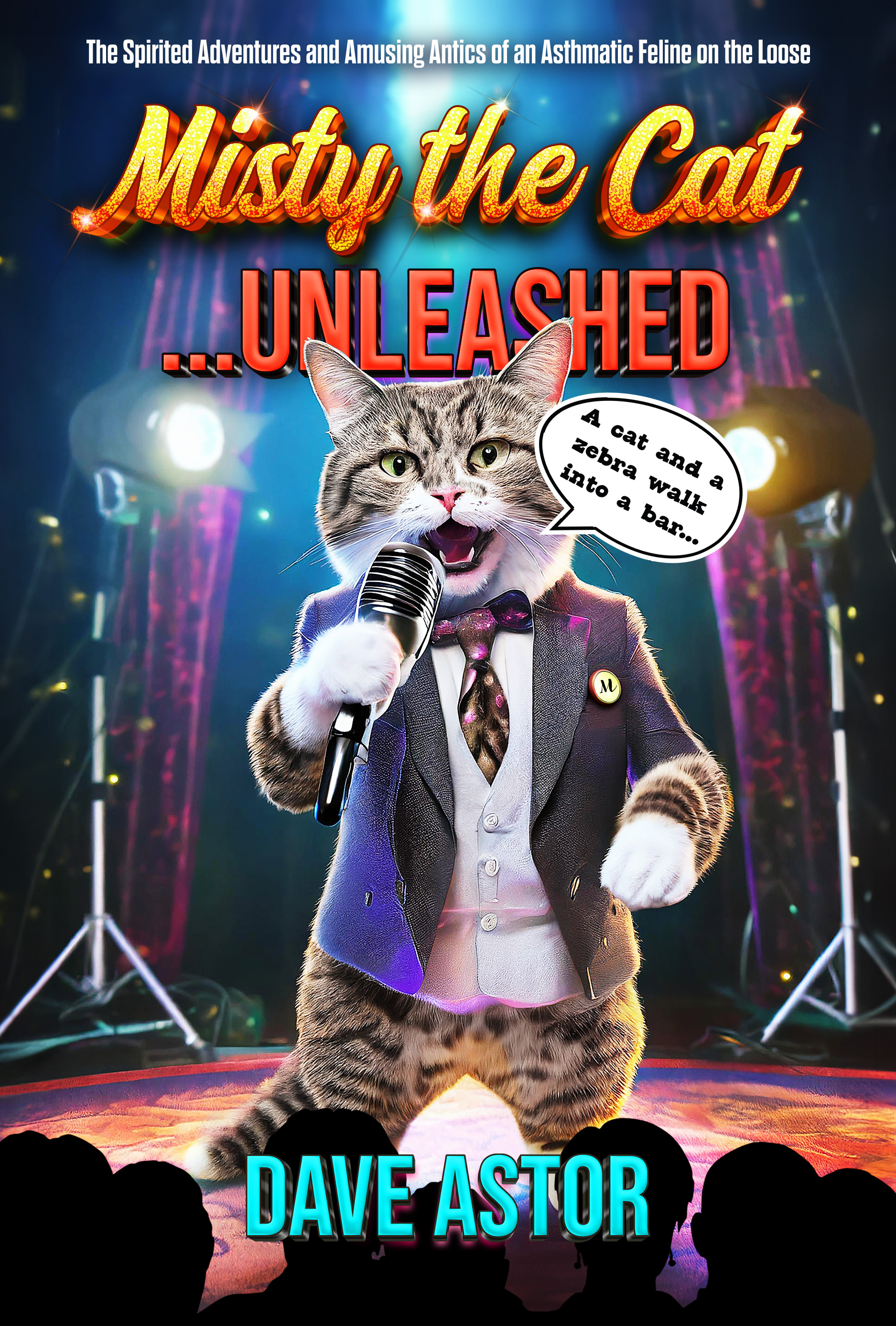
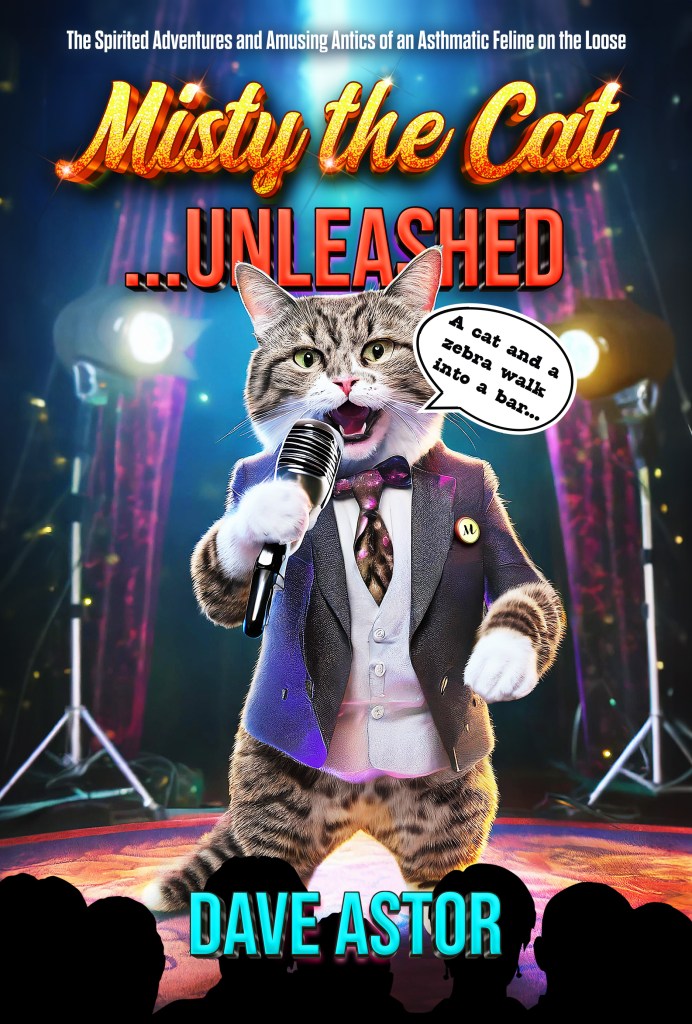
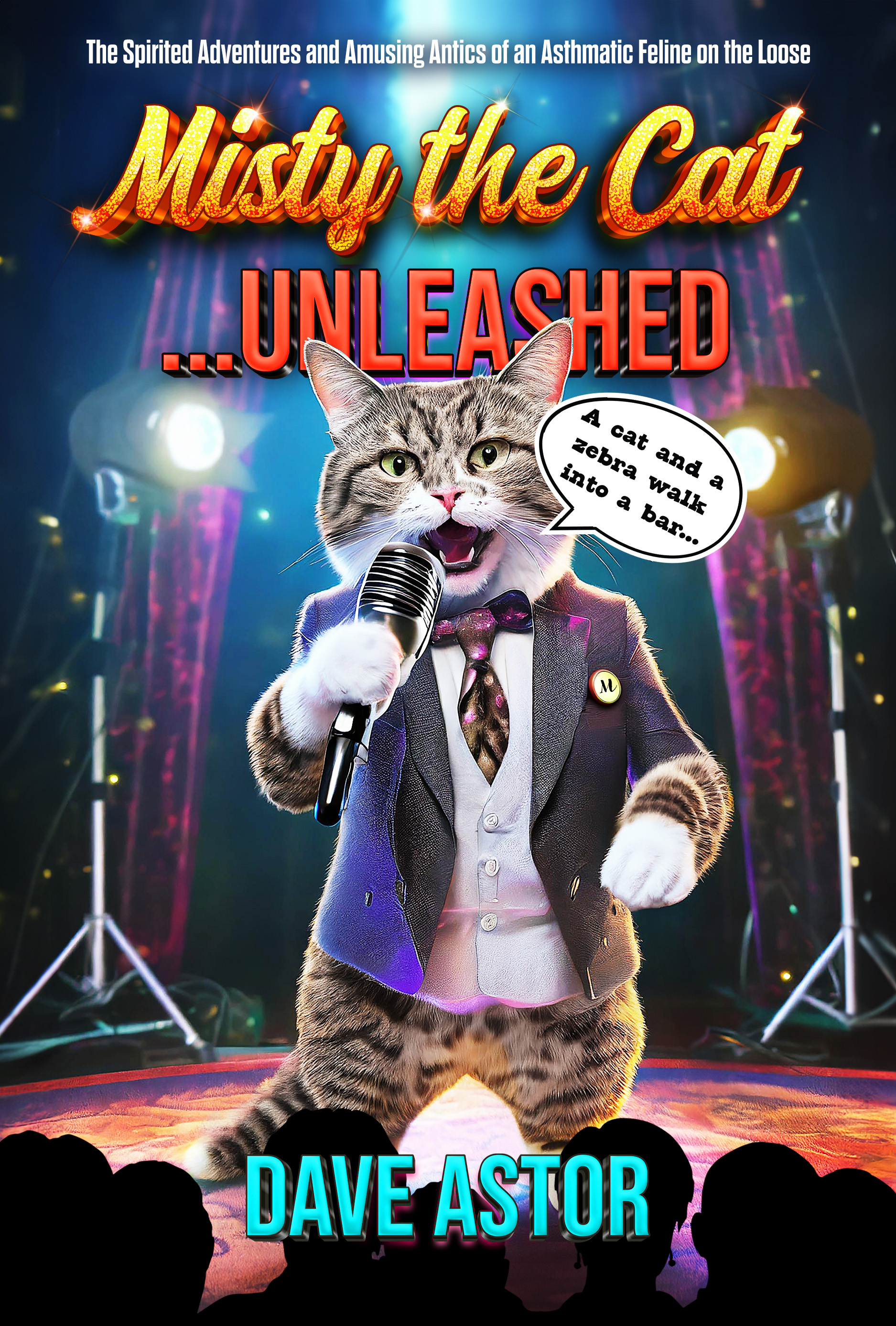
My comedic 2024 book — the part-factual/part-fictional/not-a-children’s-work Misty the Cat…Unleashed — is described and can be purchased on Amazon in paperback or on Kindle. It’s feline-narrated! (And Amazon reviews are welcome. 🙂 )
This 90-second promo video for the book features a talking cat: 🙂

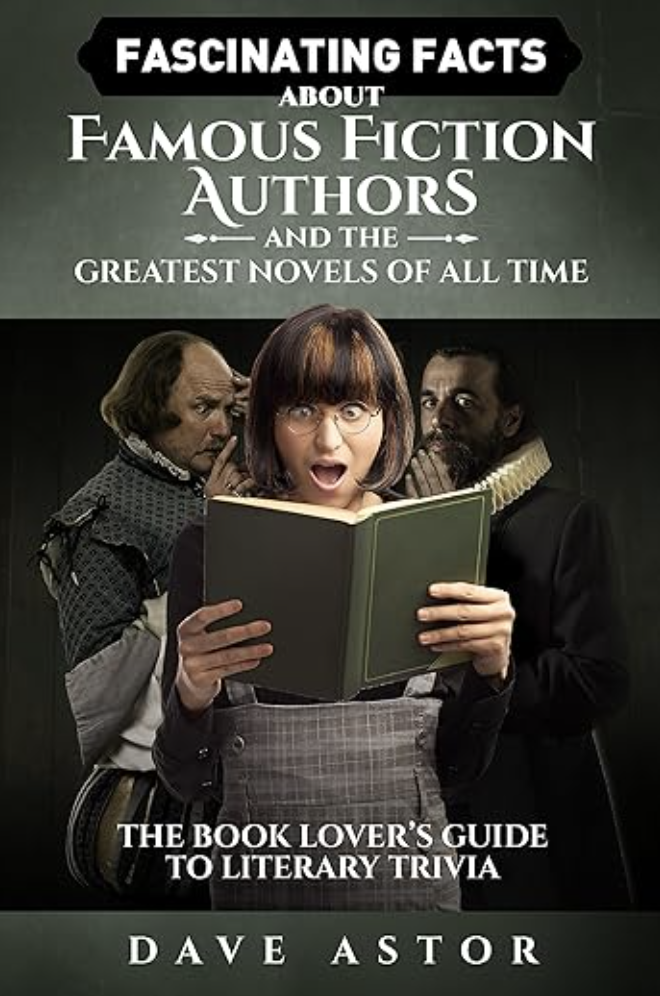
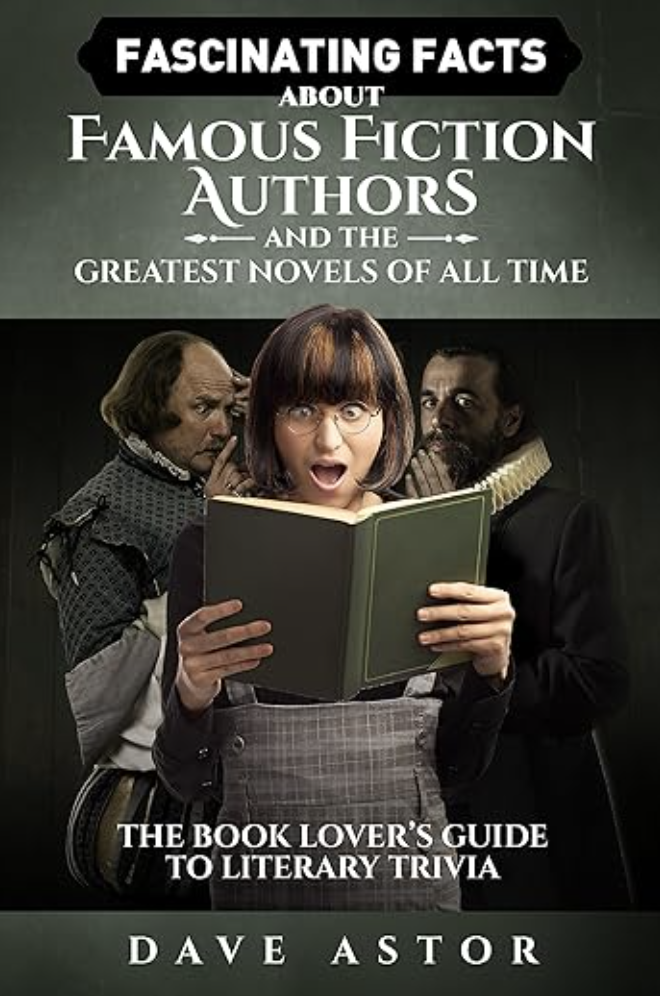
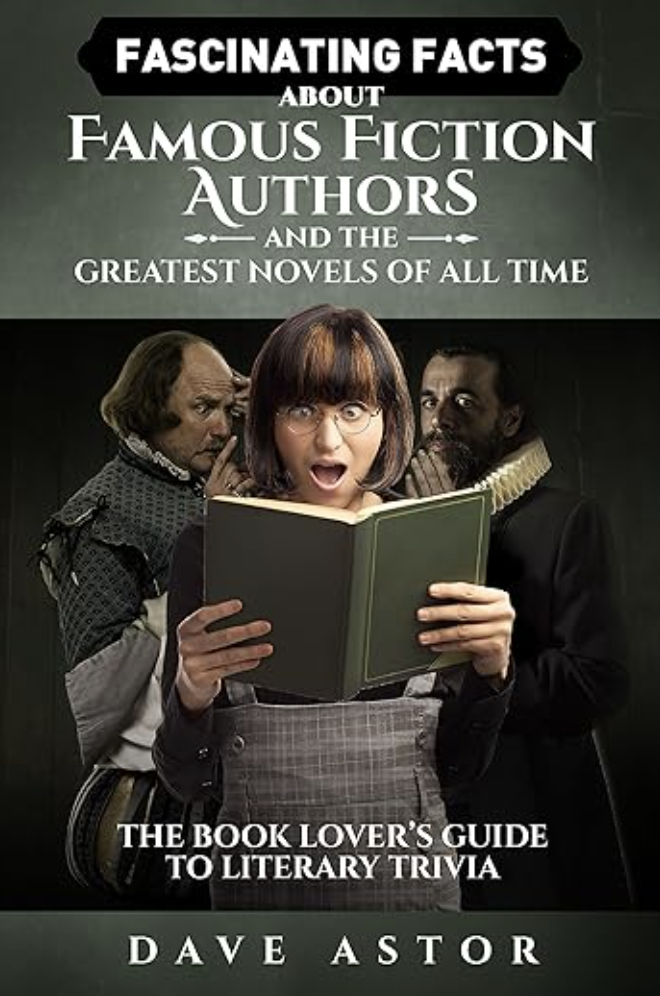
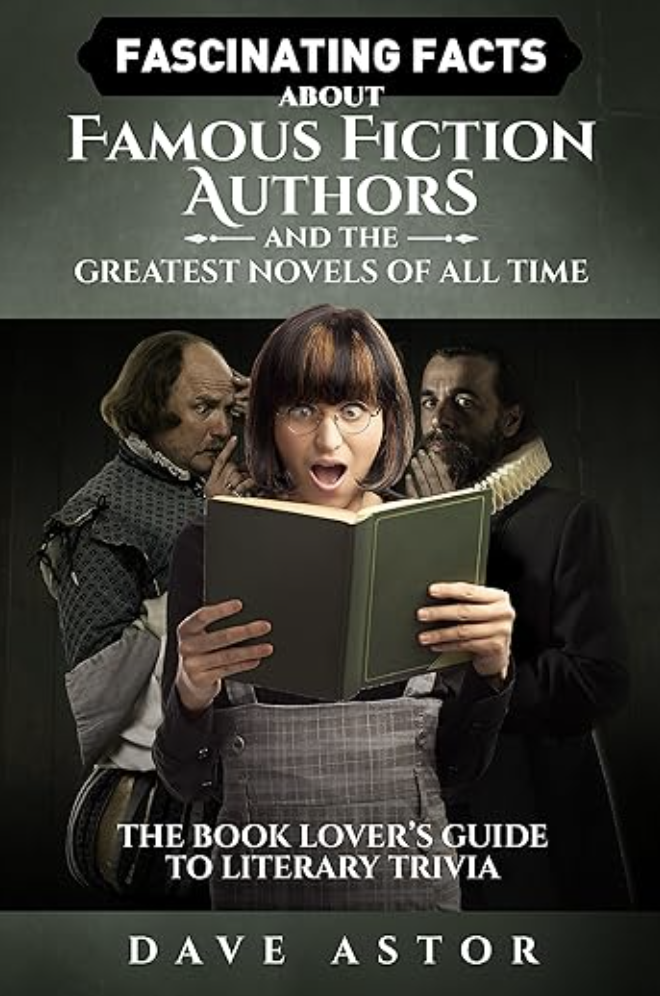
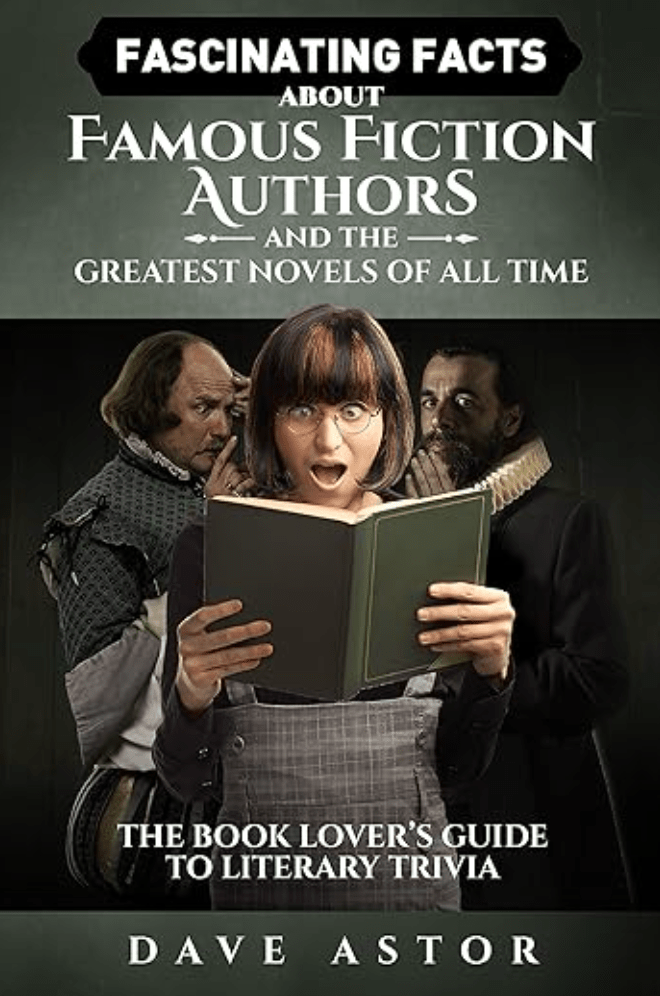
I’m also the author of a 2017 literary-trivia book

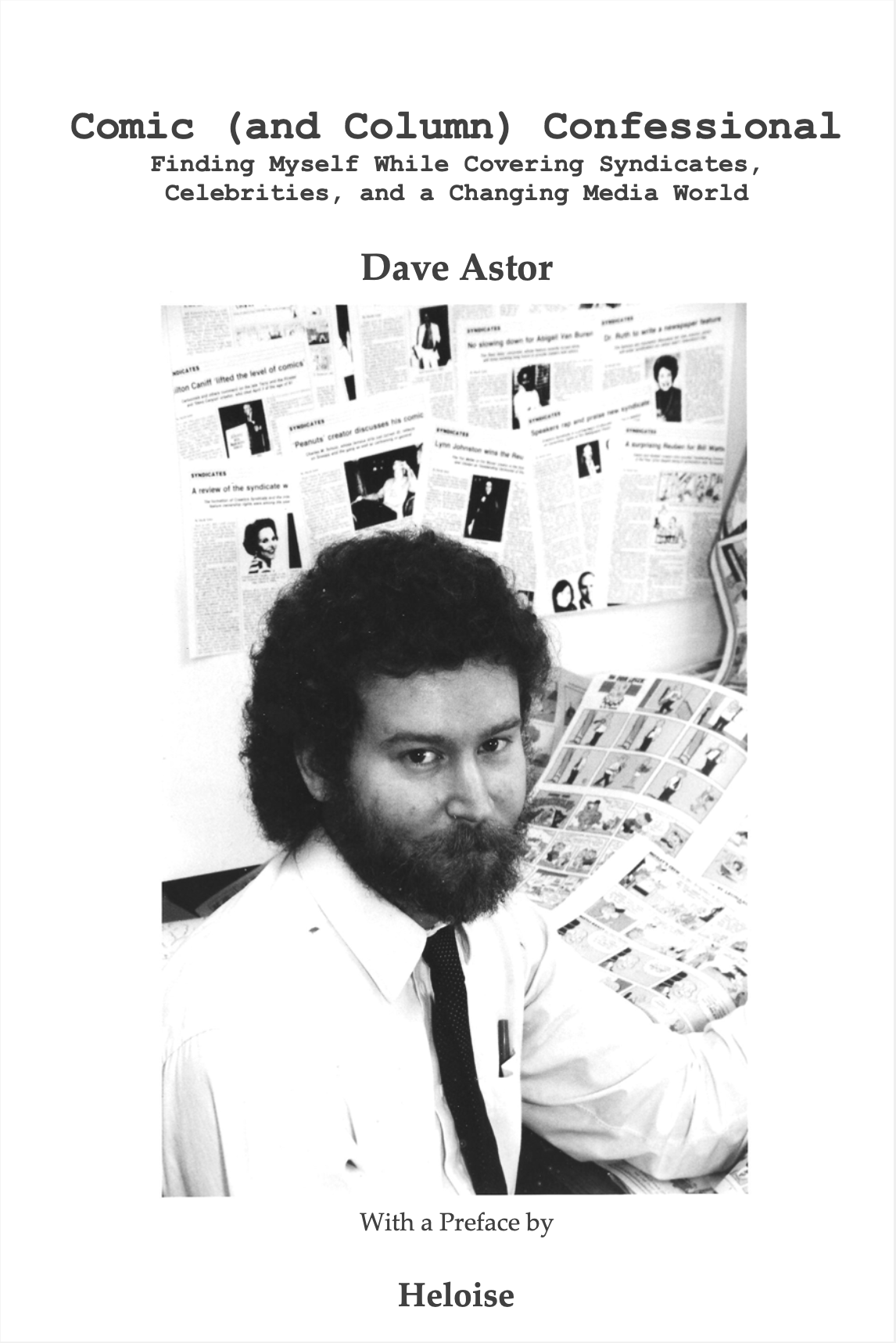
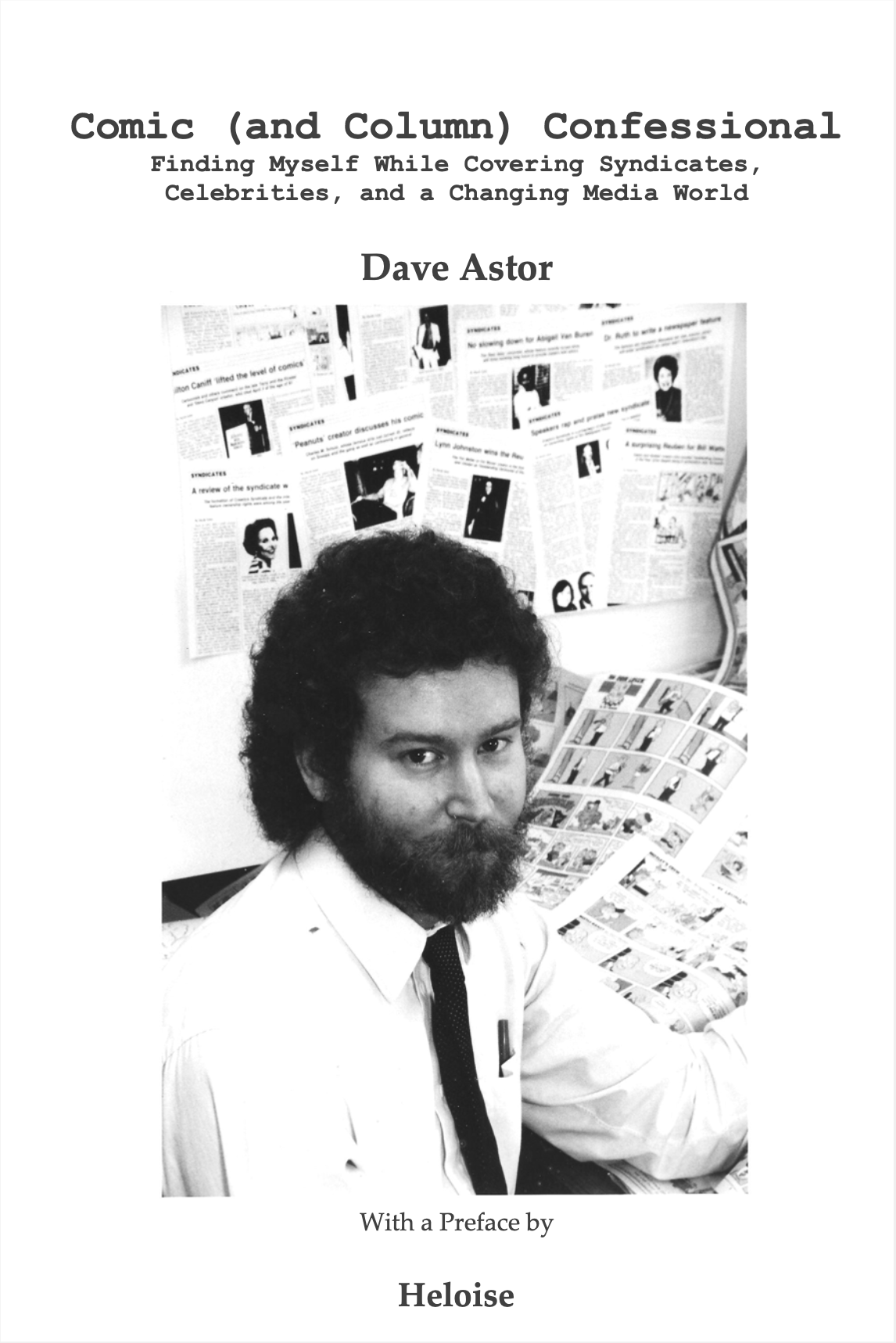
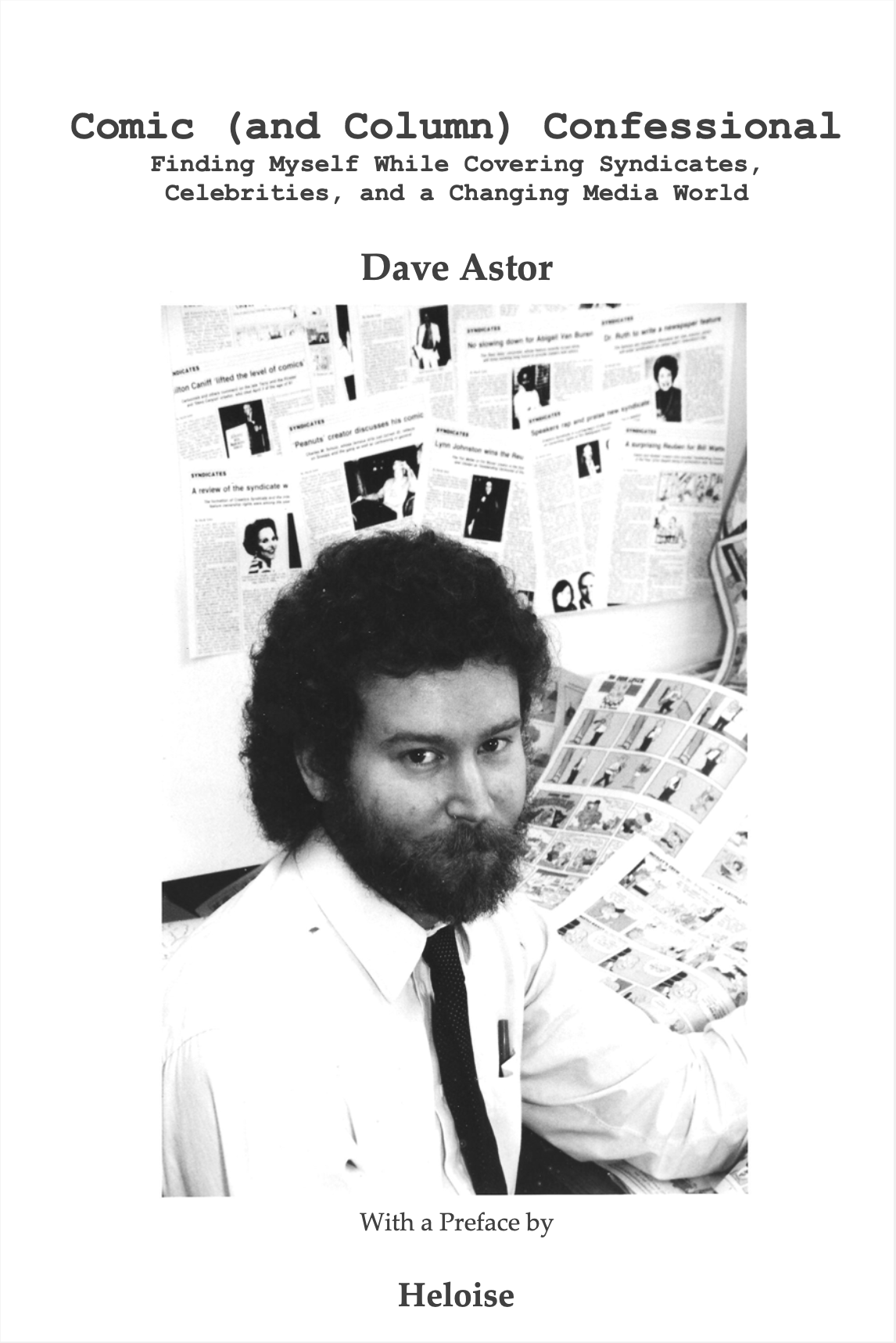
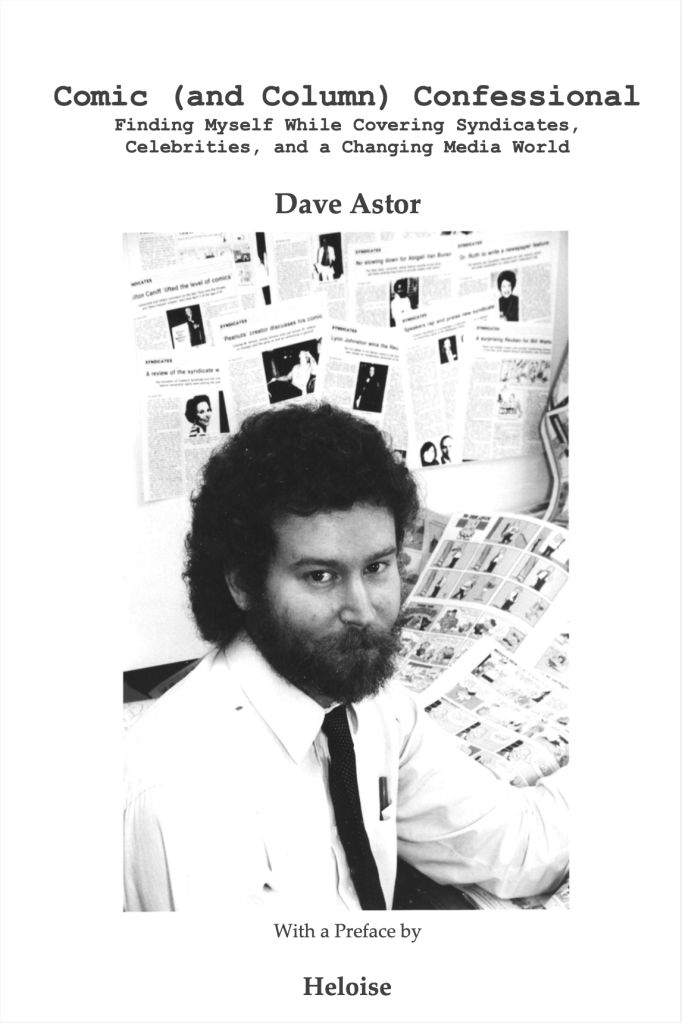
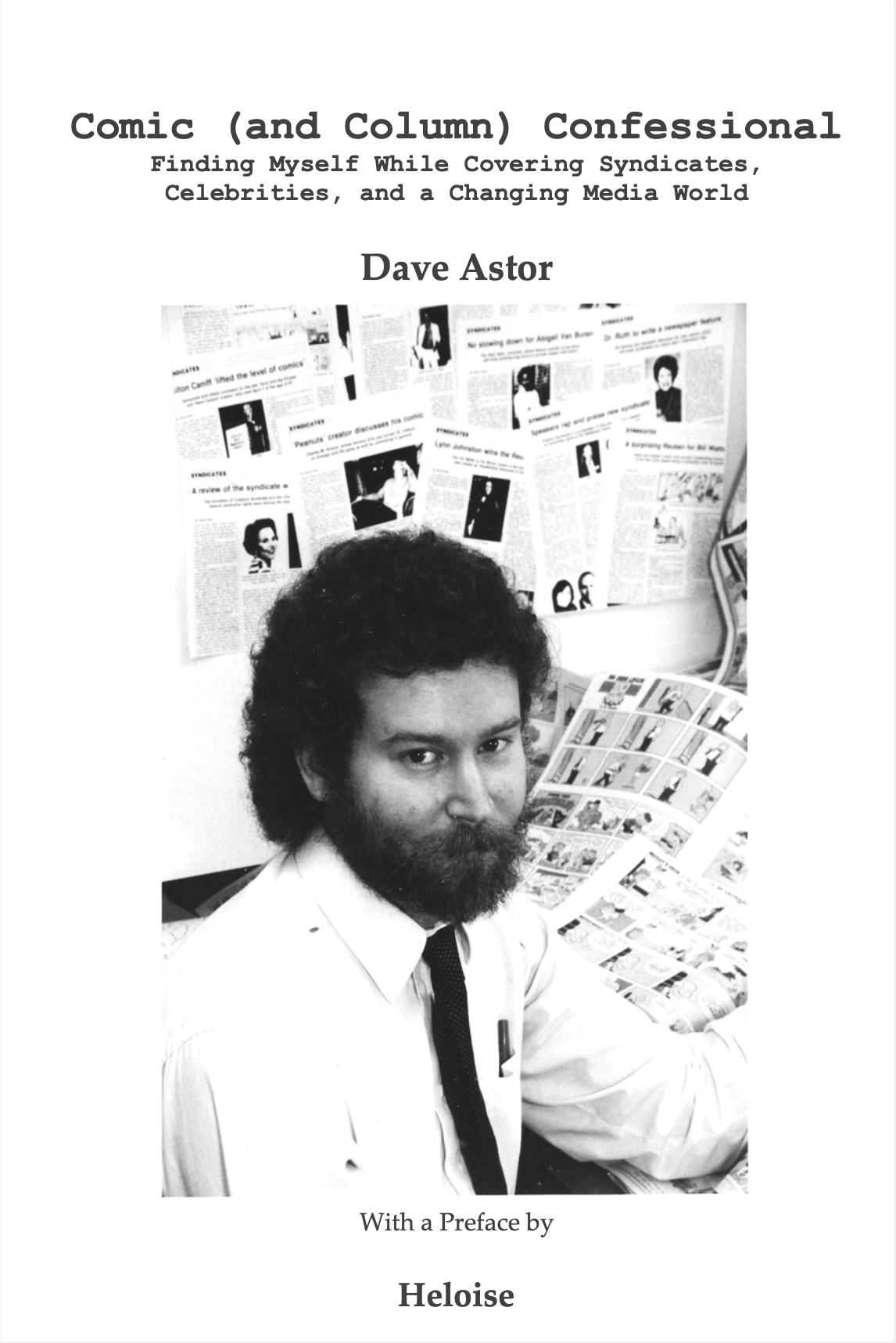
…and a 2012 memoir that focuses on cartooning and more, including many encounters with celebrities.
In addition to this weekly blog, I write the 2003-started/award-winning “Montclairvoyant” topical-humor column every Thursday for Montclair Local. The latest piece — about a VERY close budget referendum and a not-close but controversial development decision — is here.
Lit With Wit That Might Side-Split

On March 8, I marked International Women’s Day with a post about memorable women characters in fiction. On March 15, I marked The Ides of March (when Julius Caesar was killed) with a post about memorable murders in fiction. So, what holiday can I mark today? I did an online search, and discovered that March 22 is National Goof Off Day! Meaning I could write a post about some of the funnier novels I’ve read.

But a search showed I wrote a post like that back in this blog’s first year: 2014. Hmm…guess I’ll rerun that piece today (many of you had yet to become readers here 12 years ago). Then, I’ll add some humorous or part-humorous novels I’ve read since 2014 — or read before that but forgot to mention in my previous Obama-era post.

Here’s the 2014 piece, with a new first paragraph and some other editing:

Some novels are quite funny, in a satirical or just plain silly way. They include books that range from mostly comedic to those that are serious and/or dramatic and/or poignant but contain one or more hilarious scenes — such as Ishmael and Queequeg, pre-ship voyage, in the inn bedroom in Herman Melville’s Moby-Dick.

For instance, there’s Charles Dickens’ laugh-out-loud first novel: The Posthumous Papers of the Pickwick Club, which features the fabulously funny Sam Weller. That book launched Dickens into a popularity stratosphere he never left — even as his increasingly ambitious novels were never quite that humorous again. Was Bleak House a jest-fest? Don’t think so.

Colette had a similar career arc, entering the novel-writing realm with the sidesplitting Claudine at School before moving on to weightier (yet still engaging) works. The title character in Colette’s late-career Gigi wouldn’t last a minute in a battle of witticisms with the rambunctious Claudine.

Speaking of first novels, the seriocomic Harry Potter and the Sorcerer’s Stone has more laughs per square page than any of the six subsequent novels in J.K. Rowling’s series.

Also hilarious is Philip Roth’s Portnoy’s Complaint, in which the “thing” that hits an incandescent bulb is not a light-dazzled moth.

Then there’s Jeeves in the Offing, or almost any other P.G. Wodehouse novel or story starring the brilliant British valet and his rather clueless “master” Bertie Wooster. Wodehouse could make a shopping list funny.

In a very different milieu, novels don’t get much more amusing (or ribald) than Erskine Caldwell’s Tobacco Road and God’s Little Acre. Delightful “southern humor” can also be found in Charles Portis’ Norwood and The Dog of the South, Rita Mae Brown’s Rubyfruit Jungle novel and Sneaky Pie Brown mysteries, and Fannie Flagg’s Fried Green Tomatoes at the Whistle Stop Cafe. Mixed with the laughs in those books are serious themes such as poverty, racism, sexism, and homophobia.

Academia can also be a great source of humor and satire, as evidenced by novels such as Zadie Smith’s On Beauty, Richard Russo’s Straight Man, and Adam Langer’s Ellington Boulevard.

Returning to older novels, we see Mark Twain mixing strong antiwar satire with goofy humor in A Connecticut Yankee in King Arthur’s Court, Henry Fielding even naming a character “Lady Booby” (for her personality) in his uproarious Joseph Andrews, and Miguel de Cervantes being much funnier than one expects in Don Quixote.

More hilarity? Valancy Stirling dramatically parts with her oppressively conventional mother and other relations in L.M. Montgomery’s moving/inspiring The Blue Castle, but the conversations the newly confident Valancy has with her family are as funny as the funniest sitcom.

Italo Calvino is very droll in his short-story-collection-as-novella Marcovaldo. John Steinbeck, so earnest in The Grapes of Wrath and East of Eden, will crack you up in Tortilla Flat, Cannery Row, and Sweet Thursday. And you don’t need an explanation from me about how dizzyingly comedic are Lewis Carroll’s Alice’s Adventures in Wonderland and Through the Looking Glass.

Now, as I write in 2026, here are some funny or part-funny (in certain cases darkly so) novels I’ve read since the above 2014 post — or read before that but didn’t mention back then. A number of those books of course have many serious moments, too. Alphabetical by author:

Margaret Atwood’s Oryx and Crake, Jane Austen’s Northanger Abbey, Fredrik Backman’s A Man Called Ove, Charles Bukowski’s Hollywood, Mikhail Bulgakov’s The Master and Margarita, Frances Burney’s Evelina, Charles Dickinson’s The Widows’ Adventure, Stanley Elkin’s The Rabbi of Lud, Helen Fielding’s Bridget Jones’s Diary, Jaroslav Hasek’s The Good Soldier Svejk, Joseph Heller’s Catch-22, Elin Hilderbrand’s The Hotel Nantucket, Jonas Jonasson’s The 100-Year-Old Man Who Climbed Out the Window and Disappeared, Bel Kaufman’s Up the Down Staircase, Steve Martin’s The Pleasure of My Company, Terry McMillan’s How Stella Got Her Groove Back, Viet Thanh Nguyen’s The Sympathizer, Terry Pratchett’s Small Gods, Maria Semple’s Where’d You Go, Bernadette, (Ms.) Lionel Shriver’s So Much for That, Zadie Smith’s White Teeth, Jonathan Swift’s Gulliver’s Travels, J.R.R. Tolkien’s The Hobbit, John Kennedy Toole’s A Confederacy of Dunces, Voltaire’s Candide, and Kurt Vonnegut’s Slaughterhouse-Five, to name a few.

And while Fyodor Dostoevsky’s The Brothers Karamazov is mostly dead serious, it does have one uproarious scene.

Novels you consider very funny — overall or in part?

Misty the cat says: “Odd that one of those cars looks like a dumpster.”

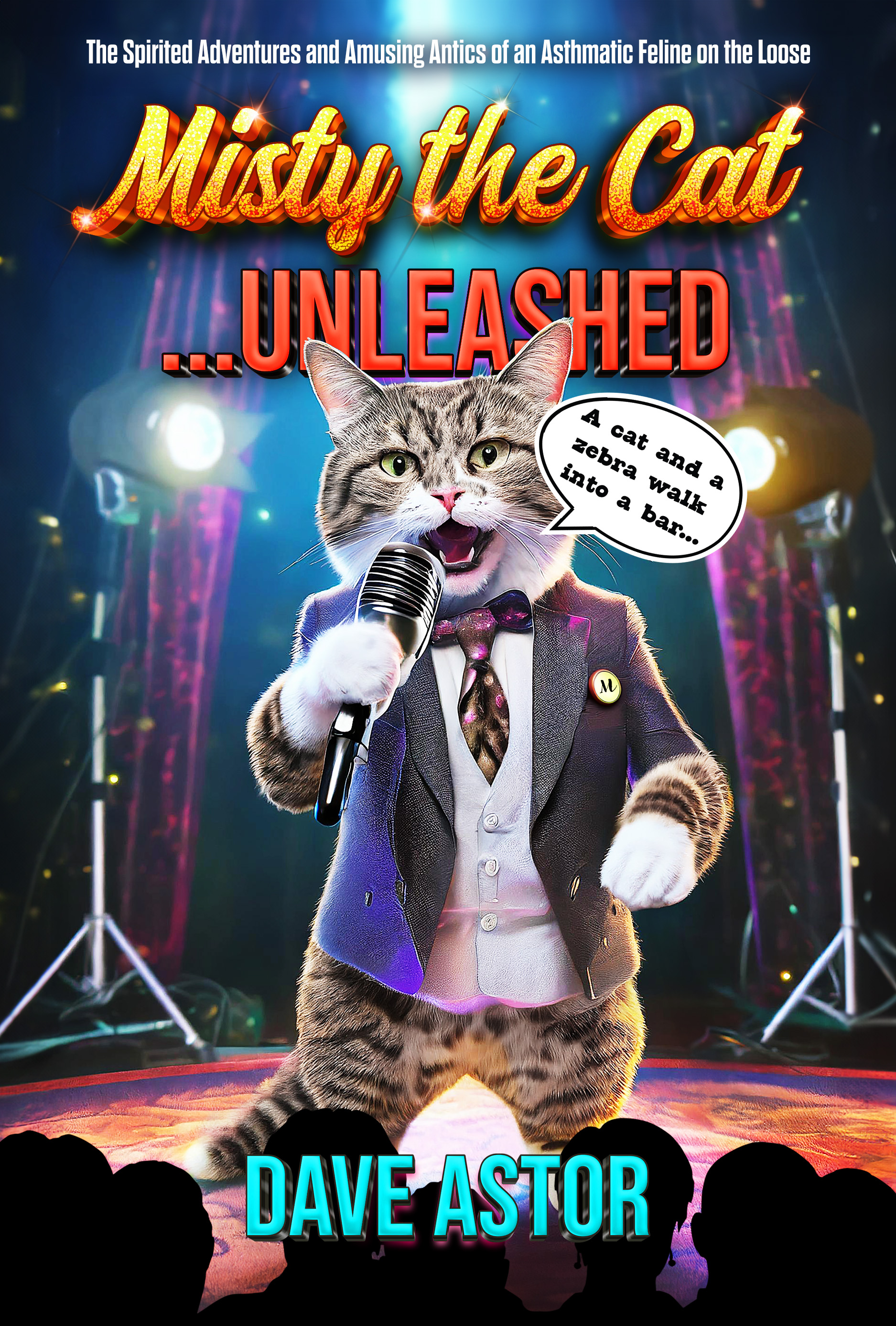
My comedic 2024 book — the part-factual/part-fictional/not-a-children’s-work Misty the Cat…Unleashed — is described and can be purchased on Amazon in paperback or on Kindle. It’s feline-narrated! (And Amazon reviews are welcome. 🙂 )

This 90-second promo video for the book features a talking cat: 🙂

I’m also the author of a 2017 literary-trivia book

…and a 2012 memoir that focuses on cartooning and more, including many encounters with celebrities.

In addition to this weekly blog, I write the 2003-started/award-winning “Montclairvoyant” topical-humor column every Thursday for Montclair Local. The latest piece — about a close school budget vote, a delayed decision on a huge redevelopment project, a student anti-ICE march, and more; all threaded with a weird Tom Hanks movie theme 🙂 — is here.

Murder They Wrote

Today is “The Ides of March,” the March 15 date on which Roman dictator Julius Caesar was assassinated in the year 44 BC. So, I’m going do a word salad rather than a Caesar salad discussing some memorable murders in literature — while trying to avoid too many spoilers in the specific details.

Murders are of course awful, even as they’re sometimes almost merited for righteous revenge reasons. Whatever the motives behind them, they can be a key plot device and make for painfully dramatic reading.

One novel’s title that literally telegraphs a killing is Chronicle of a Death Foretold by Gabriel Garcia Marquez. Written in a journalistic reconstruction fashion, the book is far from the author’s best work but still interesting.

Also quite interesting is Albert Camus’ The Stranger and its puzzling murder by the novel’s detached protagonist.

The brutal double-killing early in the iconic Crime and Punishment is…iconic. Then we spend the rest of Fyodor Dostoevsky’s psychological novel observing Rodion Raskolnikov’s angst, his attempts to justify his action, his worry about capture, and more.

Other novels with multiple murders? We’ve read a few — including Agatha Christie’s classic And Then They Were None and its many dispatched characters. They deserve some punishment, but do they deserve dying? Murders, of course, are a staple of mysteries, detective fiction, and thrillers.

Totally innocent is Black teen Donte Drumm, who’s wrongly accused of killing a white high school girl in John Grisham’s The Confession. Will that murder by someone else lead to another murder — the execution of Drumm — by racist authorities?

Which reminds me of the unjust killings by law enforcement of characters in novels such as Angie Thomas’ The Hate U Give (another Black teen is the victim) and John Steinbeck’s The Grapes of Wrath (a white man is the victim).

Retaliatory killings? We see righteous ones in Alexandre Dumas’ The Count of Monte Cristo, Erich Maria Remarque’s Arch of Triumph, and Percival Everett’s James — the last book a reimagining of Mark Twain’s Adventures of Huckleberry Finn. Speaking of Twain, he wrote about the execution of a real-life heroine in Personal Recollections of Joan of Arc — a novel in the historical-fiction genre also inhabited by Margaret Atwood’s Alias Grace and its double-murder.

If we include genocide in this discussion, various grim novels come to mind — including Holocaust ones such as William Styron’s Sophie’s Choice and Herman Wouk’s War and Remembrance.

In the short-story realm, there many murder-in-the-mix tales to choose from: “The Lottery” by Shirley Jackson, “A Good Man Is Hard to Find” by Flannery O’Connor, “A Jury of Her Peers” by Susan Glaspell, “The Tell-Tale Heart” and “The Cask of Amontillado” by Edgar Allan Poe, etc., etc.

Your thoughts about, and examples of, this topic?

I will probably be offline much of tomorrow (Monday, March 16) while in New York City but will reply to comments after I return. 🙂

Misty the cat asks: “Is it necessary for my building to have a steering wheel?”

My comedic 2024 book — the part-factual/part-fictional/not-a-children’s-work Misty the Cat…Unleashed — is described and can be purchased on Amazon in paperback or on Kindle. It’s feline-narrated! (And Amazon reviews are welcome. 🙂 )

This 90-second promo video for the book features a talking cat: 🙂

I’m also the author of a 2017 literary-trivia book

…and a 2012 memoir that focuses on cartooning and more, including many encounters with celebrities.

In addition to this weekly blog, I write the 2003-started/award-winning “Montclairvoyant” topical-humor column every Thursday for Montclair Local. The latest piece — with my thoughts about unofficial voting results on a school deficit matter roiling my town — is here.

Favorite Females in Fiction, Recently Read

Today is International Women’s Day. Over the years, I’ve written blog posts from various angles about women in literature. This time, I’ll focus on some of my favorite women characters in novels I’ve read (though were not necessarily published) during the past couple of years.

Because of its title, the first book that came to mind was Kristin Hannah’s terrific 2024 novel The Women focusing on Vietnam War combat nurses. It stars Frances “Frankie” McGrath, a somewhat-naive young woman from an affluent family who’s forced to mature very quickly while treating horrendous battle injuries. Her two war-zone mentors — Barb Johnson and Ethel Flint — are also memorable in secondary roles.

Hannah’s previous novel, 2021’s The Four Winds, also has a stirring woman protagonist in Elsa Wolcott. (Her 1930s-set story is clearly influenced by John Steinbeck’s The Grapes of Wrath.)

Elin Hilderbrand’s novels — nearly 30 of which I read in 2024 and 2025 — are teeming with compelling women characters. Among my favorites are teacher Mallory Blessing of 2020’s bittersweet 28 Summers (inspired by Bernard Slade’s Same Time, Next Year) and the strong-willed Irene Steele who moves from Iowa to the Caribbean after her husband dies mysteriously in Hilderbrand’s Paradise trilogy (2018/2020/2020).

I was also drawn to another teacher: Maggie Jones of Kent Haruf’s Plainsong, an affecting 1999 novel that features interlocking stories.

And to the brave/beleaguered former government agent who goes by various aliases in Stephenie Meyer’s 2016 thriller The Chemist.

And to 1950s mathematician/astronaut Elma York of Mary Robinette Kowal’s 2018 alternative-history novel The Calculating Stars.

And to Wall Street attorney-turned-Appalachia legal aid attorney Samantha Kofer in John Grisham’s Gray Mountain (2014).

In the sleuth genre, three impressive yet very human/relatable women I’ve recently mentioned in other posts include Robin Ellacott of J.K. Rowling’s 2013-launched series, cold-case detective Karen Pirie of Val McDermid’s 2003-launched series, and private investigator Kinsey Millhone of the late Sue Grafton’s 1982-2017 alphabet-mystery series I’m currently working through (now enjoying Q Is for Quarry).

Among my favorite women characters in novels (some classic) that I read years ago include Jane Eyre in Charlotte Bronte’s book of the same name, Helen Huntingdon of Anne Bronte’s The Tenant of Wildfell Hall, Anne Elliot of Jane Austen’s Persuasion, Maggie Tulliver of George Eliot’s The Mill on the Floss, Denise Baudu of Emile Zola’s The Ladies’ Paradise, Marian Halcombe of Wilkie Collins’ The Woman in White, Ethelberta Petherwin in Thomas Hardy’s The Hand of Ethelberta, Edna Pontellier of Kate Chopin’s The Awakening, Anne Shirley of L.M. Montgomery’s Anne of Green Gables, Renee Nere of Colette’s The Vagabond, Pilate Dead of Toni Morrison’s Song of Solomon, Imogene “Idgie” Threadgoode of Fannie Flagg’s Fried Green Tomatoes at the Whistle Stop Cafe, Eliza Sommers of Isabel Allende’s Daughter of Fortune, and Dellarobia Turnbow of Barbara Kingsolver’s Flight Behavior, to name a few. (Actually, Anne Shirley is only 16 at the end of Montgomery’s book.)

Your thoughts about this topic, and your favorite women characters?

Misty the cat says: “Last night, clocks and patches of snow both moved one hour ahead.”

My comedic 2024 book — the part-factual/part-fictional/not-a-children’s-work Misty the Cat…Unleashed — is described and can be purchased on Amazon in paperback or on Kindle. It’s feline-narrated! (And Amazon reviews are welcome. 🙂 )

This 90-second promo video for the book features a talking cat: 🙂

I’m also the author of a 2017 literary-trivia book

…and a 2012 memoir that focuses on cartooning and more, including many encounters with celebrities.

In addition to this weekly blog, I write the 2003-started/award-winning “Montclairvoyant” topical-humor column every Thursday for Montclair Local. The latest piece — which comments on a fraught upcoming school budget vote — is here.

All of March, Not ‘Middlemarch’

March is my birthday month, so I thought I’d list and discuss famous March-born authors I’ve read at least one book by.

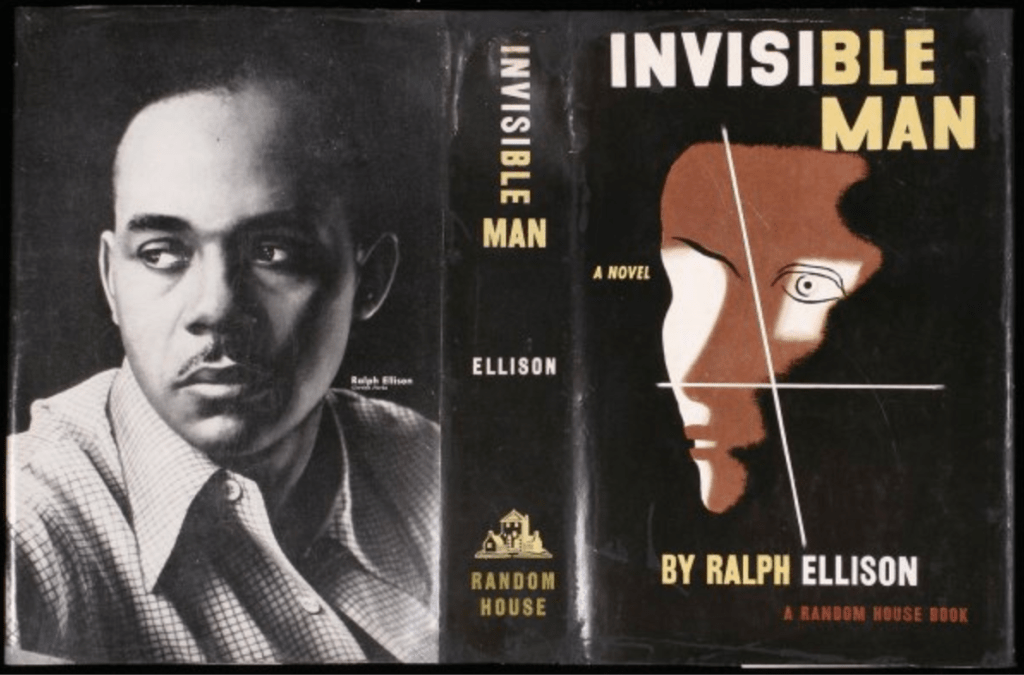
March 1: Ralph Ellison (1913-1994). He of course wrote Invisible Man, which says more about racism and other aspects of United States life than most other novels have ever done.

March 2: John Irving (1942-). I’ve read four of his novels, with The Cider House Rules my favorite. He’s really skilled at combining the quirky and the profound, with social commentary also a big part of the mix.

March 2: Peter Straub (1943-2022). His intricate Ghost Story was quite good but could have been somewhat shorter.

March 4: Khaled Hosseini (1965-). His debut novel The Kite Runner is very compelling, although one loses a lot of sympathy for protagonist Amir after his nasty act of betrayal.

March 6: Gabriel Garcia Marquez (1927-2014). I’ve read five of his novels — One Hundred Years of Solitude is obviously his best — and he was masterful at mixing magic realism, political elements, pathos, romance, and more.

March 8: Jeffrey Eugenides (1960-). His Middlesex novel memorably depicts an intersex character while also having plenty to say about family dynamics, the immigrant experience, etc.

March 11: Douglas Adams (1952-2001). His The Hitchhiker’s Guide to the Galaxy is an enjoyable read, though I think somewhat overrated.

March 12: Jack Kerouac (1922-1969). I also think On the Road is overrated, but it does say a lot about wanderlust, The Beat Generation, and the culture of its time.

March 13: Viet Thanh Nguyen (1971-). His novel The Sympathizer and its sequel The Committed — both starring an unnamed part-Vietnamese spy — offer an impressive page-turning amalgam of war commentary, multiculturalism, humor, and more.

March 13: Tad Williams (1957-). His Tailchaser’s Song is an epic fantasy novel starring…cats.

March 18: John Updike (1932-2009). The only novel of his I’ve read is Rabbit, Run, and, while I admired the writing, I was not a big fan of the book’s brew of white-male angst and misogyny.

March 19: Philip Roth (1933-2018). This author can also be annoying amid the great writing chops, but the neurotic Portnoy’s Complaint is funny as hell.

March 20: Lois Lowry (1937-). Her young-adult dystopian novel The Giver is quite good, and its sequels aren’t bad, either.

March 20: Louis Sachar (1954-). His eccentric Holes is one of the better YA novels I’ve read, including its feminist and antiracist aspects.

March 22: Louis L’Amour (1908-1988). He’s best known for western novels, but his Soviet Union-set Last of the Breed is pretty exciting, too.

March 22: James Patterson (1947-). Tried just one of his novels; wasn’t a fan. Also not a fan of his “factory” approach of using a team of co-authors to churn out book after book.

March 23: Julia Glass (1956-). I’ve read her very good Three Junes, which, as the title implies, has an interesting/interrelated three-part format.

March 25: Flannery O’Connor (1925-1964). She’s best-known for chilling short stories such as “A Good Man Is Hard to Find,” but also wrote the intriguing novel Wise Blood.

March 27: Julia Alvarez (1950-). Her novel In the Time of the Butterflies is a gripping piece of historical fiction about sisters bravely opposing the former Dominican Republic dictatorship.

March 28: Russell Banks (1940-2023). I’ve only read his Rule of the Bone, a gritty look at characters living in the underbelly of the U.S. and Jamaica.

March 28: Mario Vargas Llosa (1936-2025): His offbeat Aunt Julia and the Scriptwriter definitely held my interest.

March 31: Nikolai Gogol (1809-1852). His novel Dead Souls is an eye-opener, and his short story “The Overcoat” is a classic tale that influenced great Russian writers later in the 19th century. (Some sources say Gogol was born on April 1.)

March 31: Marge Piercy (1936-). Her Woman on the Edge of Time is an original combination of social justice and science fiction writing.

March 31: Judith Rossner (1935-2005). Her Looking for Mr. Goodbar was quite a sensation in its 1970s time.

Notable March-born writers I’ve read who are known for work other than novels include children’s book author Dr. Seuss, playwright Tennessee Williams, and poets Robert Frost and Elizabeth Barrett Browning, among others.

Any thoughts on this post, or examples of other March-born writers you’ve read?

As he runs in the direction of NYC, Misty asks: “How can cats live in ‘the city that never sleeps’?”

My comedic 2024 book — the part-factual/part-fictional/not-a-children’s-work Misty the Cat…Unleashed — is described and can be purchased on Amazon in paperback or on Kindle. It’s feline-narrated! (And Amazon reviews are welcome. 🙂 )

This 90-second promo video for the book features a talking cat: 🙂

I’m also the author of a 2017 literary-trivia book

…and a 2012 memoir that focuses on cartooning and more, including many encounters with celebrities.

In addition to this weekly blog, I write the 2003-started/award-winning “Montclairvoyant” topical-humor column every Thursday for Montclair Local. The latest piece — containing commentary on a big snowstorm and all kinds of controversial news in my town — is here.