Unlikable Characters Return with a Vengeance

In 2017, I wrote a post about novels with unlikable characters and how we might still like those novels – or maybe not. 

I noted nine years ago that “we hope the story line is compelling enough and the writing impressive enough to make up for the absence of congenial characters.” Humor can help, too.

The five books I cited in that post were mostly readable despite the downer characters – and perhaps partly because of them. Donna Tartt’s The Secret History, Cormac McCarthy’s Blood Meridian, Andre Dubus III’s House of Sand and Fog, Emile Zola’s Therese Raquin, and John Kennedy Toole’s A Confederacy of Dunces.

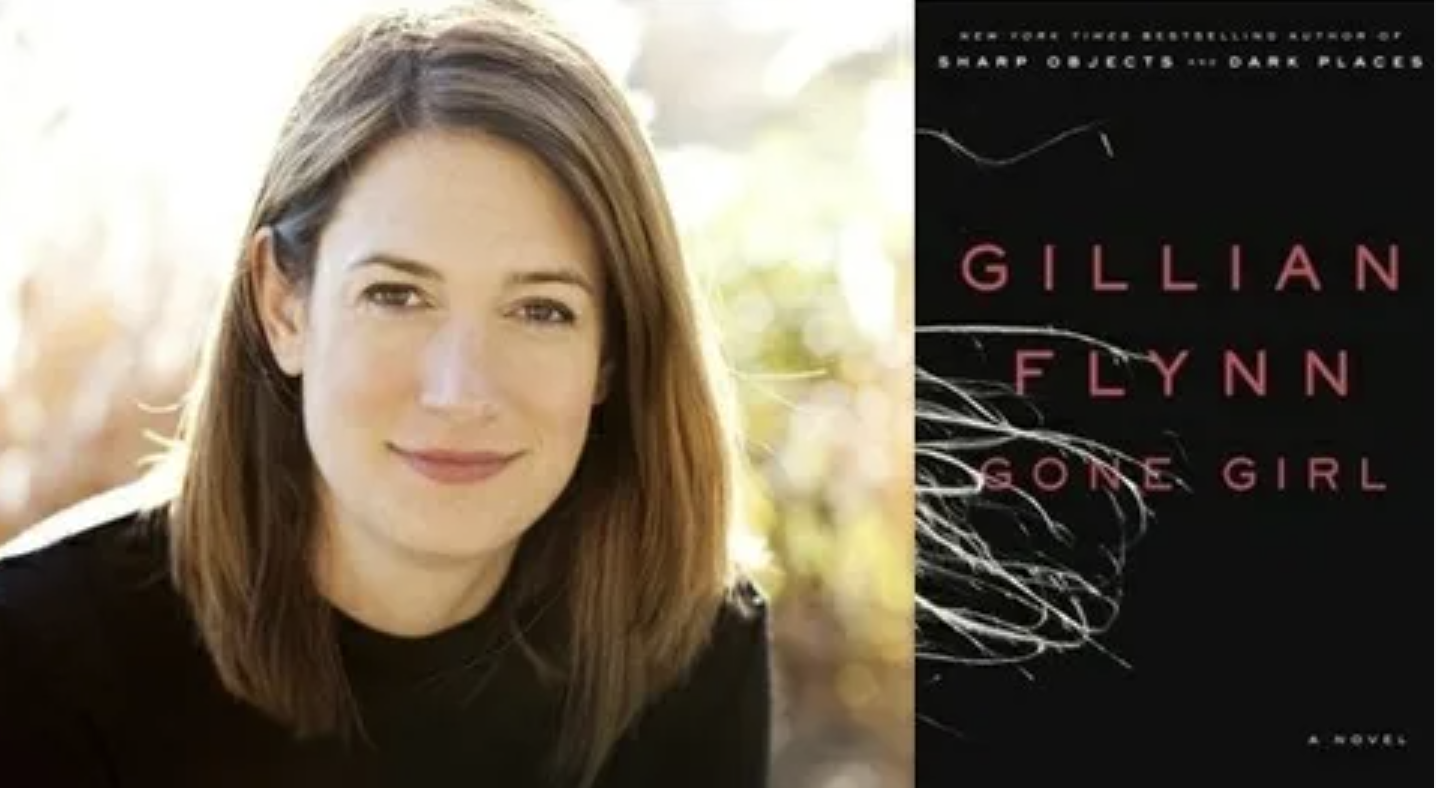
Today, I’m going to use this same theme to discuss five more novels – all of which I’ve read or reread since 2017 — starting with the 2012 bestseller Gone Girl that I finally got to last week.

Gillian Flynn’s two protagonists – Amy and Nick – were so off-putting that I almost stopped reading after a few dozen pages. Both were what we would’ve called “yuppies” back in the day: young urban professionals a little too spoiled and a little too full of themselves. 

But I soldiered on, and Gone Girl became quite original and riveting in a very twisted way before going off the rails (in my opinion) toward the end. 

As with many other books featuring unlikable protagonists, it helps when you have supporting characters who are at least somewhat appealing. Gives a reader a person or two to latch onto. In Gone Girl, Nick’s twin sister Margo is mostly likable — even as several other supporting characters (such as Nick’s hateful aged father and the obsessed-with-Amy/passive-aggressive Desi) are loathsome. 

Fifty years earlier, we had Shirley Jackson’s 1962 novel We Have Always Lived in the Castle in which virtually every character is unpleasant or greedy or weird or antisocial. That was Jackson’s intent, and she was very good at that in this and her other best-known works. But one does feel some sympathy and sorrow for certain characters, and I think that was the author’s intent, too.

Most of the major players in Hilary Mantel’s historical novel Wolf Hall (2009) are far from lovable. When there’s royalty and “court intrigue,” you’re going to get a lot calculating, ruthlessness, sucking up, etc.

Agatha Christie’s ingeniously plotted 1939 mystery And Then There Were None features a cast in which every featured character is guilty in some way. Still, we can empathize with their ordeal after they’re invited to gather together by a person with murder on the mind.

A decade later, Daphne du Maurier’s The Parasites was published. I included that 1949 novel in a post last month about entertainers in fiction, and the pampered/irresponsible show-biz family (father, mother, daughter, son) in du Maurier’s book is certainly not one you’d want on your holiday card list. The non-show-biz other daughter is a little more sympathetic in a self-sacrificing way, but does not elicit much respect.   

Comments about, and examples of, this theme?

Misty the cat says: “One more space to add to my classic car collection!”

My comedic 2024 book — the part-factual/part-fictional/not-a-children’s-work Misty the Cat…Unleashed — is described and can be purchased on Amazon in paperback or on Kindle. It’s feline-narrated! (And Amazon reviews are welcome. 🙂 )
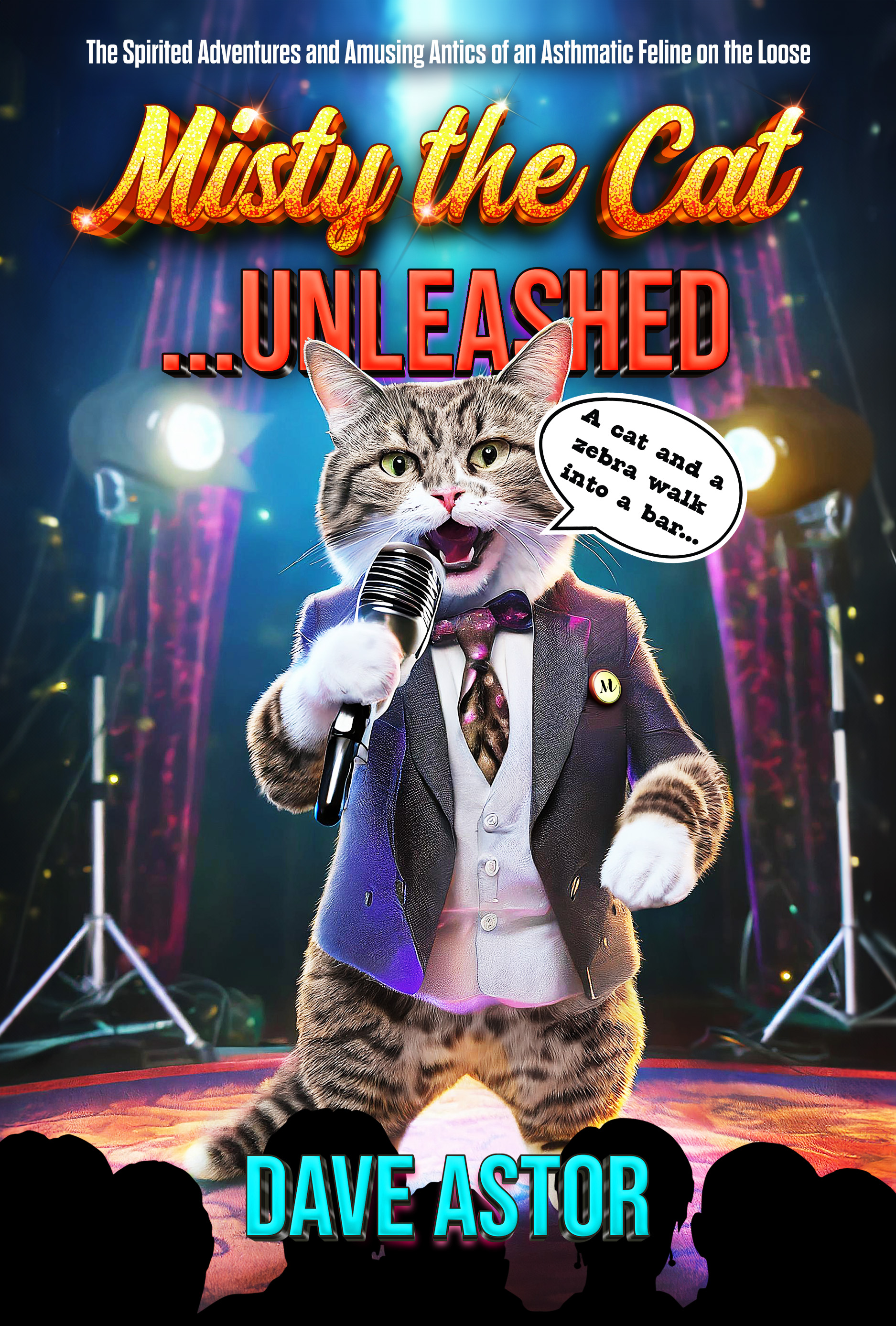
This 90-second promo video for the book features a talking cat: 🙂

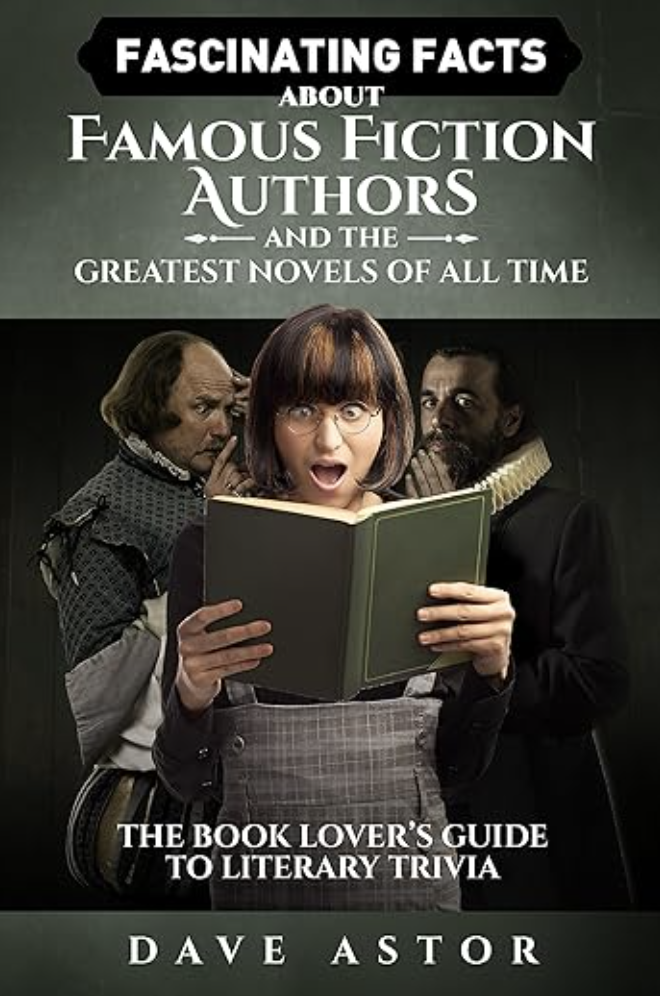
I’m also the author of a 2017 literary-trivia book

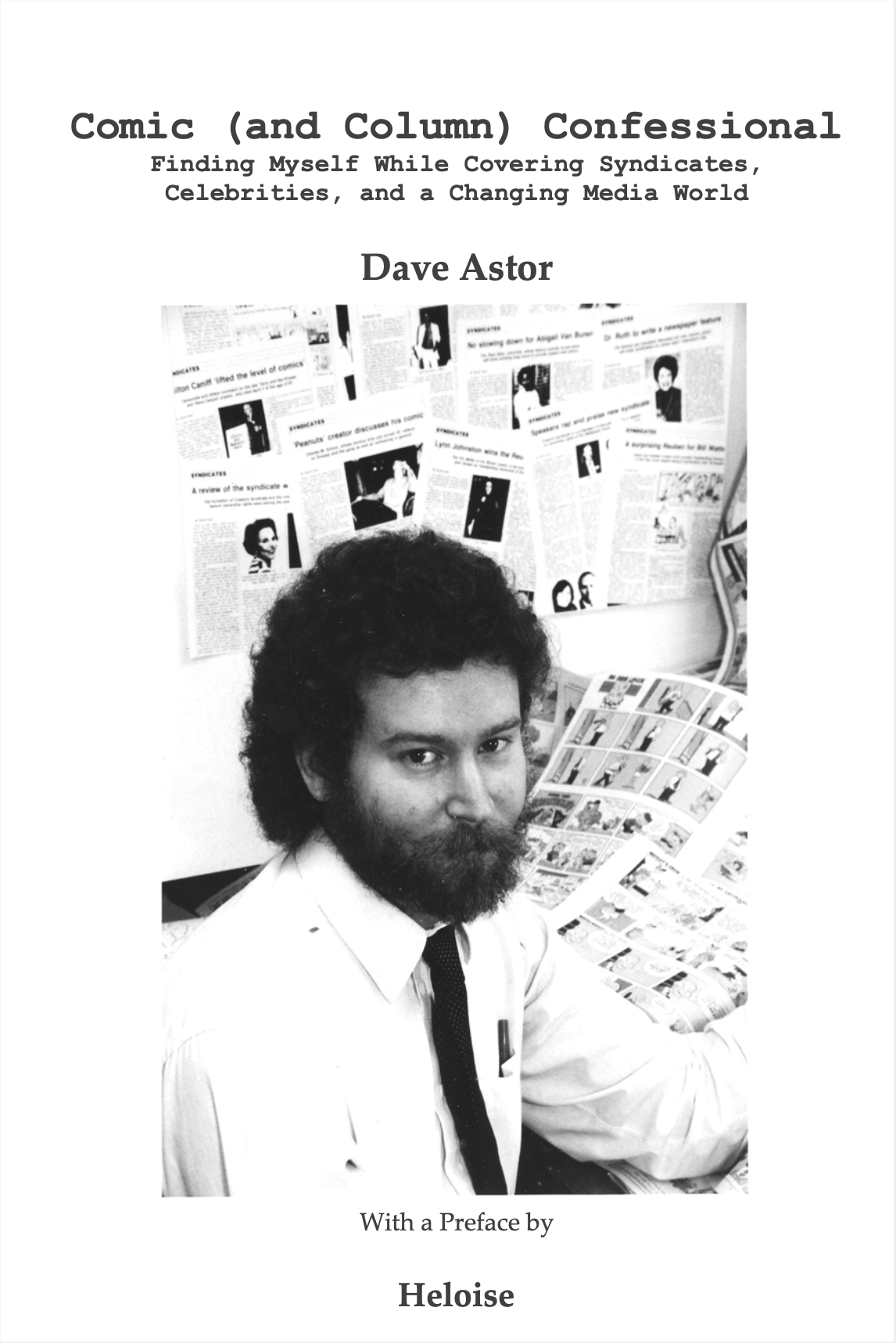
…and a 2012 memoir that focuses on cartooning and more, including many encounters with celebrities.
In addition to this weekly blog, I write the 2003-started/award-winning “Montclairvoyant” topical-humor column every Thursday for Montclair Local. The latest piece – which includes topics such as Spain’s World Cup-winning team staying at a hotel in my town — is here.

When Entertainers Enter Novels

The French author Colette (1873-1954).

Among the memorable characters in literature are entertainers: actors, actresses, singers, musicians, etc.

Many dramatic possibilities with these fictional “show biz” people — including creative highs and lows, how they handle fame or lack of fame, how they handle wealth (if wealthy), how they deal with loneliness on the road, and so on. These characters might be flamboyant, charismatic, egotistic, shallow, surprisingly decent, beloved, wedded to their work at the expense of relationships…

I thought about all that last week as I read The Parasites, a lesser-known novel by Daphne du Maurier. The absorbing 1949 book focuses on three siblings – intermittently depicted as kids and as adults – whose self-centered parents were acclaimed stage performers. Two of those siblings become performers themselves (one’s an actress and the other is a pianist who composes fluffy, very popular songs) and they are spoiled/often-irresponsible sights to behold.

More novels I’ve read with performers at the center or as notable supporting characters? One of them is Colette’s semi-autobiographical The Vagabond (1910), about an independent-minded divorcee who becomes a music-hall dancer to support herself. I’ve read most of Colette’s novels, and I think this is her best.

Also semi-autobiographical is Charles Bukowski’s Hollywood (1989), a fictionalized/satirical version of the author’s experiences as a screenwriter for the 1987 film Barfly starring Mickey Rourke and Faye Dunaway.

Then there’s The Song of the Lark (1915), a poignant Willa Cather novel about an ambitious young woman from a small town who becomes a famous opera singer — and the joys and sacrifices that went along with that.

Ann Patchett’s Bel Canto features an opera singer, too. In the 2001 novel, that singer and others are taken hostage during a private concert she’s giving for bigwigs.

A significant supporting player in Jonathan Franzen’s Freedom (2010) is a rock musician who was a college friend of one of the novel’s two main characters and later has a brief affair with that friend’s wife (the book’s other co-star).

Also in the secondary character realm is the teen Hollywood actress who becomes infatuated with the married male protagonist in F. Scott Fitzgerald’s Tender Is the Night (1934). Another semi-autobiographical novel.

The protagonist in Tom Perrotta’s The Wishbones (1997) is a musician in a New Jersey wedding band trying to decide between being with a fairly conventional New Jersey woman or a more “hip”/edgy New York City woman.

Wilkie Collins’ 1862 novel No Name includes a character whose acting skills from her theatrical career come in handy when navigating an unusual family crisis.

While the main character in Walker Percy’s The Moviegoer (1961) is a film-watching stockbroker rather than an entertainer, I feel that novel deserves an honorable mention here.

I’ll add that some writers of novels have been actors/actresses or worked in other parts of the entertainment world — including Fannie Flagg, Thomas Tryon, Steve Martin, and David Duchovny, to name four.

Thoughts about, and examples of, today’s theme?

Misty the cat says: “Here’s where ‘Singin’ in the Rain’ was filmed, but I didn’t hear any singing.”

My comedic 2024 book — the part-factual/part-fictional/not-a-children’s-work Misty the Cat…Unleashed — is described and can be purchased on Amazon in paperback or on Kindle. It’s feline-narrated! (And Amazon reviews are welcome. 🙂 )

This 90-second promo video for the book features a talking cat: 🙂

I’m also the author of a 2017 literary-trivia book

…and a 2012 memoir that focuses on cartooning and more, including many encounters with celebrities.

In addition to this weekly blog, I write the 2003-started/award-winning “Montclairvoyant” topical-humor column every Thursday for Montclair Local. The latest piece — which comments on a not-needed name change for a future park, my town’s hopeful divestment from a bank helping to fund cruel federal immigration detention centers, and another hiring of a high-paid administrator in a school district (mine) where teachers have been laid off — is here.