Observe the Learning Curve

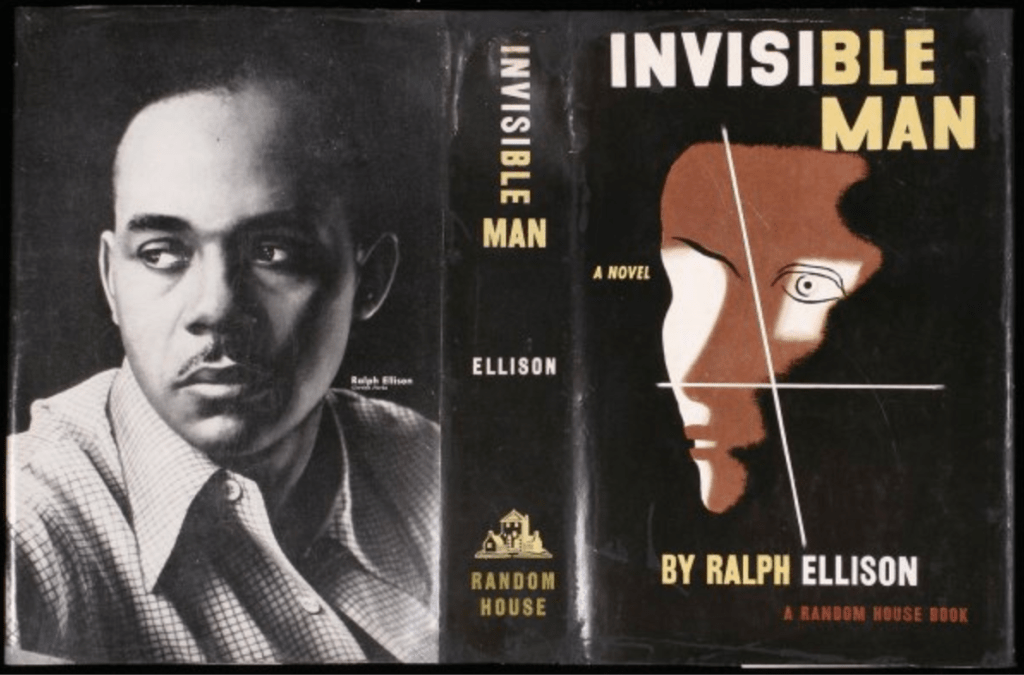
Sometimes, authors dazzle with their debut novels. Mary Shelley and Frankenstein. Emily Bronte and Wuthering Heights. Carson McCullers and The Heart Is a Lonely Hunter. Ralph Ellison and Invisible Man. Arundhati Roy and The God of Small Things. Zadie Smith and White Teeth. Etc.

But more frequently there’s somewhat of a learning curve for authors, which is totally natural — and totally the topic of this post.

I came to this topic via the work of Stephenie Meyer, three of whose novels I recently read in reverse order: first The Chemist (2016), then The Host (2008), and then Twilight (2005). Twilight was of course Meyer’s mega-bestselling debut featuring a teen human and teen vampire who fall in love. An interesting take on the vampire genre that held my interest even as it was too often written in a pedestrian way. Published three years later, The Host turned out to be a fascinating sci-fi story — and more skillfully crafted. Finally, The Chemist thriller about a hunted female ex-government agent was full of superb prose and dialogue. Meyer’s wordsmithing arc was impressive.

It all reminded me a bit of J.K. Rowling’s progression. The first Harry Potter novel was compelling and tons of fun as the author did her world-building, even as the writing itself was not super-scintillating. But Rowling’s prose and dialogue got better and better as her next six wizard-realm books emerged, and continued in that direction with the skillfully written The Casual Vacancy and the riveting crime series starring private investigators Cormoran Strike and Robin Ellacott.

Both Rowling and Meyer can be rather long and wordy in their more recent offerings, but I’m here for it.

Going much further back in time, I liked the feminist idea of Jack London’s early novel A Daughter of the Snows, but the dialogue was laughable and the prose clunky. One year later, London’s pitch-perfect The Call of the Wild was released. I don’t know what writing elixir the author imbibed during those 12 months, but I want it. 🙂

F. Scott Fitzgerald’s college-set debut novel This Side of Paradise is quite uneven, only hinting at the greatness of The Great Gatsby published just five years later.

John Steinbeck’s debut novel Cup of Gold was an okay, rather conventional pirate novel before much of his later fiction became light years better — including, of course, his masterpiece The Grapes of Wrath.

Willa Cather’s first two novels — Alexander’s Bridge and O Pioneers! — exhibited some authorial growing pains before they were followed by her absorbing The Song of the Lark and then the masterful My Antonia.

Dan Brown’s early-career novel The Da Vinci Code was VERY popular and quite ingenious in its way but even more awkwardly written than Stephenie Meyer’s Twilight. I never read Brown again, but I assume his writing improved?

Any comments about, or examples of, this theme?

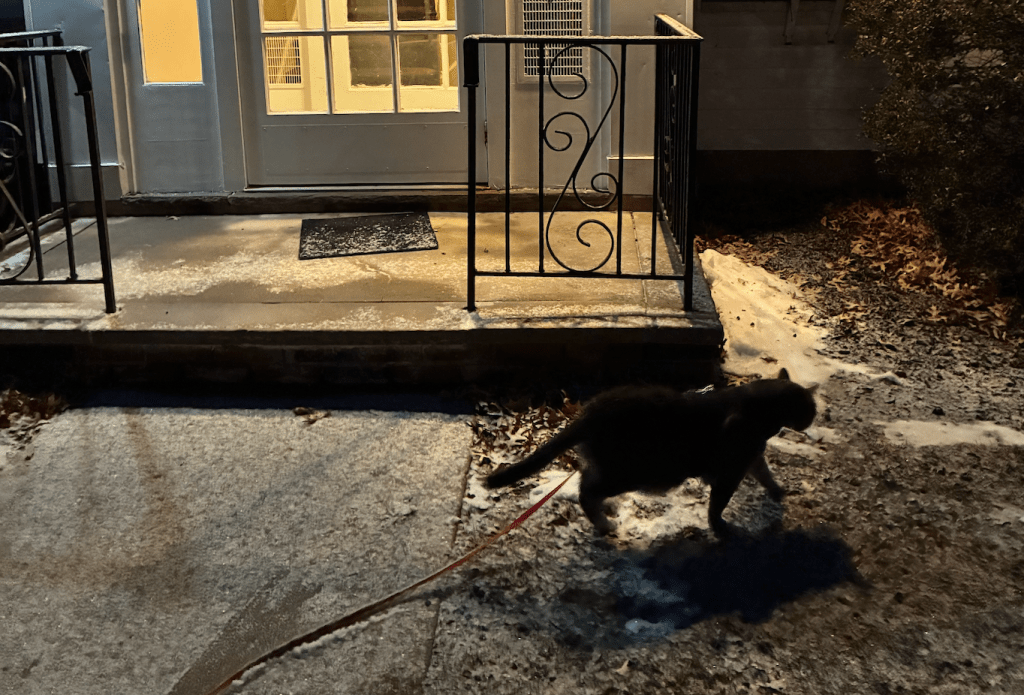
Misty the cat asks: “How am I supposed to shovel this stuff without opposable thumbs?”

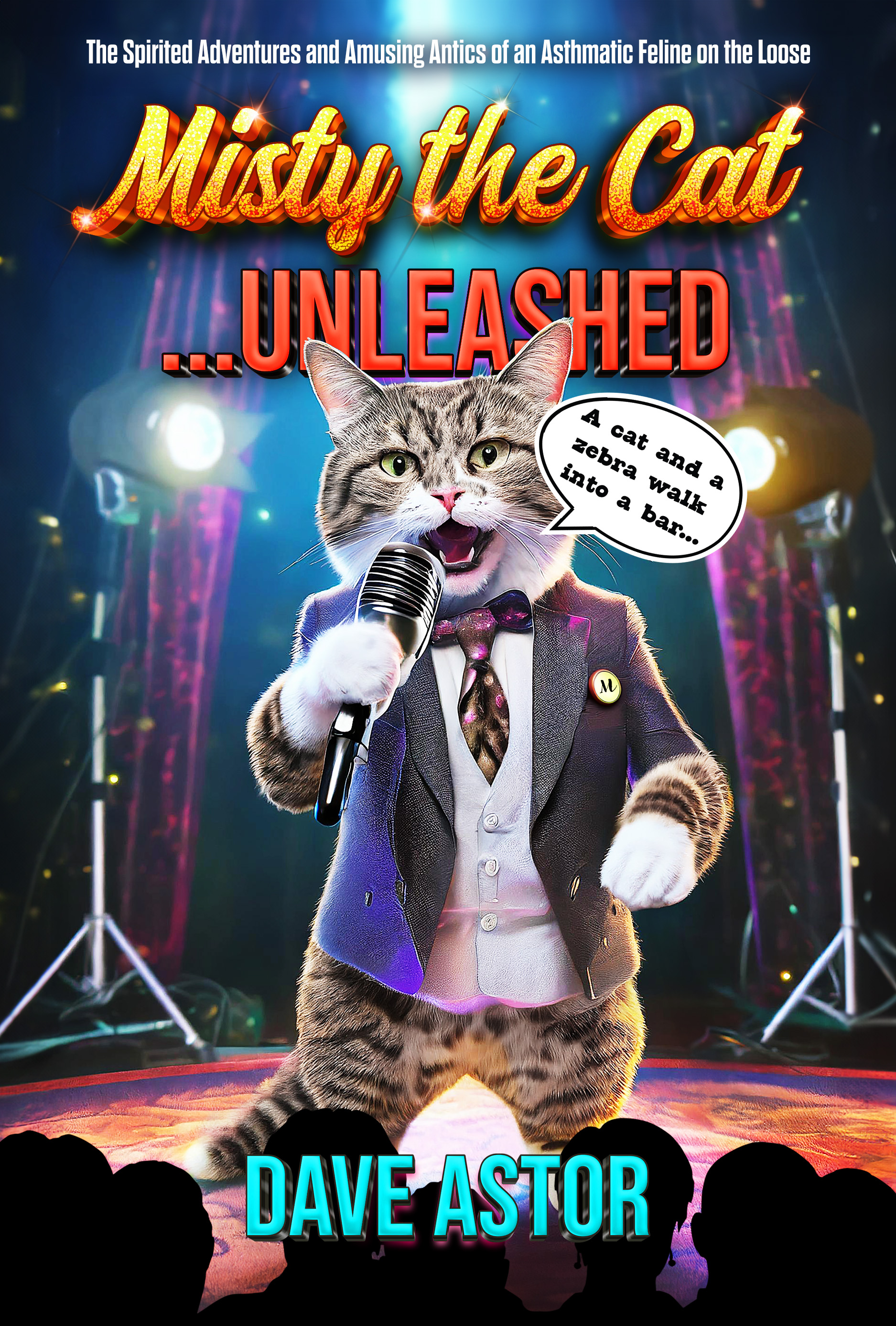
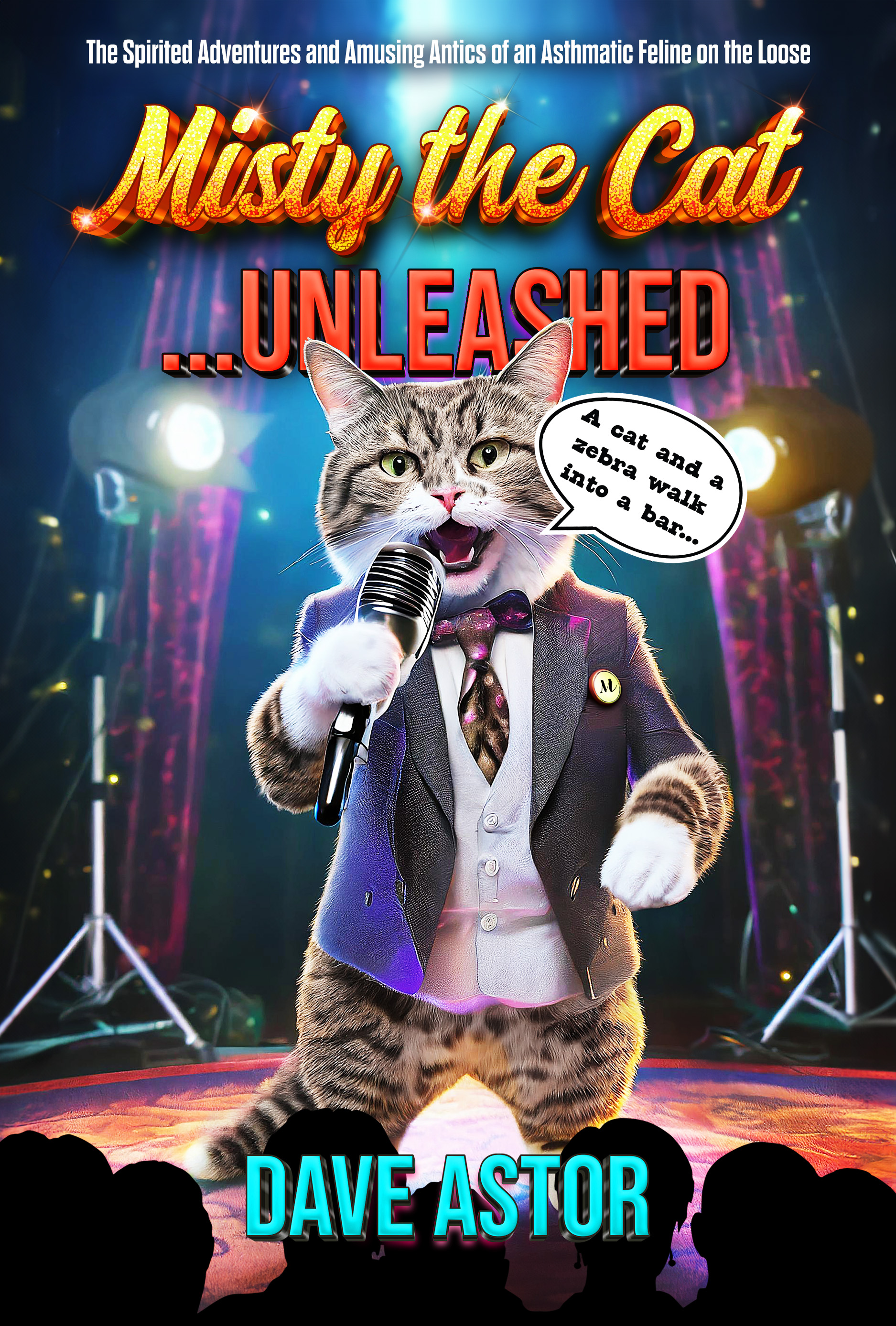
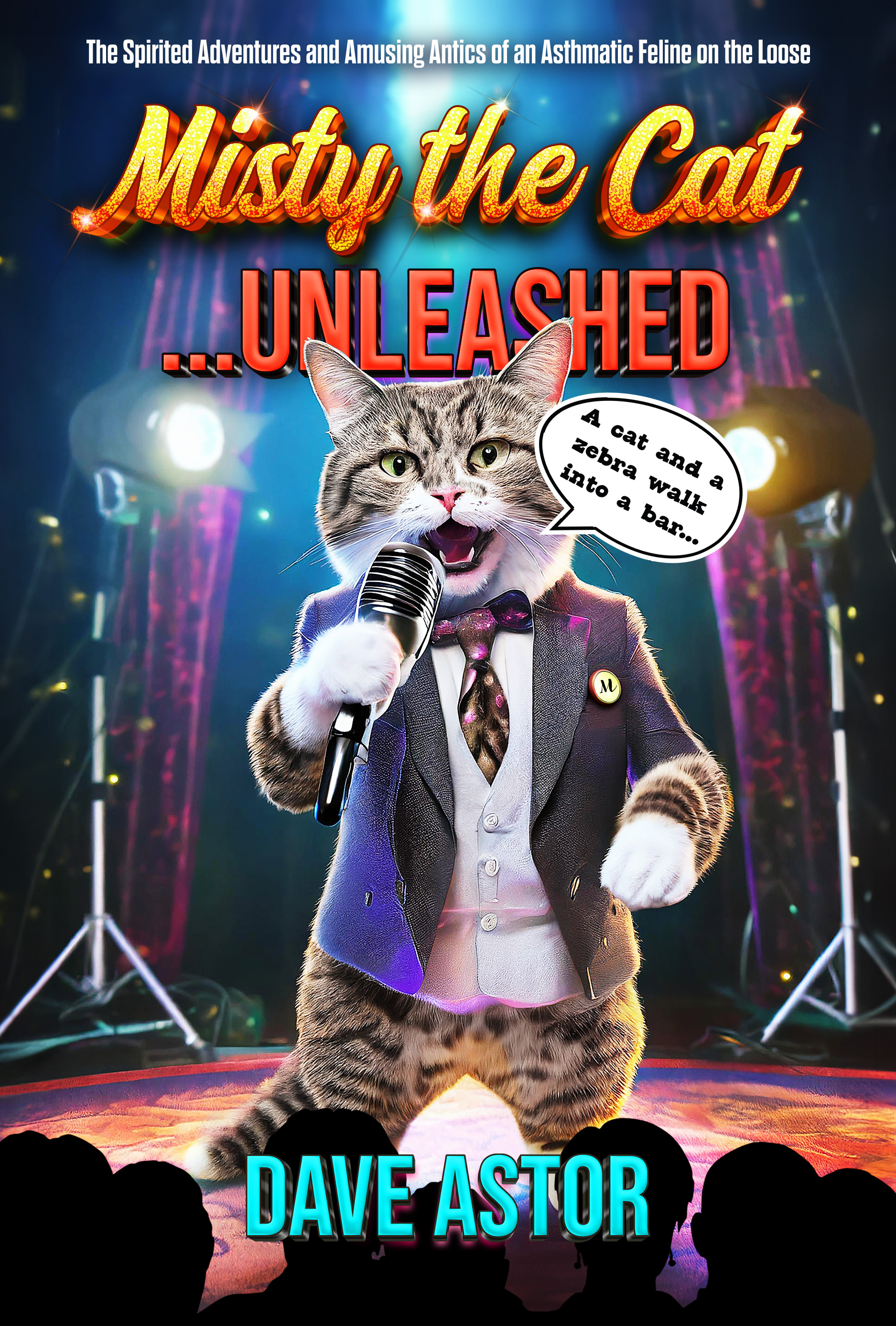
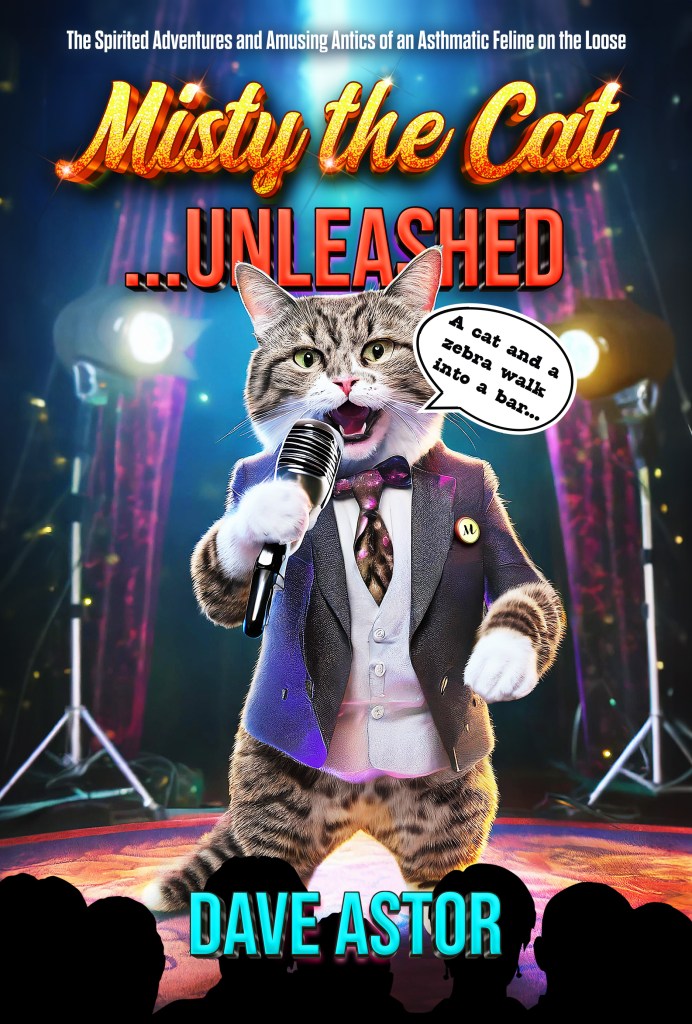
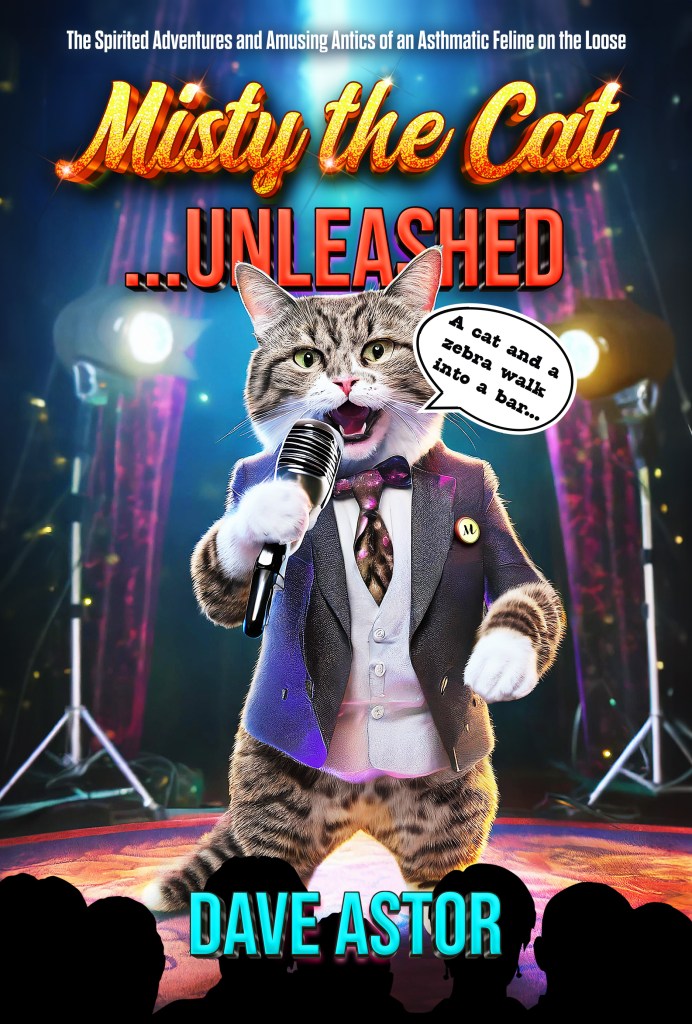
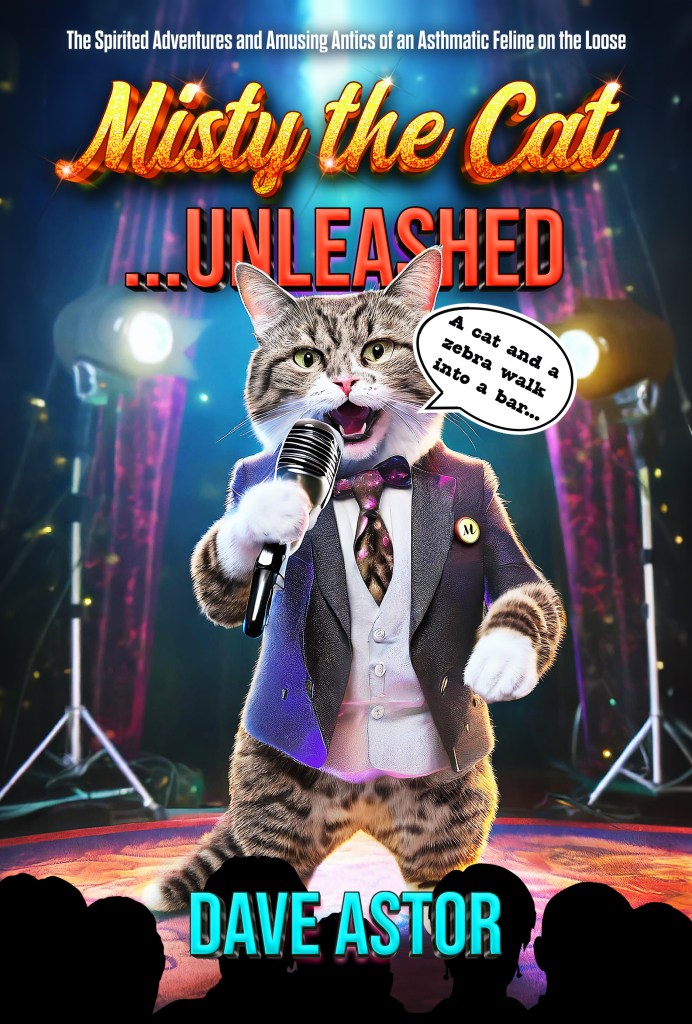
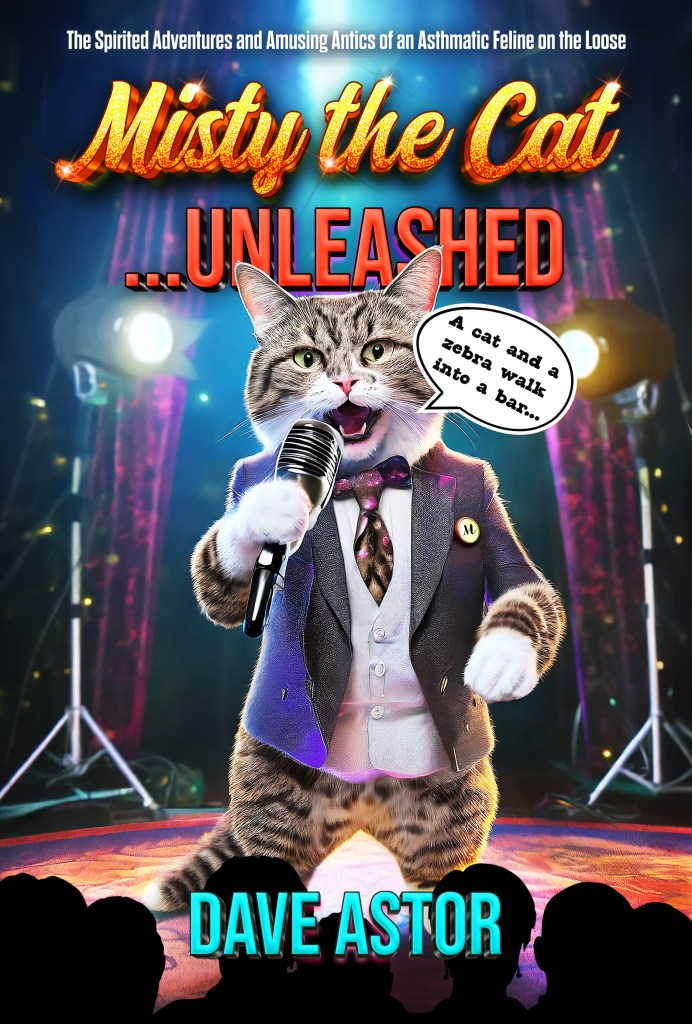
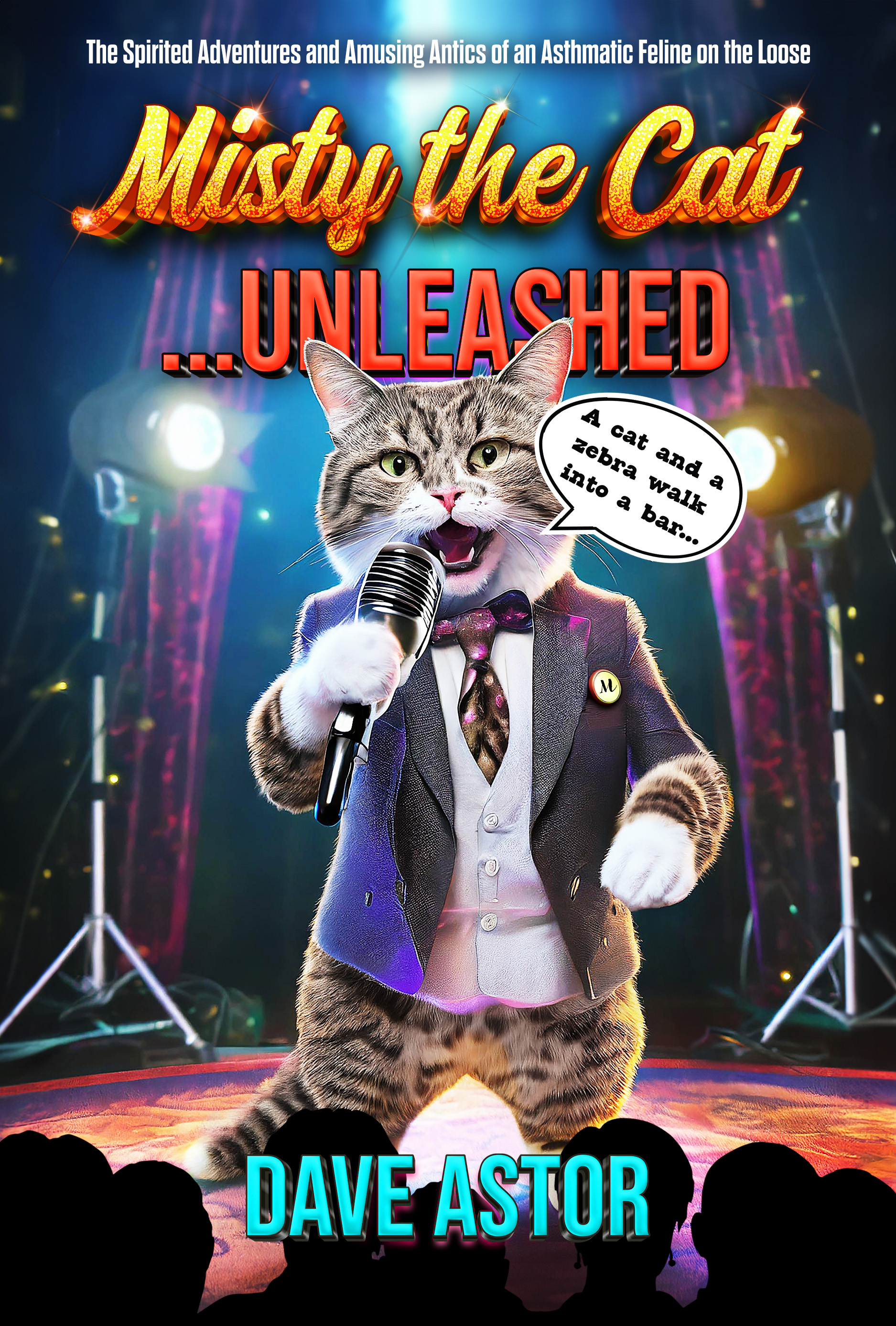
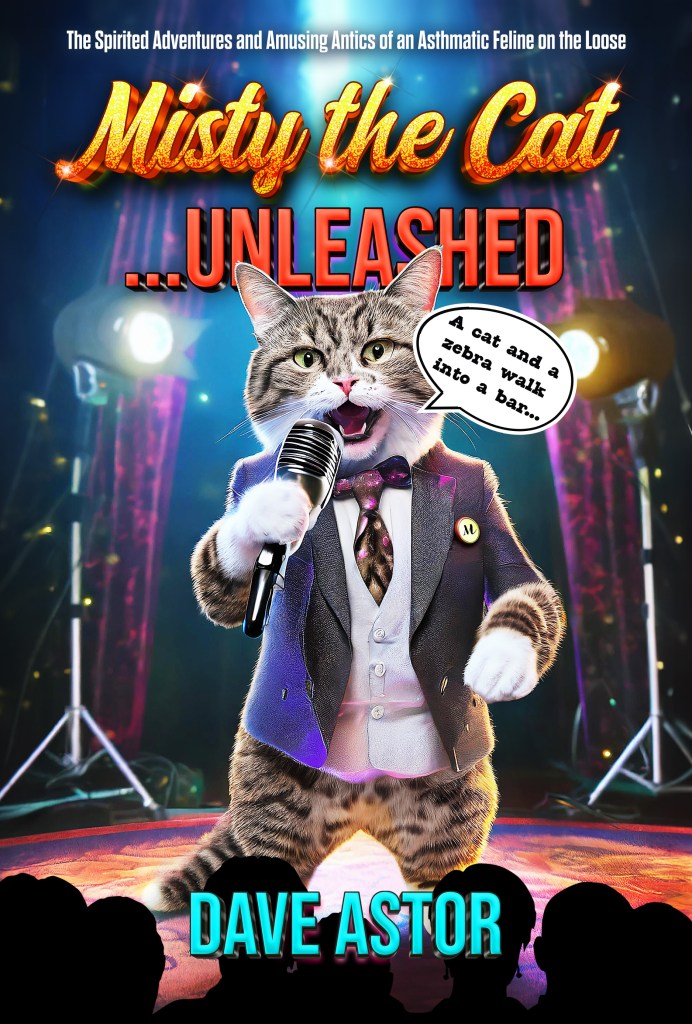
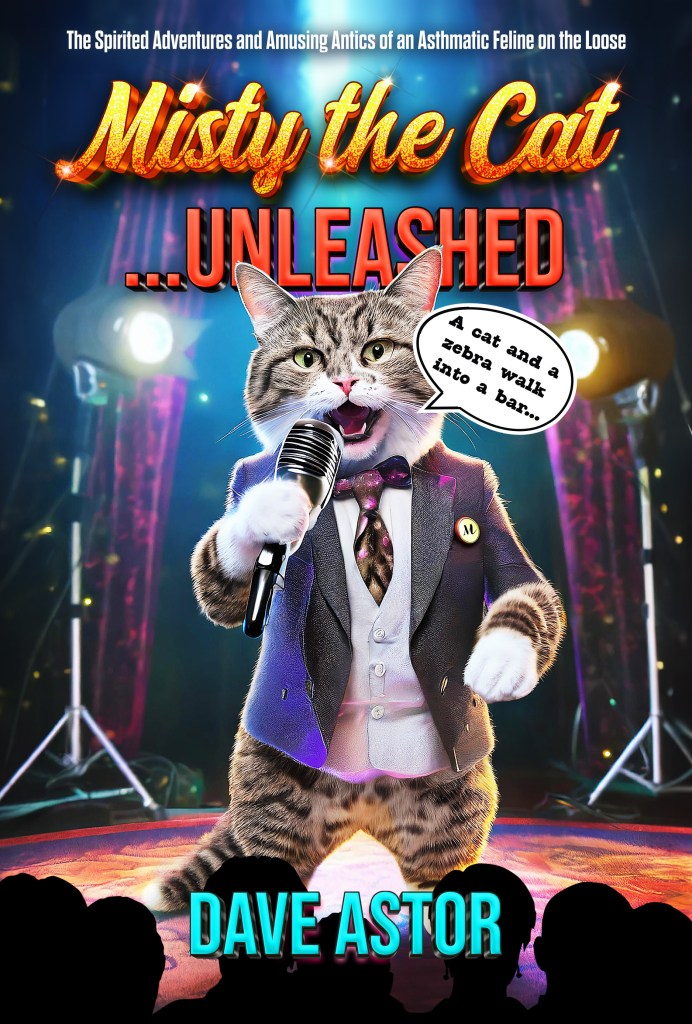
My comedic 2024 book — the part-factual/part-fictional/not-a-children’s-work Misty the Cat…Unleashed — is described and can be purchased on Amazon in paperback or on Kindle. It’s feline-narrated! (And Amazon reviews are welcome. 🙂 )
This 90-second promo video for the book features a talking cat: 🙂

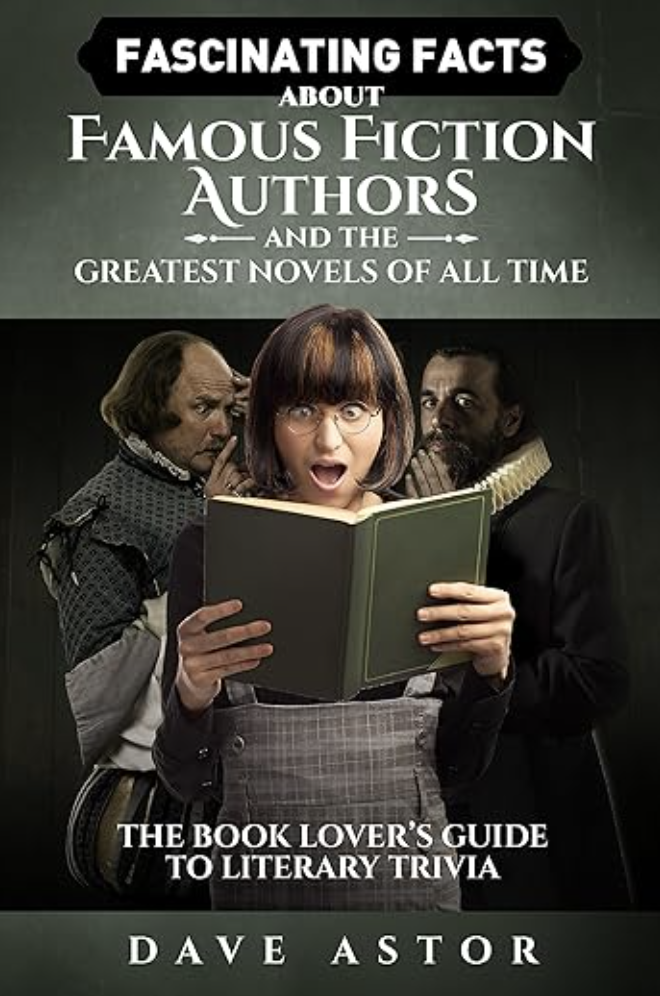
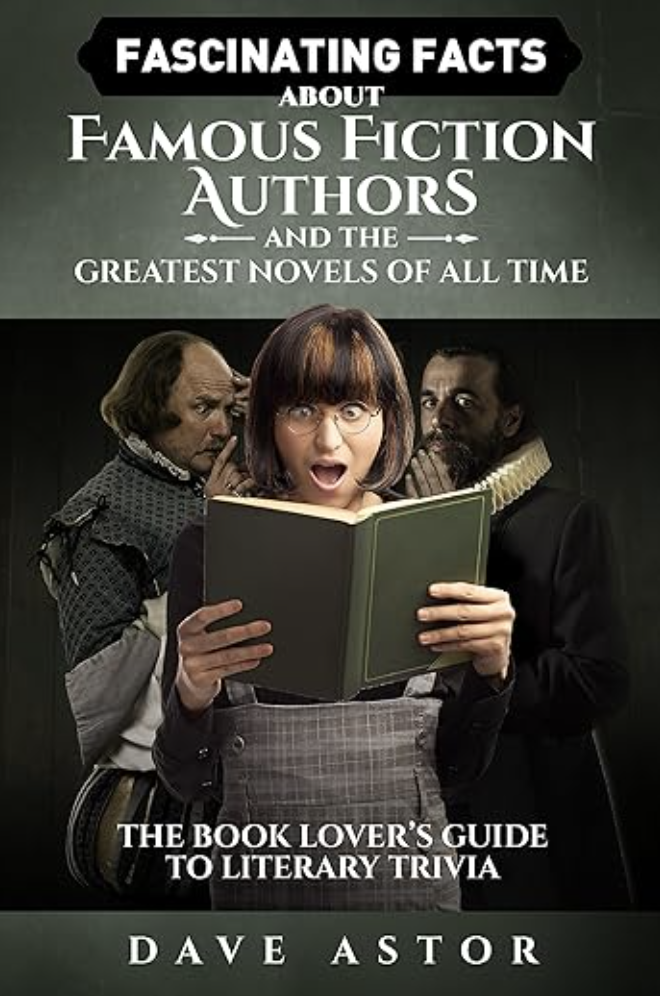
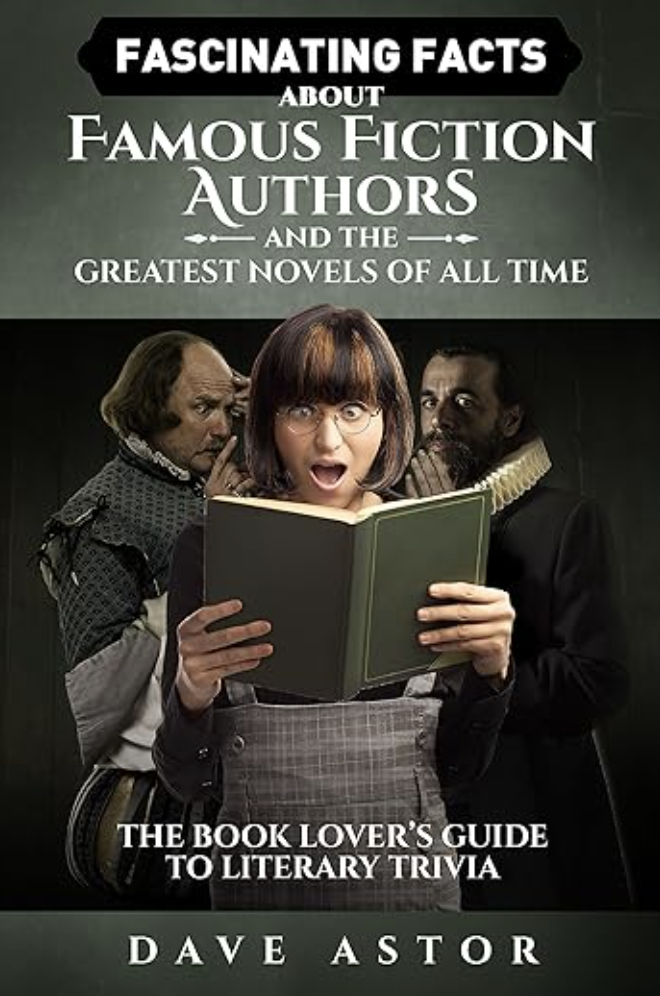
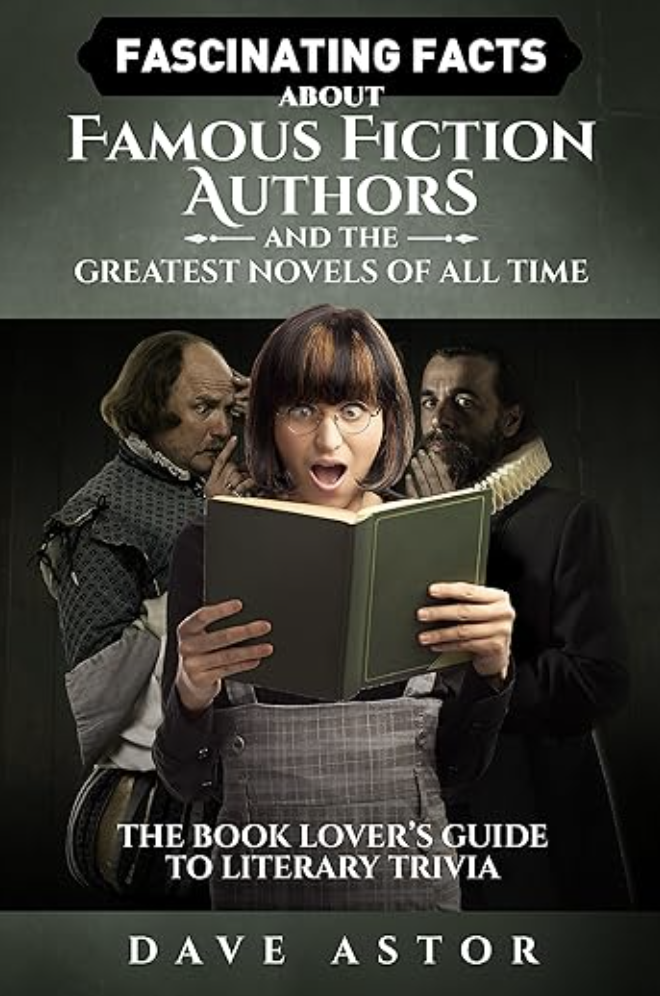
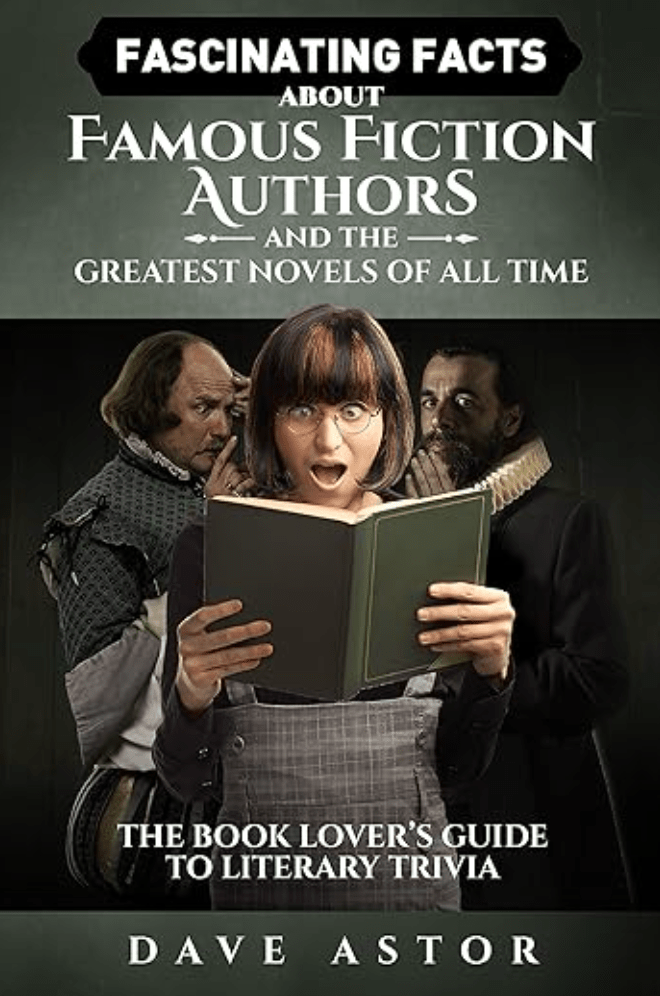
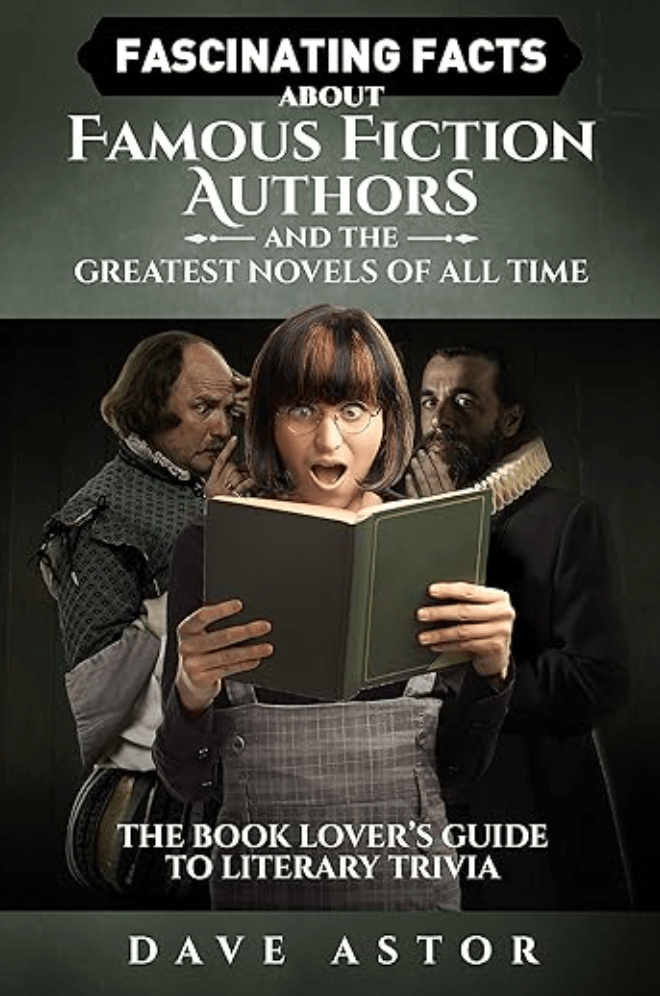
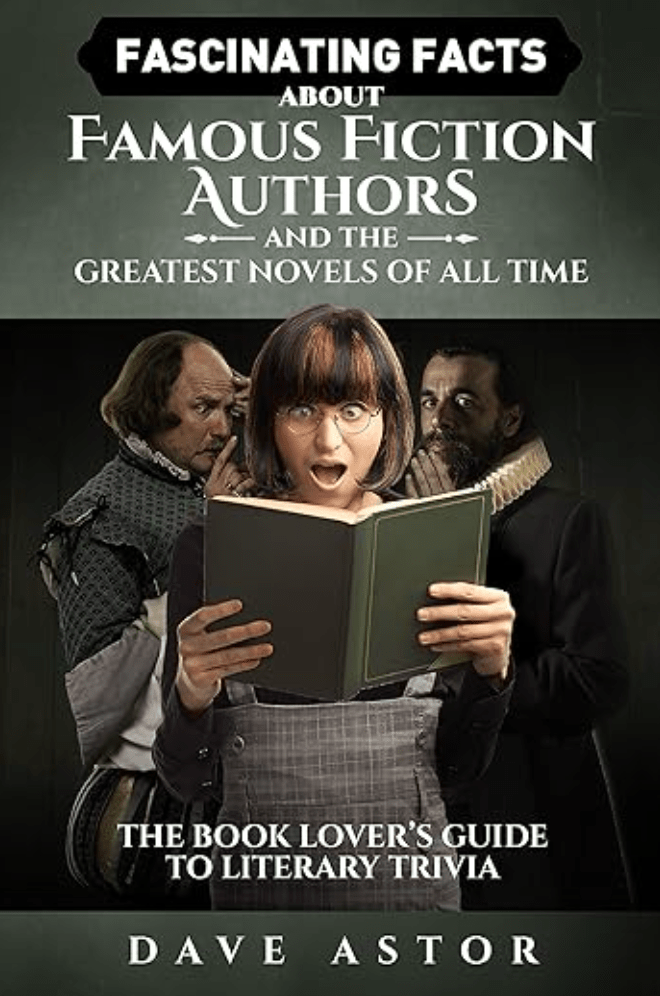
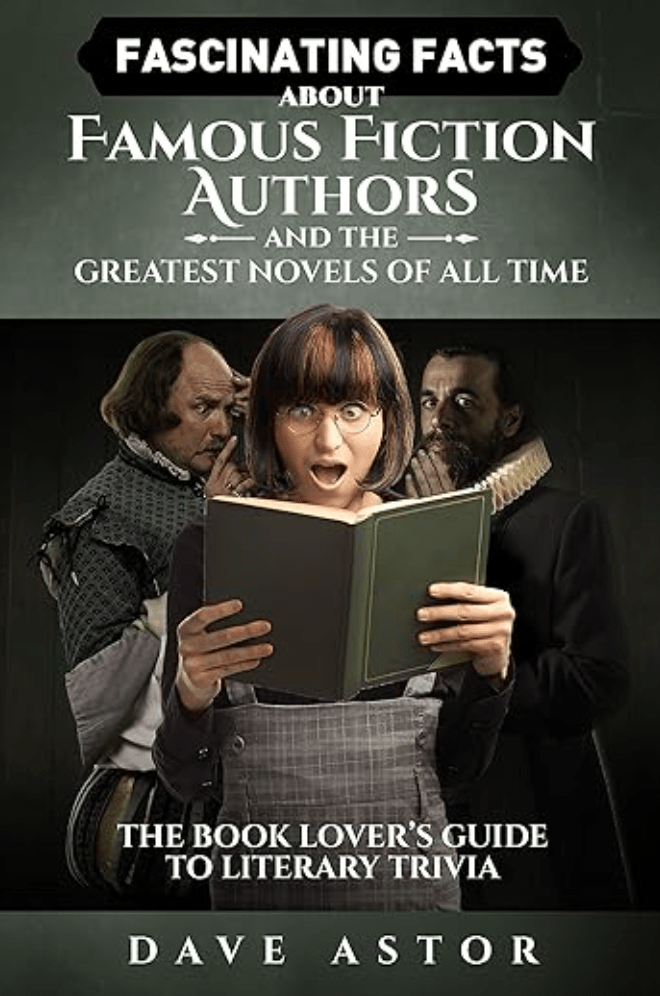
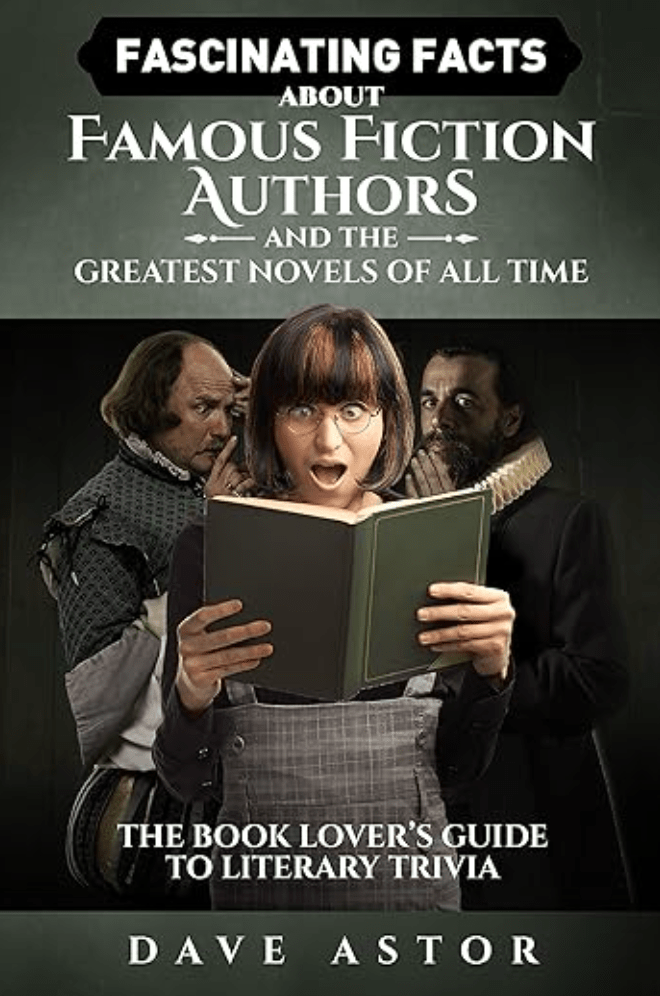
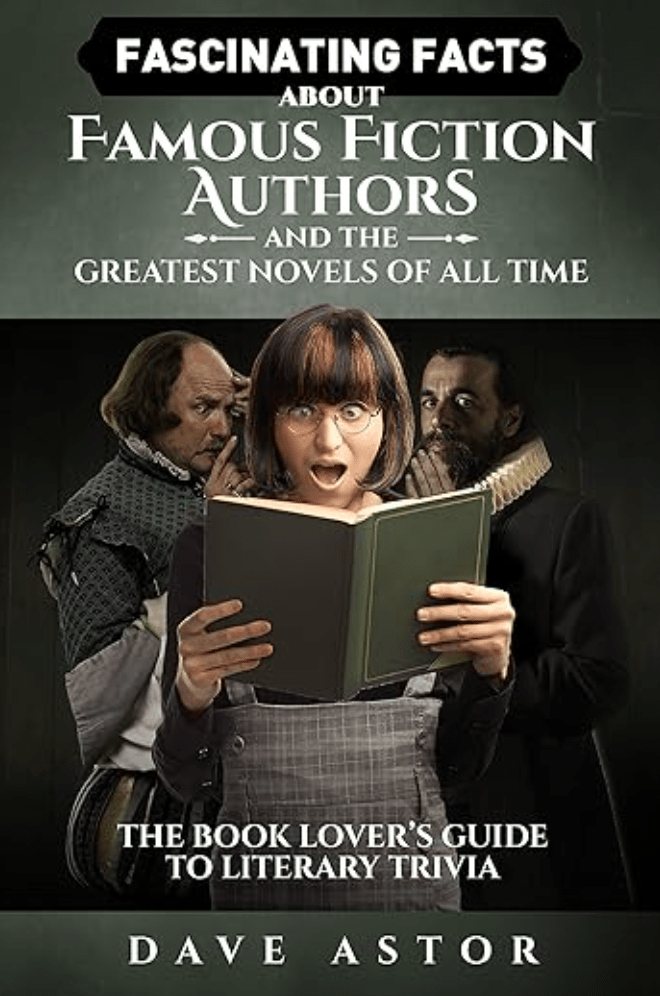
I’m also the author of a 2017 literary-trivia book

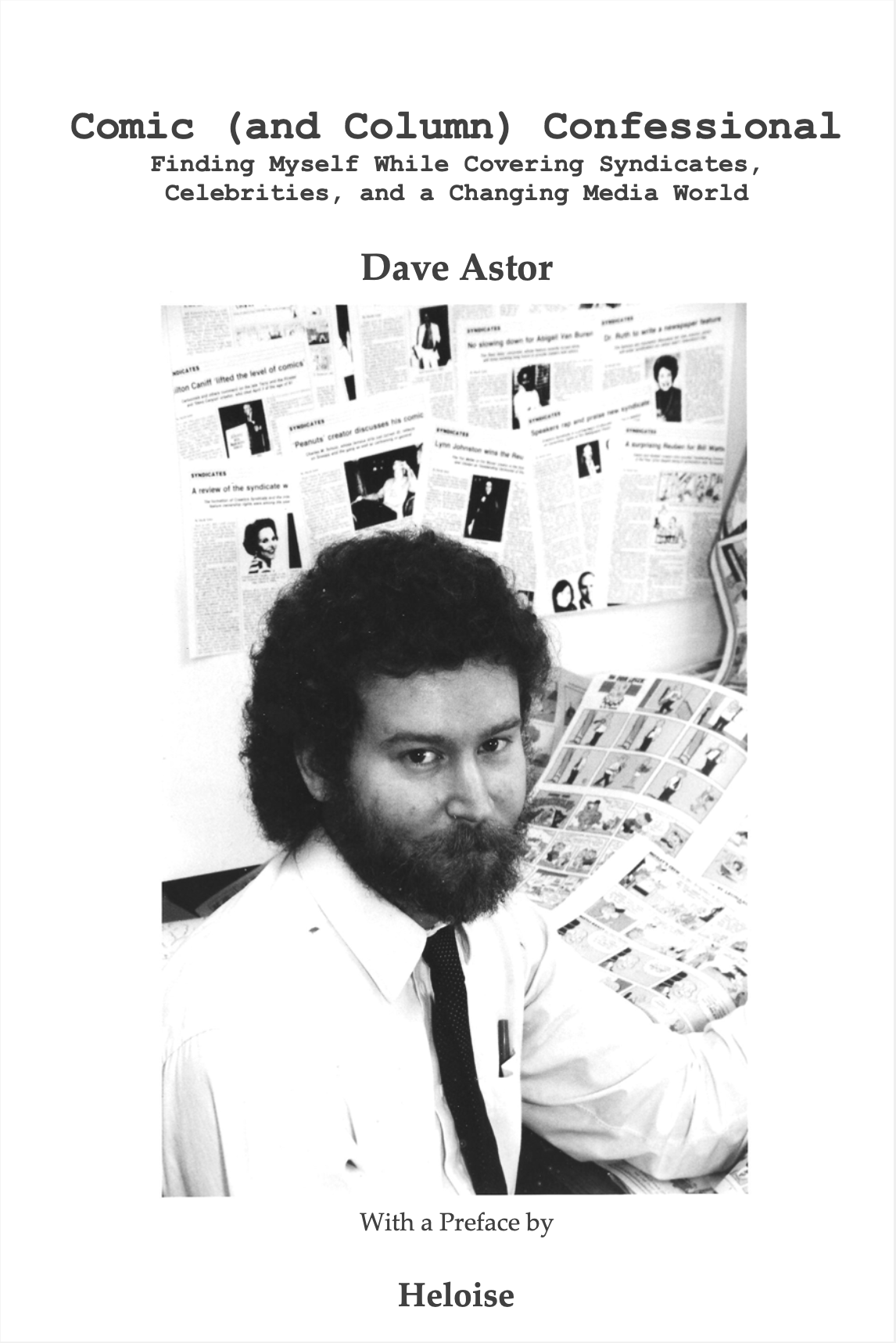
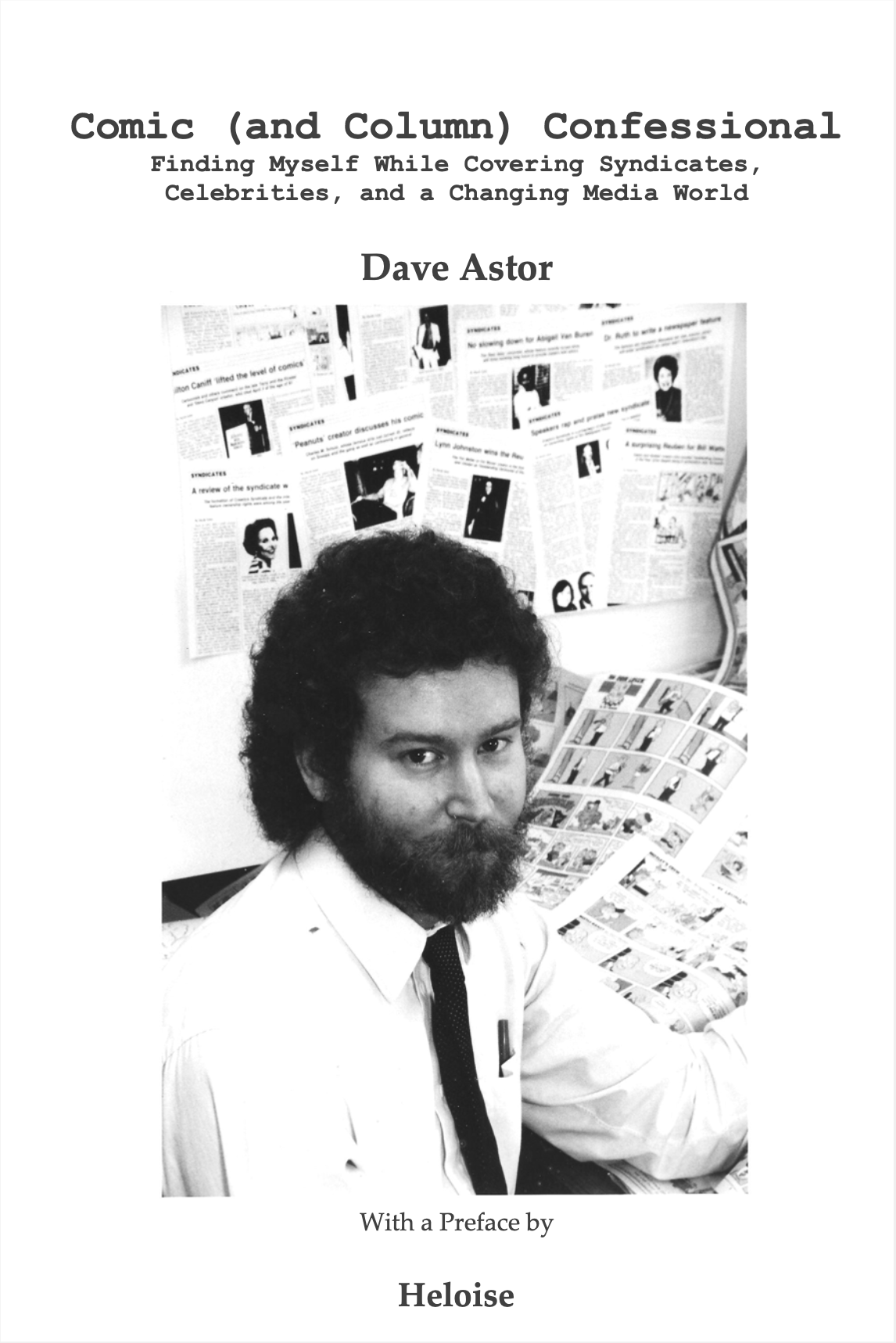
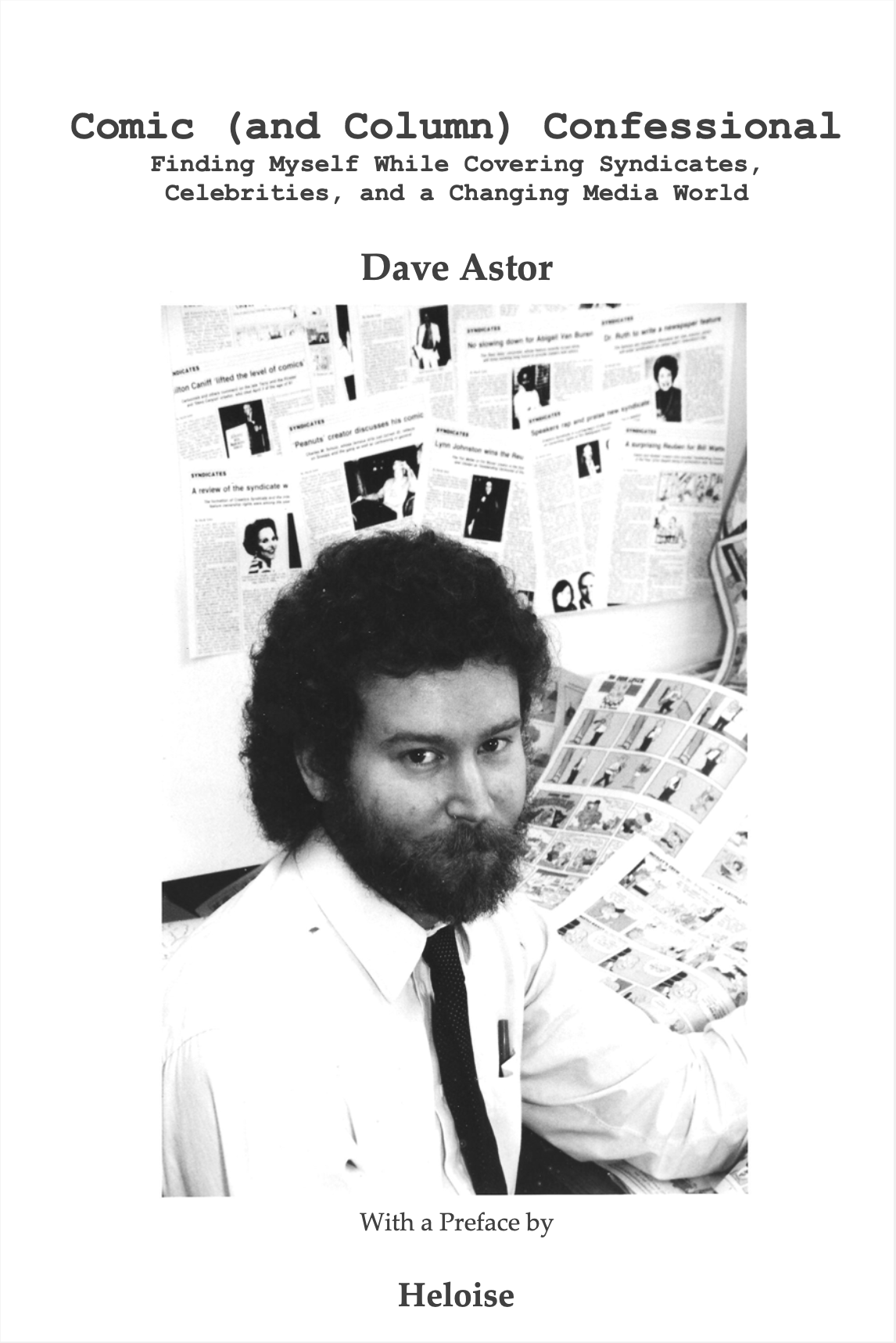
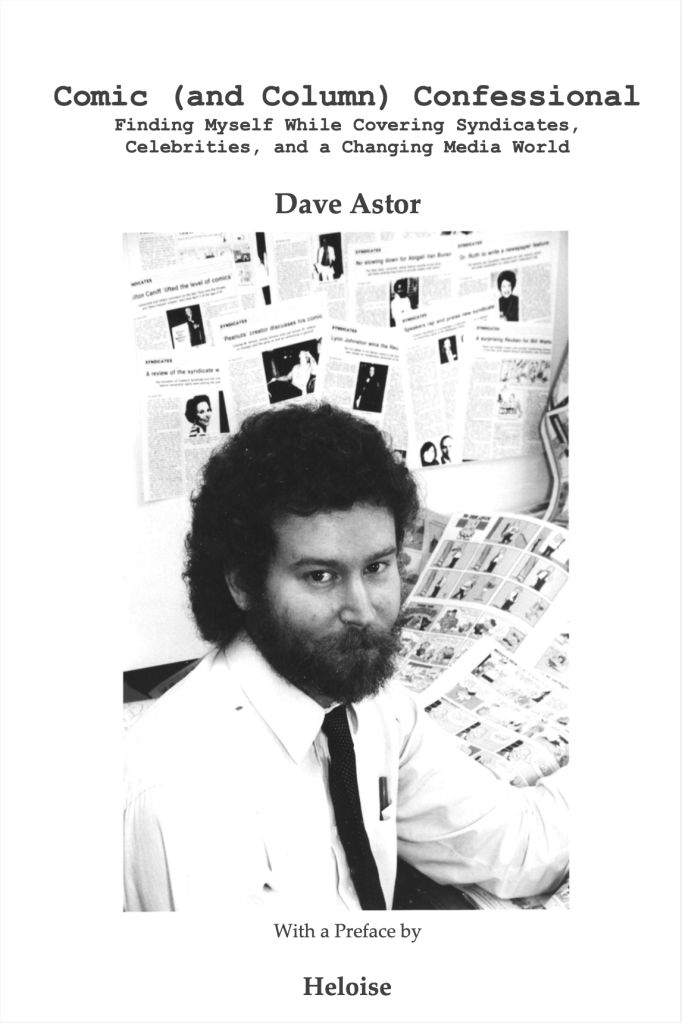
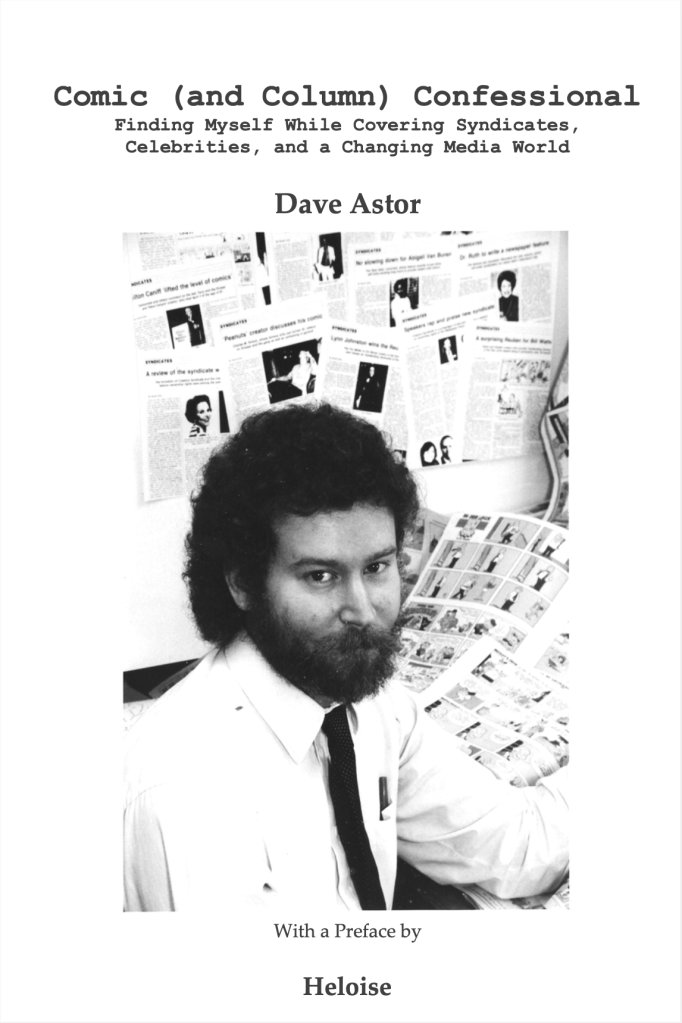
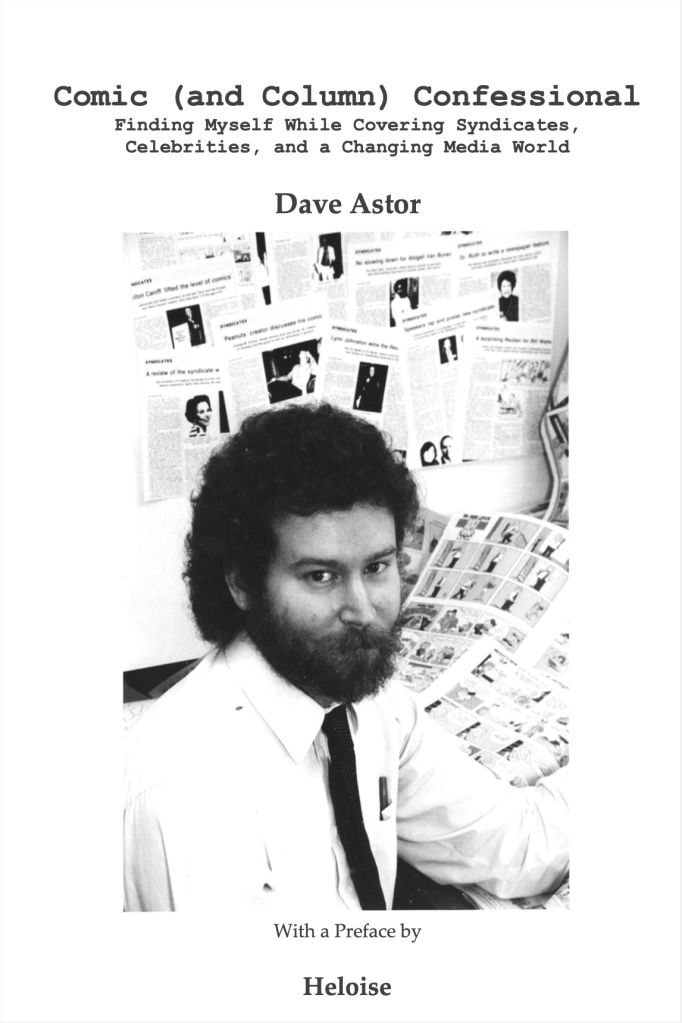
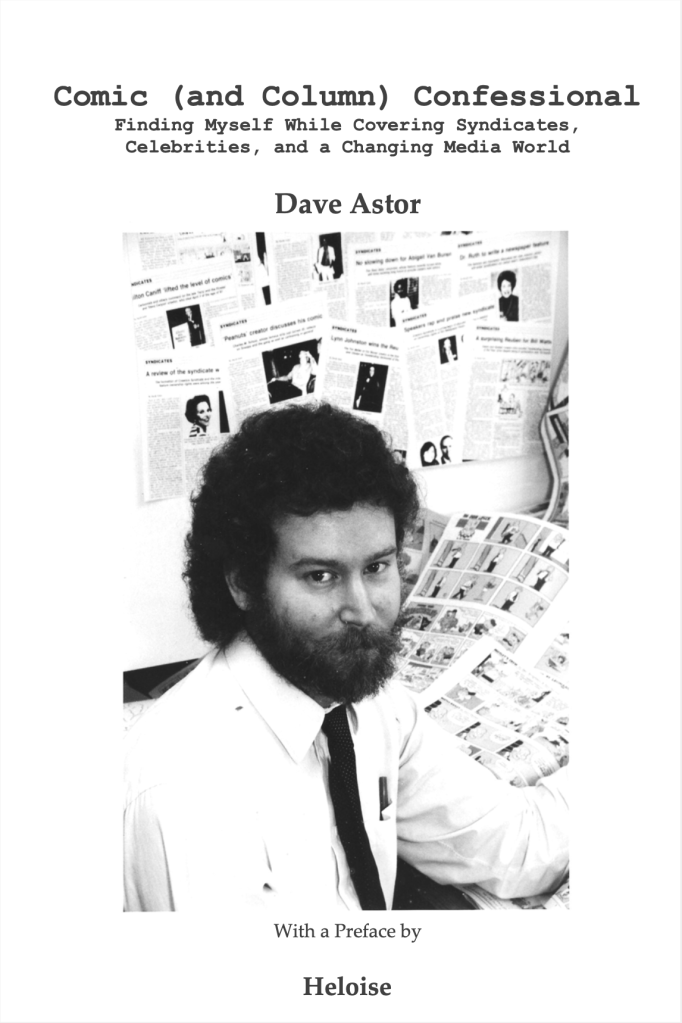
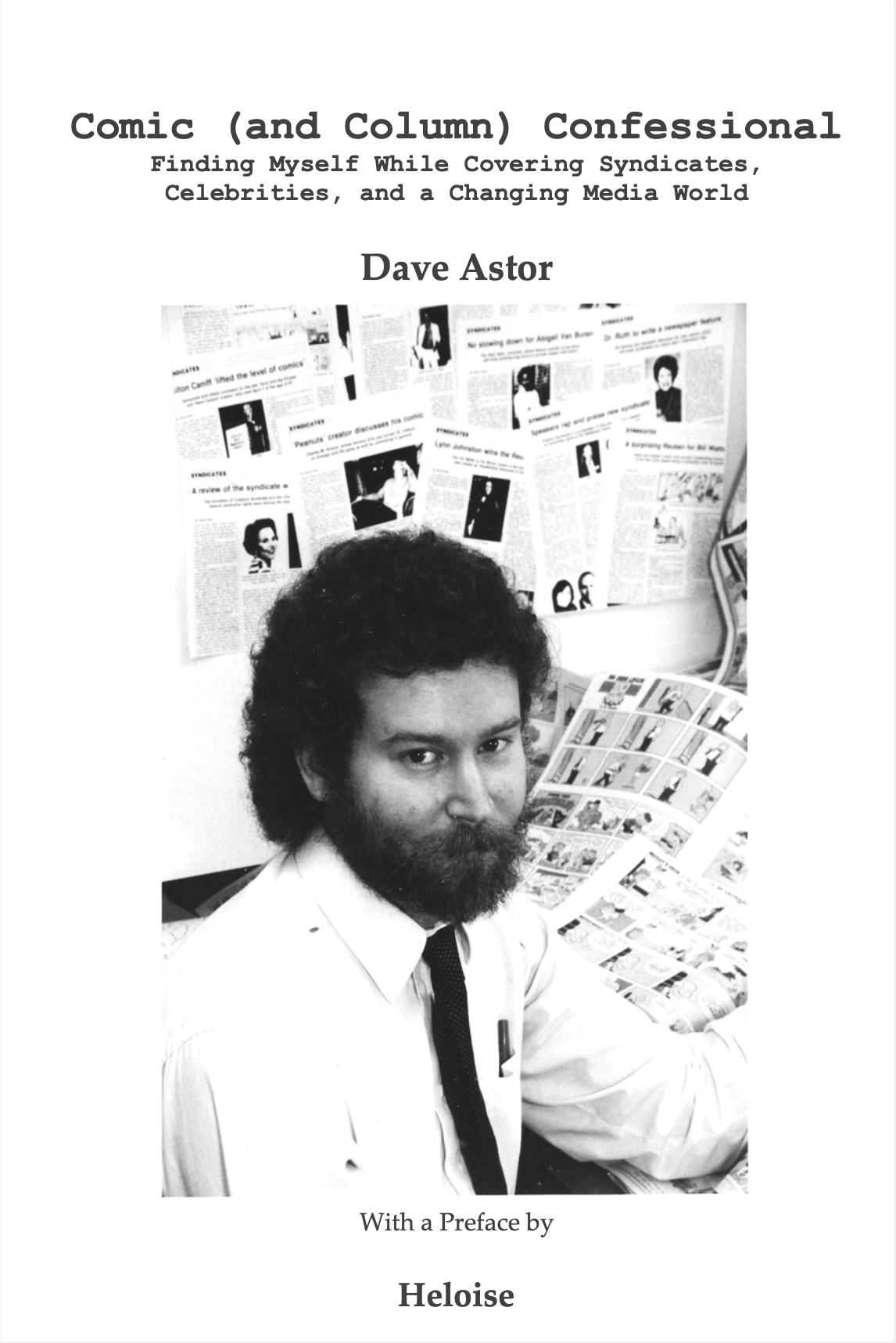
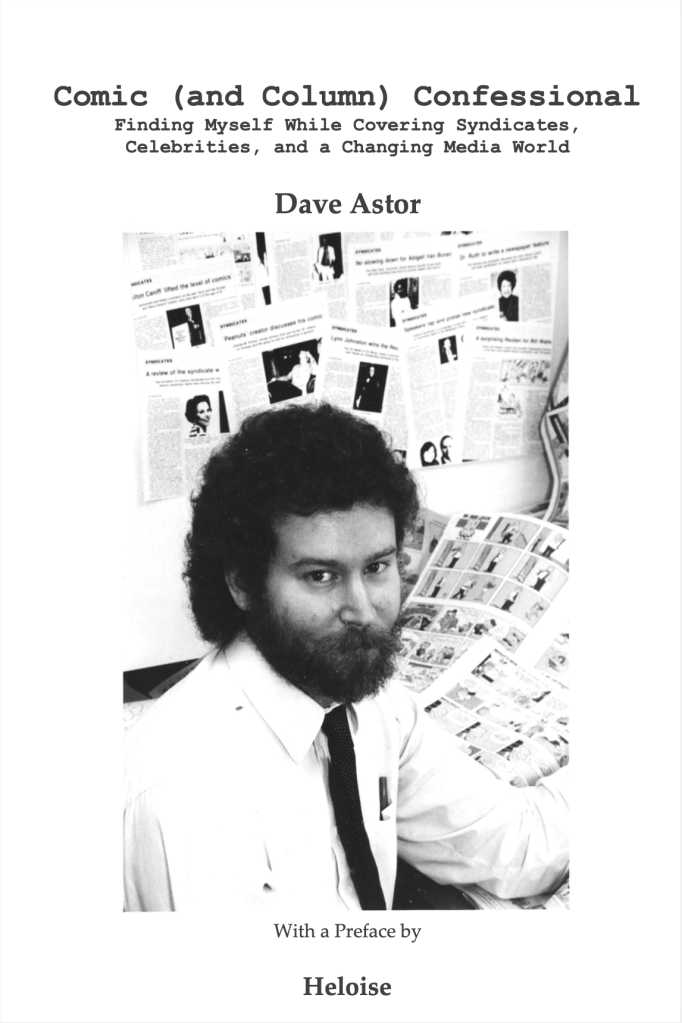
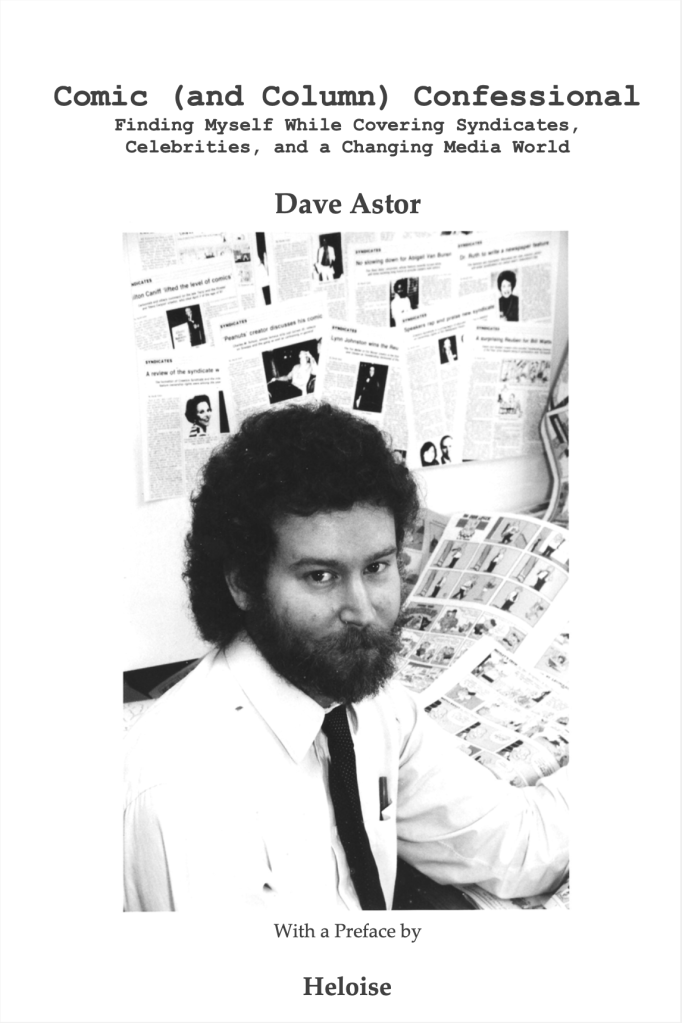
…and a 2012 memoir that focuses on cartooning and more, including many encounters with celebrities.
In addition to this weekly blog, I write the 2003-started/award-winning “Montclairvoyant” topical-humor column every Thursday for Montclair Local. The latest piece — which has “no appeal” appeal — is here.

Feline Post Includes Mentions of Jane Austen and ‘The Host’

I, Misty the cat, say: “Putting together a guest blog post is like putting together a puzzle.” (Photo of my kitty self taken by my adult female human Laurel.)

Misty the cat here, returning for my every-two-month takeover of Dave’s blog — which I do by gunpoint, minus the gun. This is a particularly memorable time for me to post because tomorrow is the 8th anniversary of my adoption into my forever family, from whom I’ve received everything I could desire except a bed the size and shape of Buckingham Palace. King Chuck III has some ‘splaining to do.

And in nine days — December 16 — there’ll be a milestone moment for literature: the 250th anniversary of Jane Austen’s 1775 birth! Rebecca Budd, who comments here every week, has already posted about that anniversary in one of her great blogs. The year 1775 was also significant for being the start of the American Revolutionary War and for Apple’s rollout of the iMusket 9.

Back to Austen. I’m often (well, never) asked how I rank her six novels, and here’s my kitty answer: 1, 2, 3, 4, 5, 6. Oh, you want titles, too? 1) Persuasion. 2) Pride and Prejudice. 3) Sense and Sensibility. 4) Mansfield Park. 5) Emma. 6) Northanger Abbey. This is also Dave’s order of faves (rhyme alert!), which means we were both bribed by the same literary scholars. Austen’s early 19th-century books have aged well…partly because I keep them in my wine cellar. Actually, I don’t have a wine cellar. No cat does.

And today, December 7, is the 84th anniversary of the 1941 attack on Pearl Harbor, an event vividly depicted near the end of Herman Wouk’s compelling novel The Winds of War. If those winds had become strong enough, Wouk’s book would’ve been titled The Hurricanes of War — storms that fall alphabetically between Hurricane Violin and Hurricane Xylophone.

The Winds of War was followed by Wouk’s epic War and Remembrance — the title of which has the initials “WAR.” Coincidence? Well, Hurricane Coincidence falls alphabetically between Hurricane Bassoon and Hurricane Didgeridoo.

My current reading? I, Misty the cat, recently finished Twilight author Stephenie Meyer’s The Host, an excellent work of sci-fi that stars a being who lives inside a human body. So, no, the book is not a historical novel about Johnny Carson, who was not related to The Heart Is a Lonely Hunter author Carson McCullers, who was a top-notch writer but apparently didn’t know that a heart can’t hunt animals without a permit and that vegans prefer Fannie Flagg’s novel Fried Green Tomatoes at the Whistle Stop Cafe. Also, American frontiersman Kit Carson was not a feline like me.

Natty Bumppo did the frontiersman thing, too, in James Fenimore Cooper’s five “Leatherstocking” novels that included The Last of the Mohicans. Cooper was an American contemporary of aforementioned Englishwoman Jane Austen, and there are even rumors that they collaborated on a novel called The Last of the Emmas. So I’m puzzled (see photo) that we later had people such as actresses Emma Thompson and Emma Watson.

The latter of course played Hermione Granger in the Harry Potter movies based on the J.K. Rowling novels. Seven books, eight movies, and nine lives (experienced by cats like me). Plus there are 10 characters in Agatha Christie’s famed mystery novel And Then There Were None, whose plot focuses on the number of dry-food pellets left in my bowl after I finish eating. No mystery where those pellets went.

Which books do I want for Christmas? Charles Dickens’ A Christmas Carol, Fannie Flagg’s A Redbird Christmas, John Grisham’s Skipping Christmas, Betty Smith’s A Christmas Tree Grows in Brooklyn, Anthony Burgess’ A Christmas Orange, Fyodor Dostoevsky’s Christmas and Punishment, Aldous Huxley’s Brave New Christmas, Barbara Kingsolver’s Demon Christmashead, E.M. Forster’s A Passage to Christmas, Chinua Achebe’s Christmas Falls Apart

Dave will reply to comments as I either finish the puzzle I’m photographed with or swat every piece of that puzzle into January 2026.

I, Misty the cat, say: “There’s gotta be a sidewalk sale around here somewhere.”

Dave and my comedic 2024 book — the part-factual/part-fictional/not-a-children’s-work Misty the Cat…Unleashed — is described and can be purchased on Amazon in paperback or on Kindle. It’s feline-narrated! (And Amazon reviews are welcome. 🙂 )

This 90-second promo video for the book features a talking cat: 🙂

Dave is also the author of a 2017 literary-trivia book

…and a 2012 memoir that focuses on cartooning and more, including many encounters with celebrities.

In addition to this weekly blog, Dave writes the 2003-started/award-winning “Montclairvoyant” topical-humor column every Thursday for Montclair Local. The latest piece — from which Sir Walter Scott should remove himself from discussion of a referendum-halting court decision — is here.
Memorable Book Titles

Time to talk titles of novels again! The names of books are very important, of course, and can be good in a utilitarian sort of way or very memorable. Today, I’m going to focus on the latter.

This topic occurred to me last week as I read The Late Show by Michael Connelly. It’s a page-turning start of a series featuring Renee Ballard, a Los Angeles police officer of Polynesian descent who deals with crime on her beat and sexism within her department. The novel’s title is perfectly fine — Ballard works the night shift in the 2017 book — but not one for the ages.

What are some titles for the ages? Looking at my list of novels I’ve read since starting this blog in 2014, here are a number of those that stood out:

Colorless Tsukuru Tazaki and His Years of Pilgrimage, Haruki Murakami’s 2013 novel starring a Japanese railroad engineer. A many-worded title that’s almost guaranteed to spark a reader’s curiosity.

There’s also Hotel on the Corner of Bitter and Sweet (2009), Jamie Ford’s poetically named historical novel that hinges on the U.S. government’s disgraceful internment of Japanese-Americans during World War II.

The 100-Year-Old Man Who Climbed Out the Window and Disappeared! That title of Jonas Jonasson’s 2009 novel is unusually long, and descriptively grabs one’s interest. A bit clunky, too, but…

Then there’s The Case of the Deadly Butter Chicken (2012), one of the India-set novels in Tarquin Hall’s series featuring private investigator Vish Puri.

The title of Jesse Walter’s The Financial Lives of Poets (2009) gets readers’ attention as they contemplate the left-brain/right-brain thing.

How about My Grandmother Asked Me to Tell You She’s Sorry (2013)? Fredrik Backman, who is most famous for authoring A Man Called Ove, doesn’t need to apologize for his intriguing nine-word title.

Also in 2013, Fannie Flagg created quite a title with The All-Girl Filling Station’s Last Reunion — whose characters include a woman who was a World War II aviator.

The alluring and alliterative title of Jane Smiley’s Perestroika in Paris (2020) throws readers a curve because it’s not about political reform a la late-1980s Soviet Union but about an interesting horse.

Barbara Kingsolver’s Demon Copperhead takes the oft-used route of naming a novel after its title character, but what an unusual name that character has! A name that riffs on David Copperfield, star of the 1850 Charles Dickens classic that served as a quasi-template for Kingsolver’s 2022 book.

And lest we focus only on 21st-century novels with noteworthy names, there’s Janet Frame’s Yellow Flowers in the Antipodean Room (1969), about a supposedly dead man who turns out to be very much alive.

Some of the more memorably titled novels you’ve read?

Misty the cat says: “My college human is home for Thanksgiving weekend and majoring in Walking Me.”

My comedic 2024 book — the part-factual/part-fictional/not-a-children’s-work Misty the Cat…Unleashed — is described and can be purchased on Amazon in paperback or on Kindle. It’s feline-narrated! (And Amazon reviews are welcome. 🙂 )

This 90-second promo video for the book features a talking cat: 🙂

I’m also the author of a 2017 literary-trivia book

…and a 2012 memoir that focuses on cartooning and more, including many encounters with celebrities.

In addition to this weekly blog, I write the 2003-started/award-winning “Montclairvoyant” topical-humor column every Thursday for Montclair Local. The latest piece — containing more news about my school district’s huge deficit amid pizza-for-Thanksgiving comedic content 🙂 — is here.
When Authors Place Their Bet on Debt

A current major issue in my town of Montclair, New Jersey, is a massive school-budget deficit. As I continued to write about that each week in my “Montclairvoyant” topical-humor column, thoughts came to mind about fictional people facing debt and related financial troubles — a situation that provides much dramatic fodder while often evoking sympathy for those money-challenged characters.

Not knowing in advance that it would fit this topic, I happened last week to read a Richard Paul Evans novel called The Walk in which Seattle ad executive Alan Christoffersen loses his home, his car, and most of his other possessions because of huge medical bills for his paralyzed-in-an-accident wife McKale, being cheated by his work partner, and other reasons.

When reading about any character in fiscal peril, we wonder how they will react and what the ultimate outcome for them will be. In Evans’ 2009 novel, a despairing Alan ends up starting a long walk to Key West, Florida…nearly 3,500 miles away!

The pricey and problematic health-care system in the U.S. — the world’s only “developed” country without some form of government-run national insurance for all — also takes a huge financial toll on Shep Knacker when his wife Glynis becomes ill in (Ms.) Lionel Shriver’s compelling part-satirical novel So Much for That (2010).

Moving from the 21st-century United States to 19th-century France, we have Honore de Balzac’s 1837 novel Cesar Birotteau — whose Parisian title character is a successful shop owner and deputy mayor who becomes bankrupt after getting manipulated into property speculation. He spends the rest of the book on a mission to restore his honor by trying to pay off his debt.

A later French novel, Emile Zola’s The Drinking Den (1877), features another initially successful businessperson: Gervaise Macquart, who manages to open her own laundry through very hard work. She is happily married until her husband’s life spirals downward after he falls from a roof. Coupeau’s descent drags the family into poverty and alcoholism.

In-between those books came Gustave Flaubert’s 1857 novel Madame Bovary, in which the adulterous title character gets into serious debt spending on luxuries. When the debt is called in and can’t be paid, Emma Bovary decides to…

Over in 19th-century England, there was Charles Dickens’ also-published-in-1857 novel Little Dorrit — whose title character (first name Amy) was born and grows up in a debtors’ prison where her father William has been incarcerated. Partly inspired by Dickens’ childhood.

Back in France, Guy de Maupassant’s classic 1884 short story “The Necklace” is about a woman who loses a glittery borrowed necklace and goes into years of life-ruining debt after paying for a replacement. The tale has one of the most famous surprise endings in literature.

Authors themselves have of course also experienced money troubles. For instance, Sir Walter Scott in later life tried to frantically write his way out of debt after a banking crisis caused the collapse of a printing business in which the Scottish author had a large financial stake.

Also later in life, Mark Twain filed for bankruptcy after years of investing heavily in a mechanical typesetter that didn’t catch on. He survived financially and paid off debt by giving up his ornate Hartford, Connecticut, mansion and later embarking on a worldwide speaking tour.

Your thoughts about, and examples of, this theme?

Misty the cat says: “I didn’t know my apartment complex was zoned for a car dealership.”

My comedic 2024 book — the part-factual/part-fictional/not-a-children’s-work Misty the Cat…Unleashed — is described and can be purchased on Amazon in paperback or on Kindle. It’s feline-narrated! (And Amazon reviews are welcome. 🙂 )

This 90-second promo video for the book features a talking cat: 🙂

I’m also the author of a 2017 literary-trivia book

…as well as a 2012 memoir that focuses on cartooning and more, and includes many encounters with celebrities.

In addition to this weekly blog, I write the 2003-started/award-winning “Montclairvoyant” topical-humor column every Thursday for Montclair Local. The latest piece — about my local Township Council’s welcome vote to support a proposed state bill to protect immigrants from the Trump regime — is here.
Cars Can Help Drive the Plots of Novels

Our 2014 Toyota Prius leaving its apartment-complex garage. (Driven by my wife Laurel/photographed by me.)

My wife Laurel and I drove from New Jersey to Michigan and back this weekend for a memorial service in Ann Arbor for a cherished family member. It was a crazily compressed November 14-16 car journey of more than 1,200 miles round trip — a travel method we chose to avoid possible flight problems in the aftermath of the U.S. government shutdown.

Anyway, all that automotive time means I have driving on my mind, so I’m resurrecting a piece about cars in literature that I wrote for The Huffington Post in 2013, a year before starting this WordPress blog. Here it is, slightly edited and slightly rewritten:

In literature, sometimes a car is just a car. But sometimes it’s a “vehicle” for authors to write about independence, loneliness, progress, sex, death, wealth, poverty, and more.

Whether or not book-based cars are weighted with symbolism, most readers relate to driving. So I’d like to steer you to some novels in which cars are important “characters,” and then hear about your favorite fictional works that feature those on-the-road contraptions.

Which reminds me of Jack Kerouac’s On the Road novel and the way some cars in literature are used to search (futilely or otherwise) for freedom and/or pleasure, and can speak to characters’ restlessness, aimlessness, and/or discontent.

That’s the case in Paul Auster’s The Music of Chance. Protagonist Jim Nashe spends the first part of the novel endlessly crisscrossing the U.S. in a car after his wife leaves him. The ex-firefighter, who finances his marathon road trip with an unexpected inheritance, eventually ends up involved in a high-stakes poker game at the mansion of two eccentric/heartless rich guys. Then things get really weird before the novel concludes with (wait for it!) one more car ride.

There’s another fateful auto scene — though not at the end of the book — in Jeffrey Eugenides’ Middlesex. It’s a car chase that features Calliope’s dad Milton driving too fast on the Ambassador Bridge between Detroit and Canada.

Motor vehicles also figure prominently in Booth Tarkington’s The Magnificent Ambersons, with successful automaker Eugene Morgan representing turn-of-the-20th-century progress while Major Amberson and his dwindling fortune represent the vanishing horse-and-buggy age. New money vs. old money and all that.

Tarkington contemporary L.M. Montgomery offers a scene in The Blue Castle of Valancy Stirling sharing an exuberant car ride with “misfit” Barney Snaith. Many people in their straitlaced town are suspicious of Barney, but Valancy finds him very interesting — so the car ride is a symbol of Valancy’s break from the conventions of her place, time, and family.

Novels of the Montgomery-Tarkington era were usually subtle about sex, but that’s not the case with many books of recent decades. For instance, there’s a scene in Ken Grimwood’s time-travel novel Replay that shows how cars can potentially be bedrooms on wheels.

Speaking of time travel, there’s a great section of Jack Finney’s Time and Again in which Simon accompanies Julia from her present (1880s) to his present (around 1970), and Julia is of course stunned by the experience of riding in a modern motor vehicle.

Readers are the ones who might be stunned as they peruse Charles Dickinson’s The Widows’ Adventures, a novel starring two women on a long road trip. The one doing the driving is…blind!

Then there are supernatural thrills in car-oriented Stephen King novels such as Christine and From a Buick 8. The latter book includes a spooky gas station scene before various law-enforcement people enter the story.

Two memorable moments in Cormac McCathy’s Suttree involve what the title character does to a police car (to avenge racist cop behavior) and what Suttree’s girlfriend does to the couple’s own car. And in Fay Weldon’s The Bulgari Connection, the spurned older wife is jailed after using an auto to do a certain something to the trophy wife who “replaced” her.

Or how about that tense yet hilarious Harry Potter and the Chamber of Secrets scene in which J.K. Rowling has Harry and Ron travel to Hogwarts in a flying car? An auto can definitely be a “vehicle” for humor.

On a much more serious note, a car converted into a truck of sorts is how the Joad family travels from drought-stricken/agribusiness-devastated Oklahoma to a hoped-for better life in California. But the reality out west for the non-rich is as dismal as the Joads’ aged jalopy in John Steinbeck’s The Grapes of Wrath.

People take long car trips for various reasons. In John Grisham’s The Client, attorney Reggie Love and her beleaguered 11-year-old client Mark drive from Memphis to New Orleans to try to locate the body of a murdered U.S. senator.

What are your favorite fictional works with motor vehicle motifs?

Misty the cat says: “The Lincoln Tunnel has been renovated!”

My comedic 2024 book — the part-factual/part-fictional/not-a-children’s-work Misty the Cat…Unleashed — is described and can be purchased on Amazon in paperback or on Kindle. It’s feline-narrated! (And Amazon reviews are welcome. 🙂 )

This 90-second promo video for the book features a talking cat: 🙂

I’m also the author of a 2017 literary-trivia book

…and a 2012 memoir that focuses on cartooning and more, including many encounters with celebrities.

In addition to this weekly blog, I write the 2003-started/award-winning “Montclairvoyant” topical-humor column every Thursday for Montclair Local. The latest piece — about two flawed local ballot questions relating to a massive school budget deficit — is here.
Optimistic Fiction Can Be Optimal

Election Day on November 4 brought some good news during a very dark year for American politics. Various progressive and centrist candidates decisively won state and local races that were in part votes against the cruel, far-right Trump regime — providing some hope for people who want kinder and gentler government.

The highlight for me was the resounding victory of Zohran Mamdani over Andrew Cuomo for mayor of New York City, where I used to live and work — and just 12 miles east of my current apartment in New Jersey. Mamdani ran a masterful campaign focusing on affordability, enabling the 34-year-old Democrat/democratic socialist to become NYC’s youngest mayor in over a century and its first Muslim mayor when he’s sworn in on January 1. Cuomo — who ran as an independent after losing the Democratic primary to Mamdani in June — is a mean-spirited, Trump-like figure (even endorsed by the Republican president!) who resigned in disgrace as New York governor in 2021 after being credibly accused of sexual misconduct by 13 women, after causing many deaths by allowing nursing homes to readmit hospital patients with Covid, etc.

Being in a good mood, I thought I’d write a post about novels that are utopian — or at least contain a lot of hope, feature extraordinarily nice characters, etc. I’ve written before about dystopian novels, so it’s a pleasure to go the opposite route today. 🙂

One utopian novel I thought of is Edward Bellamy’s Looking Backward (1888), in which Boston-based protagonist Julian West travels forward in time from 1887 to 2000 and finds that society is doing pretty well in a democratic socialist sort of way. (Reminded me a bit of the Star Trek franchise’s often sunny view of the future.) We get the added bonus in Looking Backward of the debit card being invented by the author — who, incidentally, was a cousin of “Pledge of Allegiance” writer Francis Bellamy.

I also thought of Island (1962), Aldous Huxley’s final novel. As utopian as the author’s Brave New World was dystopian, Island features a cynical journalist who lands on an…island…and finds himself observing a very appealing society. Not one of Huxley’s best novels, but it was interesting to get a feel-good story from him.

There’s also Lost Horizon, James Hilton’s 1933 novel about a visit to an idyllic place called Shangri-La. The part-utopian tale is mesmerizing.

Both utopian and cautionary is Nathaniel Hawthorne’s A Blithedale Romance (1852), set in a commune that’s not as wonderful as it ideally could be. In fact, the semi-autobiographical novel kind of satirizes would-be utopian life.

Not-utopian novels that are mostly upbeat and/or heartwarming are semi-utopian in a way, as can be books that offer happy endings after the protagonist faces challenges. I’m looking at you, L.M. Montgomery; her novel The Blue Castle (1926) and its Valancy Stirling star are real mood-lifters. There are of course many other nice, kind characters — such as Tiny Tim of Charles Dickens’ A Christmas Carol (1843) — with positive outlooks on life even if life, in some cases, has dealt them a bad hand.

The novel I read most recently, The Chemist (2016) by Stephenie Meyer of Twilight fame, is a page-turning thriller that focuses on the tough, brainy, loner, brave-but-often-insecure female title character who goes by different names. As this small-in-physical-stature former government agent tries to fend off multiple murder attempts, she meets a teacher (Daniel) who is about as sweet and amiable as it gets.

Thoughts about and/or examples of this theme?

My next post will appear either later than usual on Sunday, November 16, or on Monday the 17th.

Misty the cat says: “As leaves turn brown, it’s either autumn or Snickers bars have a new look.”

My comedic 2024 book — the part-factual/part-fictional/not-a-children’s-work Misty the Cat…Unleashed — is described and can be purchased on Amazon in paperback or on Kindle. It’s feline-narrated! (And Amazon reviews are welcome. 🙂 )

This 90-second promo video for the book features a talking cat: 🙂

I’m also the author of a 2017 literary-trivia book

…and a 2012 memoir that focuses on cartooning and more, including many encounters with celebrities.

In addition to this weekly blog, I write the 2003-started/award-winning “Montclairvoyant” topical-humor column every Thursday for Montclair Local. The latest piece — commenting on election results in my town, New Jersey, and New York City — is here.
Novels with a Sunshine State of Mind

A Delray Beach retirement community in 2018. (Photo by me.)

Florida! Beaches. Palm trees. Retired senior citizens. Disney World. Miami Vice. Kennedy Space Center/Cape Canaveral. Many nationally known pro and college teams in football and other sports. A once-blue but now-red state led by far-right/mean-spirited Governor Ron DeSantis. The home state of far-right/mean-spirited President Donald Trump, a New York native.

“The Sunshine State” has personal elements for me, too. After she retired, my New York-born/later-New Jersey-based mother lived in Delray Beach from the early 1990s to her death in 2018. My wife has extended family in Florida, where I also have friends. I covered conferences in Orlando, Sarasota, and Boca Raton when I was a magazine writer.

As you might expect, I’m also going to discuss Florida’s various literary connections. It’s one of the places where Ernest Hemingway lived — in Key West. The state is associated as well with novelists Zora Neale Hurston and Marjorie Kinnan Rawlings, columnists/authors Dave Barry and Carl Hiaasen, and other wordsmiths. And it’s the state where “The Wizarding World of Harry Potter” is located — a theme park inspired, of course, by the blockbuster J.K. Rowling series.

I didn’t plan this, but the last two novels I read were set a little or mostly in Florida. First there was James Leo Herlihy’s Midnight Cowboy (known more for the iconic movie), a riveting book about a down-and-out Texas hustler in New York City who ends up taking a fraught bus ride to Miami. Then I proceeded to James Michener’s Recessional, which takes a poignant and very absorbing look at a senior facility near Tampa. It was Michener’s final novel — published when he was 87 — so the author really “lived” the subject matter.

Other novels with partial or mainly Florida settings? Referencing authors already mentioned in this post, there was Zora Neale Hurston’s compelling classic Their Eyes Were Watching God starring a memorable independent woman, Marjorie Kinnan Rawling’s Pulitzer Prize-winning The Yearling featuring a boy and his fawn, and Ernest Hemingway’s fishing-boat saga To Have and Have Not.

I’ve read the columns of Dave Barry and Carl Hiaasen, and met and written about both men, but have not tried any of their books.

But I have read Rita Mae Brown’s Rubyfruit Jungle, in which the lesbian protagonist leaves Florida for more-tolerant New York City; Colson Whitehead’s The Nickel Boys, much of which is set at a problematic reform school in Florida; Joy Fielding’s Cul-de-sac, a page-turner about the families living on one suburban Florida street; John Grisham’s thriller Camino Island, in which manuscripts of F. Scott Fitzgerald play a prominent role; and Peter Straub’s Ghost Story, which — not surprisingly for a novel partly set in Florida — prominently features senior citizens in its cast.

Thoughts about and/or examples of this theme?

Misty the cat says: 🎵 “There’s something happening here/what it is ain’t exactly clear.” 🎵

My comedic 2024 book — the part-factual/part-fictional/not-a-children’s-work Misty the Cat…Unleashed — is described and can be purchased on Amazon in paperback or on Kindle. It’s feline-narrated! (And Amazon reviews are welcome. 🙂 )

This 90-second promo video for the book features a talking cat: 🙂

I’m also the author of a 2017 literary-trivia book

…and a 2012 memoir that focuses on cartooning and more, with many encounters with celebrities.

In addition to this weekly blog, I write the 2003-started/award-winning “Montclairvoyant” topical-humor column every Thursday for Montclair Local. The latest piece — about awful massive layoffs in my school district, upcoming elections, and more — is here.
They Seconded the Notion of Not Using Their First Language

Joseph Conrad (Bettmann/Getty Images).

It’s hard enough to write books. But writing them without using your first language? Impressive!

I was thinking about that last week while reading The Secret Agent by Joseph Conrad, who spoke his native Polish as well as French from childhood but wrote his fiction in English — a language he didn’t learn until he was in his 20s. Still, Conrad’s English writing was quite elegant and far from simple in works that also included such books as Heart of Darkness (which helped inspire the movie Apocalypse Now) and Lord Jim.

The Russian-born Vladimir Nabokov actually wrote his first nine novels in Russian before turning to English — the language of his most famous work, Lolita. But Nabokov’s dexterity in English was especially exceptional in his later novel Pale Fire.

Jhumpa Lahiri, the British-American daughter of immigrants from India, wrote her Pulitzer Prize-winning Interpreter of Maladies short-story collection and her novels The Namesake and The Lowland in English. Then she went on to learn Italian, and authored a novel in that language titled Dove mi trovo (later self-translated into English as Whereabouts).

Afghanistan-born Khaled Hosseini, a teen when his family immigrated to the U.S., was a native Farsi speaker who wrote The Kite Runner and his other novels in English.

Kazuo Ishiguro was a native Japanese speaker whose family moved to England when he was five. The Nobel Prize in literature recipient wrote The Remains of the Day and his other subtle novels in English.

Chinua Achebe of Things Fall Apart fame was a native speaker of Igbo in Nigeria who wrote primarily in English.

Canadian-born Yann Martel, best known for authoring the novel Life of Pi, was a native French speaker who would go on to write in English.

Like Conrad, Jerzy Kosinski was born in Poland but gained fame as a writer in English — with his best-known work the novel Being There.

Anyway, that’s a small sampling — and one that mostly includes authors who became English wordsmiths. Any further examples of this topic, including authors who ended up writing in non-English languages? Any other thoughts on this topic?

Misty the cat says: “I must eat after a claw-trimming shrank my weight from 17 pounds to one ounce.”

My comedic 2024 book — the part-factual/part-fictional/not-a-children’s-work Misty the Cat…Unleashed — is described and can be purchased on Amazon in paperback or on Kindle. It’s feline-narrated! (And Amazon reviews are welcome. 🙂 )

This 90-second promo video for the book features a talking cat: 🙂

I’m also the author of a 2017 literary-trivia book

…and a 2012 memoir focusing on cartooning and more that includes many encounters with celebrities.

In addition to this weekly blog, I write the 2003-started/award-winning “Montclairvoyant” topical-humor column every Thursday for Montclair Local. The latest piece — about a local “No Kings” rally, the reopening of a vintage movie theater, and more — is here.
Novelists Have the Facility to Depict Nobility

Yesterday, a massive total of nearly seven million people attended the 2,700-plus “No Kings” rallies in the United States and abroad to protest Trump’s fascist/authoritarian regime as that Republican administration ignores Congress, enriches itself, cracks down on peaceful dissent, arrests innocent people of color, invades American cities for no good reason, meddles in other countries’ affairs, starts or supports wrongful military actions around the world, etc. Which, as a literature blogger, reminded me of kings and other royalty in fiction — including historical fiction.

Of course, some royalty can be partly benevolent, but in many cases all that power heightens a ruler’s nasty instincts, makes a corrupt person even more corrupt, and increases the entitlement of the already entitled. Also, being a member of royalty doesn’t exactly involve the merit system.

I’ve never deliberately sought out novels containing royal characters, much preferring to read about the lives of “everyday” people. But privileged aristocrats have popped up here and there in my reading.

For instance, when long ago working through many a great book by Mark Twain, I polished off The Prince and the Pauper (two boys changing places) and A Connecticut Yankee in King Arthur’s Court (in which a certain king appears).

Another 19th-century novel, Alexandre Dumas’ 17th-century-set The Three Musketeers, includes King Louis XIII and Queen Anne as secondary characters.

In Charles Dickens’ A Tale of Two Cities, King Louis XVI and King George III are referenced.

Some novels written in the 20th and 21st centuries also include royal characters. Hilary Mantel’s Wolf Hall has Henry VIII and other monarchical personages, Josephine Tey’s The Daughter of Time harkens back to King Richard III, Robert Graves’ I, Claudius features the Roman emperor of the book’s title, J.R.R. Tolkien’s The Lord of the Rings has the would-be king Aragorn, and Philippa Gregory’s Earthly Joys has the Duke of Buckingham.

There’s also William Goldman’s The Princess Bride, Meg Cabot’s The Princess Diaries, Antoine de Saint-Exupery’s The Little Prince, Lewis Carroll’s Alice’s Adventures in Wonderland and its Queen of Hearts, C.S. Lewis’ The Chronicles of Narnia and its King Tirian, Diana Gabaldon’s Outlander and its King Louis XV appearance, Margaret Landon’s Anna and the King of Siam that inspired The King and I musical, and so on.

Of course there’s royalty, too, in various Shakespeare plays and in other stage creations such as Eugene O’Neill’s The Emperor Jones, Lin-Manuel Miranda’s Hamilton (King George III), etc.

I’m sure I’ve only touched the surface here. Any additional examples of, or thoughts about, this topic?
Misty the cat asks: “What’s the new White House ballroom doing here?”

My comedic 2024 book — the part-factual/part-fictional/not-a-children’s-work Misty the Cat…Unleashed — is described and can be purchased on Amazon in paperback or on Kindle. It’s feline-narrated! (And Amazon reviews are welcome. 🙂 )

This 90-second promo video for the book features a talking cat: 🙂

I’m also the author of a 2017 literary-trivia book

…and a 2012 memoir that focuses on cartooning and more, and includes many encounters with celebrities.

In addition to this weekly blog, I write the 2003-started/award-winning “Montclairvoyant” topical-humor column every Thursday for Montclair Local. The latest piece — about wondering how to vote in a controversial local tax referendum that will be held this December because of a huge school district deficit — is here.
When There’s No ‘Rush’ Between Novels

Clockwise from top left, Rush bandmates Geddy Lee and Alex Lifeson (photo credit: Rush), new Rush drummer Anika Nilles (Richard Ecclestone/Redferns), and the late Neil Peart (Clayton Call/Getty Images).

Last week, the band Rush announced it would go on a concert tour again in 2026 for the first time in 11 years. (Stick with me here; this will eventually be a literature post. 🙂 )

A lot has happened since 2015 with one of my favorite bands. Rush stopped touring mostly because the Canadian group’s legendary drummer/lyricist Neil Peart needed to end the physical and mental strain of more than four decades of hard-slamming, intricate percussion work. His bandmates — vocalist/bassist/keyboardist Geddy Lee and guitarist Alex Lifeson, the friends from childhood who co-created the music paired with Peart’s words — decided not to continue the Rock and Roll Hall of Fame band without their close pal and went on to do other things. That included Lifeson playing in another band (Envy of None) and Lee writing a best-selling memoir and a coffee-table book focusing on bass guitars.

Peart himself was a prolific nonfiction-book author whose Rush lyrics included many literary references; see below for a 2020 post of mine about that. Sadly, “The Professor” (as Peart was known) died that year of brain cancer. It definitely looked like Rush was done — until last week’s news.

The grand conclusion to all this? Brilliant drummer Anika Nilles of Germany was chosen by Lee and Lifeson to sit in Peart’s spot behind the kit — with the permission of Peart’s widow and daughter.

Anyway, this is a long intro to a literature theme Rush’s announcement made me think of — authors going a long time before writing a novel again. (I’ve previously done variations on this theme, including instances of a long gap between a famous novel and its sequel.)

The first author that came to mind was Herman Melville, whose last published novel in his lifetime came out in 1857 despite him not dying until 1891. Poor sales, negative reaction from critics, and other factors put a halt to a decade-plus of very prolific book writing, though Melville in his non-novel years did do some poetry in addition to his customs inspector job. Still, Melville started the novel Billy Budd a few years before his death — and it became a success when published posthumously in 1924 and republished in a more complete 1962 edition.

Melville’s friend Nathaniel Hawthorne’s first novel, 1828’s Fanshawe, didn’t sell well and the author turned to short stories and other things for a long 22 years before The Scarlet Letter arrived in 1850. That became an instant classic, and several other novels followed fairly quickly.

Then there’s Marilynne Robinson, whose debut novel Homecoming came out in 1980 — followed by a 24-year gap before her second novel Gilead was published. Why? Robinson turned to nonfiction writing and to teaching. The author released novels more often after 2004.

Arundhati Roy also wrote an acclaimed debut novel — 1997’s The God of Small Things — before two decades went by until her second novel, 2017’s The Ministry of Utmost Happiness. Like Robinson, Roy wrote nonfiction in between and was also involved in plenty of political activism in India.

Of course, some novelists come out with a new title only once in a while because they’re slower writers and/or write ambitious books that take a lot of time. That’s the case, for instance, with Donna Tartt — whose only three novels were published in 1992, 2002, and 2013; now 12 years and counting until a possible fourth. A similar trajectory for Jeffrey Eugenides — only three novels, in 1993, 2002, and 2011, with other years taken up by plenty of short stories as well as teaching.

To reference the title of one of Rush’s most famous songs, there can be a long gap between time in the “Limelight,” and inspiration doesn’t always arrive like clockwork. (Clockwork Angels was Rush’s last studio album.)

Your thoughts on, and/or any examples of, this topic?

Misty the cat says: “As Robert Frost wrote, ‘Good fences make good YouTube videos.'”

My comedic 2024 book — the part-factual/part-fictional/not-a-children’s-work Misty the Cat…Unleashed — is described and can be purchased on Amazon in paperback or on Kindle. It’s feline-narrated! (And Amazon reviews are welcome. 🙂 )

This 90-second promo video for the book features a talking cat: 🙂

I’m also the author of a 2017 literary-trivia book

…as well as a 2012 memoir that focuses on cartooning and more, and includes many encounters with celebrities.

In addition to this weekly blog, I write the 2003-started/award-winning “Montclairvoyant” topical-humor column every Thursday for Montclair Local. The latest piece — about a new councilor and a deficit referendum decision — is here.